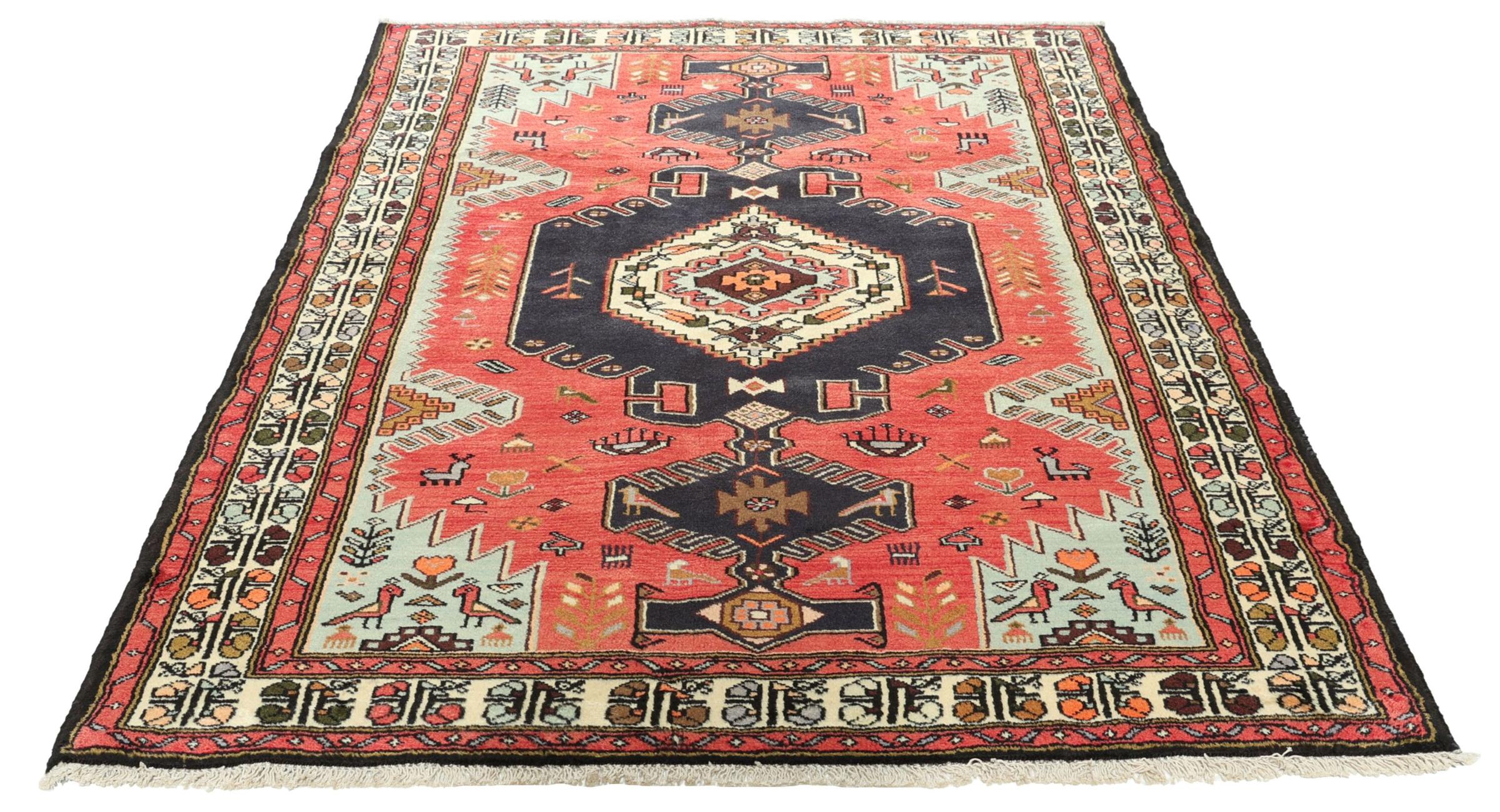
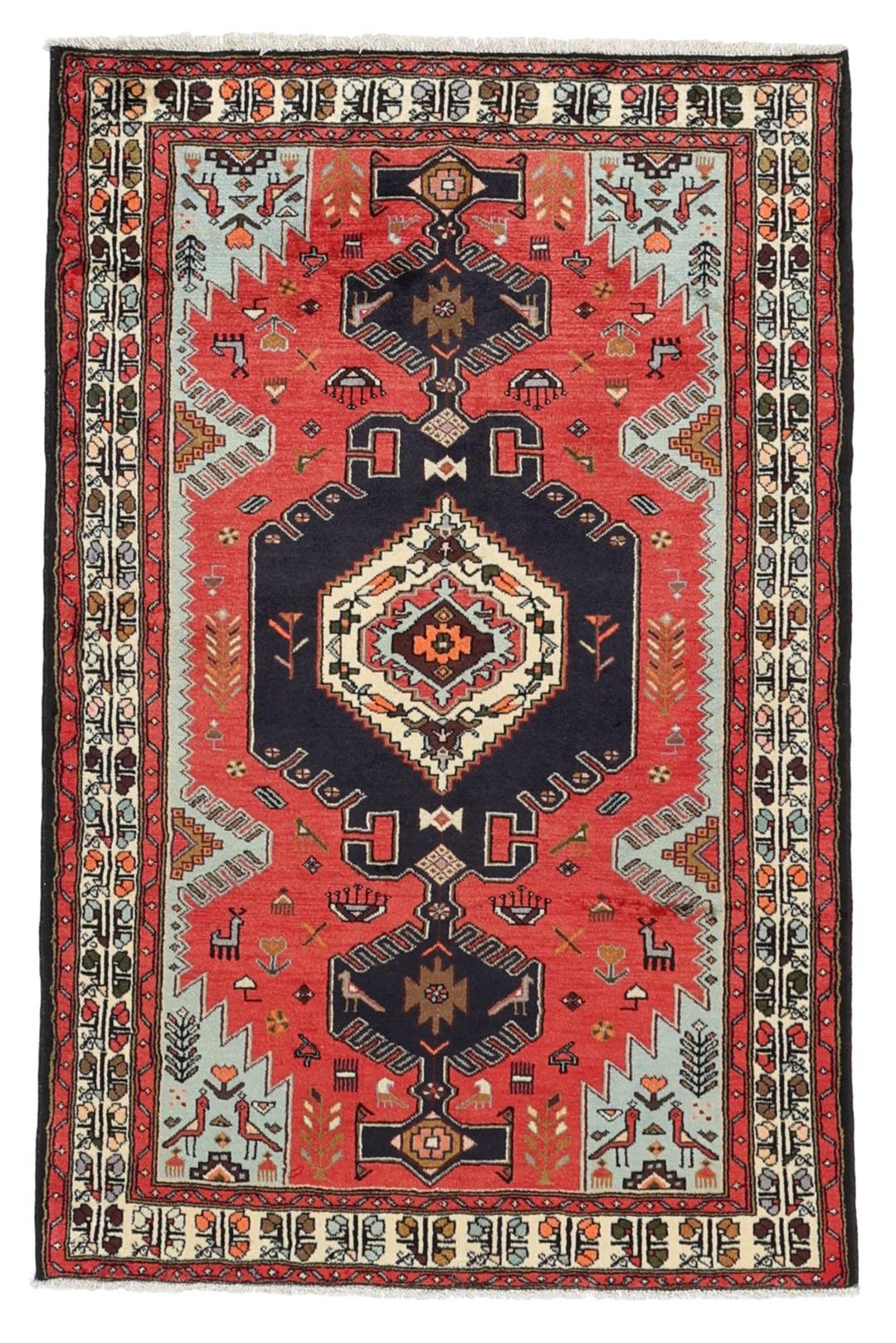
Hamadan rugs originate from one of the oldest cities in the Middle East, situated in a region with a long-standing history of textile production. For centuries, the surrounding villages have developed their own distinct interpretations of rug design, often utilising local materials and techniques passed down through generations. This rich provenance makes every Hamadan rug a historical artifact that connects your modern home to a deep, cultural lineage.
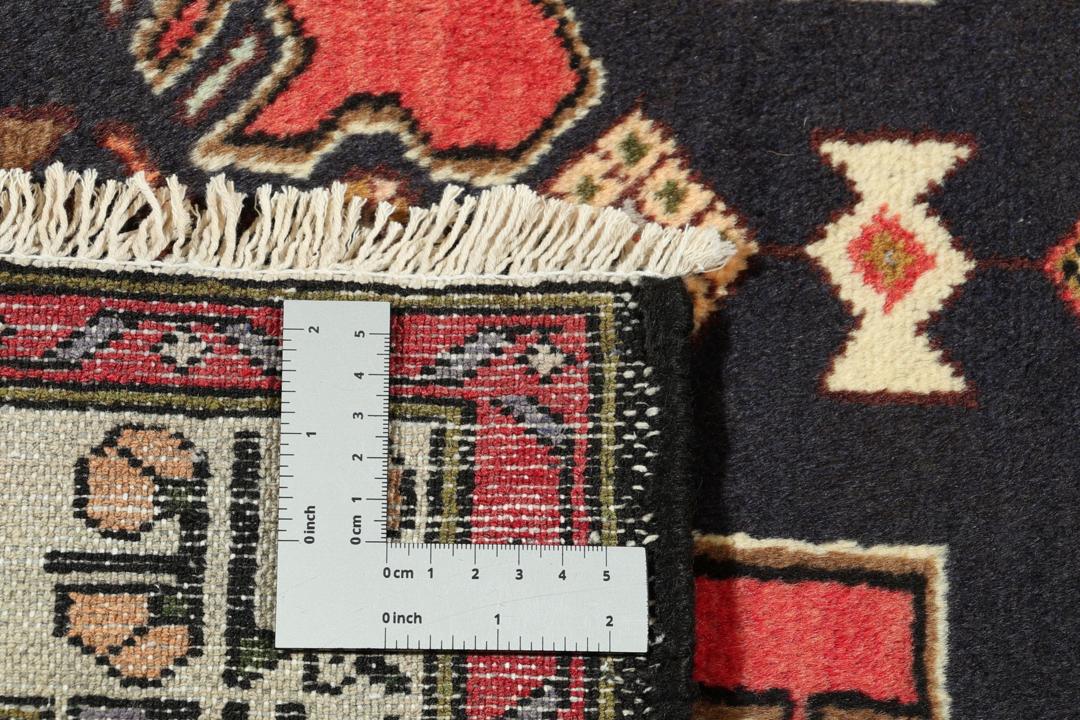
The term Hamadan refers to a vast category of rugs that share a common origin, yet each village often brings its own flair to the weaving. These rugs are typically known for their sturdy construction, which is designed to be both decorative and highly practical. The use of robust wool in the pile ensures that these rugs can endure years of use while retaining their vibrant character and structural shape.
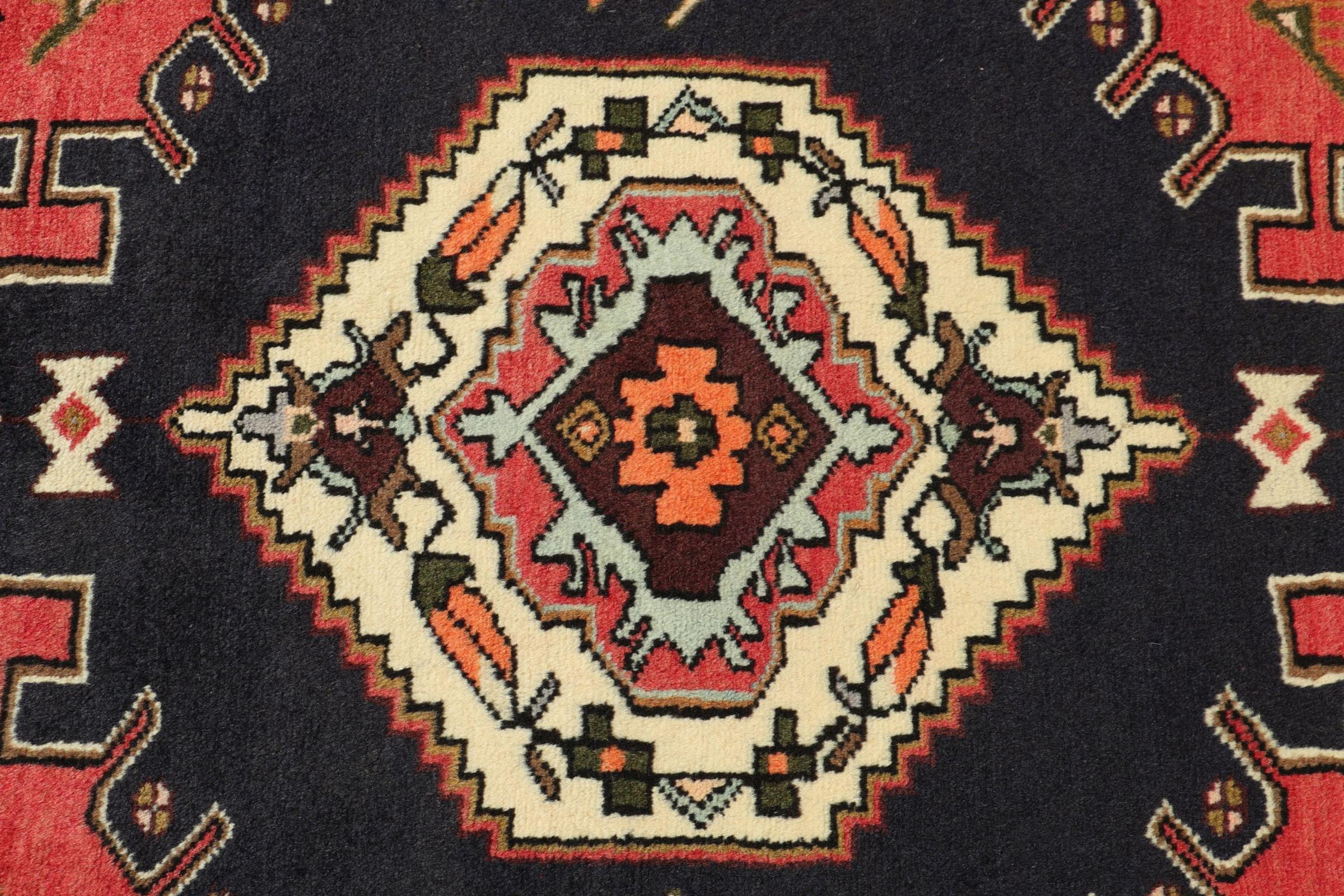
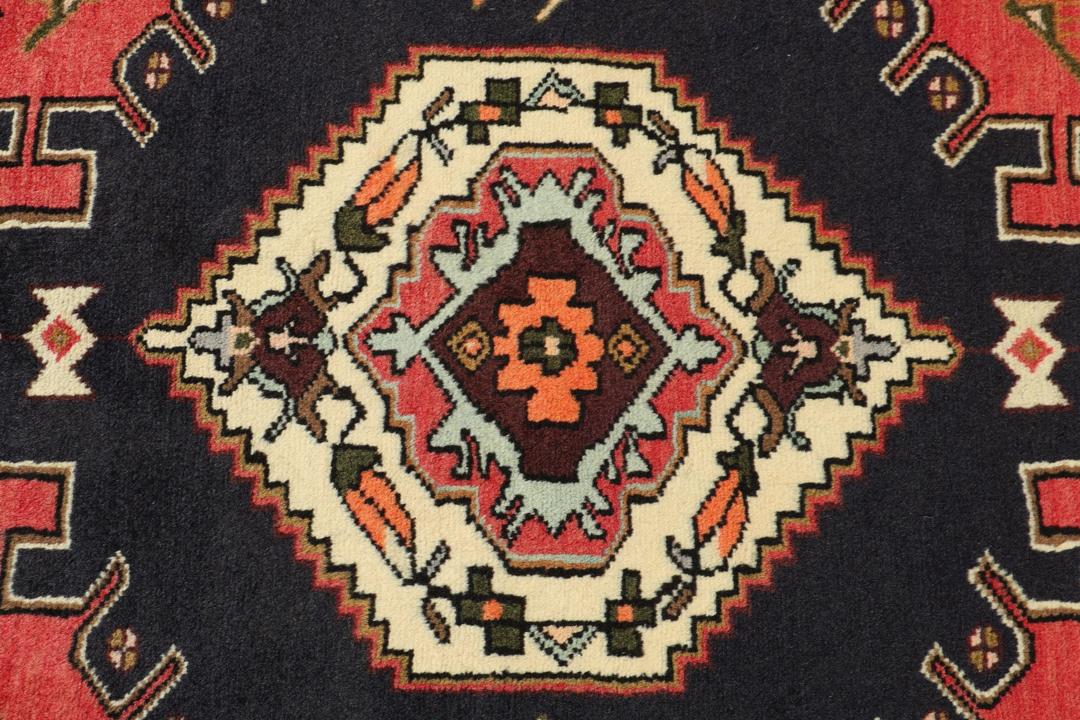
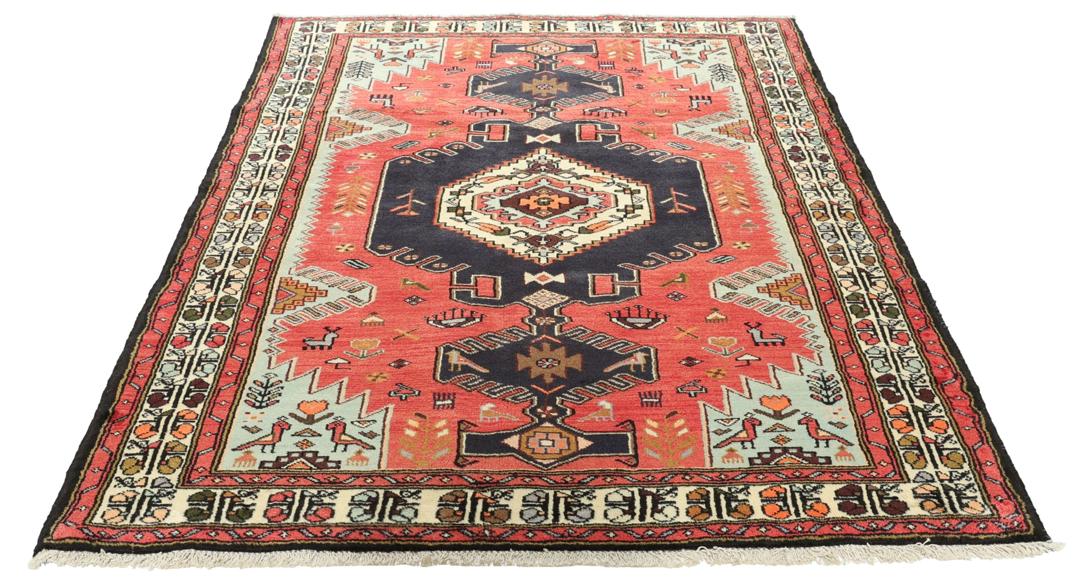
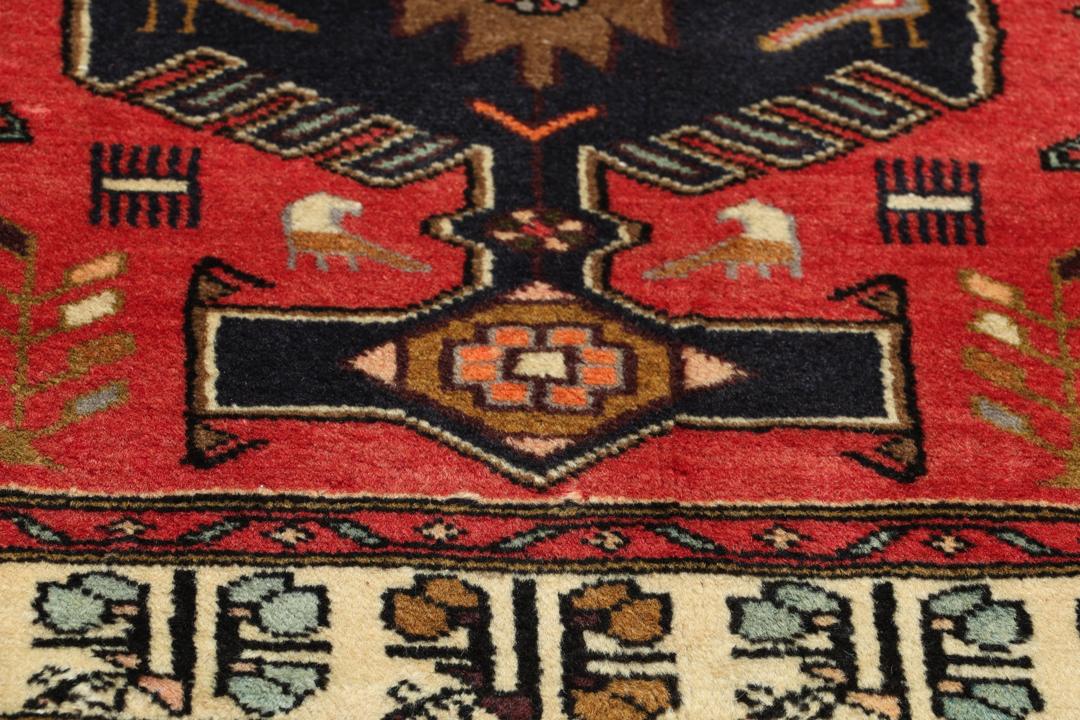
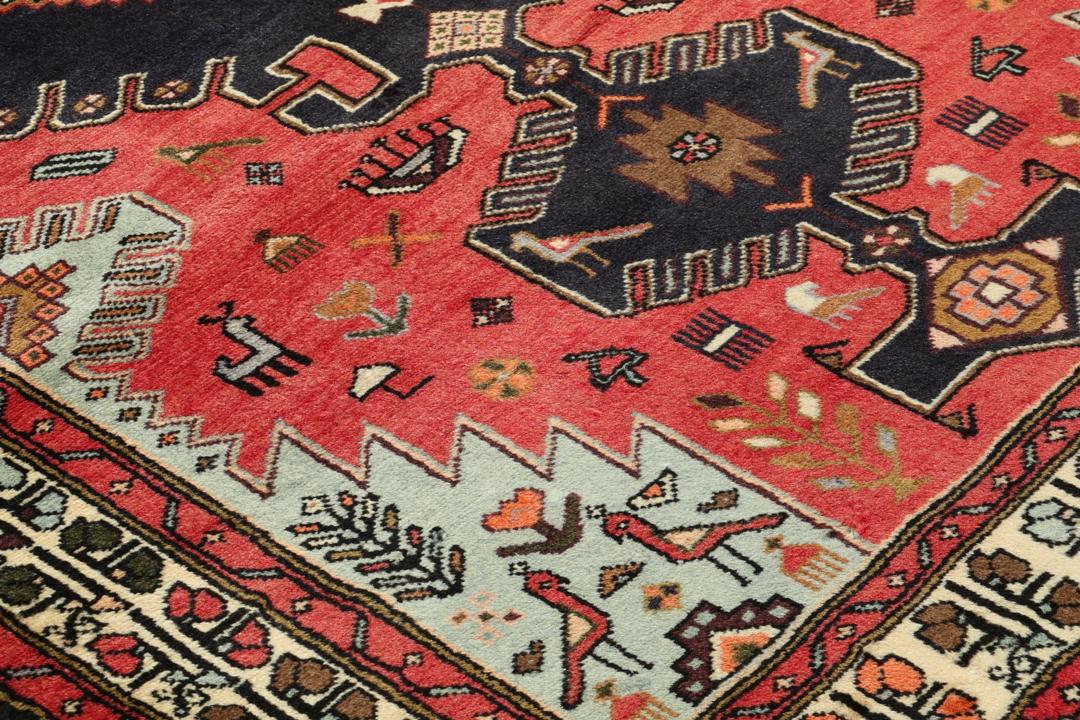
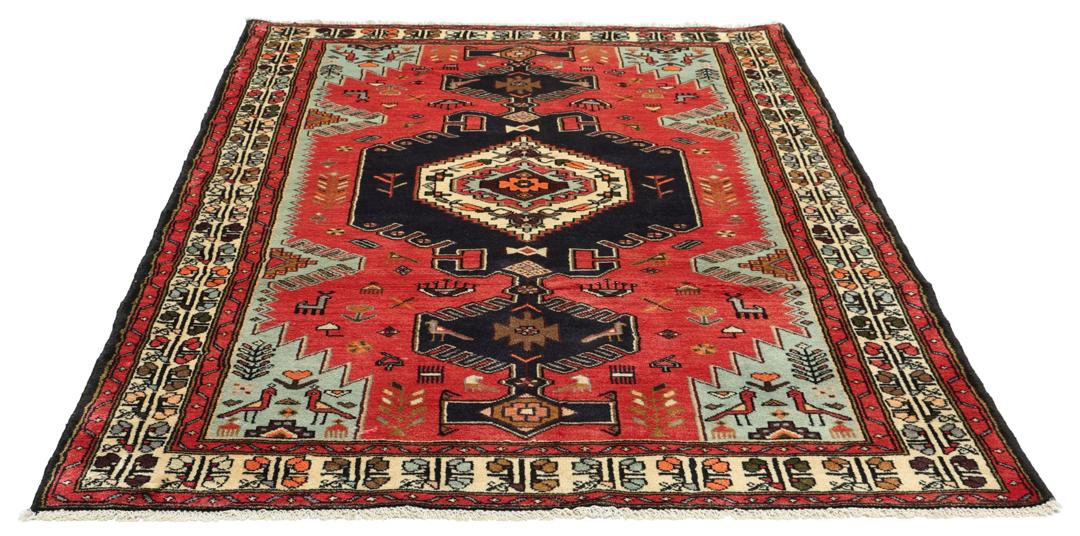
Signature design elements in these rugs often include geometric medallions, floral motifs, and stylized animals arranged in balanced, often symmetrical patterns. You will frequently find a central medallion surrounded by smaller, repeating figures that fill the field, all framed by decorative borders. The use of bold, contrasting colours is a hallmark of this tradition, reflecting the lively spirit of the local artisans.
Collectors value Hamadan rugs for their authenticity and the skill required to produce them. Owning one is not merely about decorating a floor; it is about preserving a piece of regional heritage. These rugs are highly regarded for their honest construction and the fact that they represent the genuine, unhurried work of human hands, making them a significant addition to any collection.