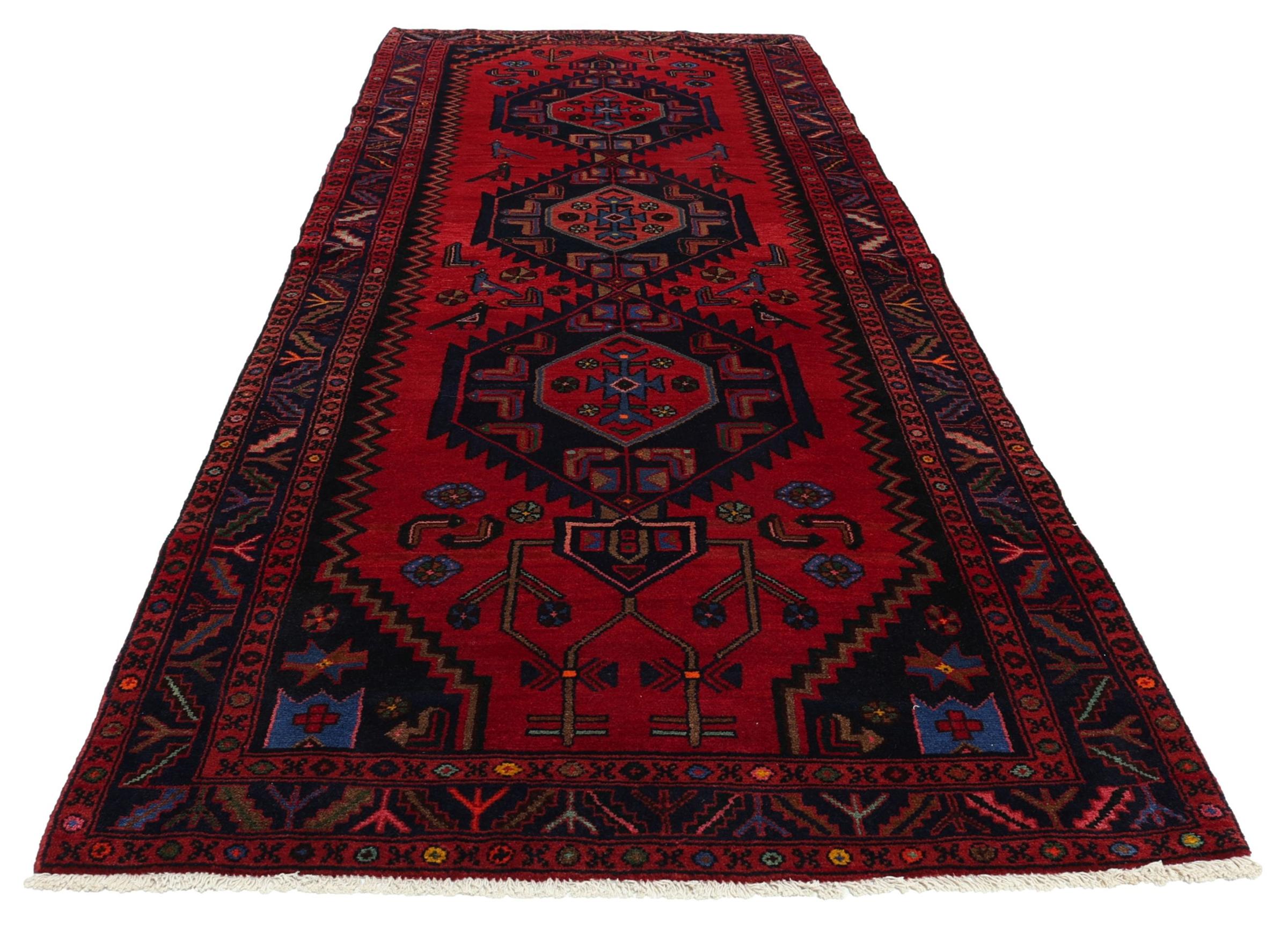
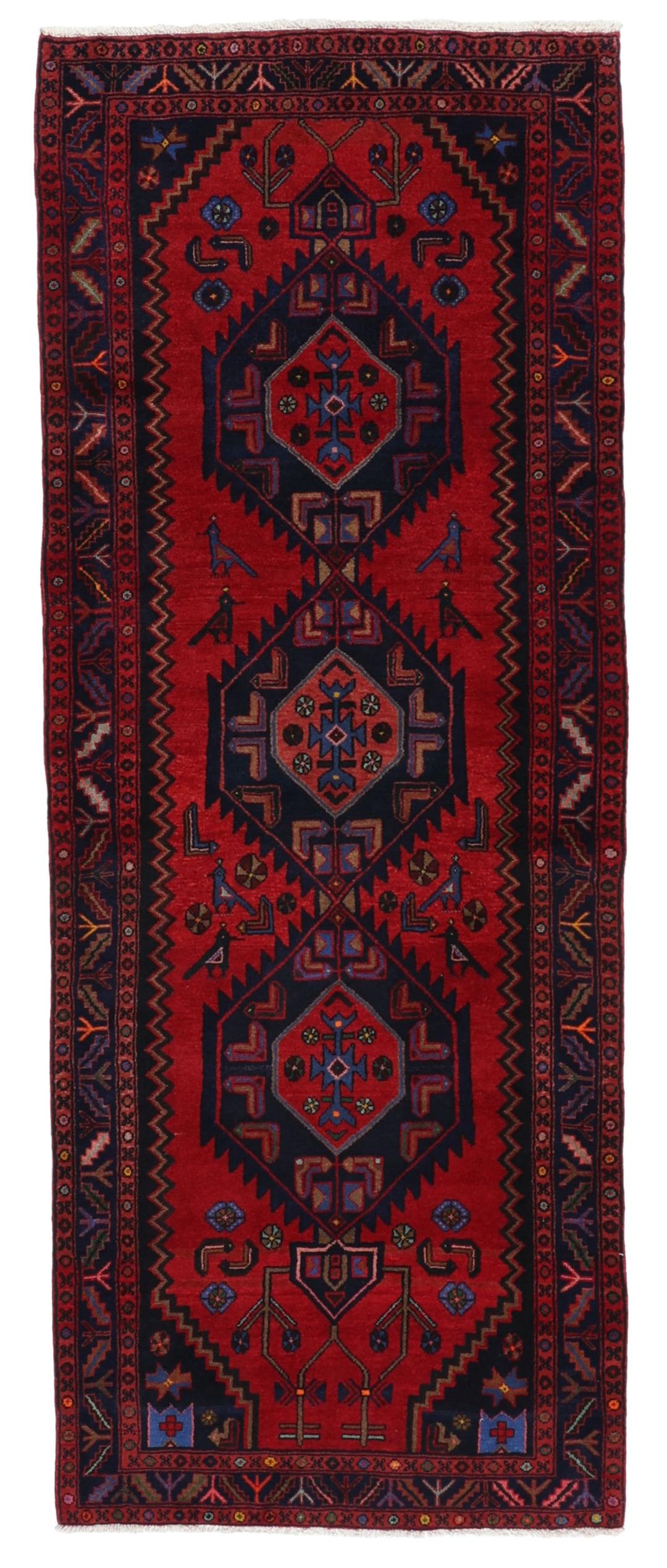
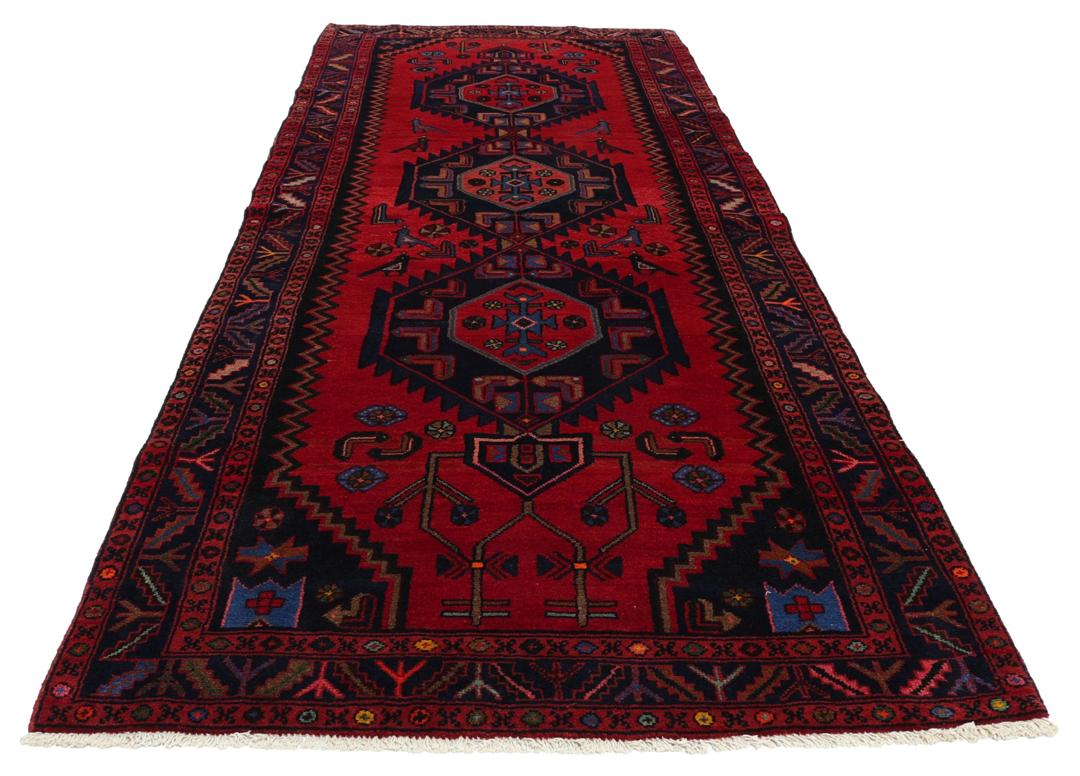
The Hamadan region in the Middle East is one of the oldest and most prolific rug-producing areas in the world. Located in the high mountains of the west, the region is home to hundreds of villages, each with its own variation of weaving traditions. These rugs are renowned for their incredible variety, as they are not produced in a single factory but rather in homes where weavers have passed down their specific techniques and patterns for centuries.
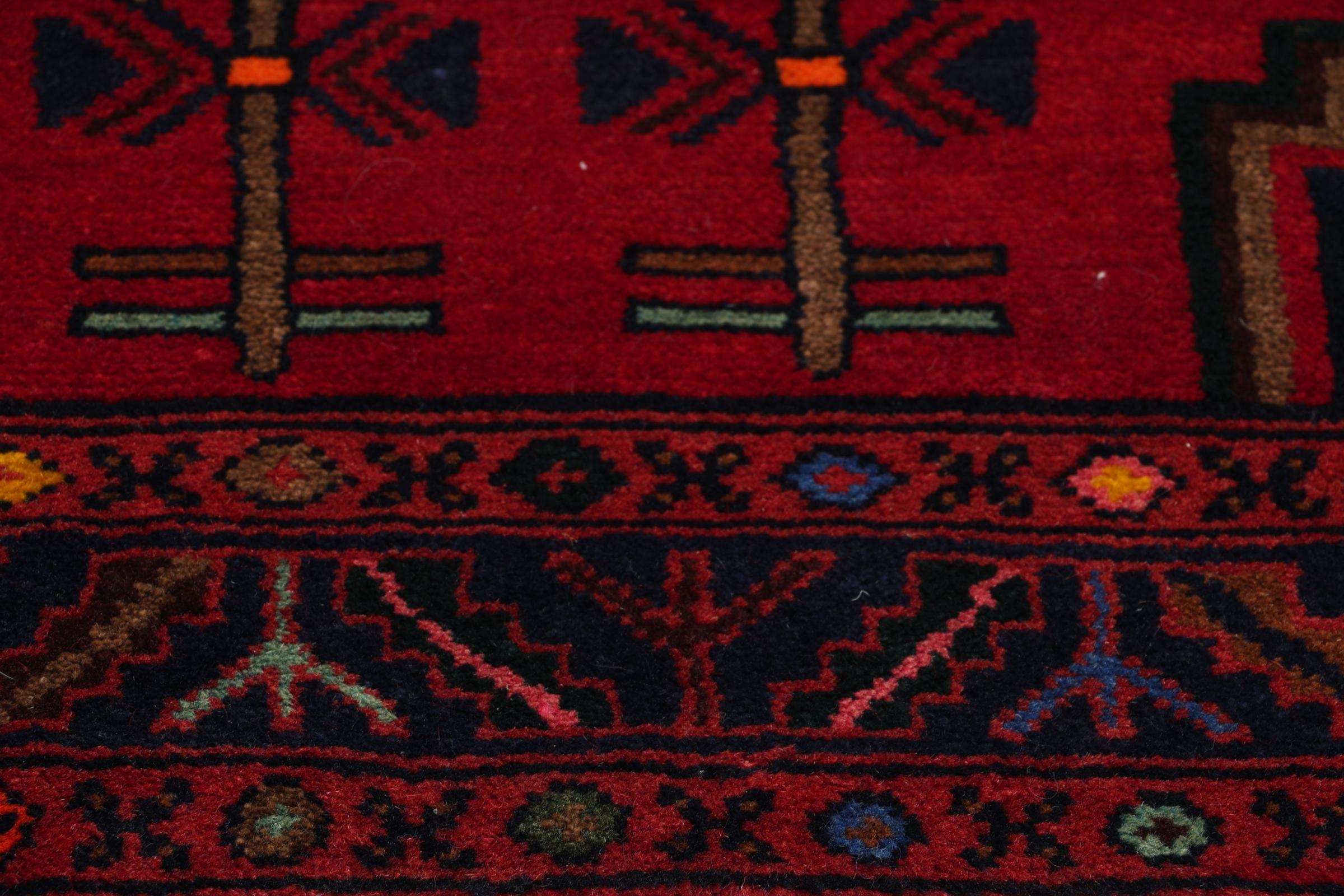
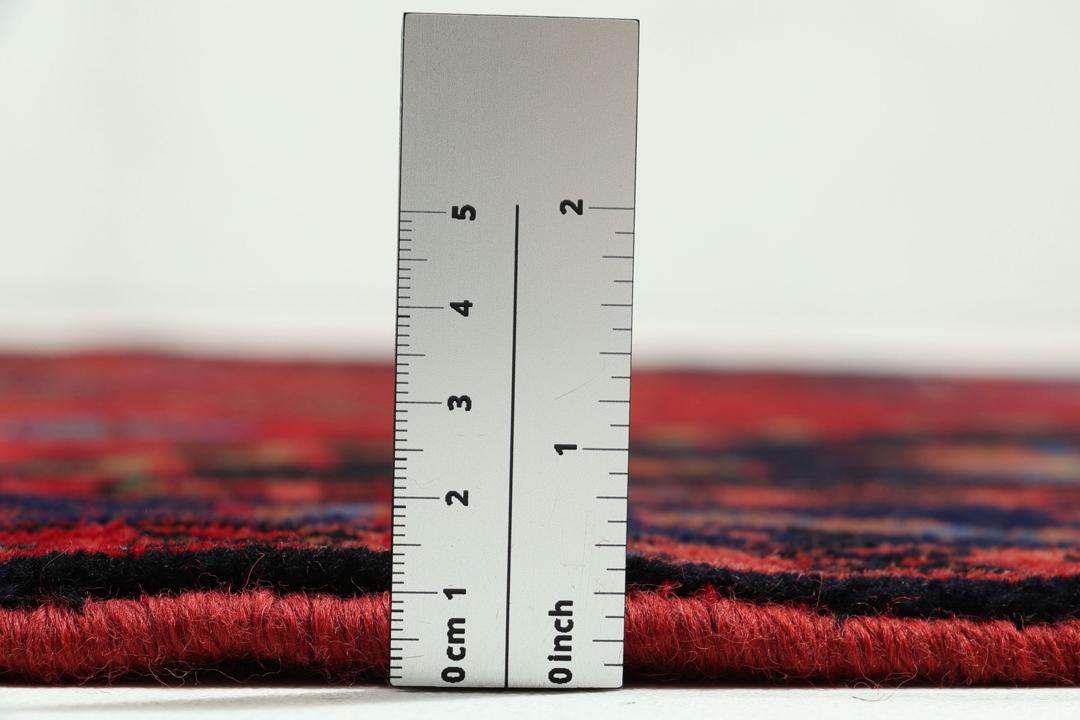
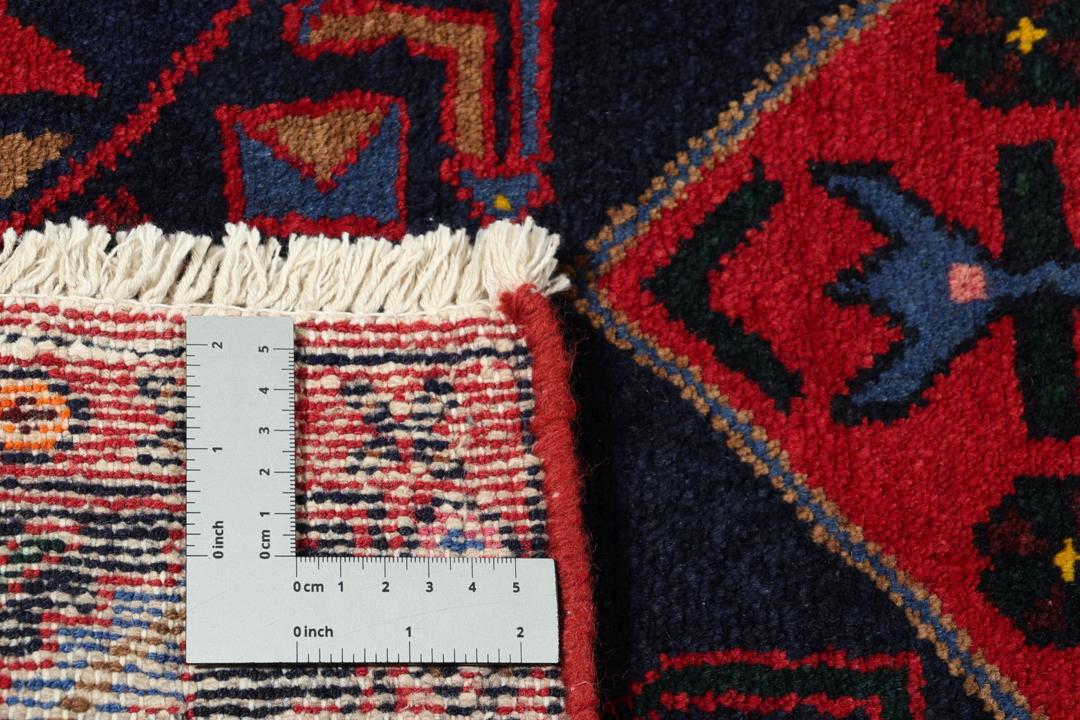
A key aspect of Hamadan rugs is their robust construction, which often features a sturdy foundation that allows them to withstand generations of use. The term 'hand-knotted' refers to the traditional method where each strand of wool is tied by hand around the warp threads. This creates a dense, pile-rich surface that is both durable and soft, a hallmark of the high-quality output from this mountainous region.
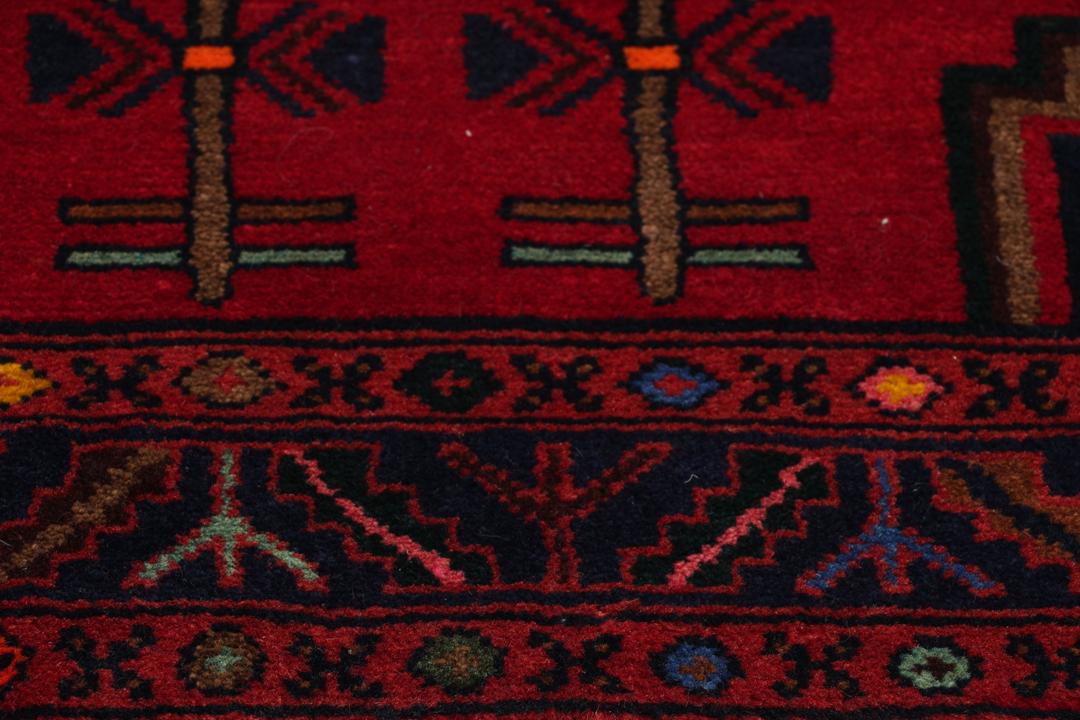
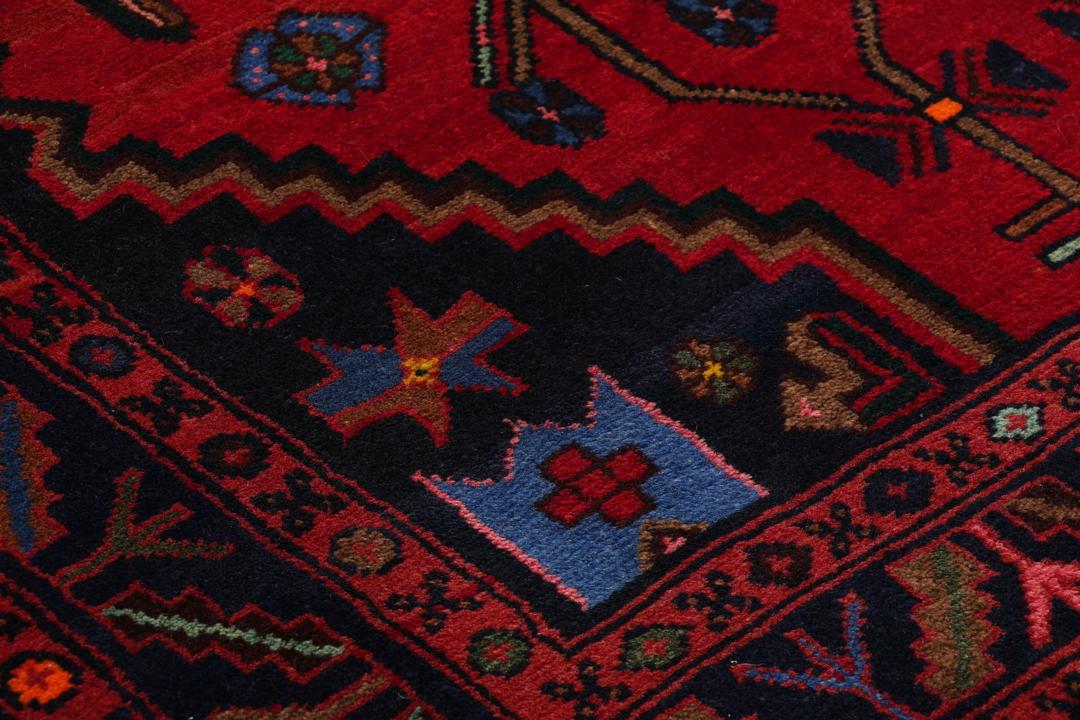
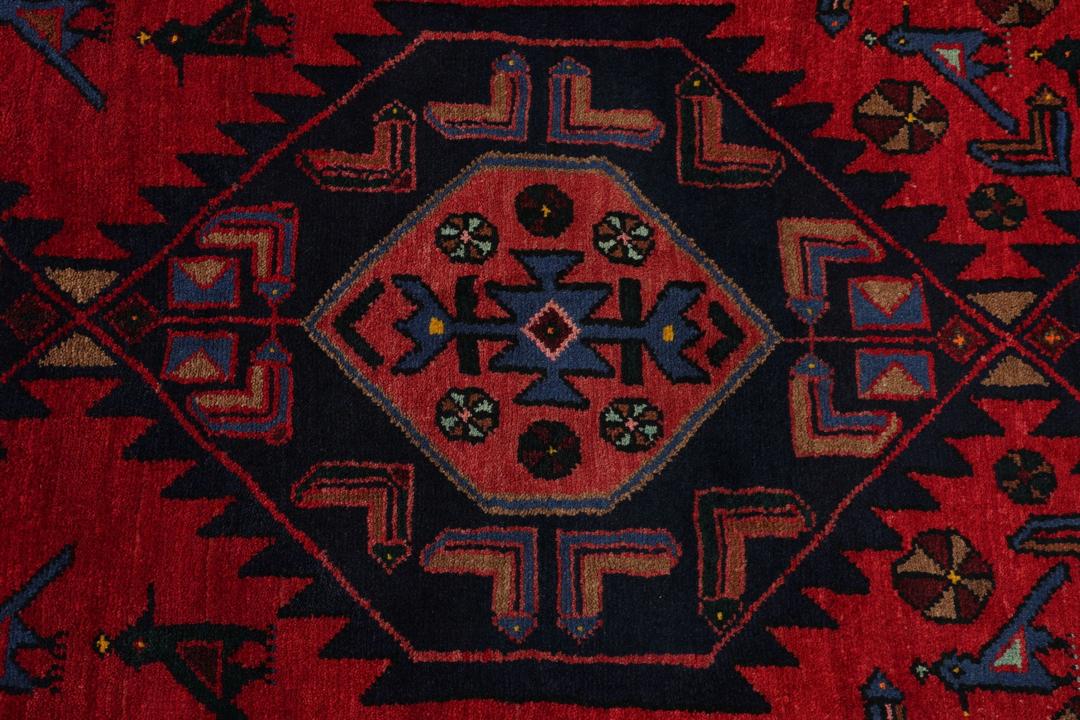
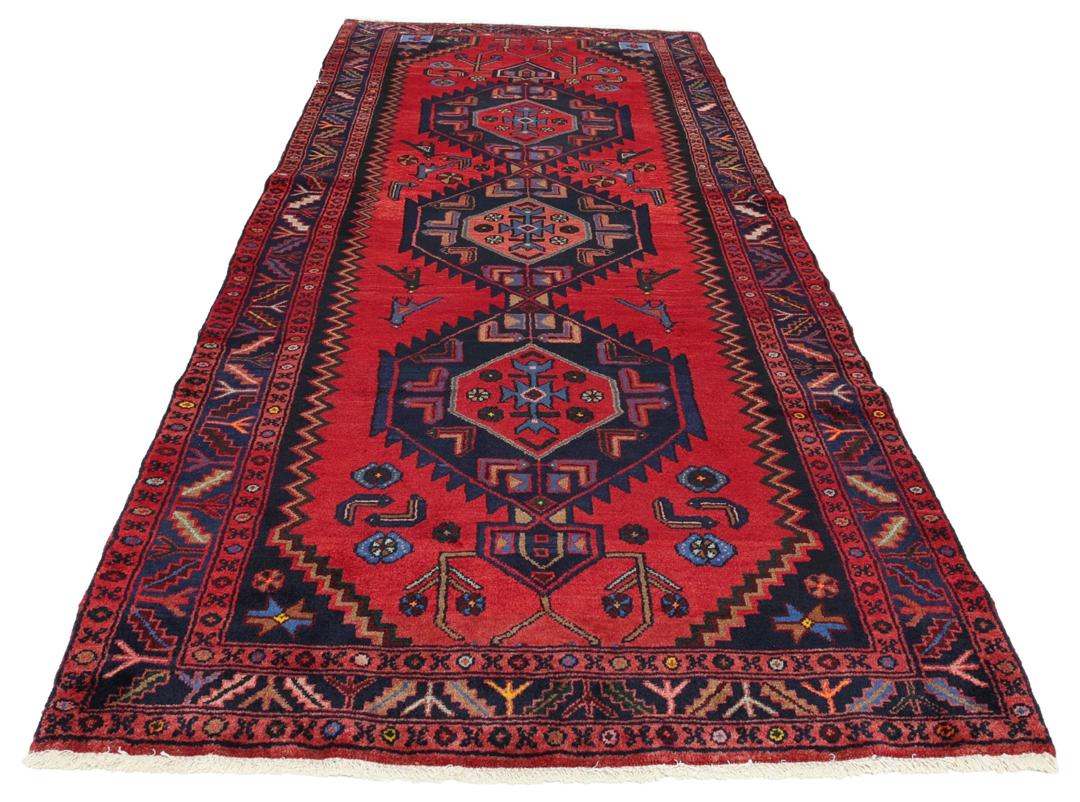
The visual language of Hamadan rugs typically centres on bold geometric patterns, with many pieces featuring a central medallion or a repeated all-over pattern. The motifs are often abstract representations of floral elements or tribal symbols, framed by intricate borders that tie the design together. The use of deep red and dark blue is a classic signature, often achieved through natural dyes that have mellowed beautifully over time.
Collecting a rug from this tradition is an investment in human skill and regional heritage. These pieces are valued for their authenticity and the way they reflect the lives and stories of the people who created them. By choosing a Hamadan, you are not just buying a rug, but a piece of cultural history that brings warmth, tradition, and an unmatched level of craftsmanship into your home.