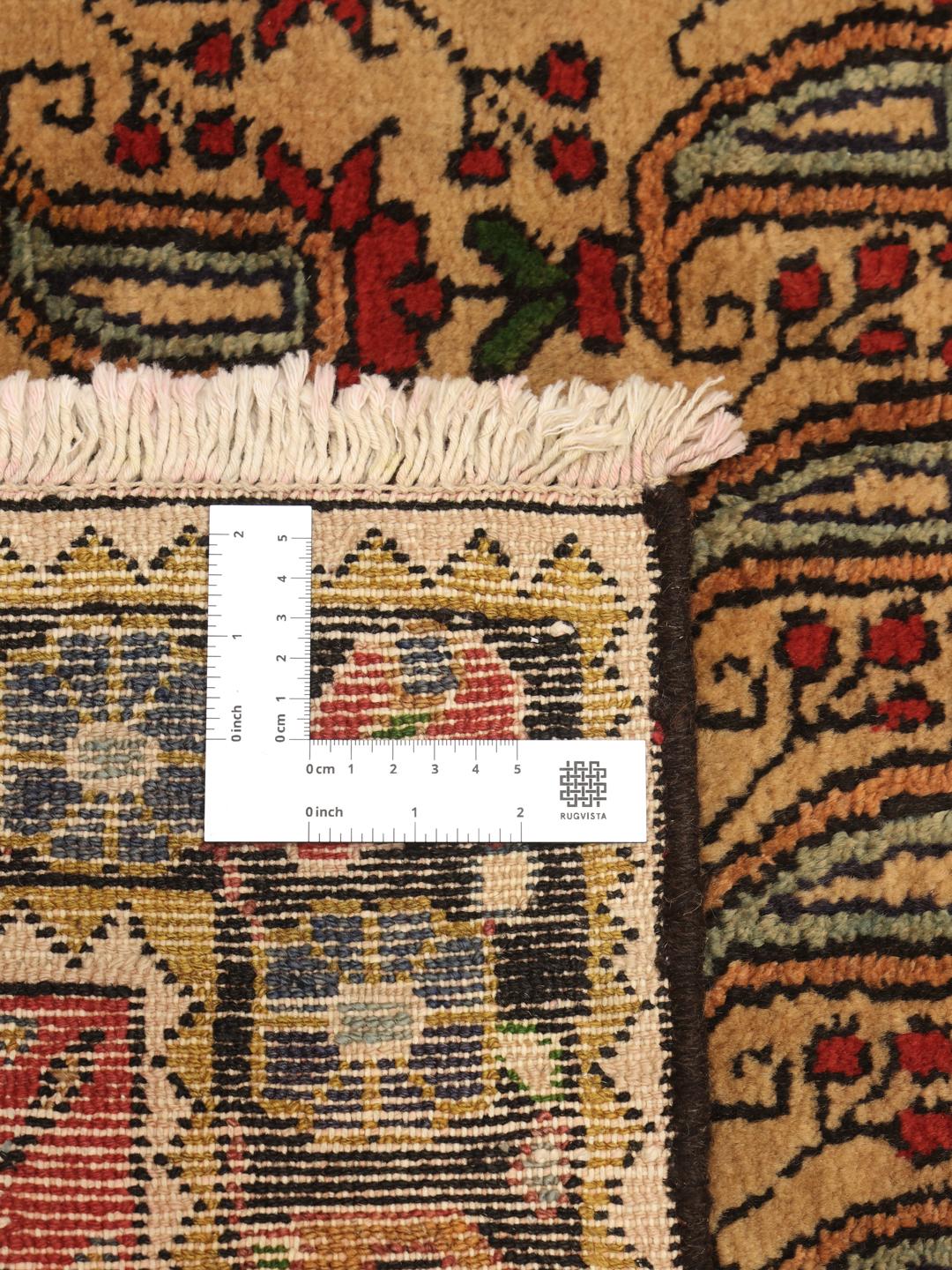
Hamadan rugs originate from one of the oldest cities in the Middle East, a historic centre of trade and culture located in the western part of the region. For centuries, this area has been a hub for nomadic and village weavers who have developed a distinct visual language, often characterised by the use of local wool and bold, expressive patterns that reflect the natural beauty of their surroundings.
The term Hamadan refers to a wide variety of rugs produced in the city and the surrounding hundreds of villages. While styles can vary, they are unified by a commitment to sturdy construction and the use of traditional motifs. These rugs are highly regarded for their practical nature, designed originally to withstand the rugged conditions of village life while providing warmth and beauty to the home.
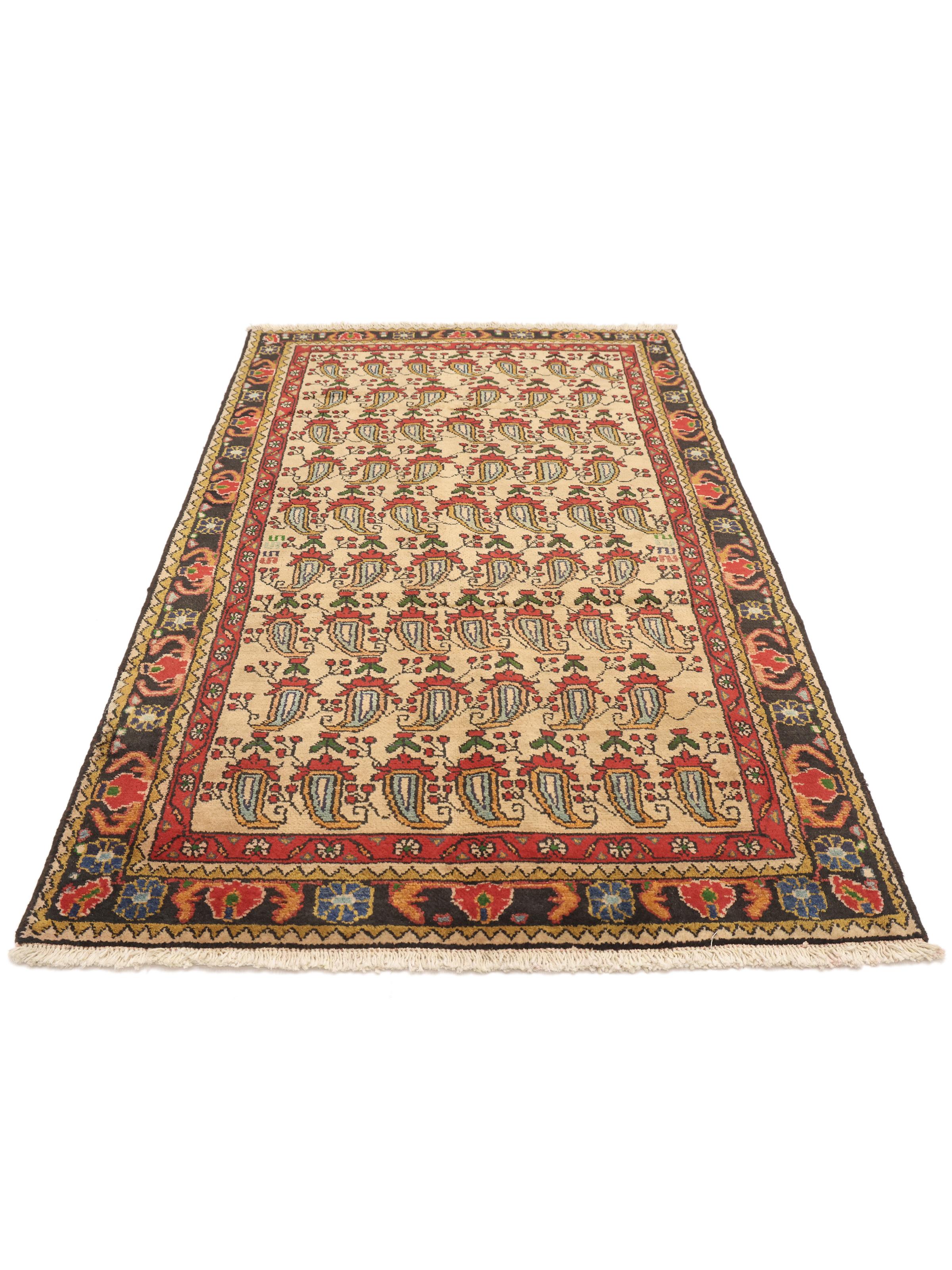
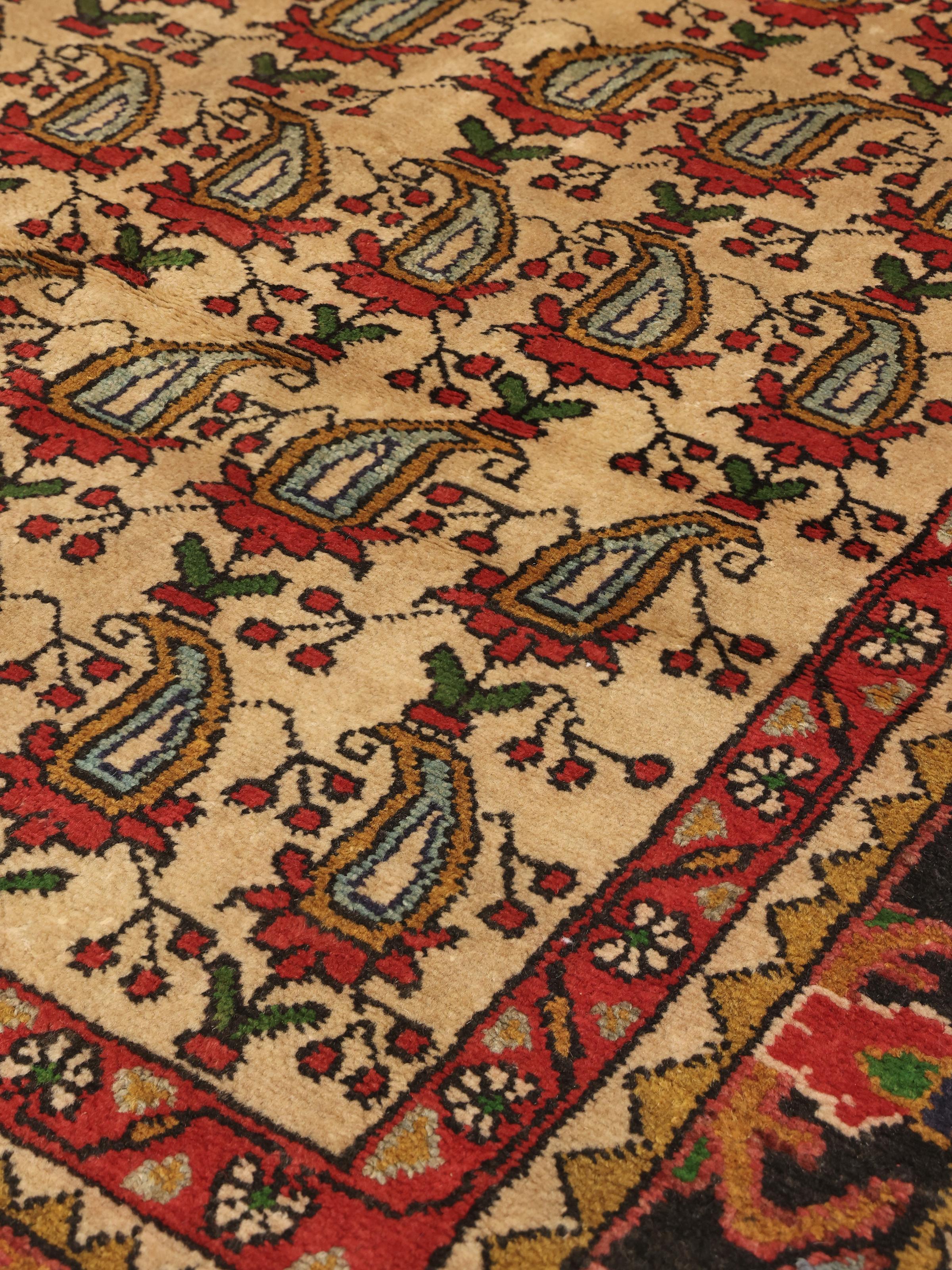
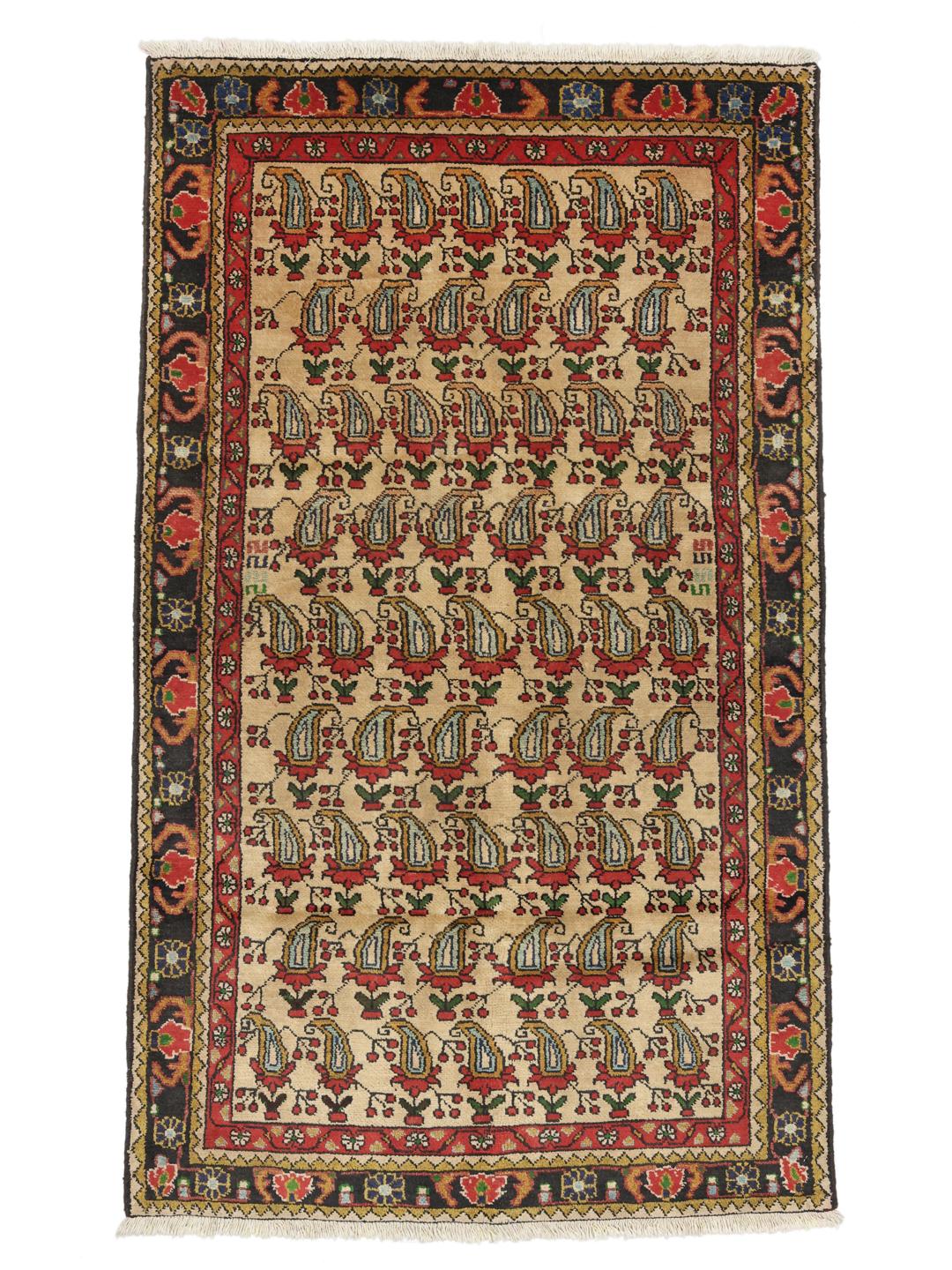
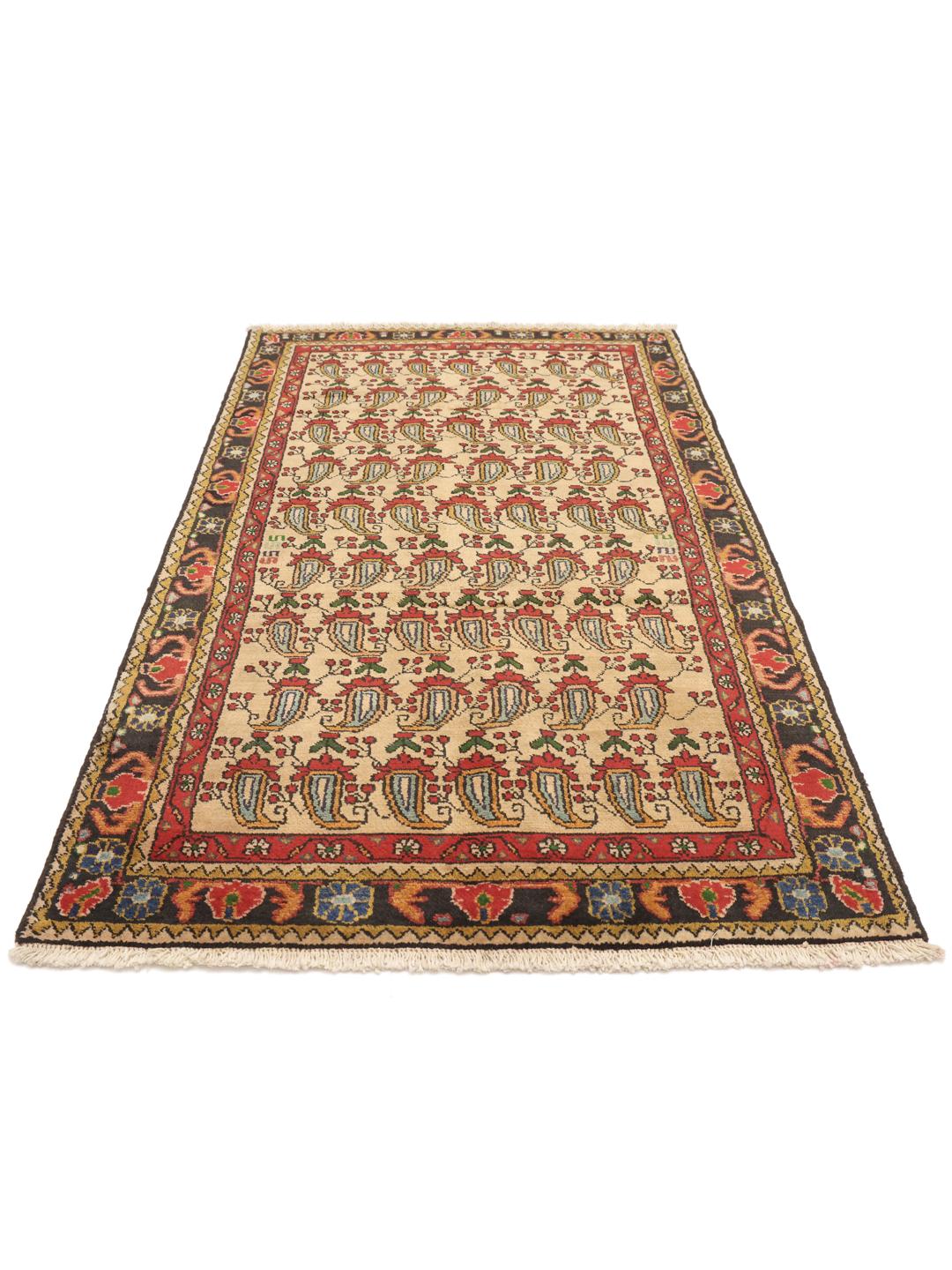
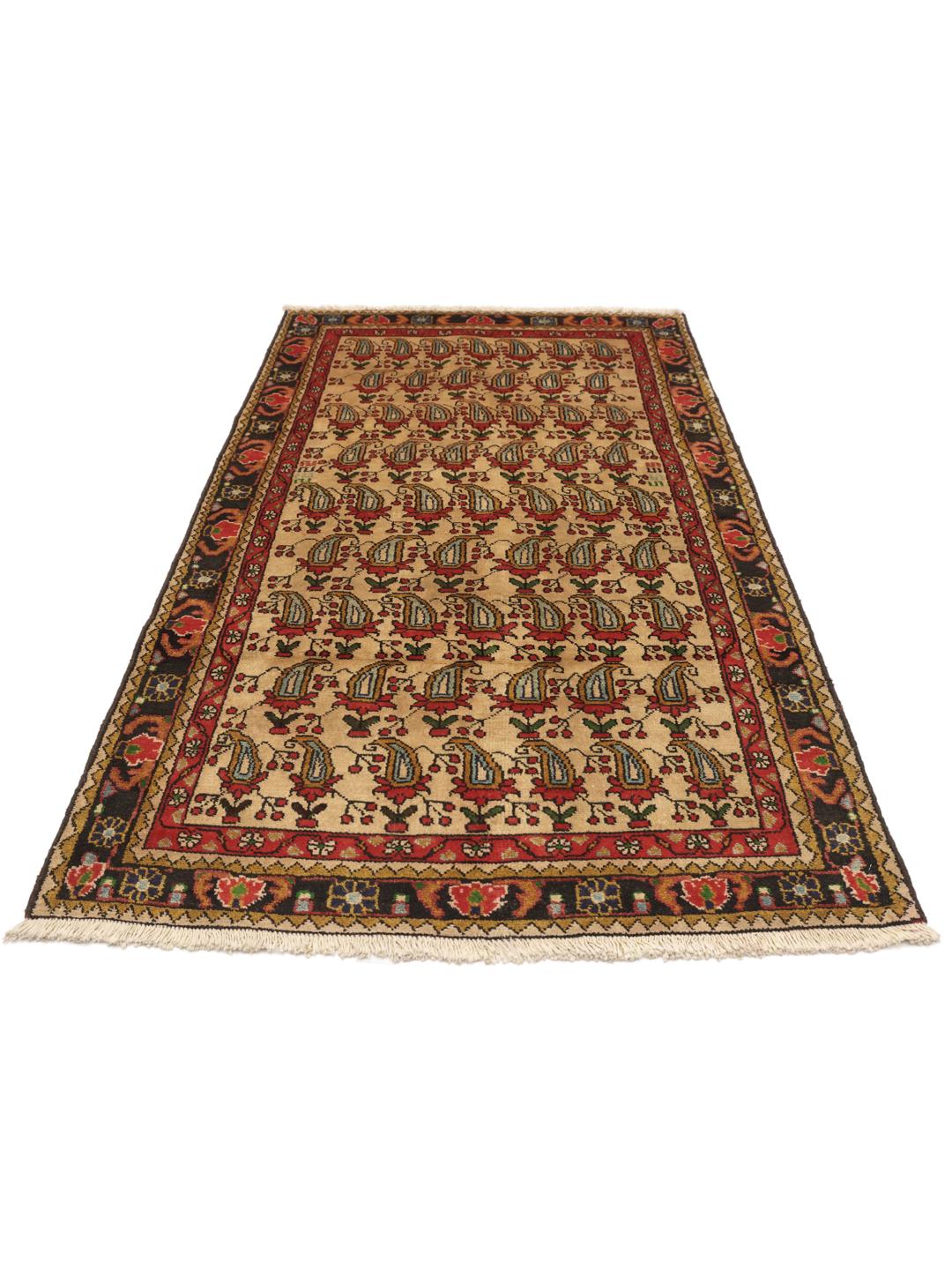
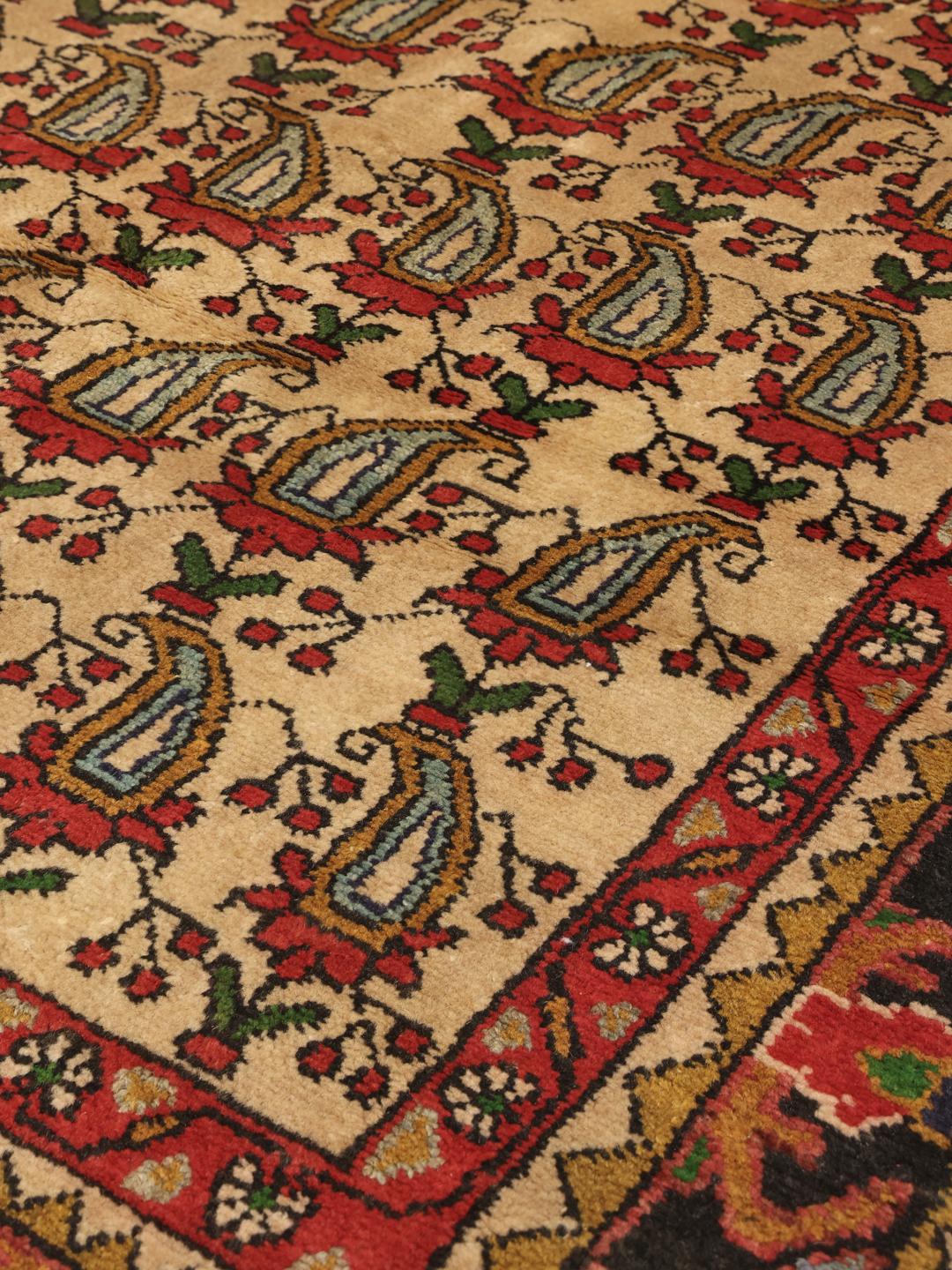
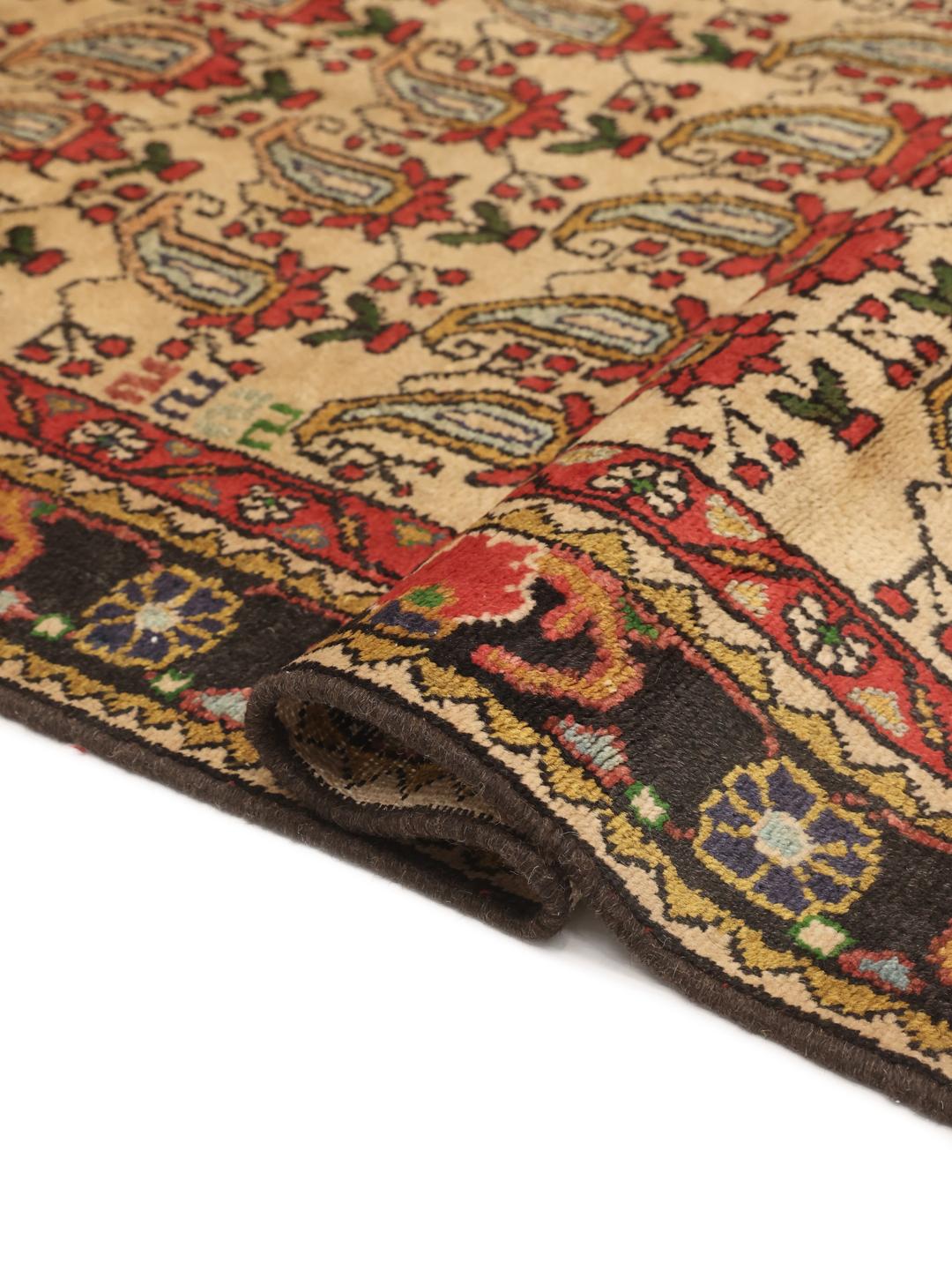
The field of this rug is adorned with the boteh, a motif that resembles a droplet or a stylised cypress tree, often interpreted as a symbol of life or eternity. This pattern is a hallmark of Middle Eastern textile design, appearing in various forms across centuries of weaving tradition. The inclusion of a formal, multi-layered border serves to frame these central motifs, creating a balanced and harmonious composition that is classic in its appeal.
Collecting a Hamadan rug is an investment in a living tradition. These pieces are valued for their honesty, their cultural weight, and the way they bridge the gap between historic craft and modern living. When you own such a rug, you are preserving a piece of history that continues to tell its story through its colours, motifs, and the dedicated hands that brought it into existence.