Hamadan rugs originate from one of the oldest cities in the Middle East, a region with a deep-rooted history in textile production that dates back centuries. Located in the mountainous western part of the region, the city of Hamadan serves as a commercial hub for hundreds of surrounding villages, each contributing its own unique flair to the wider tradition of rug weaving. This geographical diversity is why Hamadan rugs are known for such a vast array of designs and patterns.
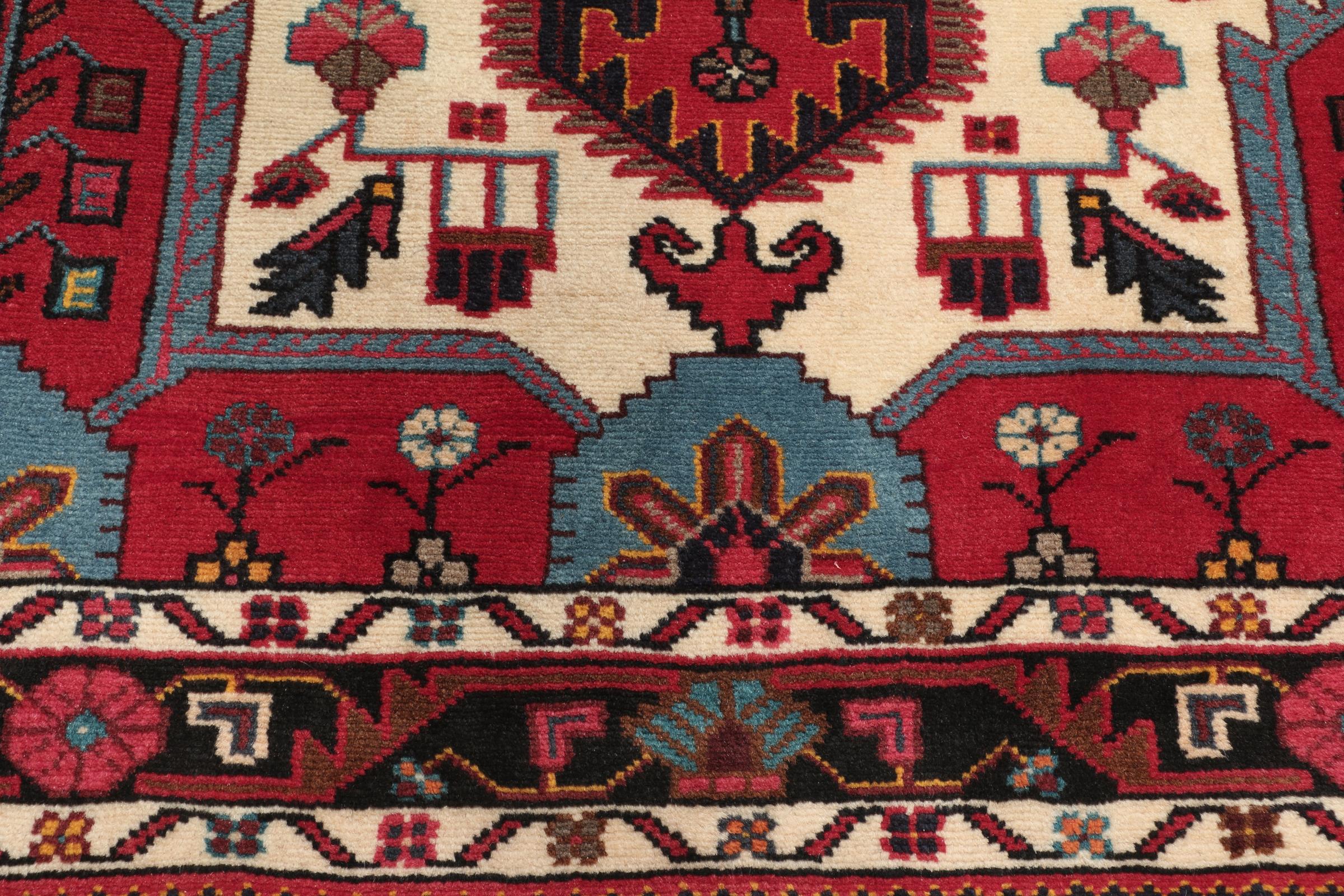
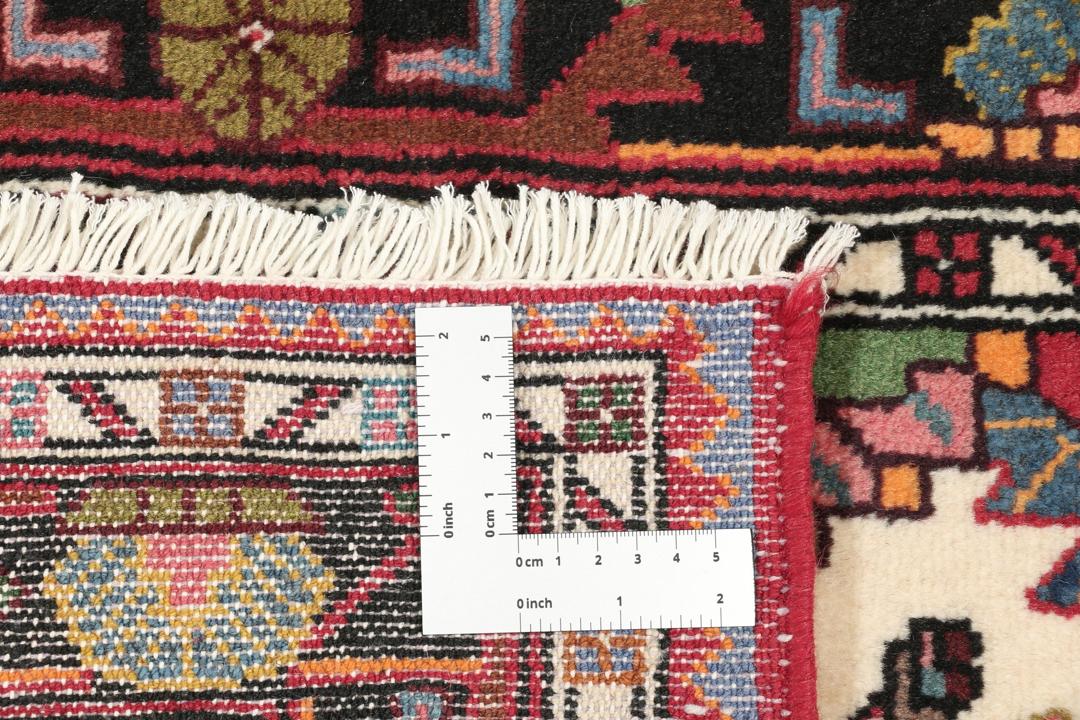
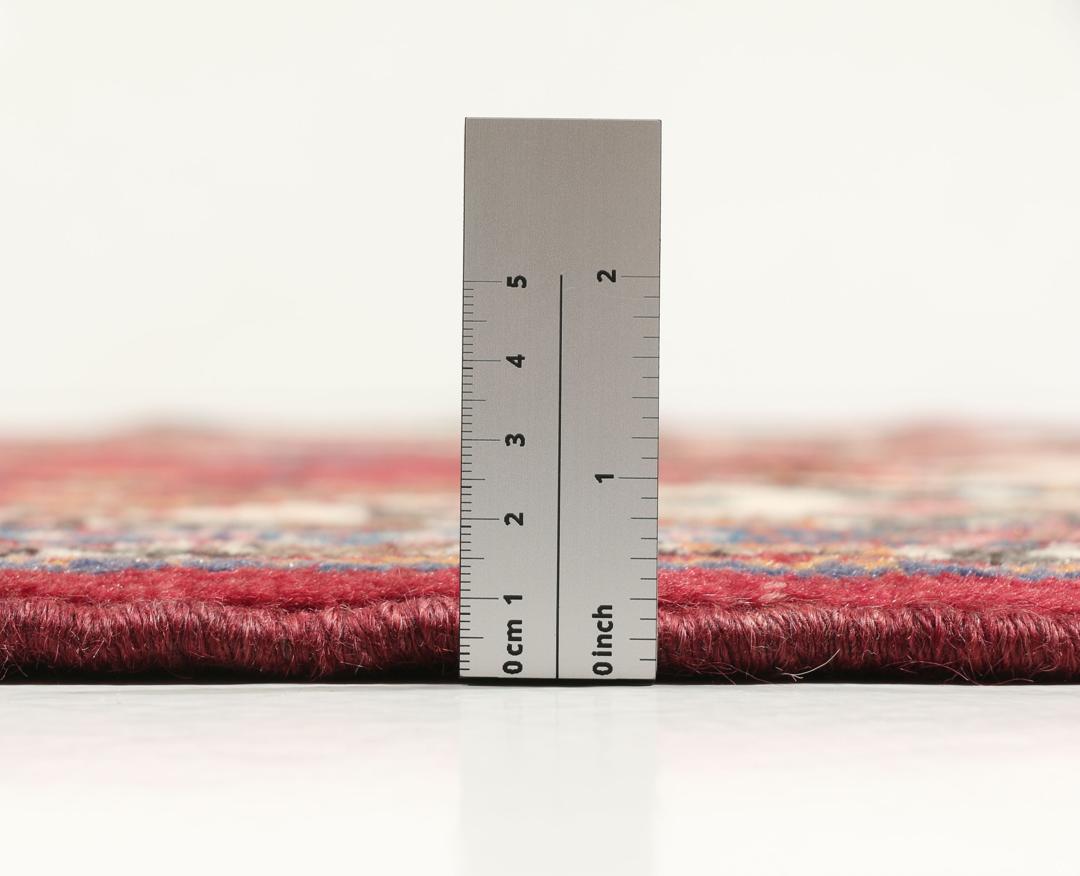
The craft of weaving these rugs is passed down through generations, with techniques that prioritise structural longevity. The use of hand-tying methods ensures that the pile is firmly secured to the base, creating a dense surface that can withstand heavy foot traffic. Understanding this tradition helps one appreciate why these rugs are not just floor coverings, but durable assets that gain character and value as they age.
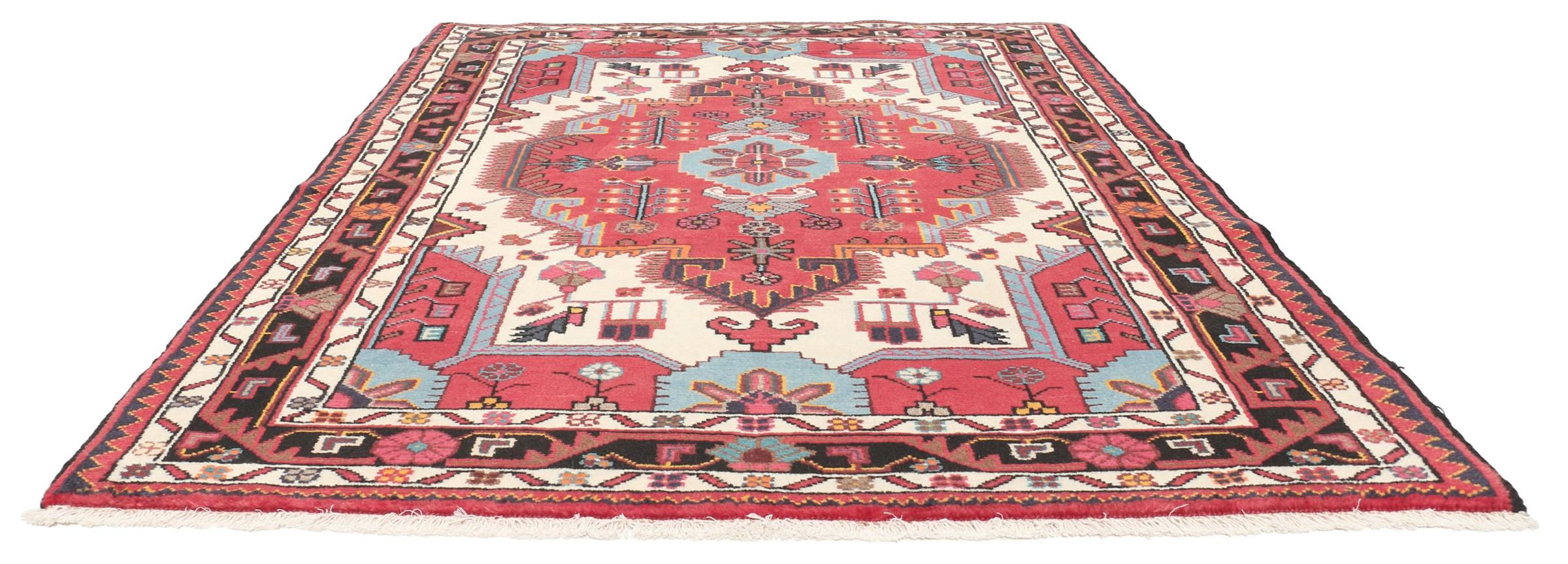
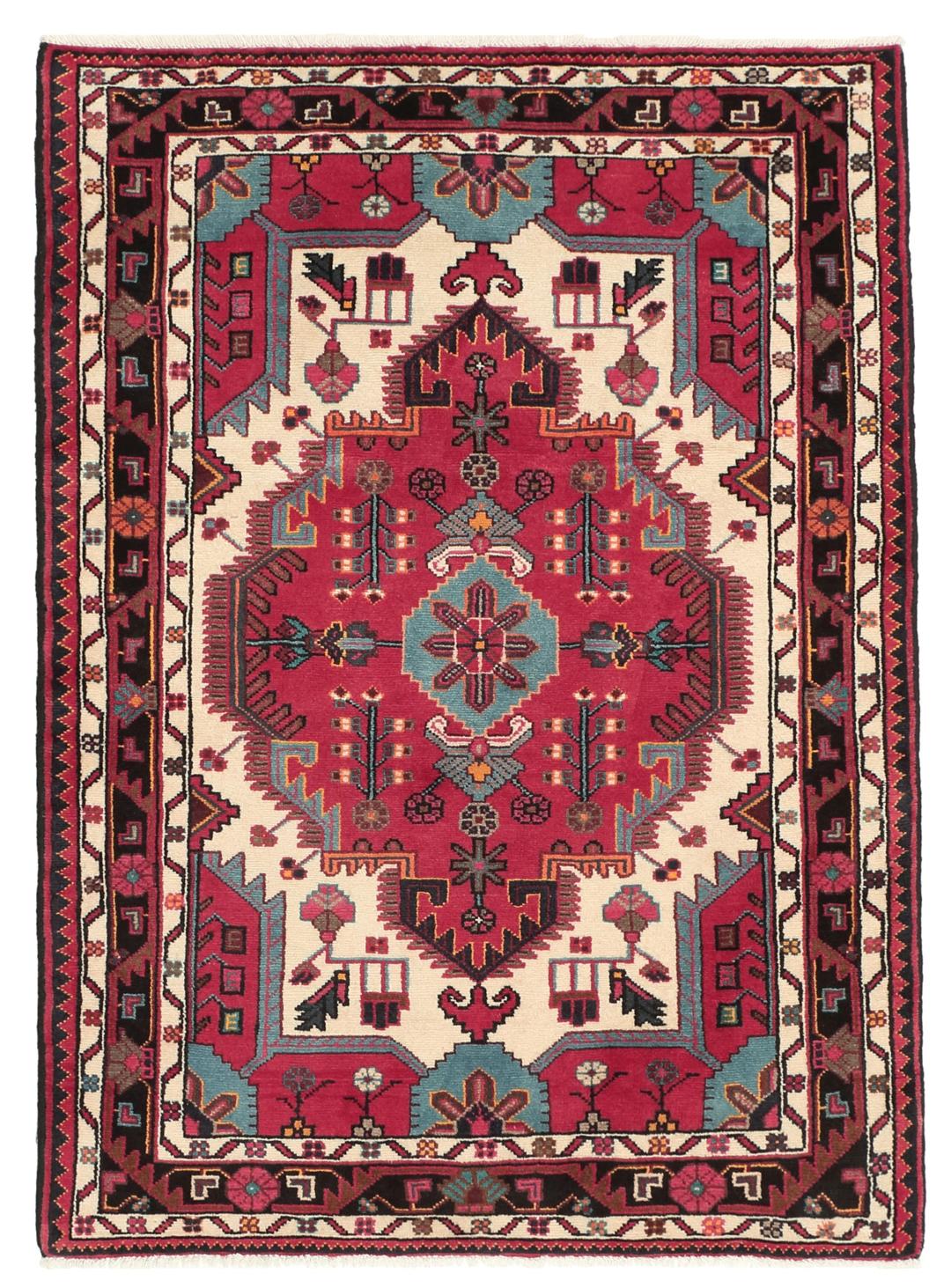
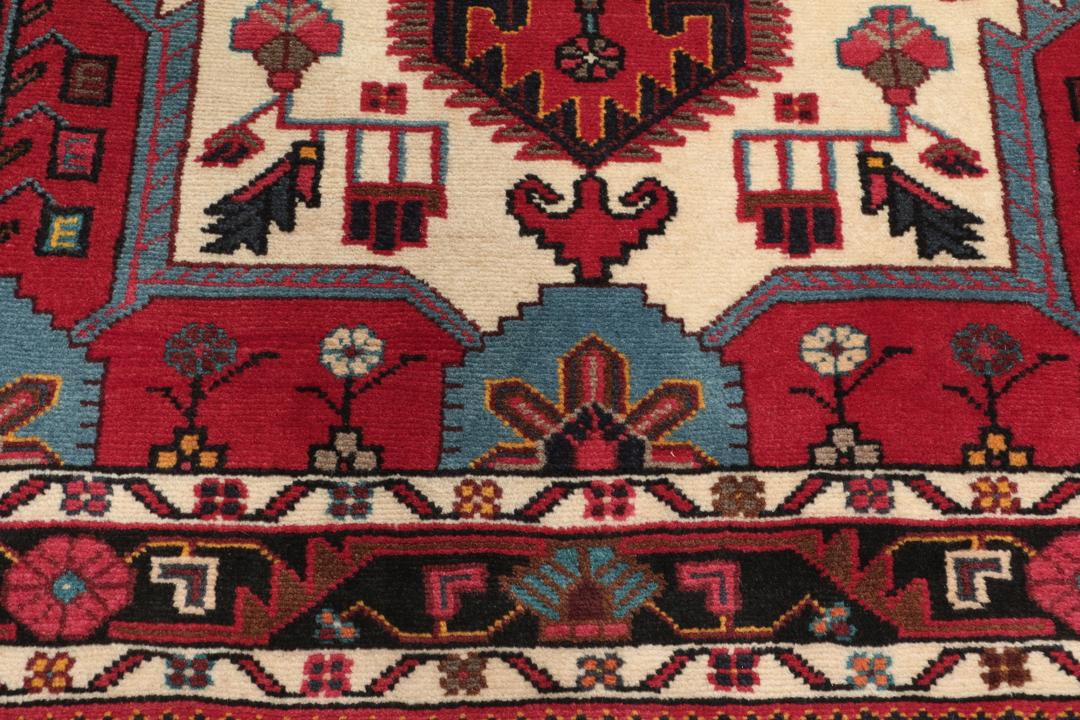
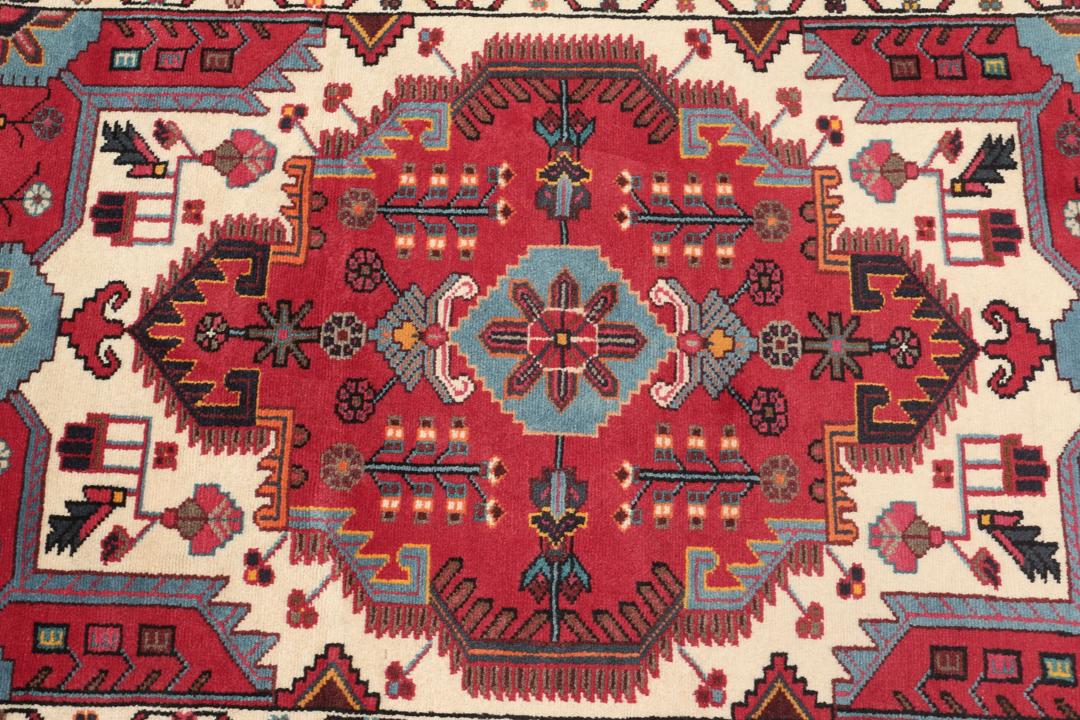
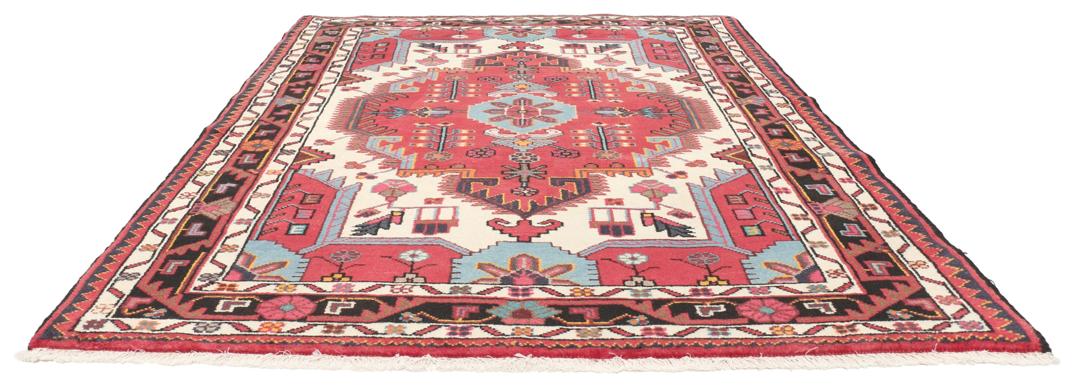
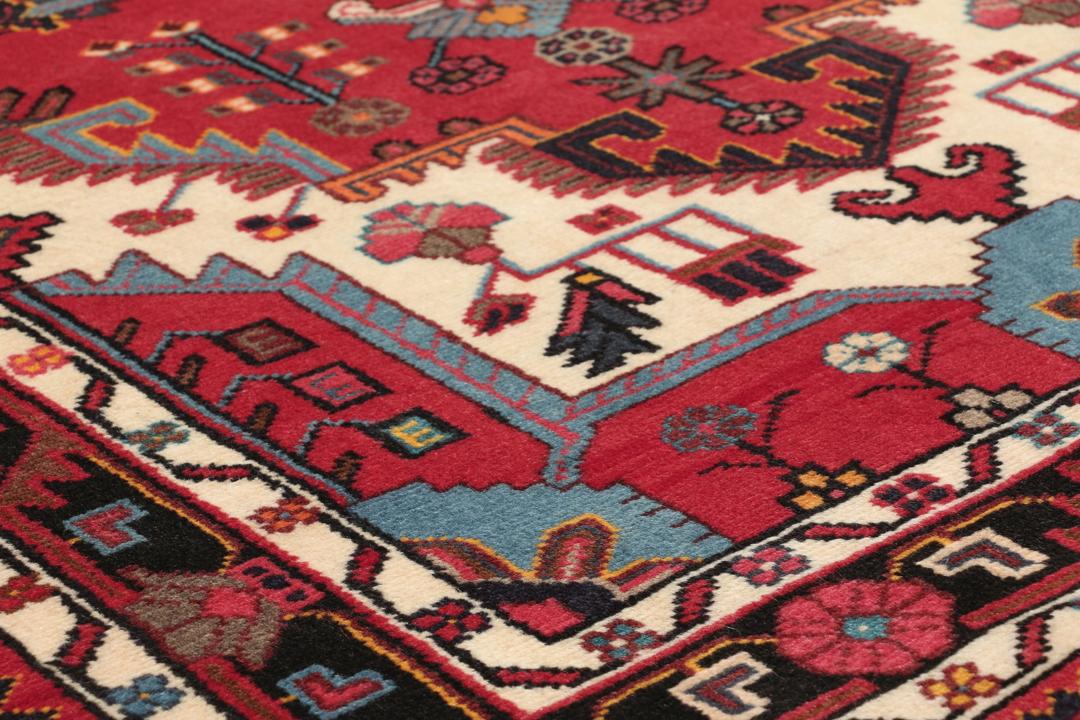
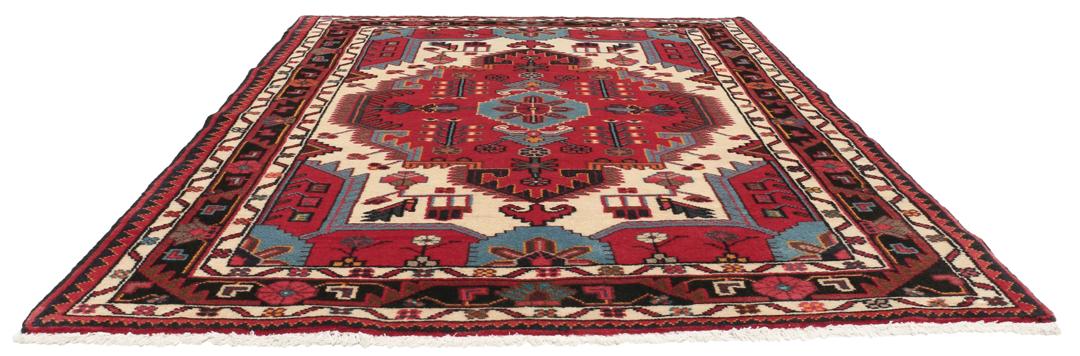
Visually, these rugs are often characterised by bold, geometric medallions and stylised floral motifs that repeat across the field. While there is no single 'Hamadan design,' the aesthetic typically leans into strong, contrasting colours and decorative borders that frame the central composition. This specific piece exhibits the traditional preference for deep reds and natural tones, showcasing the classic balance and symmetry that collectors admire.
Beyond their visual appeal, these rugs are highly valued for their authenticity and the human effort poured into their creation. Owning a piece from this tradition connects you to a long lineage of artisans who have kept these weaving practices alive. It is a commitment to quality and heritage, offering a piece of history that brings a sense of cultural weight and genuine craftsmanship into your living space.