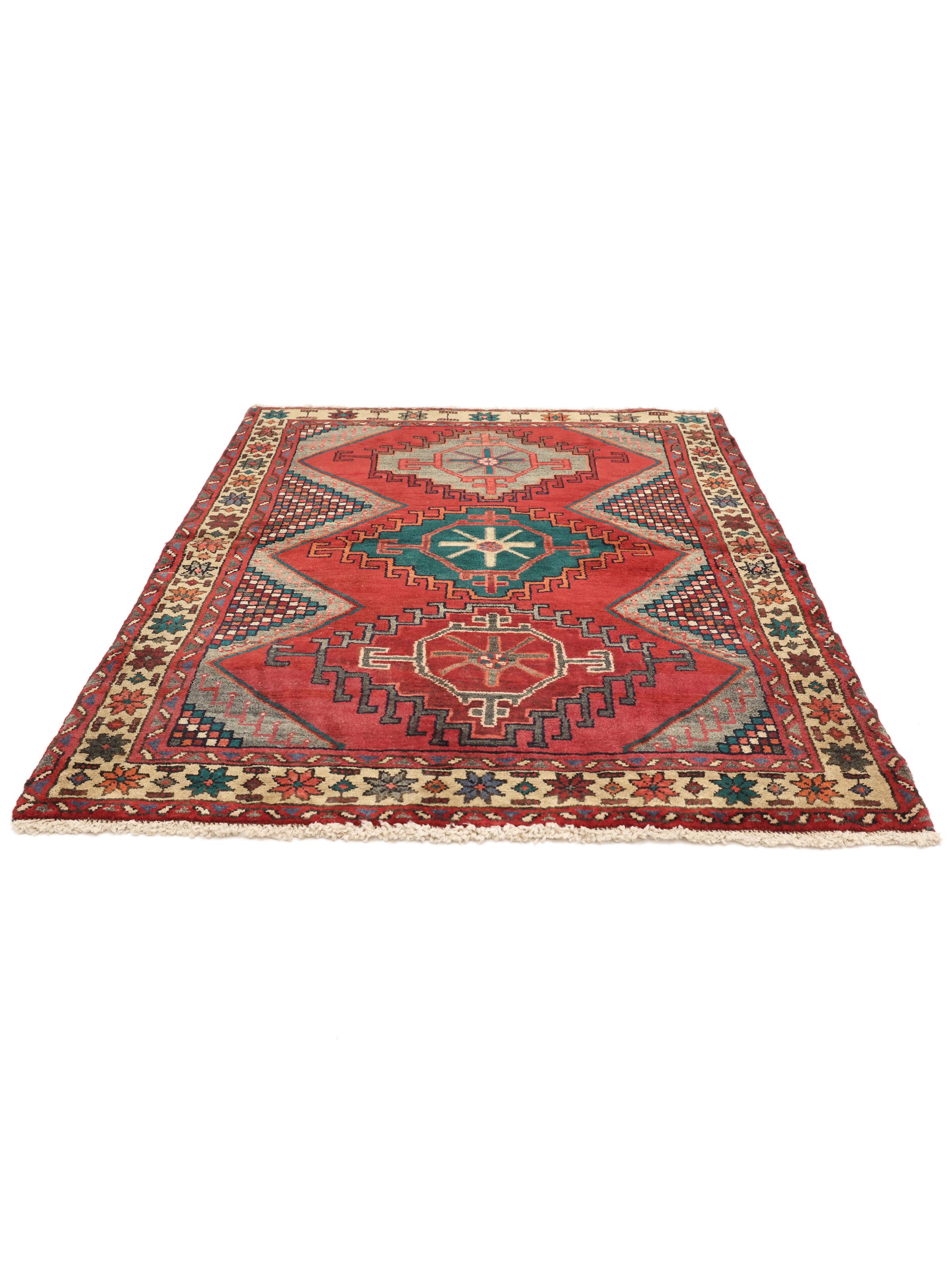
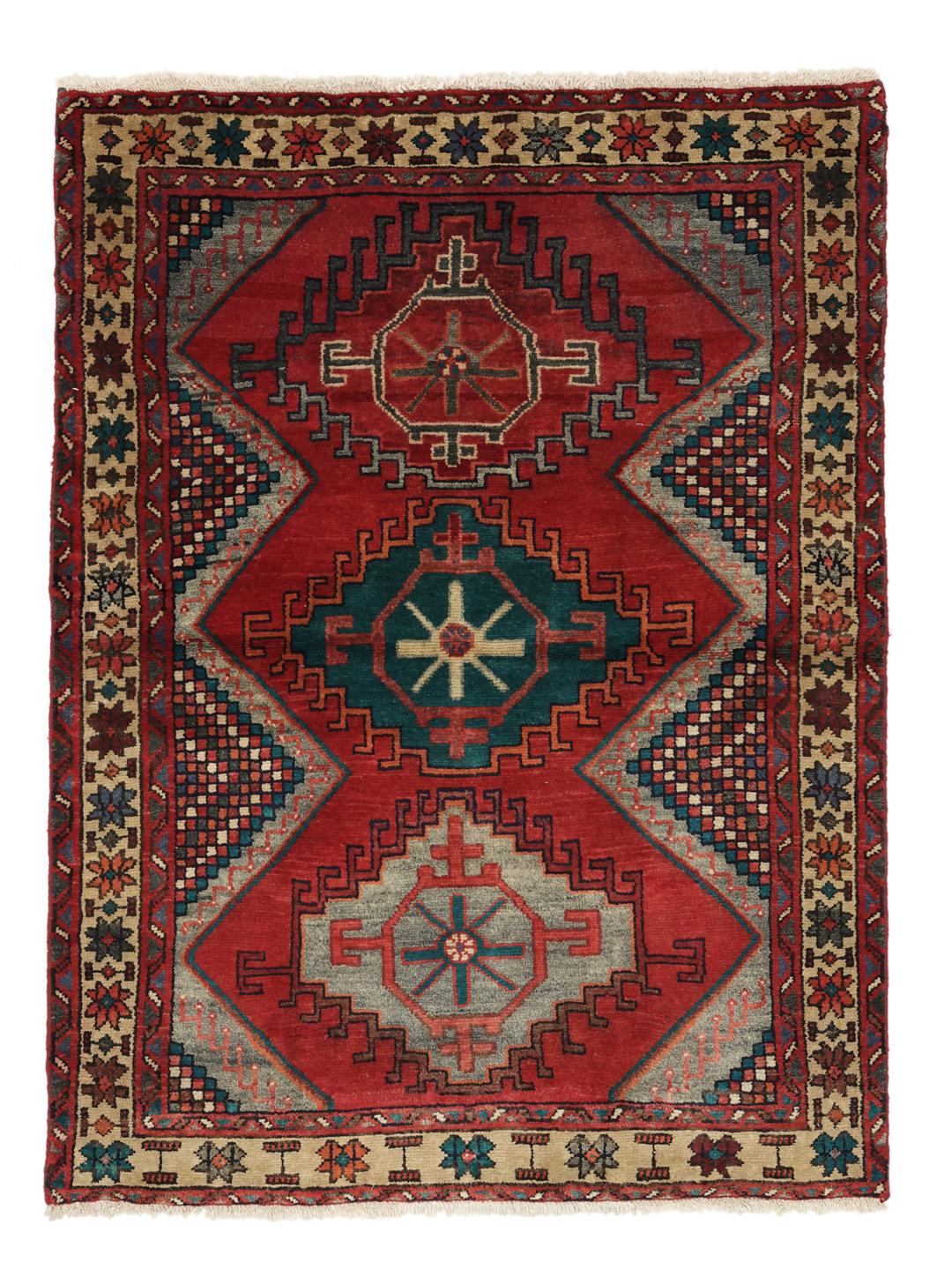
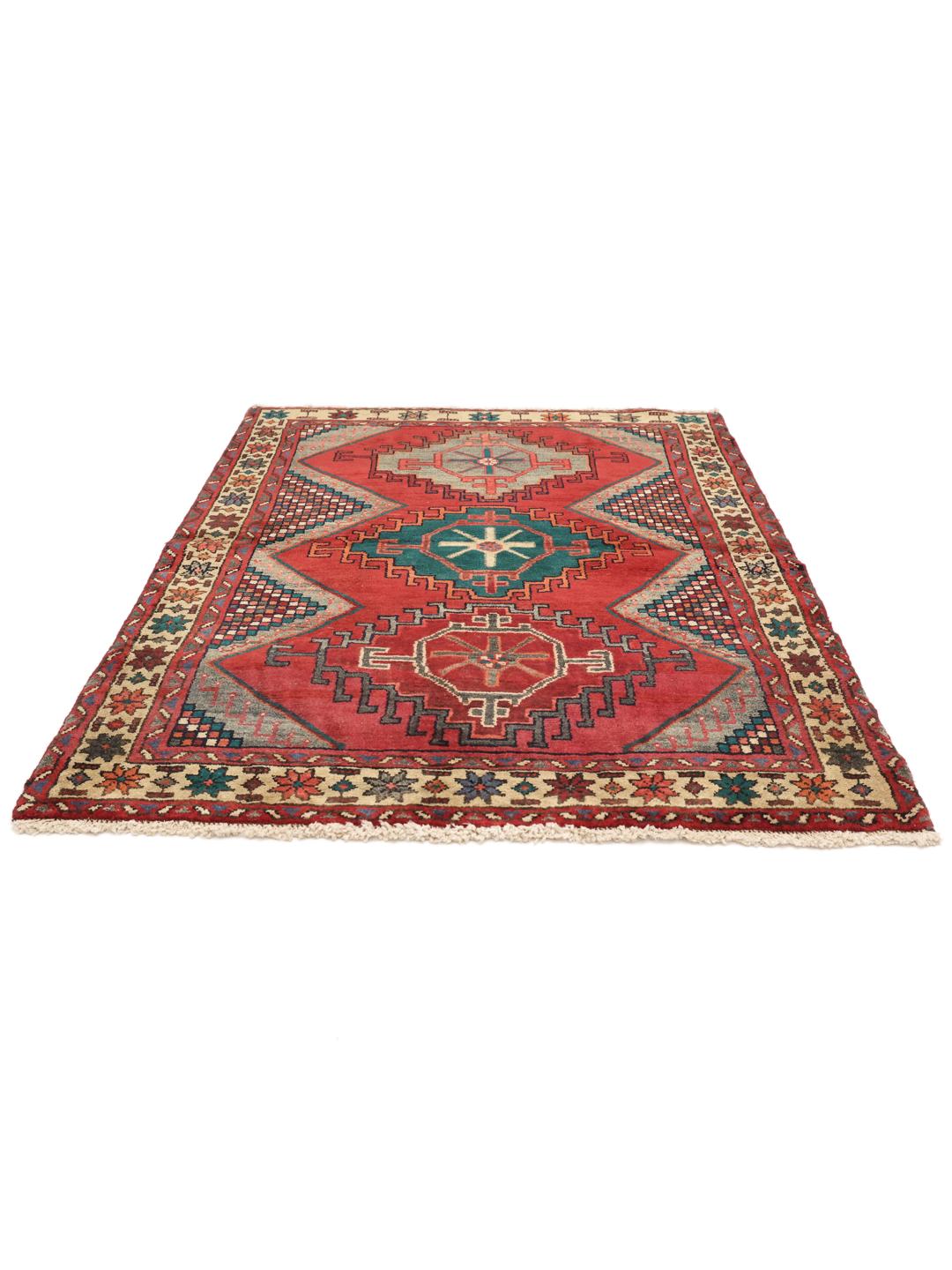
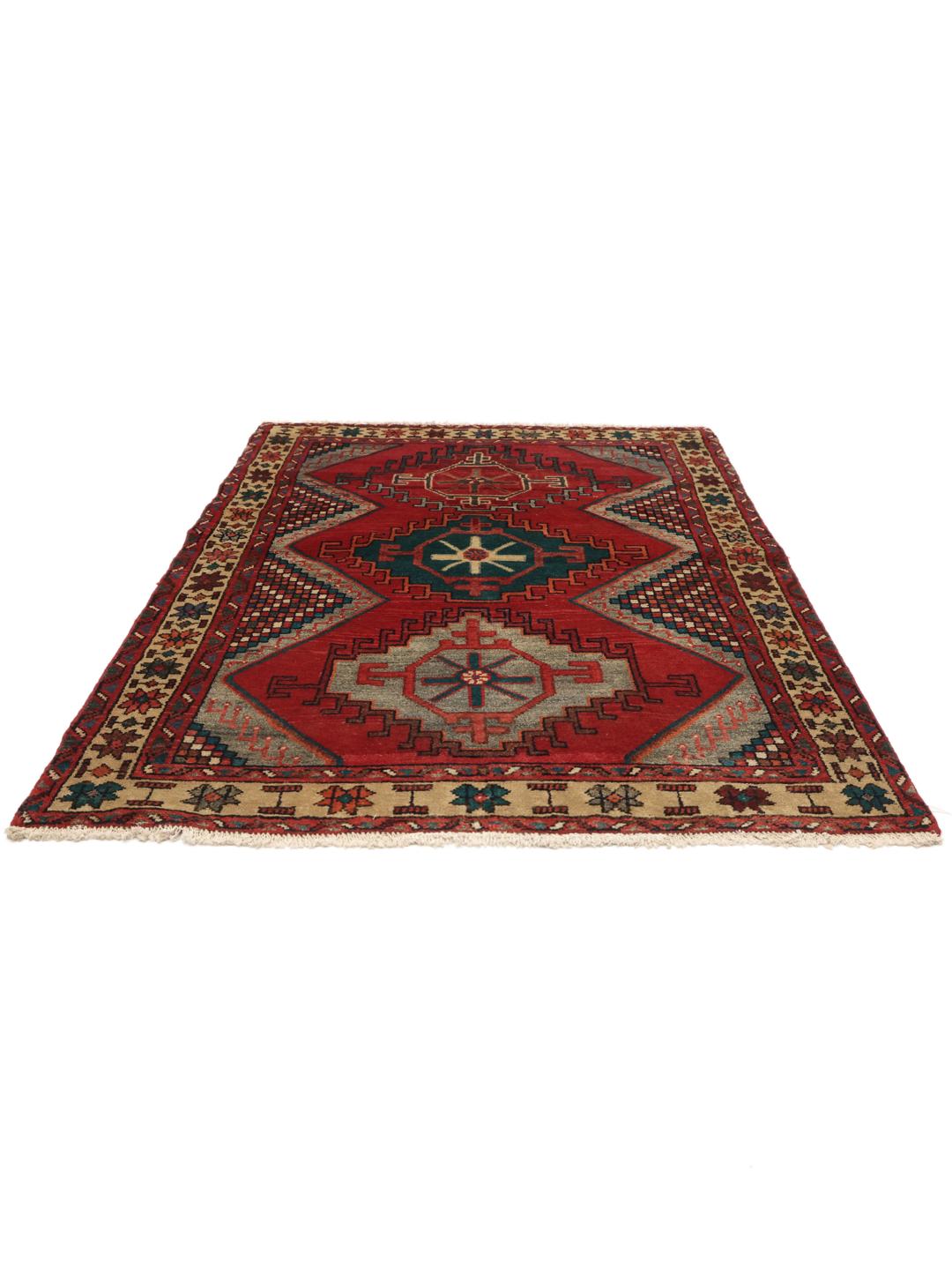
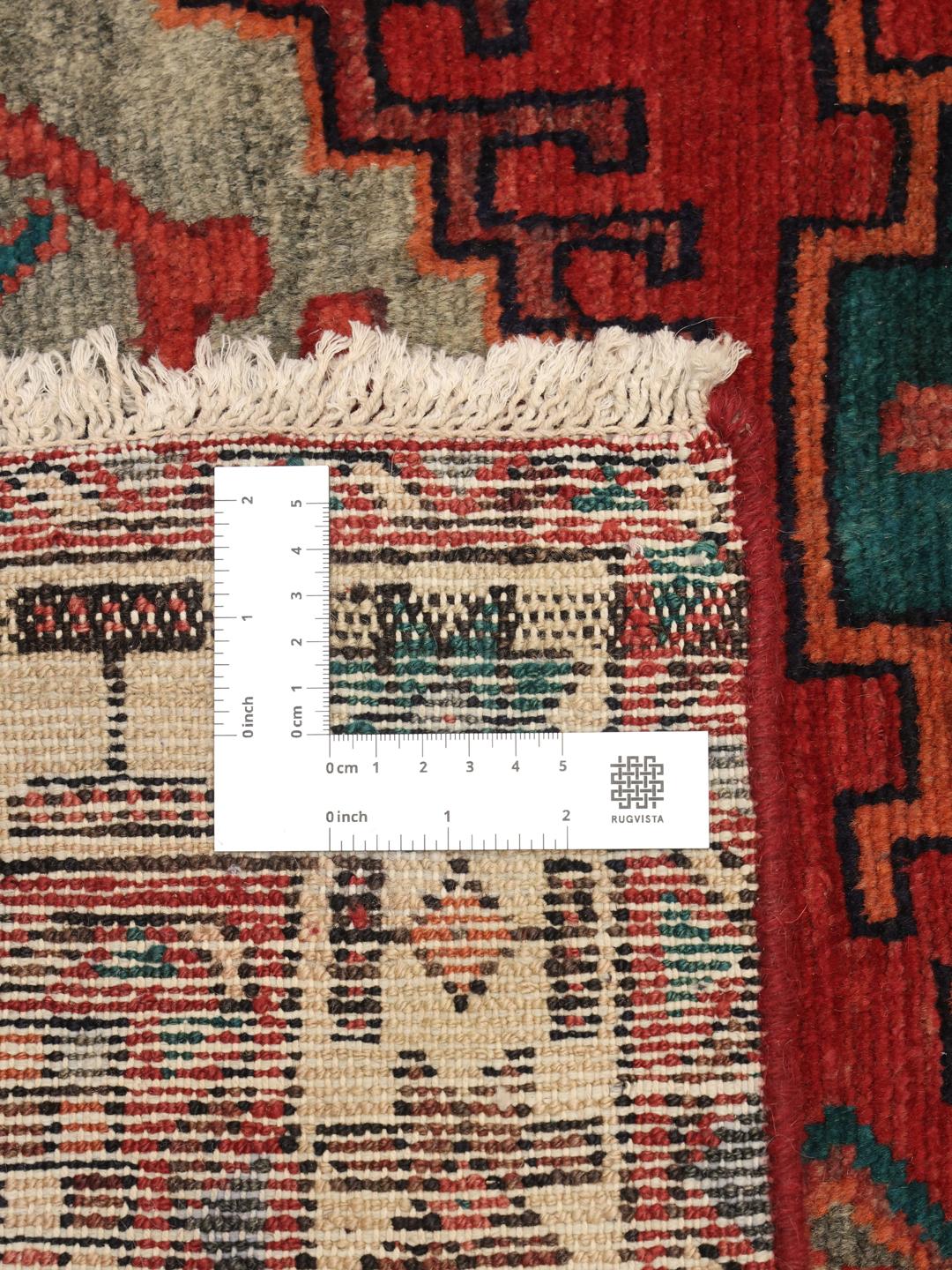
Hamadan rugs take their name from one of the oldest cities in the Middle East, a historic hub located on the ancient trade routes. This region has long been a centre for rug production, where diverse weaving traditions from surrounding villages converge. The Hamadan style is celebrated for its diversity, as it often incorporates local tribal designs alongside more formal, city-inspired patterns.
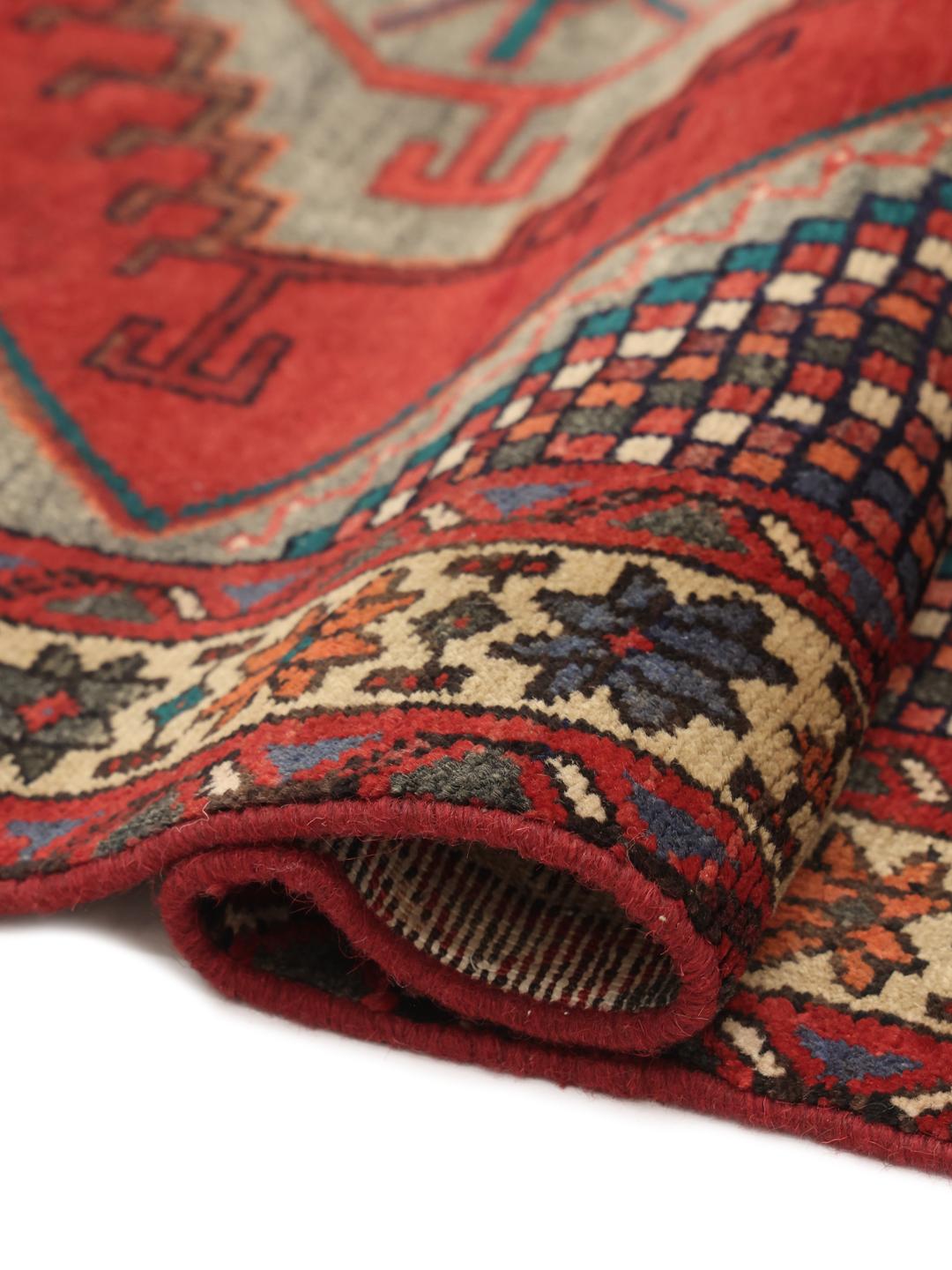
The term Hamadan encompasses a wide variety of rugs, often characterised by their sturdy construction and use of durable materials. Historically, these rugs were made for both household use and trade, which led to a focus on practical longevity. The use of a cotton foundation provides a stable base, allowing the wool pile to remain secure and vibrant even after decades of use.
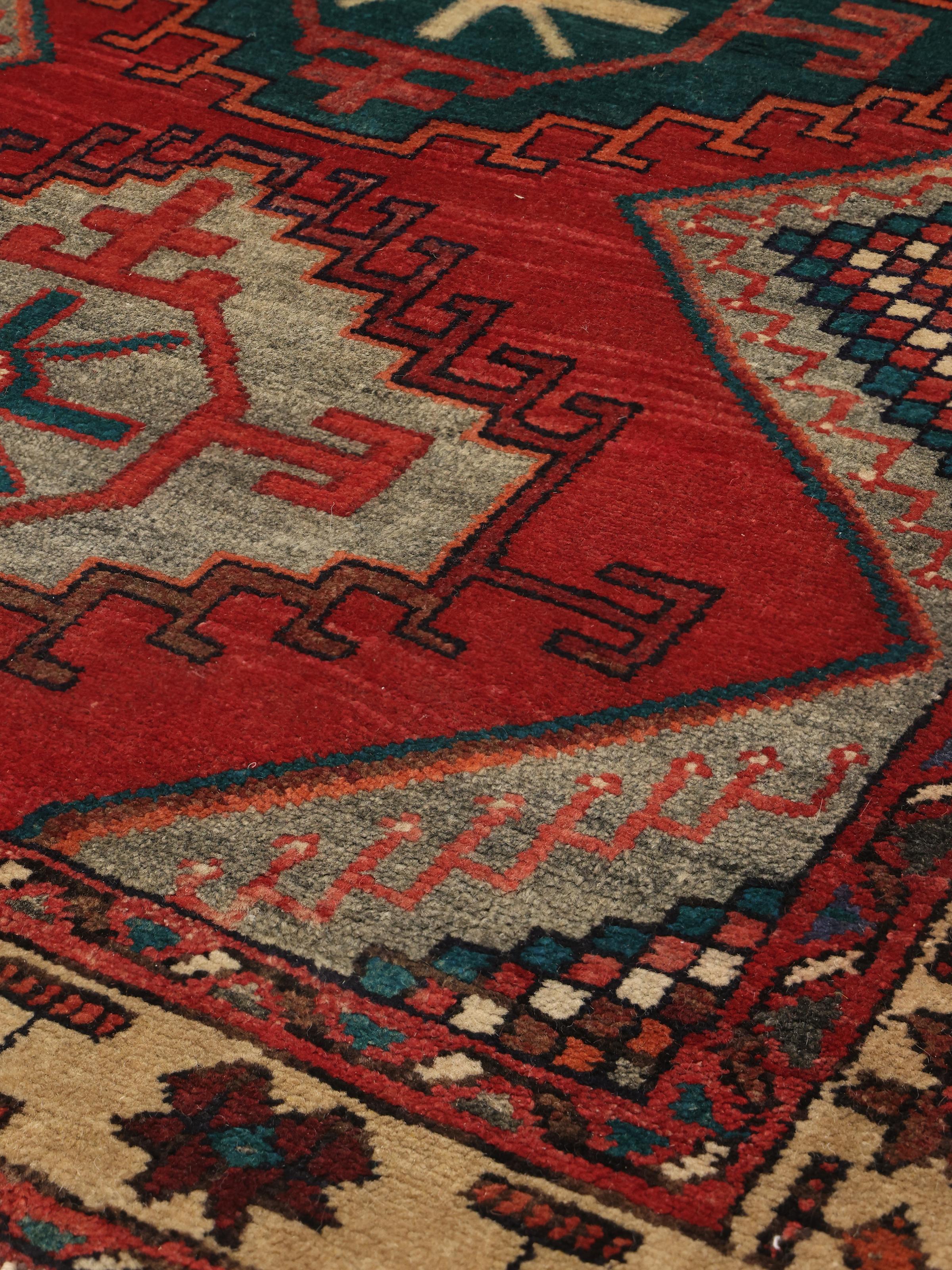
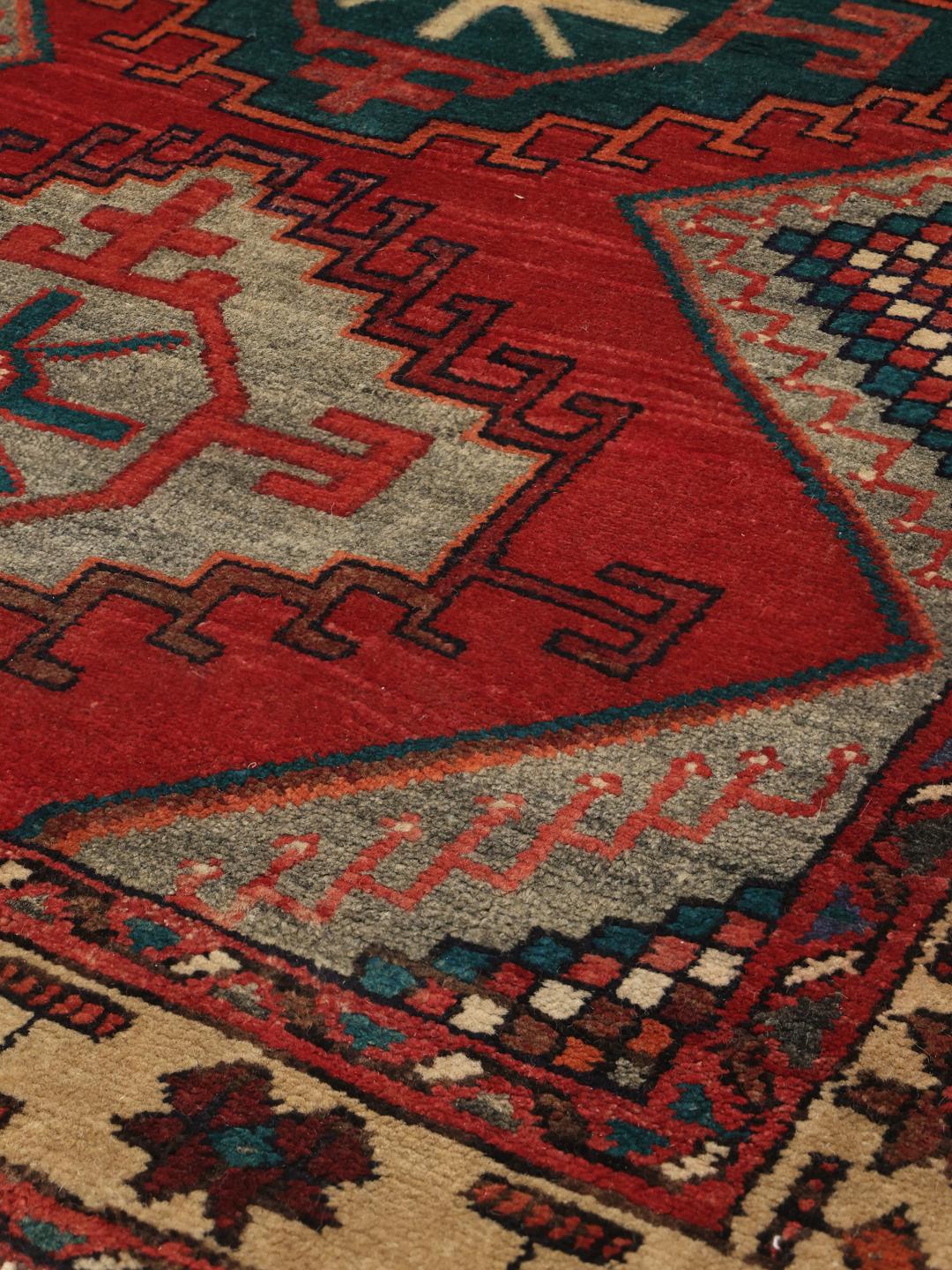
Visually, these rugs are often defined by their bold, repeating geometric motifs, such as central medallions and stylised floral forms. The borders are typically intricate, framing the central field with repeating patterns that reflect the artistic heritage of the region. This particular rug showcases the classic, vibrant colour traditions associated with the area, where deep reds are frequently used to create a warm and inviting atmosphere.
Collecting a rug from this tradition is an investment in cultural history. These pieces are valued for their authenticity and the skill required to maintain a centuries-old craft in a modern world. By bringing a Hamadan into your home, you are connecting with a legacy of artistry and skill that has been passed down through generations, making it a meaningful addition to any collection.