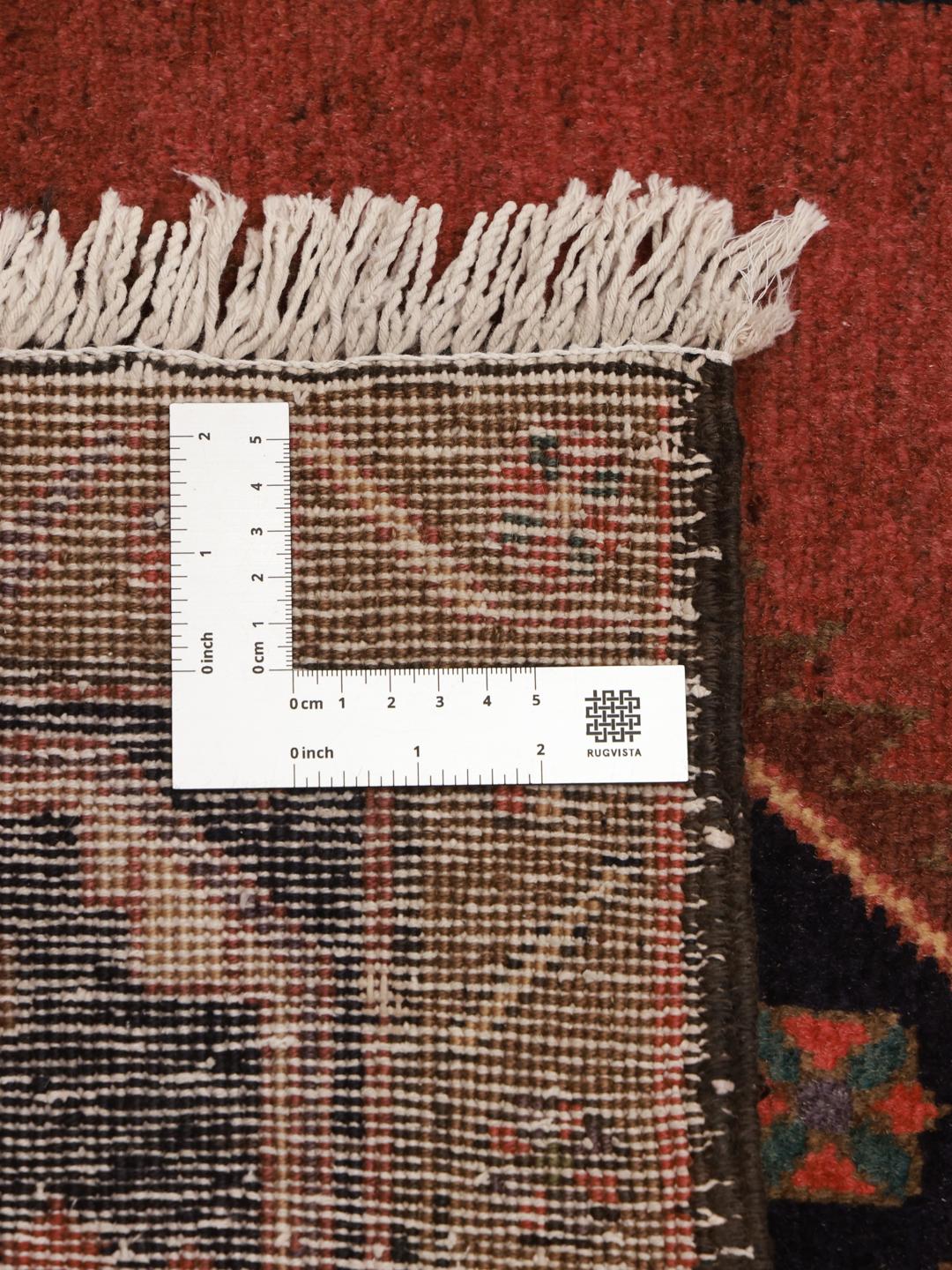
Hamadan rugs originate from one of the oldest cities in the Middle East, a region with a deep-rooted history of textile production that dates back centuries. Located in the western part of the region, the city of Hamadan serves as a major hub for surrounding villages, each contributing its own distinct stylistic interpretation to the broader Hamadan tradition. This central role has allowed the region to preserve ancient weaving techniques while adapting them for changing tastes over many generations.
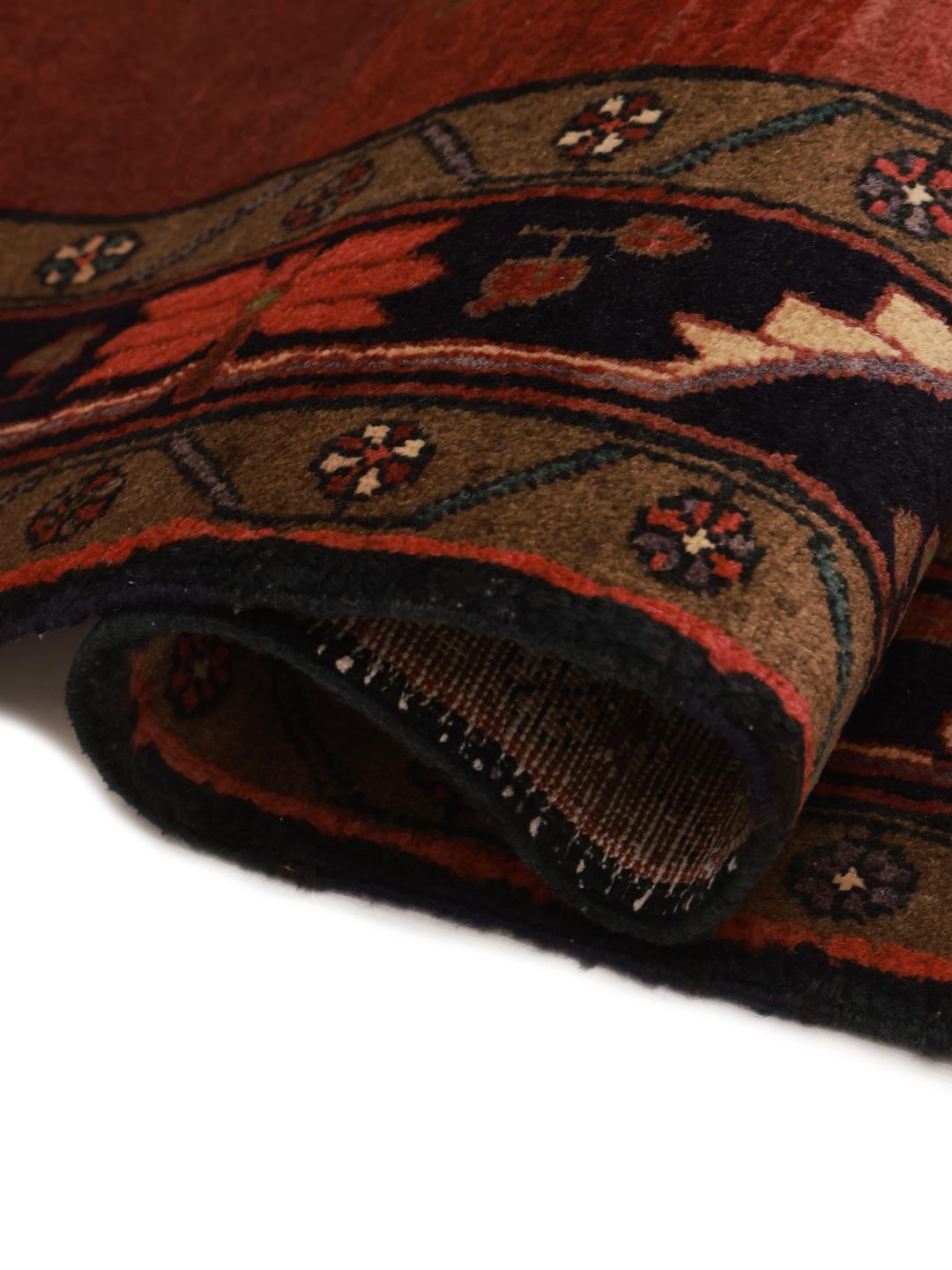
The term Hamadan refers to a vast variety of rugs made in this province, often characterised by their use of high-quality, locally sourced wool. These rugs are known for their durability and the way they age, often becoming more beautiful and supple with time. The craftsmanship involved in these pieces is highly respected, as it relies on traditional looms and the collective knowledge of generations of weavers who have perfected their skills through practice.
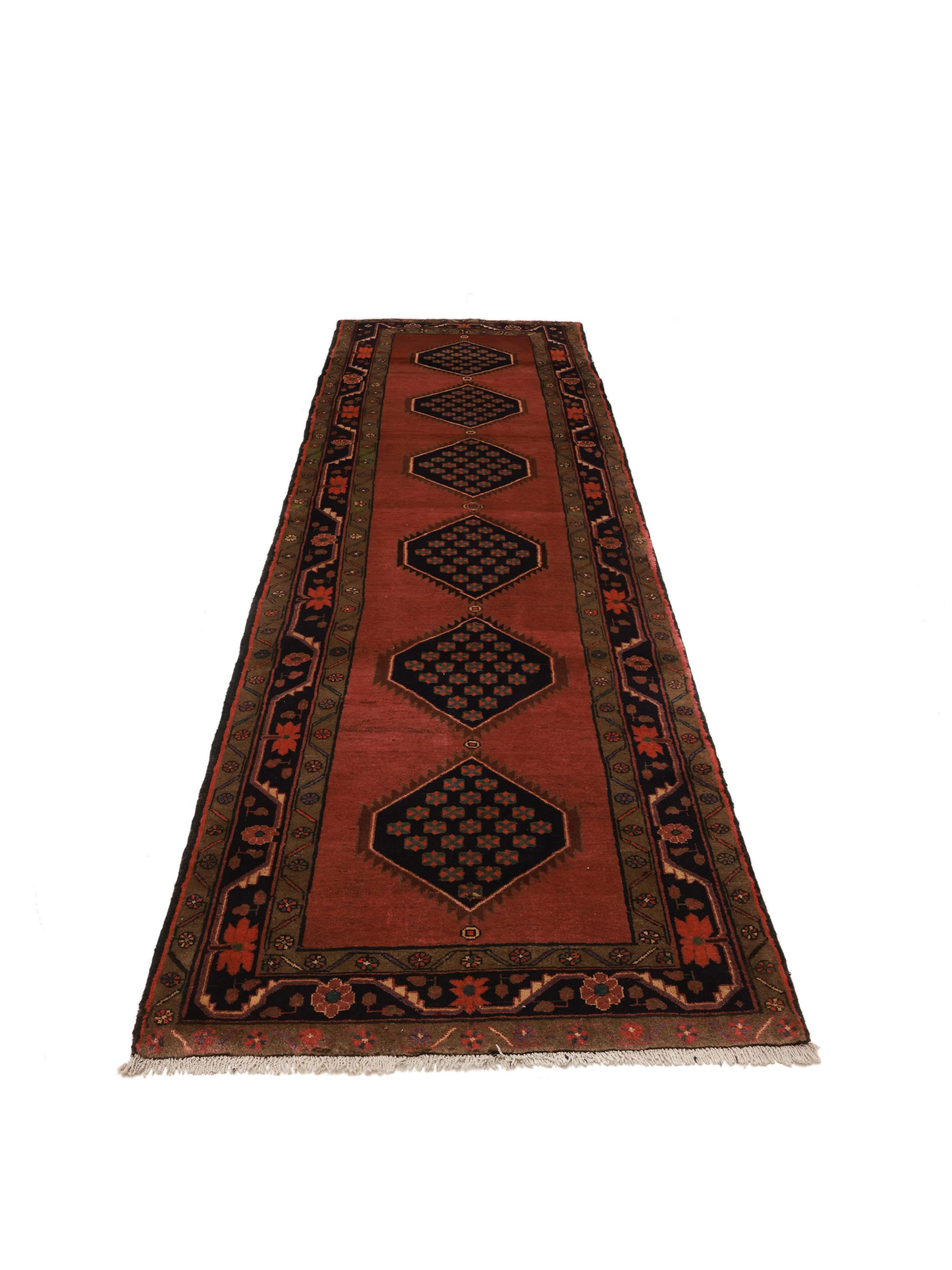
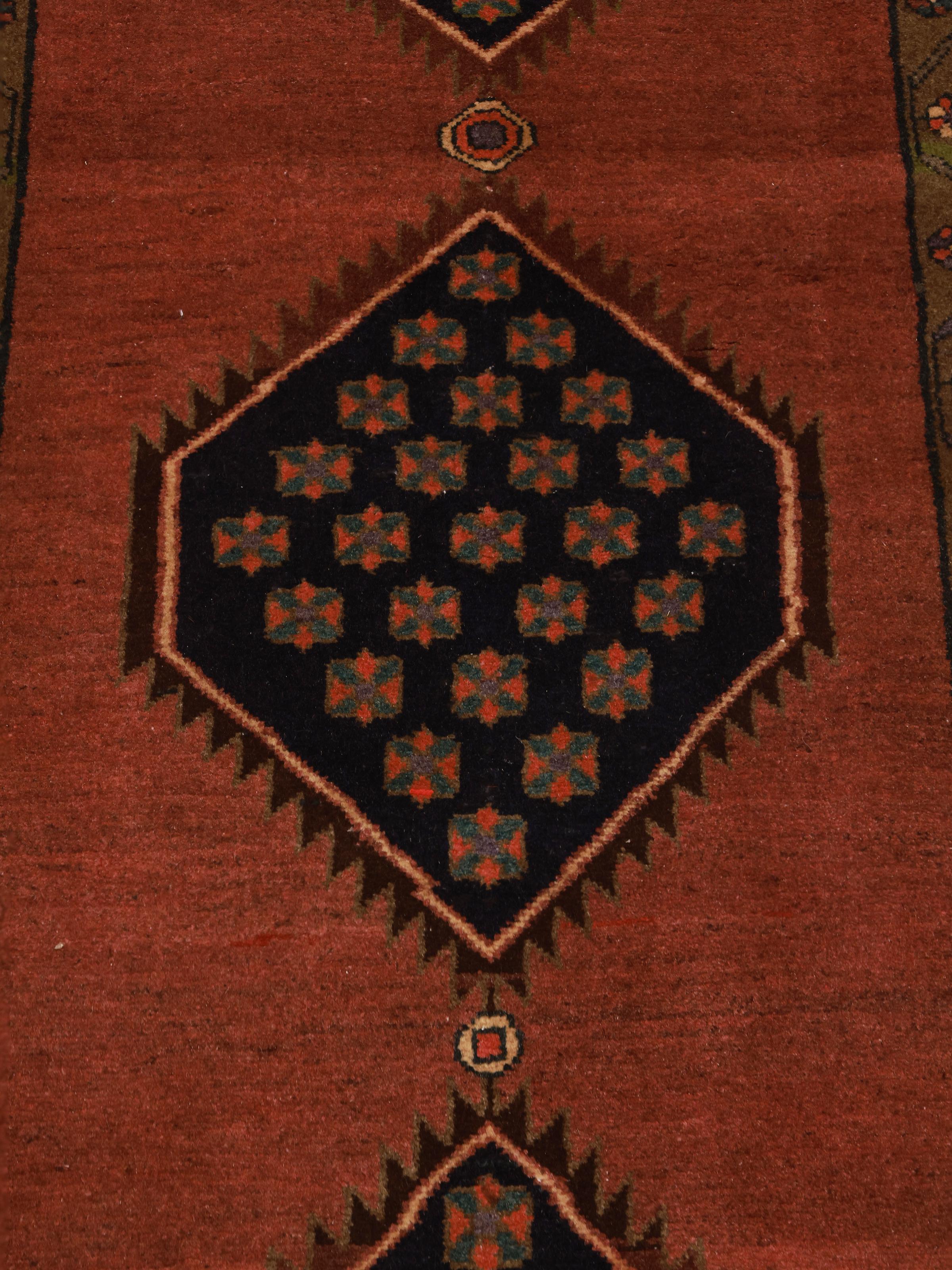
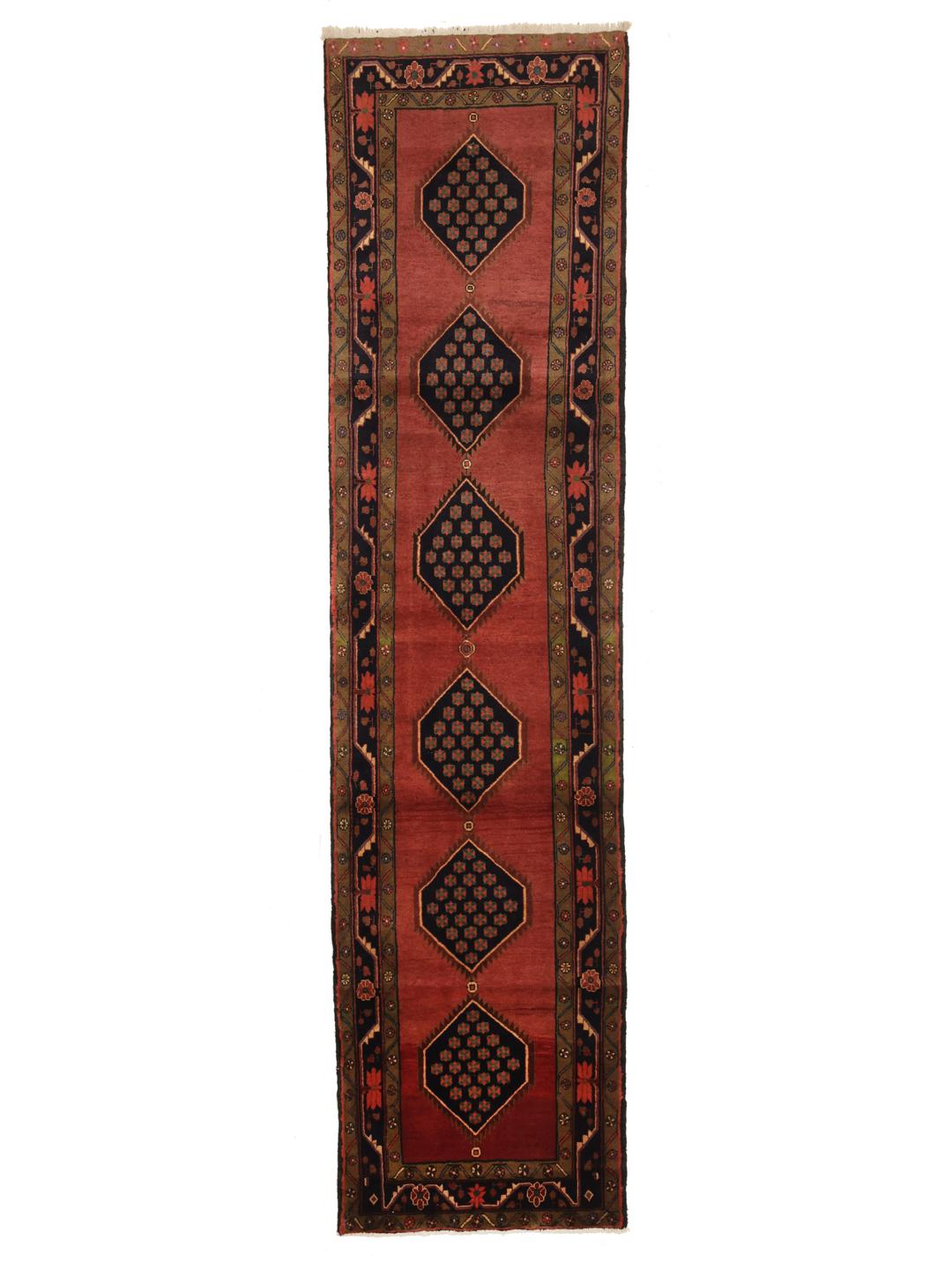
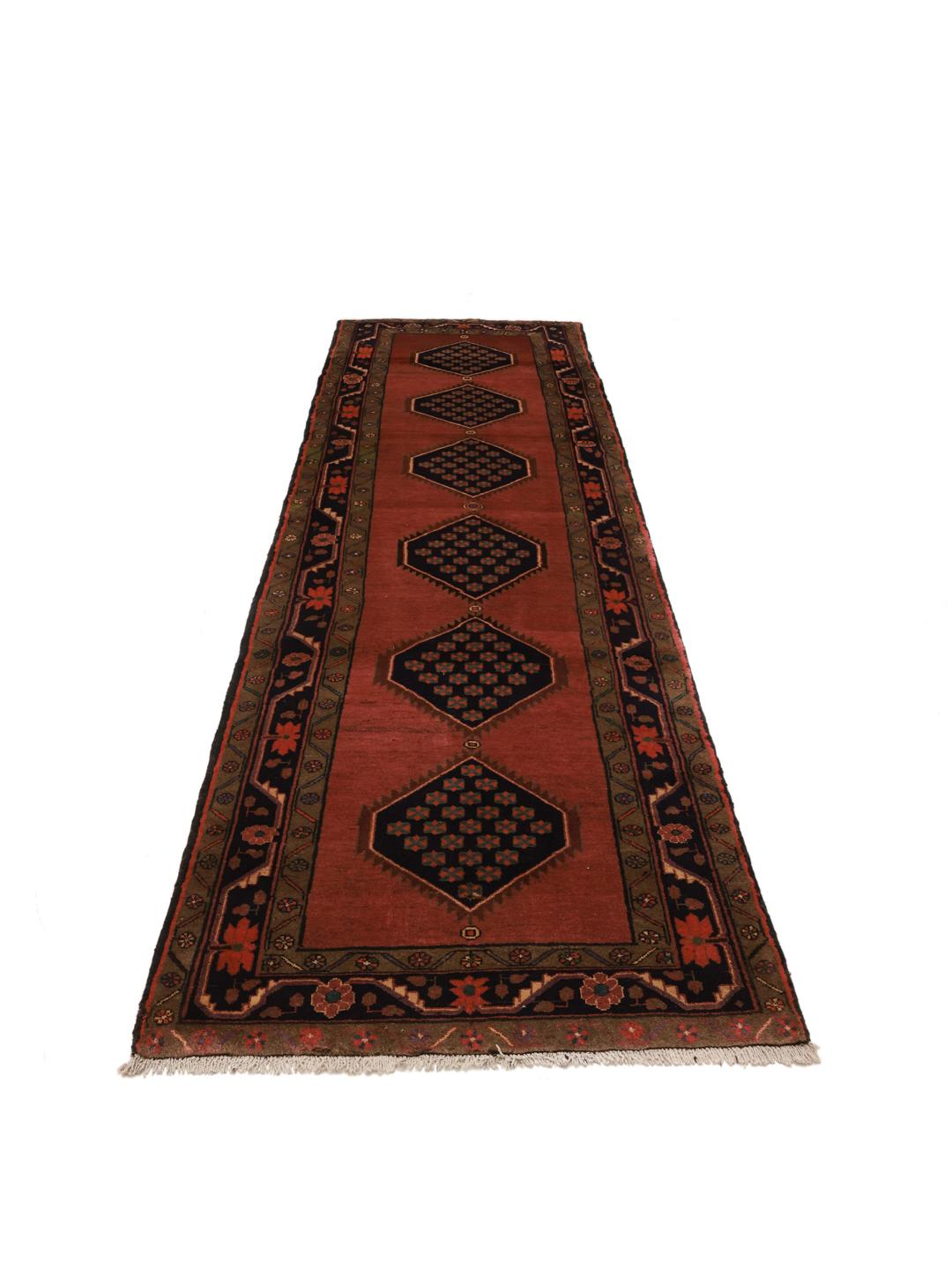
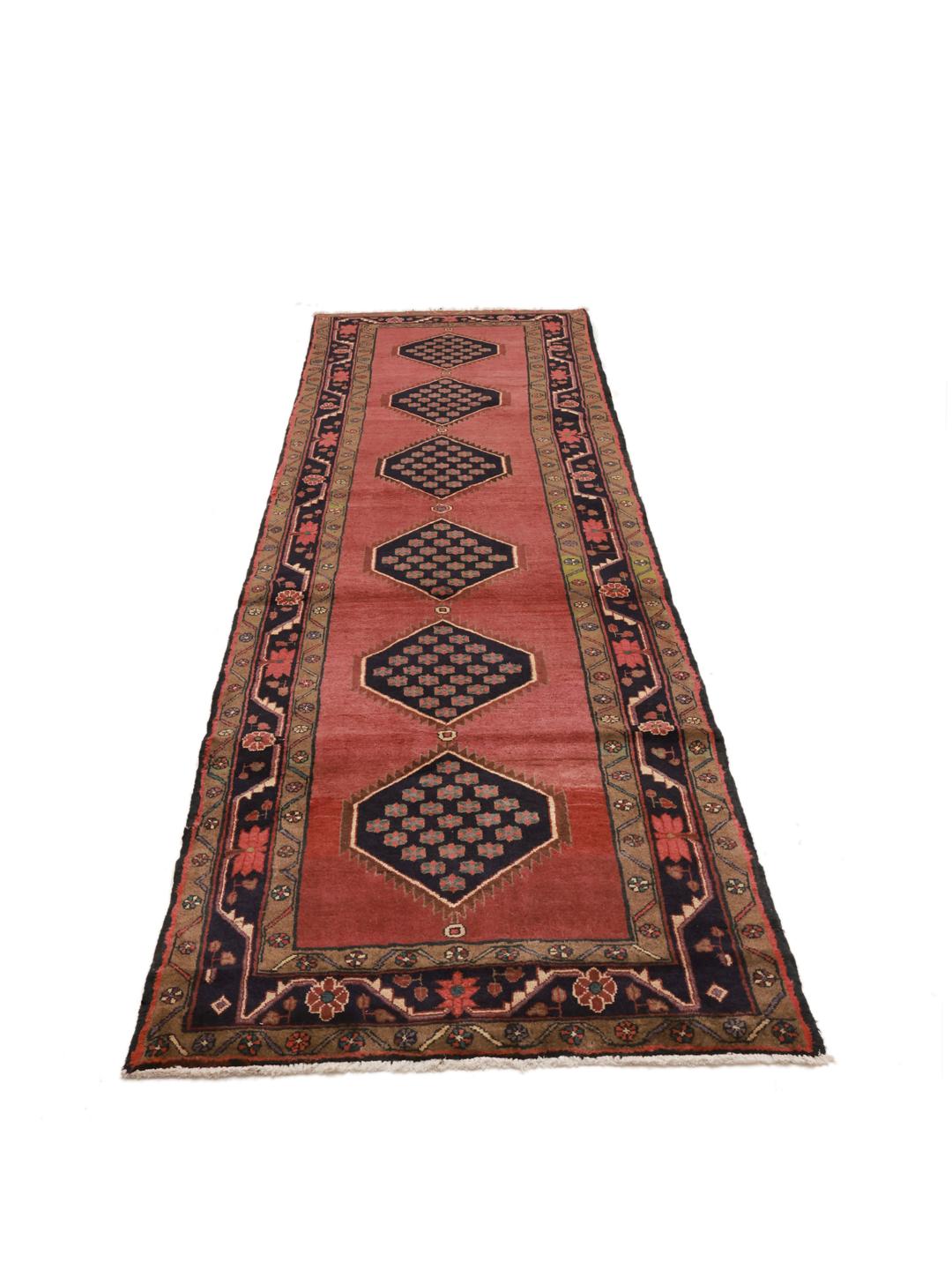
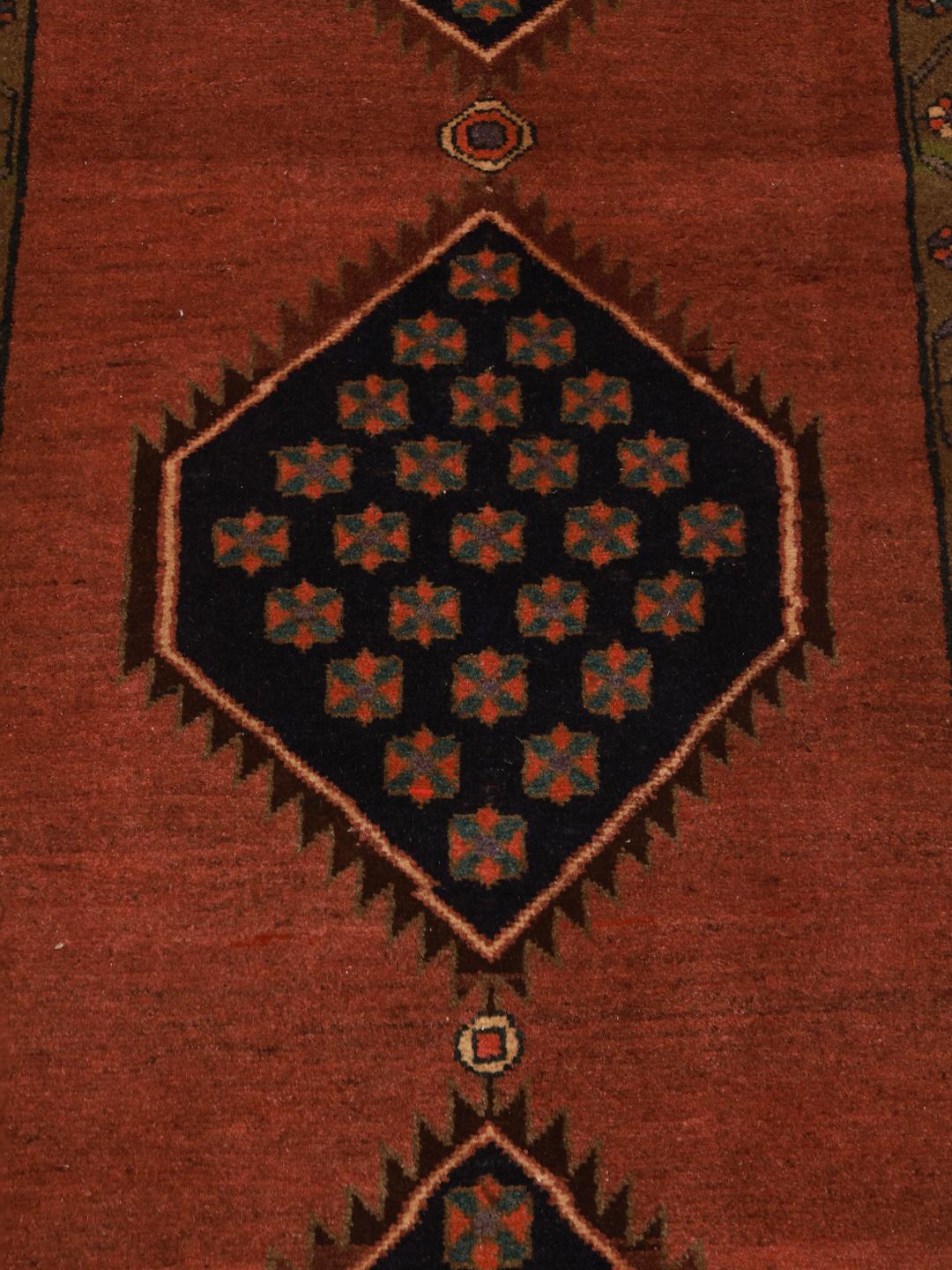
Visually, these rugs are often defined by their bold use of colour and geometric patterns. While they can vary significantly in design, many feature large, repeating medallions or intricate, stylised floral motifs arranged within a sturdy, protective border. The use of deep, resonant colours is a hallmark of the style, creating a sense of balance and harmony that makes these rugs highly adaptable to various home settings.
Collecting a rug from this tradition is an act of preserving cultural heritage. These pieces are valued not only for their aesthetic beauty but also for the human story woven into every knot. Owning a Hamadan rug is a testament to an appreciation for lasting quality and the enduring appeal of traditional artistry, making it a cherished addition to any home looking for a touch of authentic, historical character.