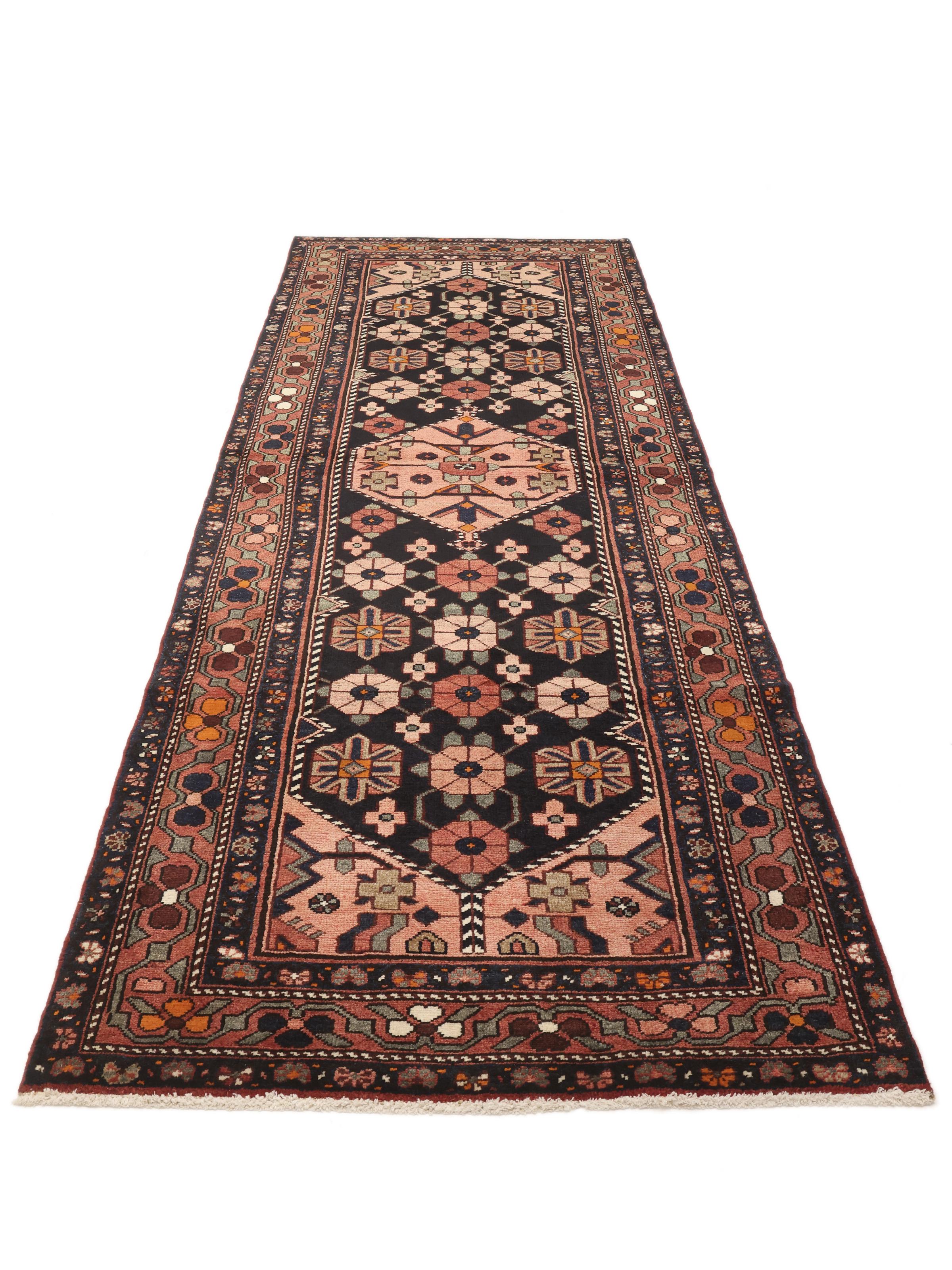
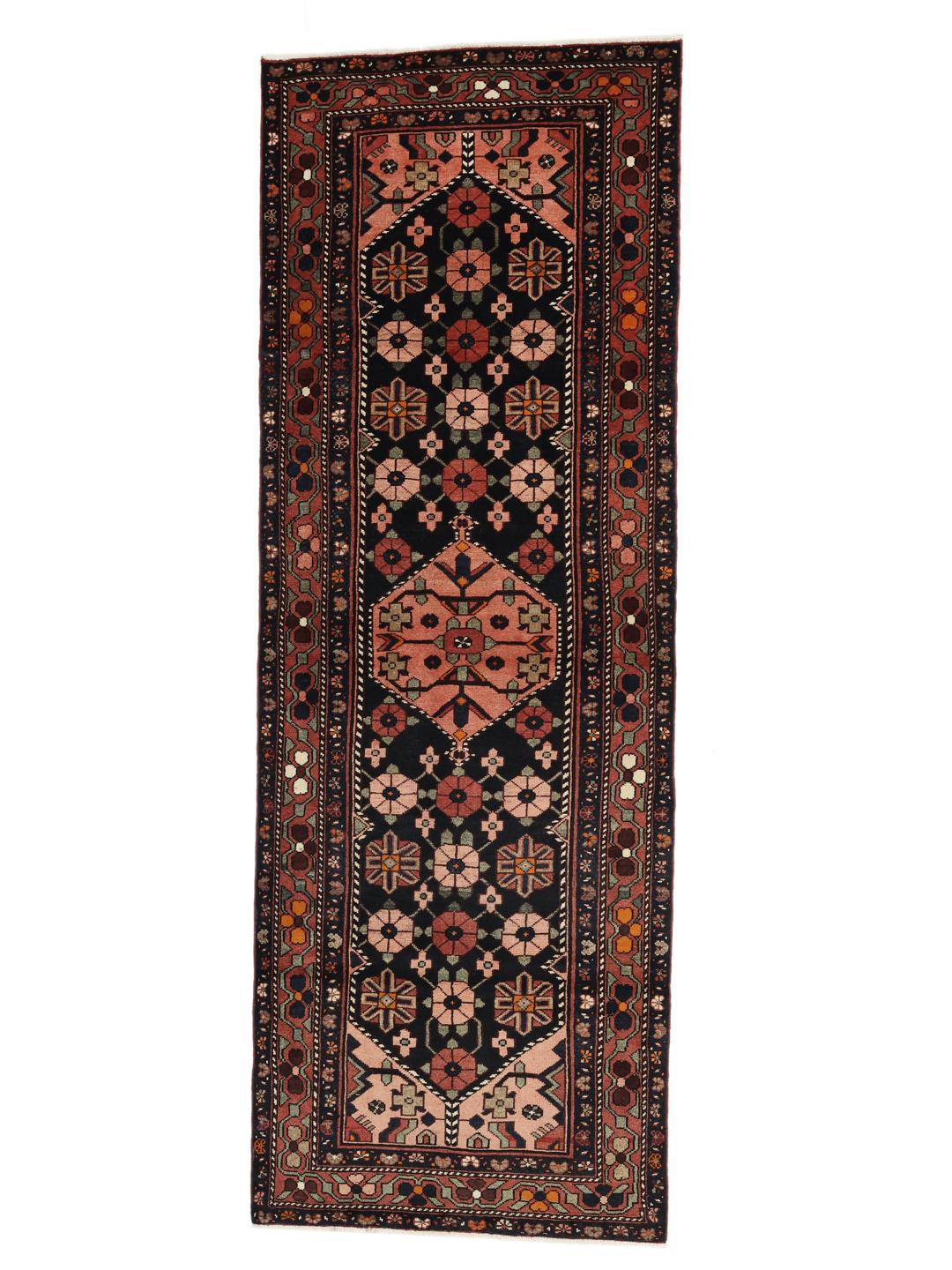
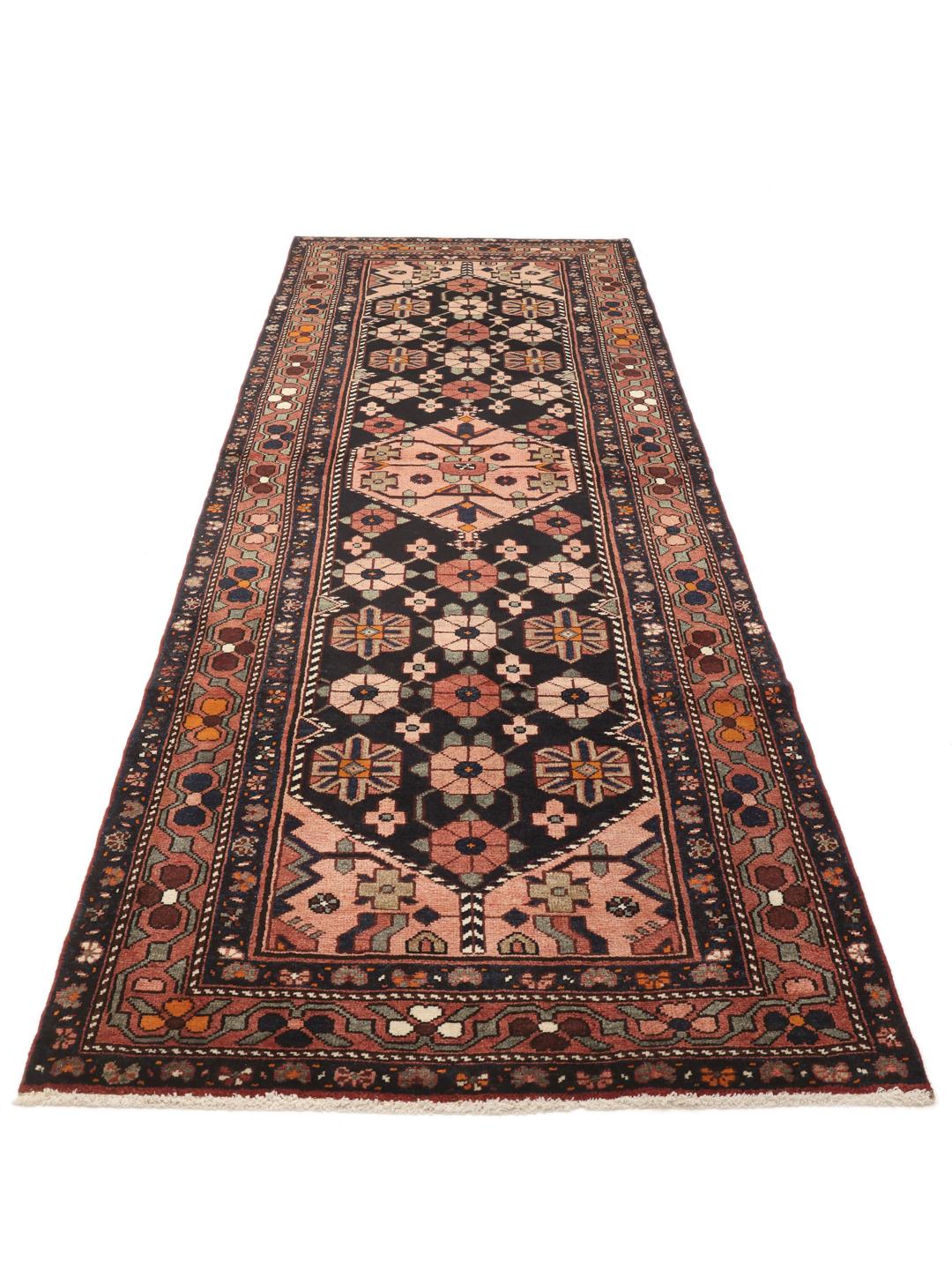
Hamadan rugs hail from one of the oldest cities in the Middle East, a region with a deep and continuous history of weaving that stretches back millennia. Located in the mountainous west, the city of Hamadan serves as a central hub for hundreds of surrounding villages, each contributing its own variations to the local weaving tradition. This diversity is what makes the category so fascinating, as it encompasses a wide range of tribal and village styles.
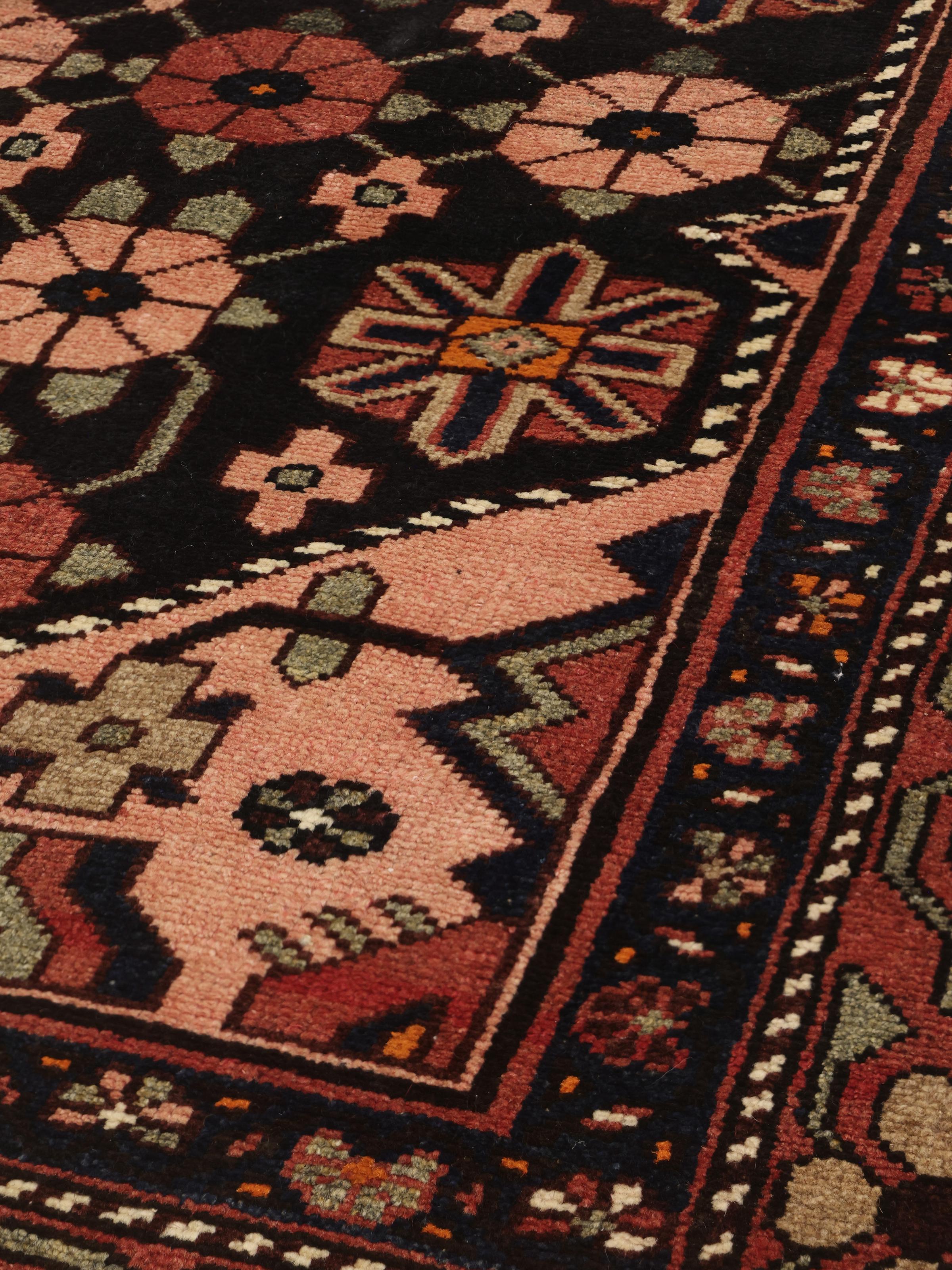
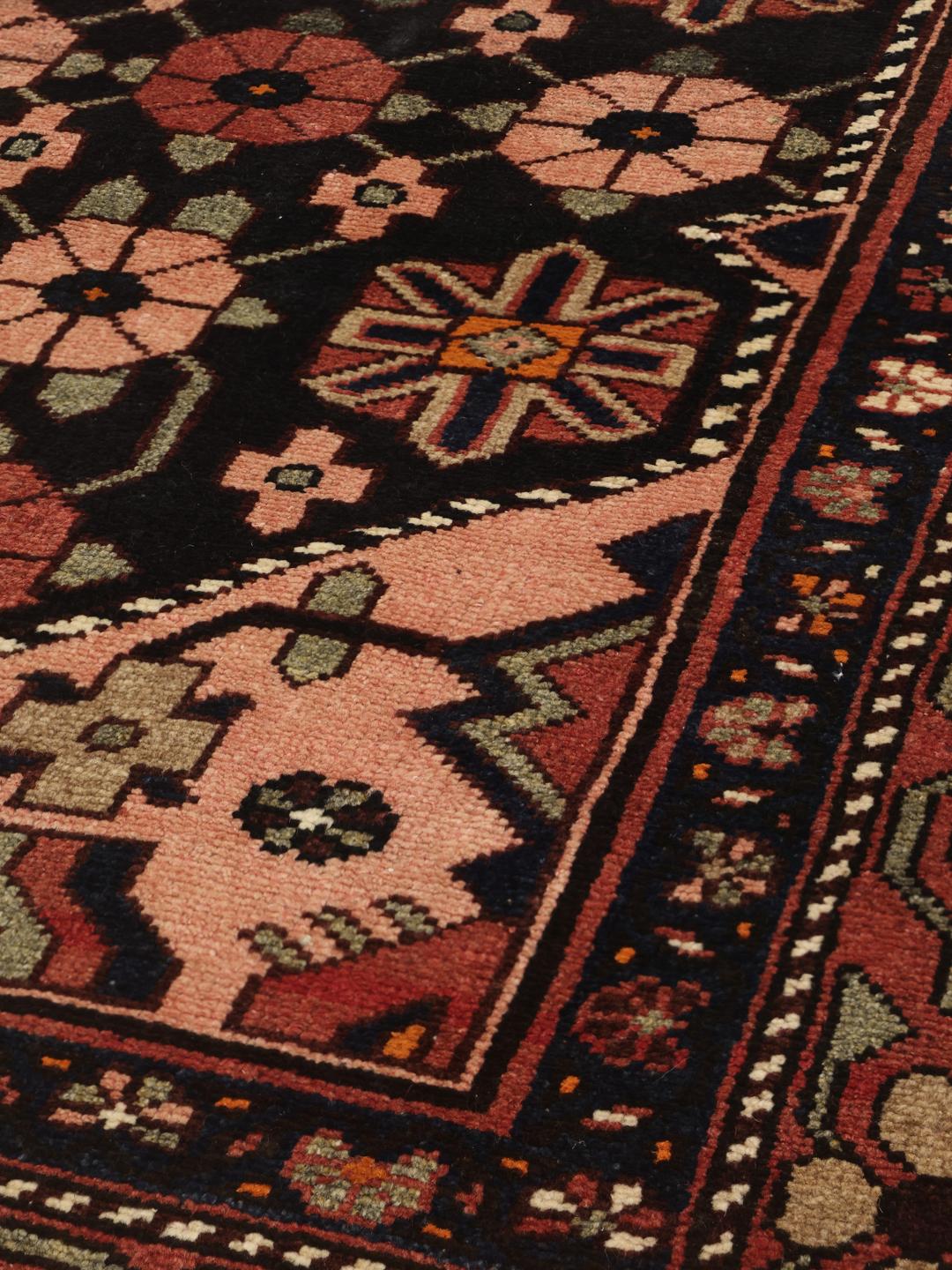
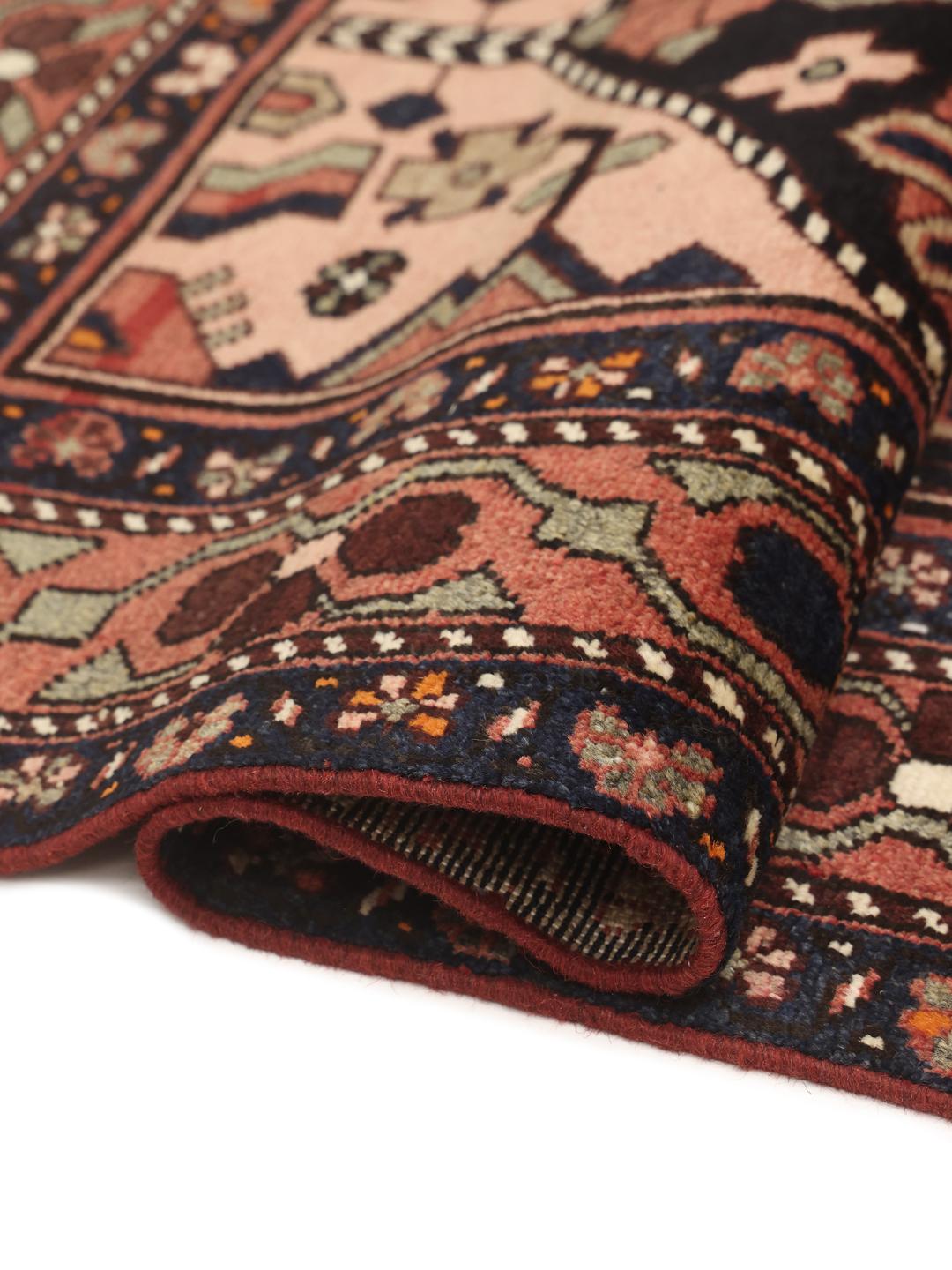
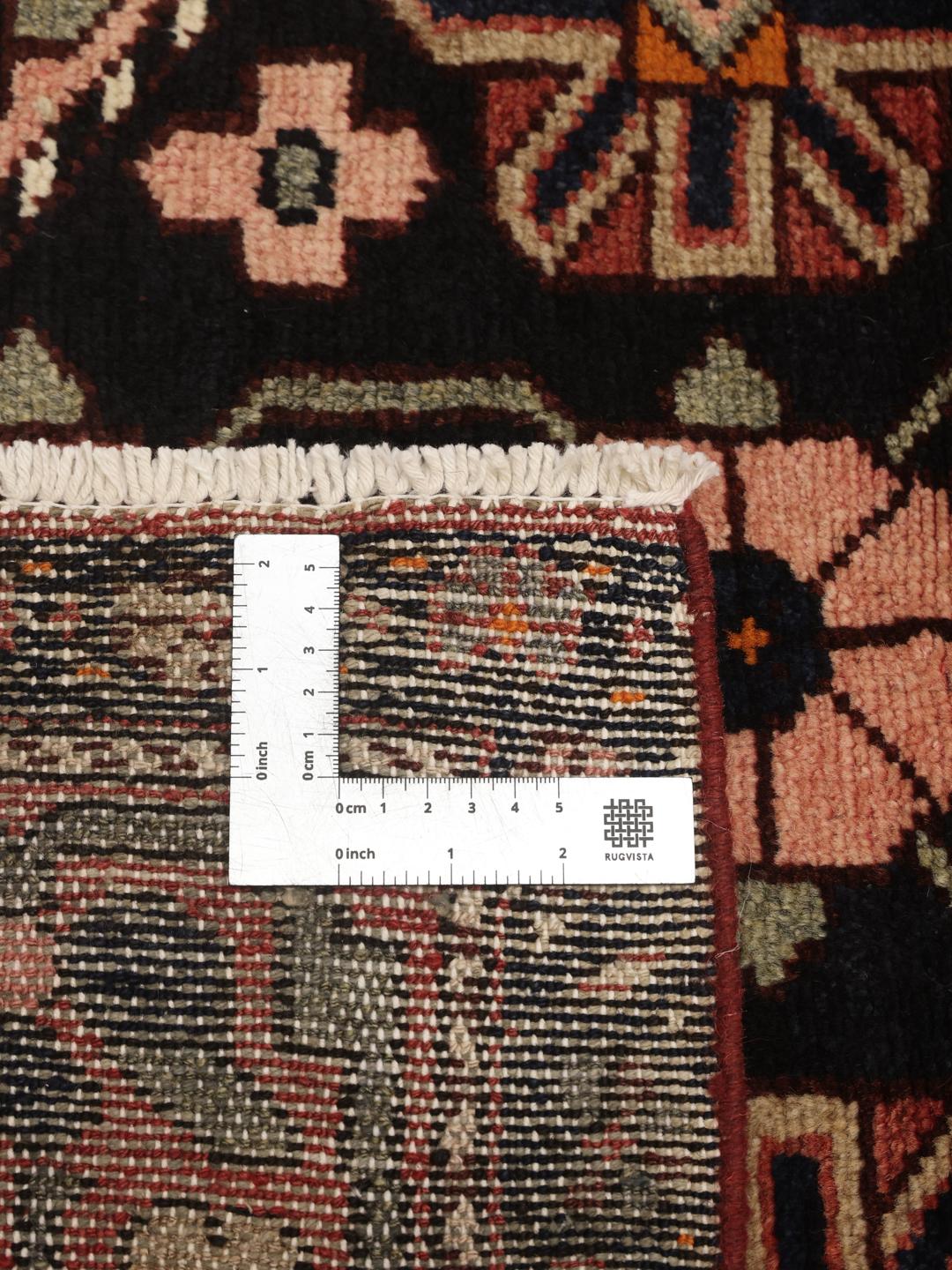
The term Hamadan refers to this broad regional style, which is characterised by its robust construction and use of high-quality, local wool. These rugs are known for their durability, often featuring a sturdier foundation that allows them to withstand generations of use. The wool is typically spun by hand, resulting in a slightly uneven, rustic texture that adds to the charm and character of each individual piece.
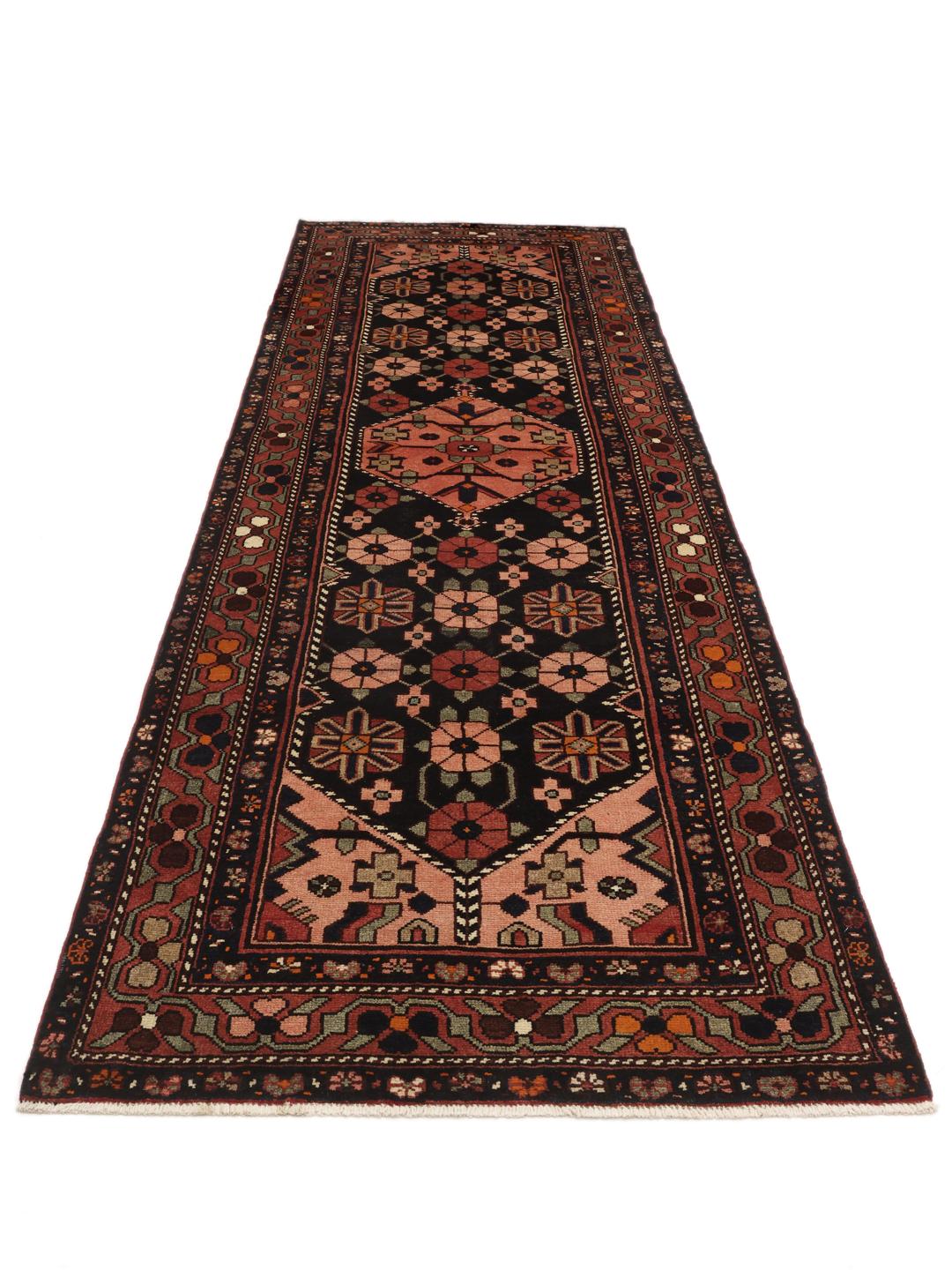
Design-wise, the most iconic feature of these rugs is the use of geometric and floral motifs, often organised around a central medallion or repeated in a field of smaller, stylized blossoms. The borders are usually well-defined, framing the central patterns with intricate geometric detail. While traditional colours often include deep reds, blues, and blacks, the specific combinations are determined by the local dye traditions of the village where the rug was created.
Collecting a rug from this tradition is an act of preserving a craft that has been passed down through families for centuries. It represents a connection to the village life of the Middle East, where weaving is not just a profession, but a cultural pillar. By owning such a piece, you are supporting a legacy of skill and adding a layer of authentic, historical value to your home environment.