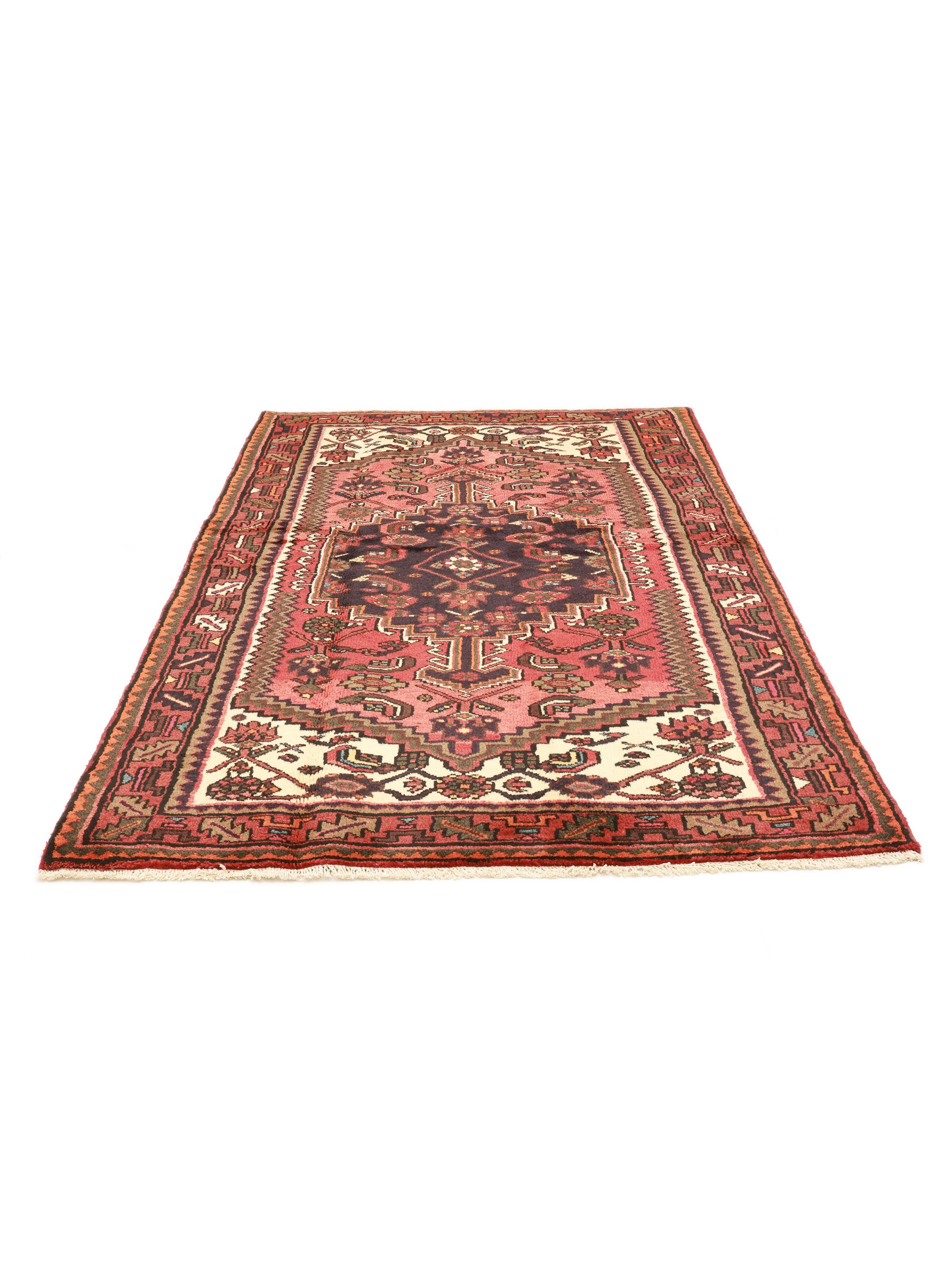
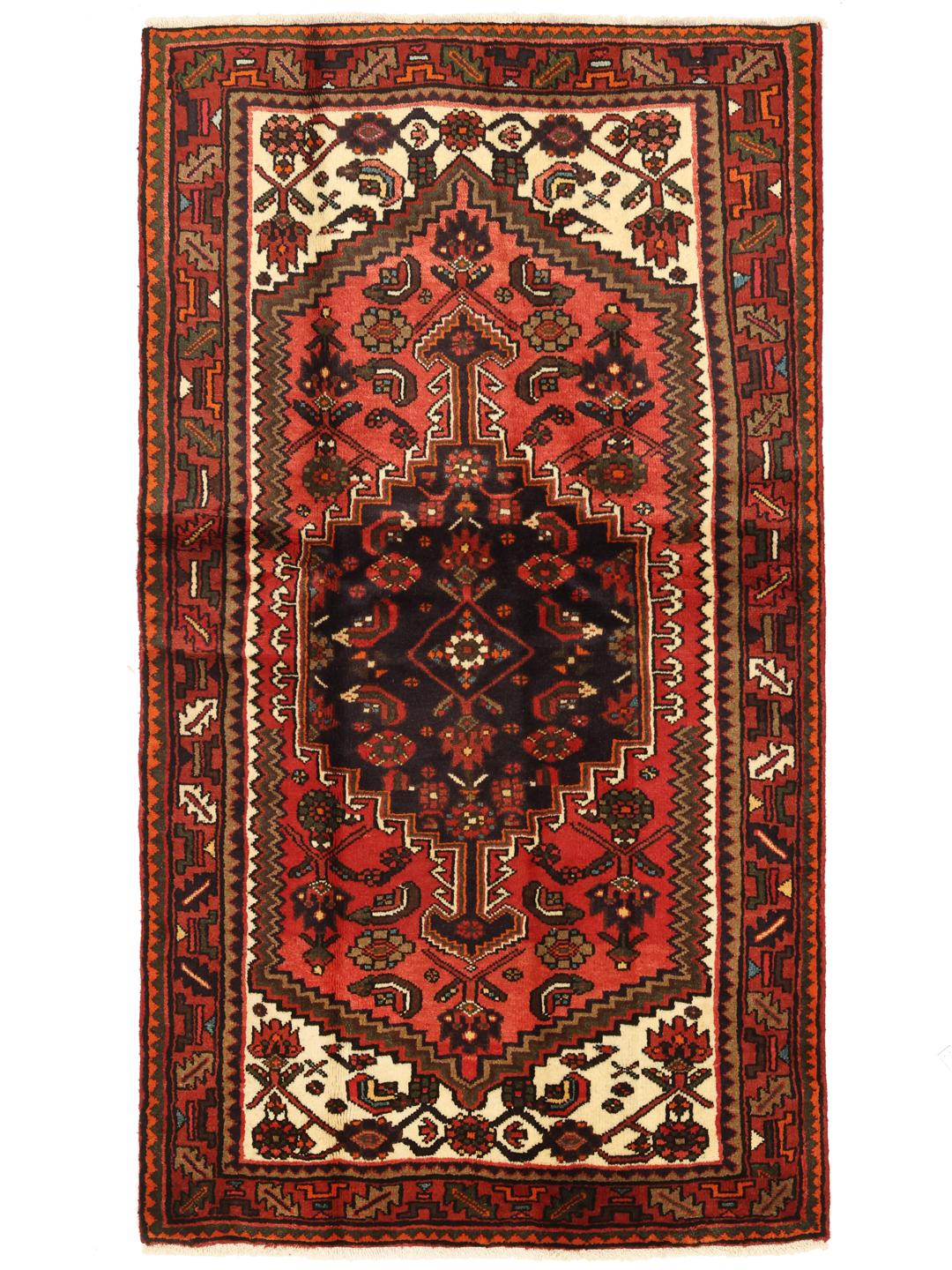
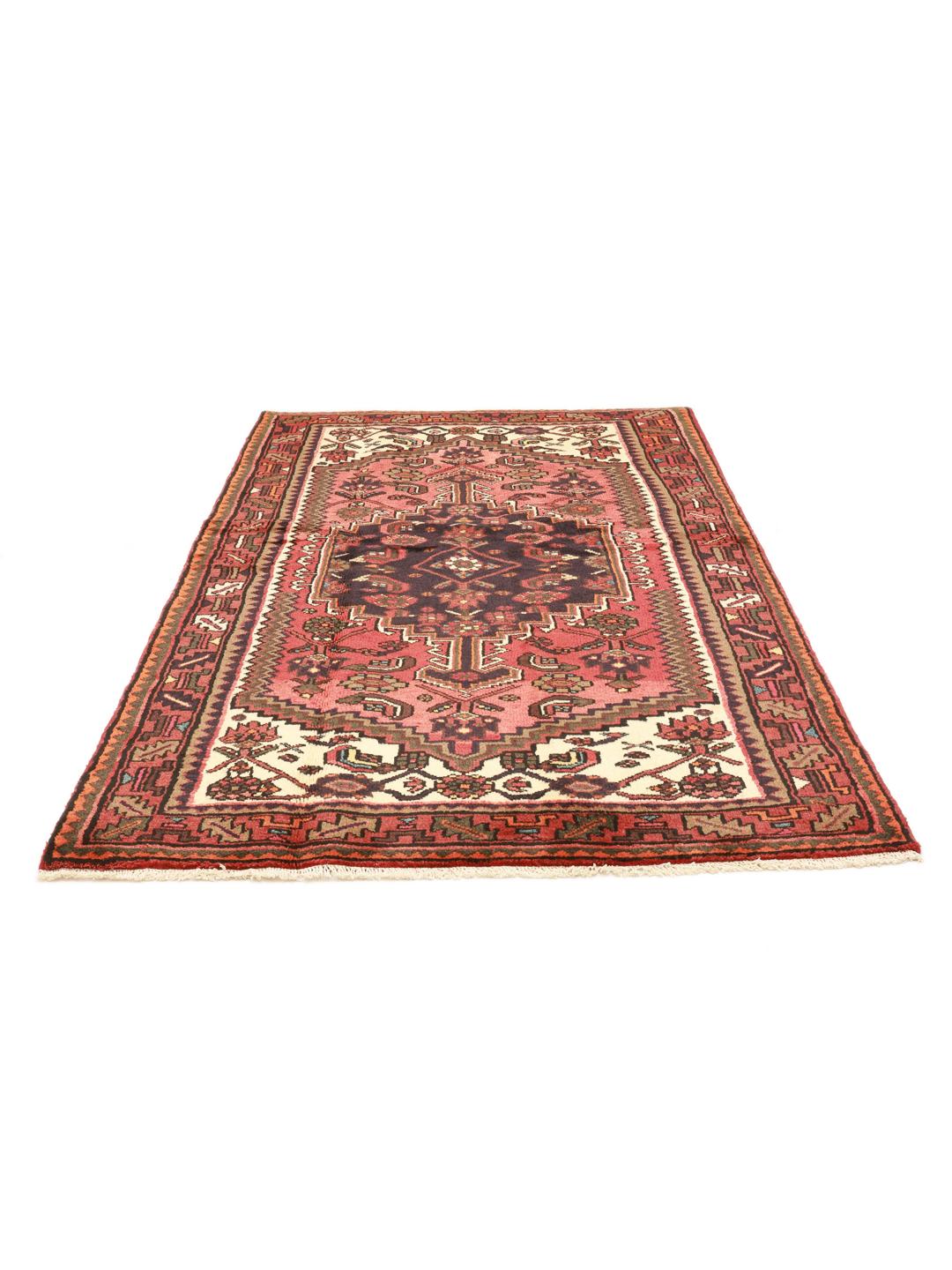
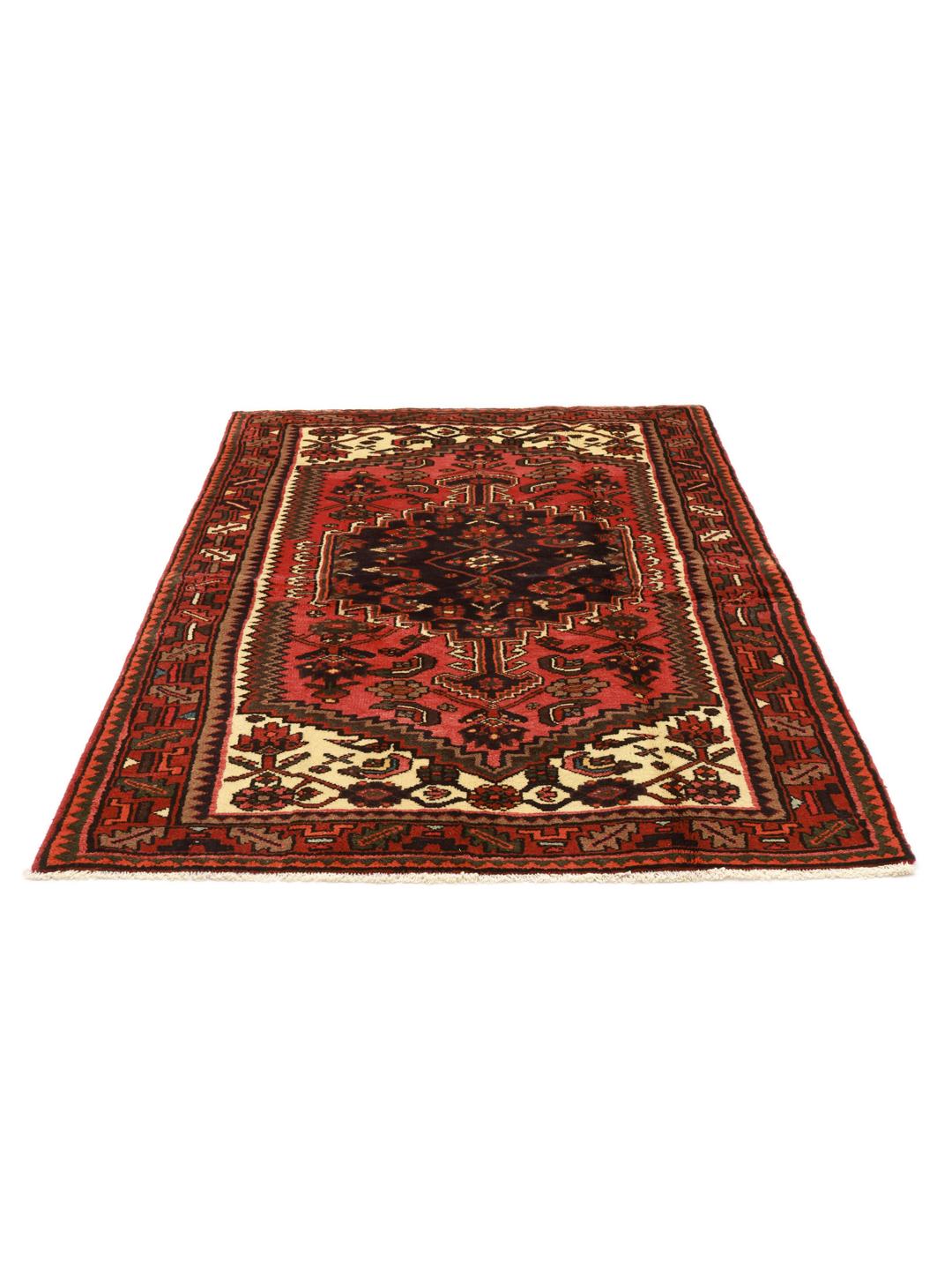
Hamadan rugs hail from one of the oldest cities in the Middle East, a region with a weaving tradition that stretches back thousands of years. Located in the mountainous west, the city of Hamadan serves as a commercial hub for hundreds of surrounding villages, each contributing its own unique flair to the collective Hamadan style. These rugs are renowned for their robust construction and their ability to bring a rustic, authentic charm to any space.
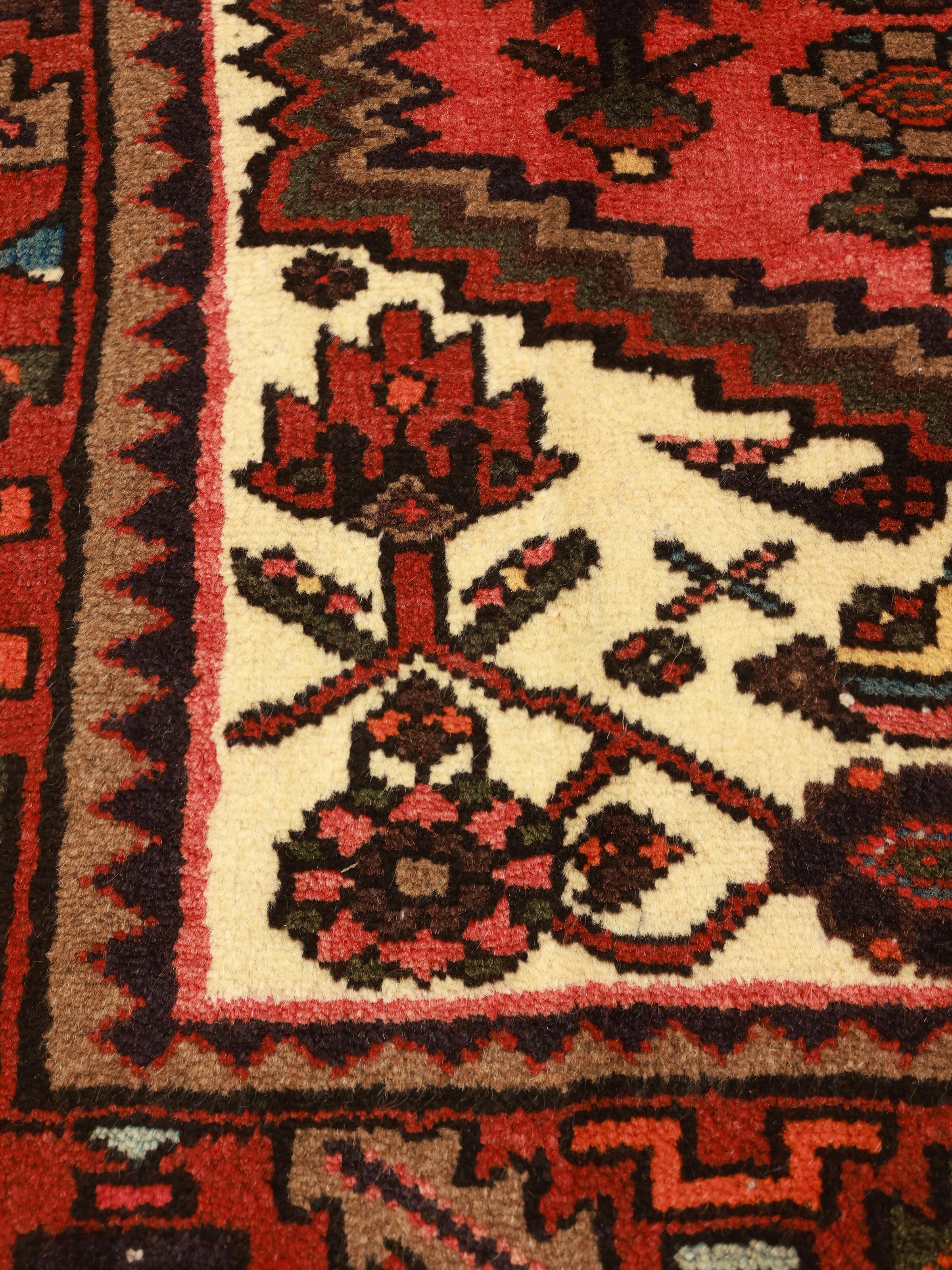
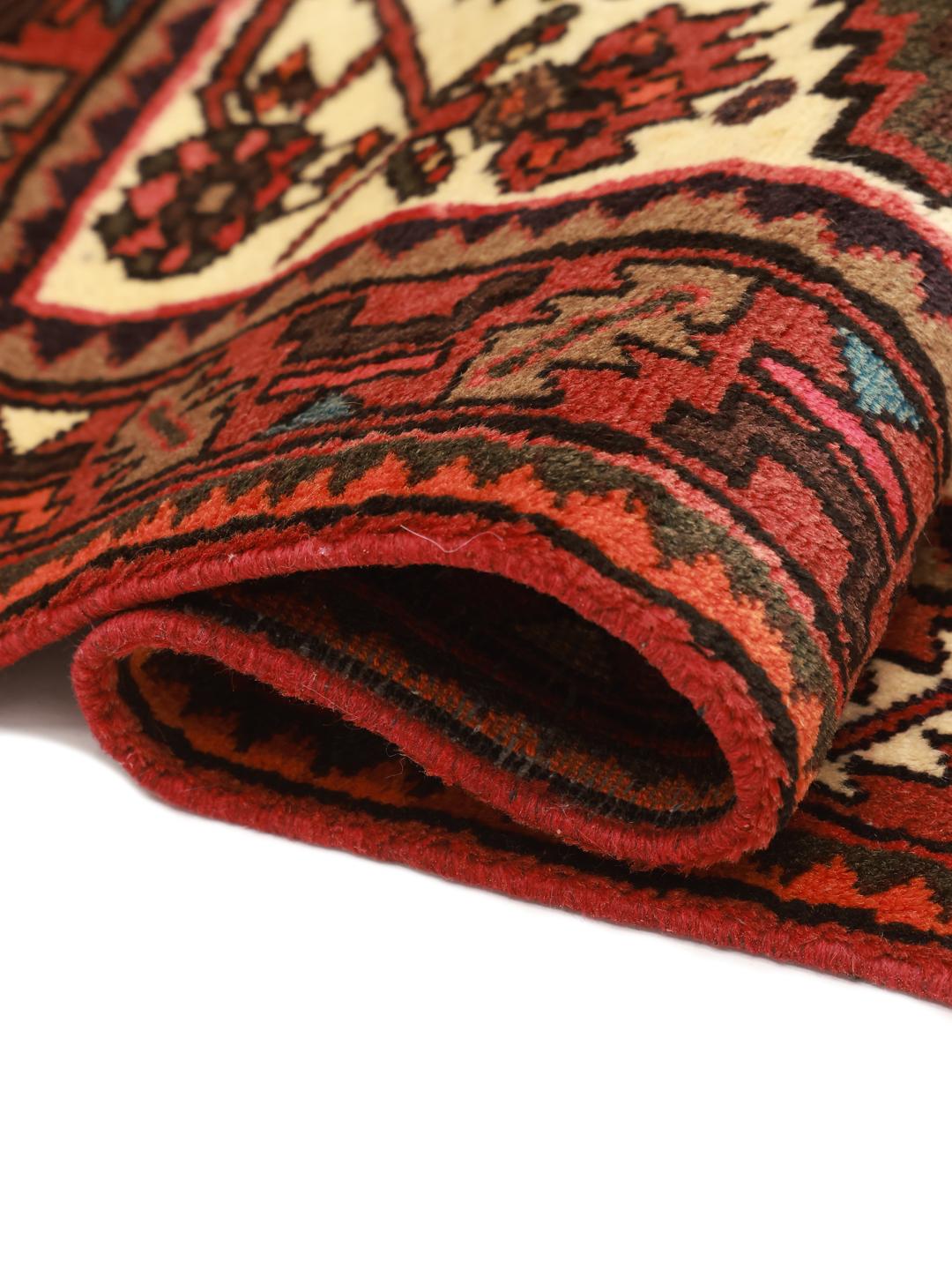
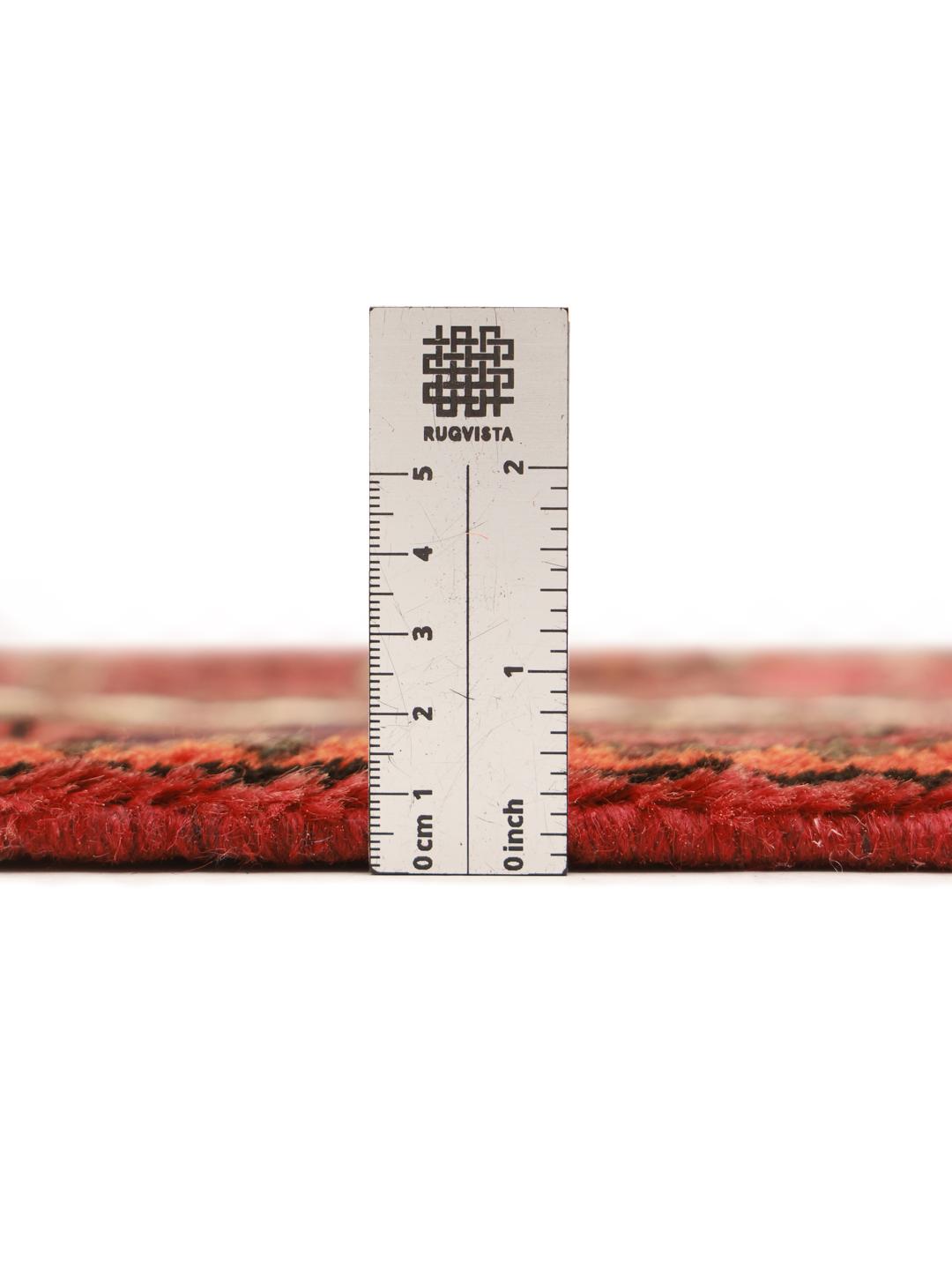
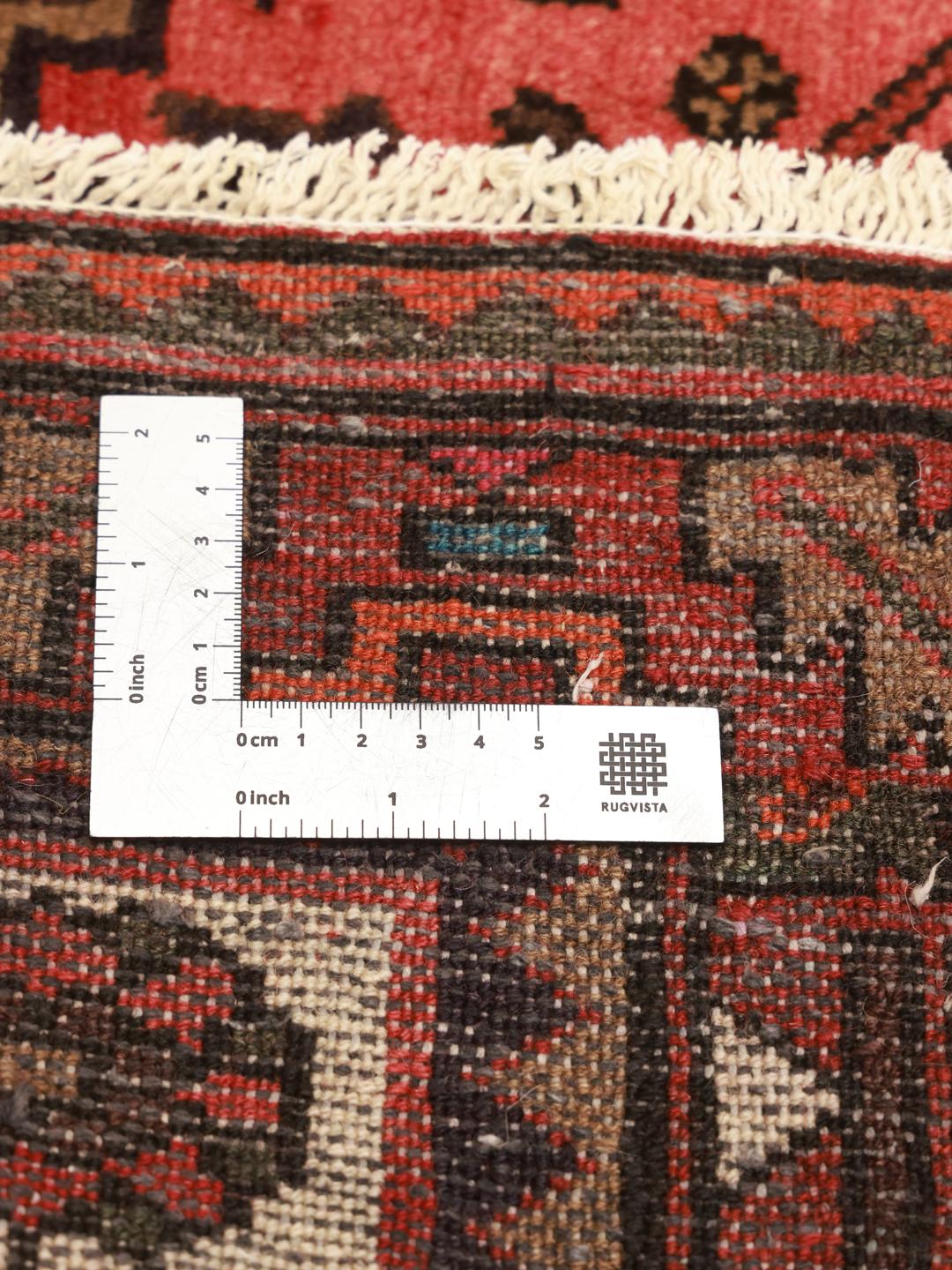
The technical quality of a Hamadan rug is rooted in the use of high-quality wool, which is often sourced from local mountain sheep. This wool is prized for its long, durable fibres and natural lustre, which holds colour beautifully over decades. The construction typically involves a sturdy cotton foundation, providing a stable base that allows the rug to lie flat and resist wear, making it a reliable choice for high-traffic areas.
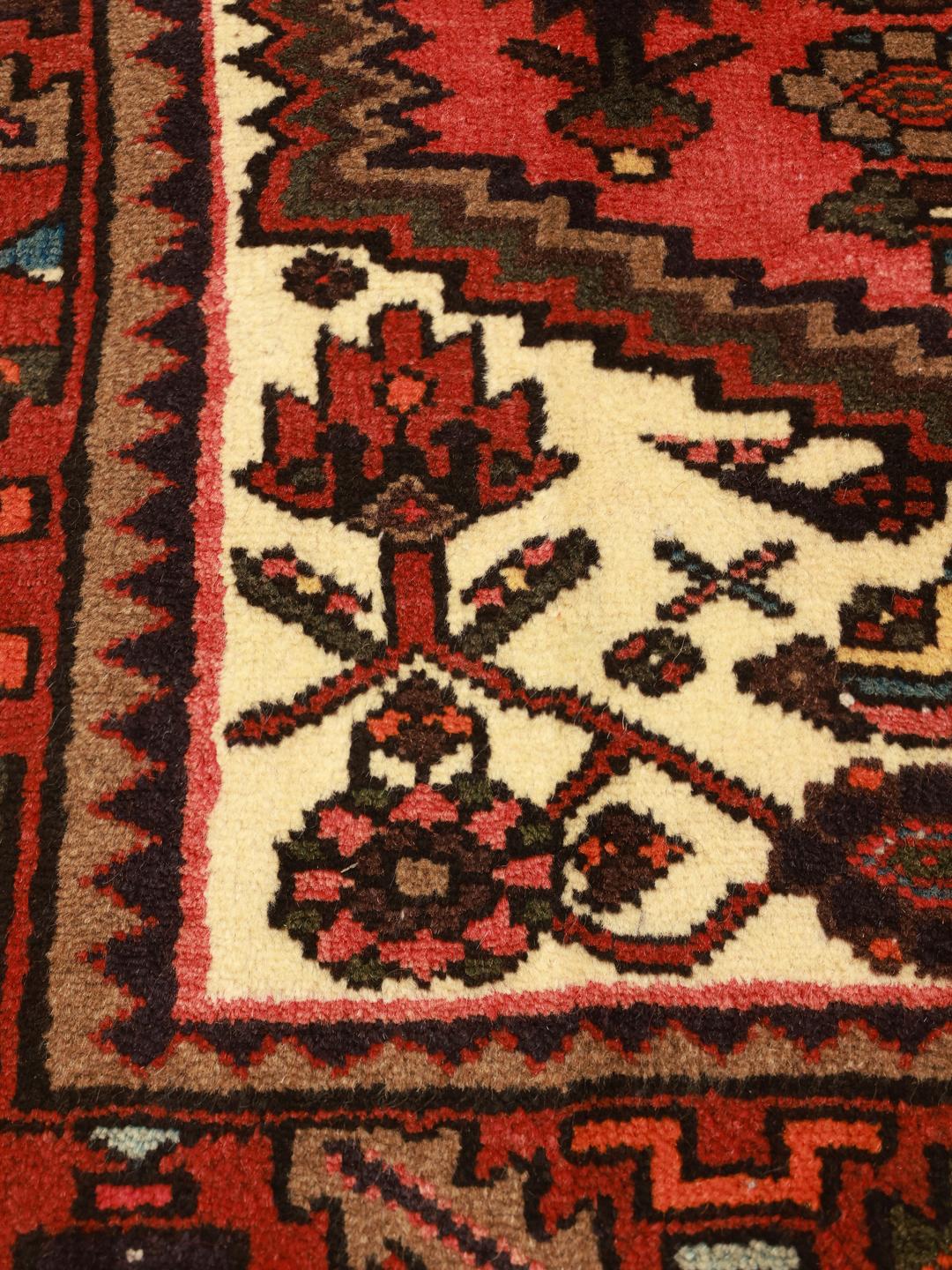
Visually, these rugs are often defined by their geometric interpretations of floral patterns. The central medallion is a signature element, frequently accompanied by repetitive 'herati' or 'boteh' motifs that fill the field. While traditionally featuring deep reds and dark blues, you will also find earthy browns and creams that reflect the natural dyes used in older, more traditional examples of this craft.
Collectors value Hamadan rugs for their honest representation of regional weaving heritage. Owning one is a way to connect with a lineage of artisans who have passed down their knowledge through generations. These rugs are not just floor coverings; they are artefacts of a living culture, valued for their durability, their bold design language, and the sense of permanence they bring to a living environment.