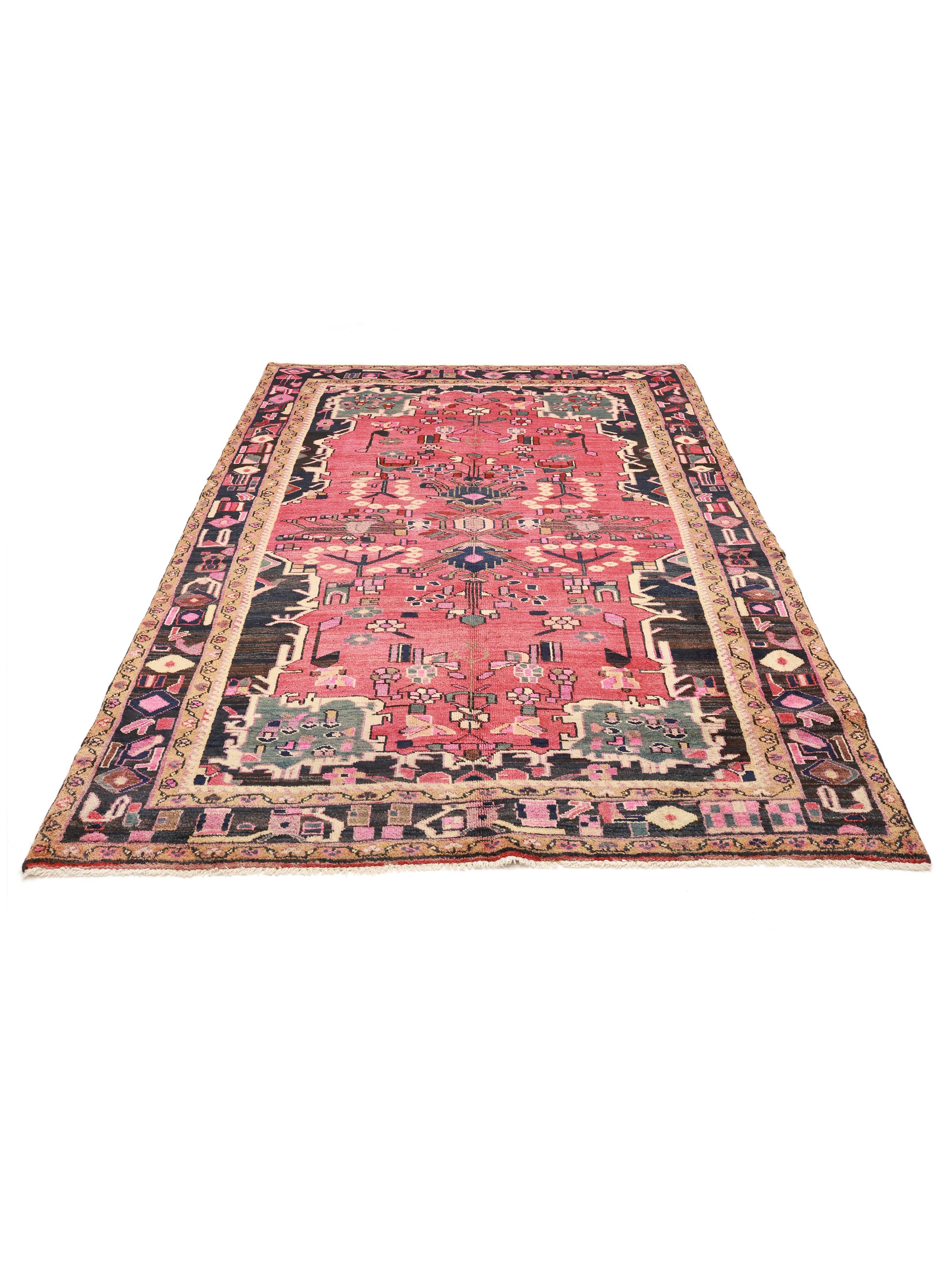
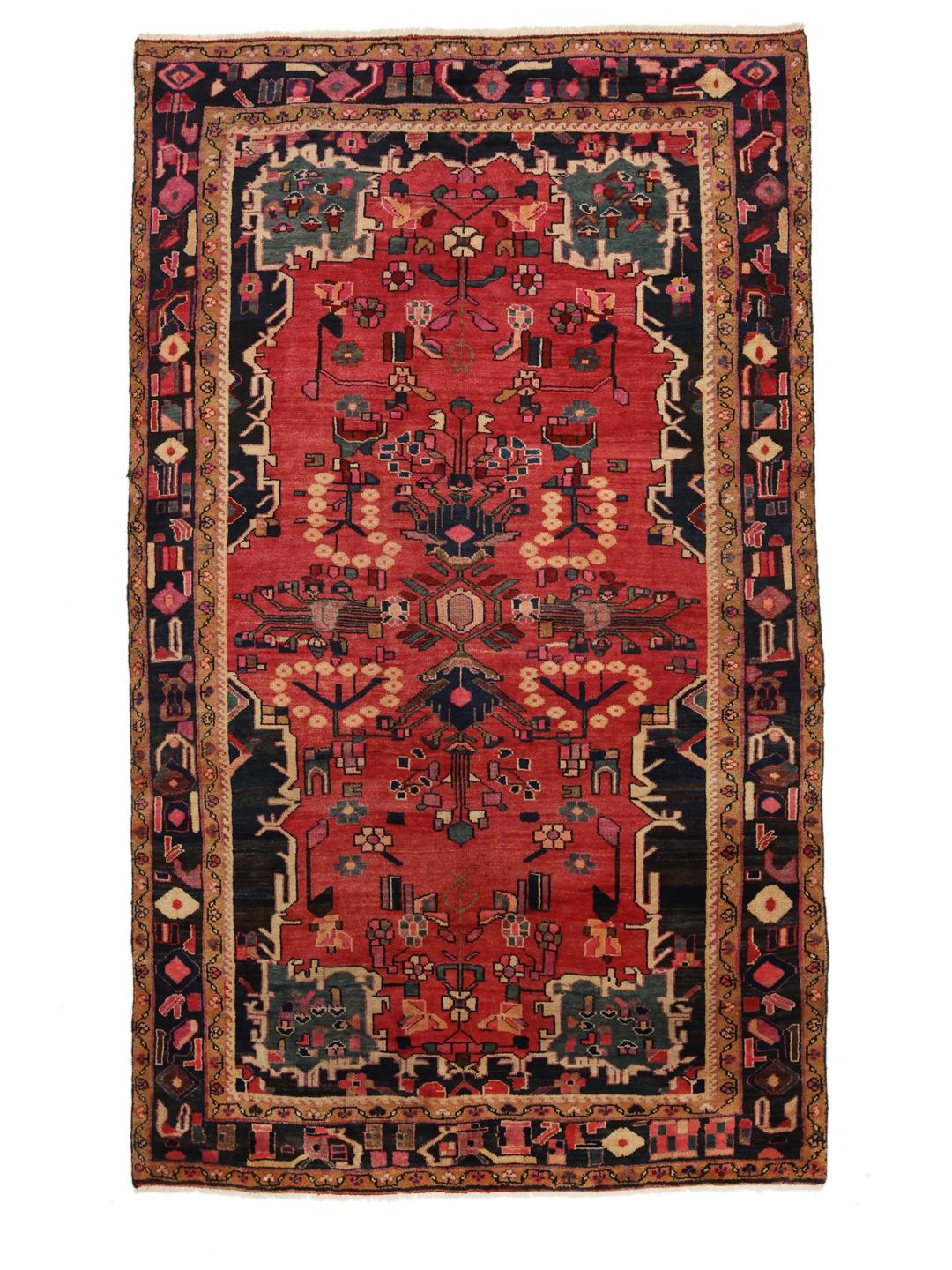
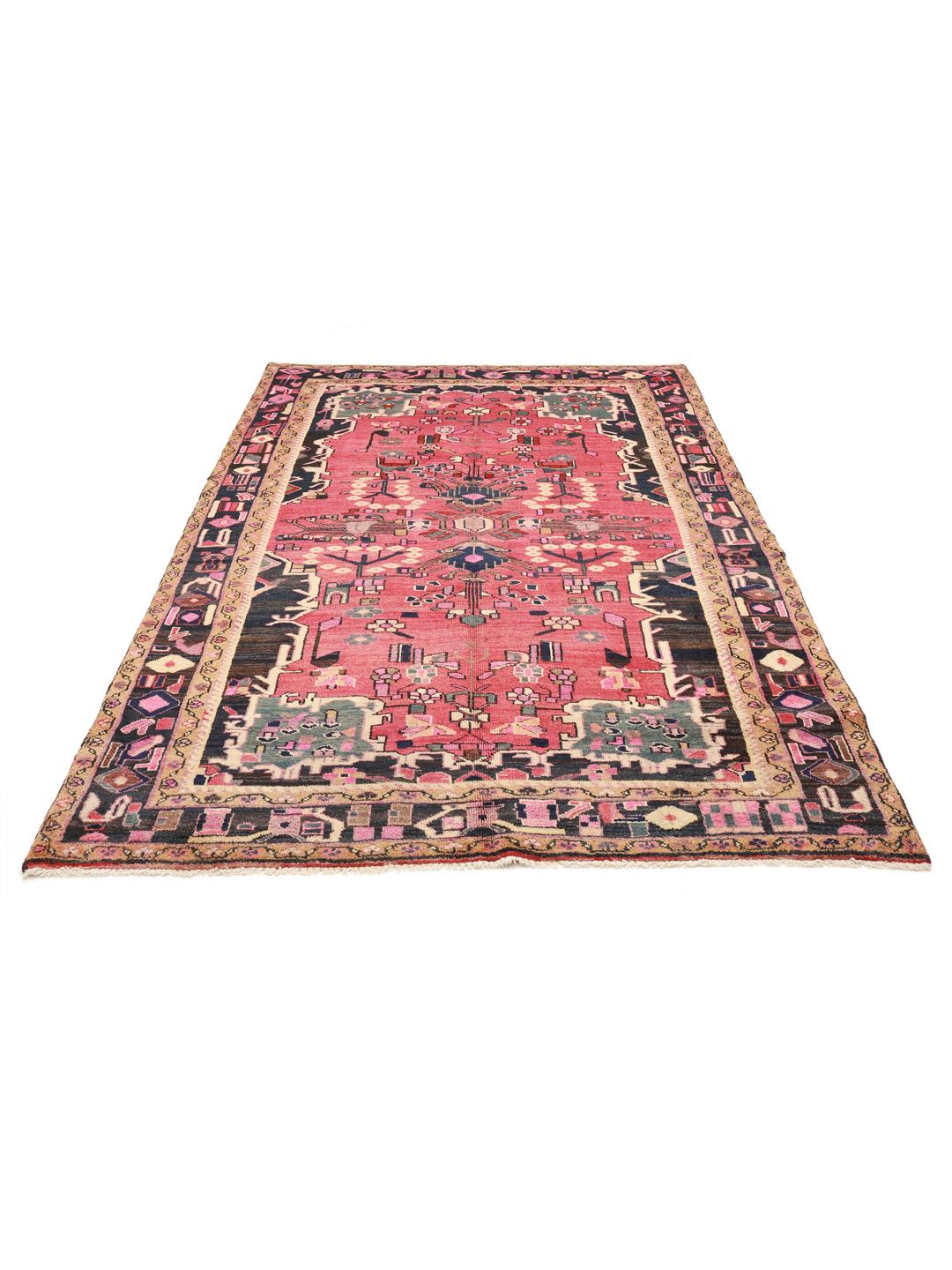
Hamadan rugs take their name from one of the oldest cities in the Middle East, a historic hub located on the ancient trade routes. For centuries, the villages surrounding this city have maintained a tradition of weaving that is as diverse as it is prolific. This rug represents the culmination of these regional influences, drawing on centuries of design knowledge that prioritise both decorative flair and practical utility.
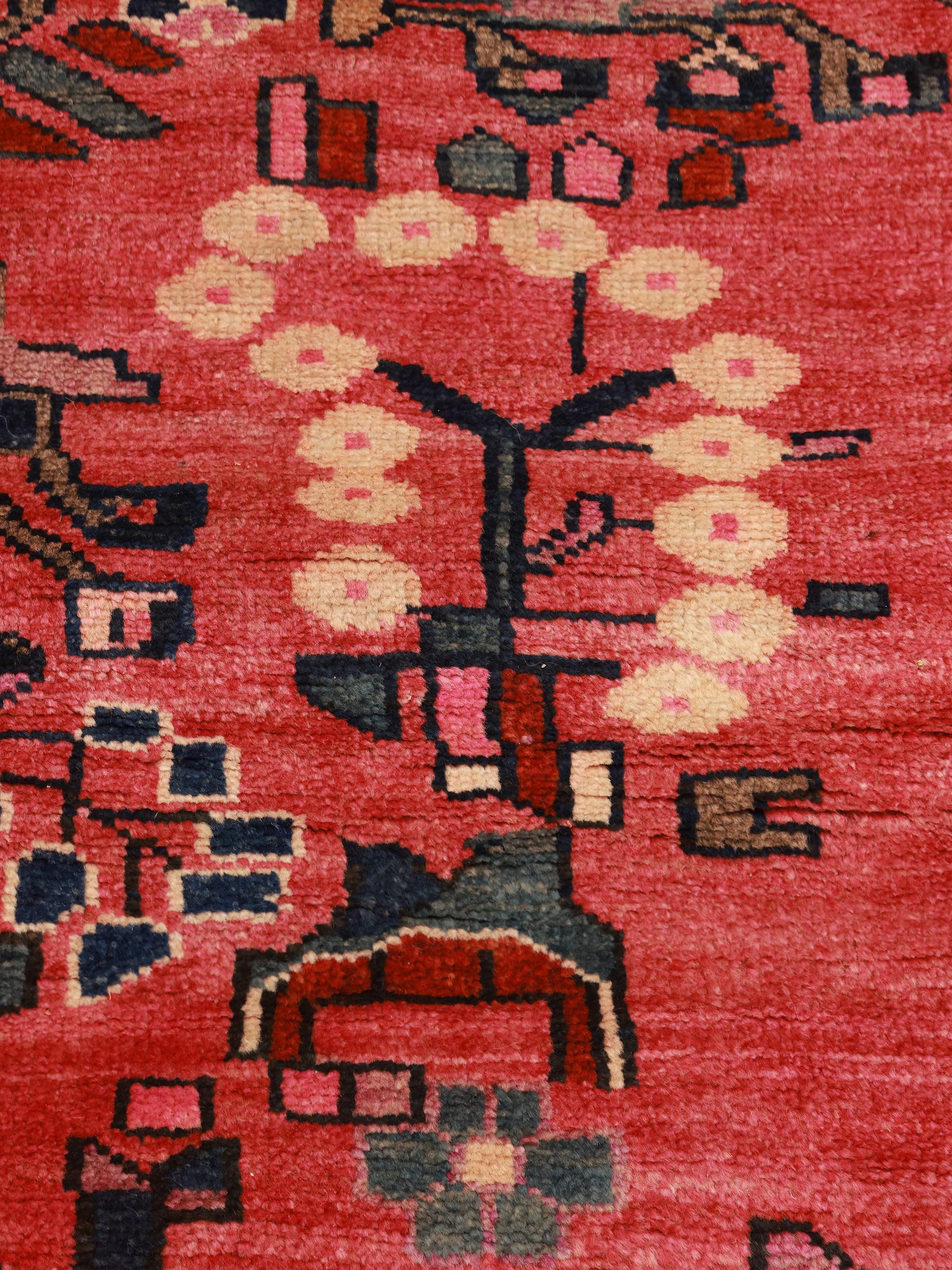
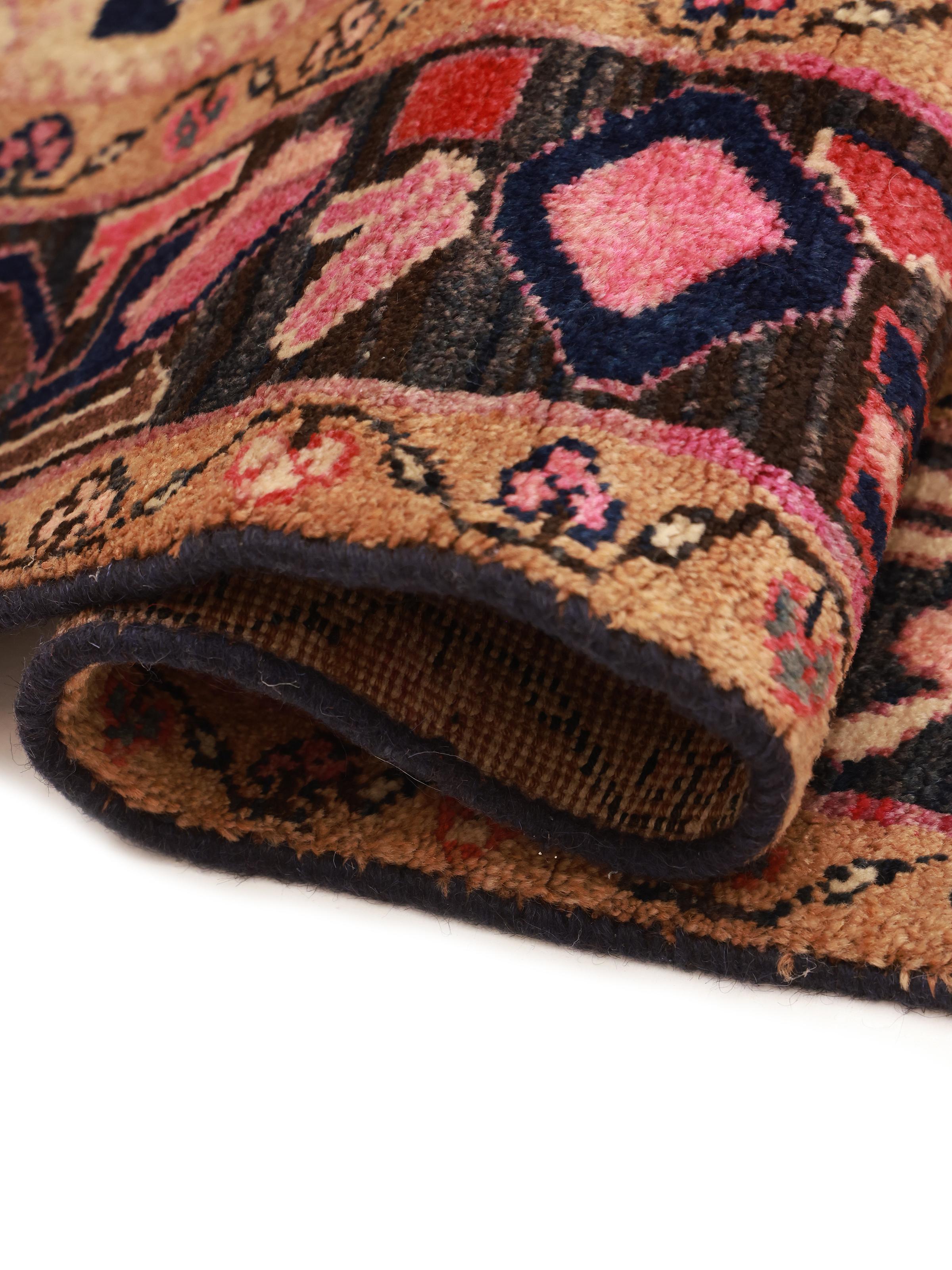
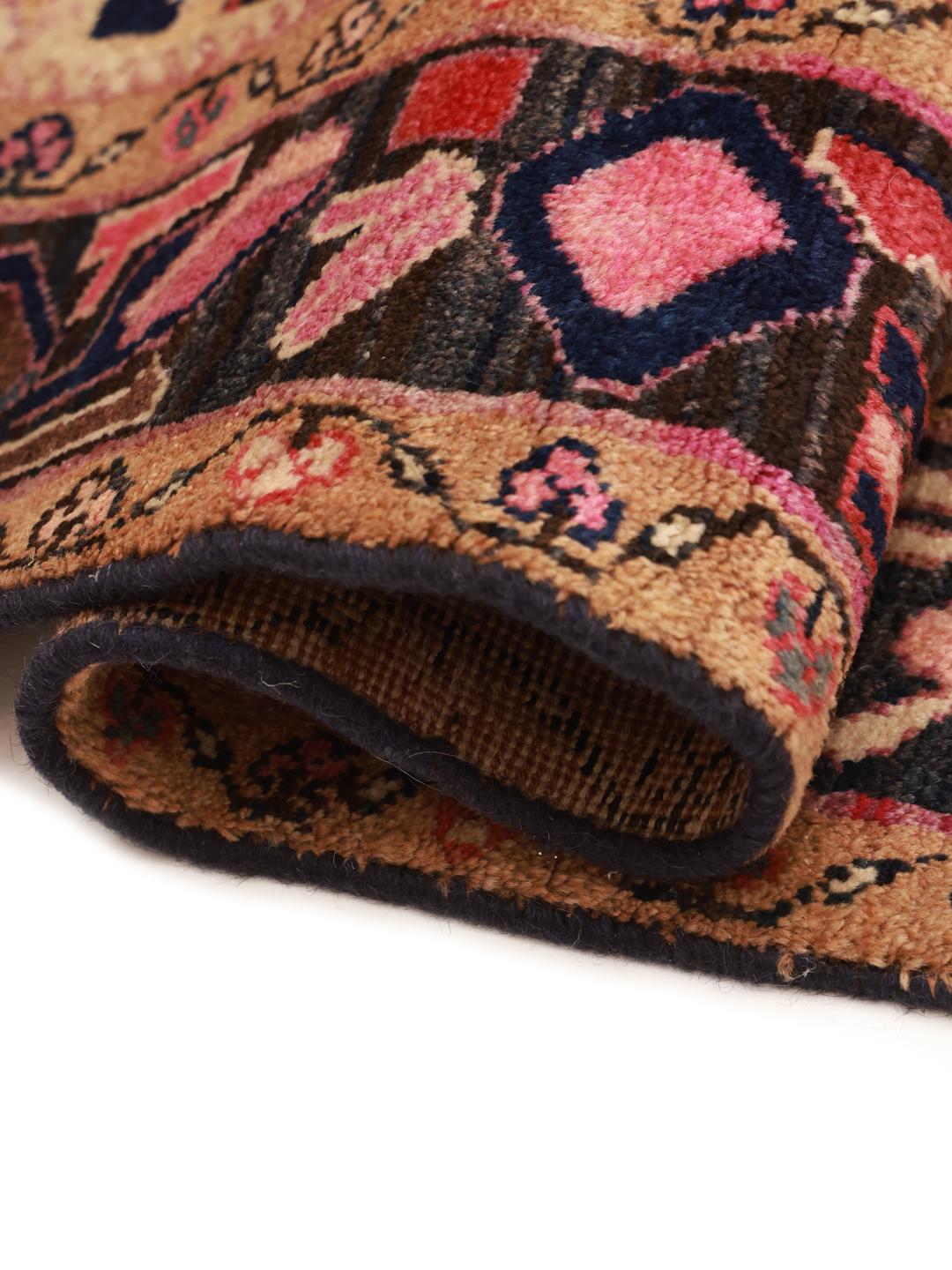
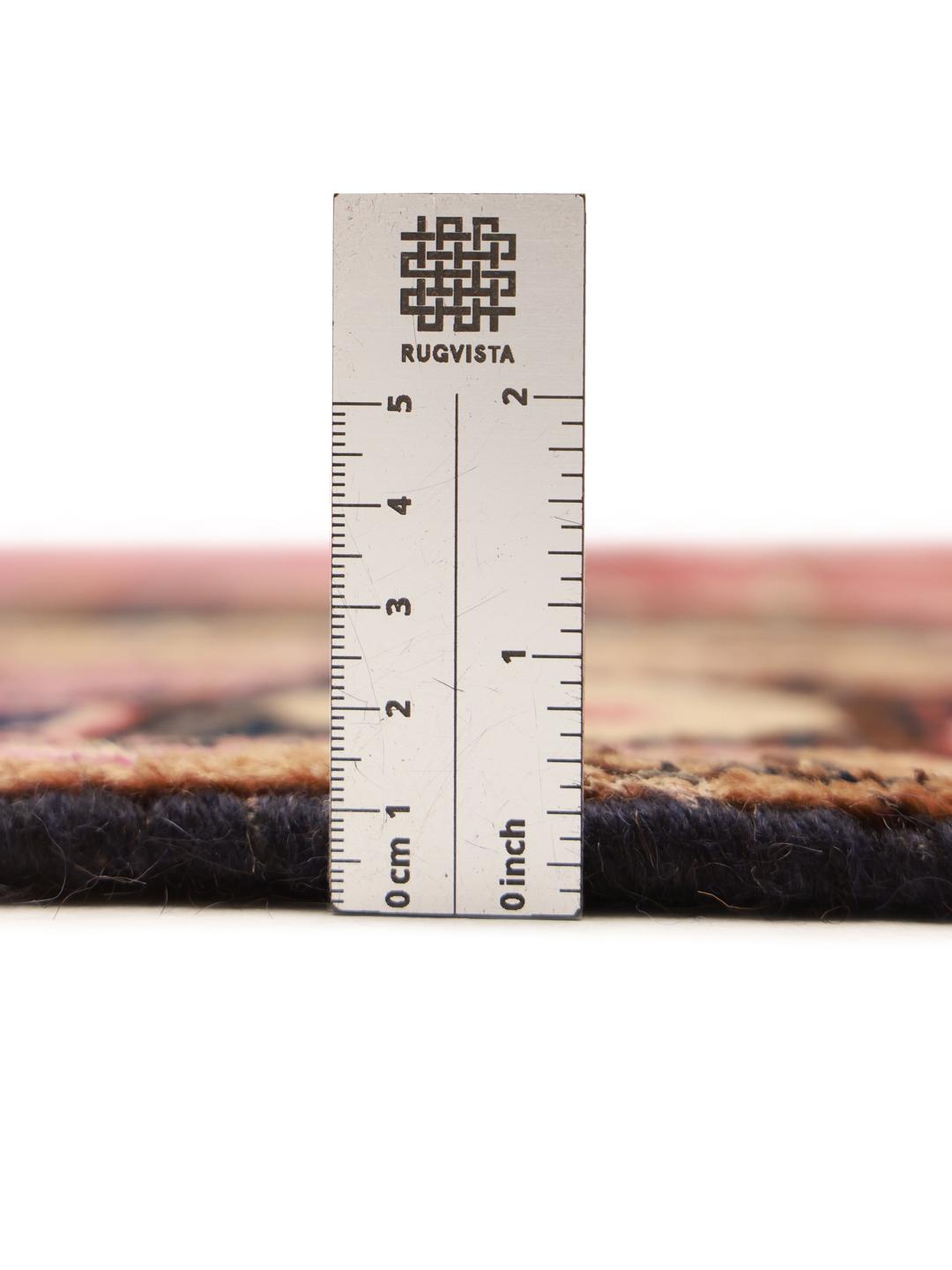
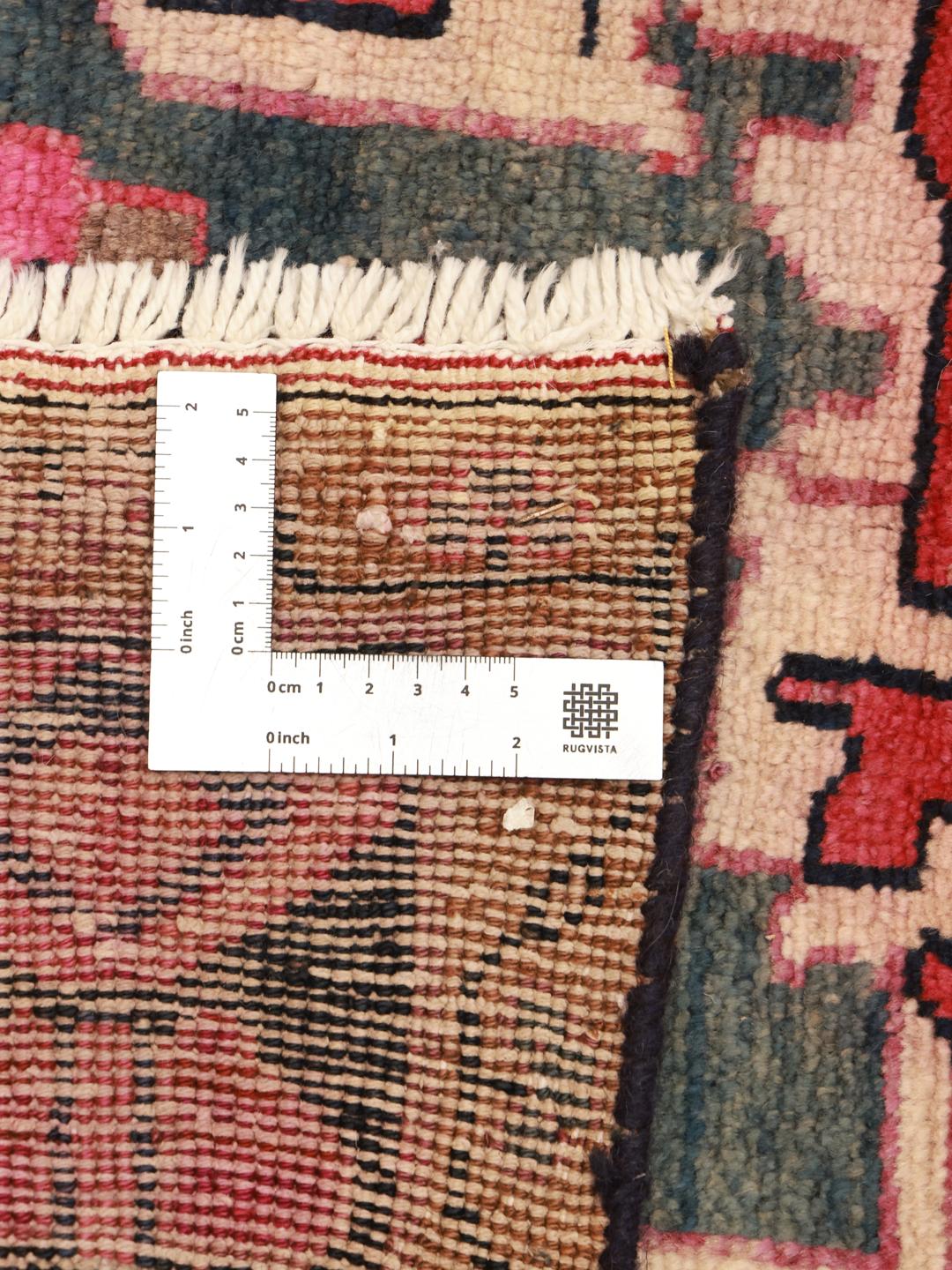
The term Hamadan covers a broad spectrum of styles, as each village in the region often employs its own unique variations in knotting and motif. One of the defining characteristics of this tradition is the use of a sturdy foundation, which provides the durability necessary for the rugs to serve as reliable floor coverings in a bustling household. The wool used is selected for its resilience, ensuring the rug ages gracefully and develops a beautiful, soft patina over time.
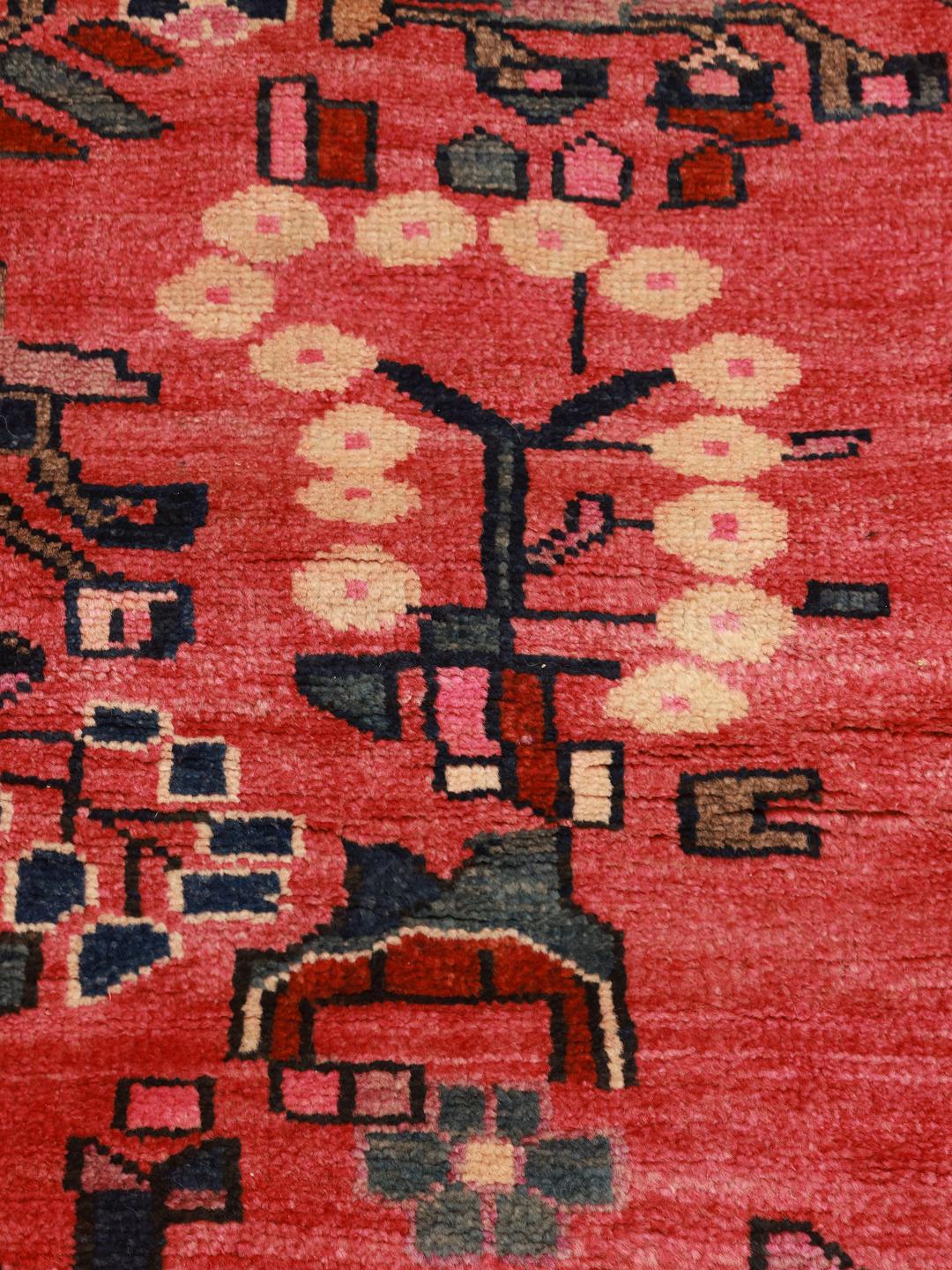
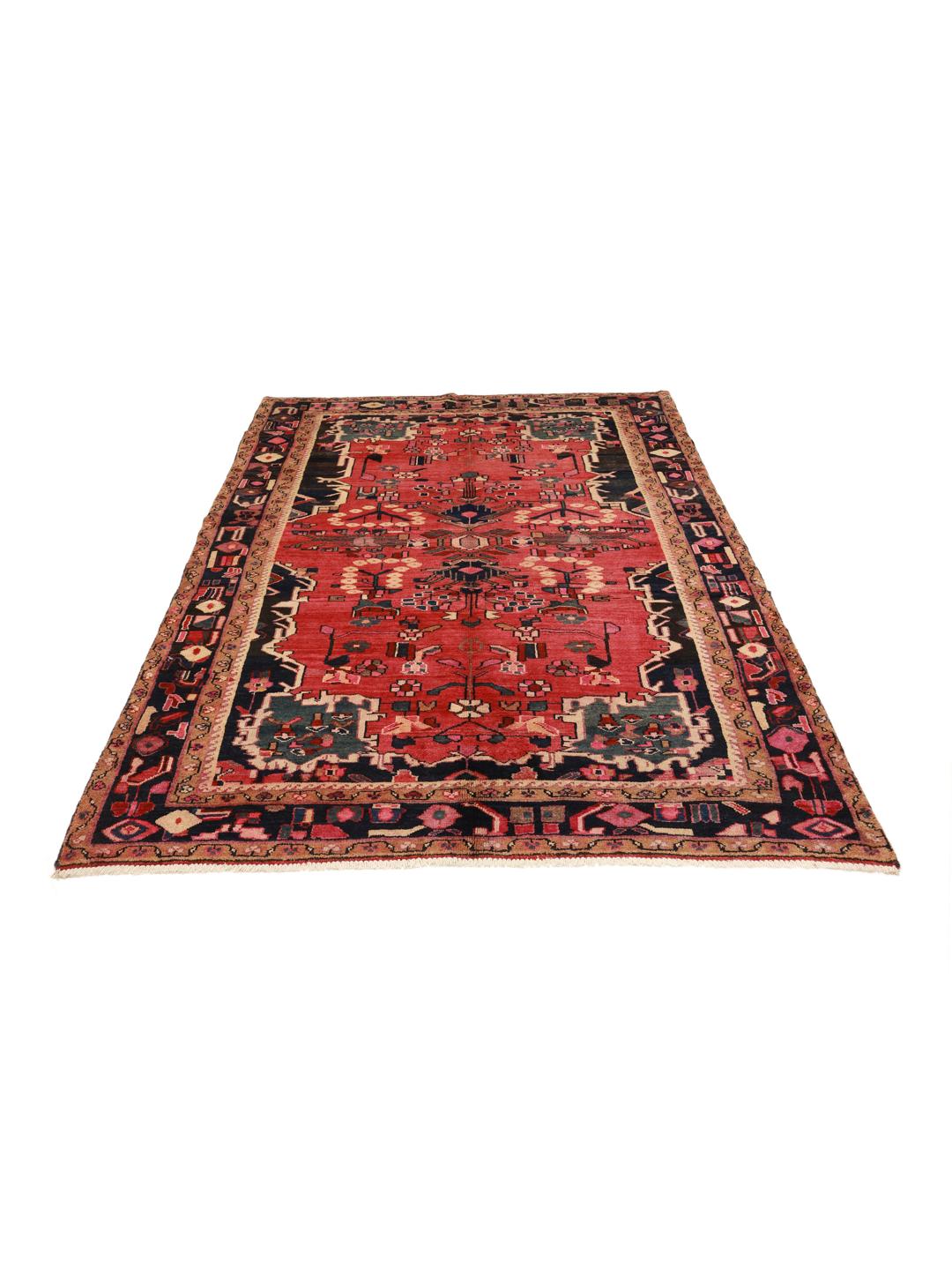
Visually, these rugs are celebrated for their bold, often geometric interpretations of floral and medallion motifs. You will frequently find a central, striking design anchored by a formal border, reflecting a design language that values symmetry and symbolic storytelling. The patterns are not merely decorative but often act as a visual map of the weaver's cultural heritage and local environment.
Collecting a Hamadan rug means acquiring a piece of living history. These rugs are highly valued for their authenticity and the honest, unpretentious skill that goes into their creation. Owning such a piece connects your modern home to a long-standing tradition of craftsmanship, offering a sense of heritage and cultural depth that mass-produced items cannot provide.