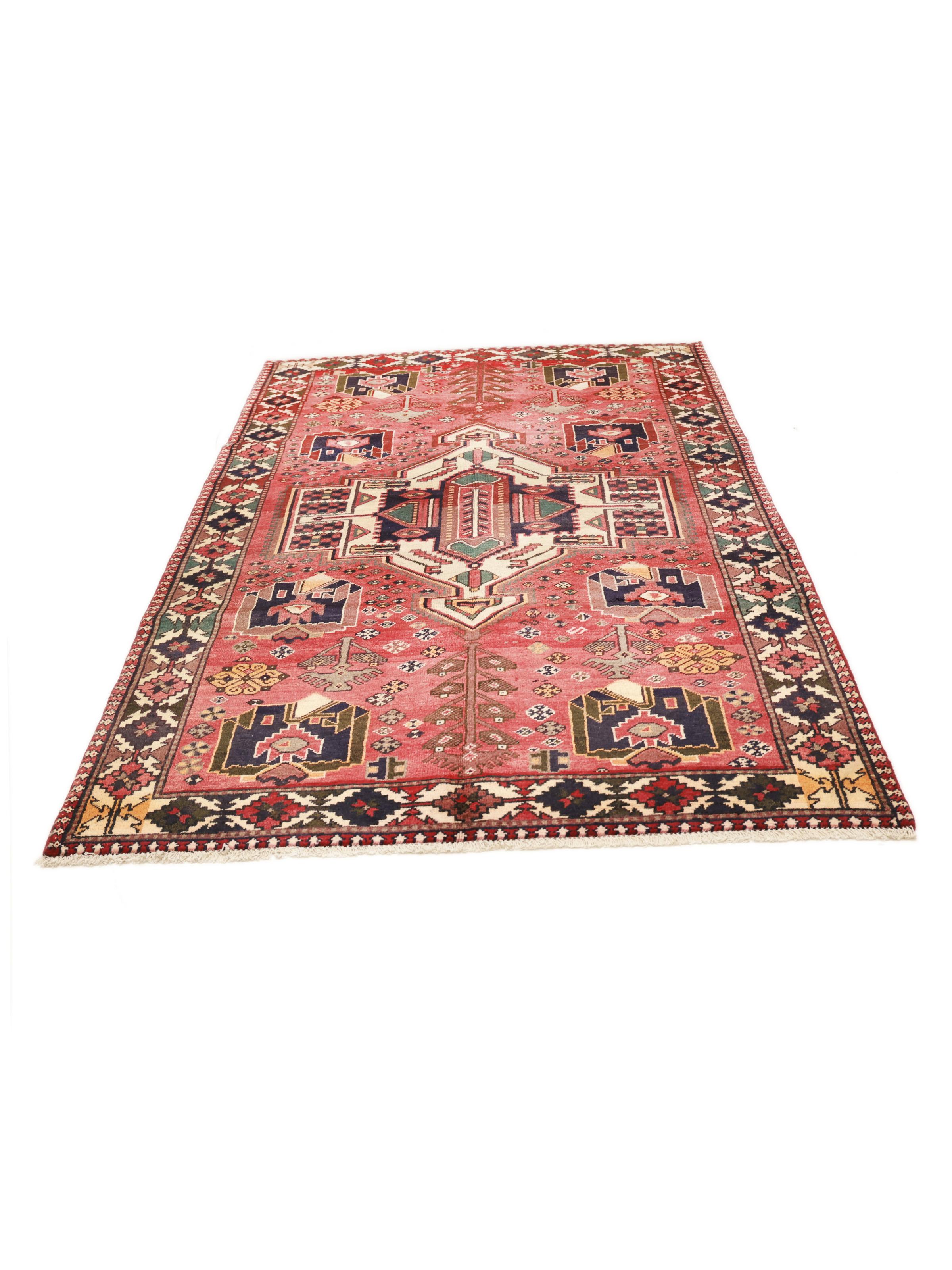
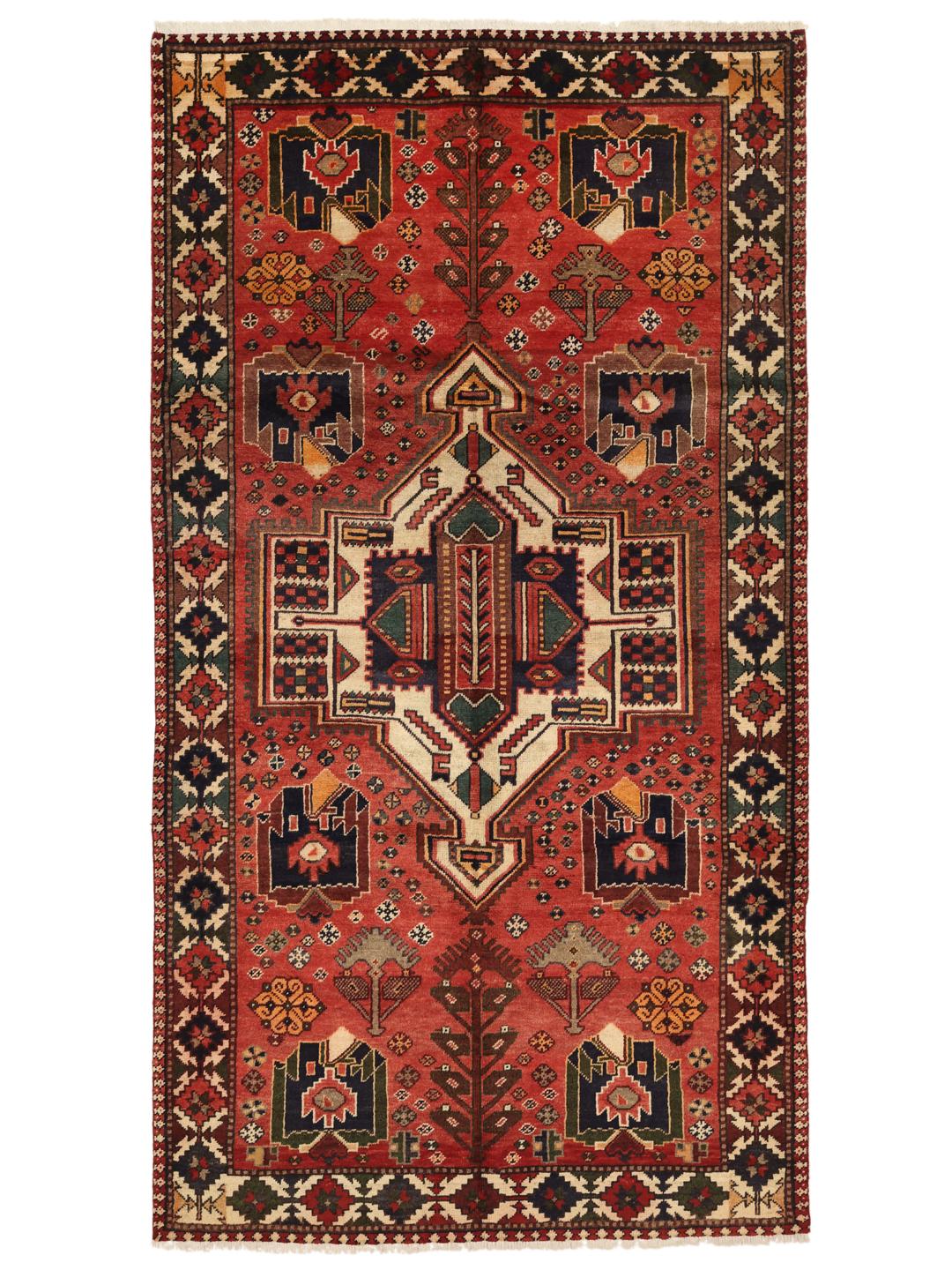
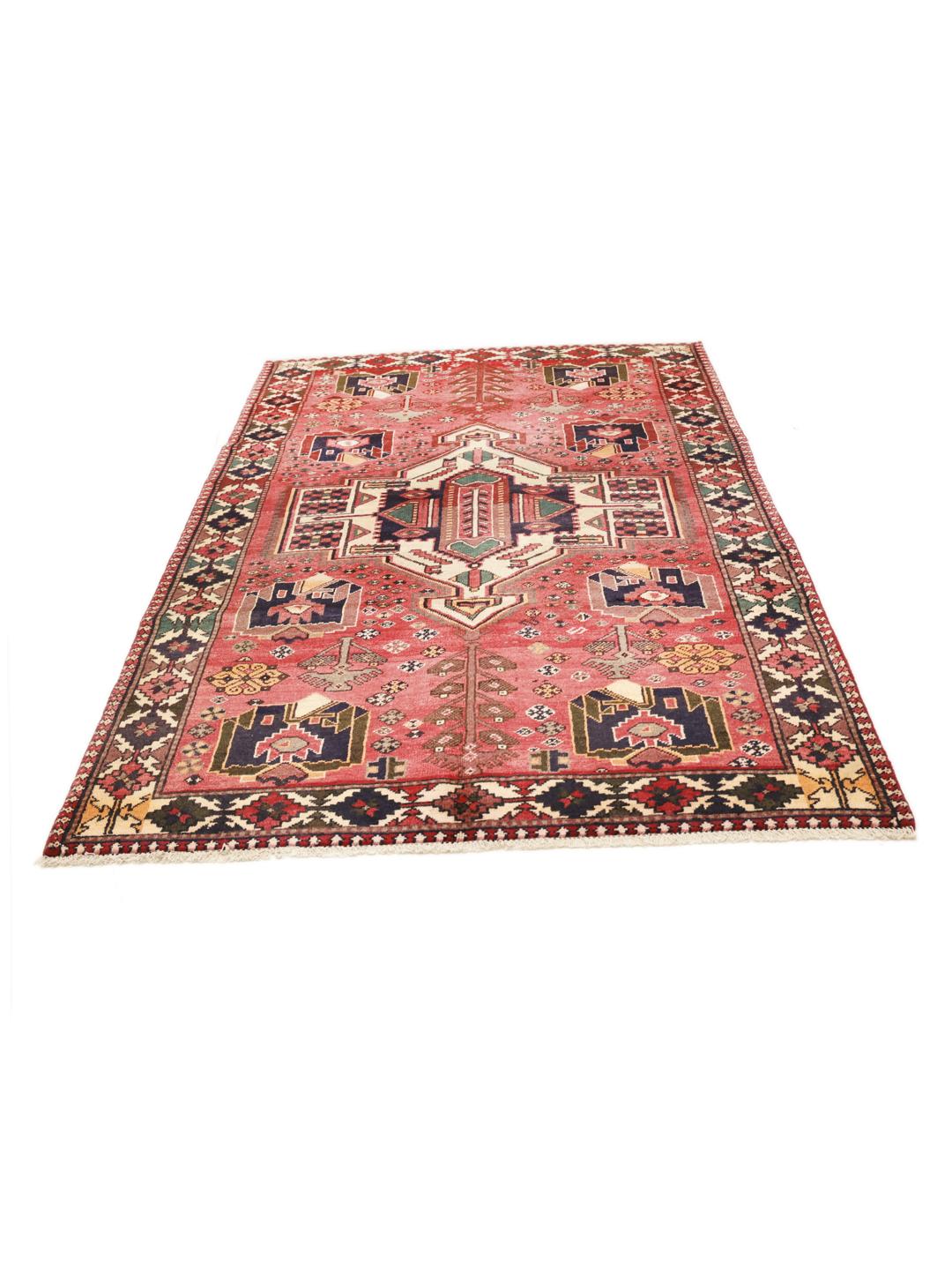
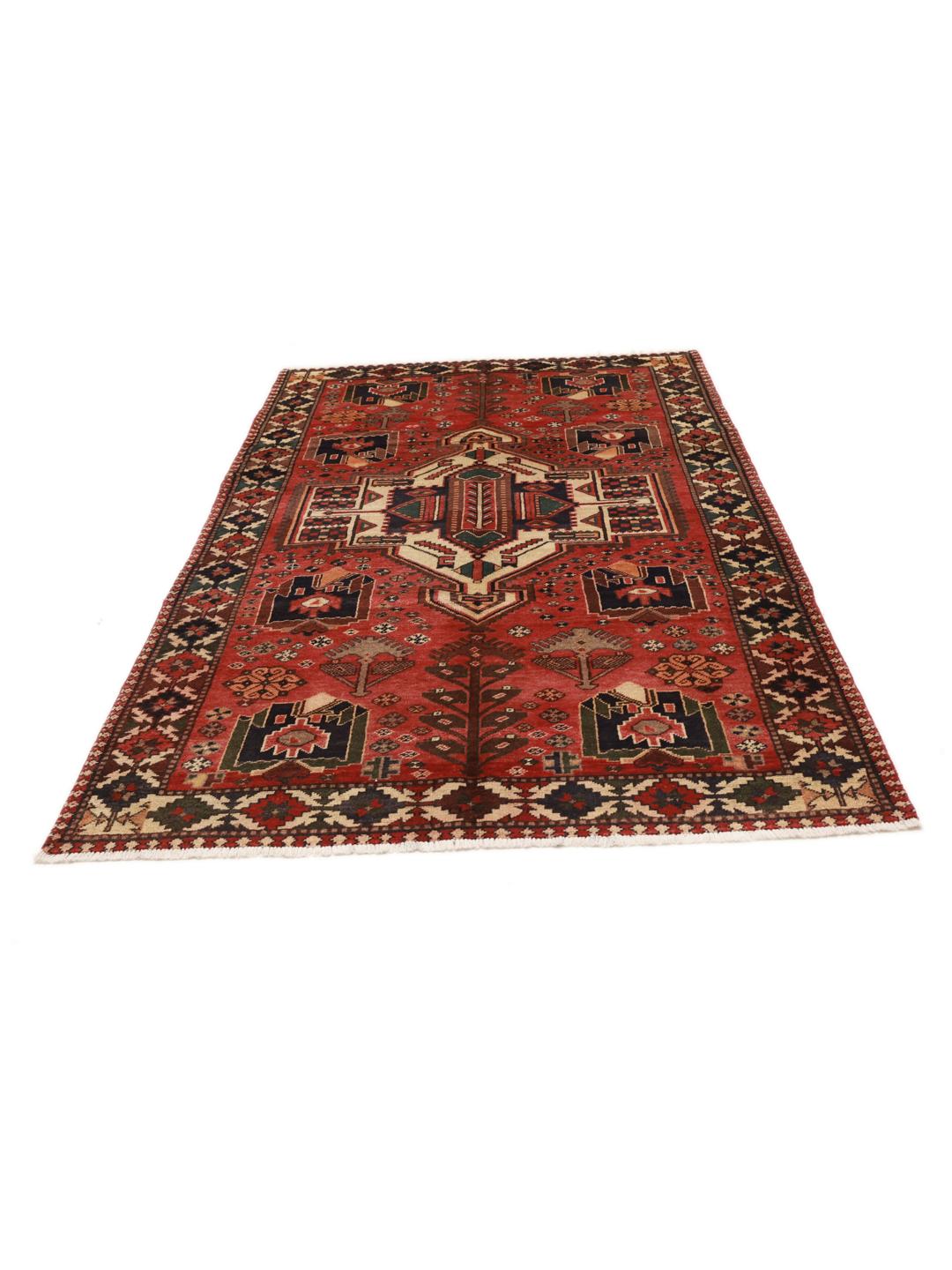
The Hamadan region in the Middle East is one of the most storied centres of rug production in the world. Located in a mountainous area with a history of weaving that stretches back centuries, Hamadan has long been a hub where diverse tribal traditions meet. These rugs are not the product of a single village but represent a vast collection of styles from hundreds of surrounding communities, each contributing its own unique flair to the regional aesthetic.
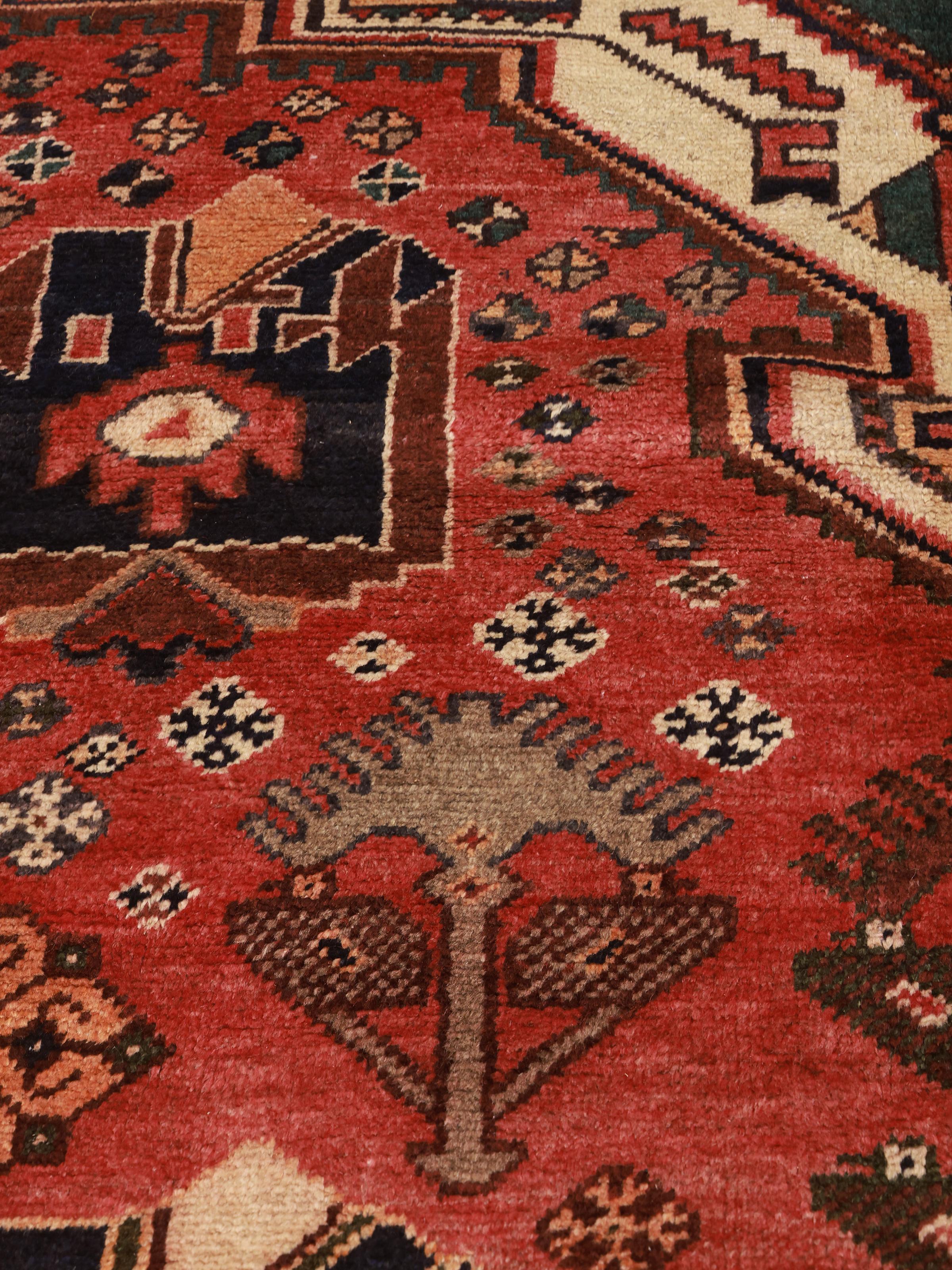
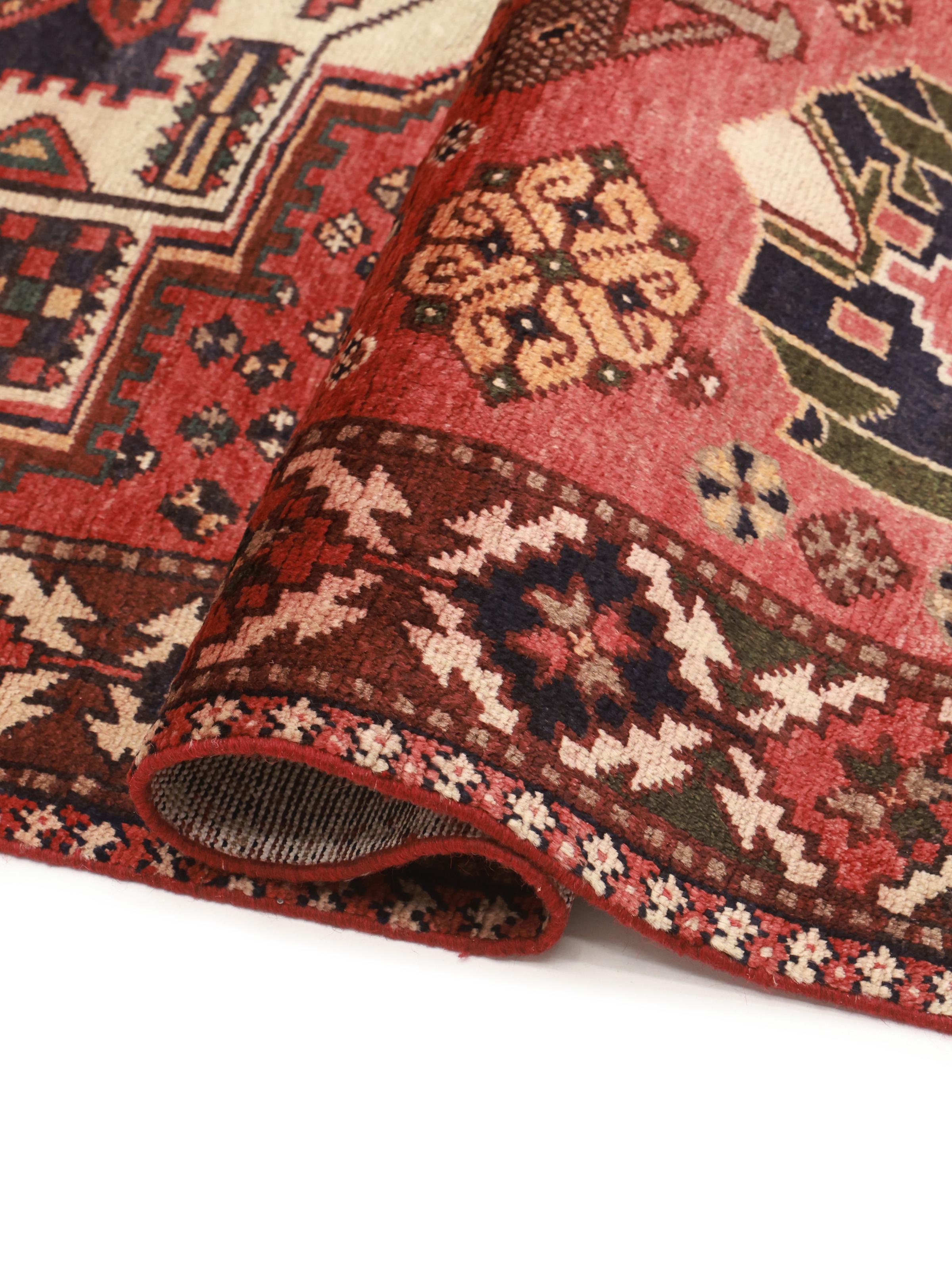
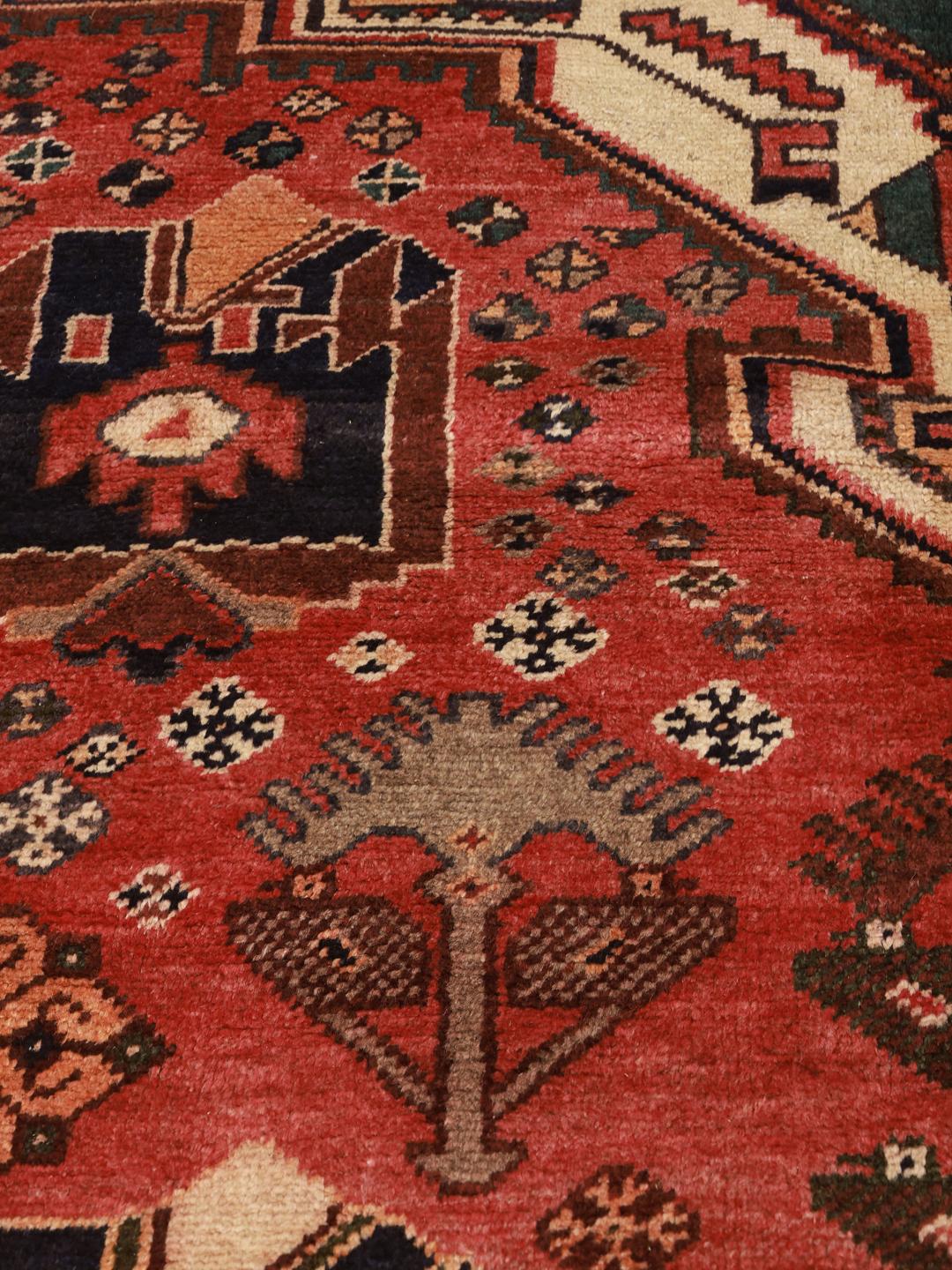
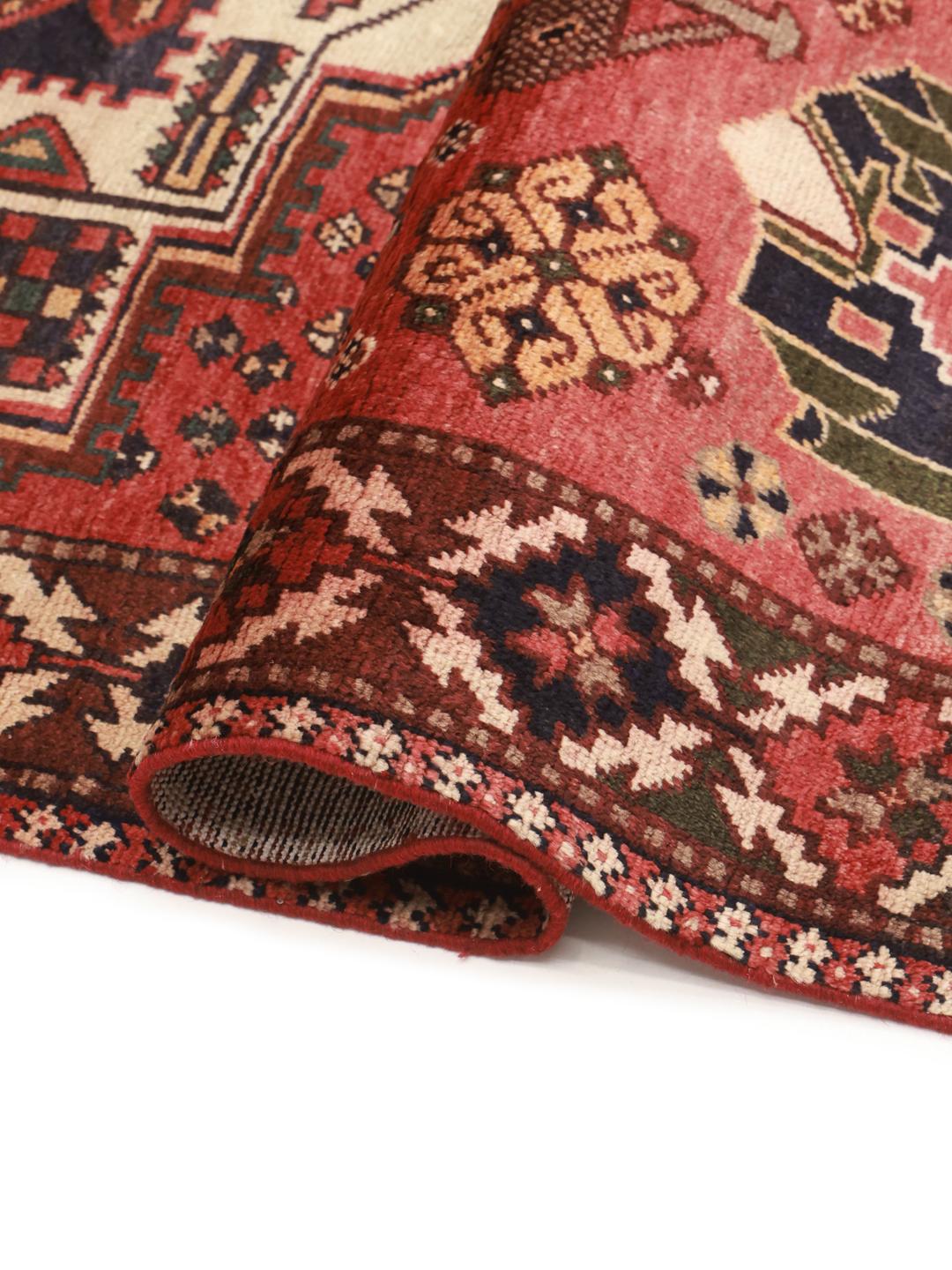
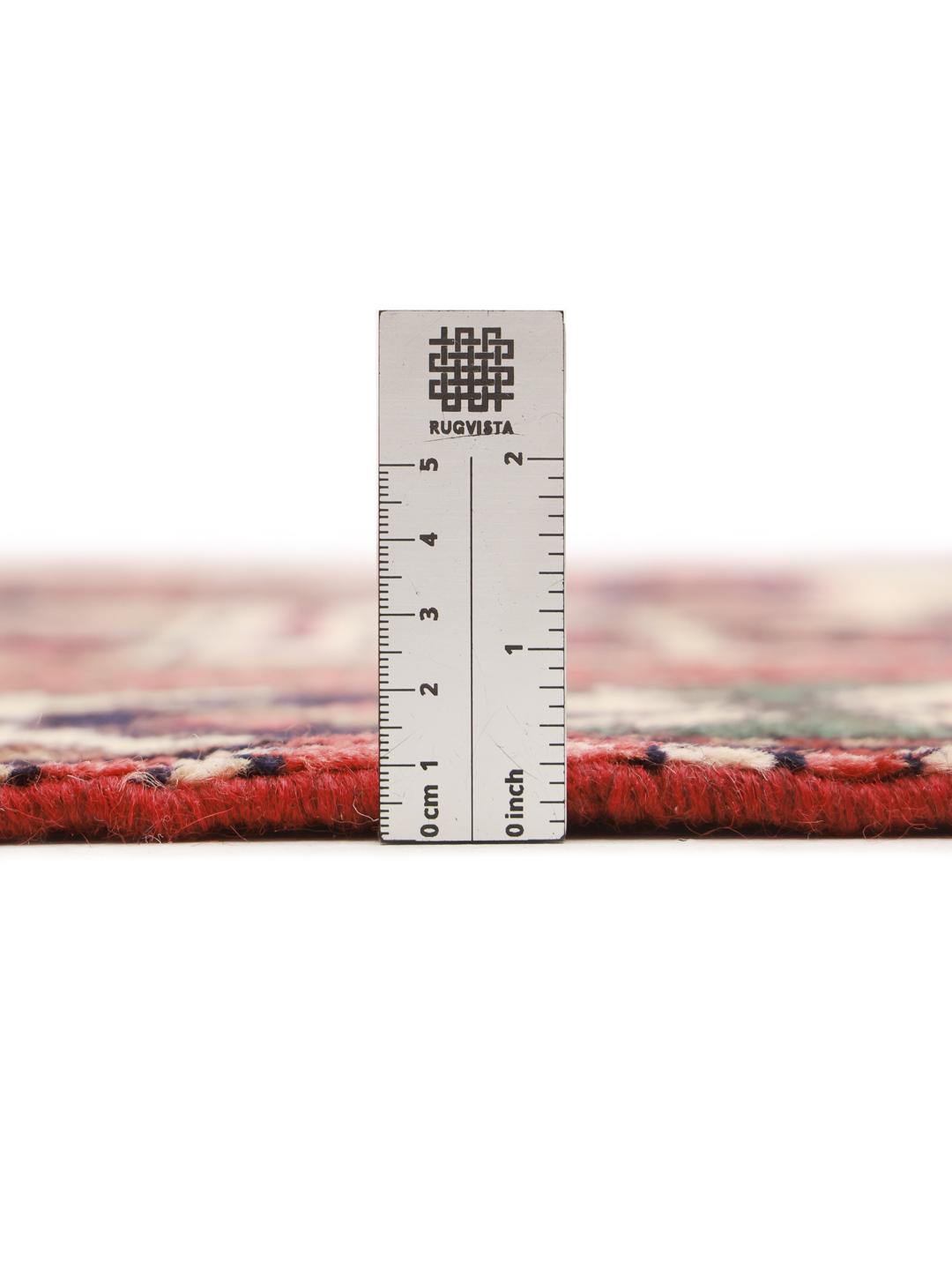
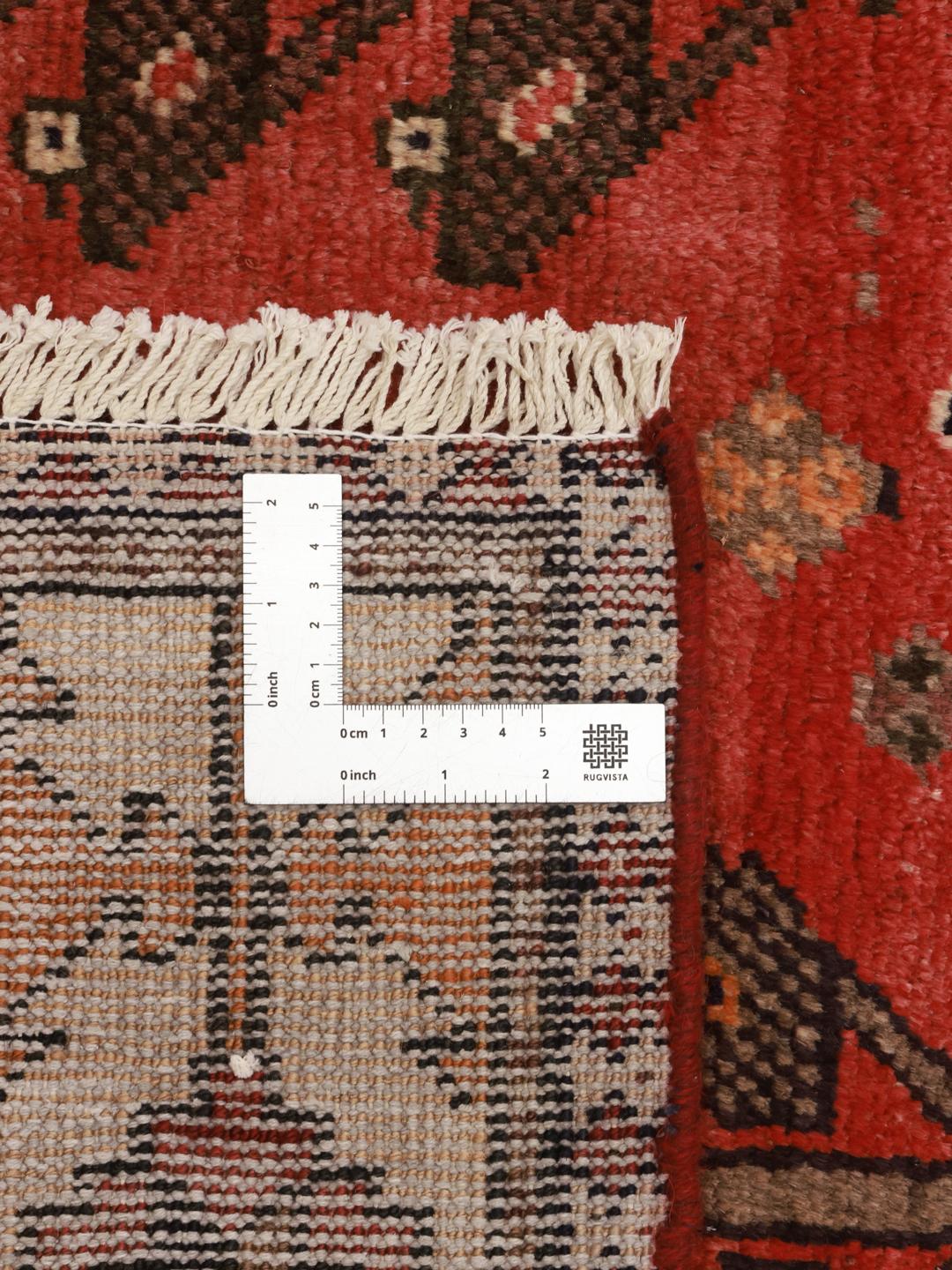
Technically, the quality of a rug from this region is defined by its robust construction. The use of high-quality wool, often sourced locally from mountain-raised sheep, results in a pile that is known for its resilience and lustre. A well-crafted piece from this tradition often features a sturdy foundation, which ensures the rug can withstand the rigours of daily life while retaining the vibrant colours derived from natural and traditional dyeing methods.
Visually, these rugs are celebrated for their bold, geometric language. While you will often find a large, central medallion surrounded by stylised floral or tribal motifs, the beauty lies in the variation. Each weaver brings their own interpretation to the traditional patterns, often resulting in charming, asymmetrical details that testify to the human element of the craft. The borders are typically wide and filled with intricate, repeating geometric shapes that frame the central field perfectly.
Owning a piece from this tradition is about more than just floor coverage; it is about preserving a legacy of craftsmanship. These rugs are highly valued by collectors for their authenticity and the way they bridge the gap between ancient tribal life and the modern home. To have one in your space is to participate in a centuries-old story of skill, patience, and artistic expression that continues to resonate today.