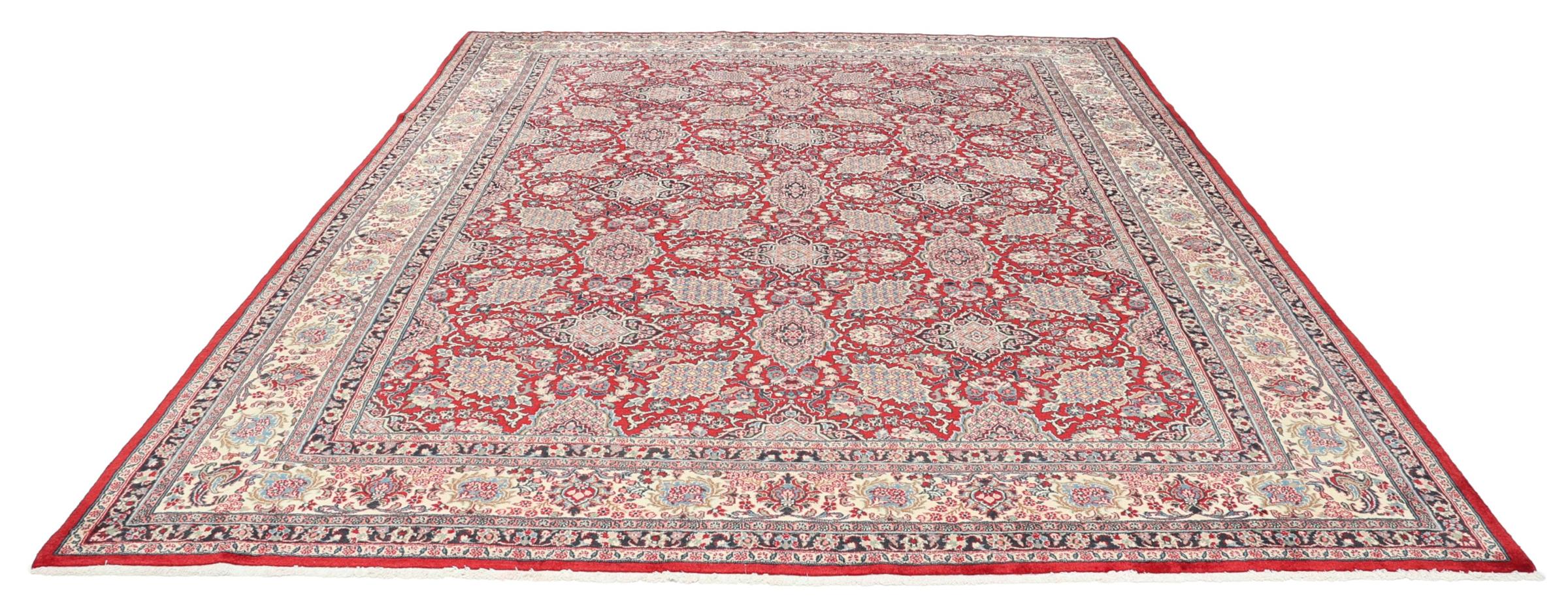
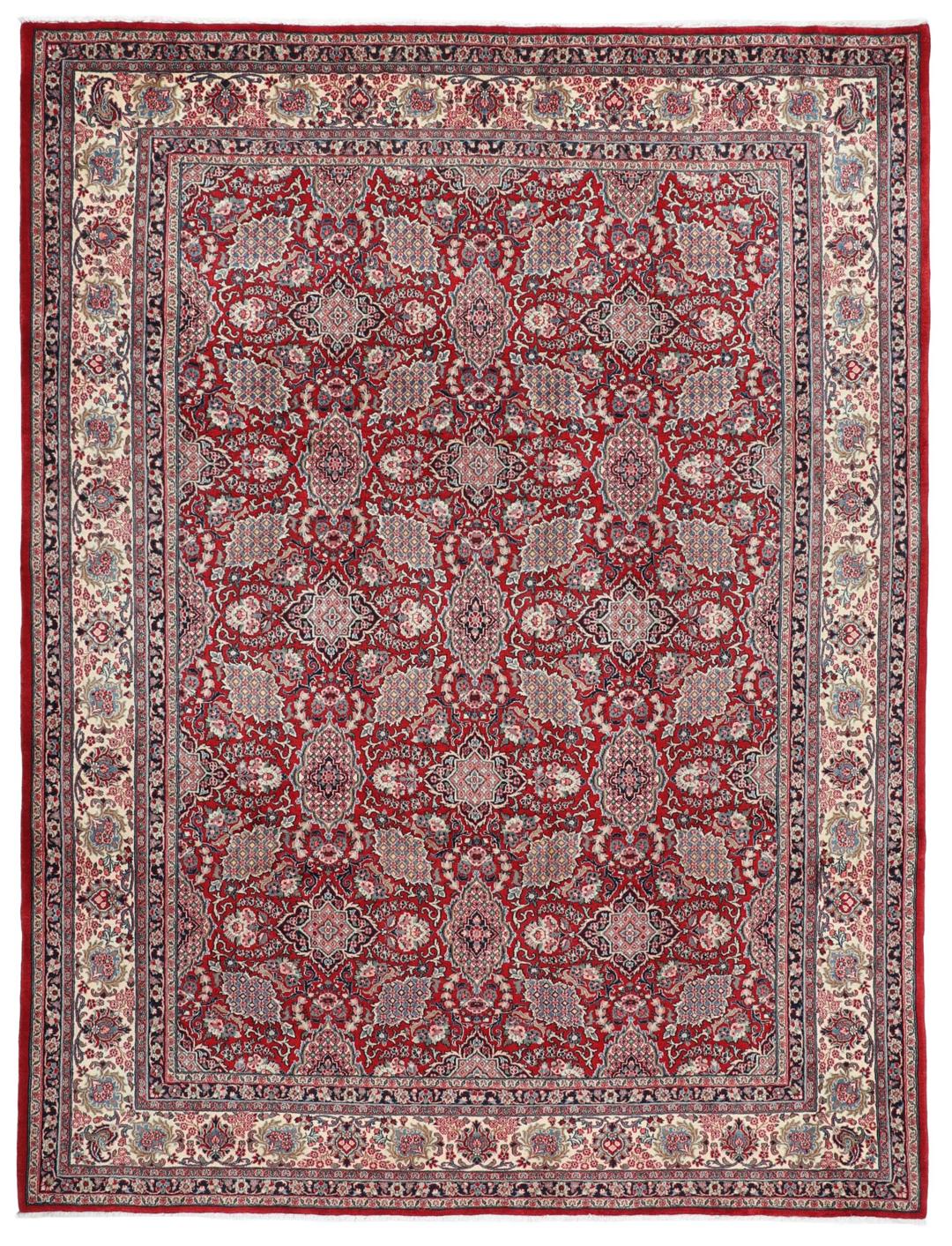
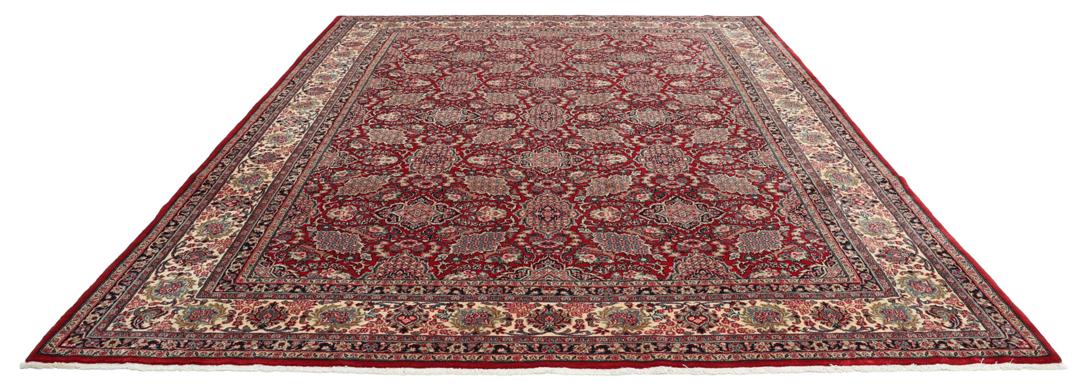
Hamadan rugs originate from one of the oldest cities in the Middle East, a historic hub located in a region renowned for its prolific weaving traditions. The Hamadan area encompasses hundreds of villages, each contributing unique variations to the local style, creating a diverse and rich tapestry of design that has evolved over centuries of nomadic and sedentary craft.
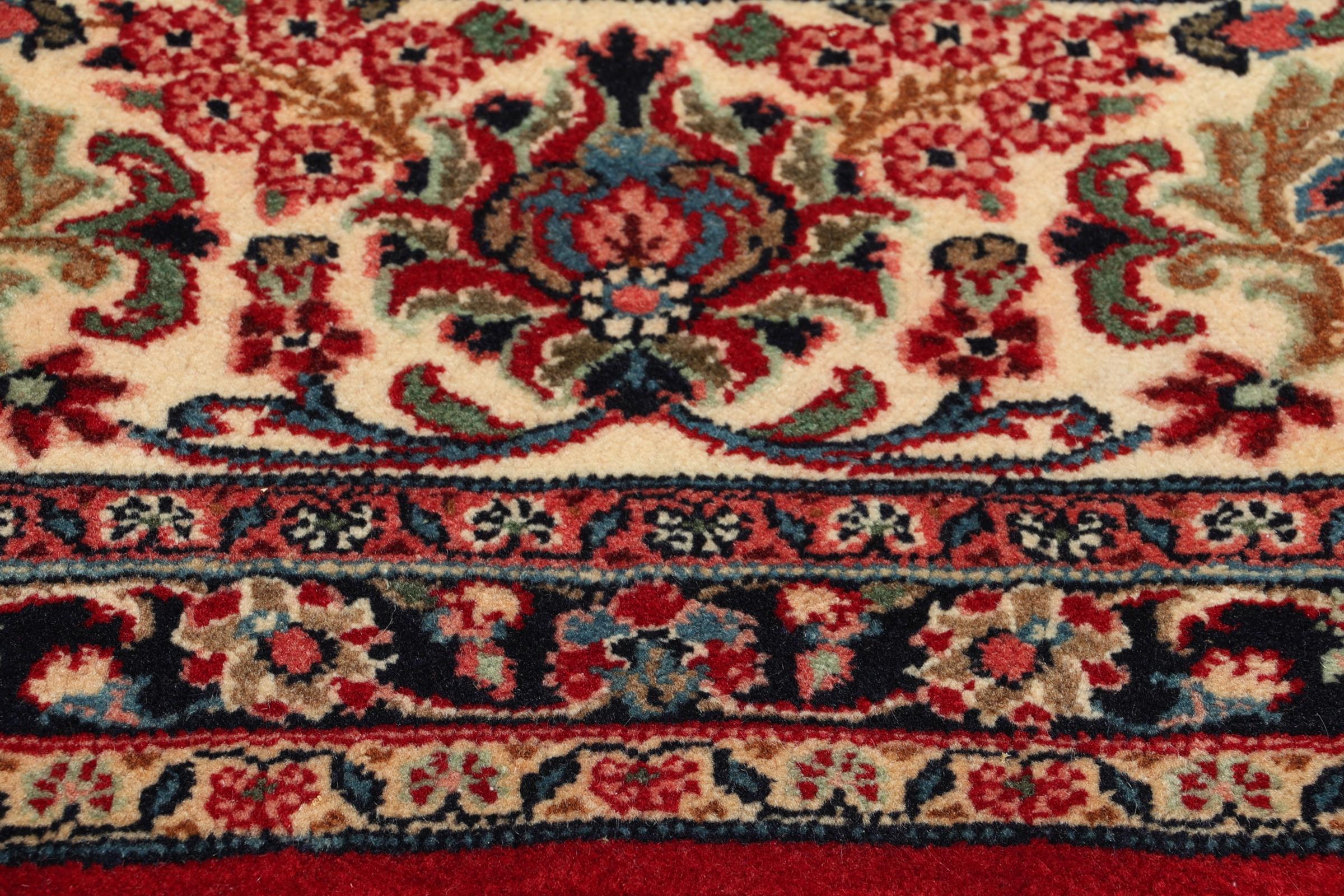
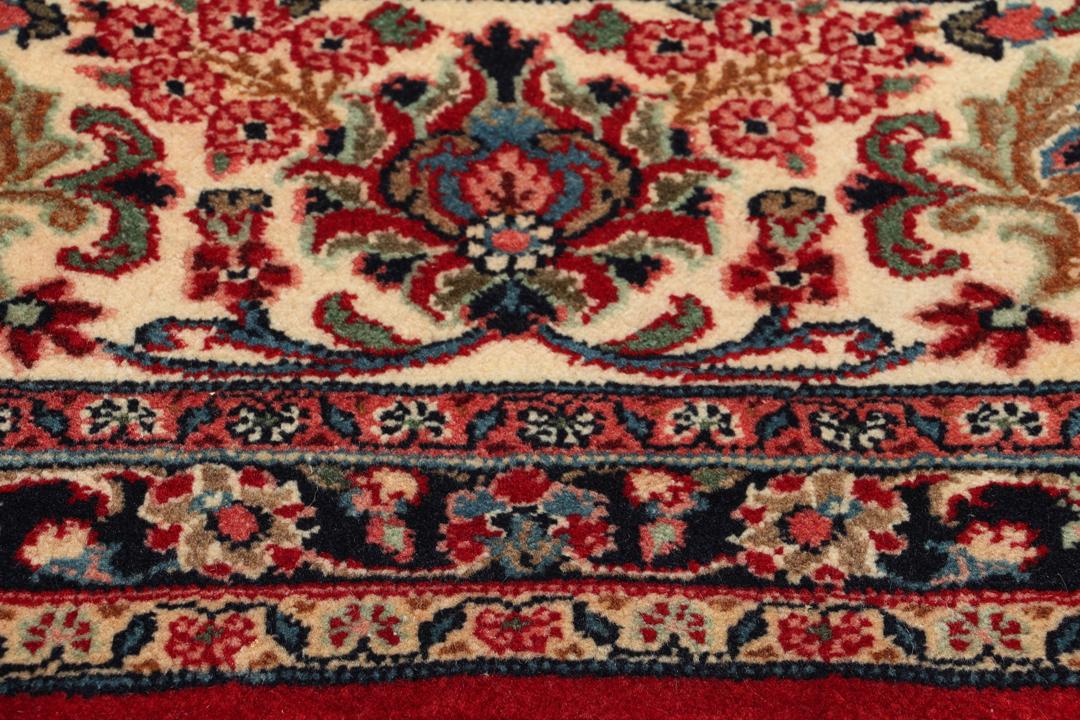
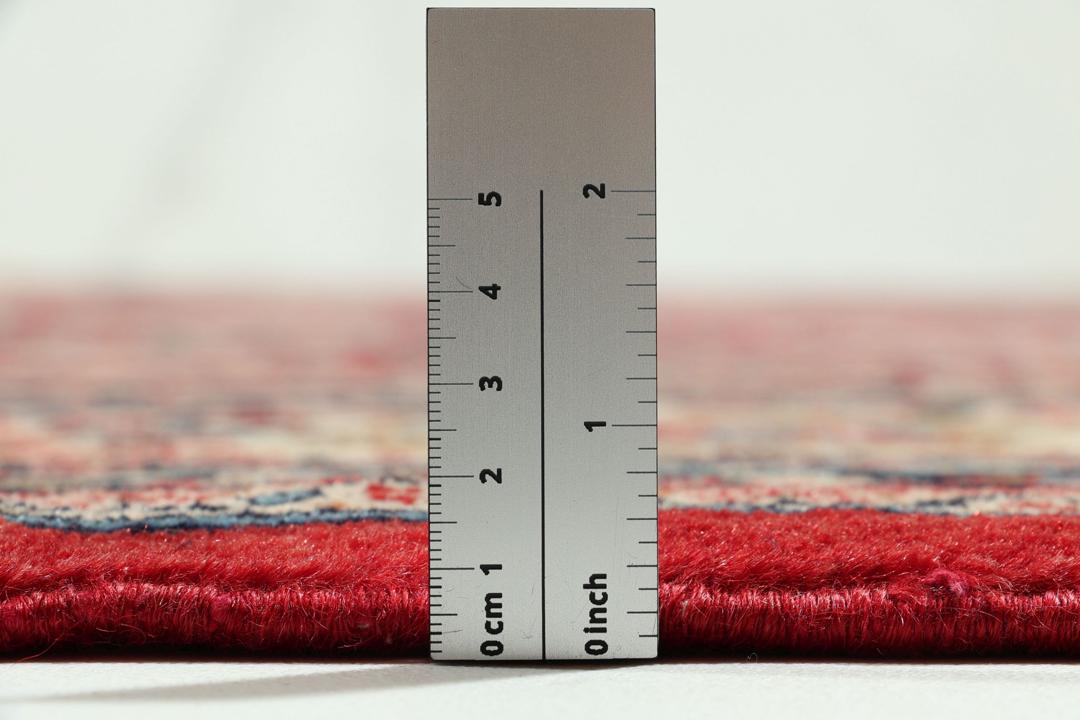
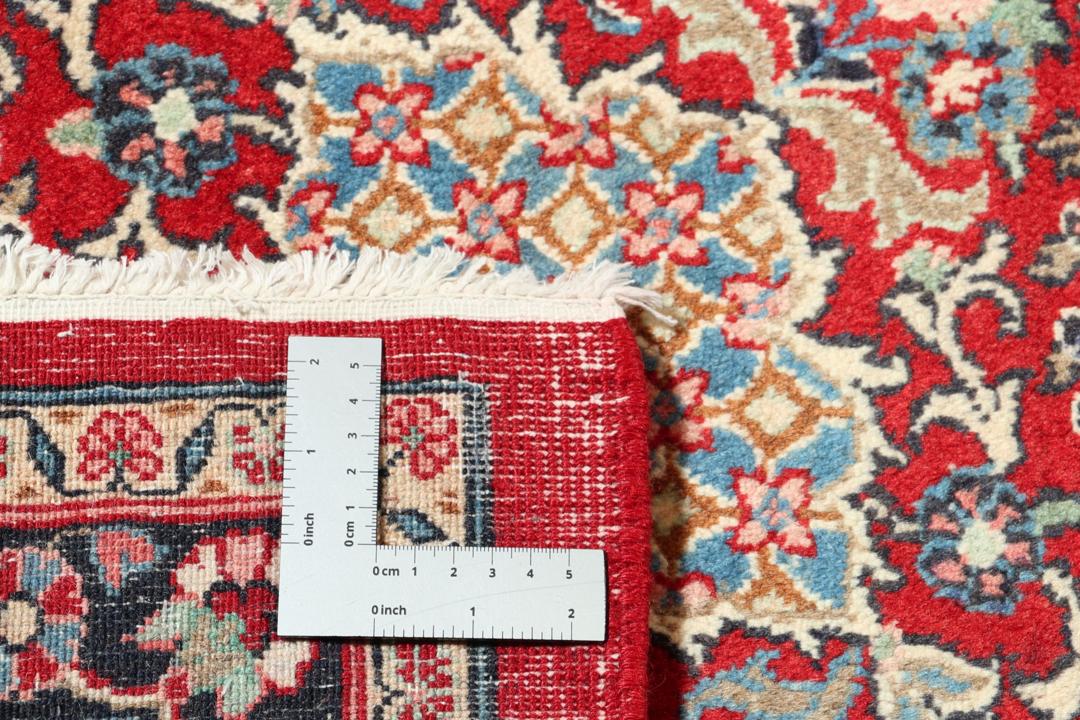
The term Hamadan often refers to a broad category of rugs known for their durability and use of high-quality, locally sourced wool. These rugs are typically constructed with a sturdy foundation, designed to withstand the rigors of daily use while maintaining their lustre. The wool is often processed to enhance its natural resilience, resulting in a pile that is both soft to the touch and remarkably long-wearing.
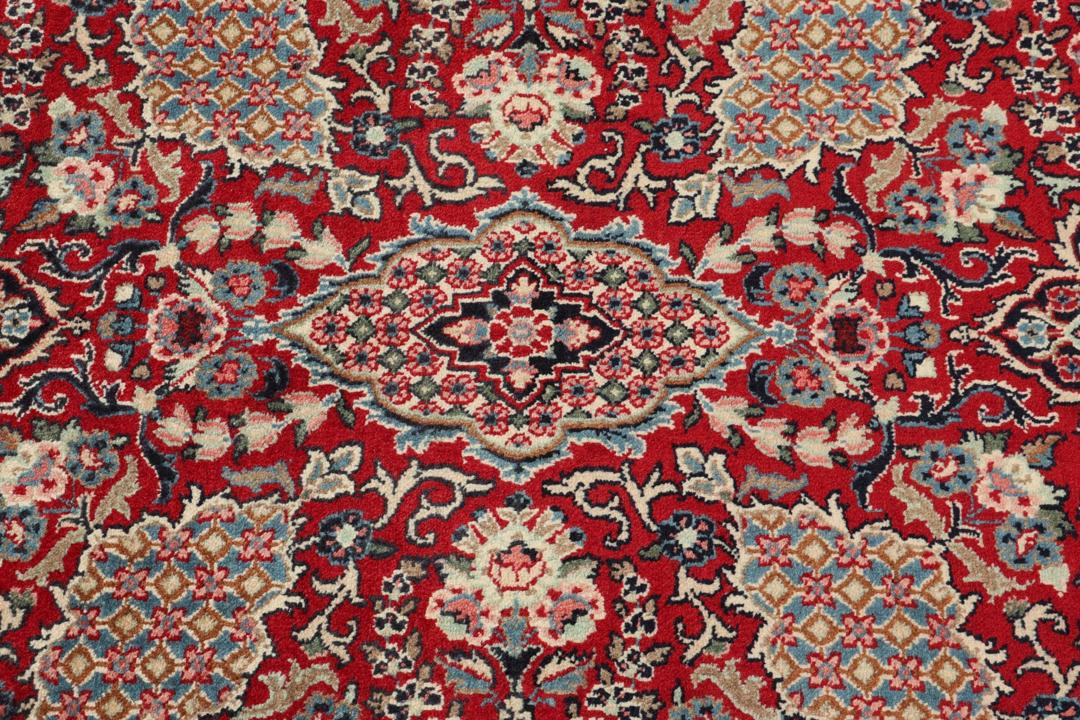
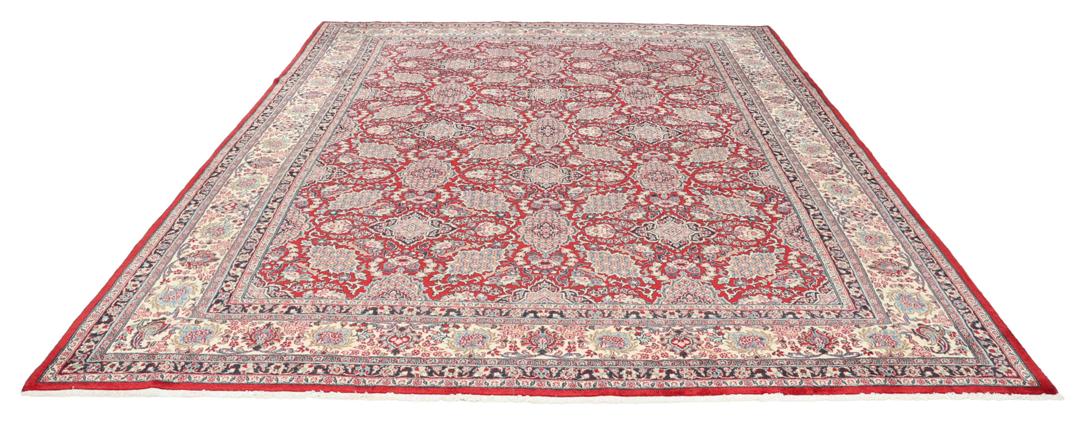
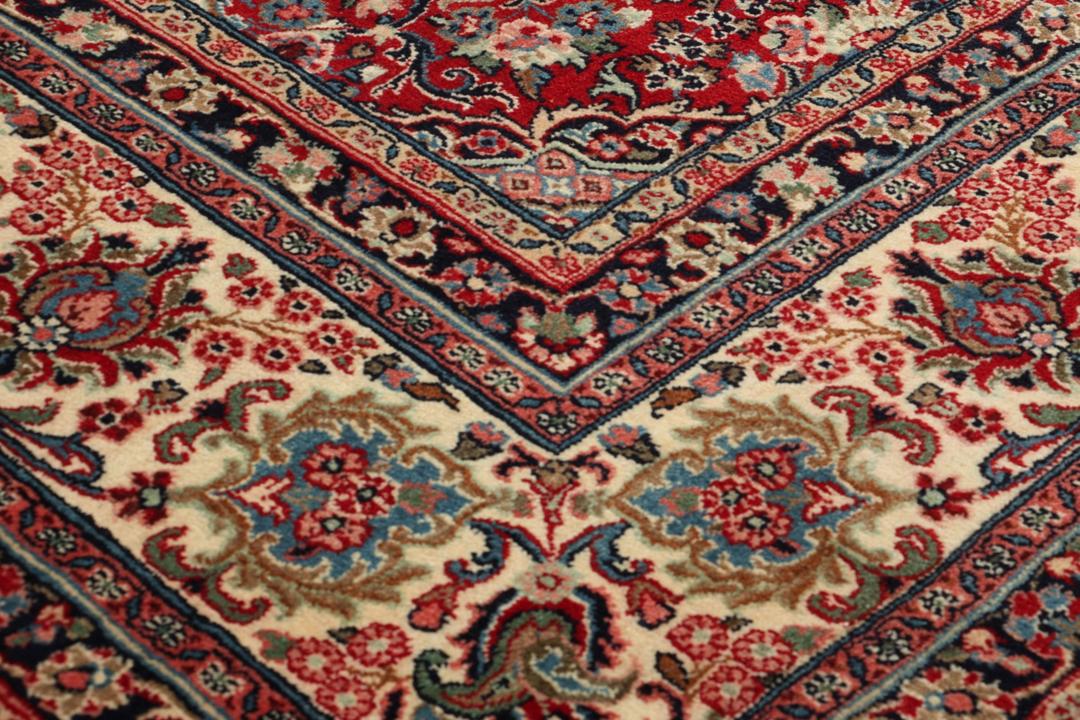
Visually, these rugs are celebrated for their ornate, intricate patterns, which often feature central medallions surrounded by elaborate floral motifs and decorative borders. The use of deep red tones, frequently contrasted with lighter, neutral shades, is a hallmark of the region's aesthetic. The geometric precision of these designs, combined with the organic flow of floral elements, creates a balanced, harmonious look that anchors any room.
Collecting a Hamadan rug is an investment in a living heritage. These pieces are valued for their authenticity and the skill required to translate complex, traditional patterns into a finished work. By bringing one into your home, you are not just acquiring a rug, but a piece of cultural history that reflects the dedication and artistic vision of generations of weavers.