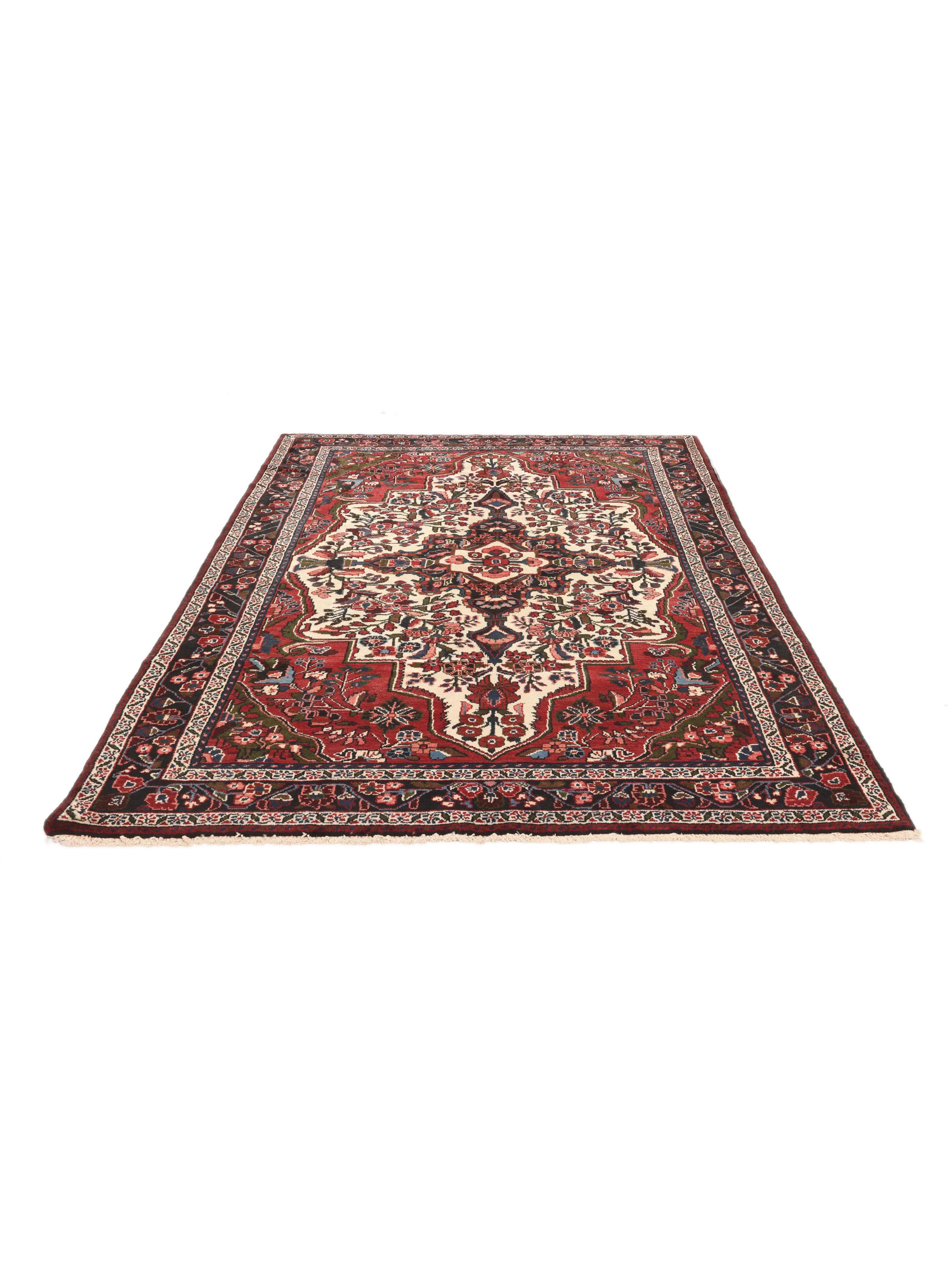
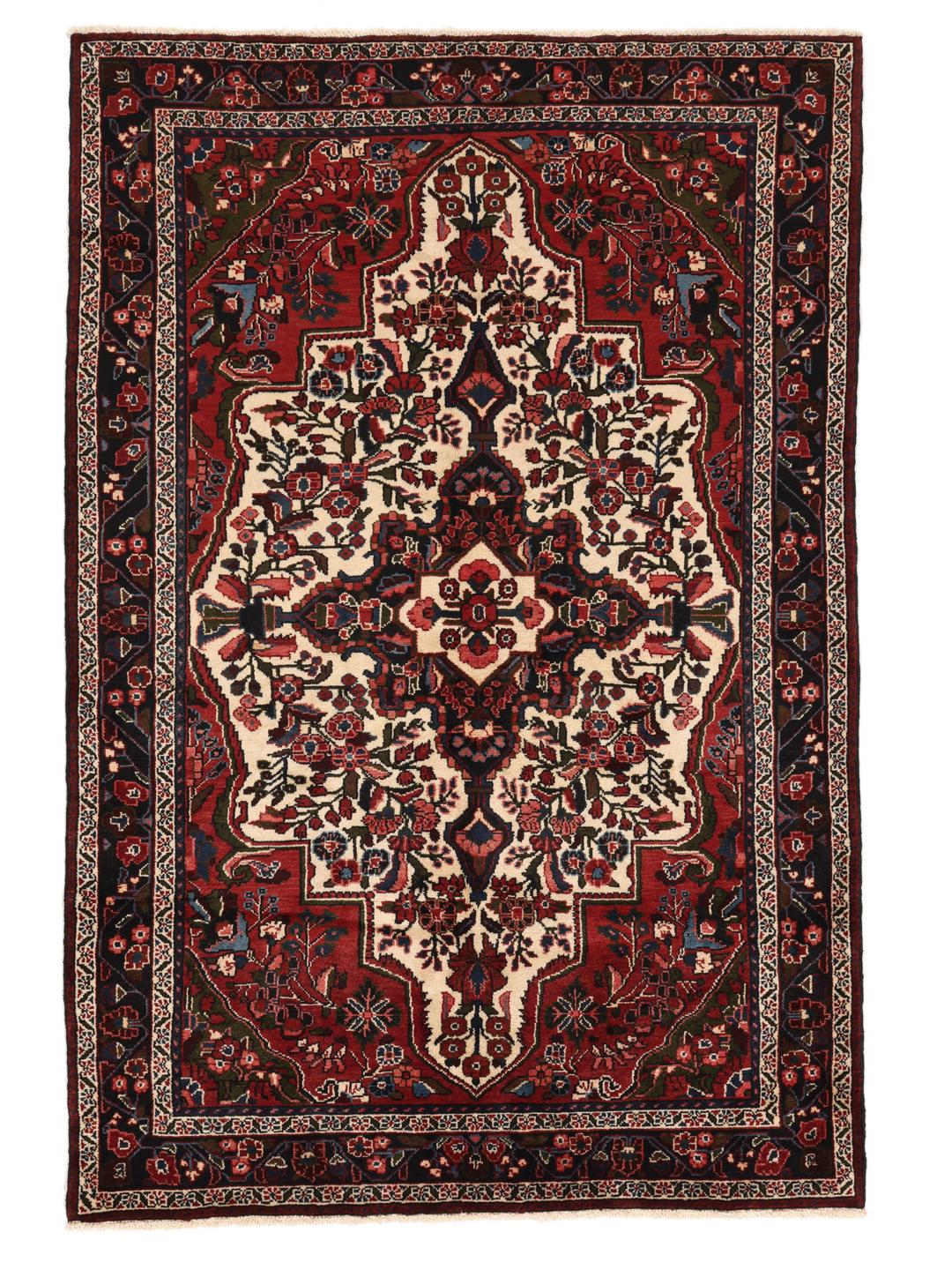
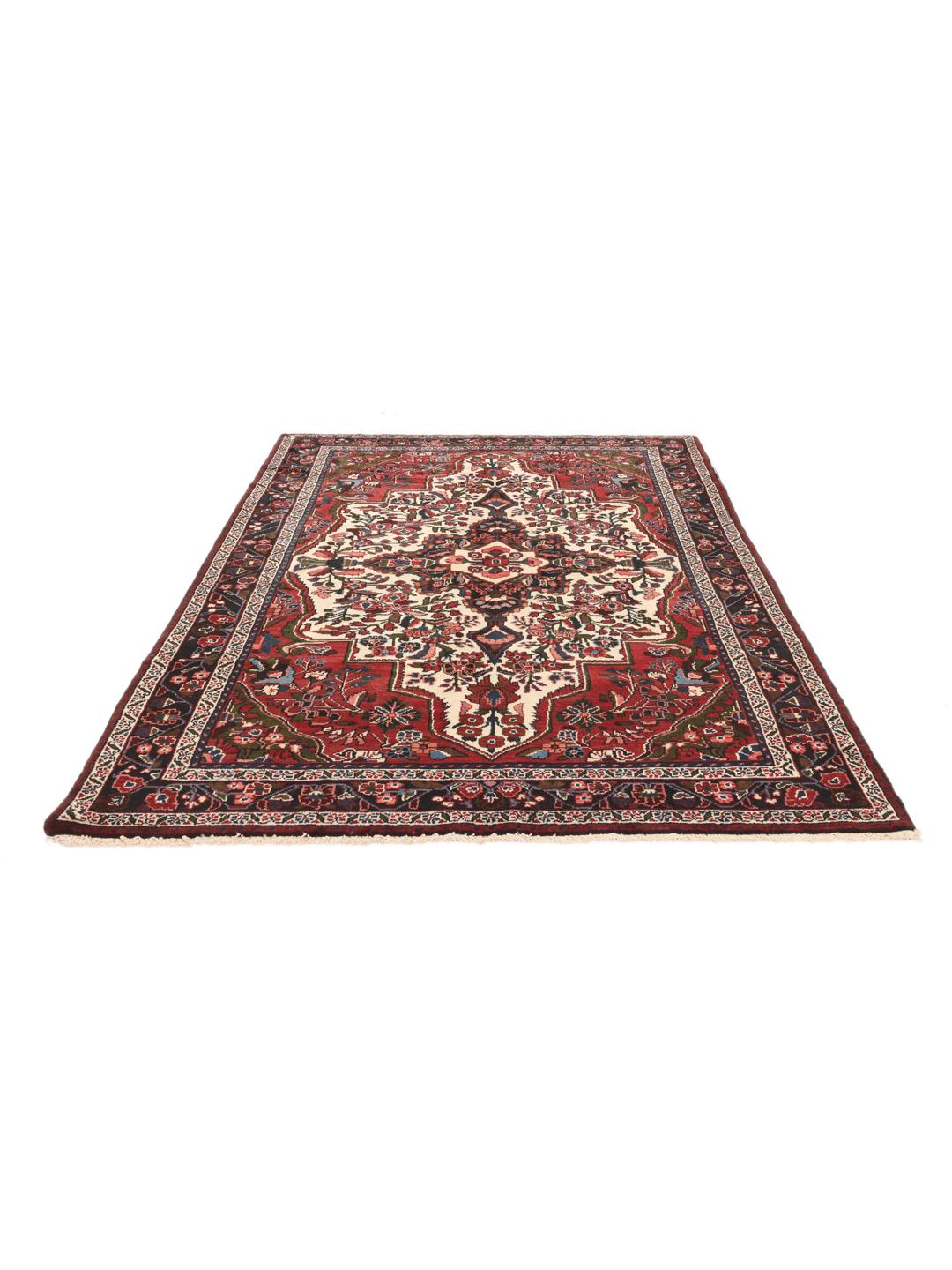
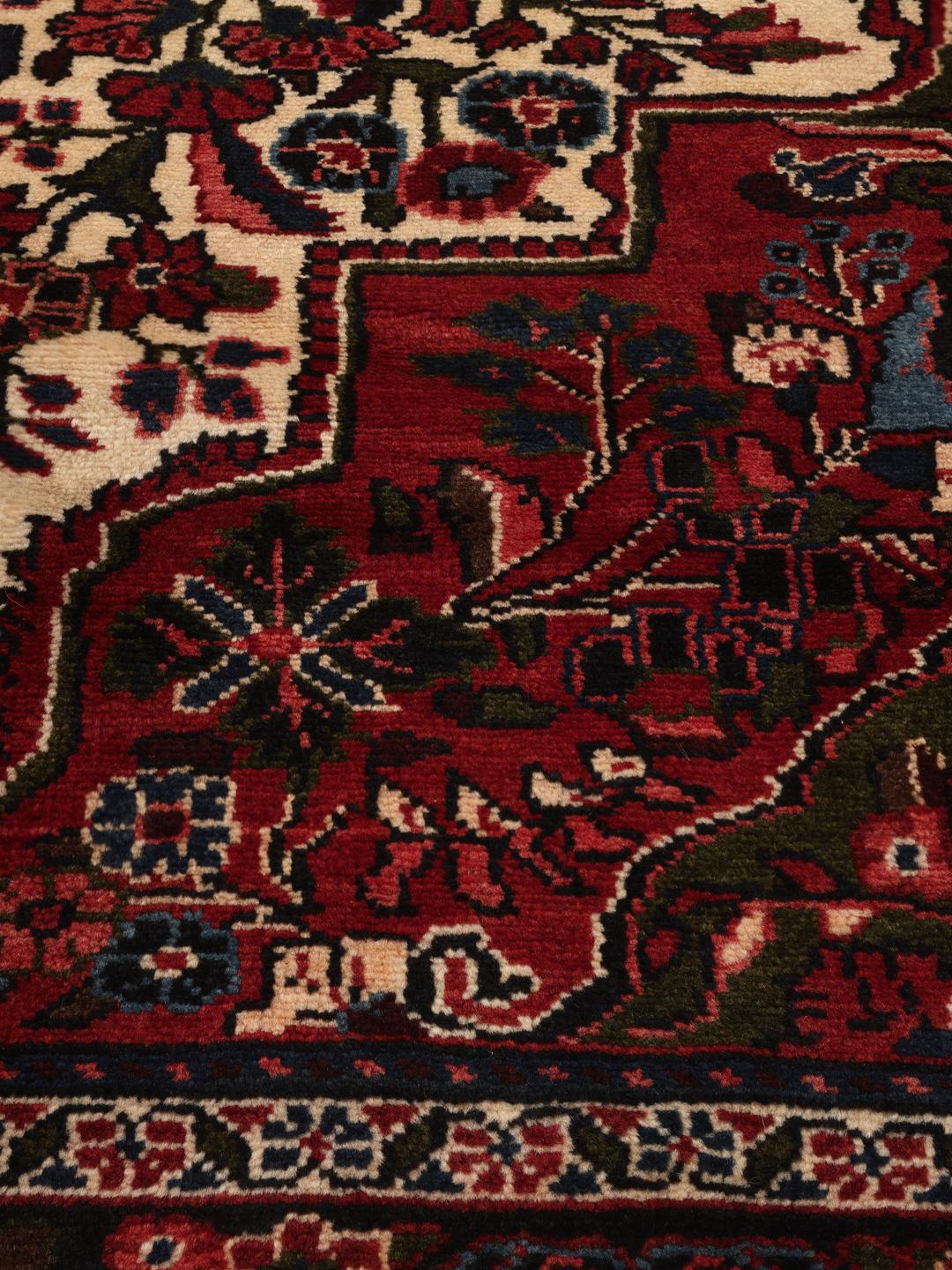
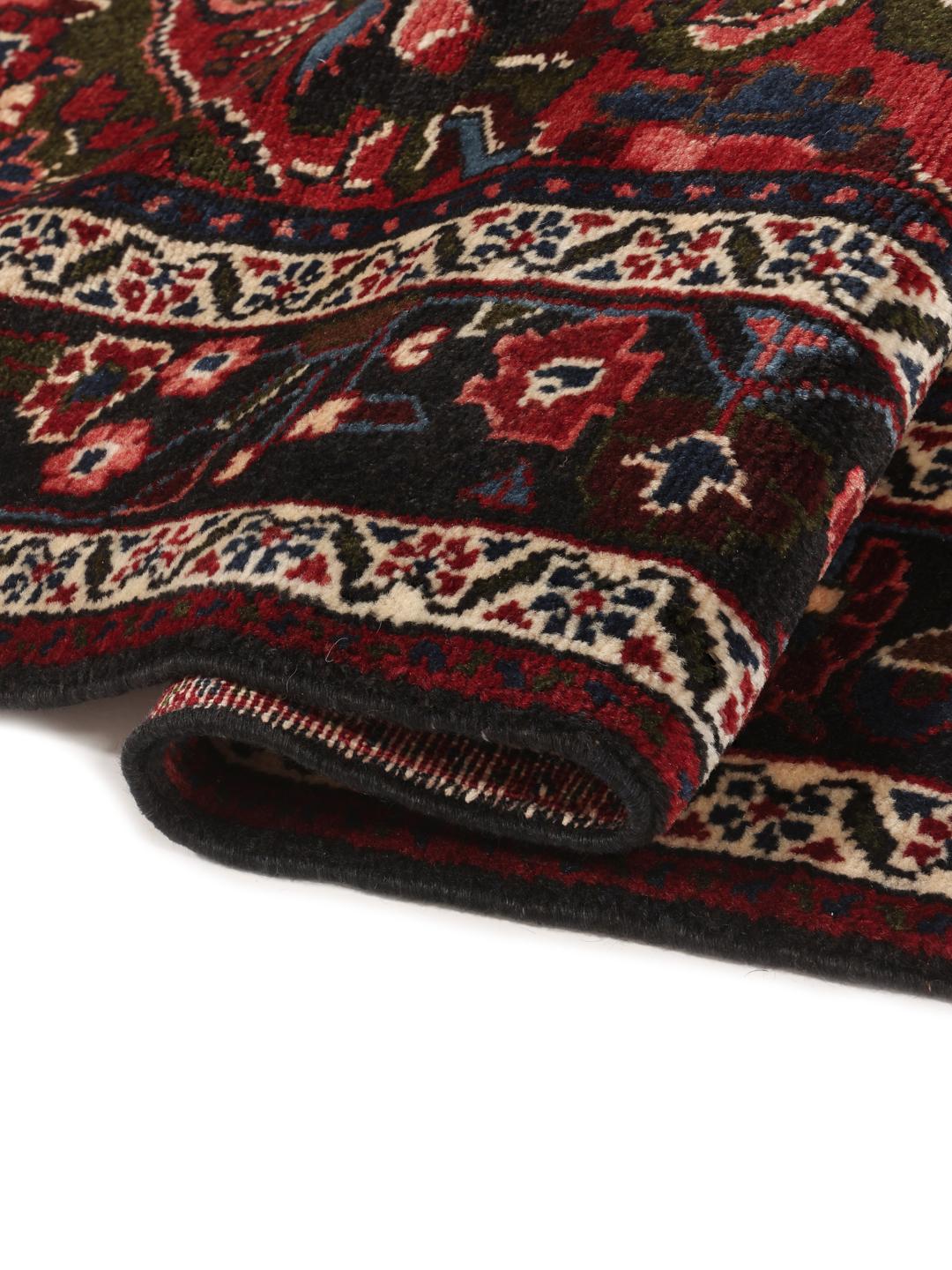
The Hamadan region in the Middle East is one of the most prolific and historically significant weaving centres in the world. Located in a mountainous area with a history stretching back to ancient times, the region encompasses hundreds of villages, each contributing its own variations to the broader tradition. Hamadan rugs are celebrated for their durability and the way they synthesise complex regional designs into a cohesive, recognisable style.
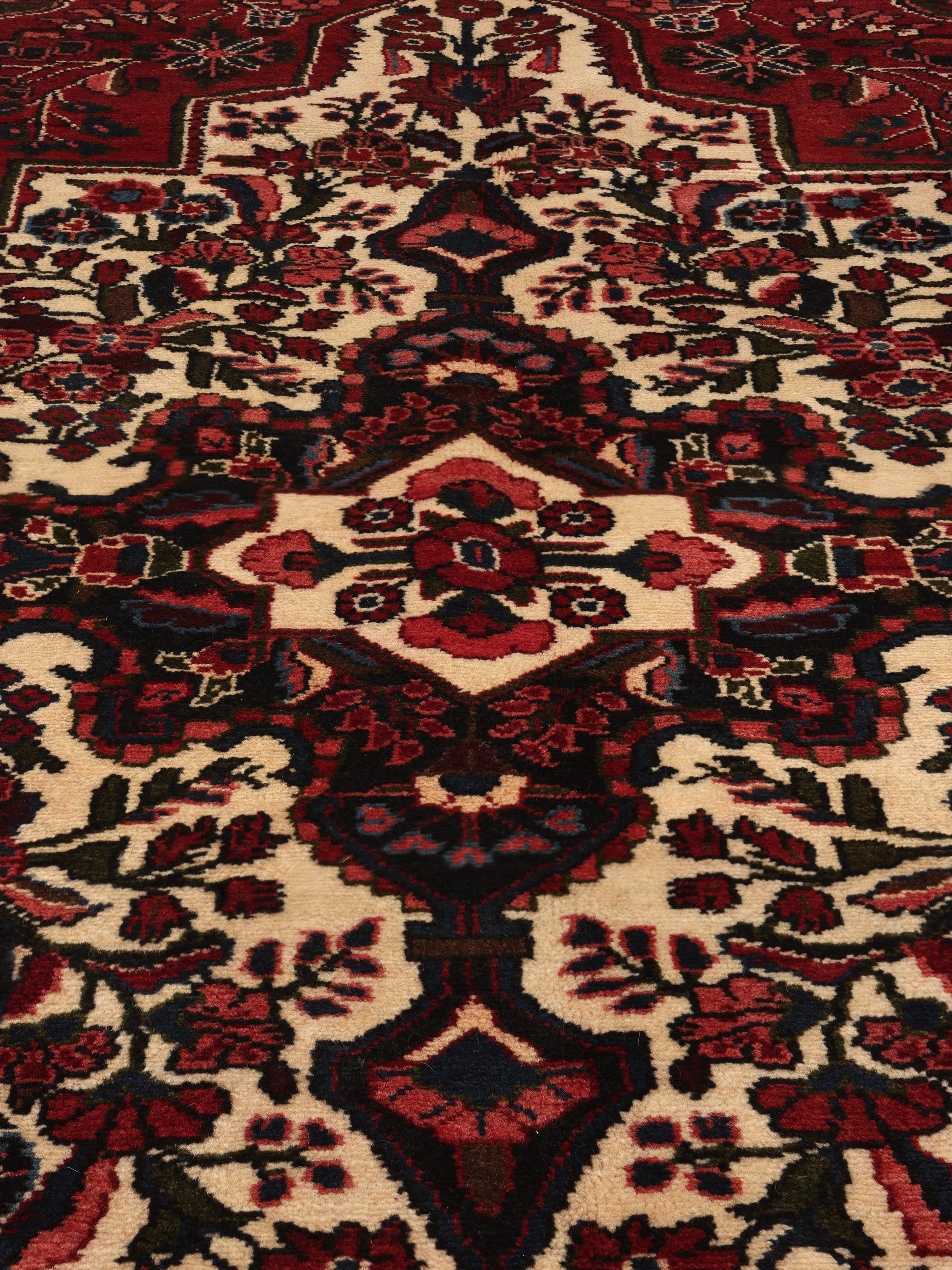
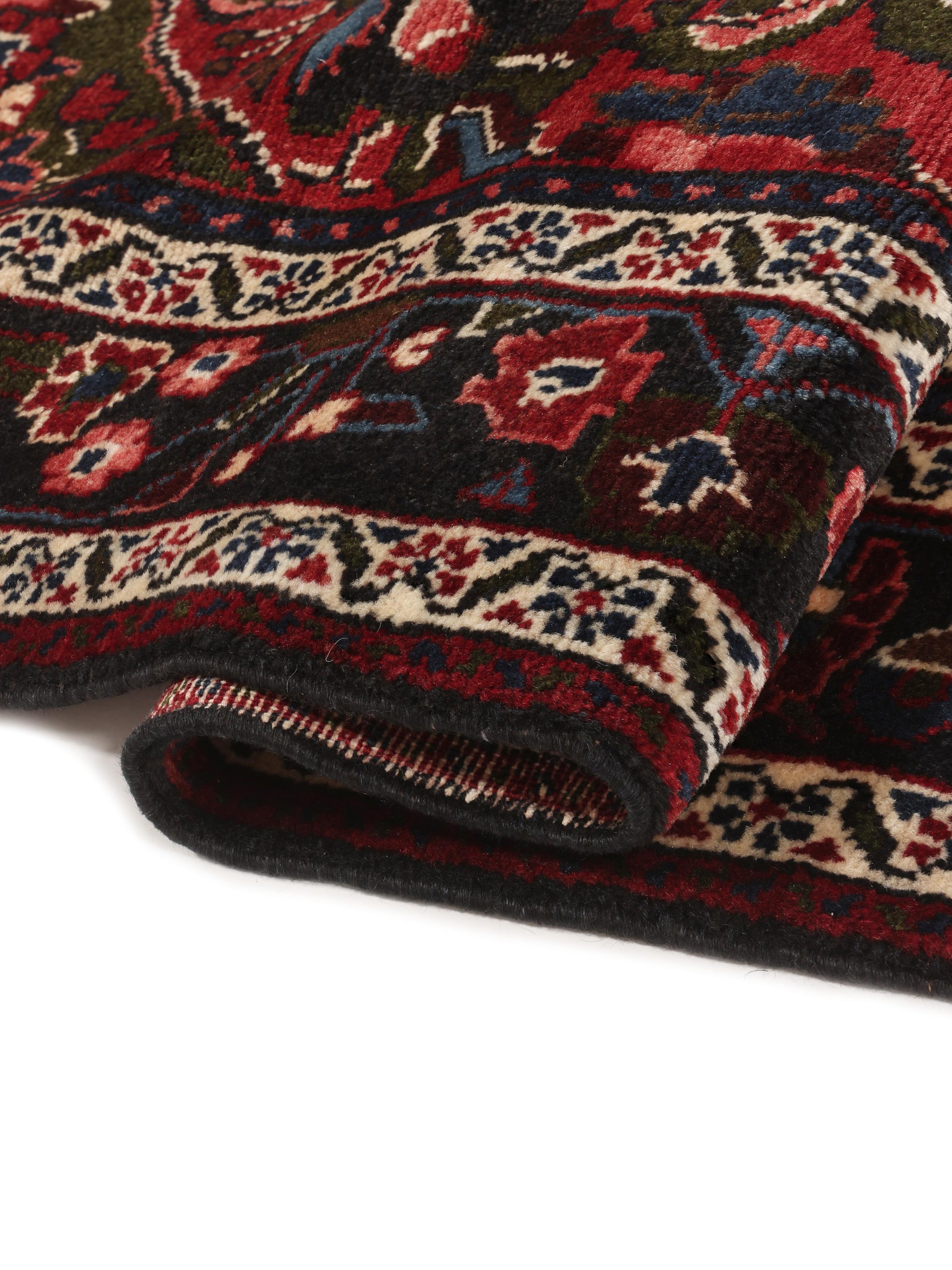
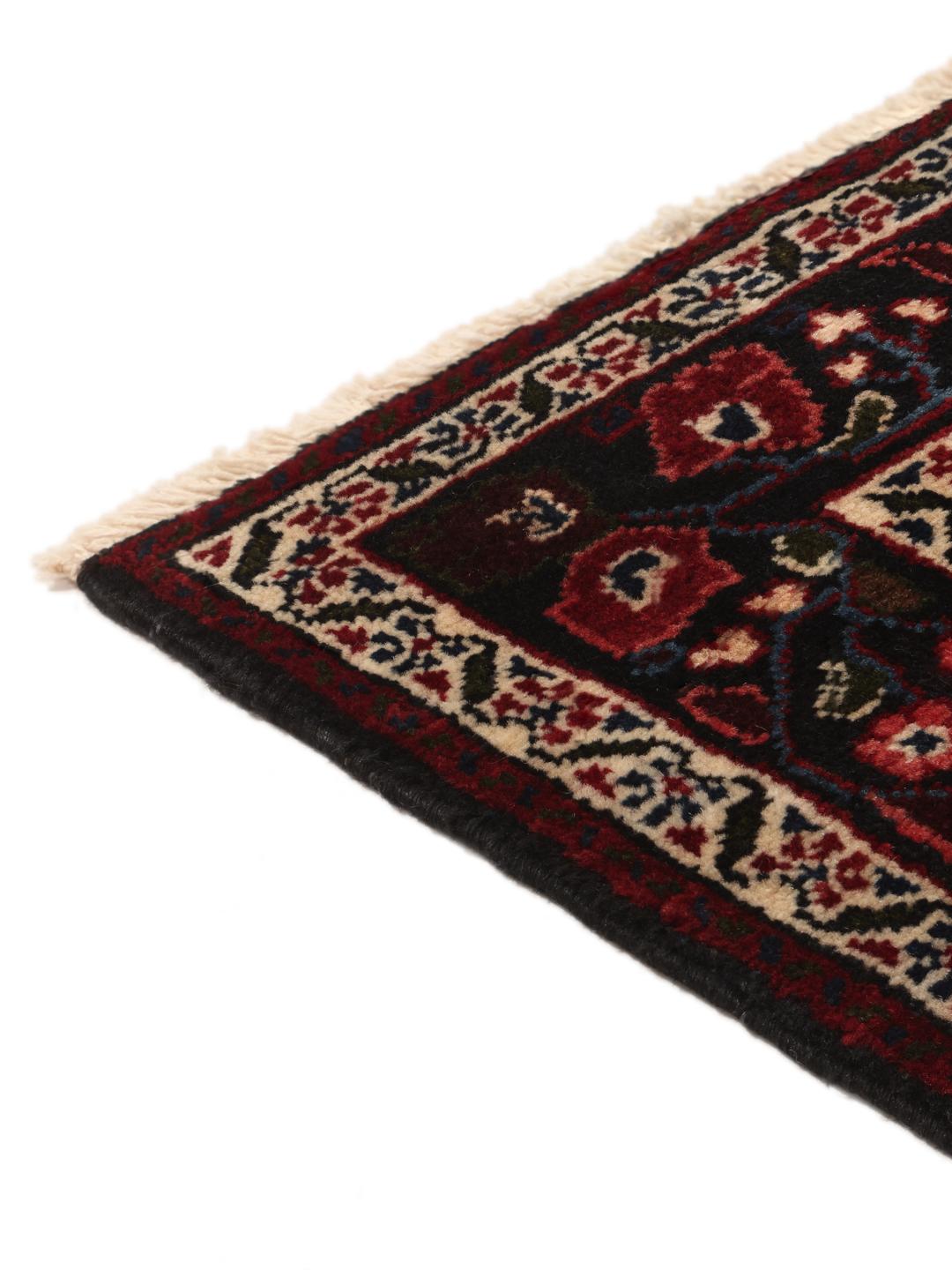
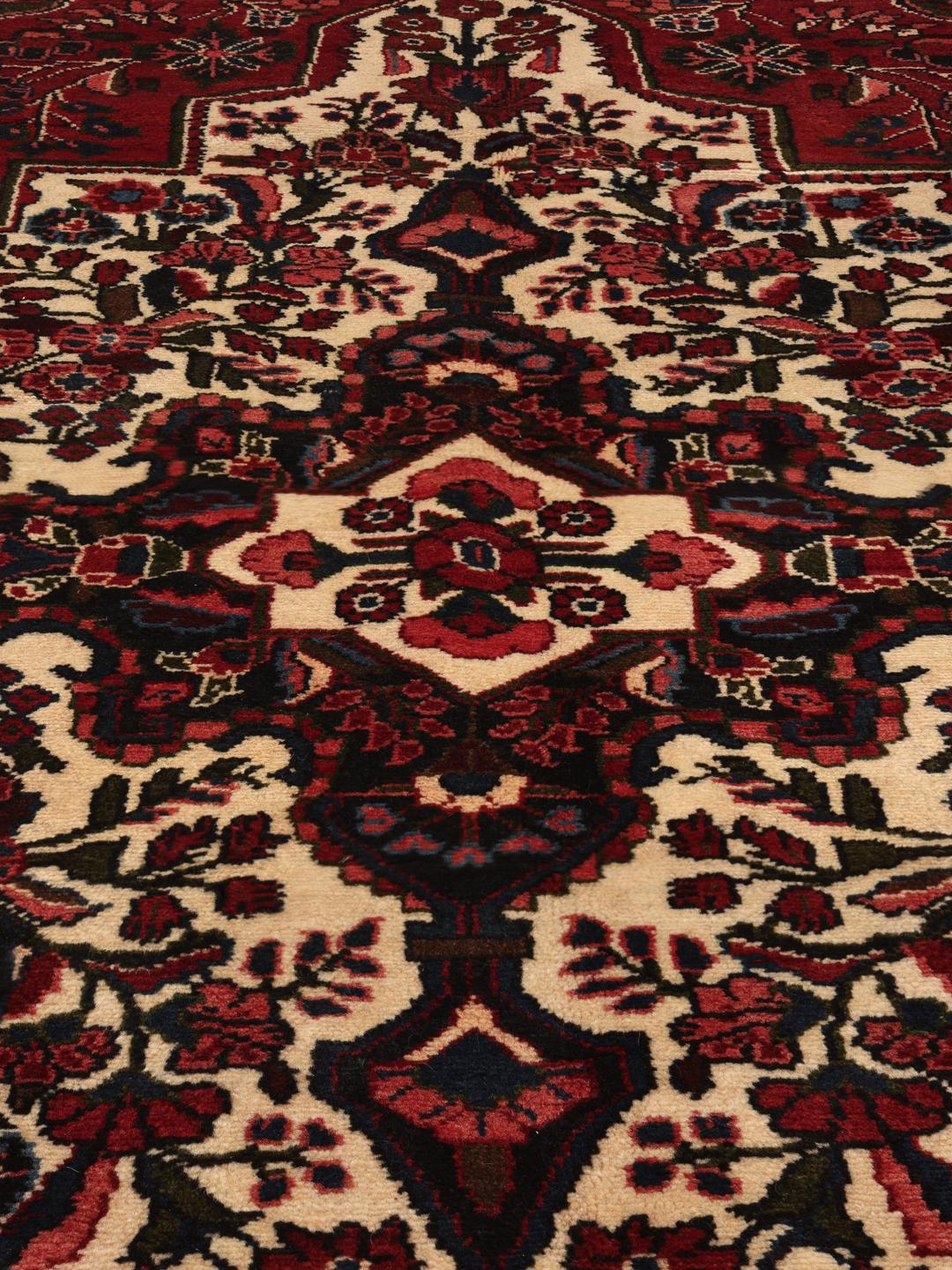
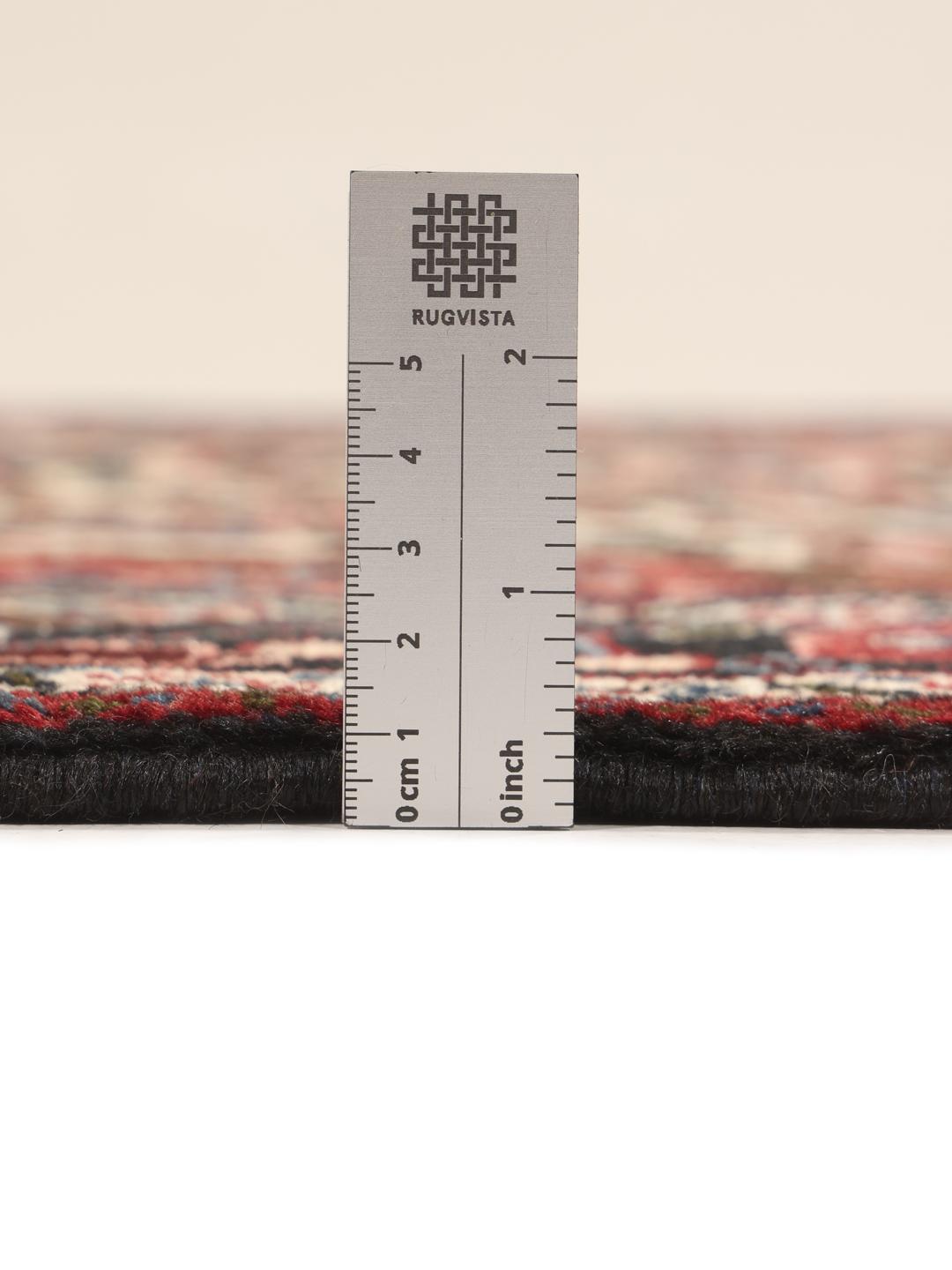
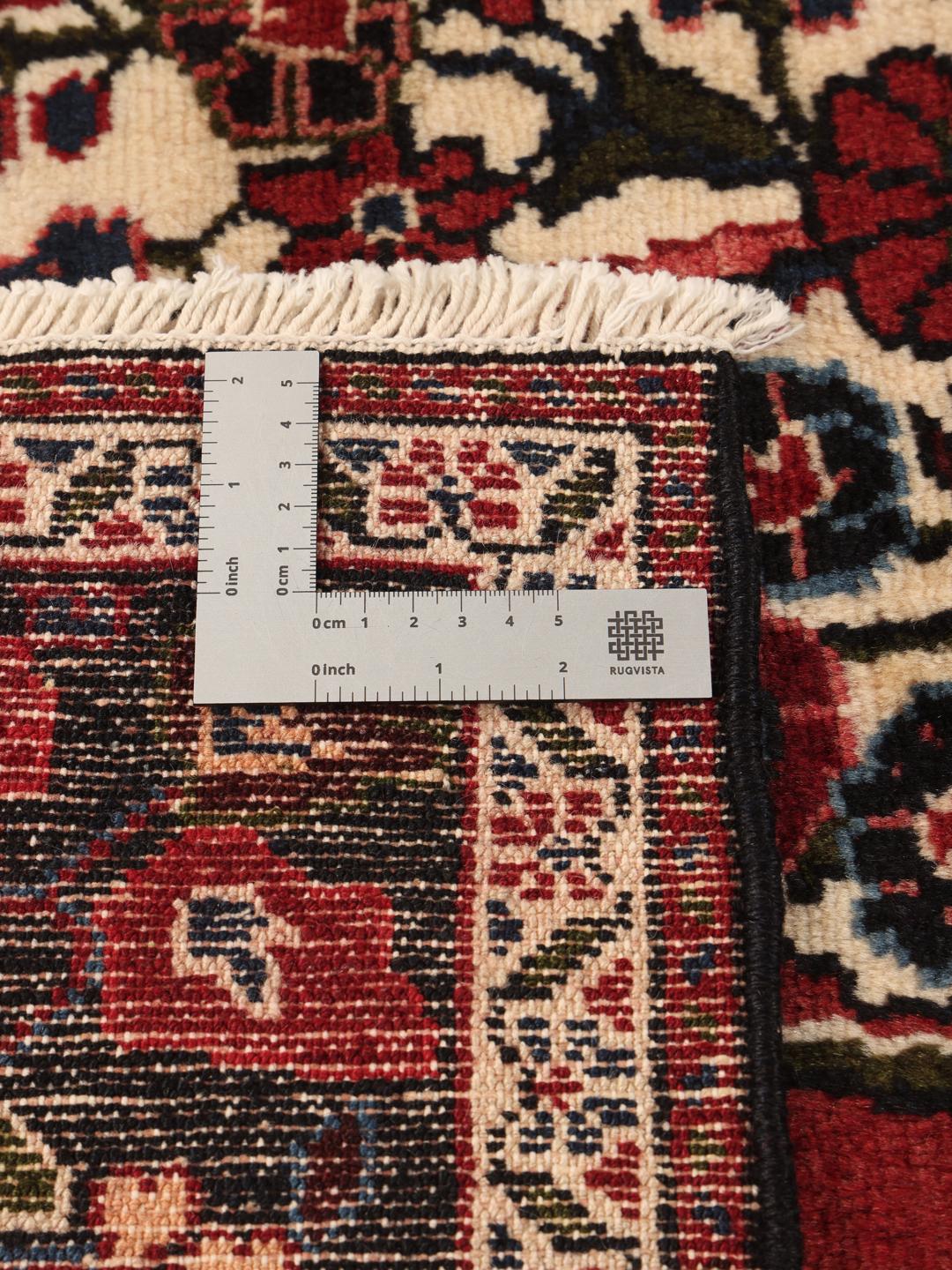
Technically, the quality of a Hamadan rug is defined by the resilience of its construction. These pieces are known for being robust, often using sturdy materials that allow them to withstand decades of daily use. The artisans in this region have mastered a method of knotting that creates a dense, firm pile, ensuring that the intricate patterns remain clear and vibrant even after years of foot traffic, making them highly practical for active homes.
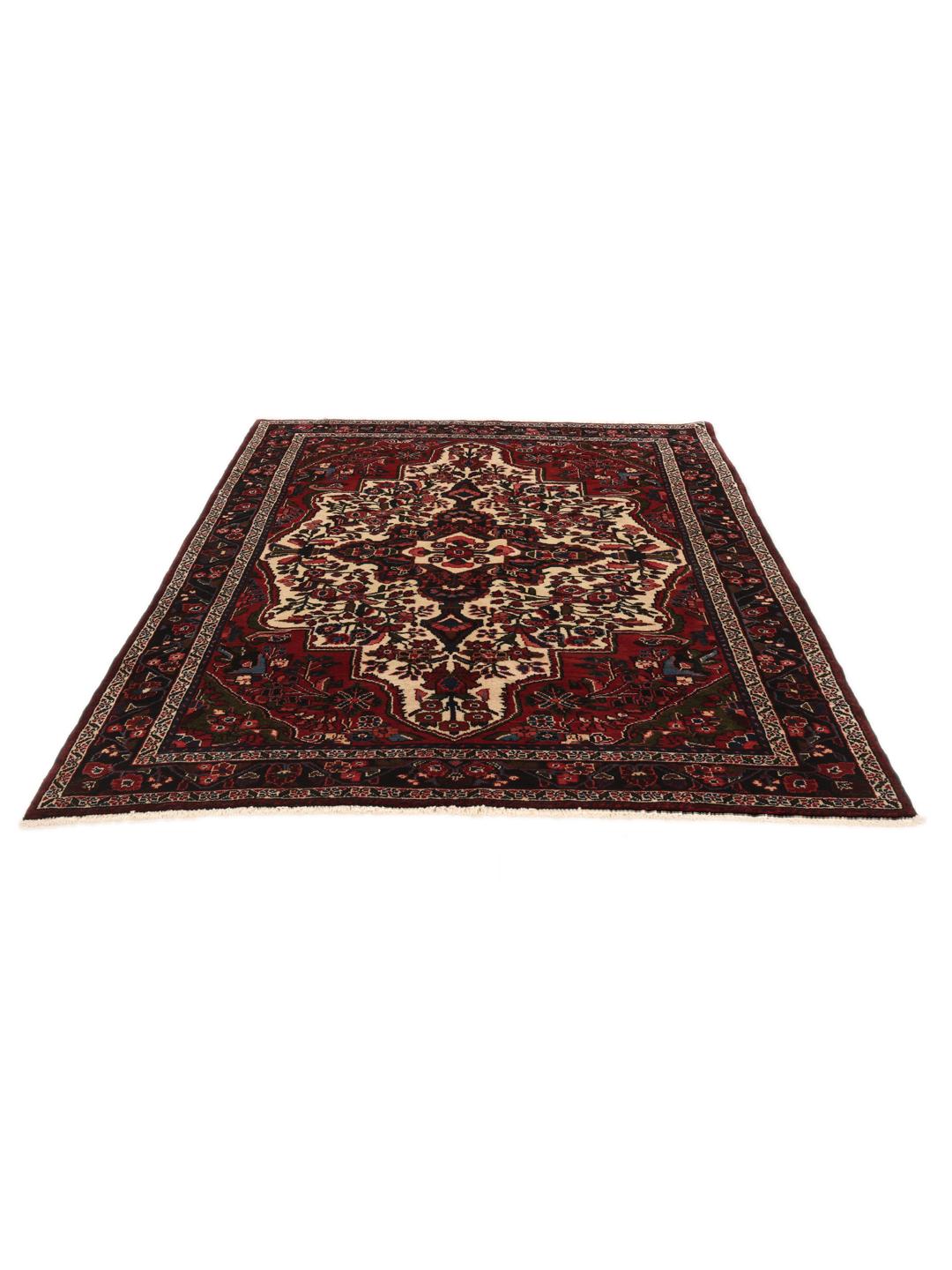
The design language of this region typically features a central medallion surrounded by floral motifs, often inspired by the surrounding landscape and local gardens. The borders are usually well-defined, providing a formal frame for the field. While there are traditional colour palettes, the most iconic rugs from this area often feature deep, earthy tones contrasted with lighter, cream-coloured highlights that make the floral patterns pop with a sense of depth and movement.
Collecting a rug from this tradition is an act of preserving a piece of cultural history. These rugs are valued not just for their utility, but for the skill and heritage they represent. When you own a Hamadan rug, you are connecting with a long-standing lineage of craft that has survived through centuries of change. It is this combination of cultural weight, artistic skill, and enduring quality that makes these pieces so sought after by those who appreciate the beauty of a well-made home.