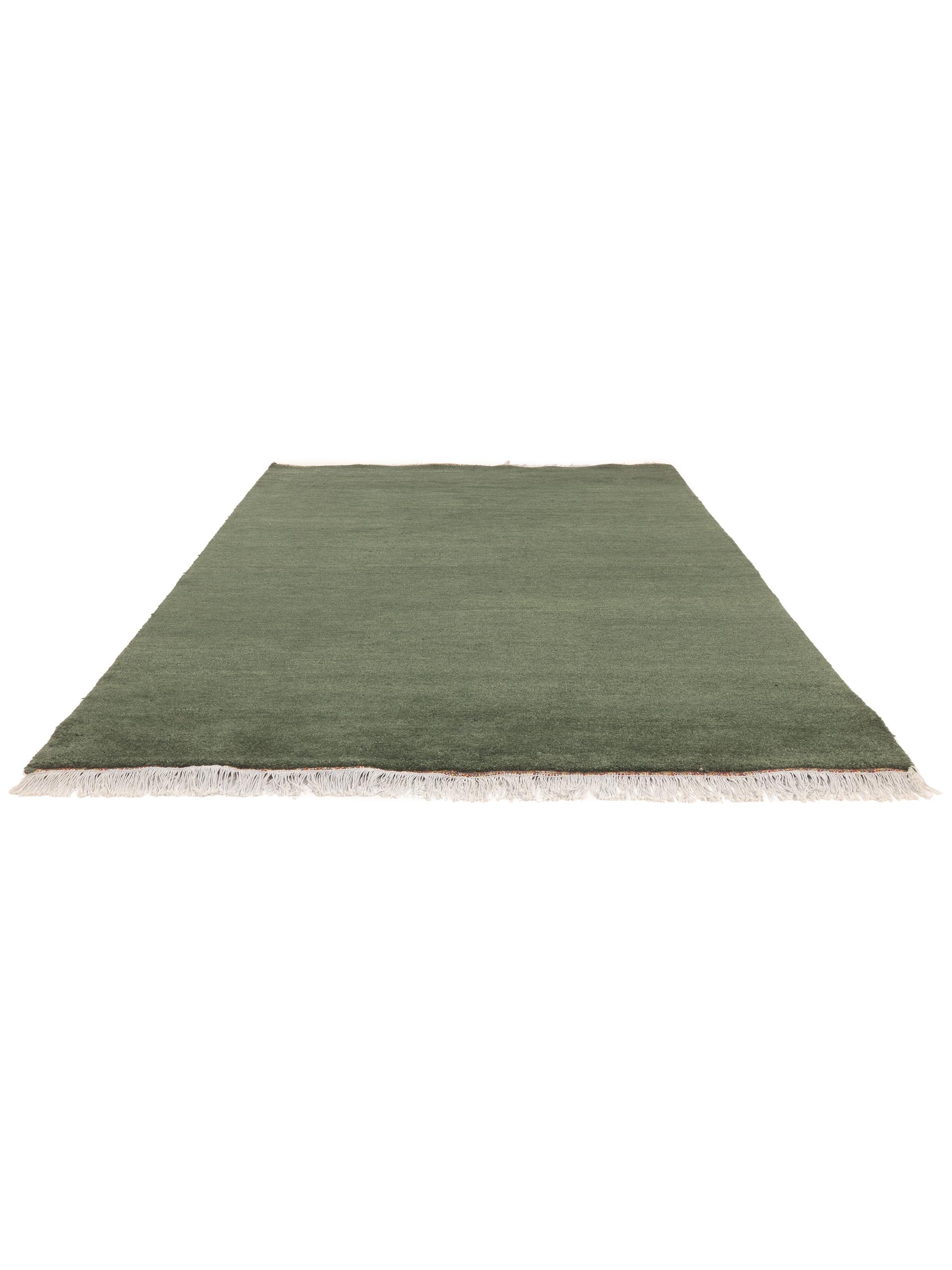
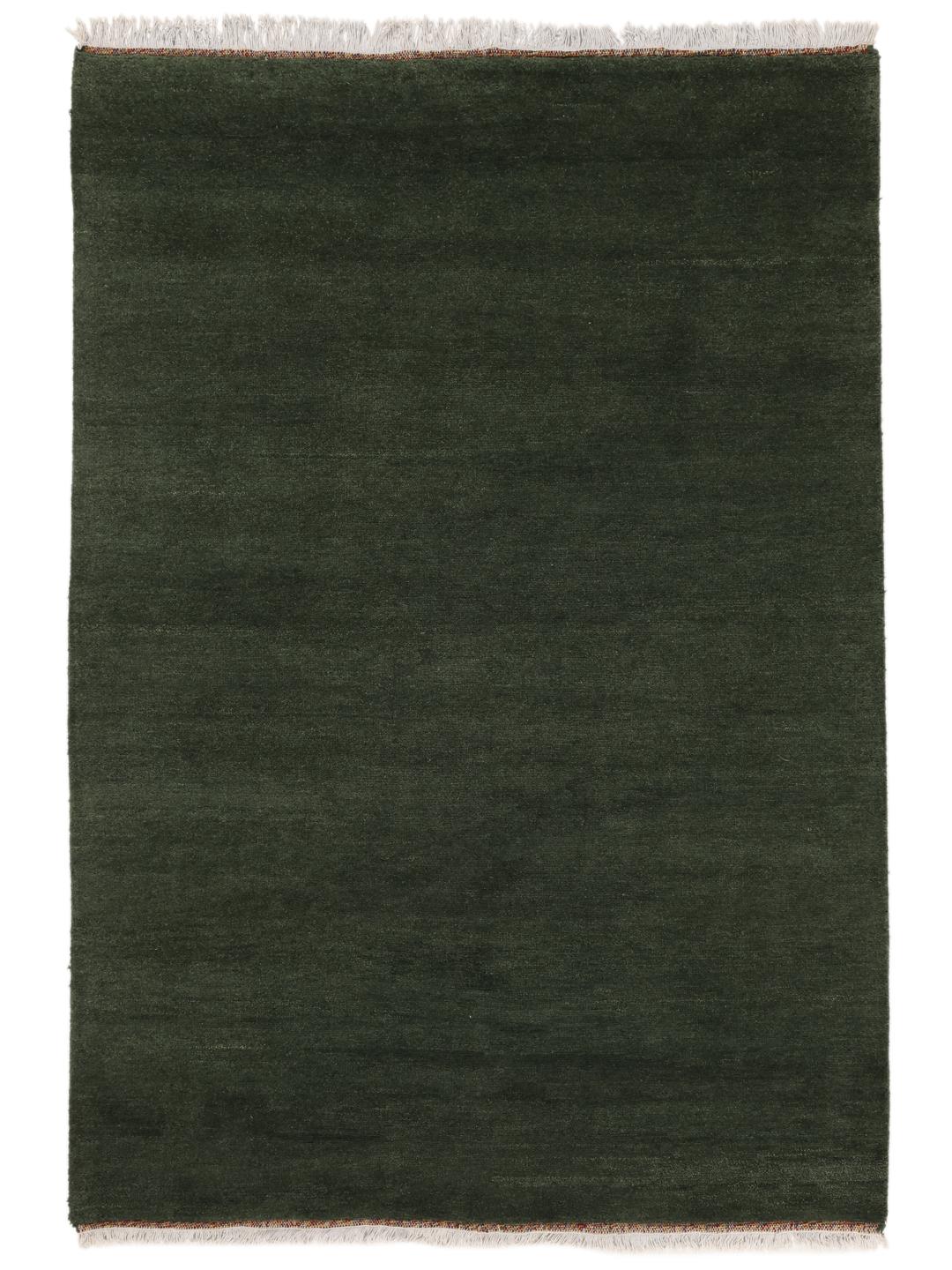
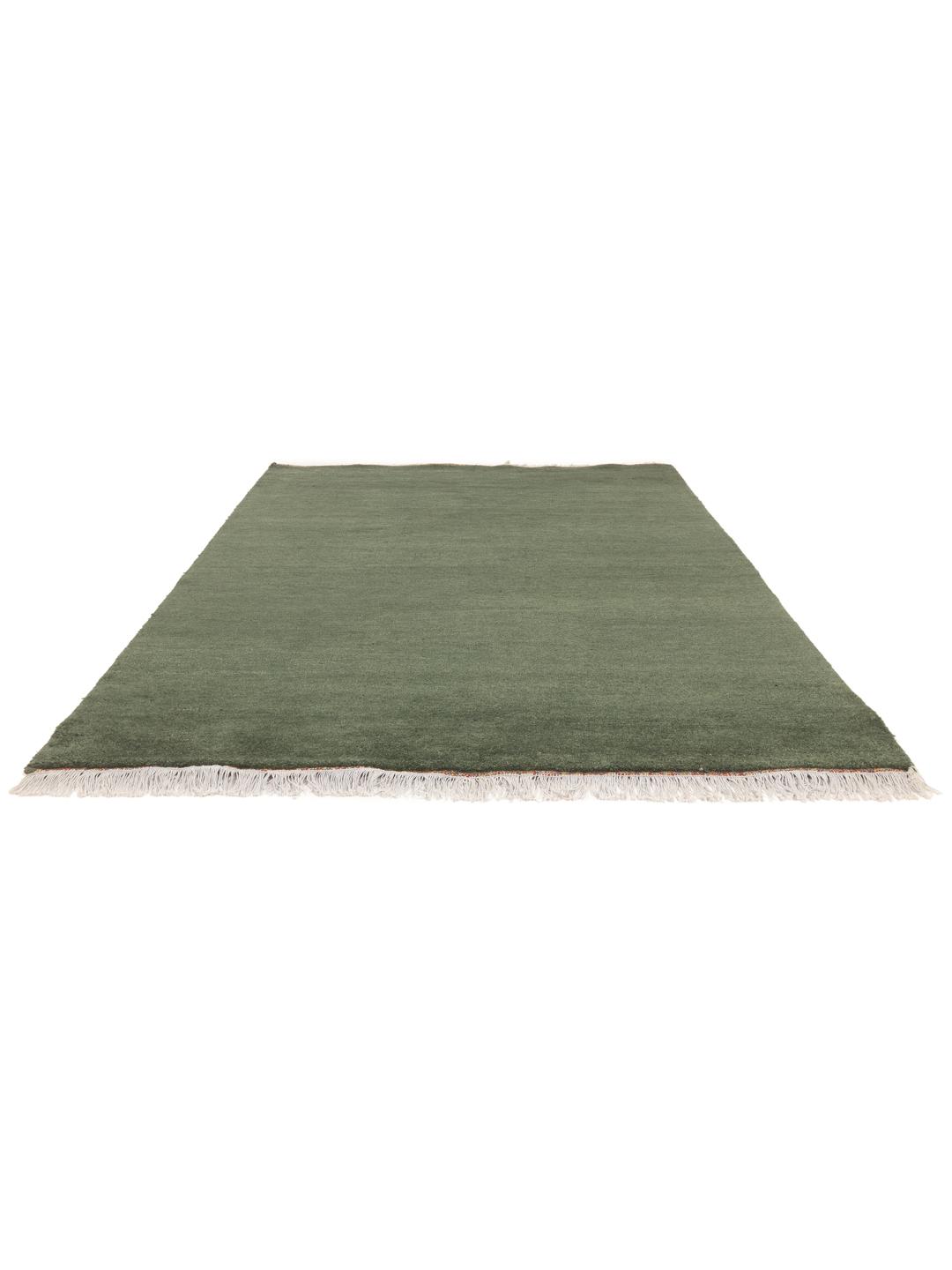
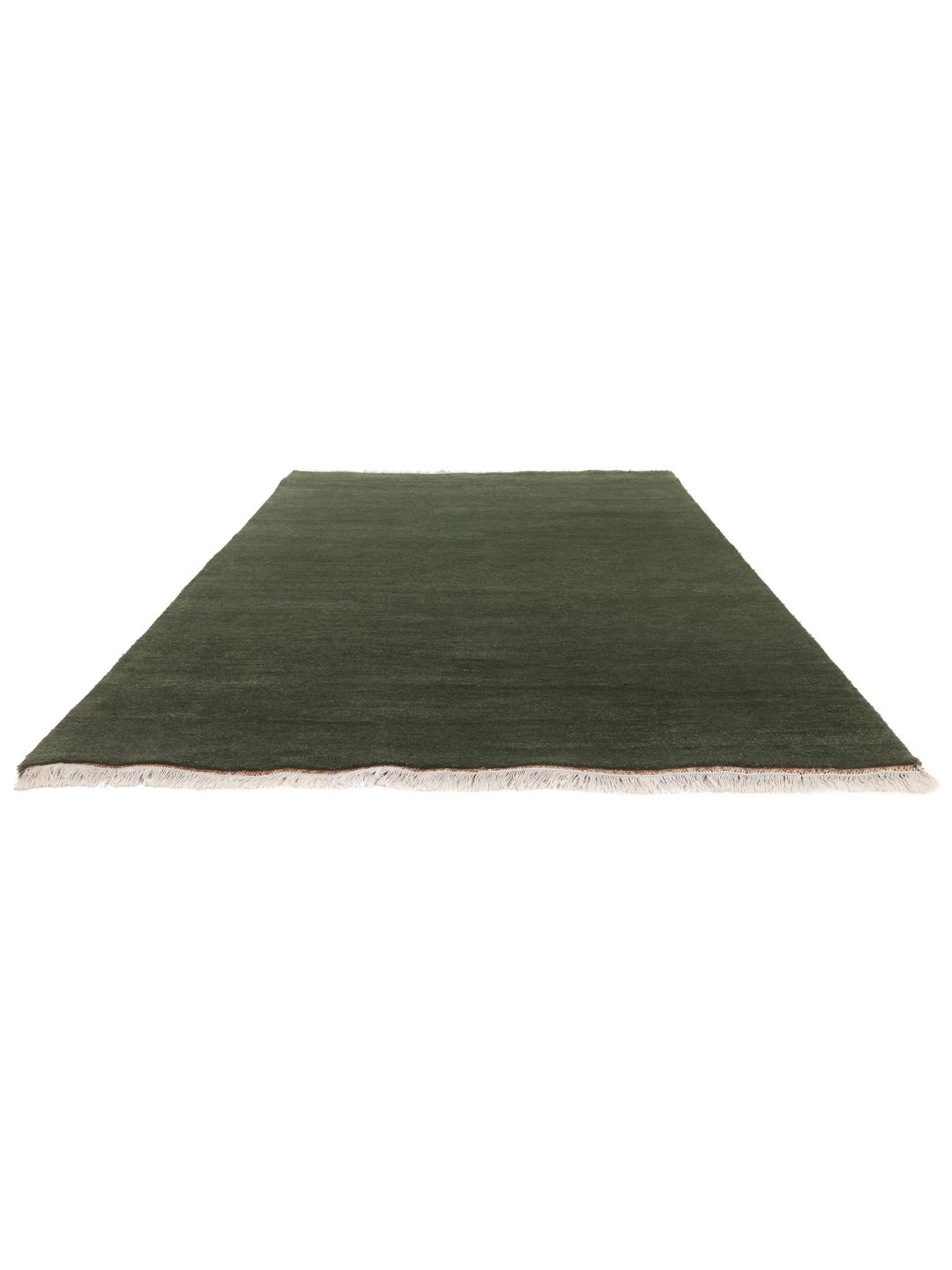
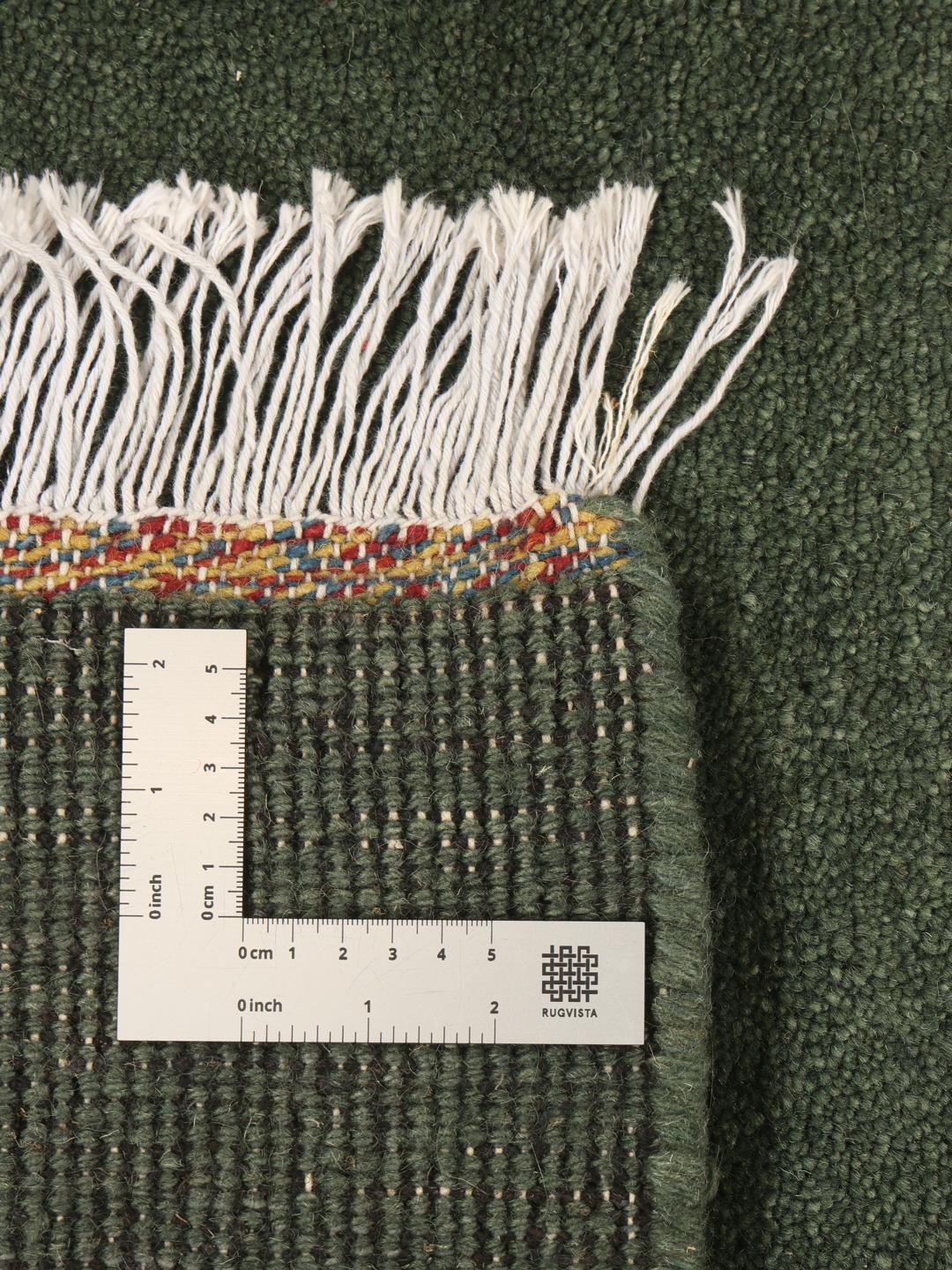
Gabbeh rugs originate from the tribal traditions of the Middle East, where they were traditionally woven by nomadic groups for their own practical use. Unlike more formal, city-made carpets, these rugs were created to provide warmth and comfort in harsh, mountainous environments. Their design philosophy has always been rooted in simplicity, utilising natural, undyed or minimally dyed wool to reflect the rugged beauty of the surrounding landscape.
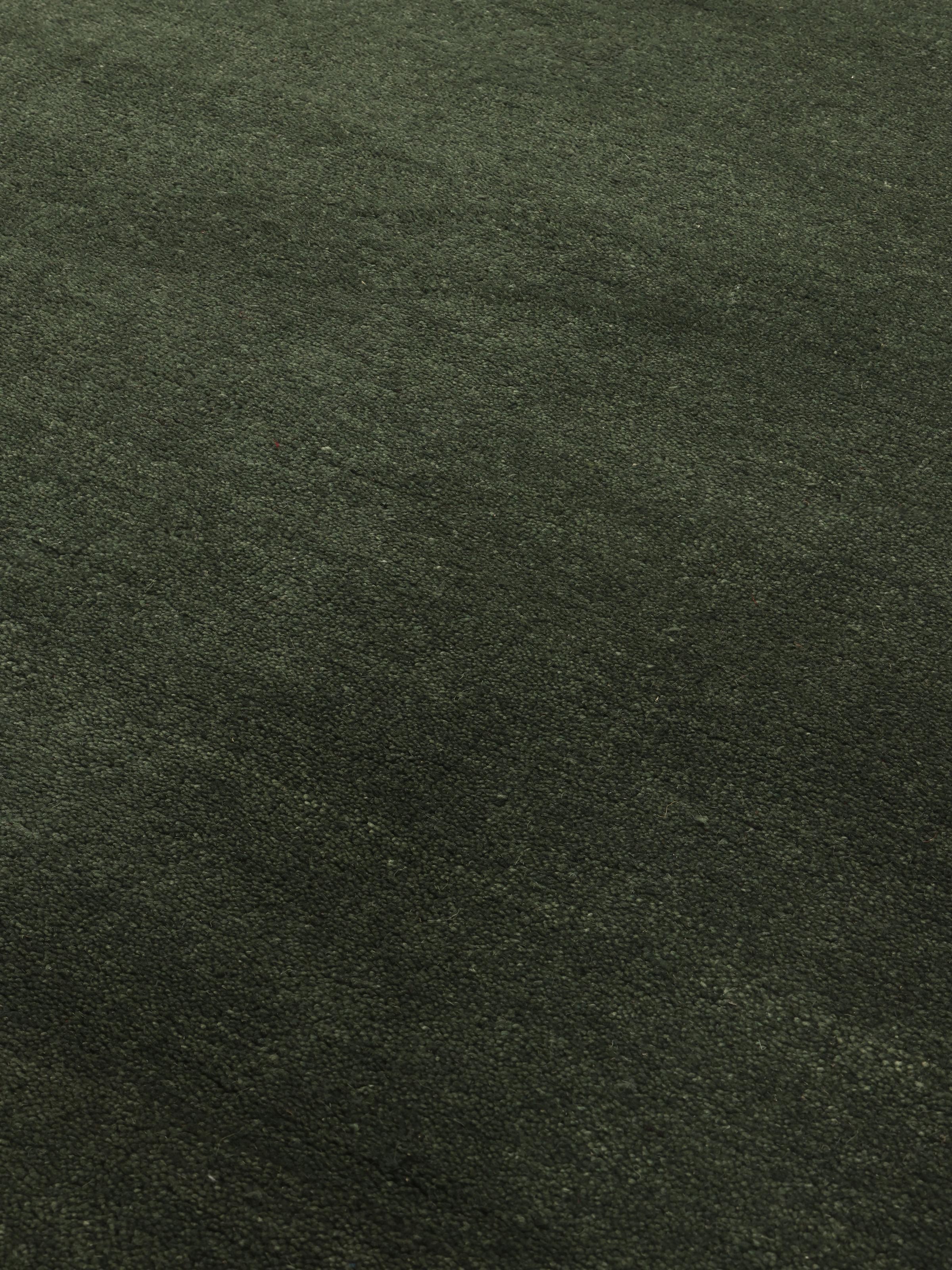
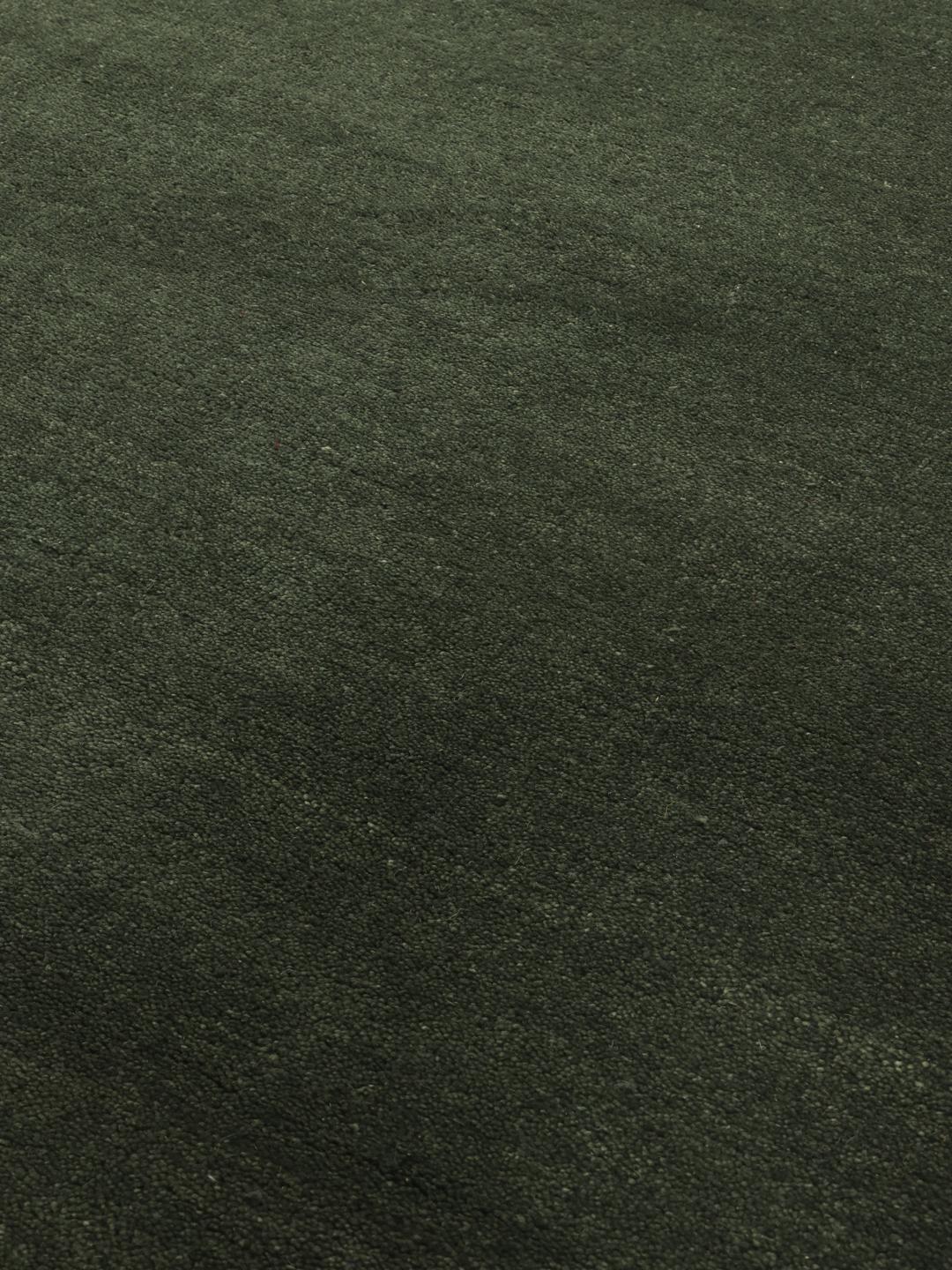
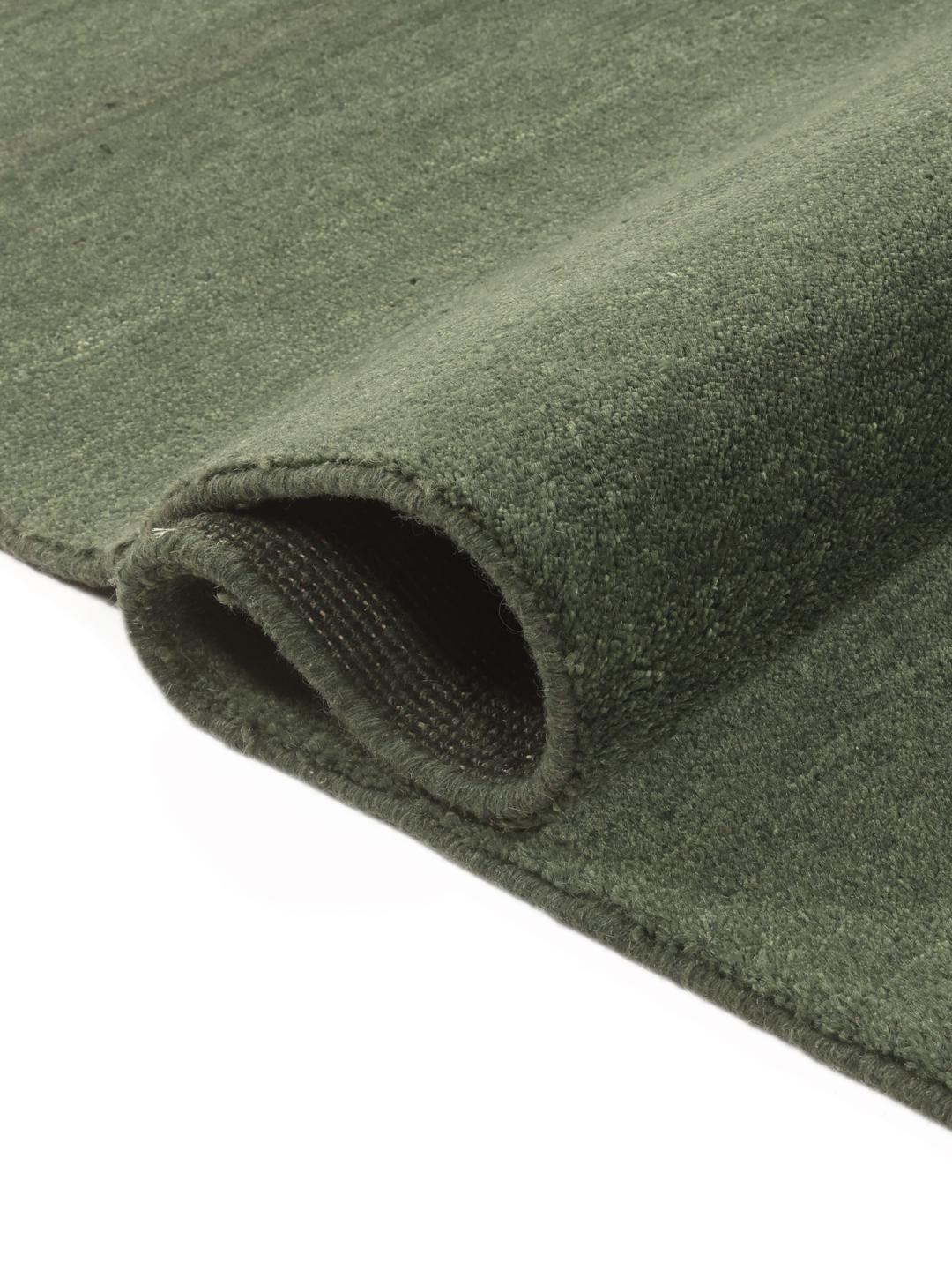
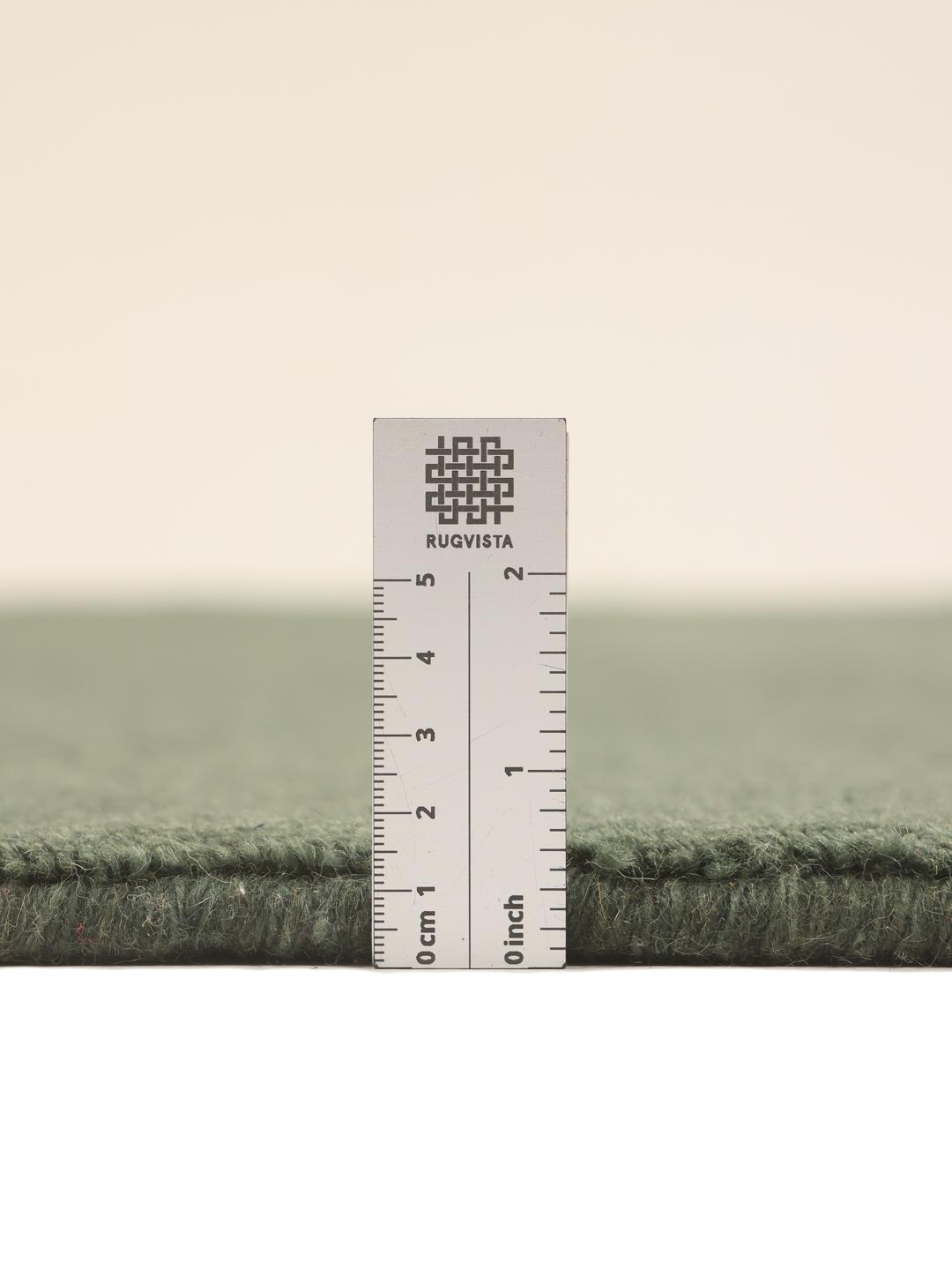
The term Gabbeh itself refers to a style that is intentionally unrefined and thicker than other traditional rug types. The construction typically uses a coarser weave, which results in a deeper, more plush pile. This specific approach to construction is what gives these rugs their signature heavy, soft feel, making them an ideal choice for those who value both comfort and the rustic charm of traditional, hand-crafted textiles.
Visually, these rugs are defined by their minimalist and artistic approach. While many traditional rugs are known for complex, floral, or geometric patterns, the classic Gabbeh style often leans toward solid fields or highly simplified, abstract motifs. The focus remains on the raw quality of the material and the subtle, organic shifts in colour that occur during the dyeing process, which gives the rug its characteristic depth and life.
Today, these rugs are highly valued by collectors and homeowners alike for their authentic, soulful quality. Owning a piece from this tradition is an investment in a history of nomadic craftsmanship that has remained largely unchanged for centuries. It represents a connection to the heritage of the region, offering a timeless, grounded aesthetic that brings a sense of warmth and history into any contemporary home.