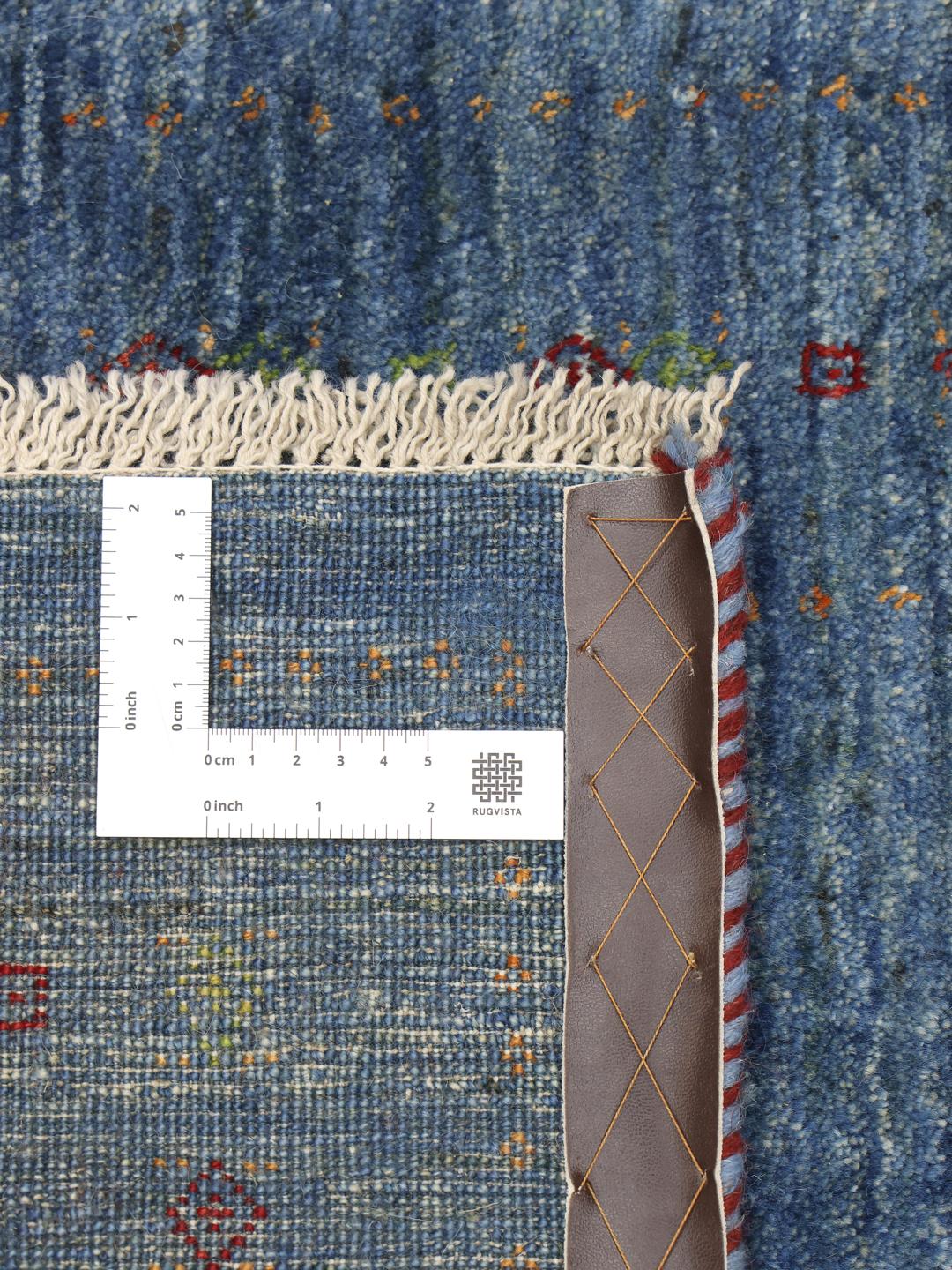
The Gabbeh rug tradition originates from the nomadic tribes of the Middle East, who historically wove these pieces for their own personal use. Unlike formal court carpets, Gabbeh rugs were designed with a focus on freedom of expression, often reflecting the weaver's surroundings, emotions, and local folklore. This tradition has evolved over centuries, transforming from utilitarian floor coverings into celebrated examples of tribal art.
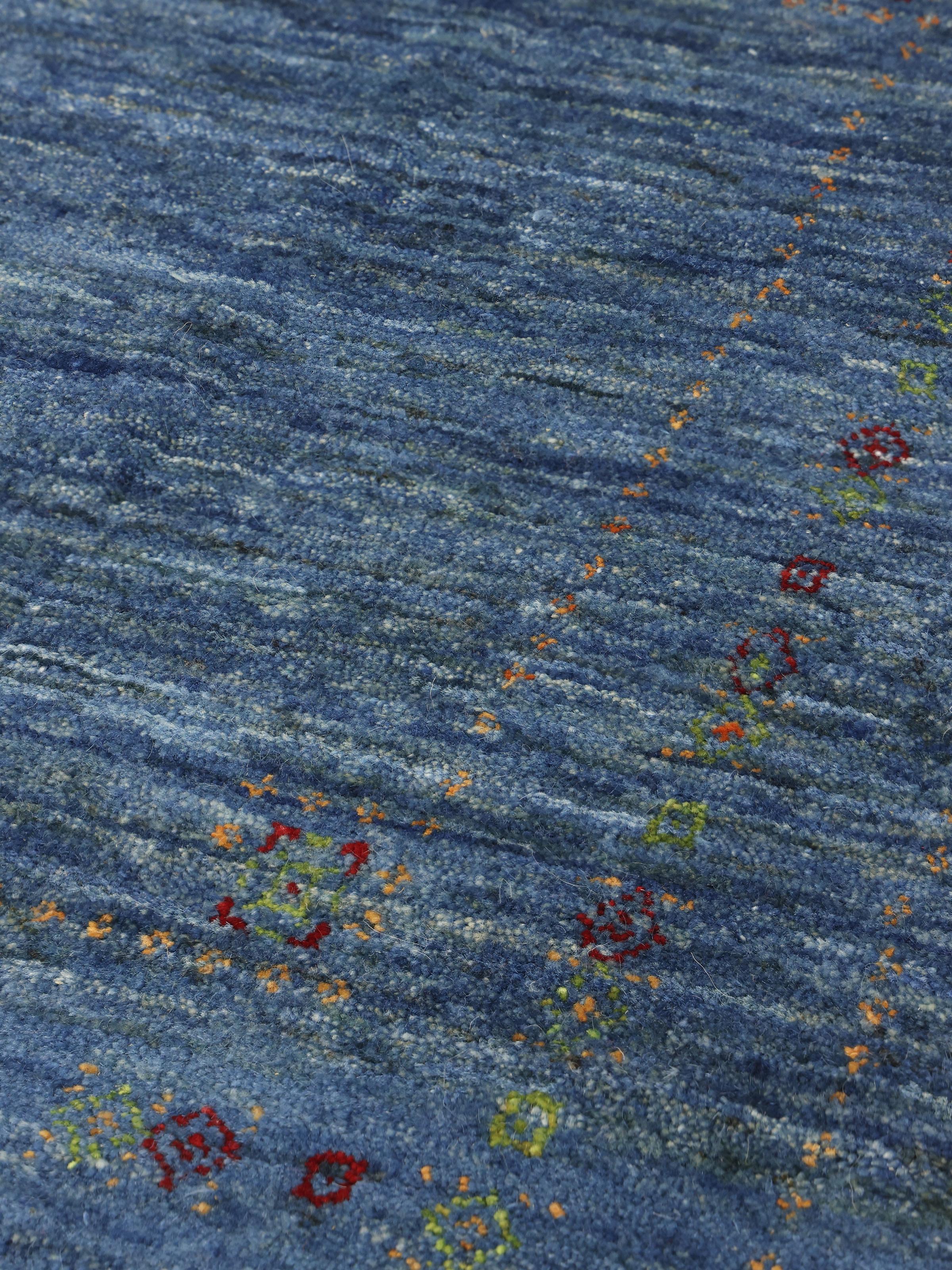
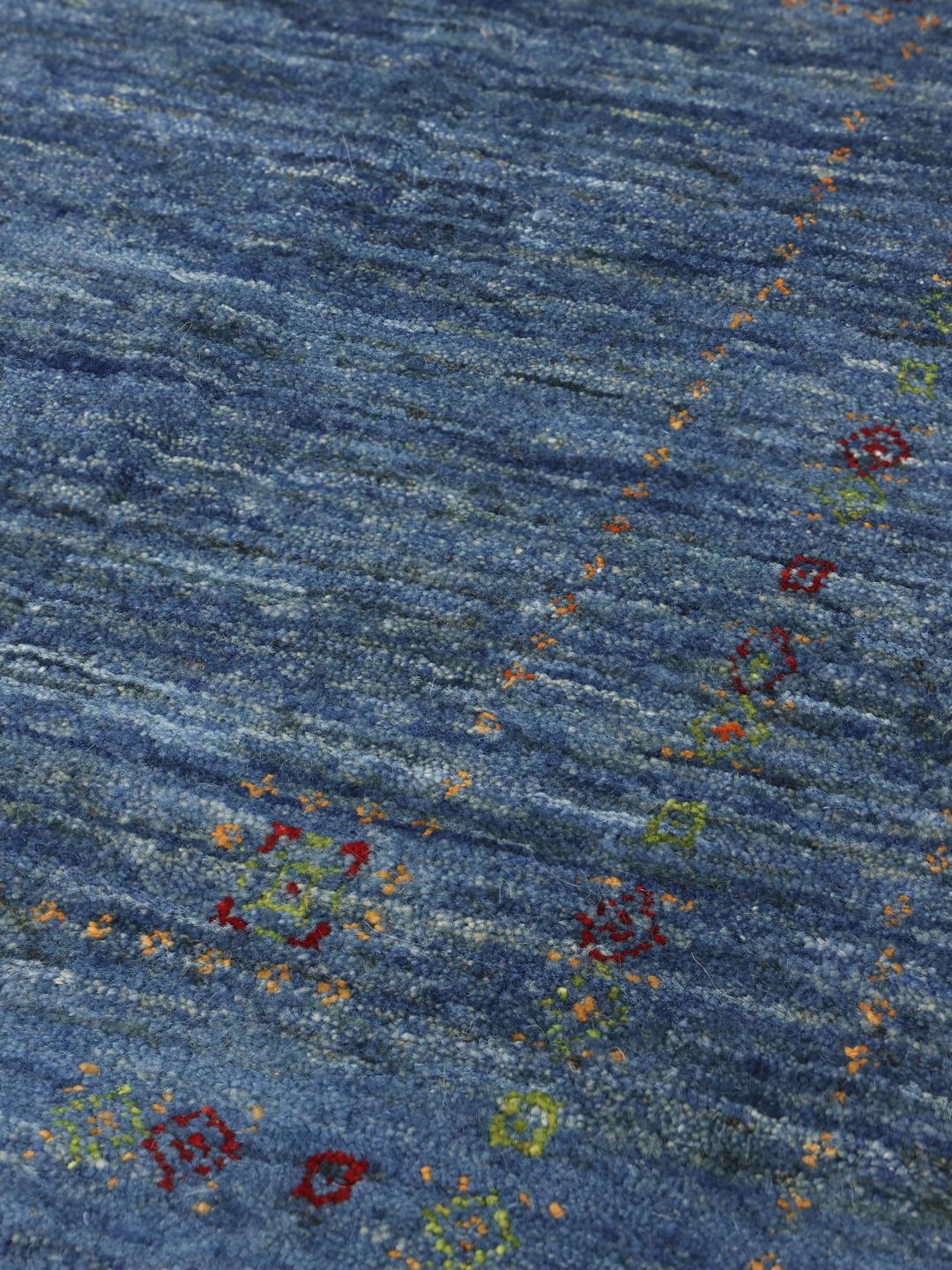
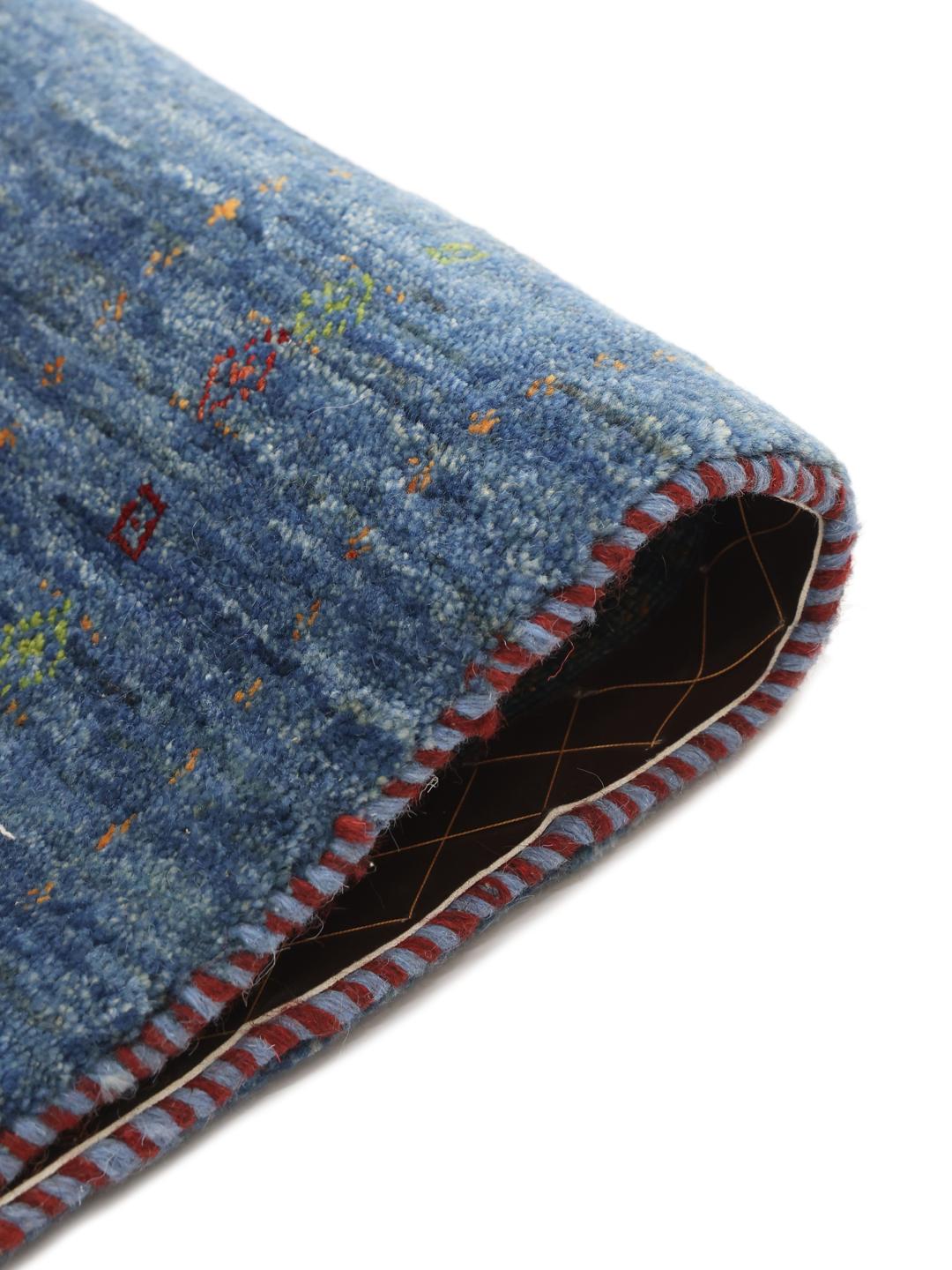
The term 'Gabbeh' itself translates to 'raw,' 'natural,' or 'unfinished,' which refers to the thicker, more plush pile and the often abstract or simplified designs found in these rugs. This style relies on the quality of the wool and the depth of the natural dyes, resulting in a piece that feels both rustic and refined. The focus is on the tactile experience, prioritising a soft, thick pile that provides comfort in harsh, nomadic living conditions.
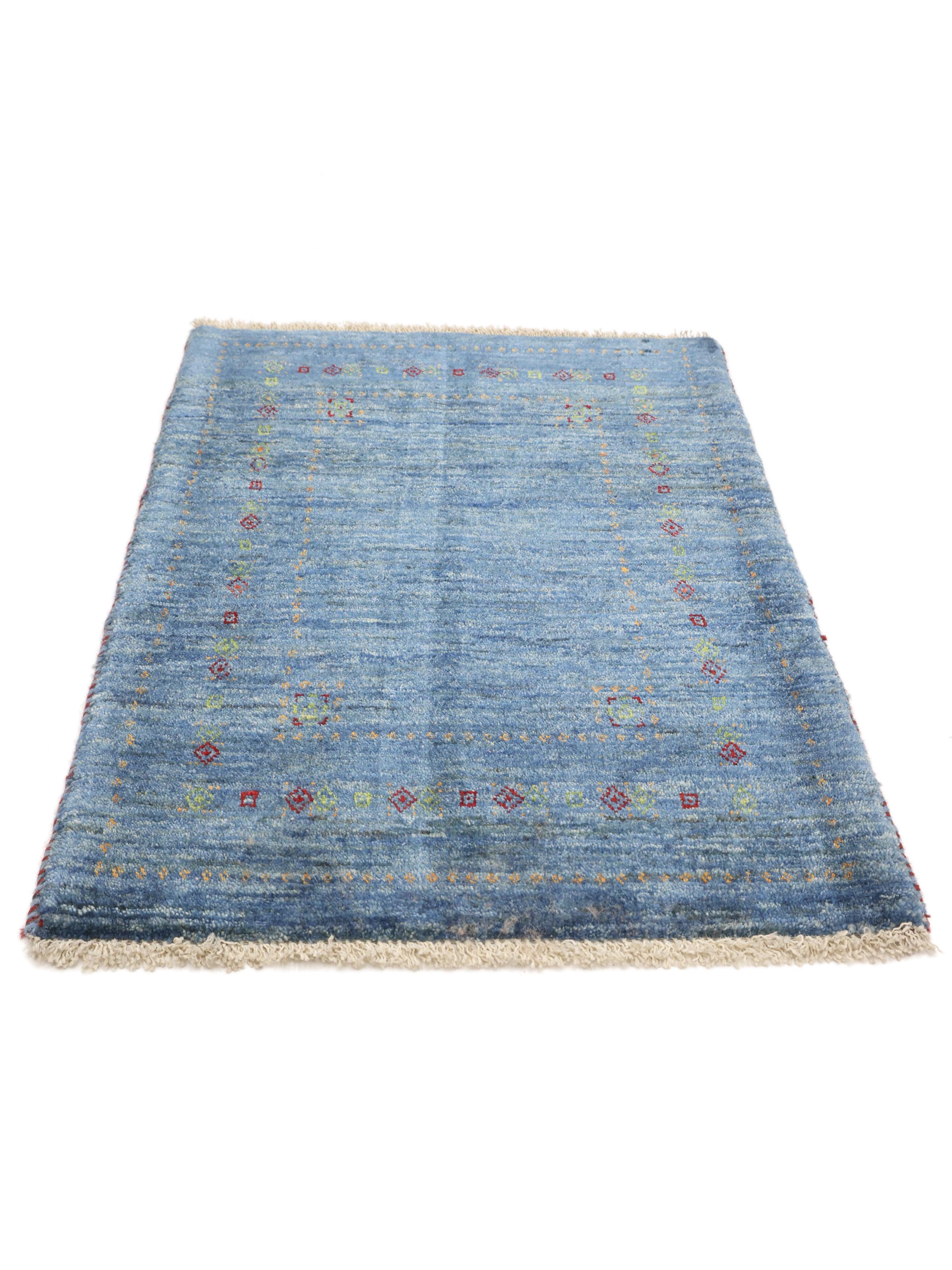
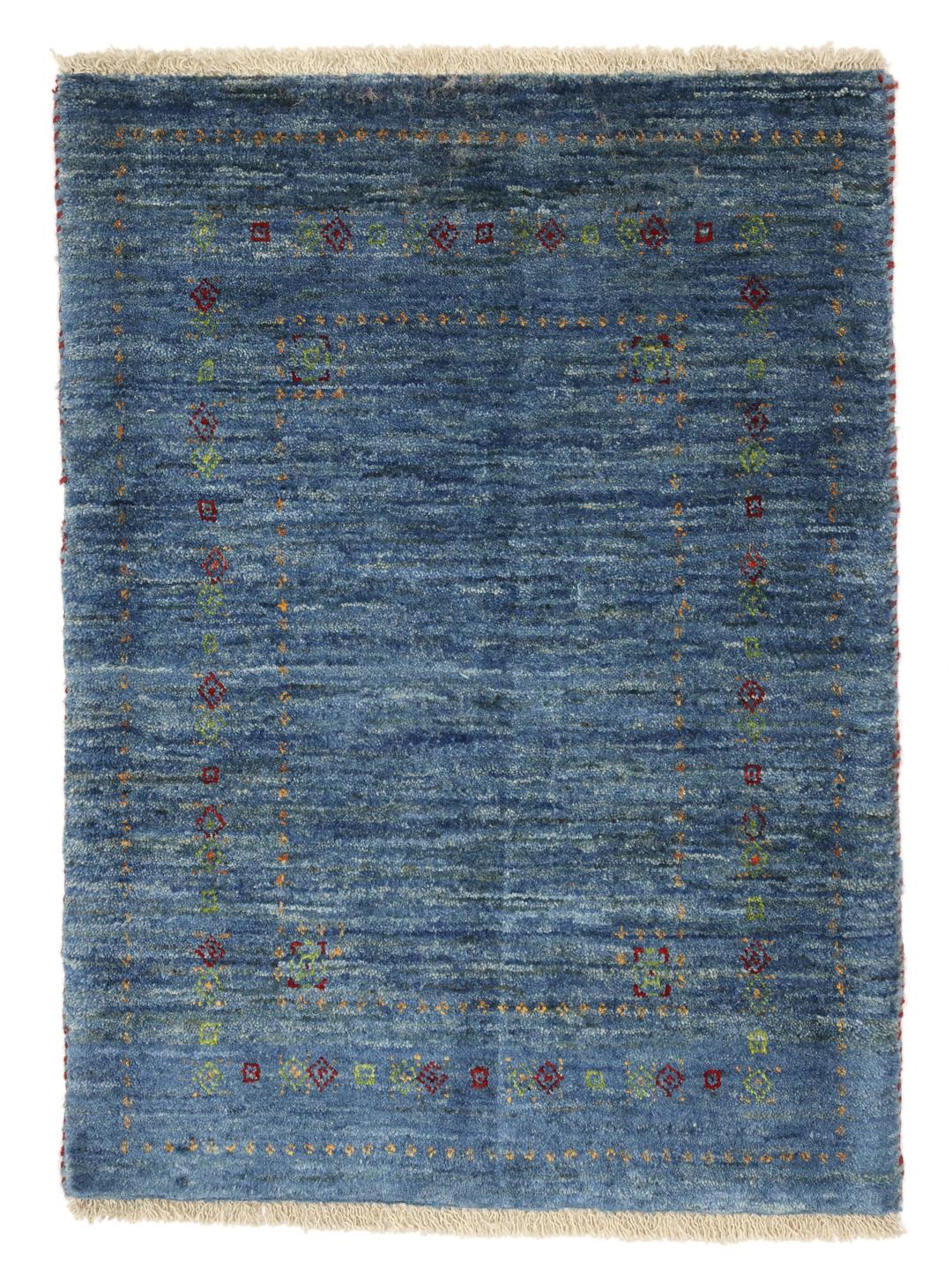
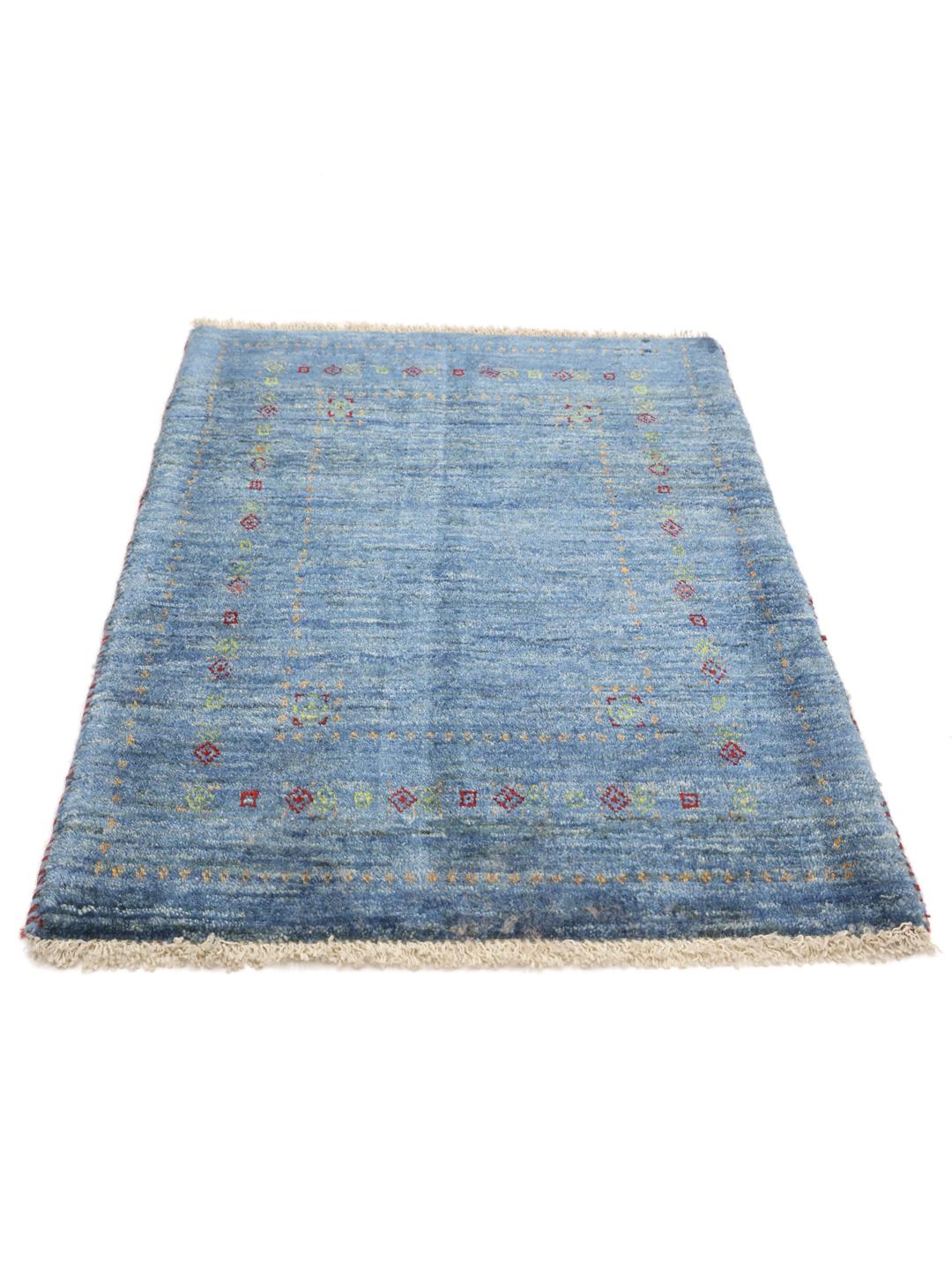
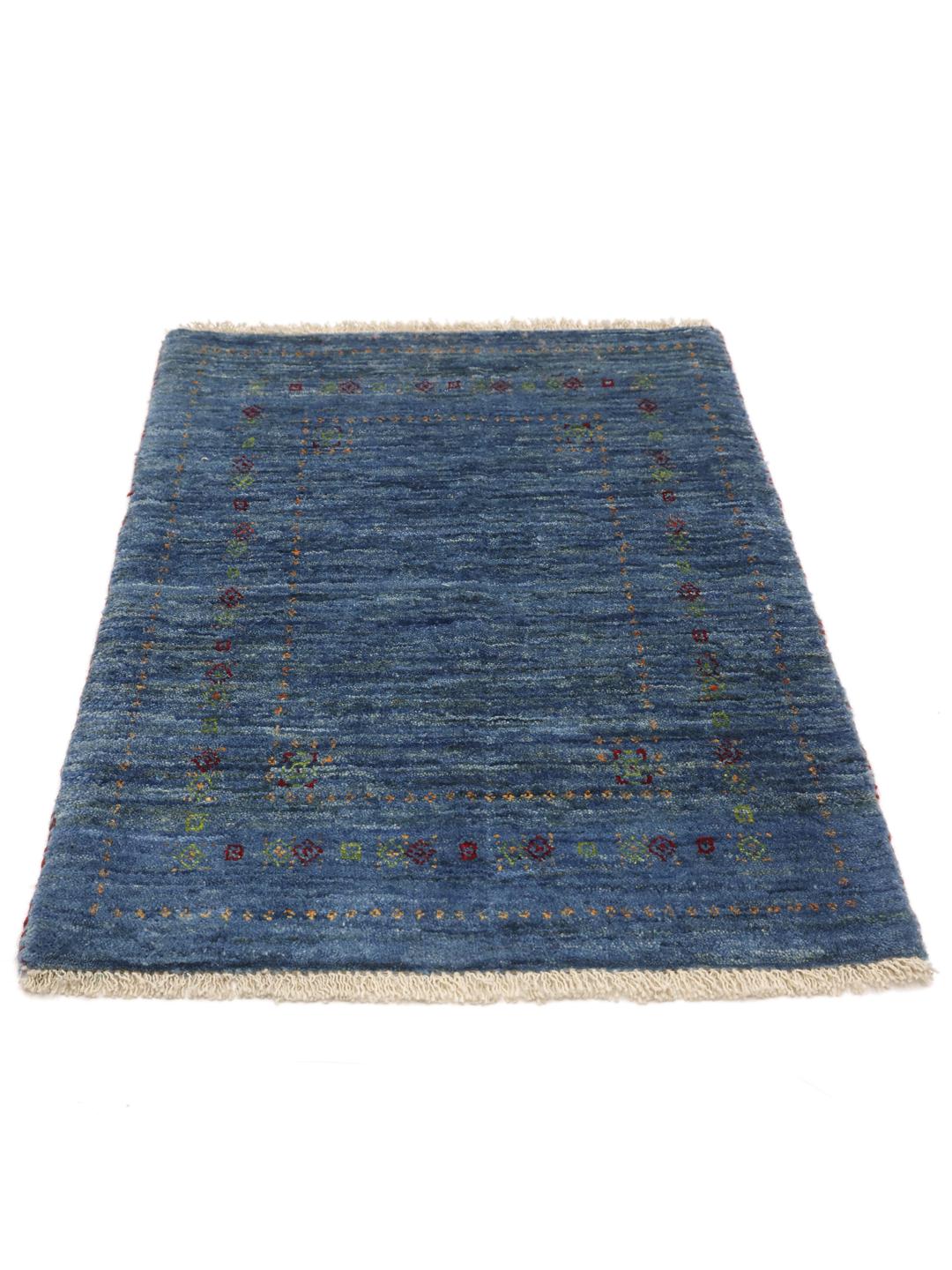
Visually, these rugs are defined by their use of open, uncrowded fields and a bold, imaginative use of colour. While traditional pieces often featured natural, undyed wool tones, modern iterations like this one frequently incorporate vibrant hues to highlight the simple geometric shapes and motifs. These motifs, which may include stylized animals, plants, or symbols, are often placed sparingly to let the richness of the wool take centre stage.
Today, these rugs are highly valued by collectors for their authenticity and the human story behind every knot. Owning a piece from this tradition is an opportunity to connect with a history of nomadic craftsmanship. It represents a commitment to supporting heritage skills and bringing a piece of cultural legacy into a modern home, where its uniqueness becomes a conversation starter.