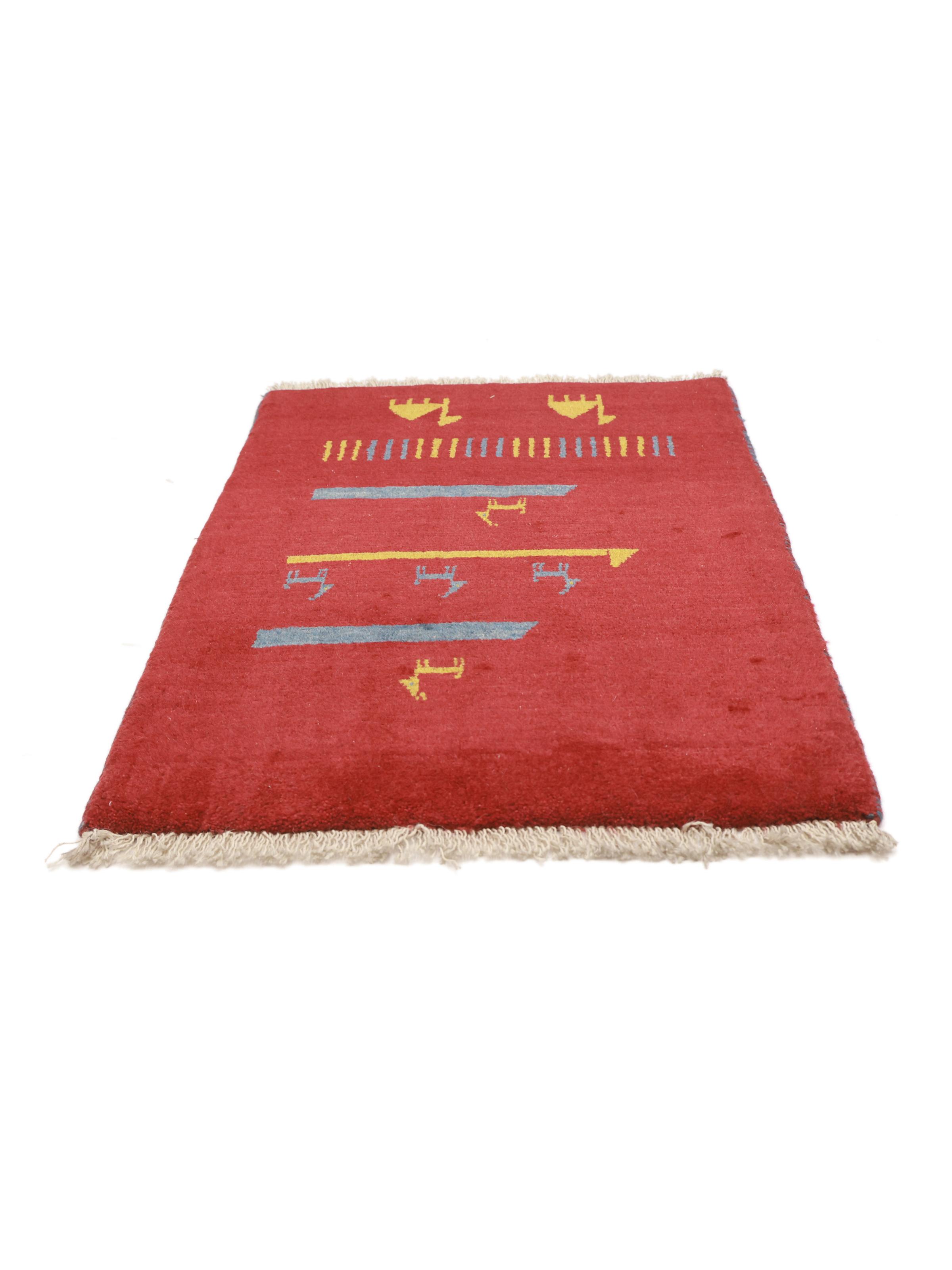
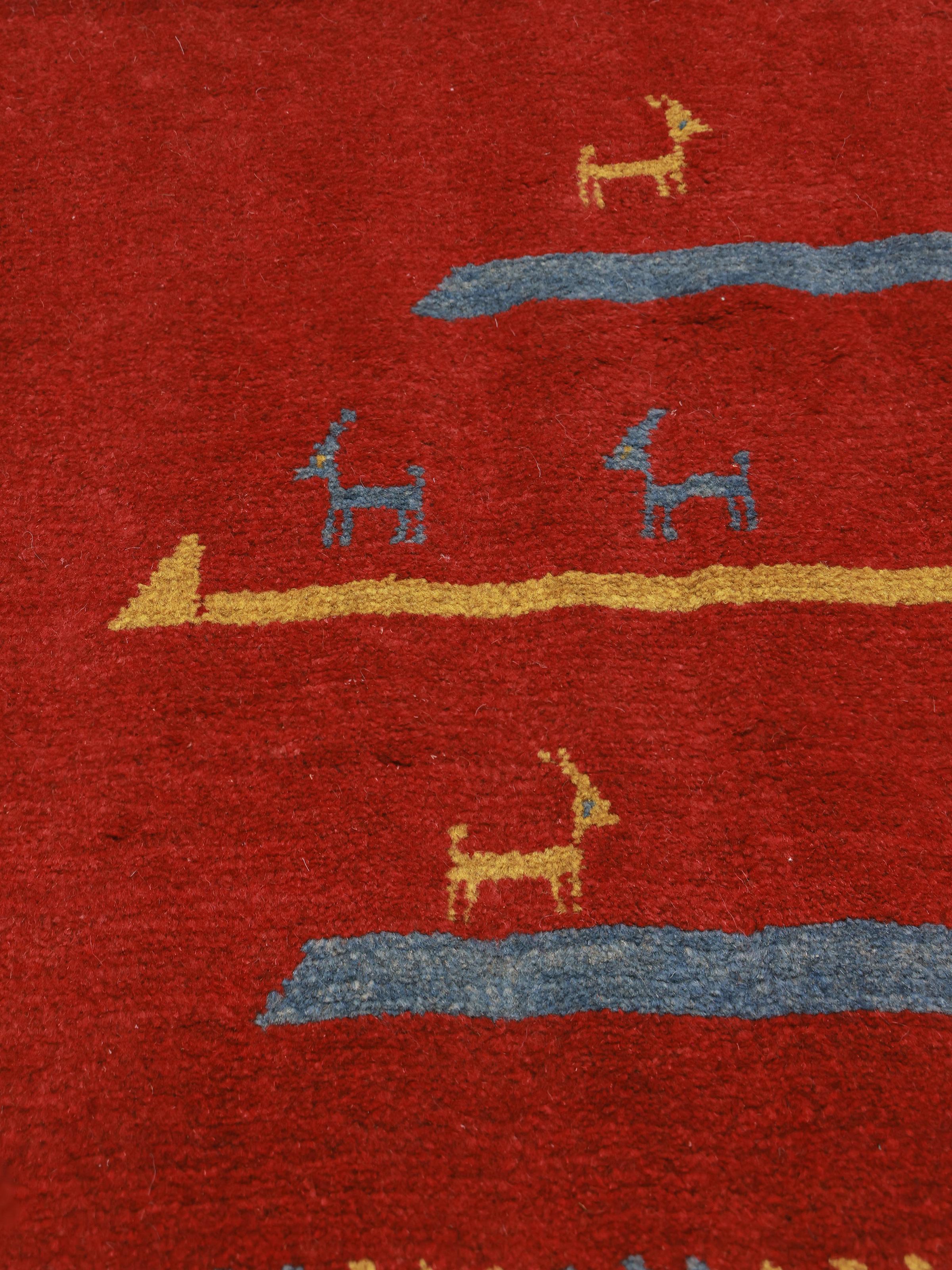
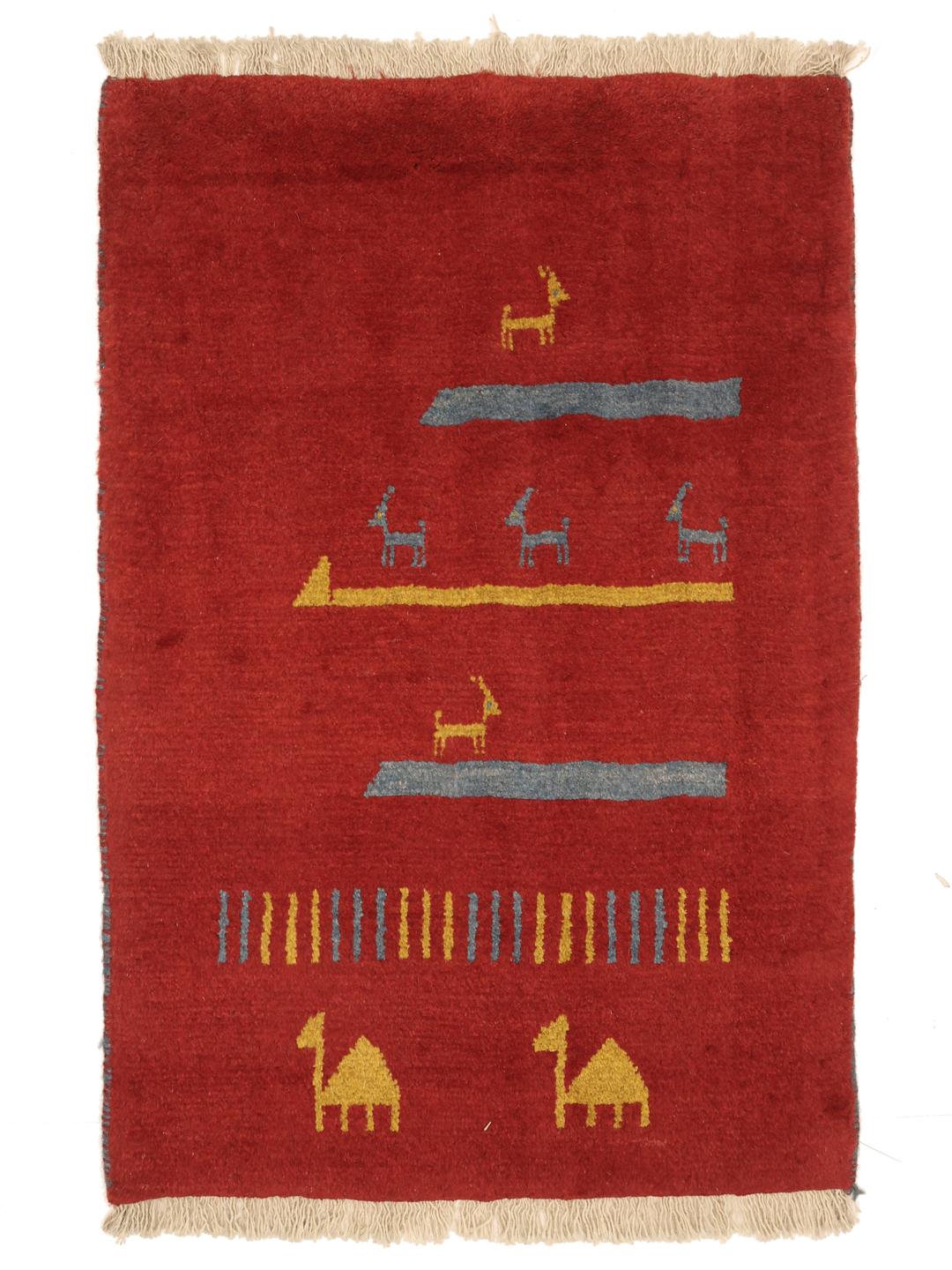
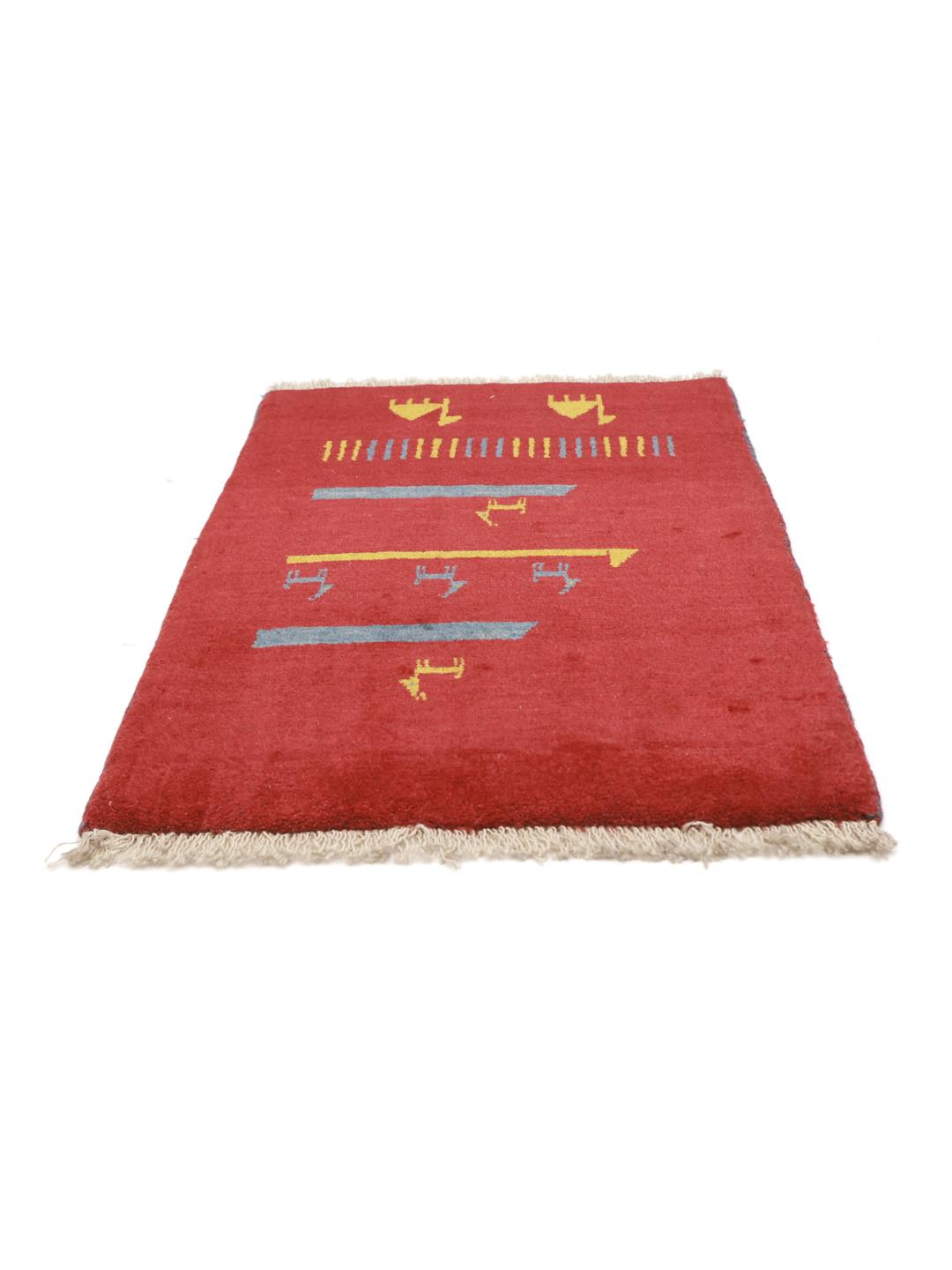
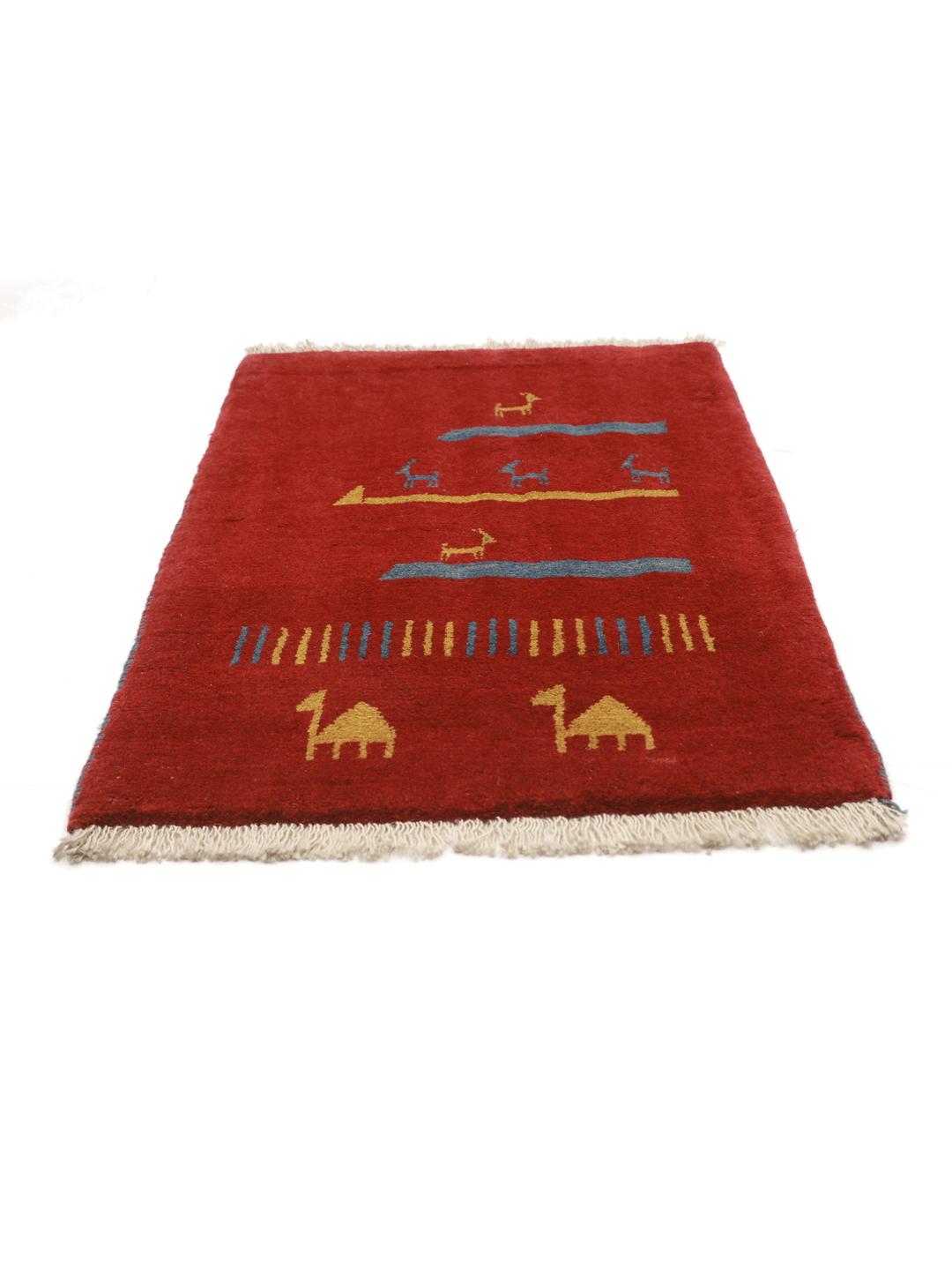
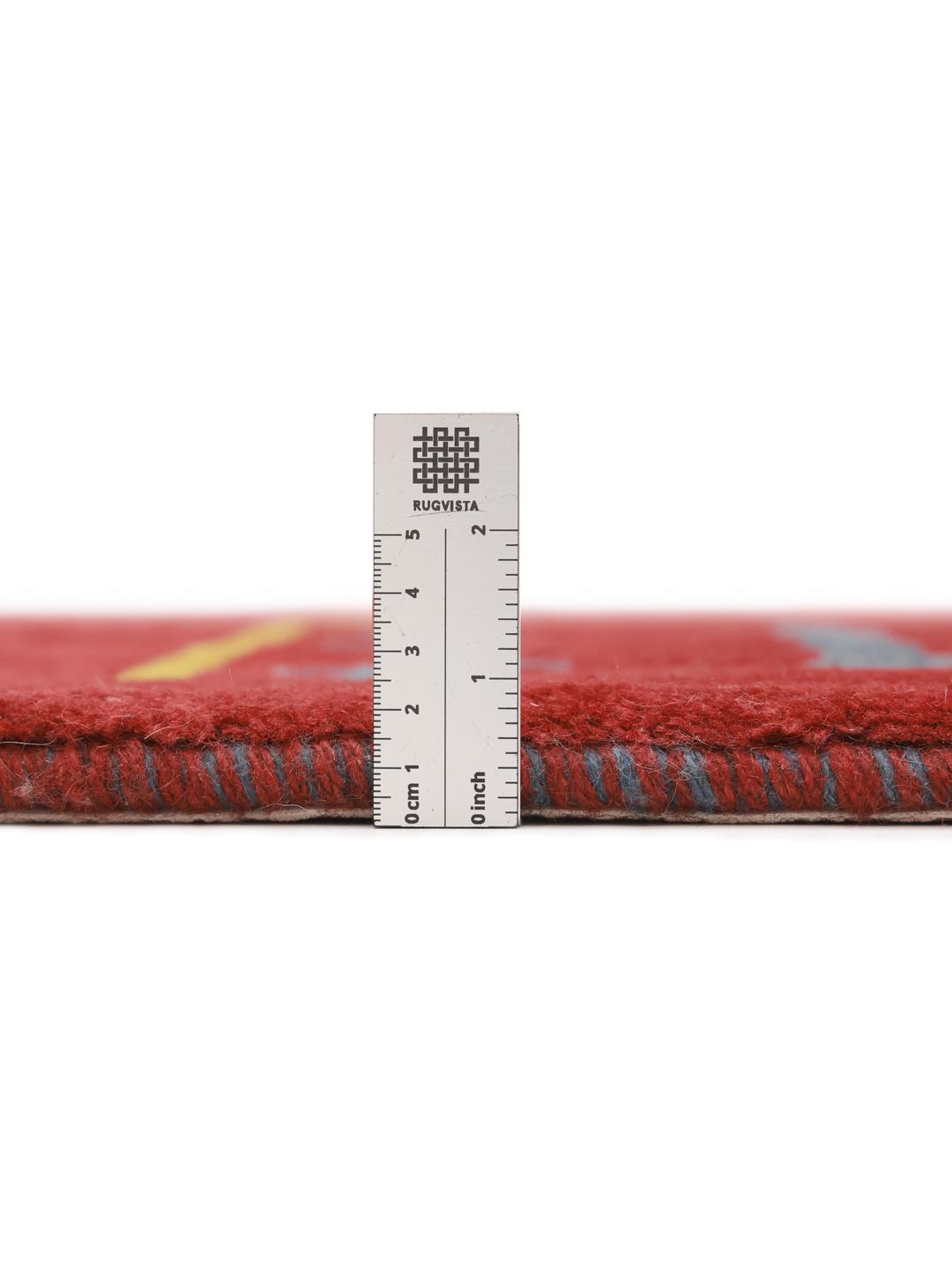
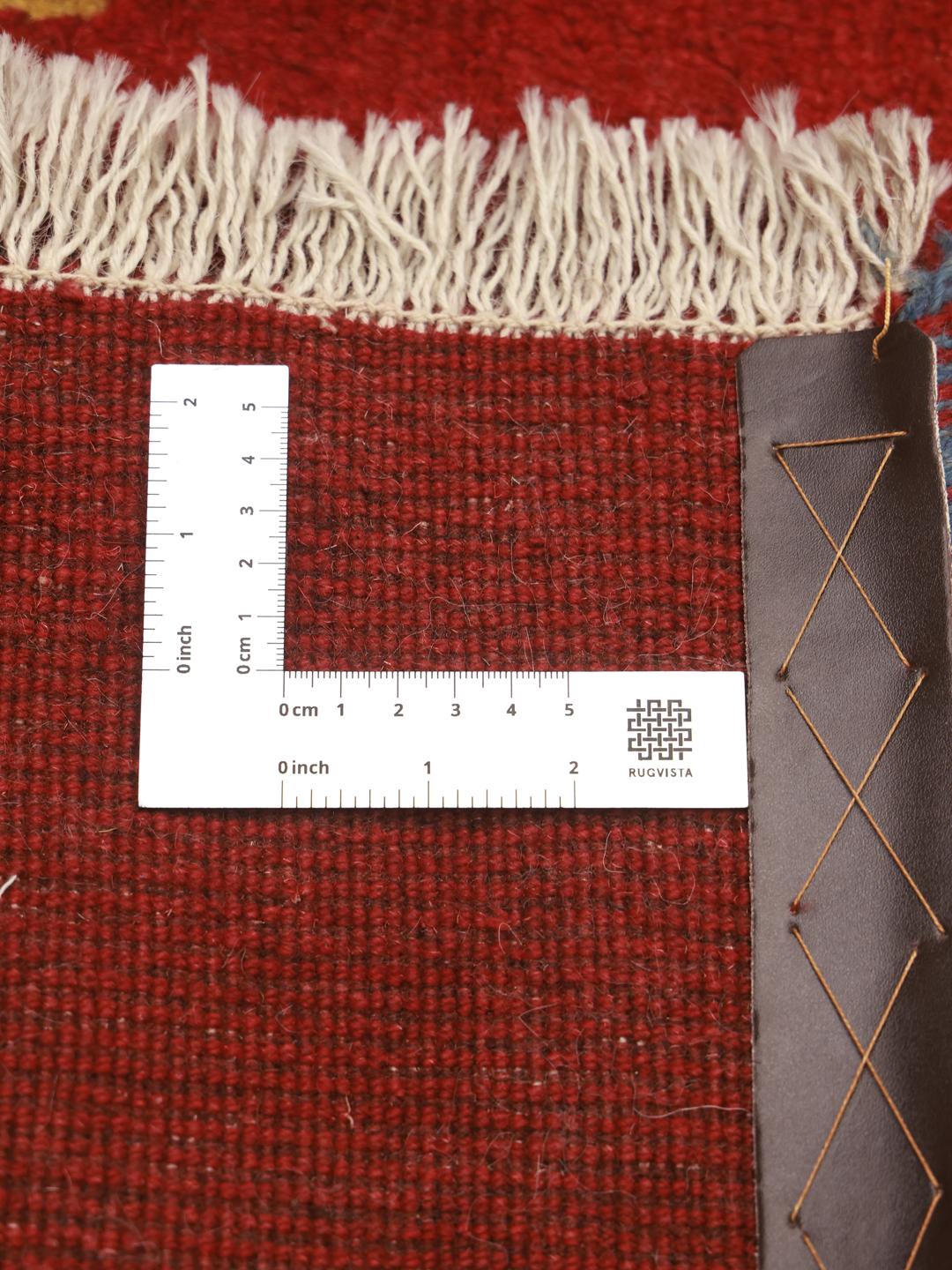
Gabbeh rugs originate from the nomadic tribes of the Middle East, specifically the Ghashgai and Luri peoples. Historically, these rugs were woven primarily for personal use within the home, serving as thick, protective bedding and floor coverings against the cold desert nights. Unlike more formal, city-made carpets, Gabbeh rugs were free from the constraints of rigid patterns, allowing the weaver to express their personal experiences, environment, and daily life through spontaneous, abstract design.
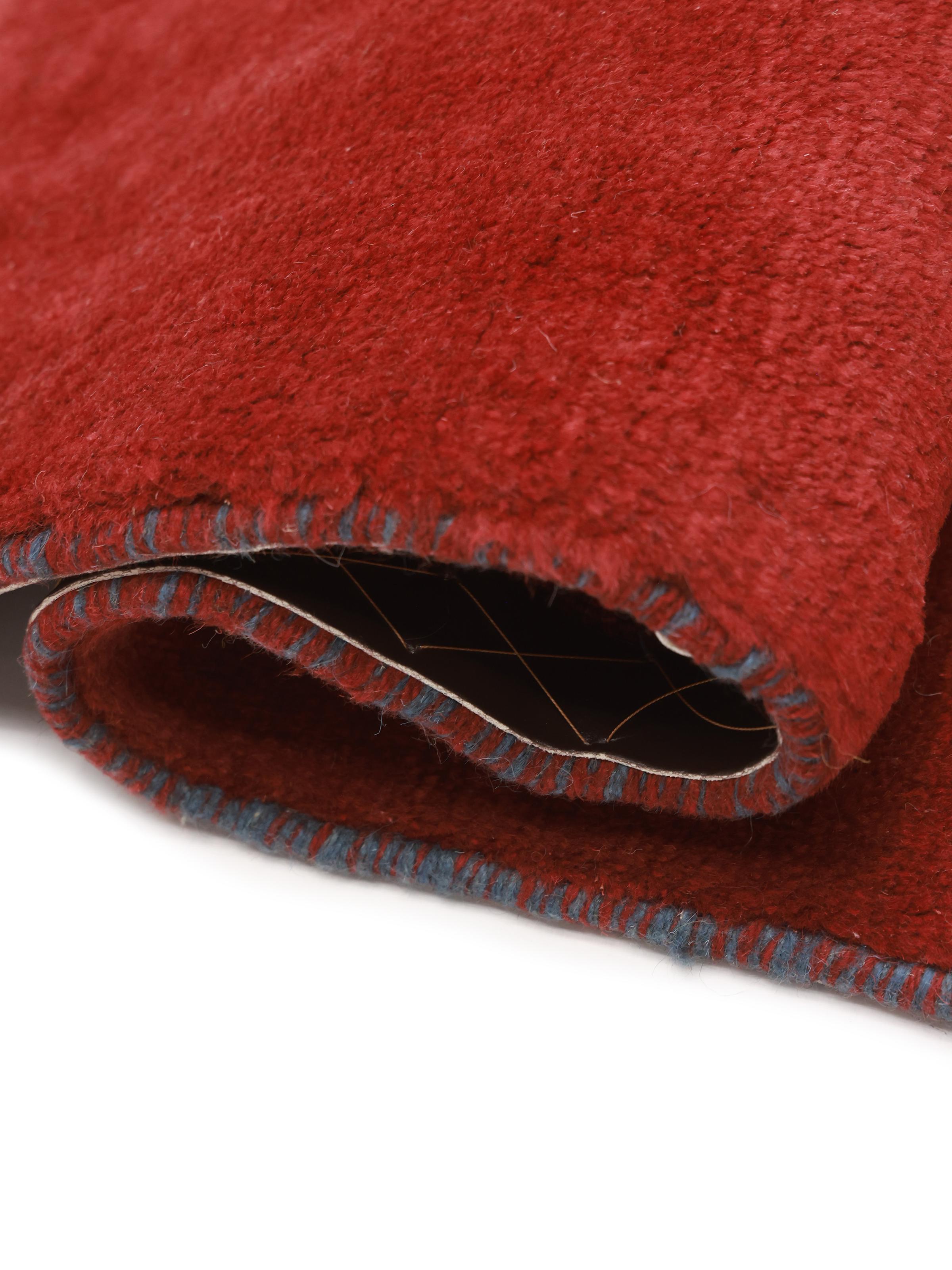
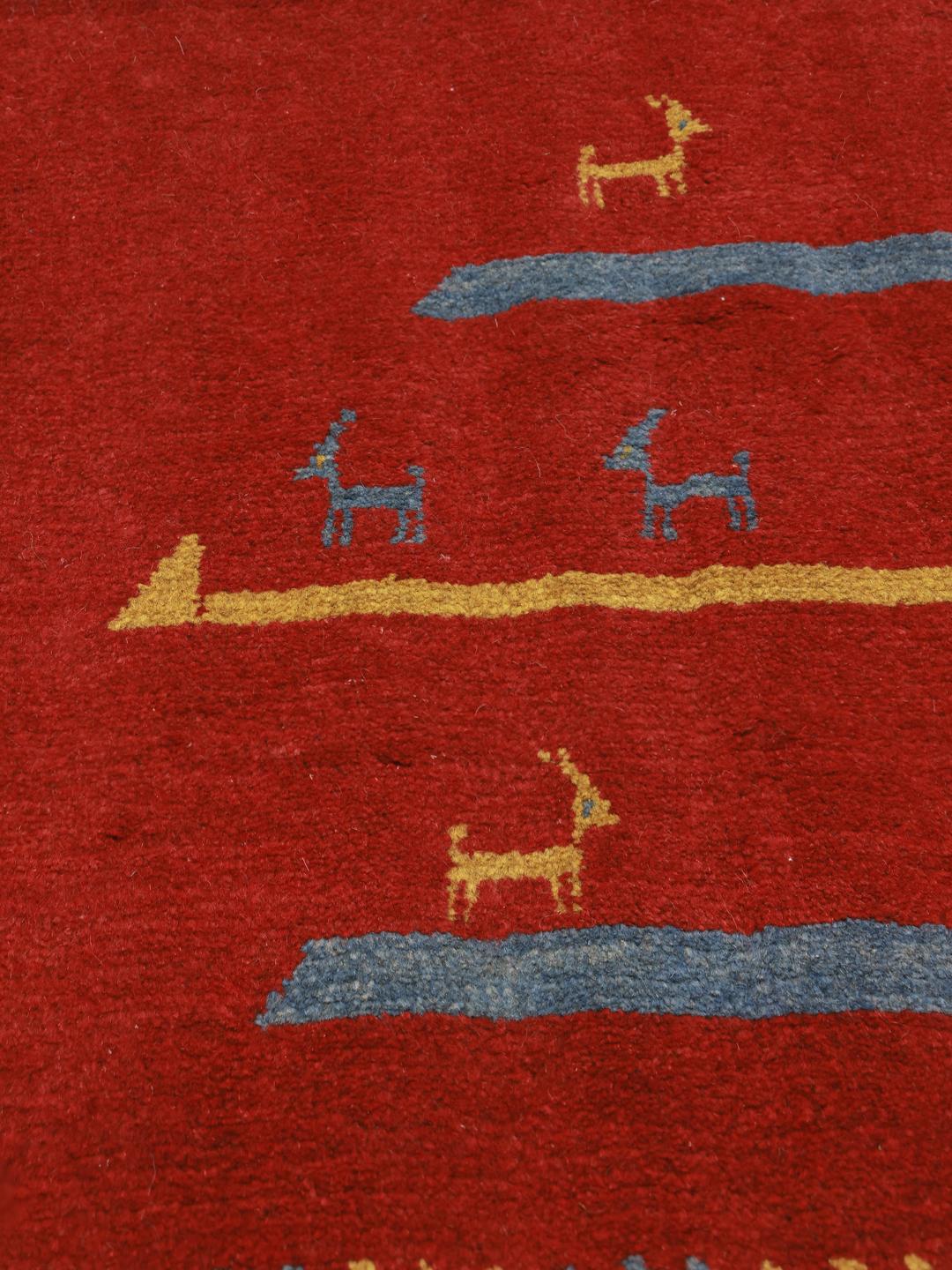
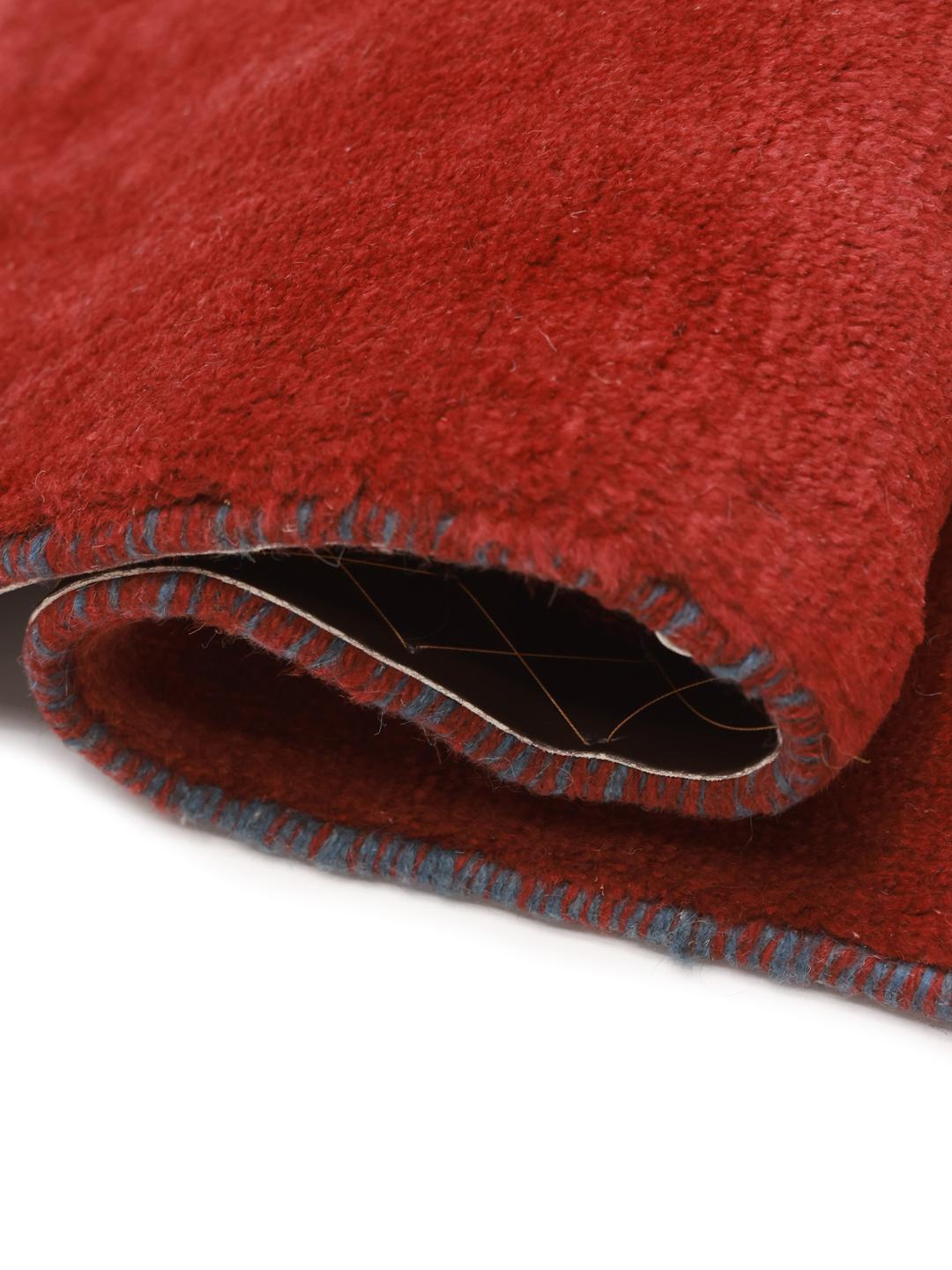
The term 'Gabbeh' itself translates to 'raw' or 'natural', reflecting the unrefined and honest aesthetic of these pieces. The wool is typically hand-spun and dyed using natural pigments sourced from local plants and minerals, which contributes to the subtle, vibrant variations in colour often seen across the surface of the rug. This traditional, manual preparation of the wool is essential to the rug's character, ensuring a texture that is both robust and deeply authentic.
Visually, these rugs are defined by their minimalist yet expressive nature. While many traditional rugs rely on dense, complex floral arrangements, Gabbeh rugs often feature sparse, iconic motifs such as stylized animals, humans, or simple geometric shapes. These figures are not merely decorative but often represent the weaver’s connection to their landscape, their livestock, or their family history. The use of negative space in these designs is intentional, allowing the rich, solid-coloured background to take centre stage.
For modern collectors, the value of a Gabbeh lies in its departure from the standardised designs of the commercial market. Owning one is an investment in cultural heritage, representing a tradition where art and utility are seamlessly intertwined. These rugs are highly prized for their ability to bring a sense of warmth and individual personality to a home, serving as a reminder of the enduring human impulse to create beauty in everyday life.