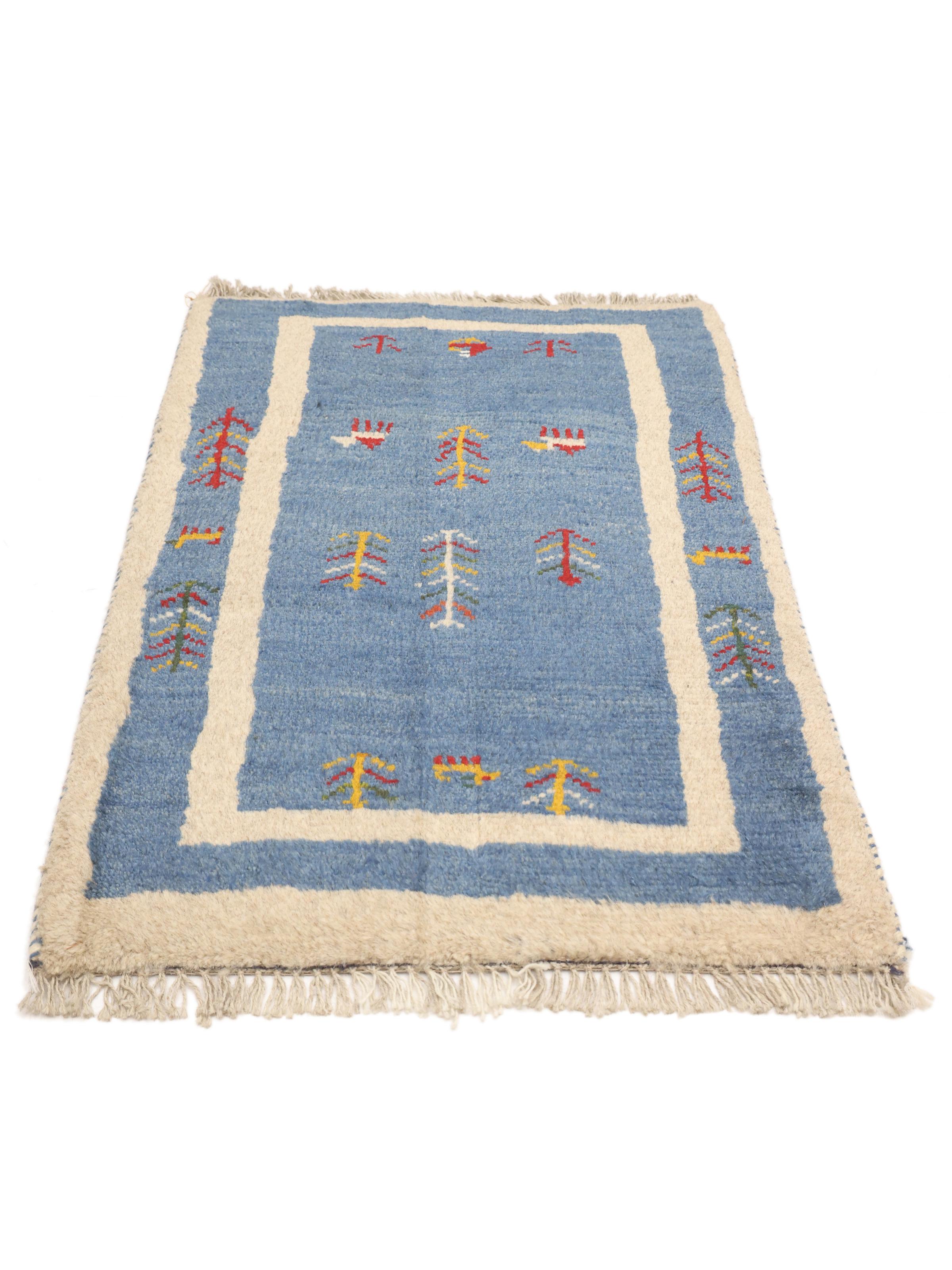
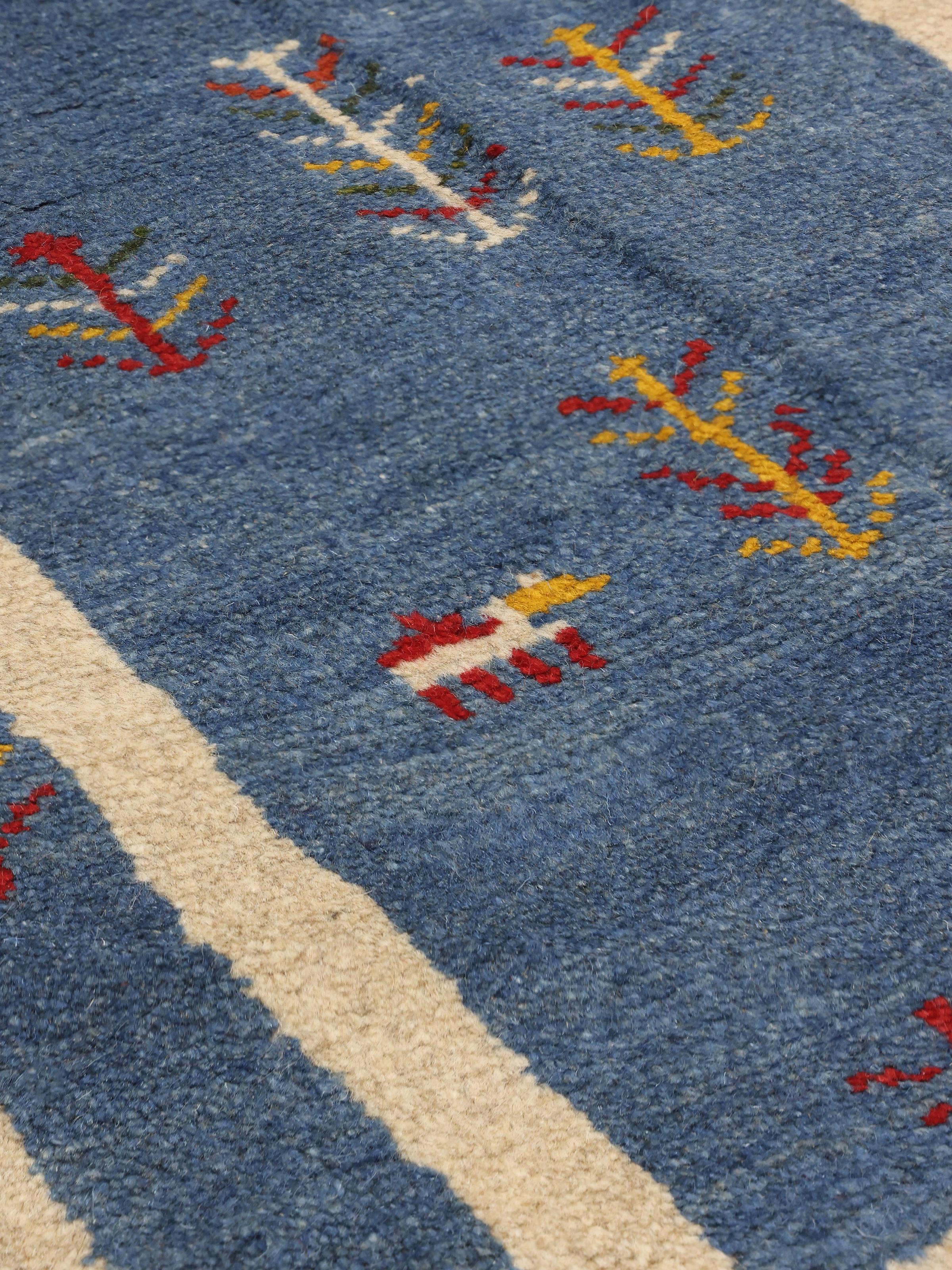
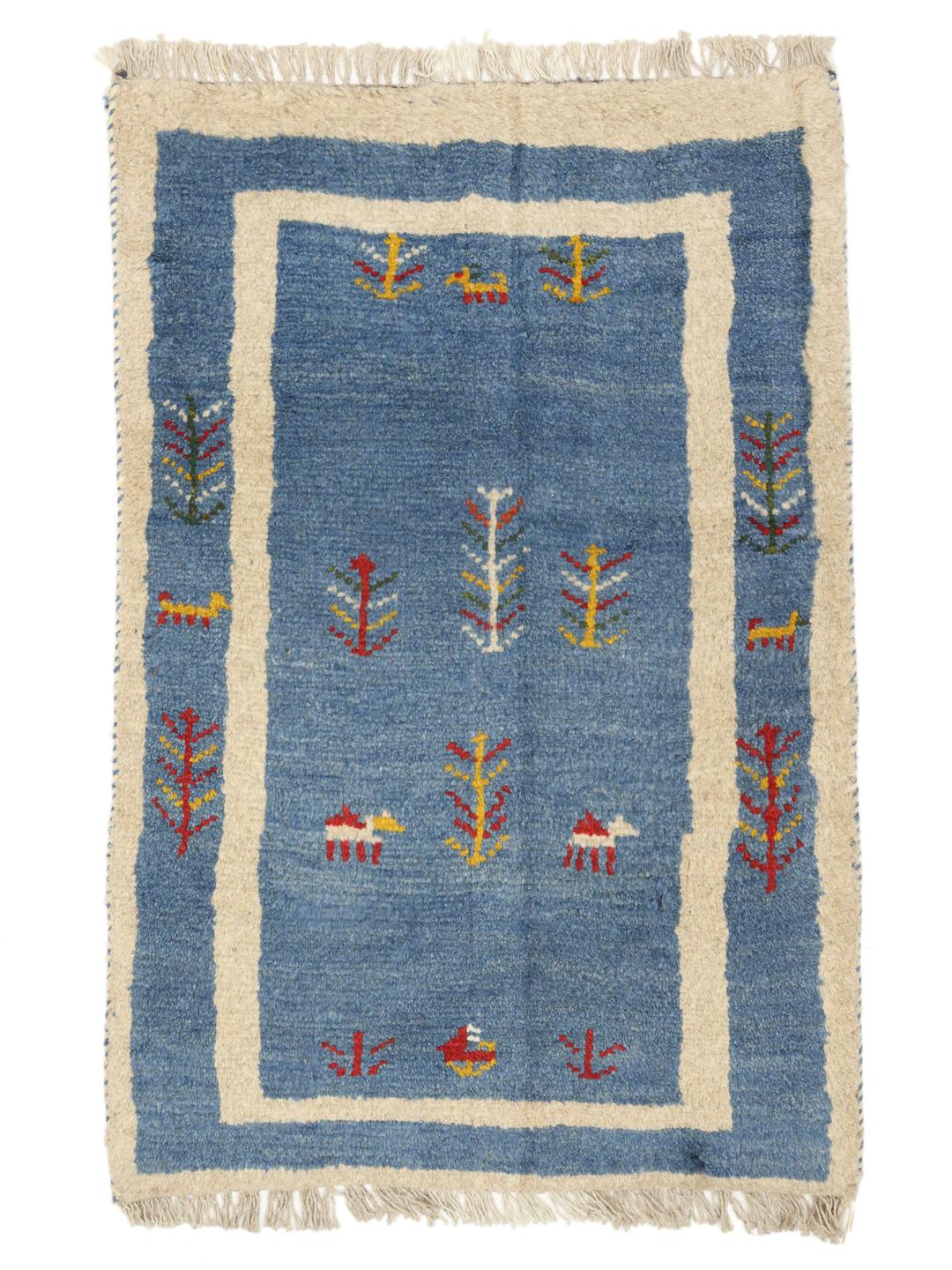
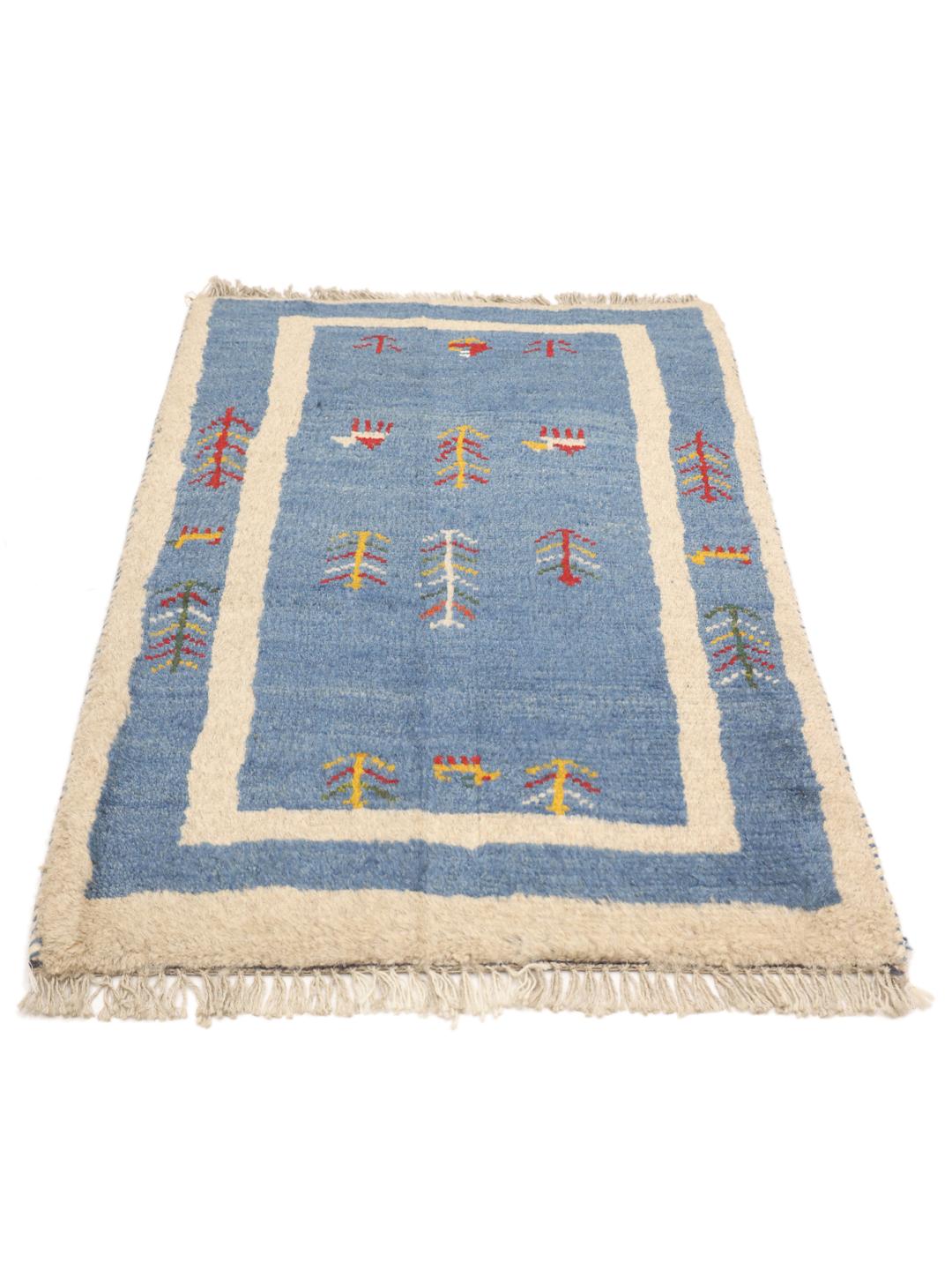
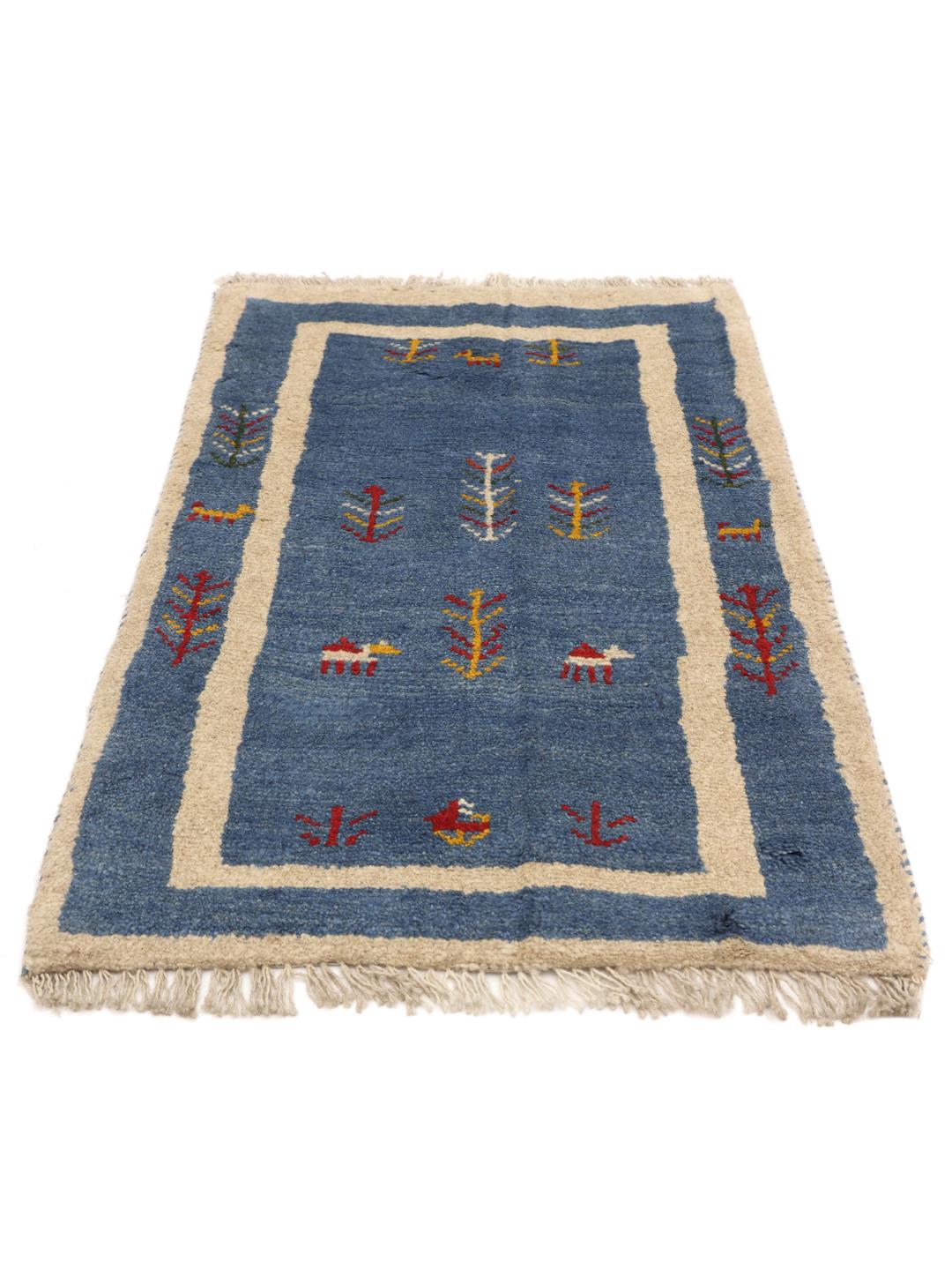
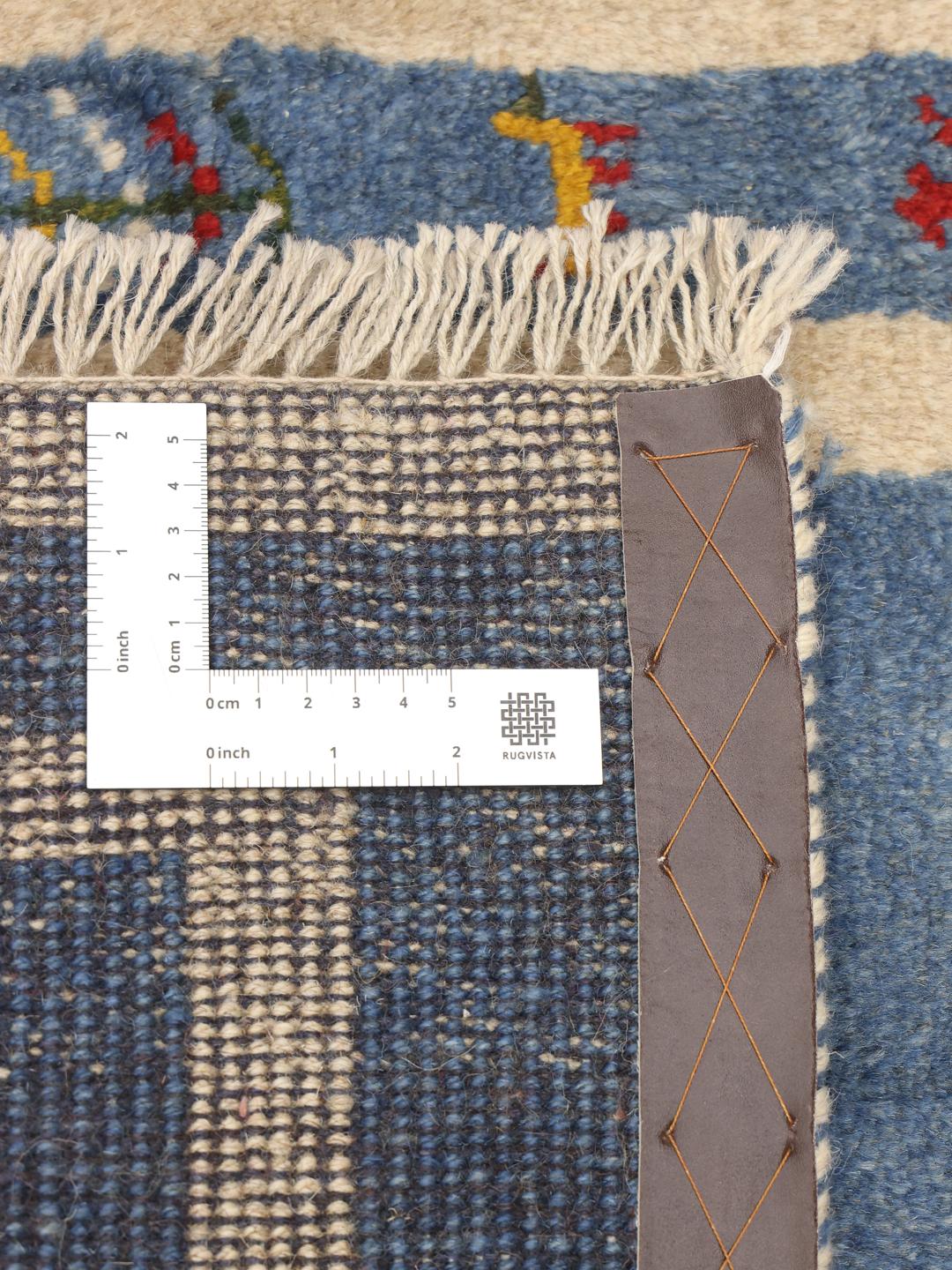
Gabbeh rugs have long been celebrated as the most expressive and artistic of all Middle Eastern tribal weaving traditions. Historically, these rugs were created by nomadic tribes for their own domestic use, serving as warm, protective bed coverings and floor mats. Unlike formal city rugs that follow strict, symmetrical patterns, the Gabbeh was a canvas for the weaver to interpret their own environment and daily life.
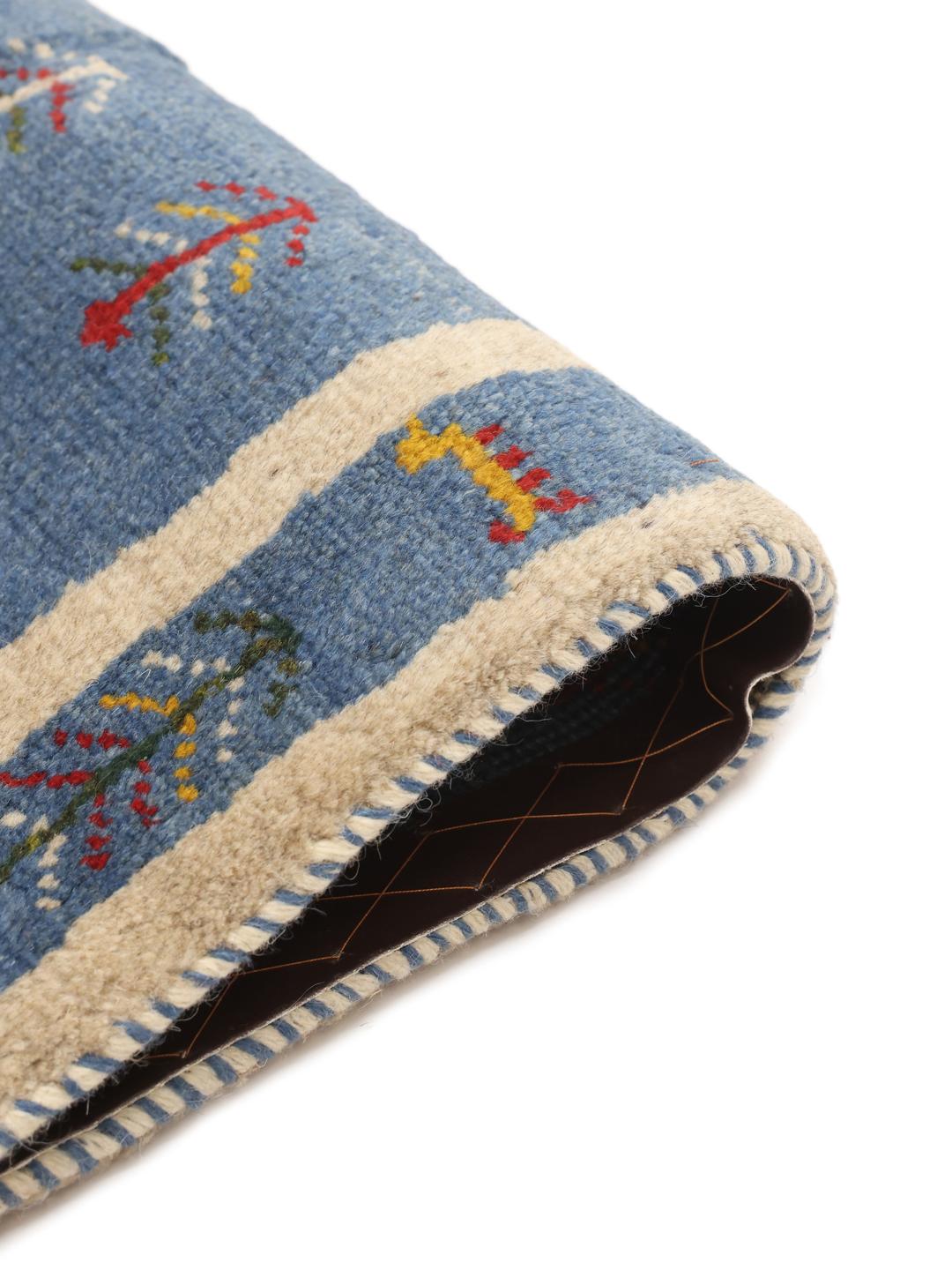
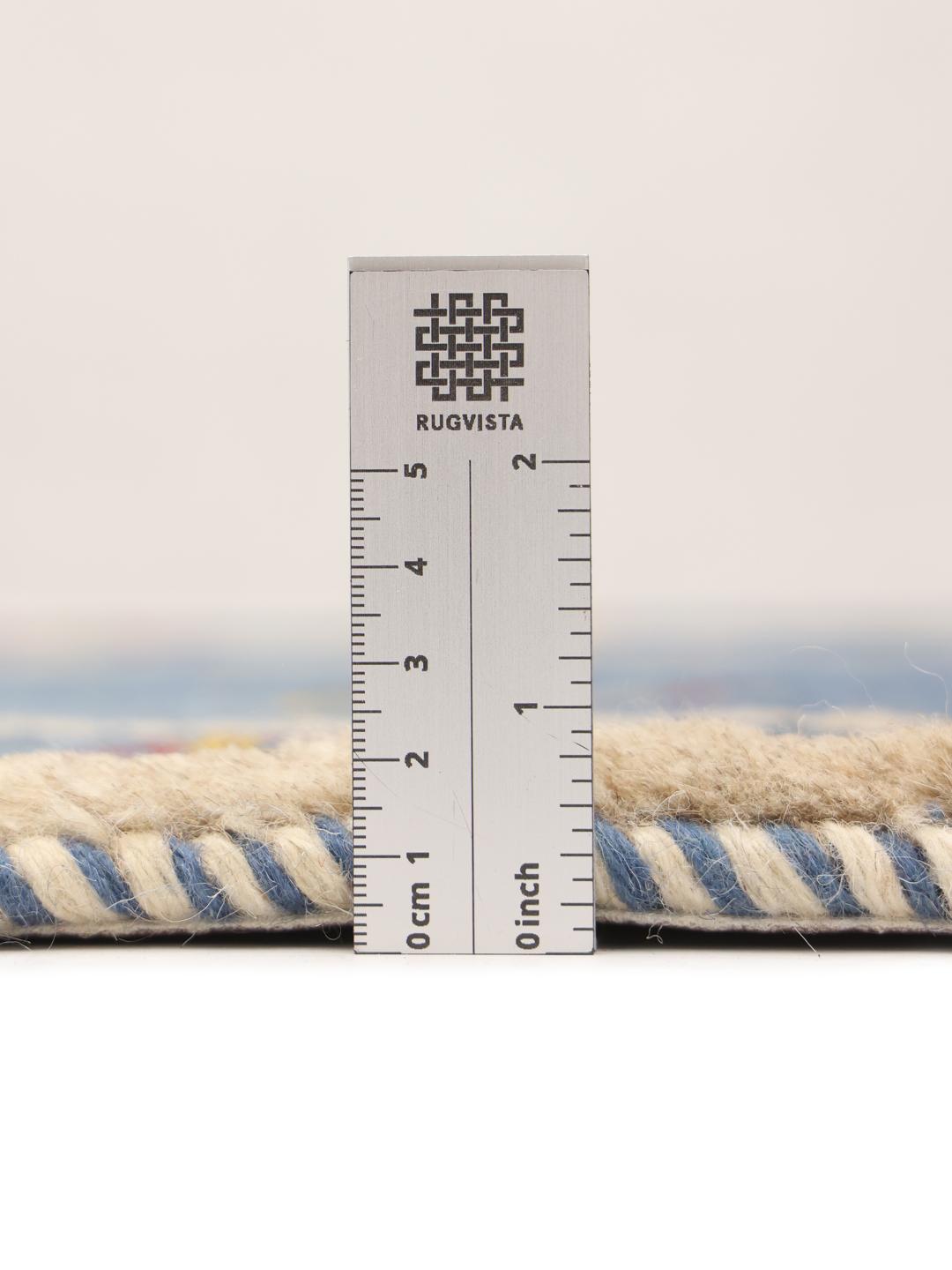
The term Shabargan refers to a specific regional style of these tribal rugs, often characterised by a more playful and spontaneous approach to design. In these pieces, the craft is defined by a simplicity that allows the natural texture of the Wool to shine. The technique focuses on creating a thick, comfortable pile that provides essential warmth in the harsh climates of the nomadic highlands.
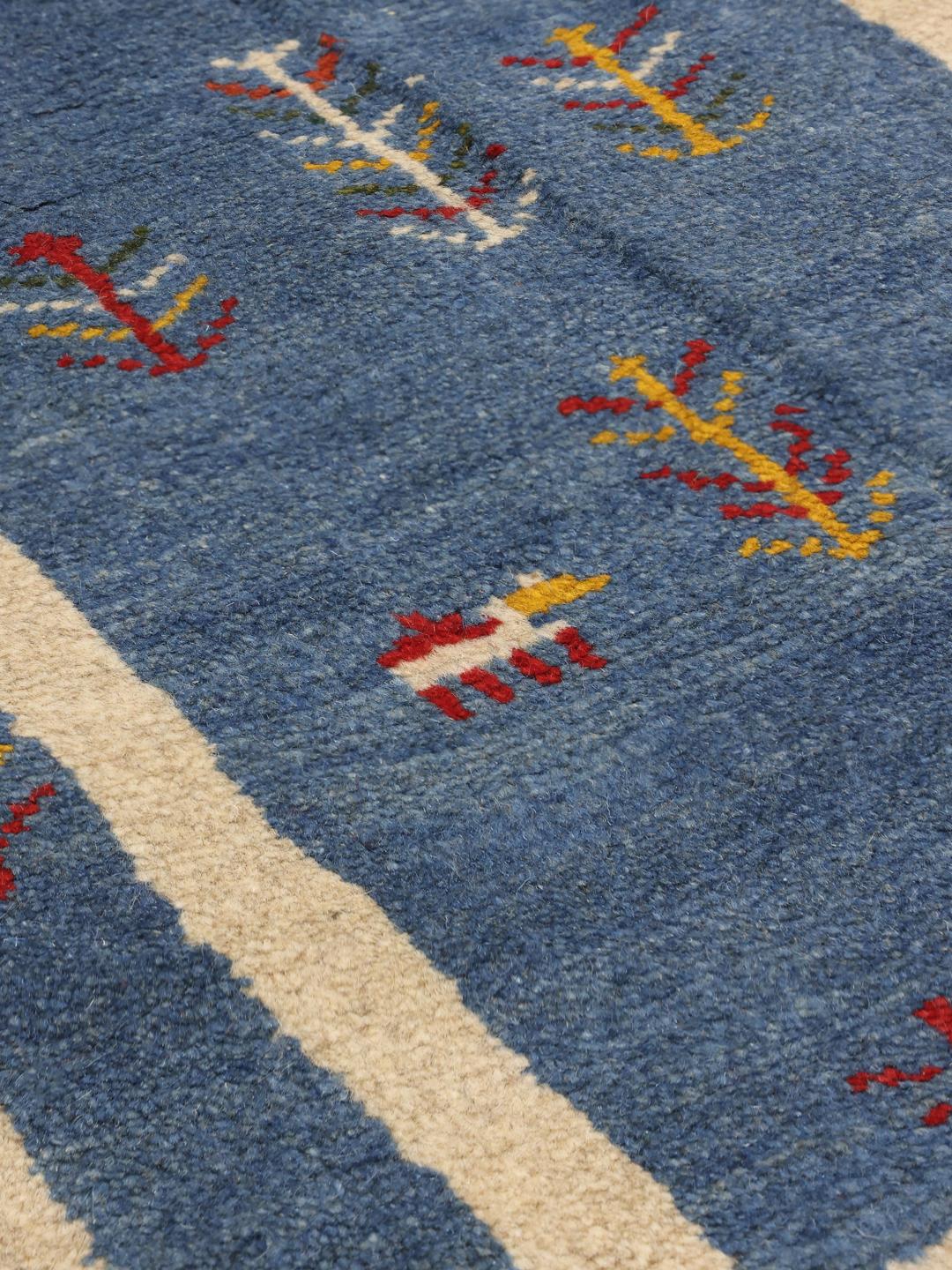
The signature design elements often include simplified, stylised motifs such as small trees, animals, and geometric shapes. These are not merely decorative but often carry symbolic meanings related to the weaver's surroundings, such as blessings for the flock or representations of the natural landscape. The use of a bold, open field allows these individual motifs to stand out with striking clarity, a hallmark of this distinctive weaving tradition.
Today, these rugs are highly valued by collectors for their raw, authentic beauty and the freedom of expression they represent. Owning a piece from this tradition is an investment in cultural heritage, offering a glimpse into a way of life that values individual skill and the storytelling power of textiles. It is a genuine, grounded piece that brings the soul of the nomadic craft directly into your home.