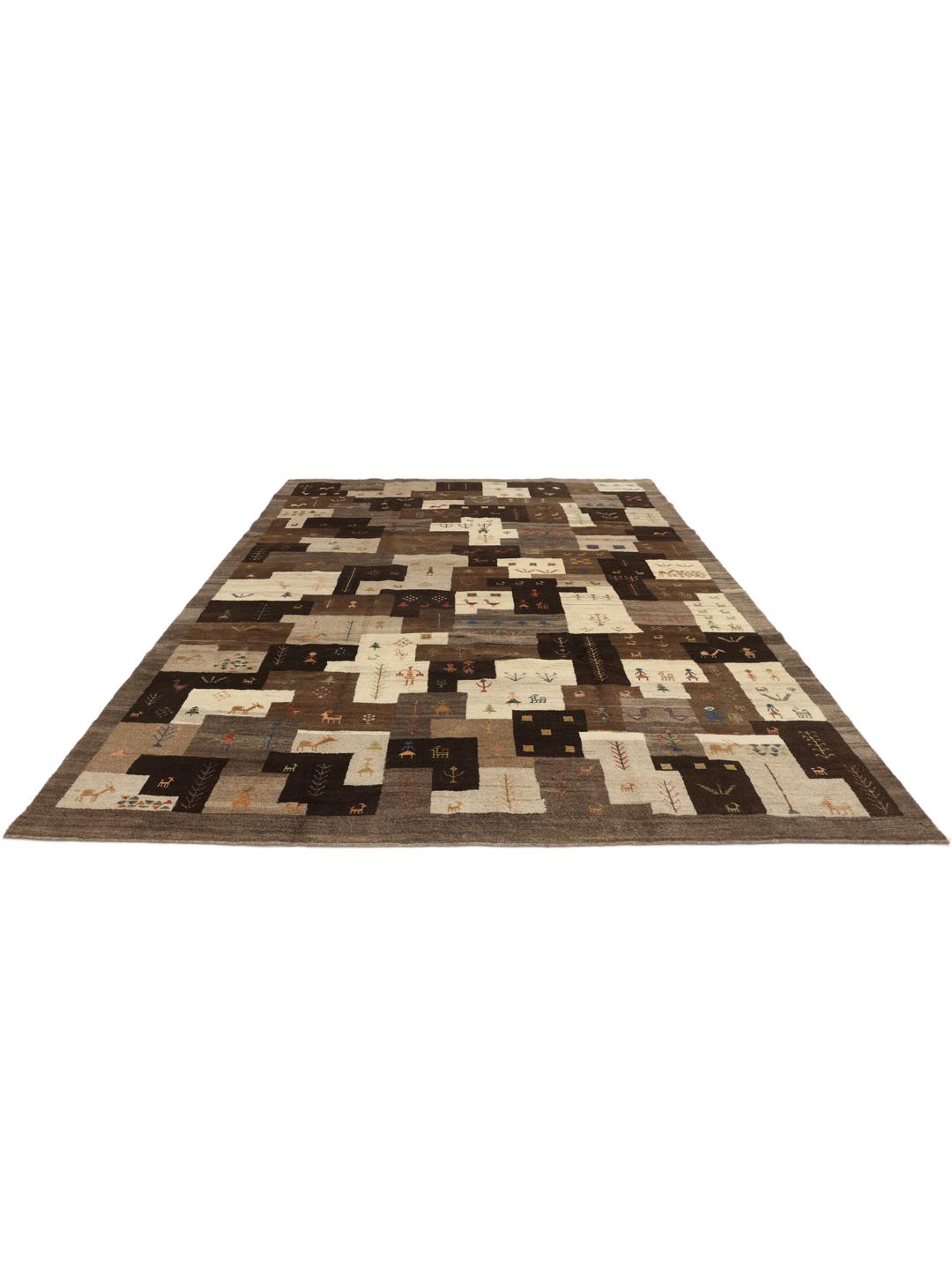
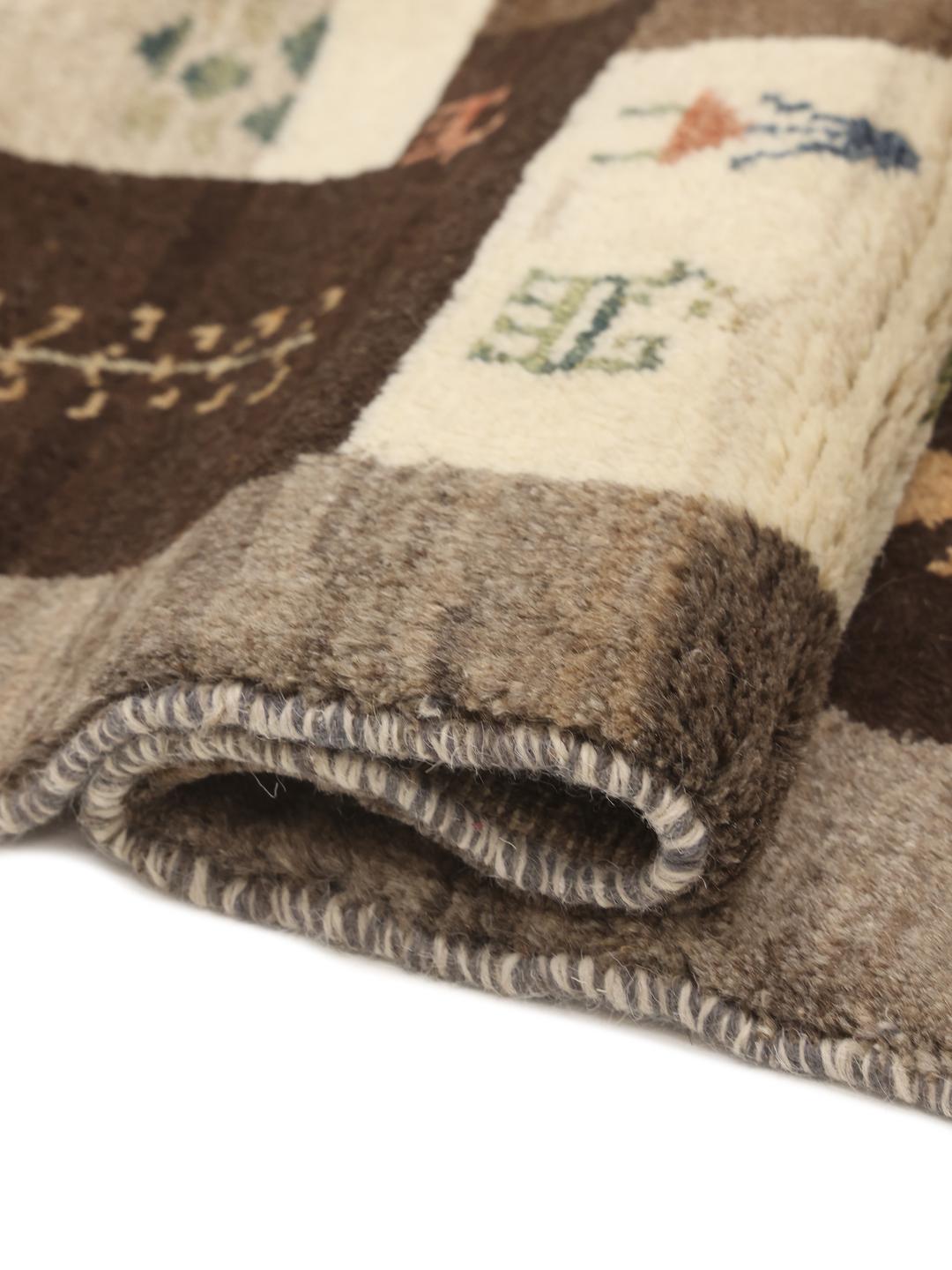
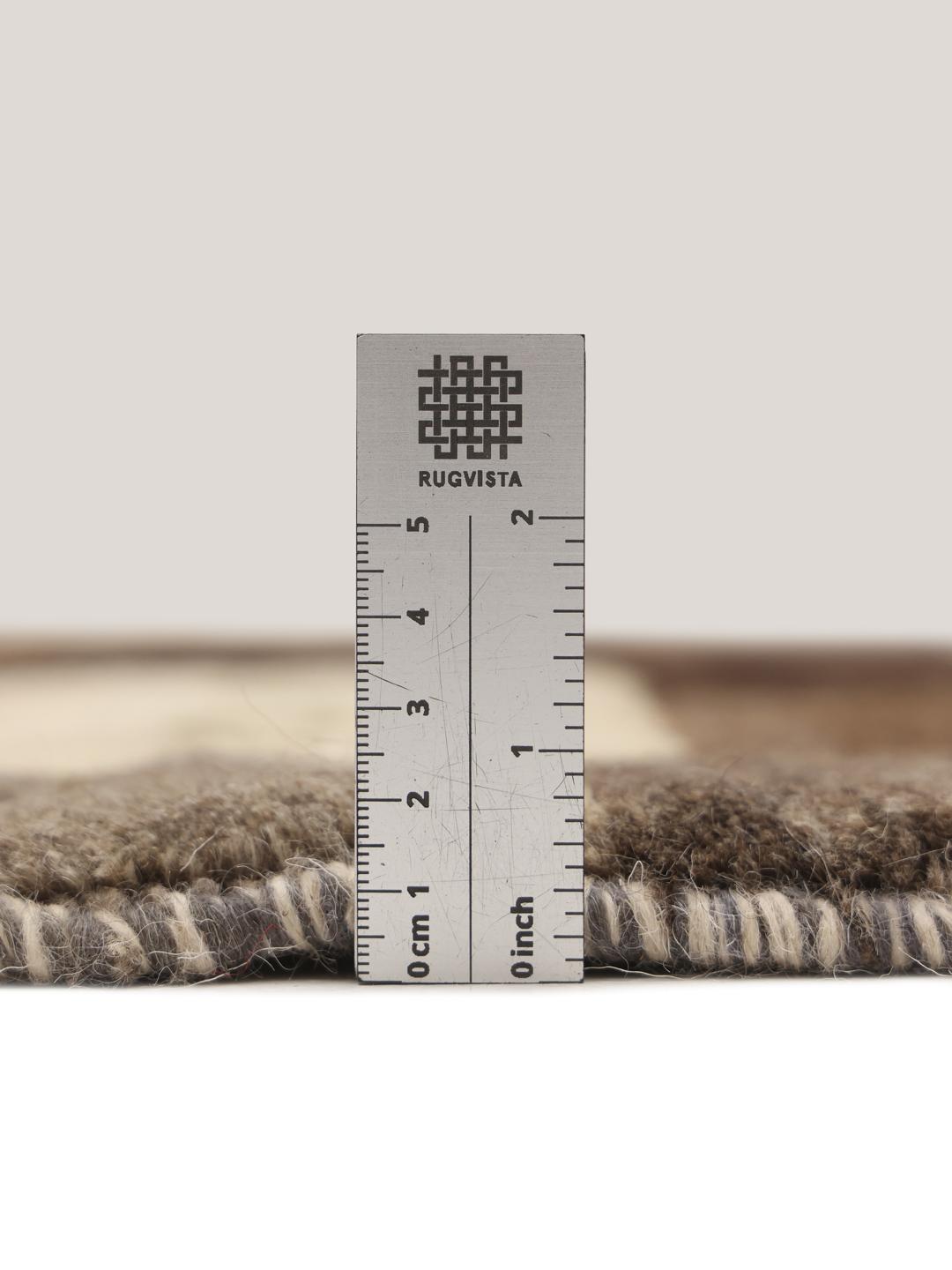
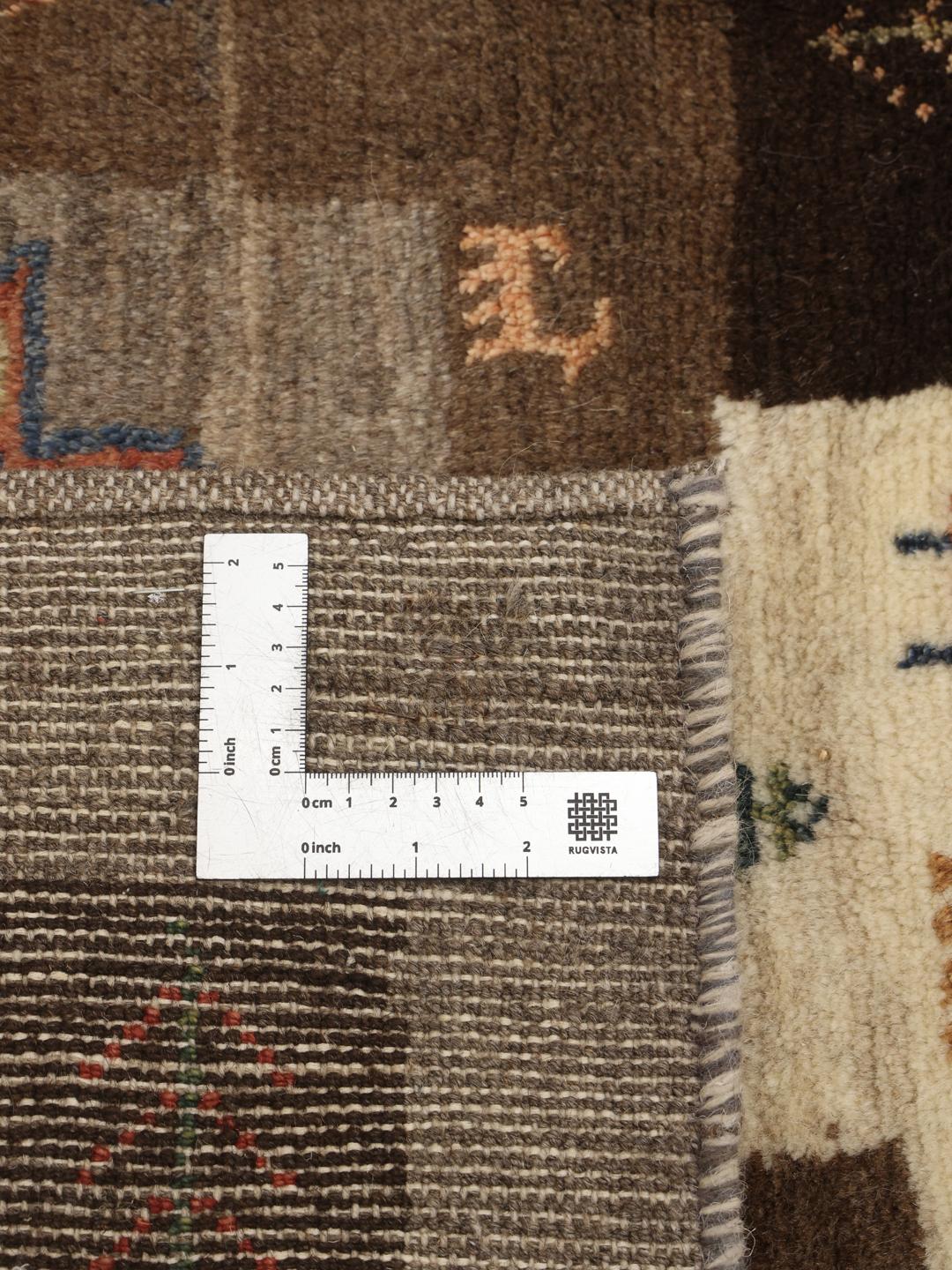
Gabbeh rugs originate from the nomadic tribes of the Middle East, primarily the Qashqai and Lori peoples. Traditionally, these rugs were woven for personal use rather than for trade, intended to provide warmth and comfort in the harsh, shifting climate of the high plateaus. This utilitarian origin is why they are celebrated for their thick, plush pile and their bold, uninhibited designs.
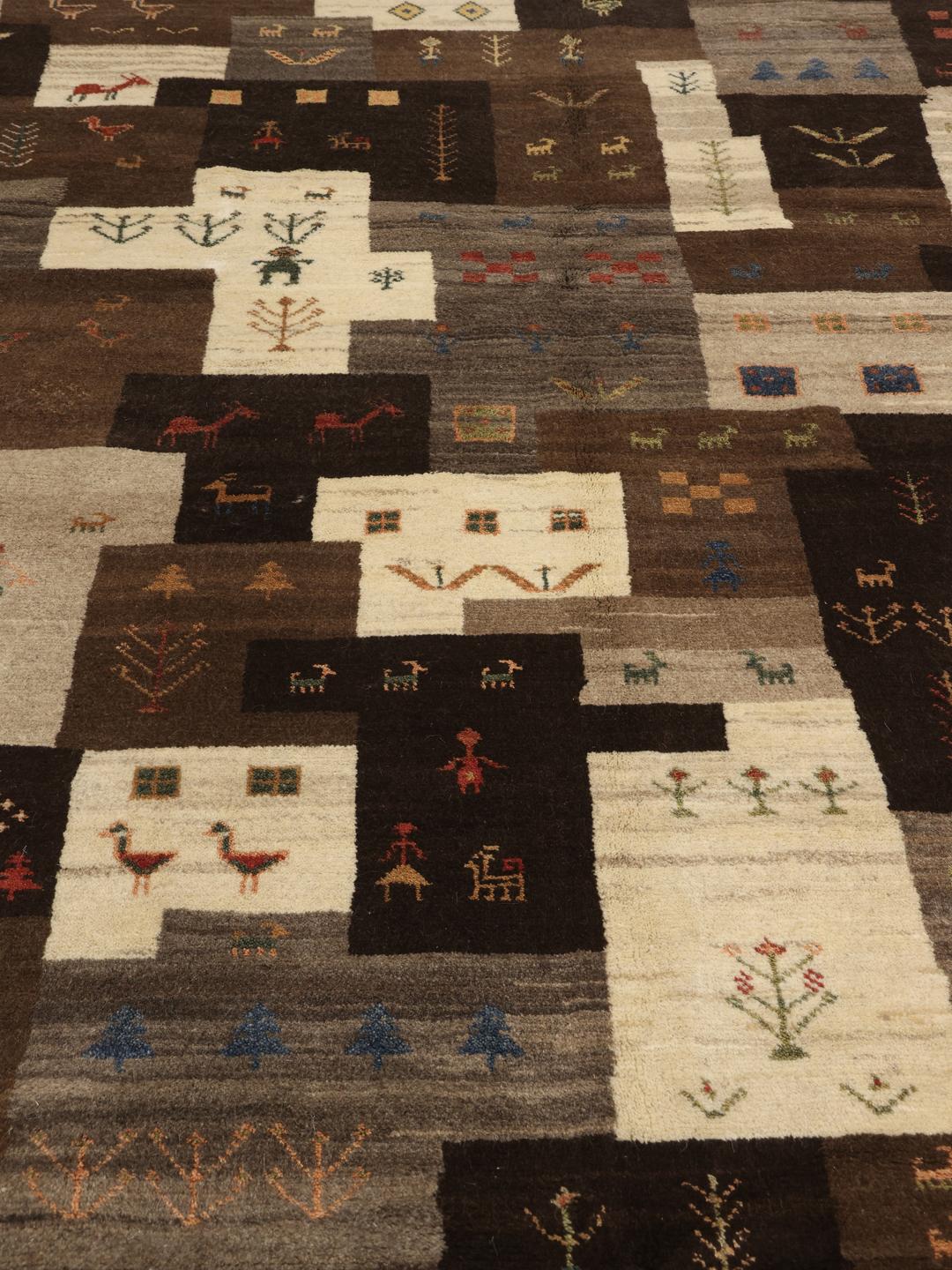
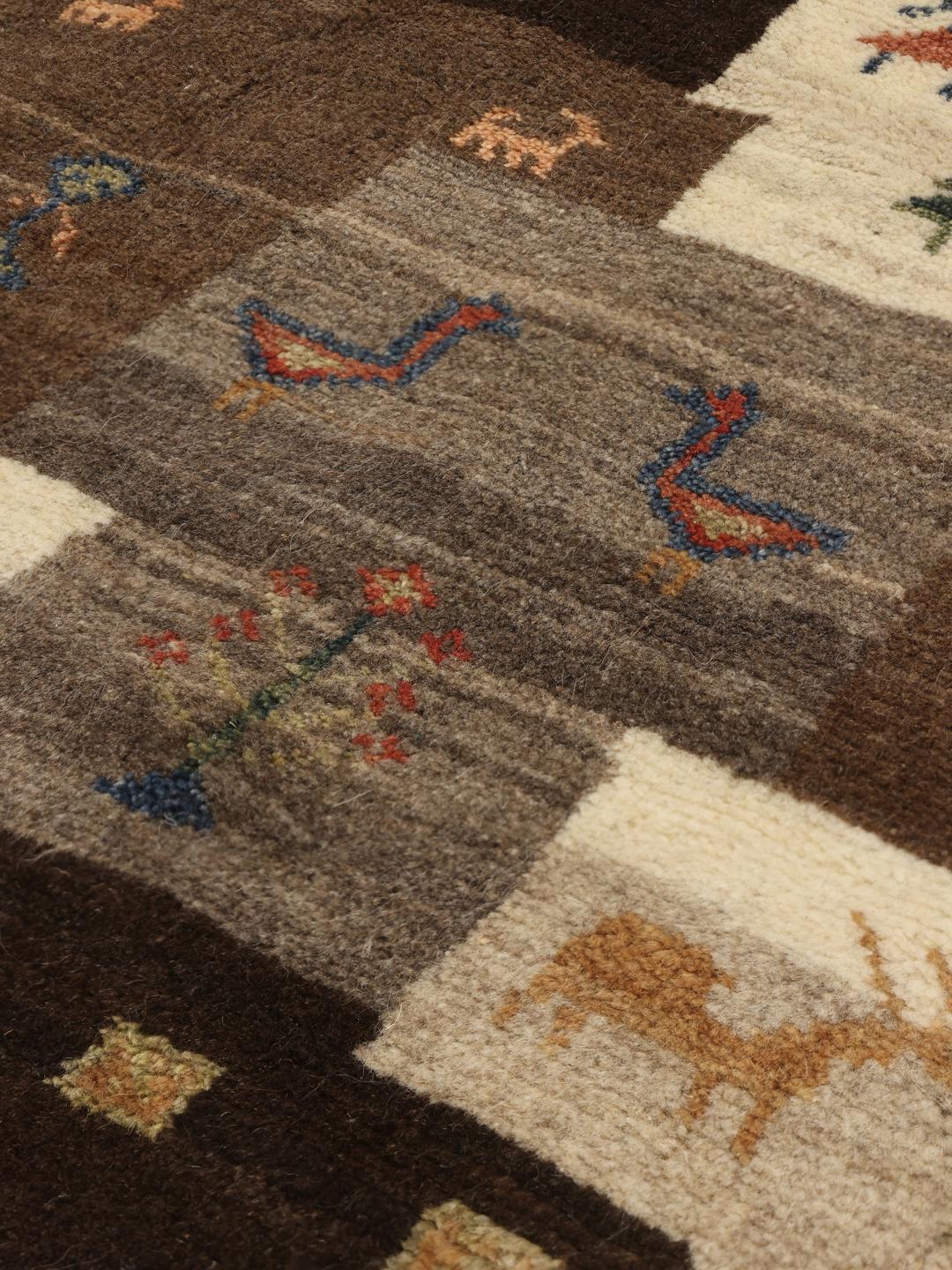
The term Gabbeh itself refers to a 'natural' or 'raw' aesthetic. Unlike more formal urban rugs that follow rigid, symmetrical patterns, the Gabbeh is known for its improvisational spirit. The weavers often draw inspiration from their immediate surroundings, depicting the flora and fauna of the landscape in a simplified, almost abstract style that feels both ancient and remarkably modern.
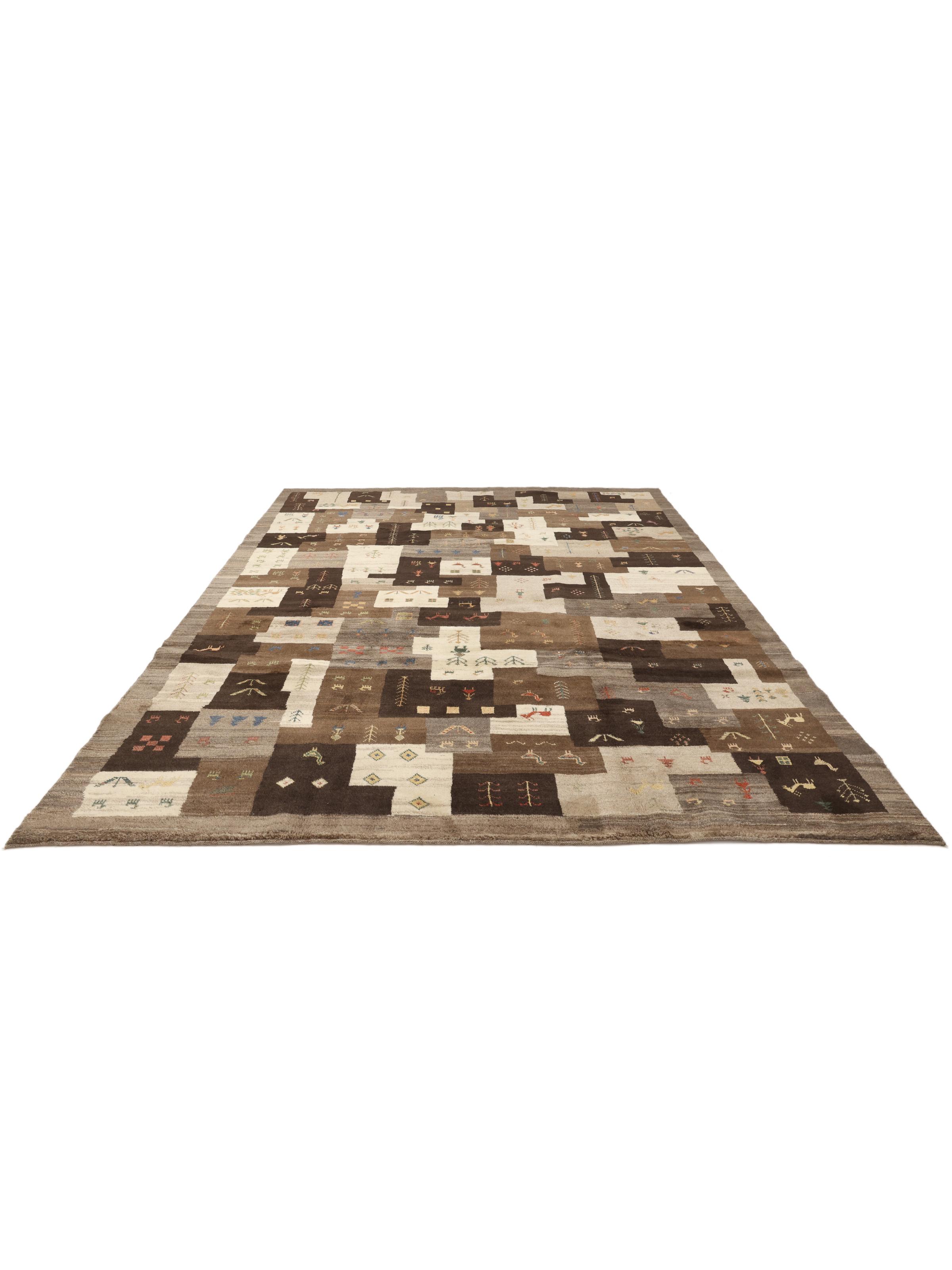
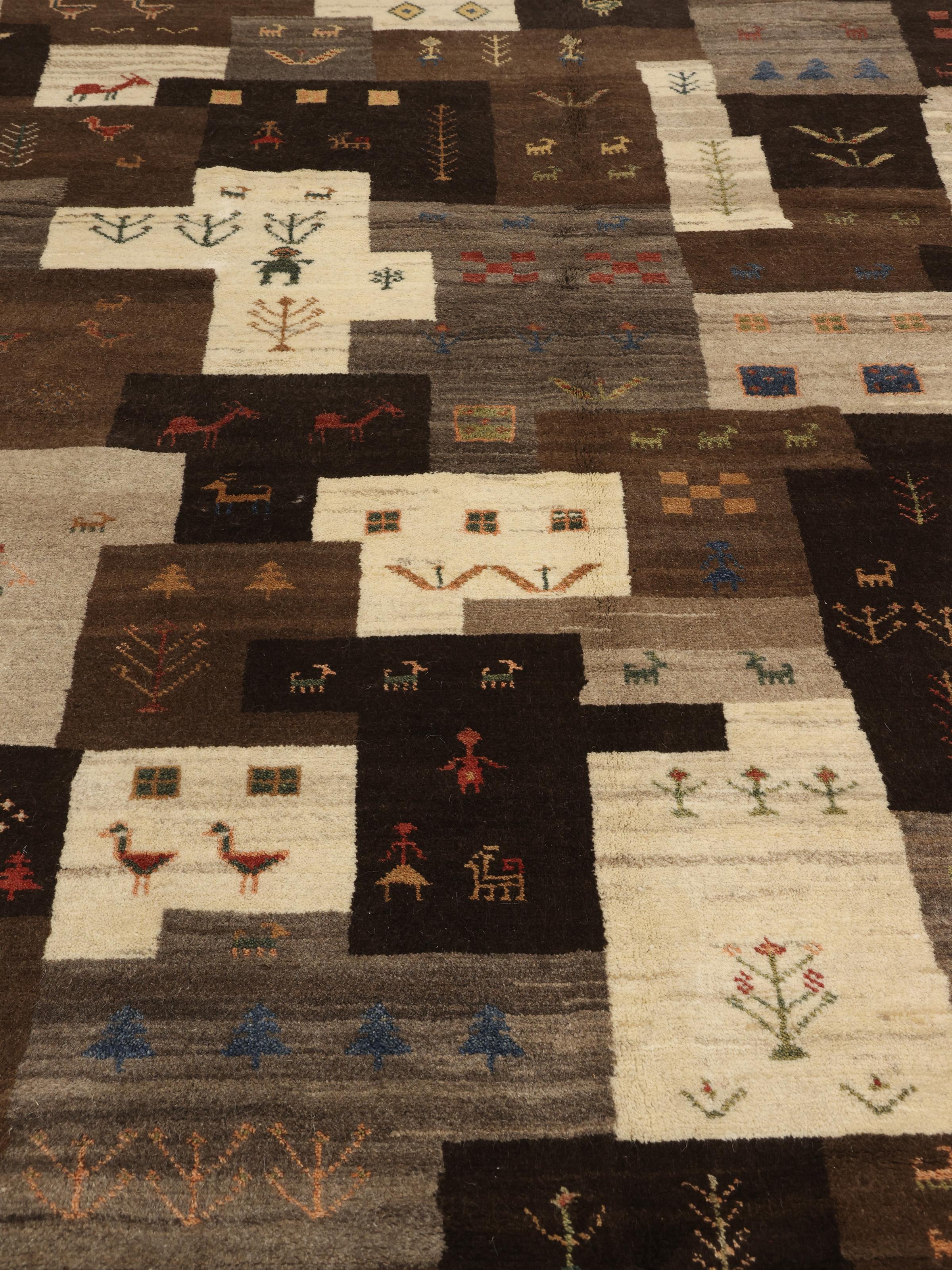
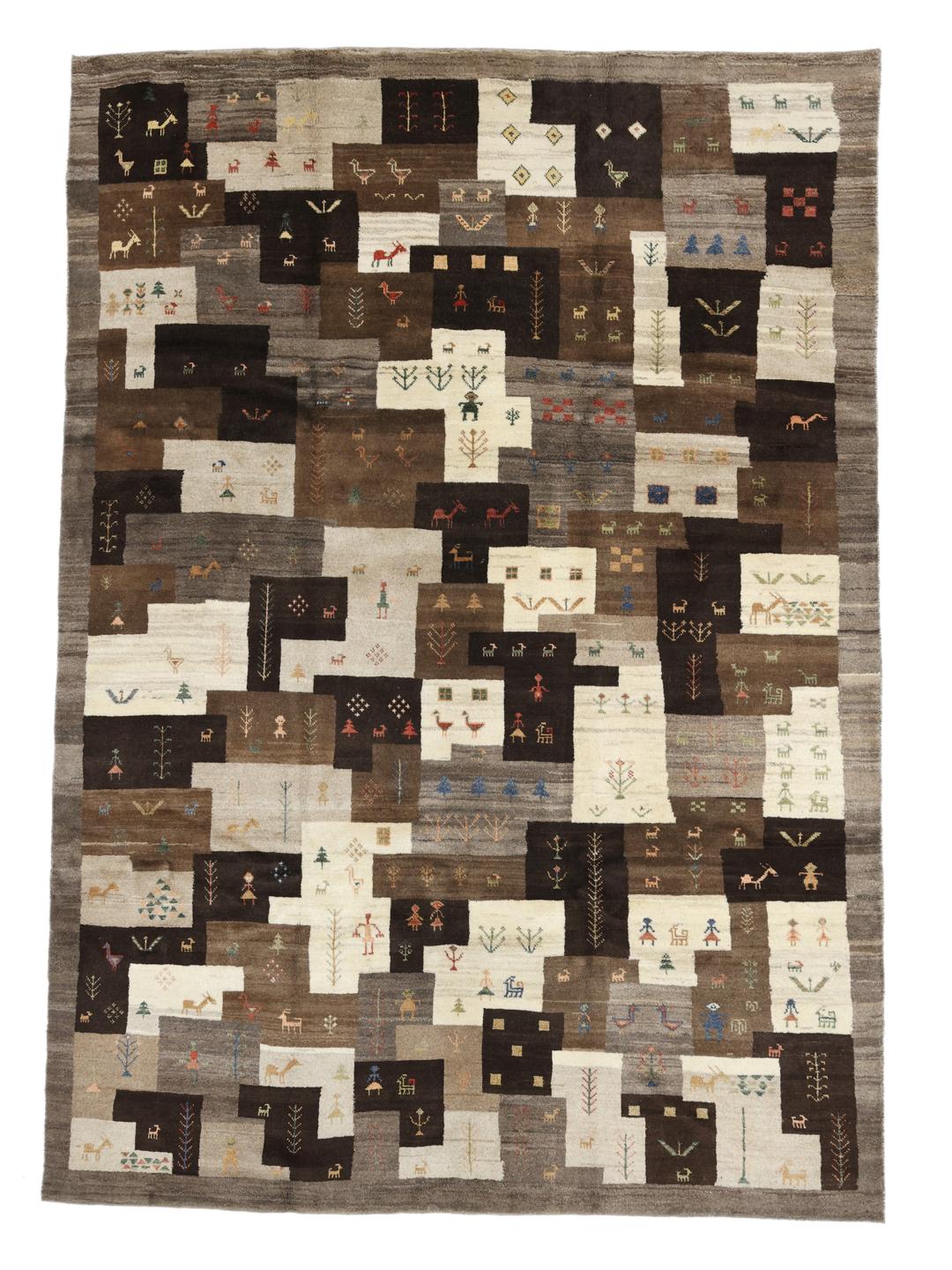
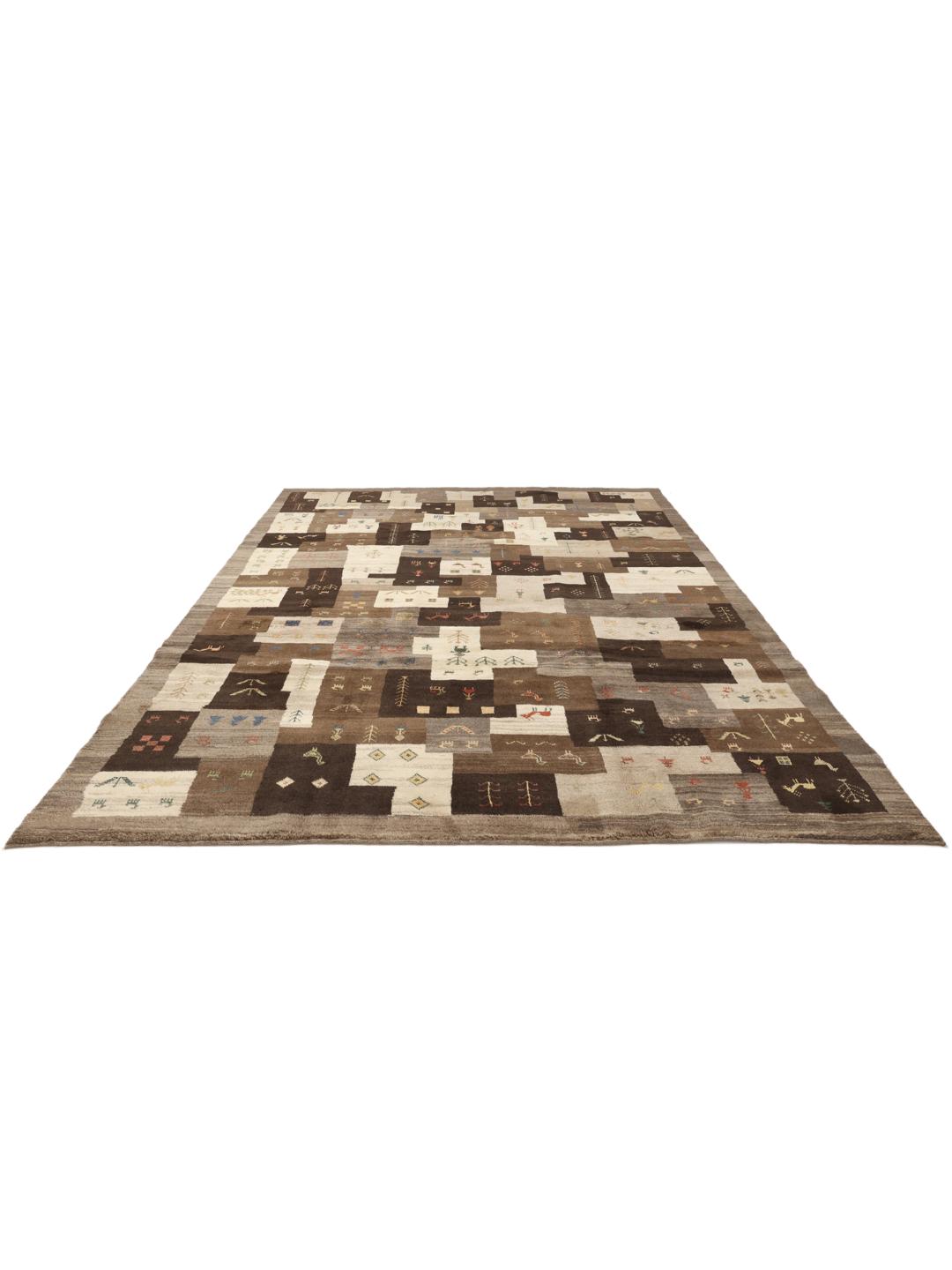
Visually, these rugs are defined by their wide, open fields and the use of natural, hand-spun wool dyed with vibrant, often earthy pigments. The motifs are small and scattered, ranging from geometric shapes to symbolic representations of everyday objects or animals. This specific piece reflects the tradition of the Shabargan style, which often features a more complex, patchwork-like arrangement of these iconic, simplified motifs.
Today, these rugs are highly sought after by collectors who appreciate their artistic freedom and the tangible human connection they provide. Owning a Gabbeh is not just about floor coverage; it is about embracing a piece of nomadic heritage. Each rug serves as a window into the weaver's world, capturing a moment of life in the mountains, preserved in wool for future generations to enjoy.