Gabbeh rugs are a celebrated tradition originating from the nomadic tribes of the Middle East. Historically, these rugs were woven by tribal women primarily for personal use, serving as thick, protective floor coverings in nomadic tents. Unlike more formal urban carpets, the Gabbeh was designed for comfort and utility, reflecting the raw, honest lifestyle of the weavers.
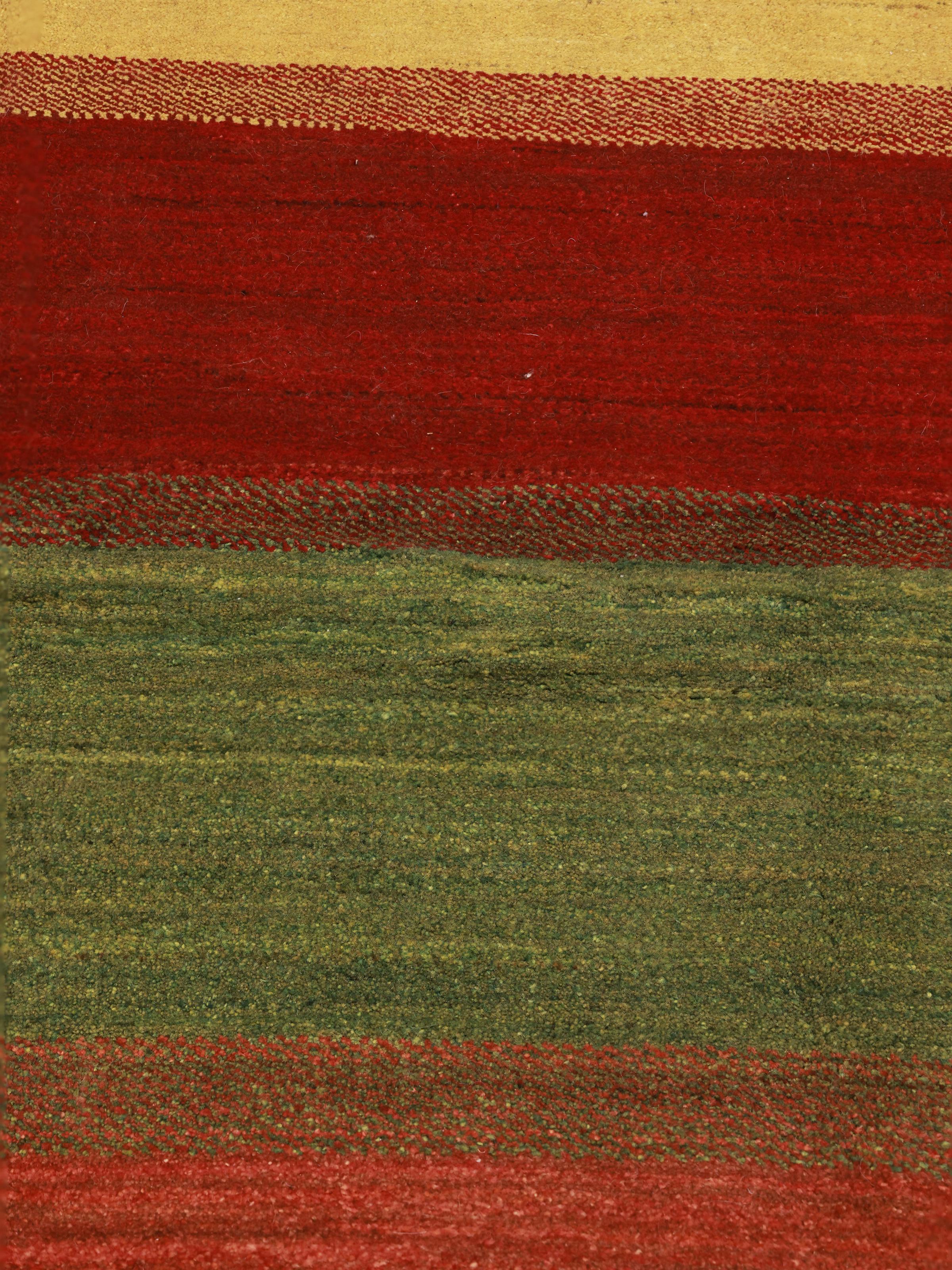
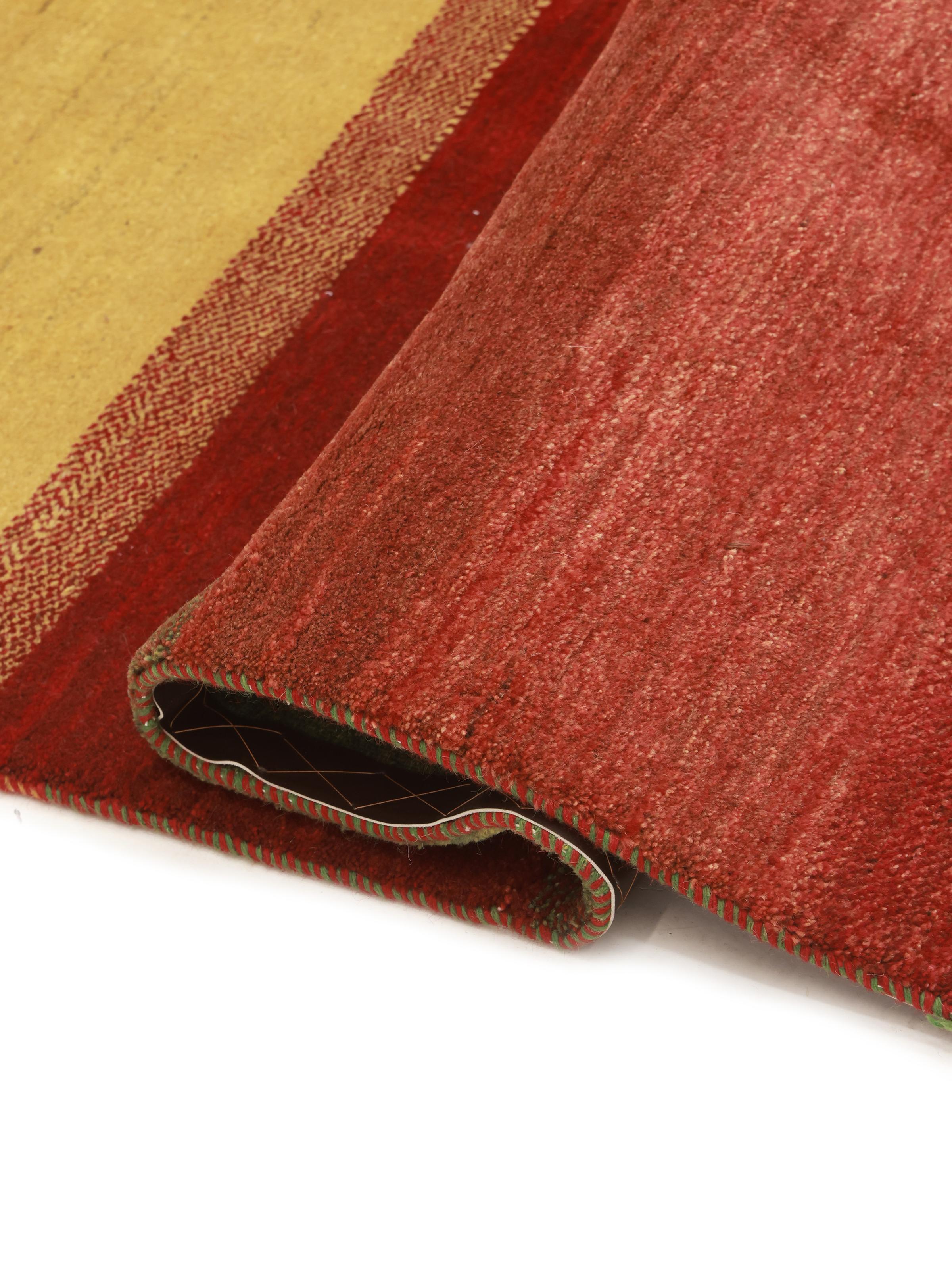
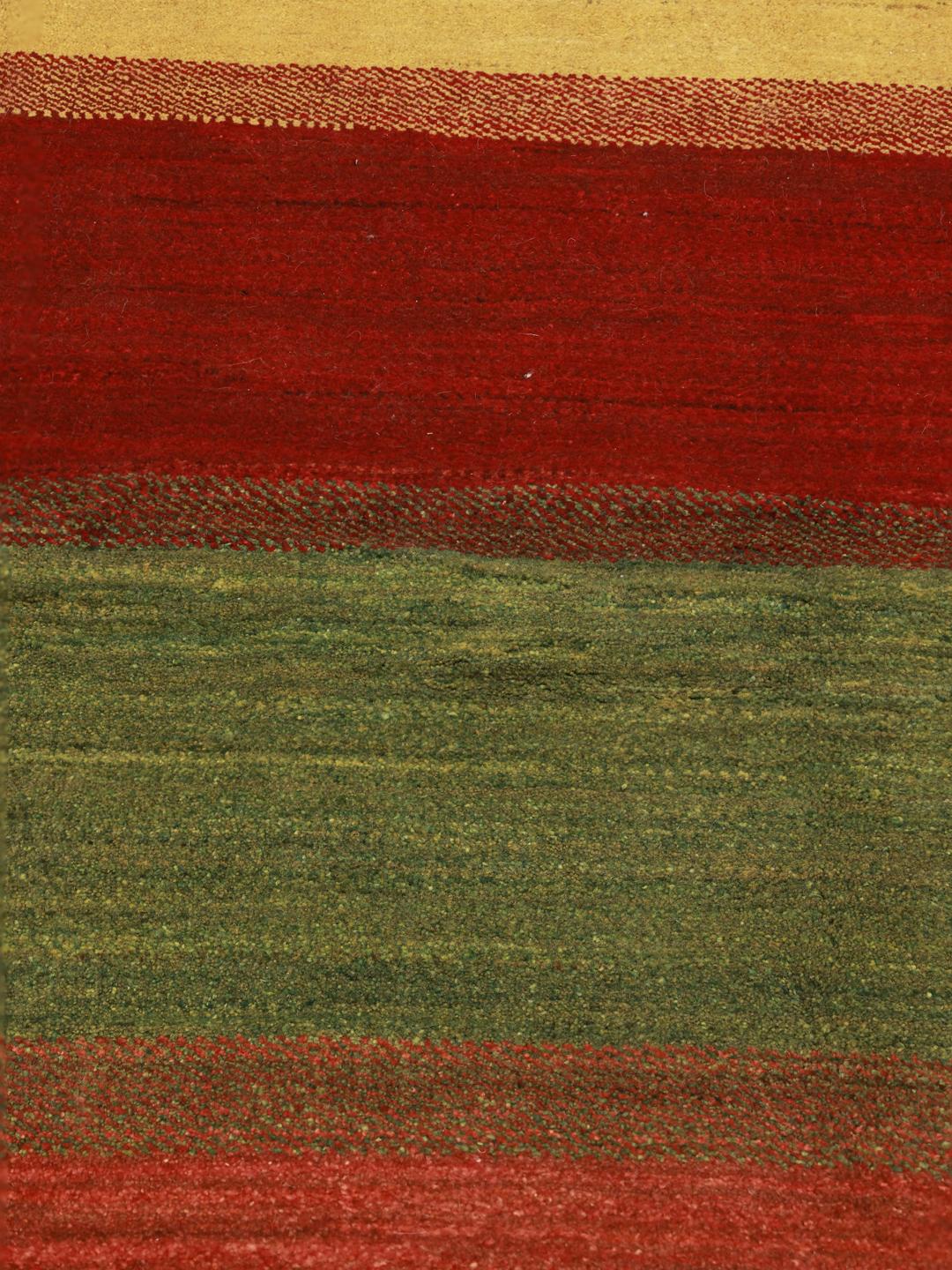
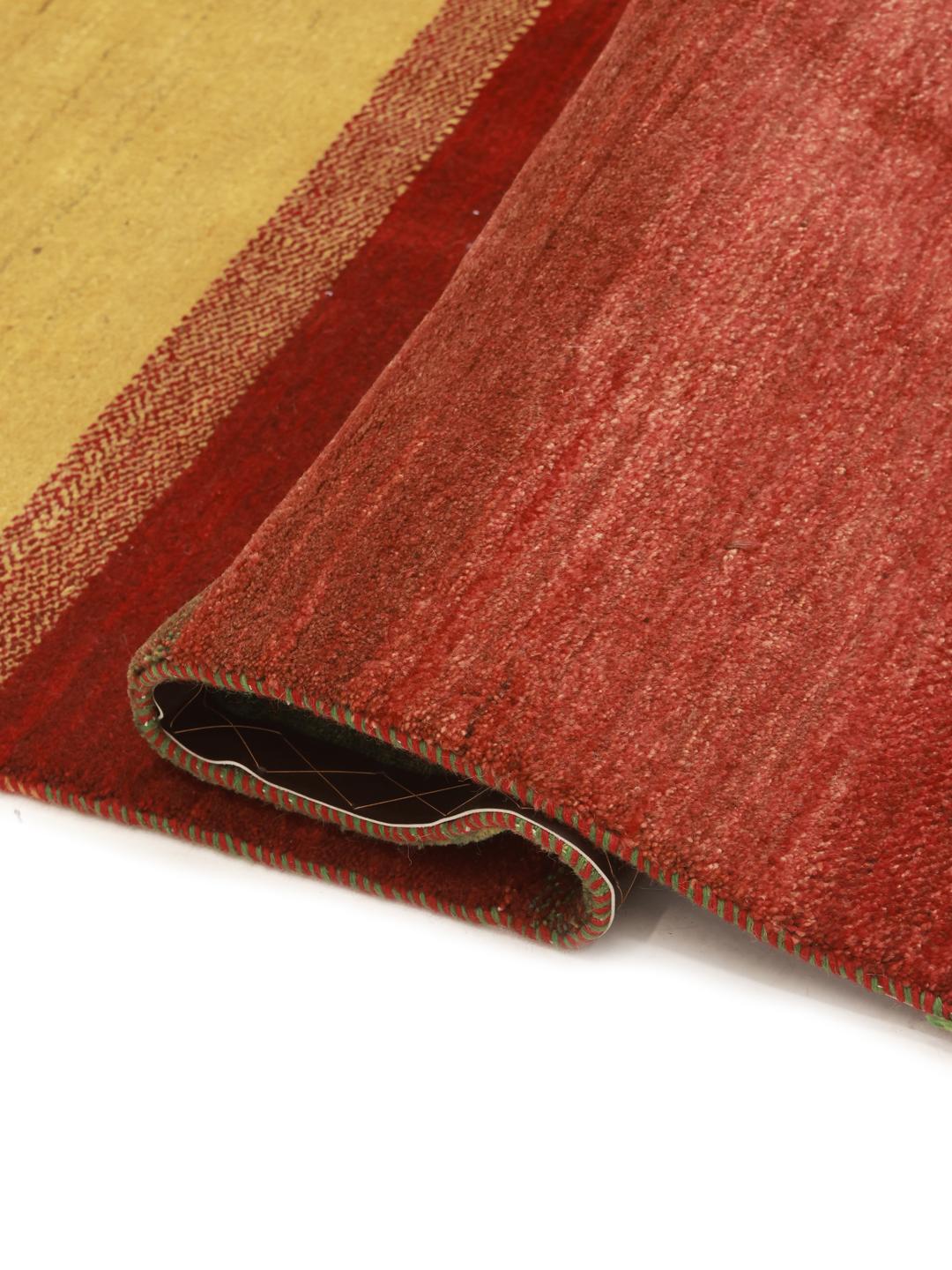
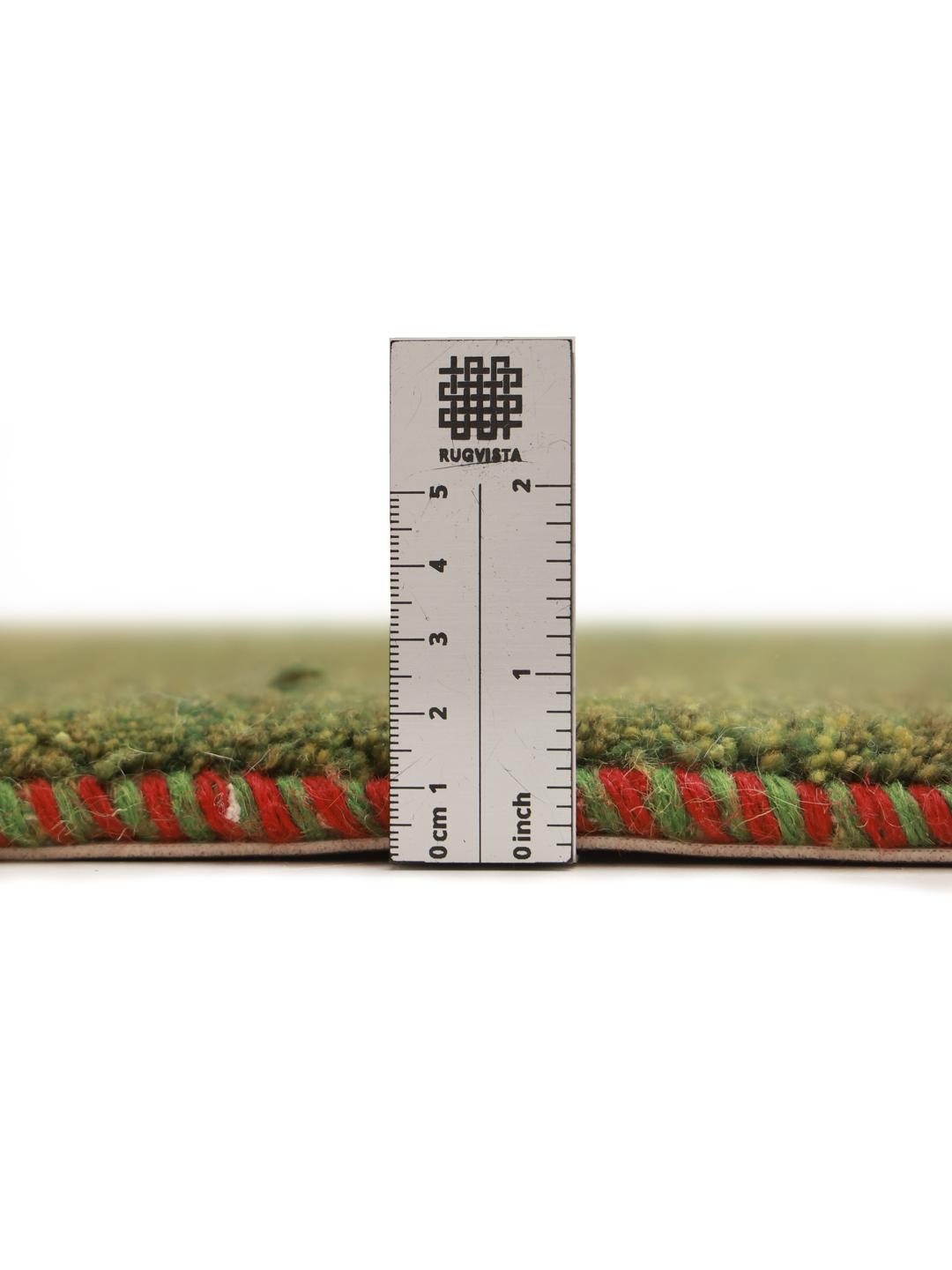
The term Gabbeh essentially means raw, natural, or unclipped, which speaks to the rug's long, thick pile. This construction is a hallmark of the style, prioritising softness and insulation. The technical skill involved in achieving such a dense pile without sacrificing the rug's flexibility is a significant aspect of what makes these pieces so highly regarded by collectors today.
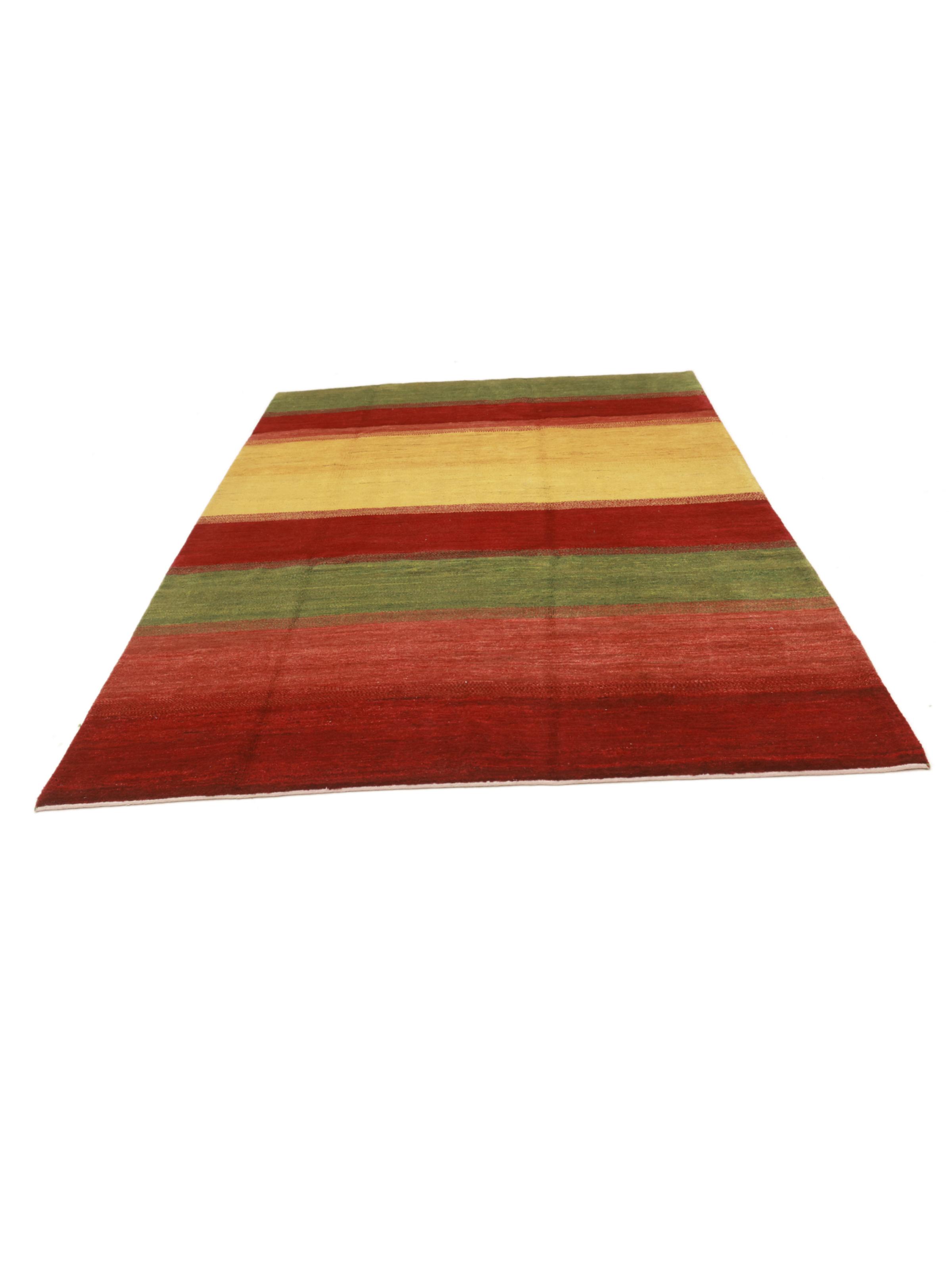
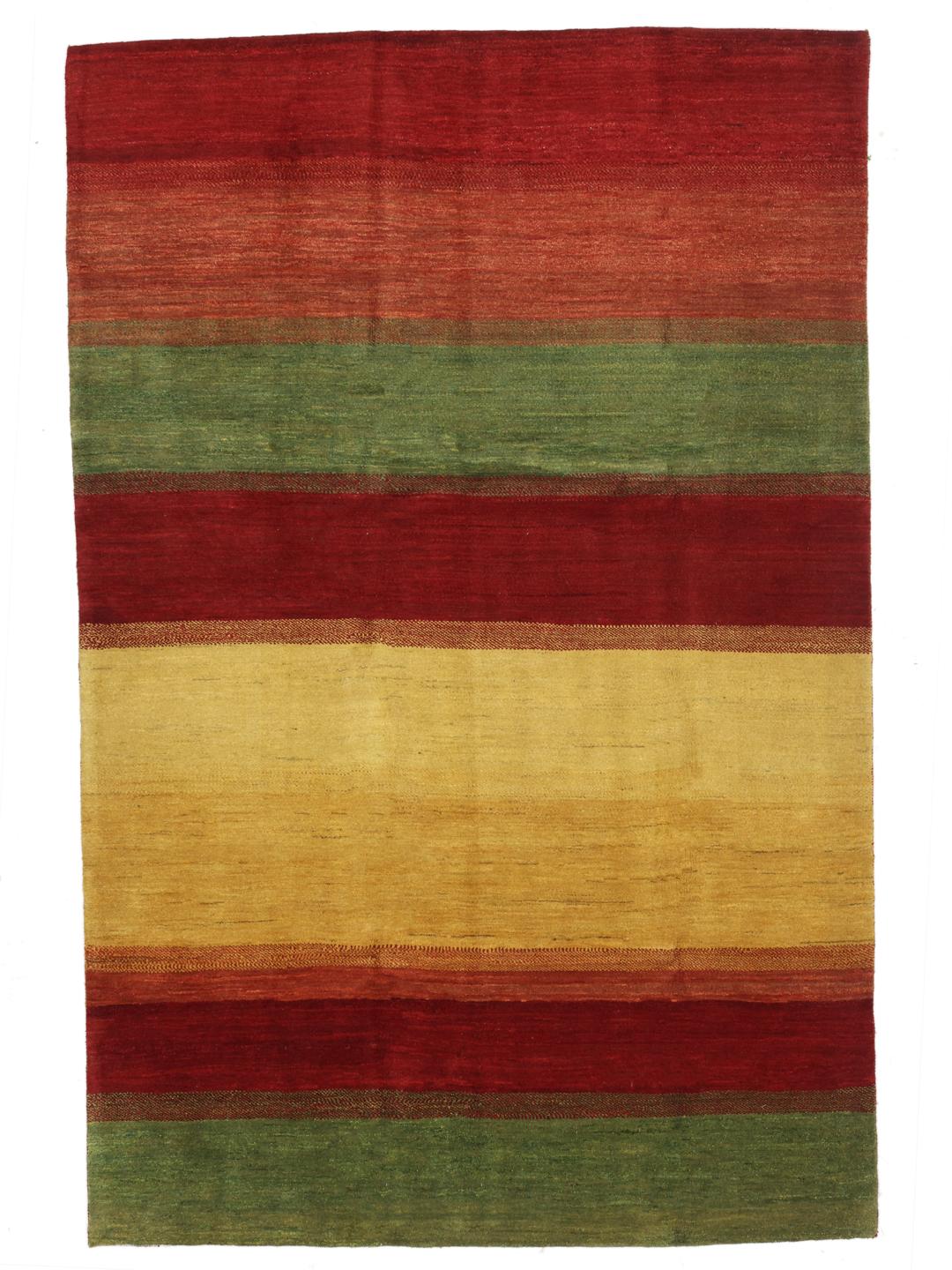
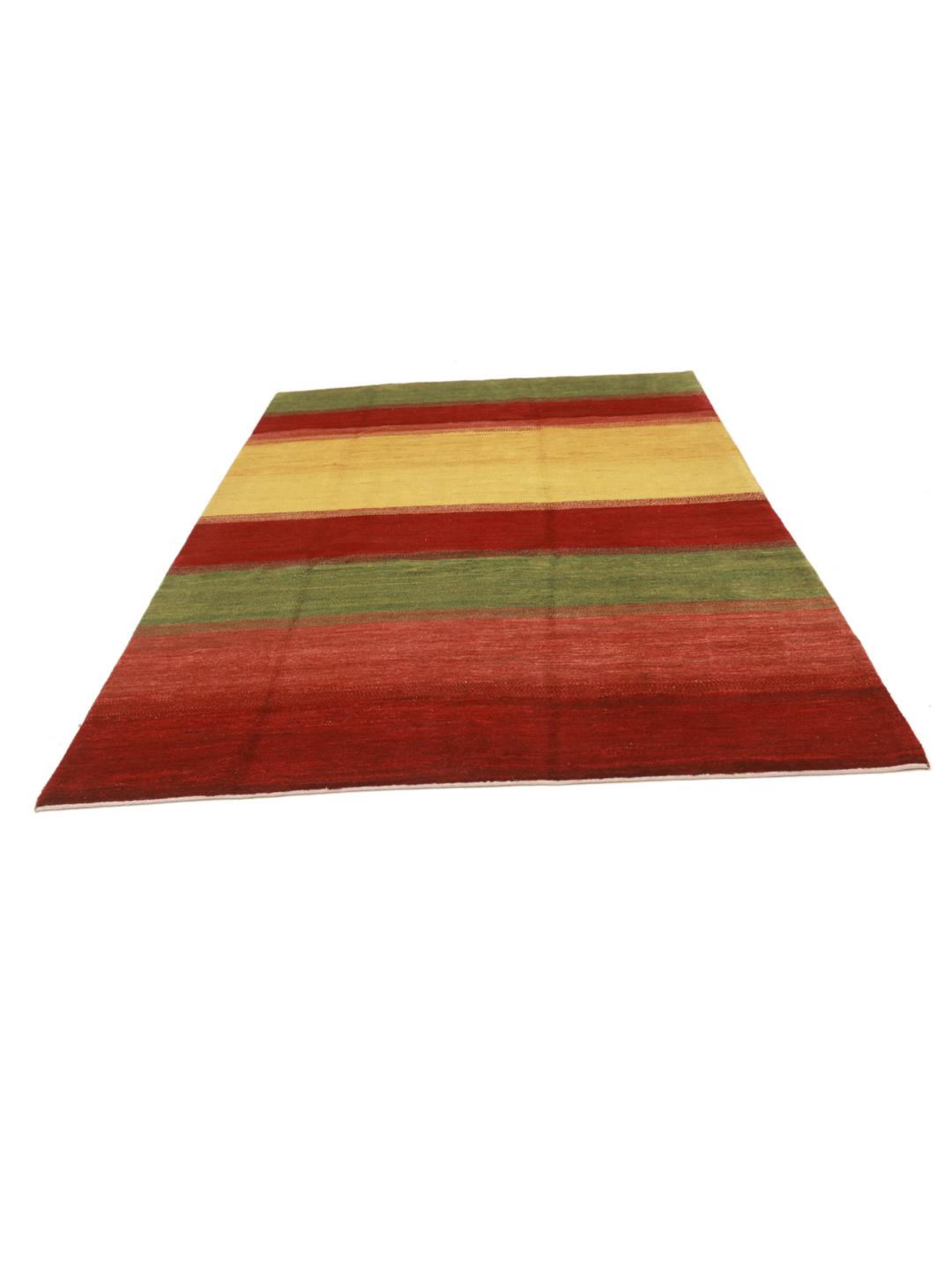
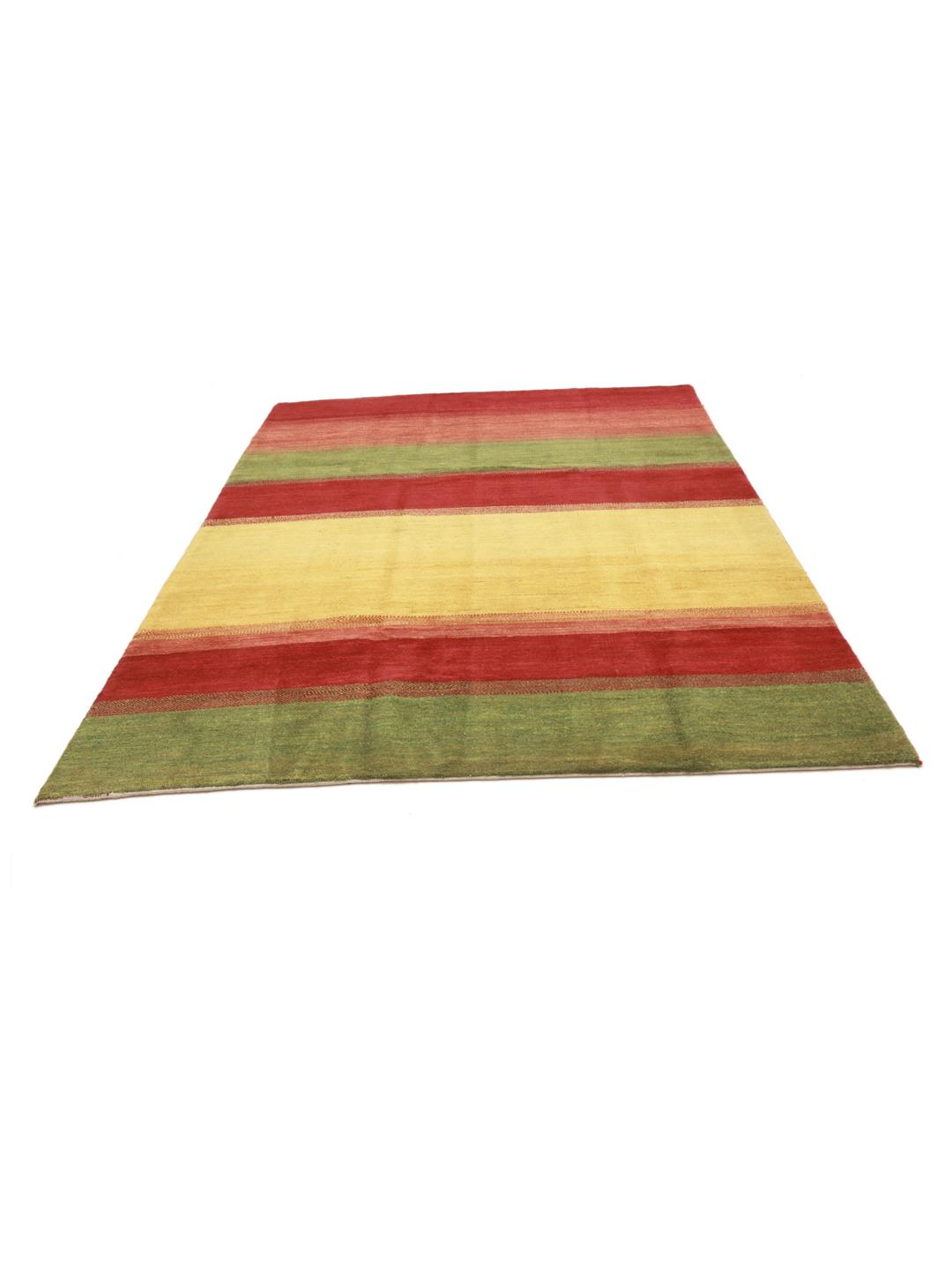
Visually, traditional Gabbeh rugs are known for their minimalist, artistic approach, often featuring large fields of solid colour or bold, geometric patterns inspired by the weaver's environment. While modern interpretations often incorporate stripes or subtle shifts in tone, the core of the design remains rooted in a spontaneous, creative expression that shuns rigid, pre-planned charts in favour of individual intuition.
Today, these rugs are collected for their cultural weight and the undeniable human touch they bring to a home. Owning a Gabbeh is not just about acquiring a floor covering; it is about connecting with a lineage of craftsmanship that values individuality and the beauty of natural materials. Each piece stands as a testament to the skill of the weaver and the enduring appeal of traditional, hand-crafted textiles.