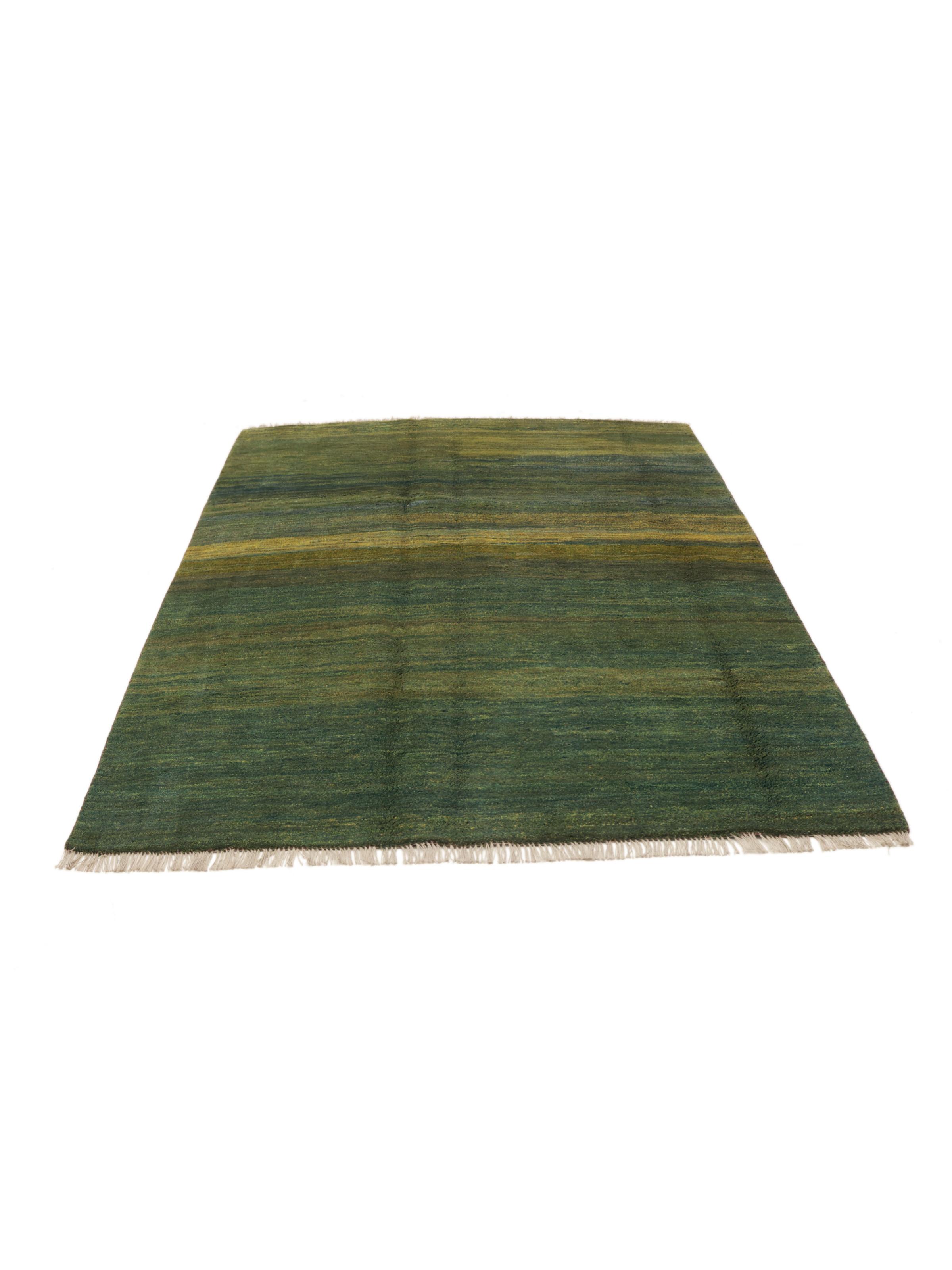
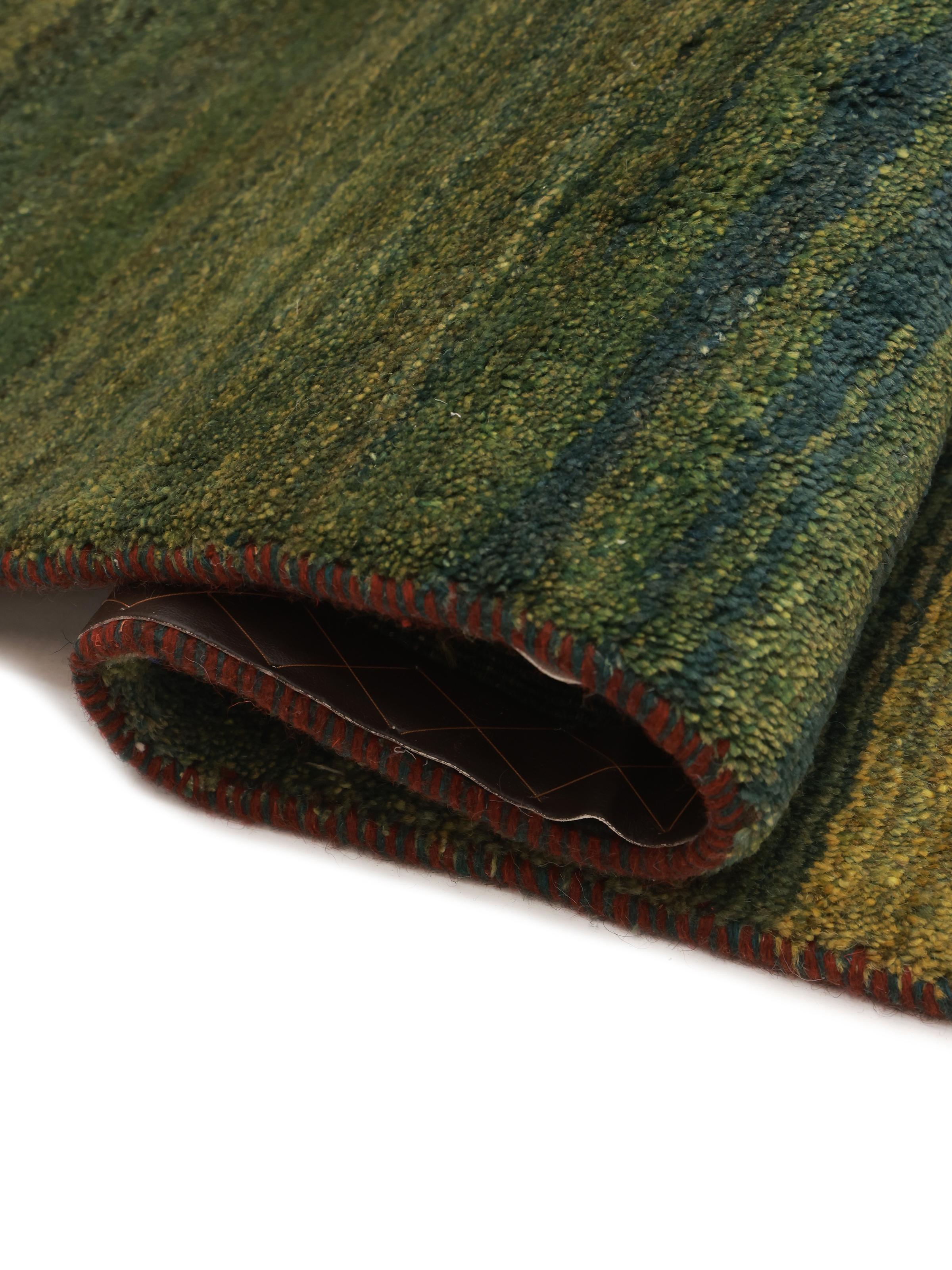
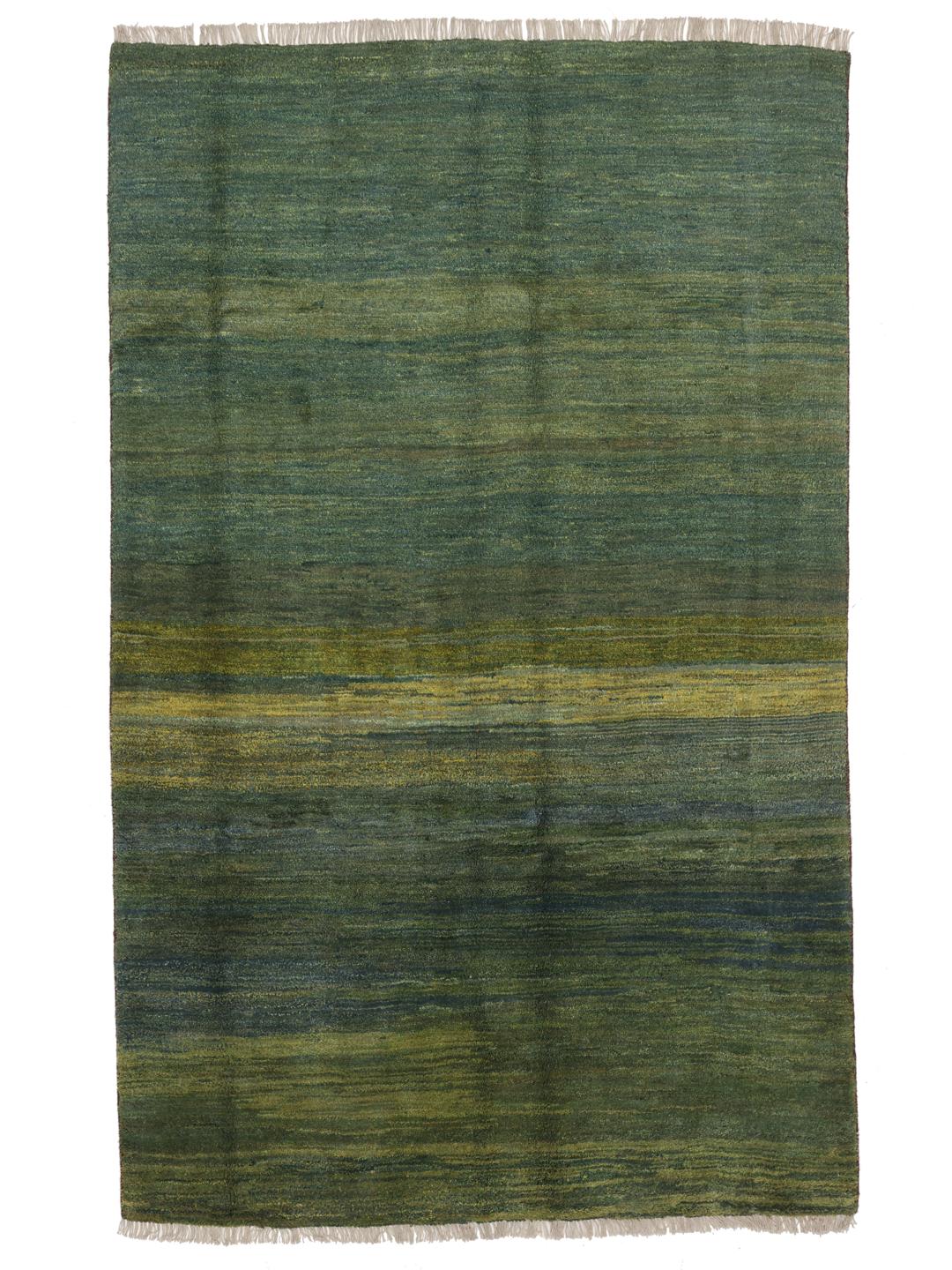
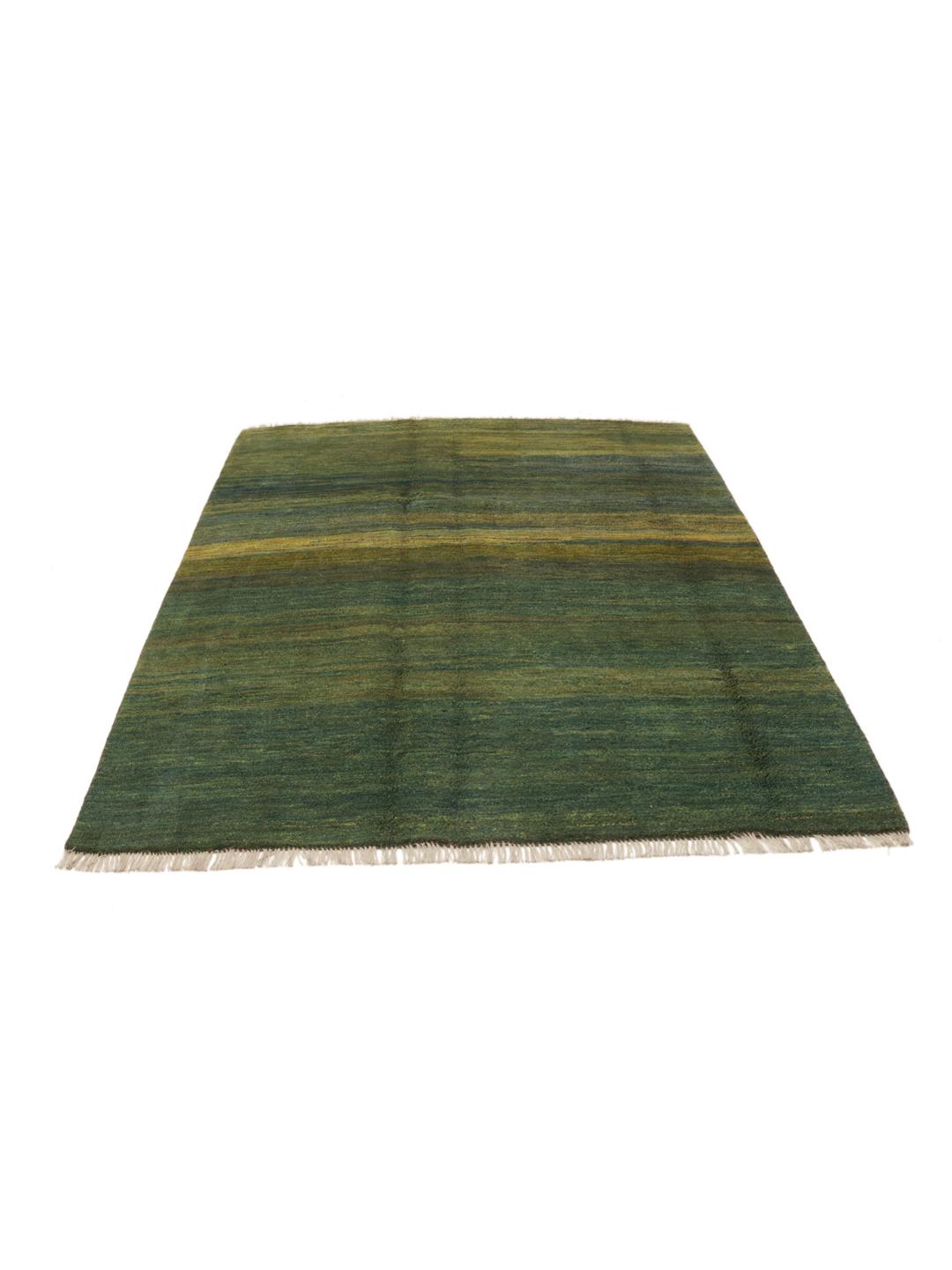
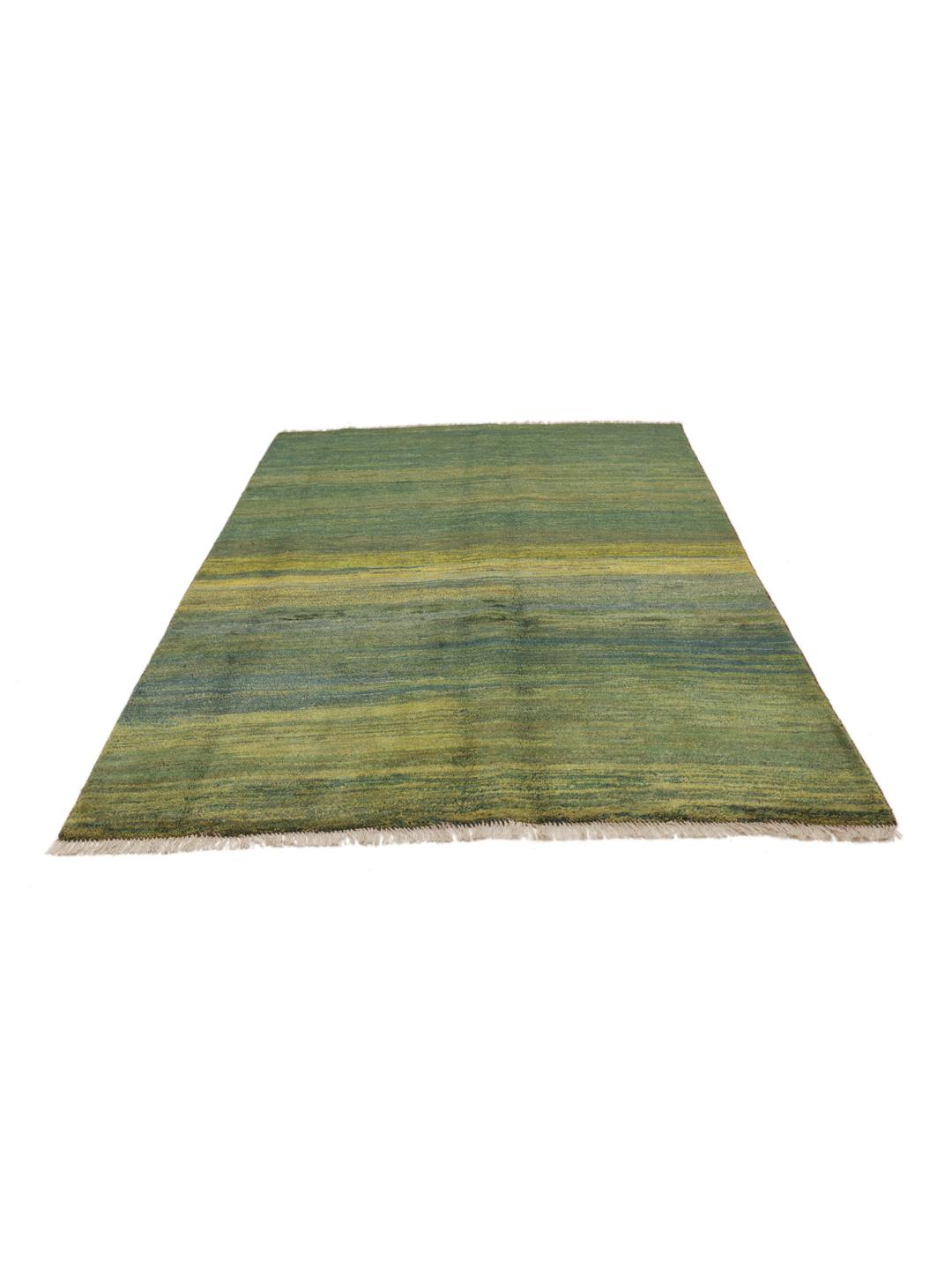
Gabbeh rugs originate from the nomadic tribes of the Middle East, where they were traditionally woven for practical, everyday use. Unlike more formal, city-made rugs, these pieces were designed with a focus on simplicity and personal expression. They served as warm sleeping mats and floor coverings within the tents of nomadic families, reflecting the rugged yet beautiful landscapes of their homelands.
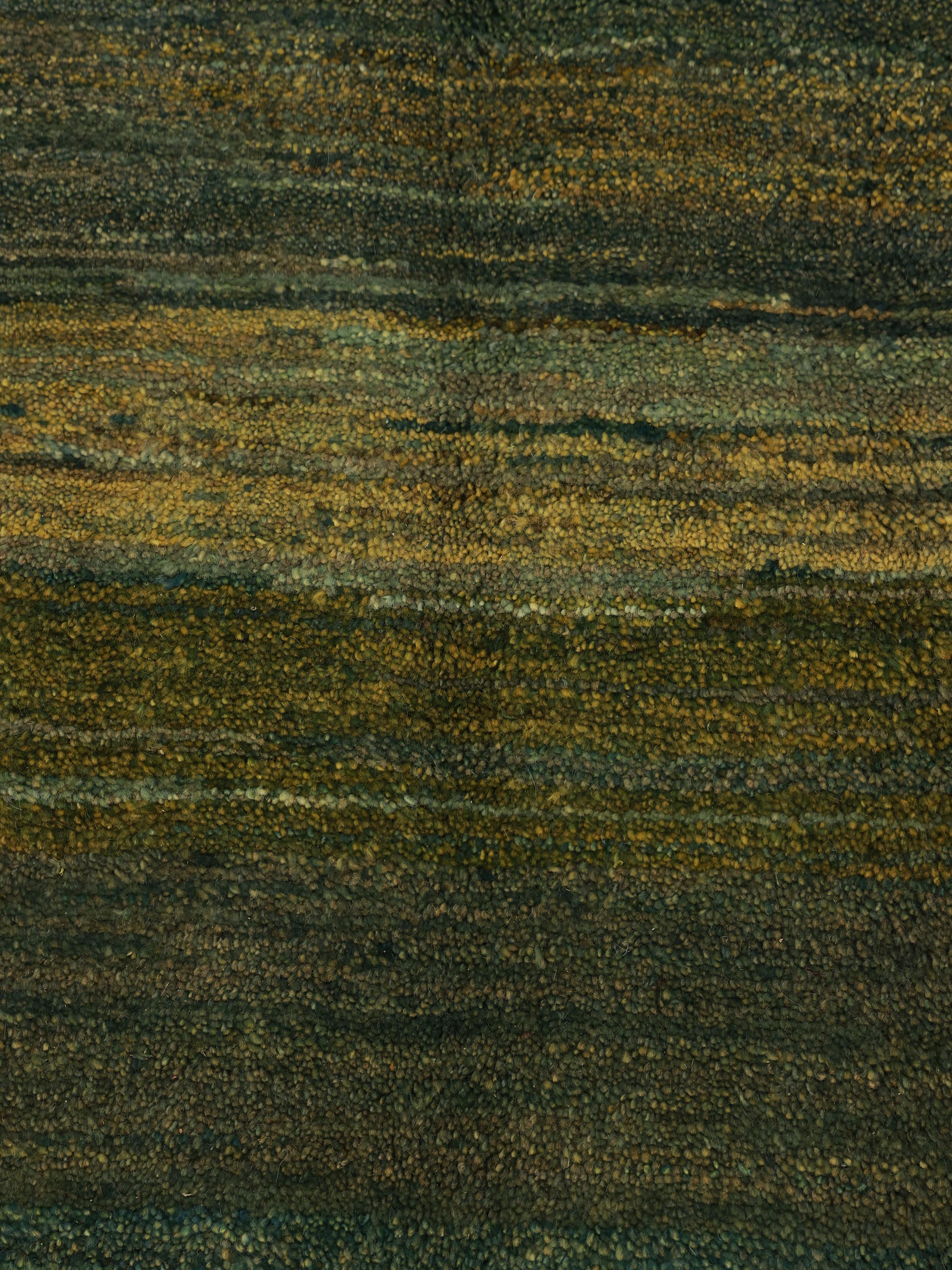
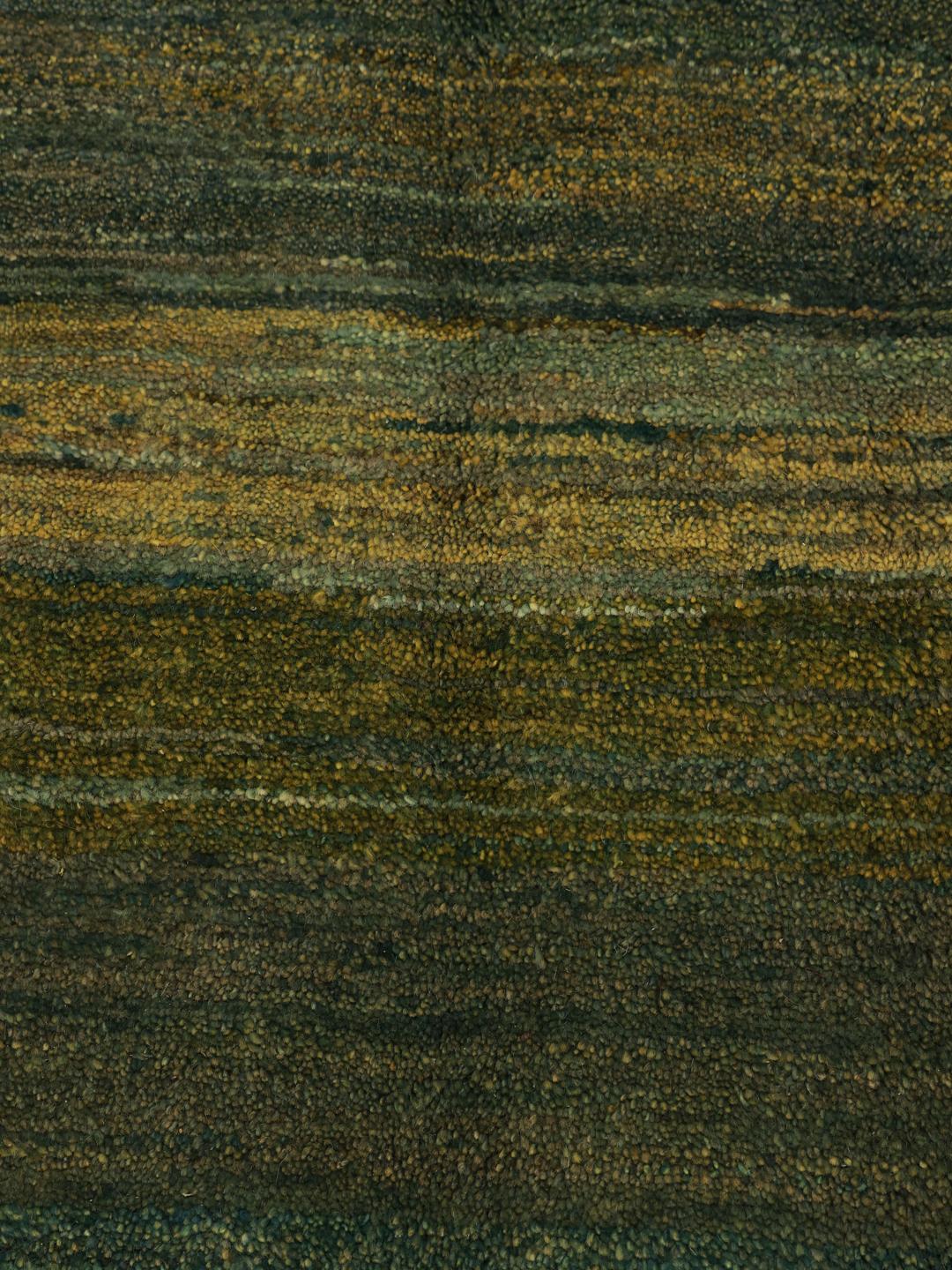
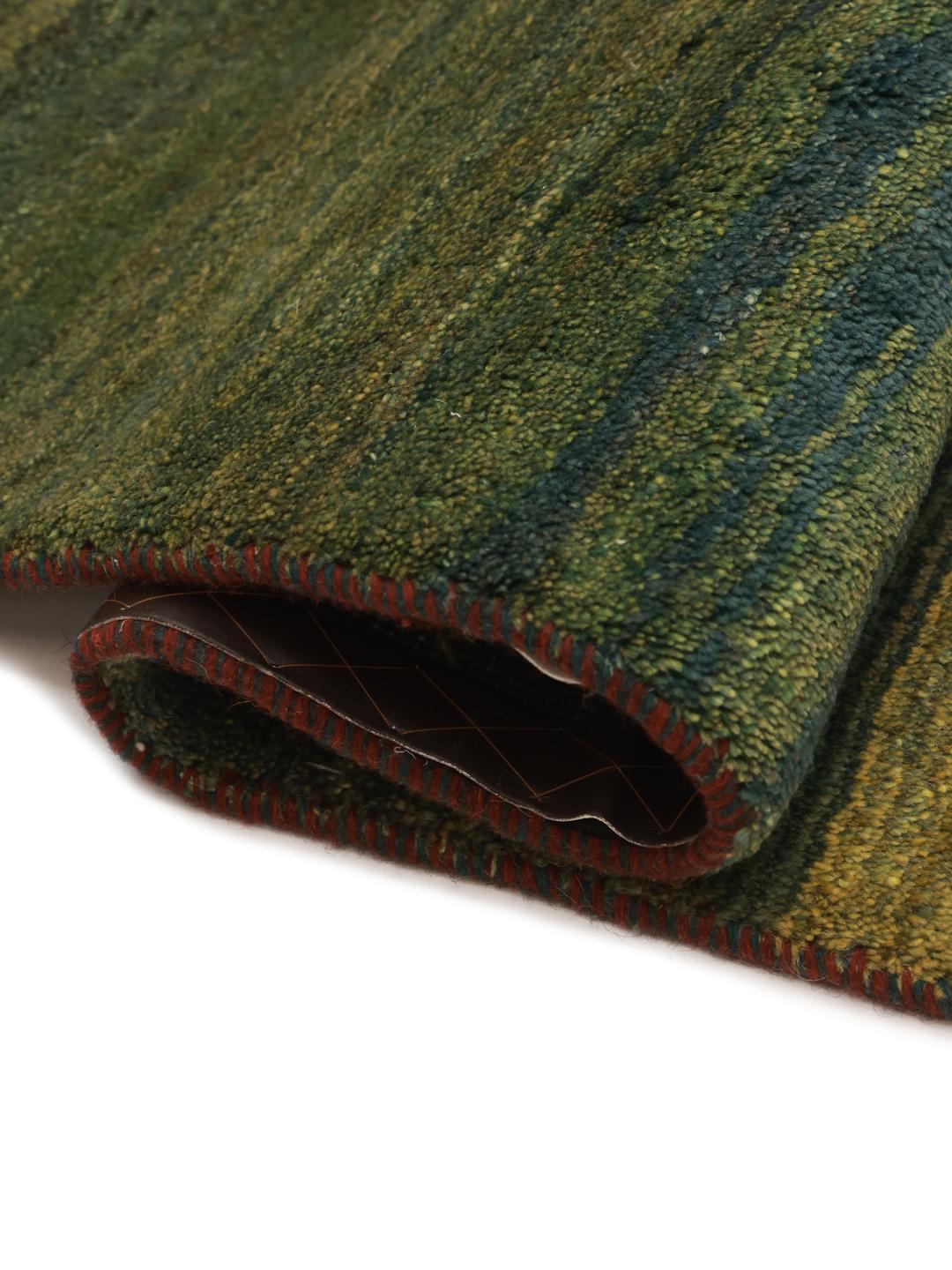
The term 'Shabargan' refers to a specific tradition of weaving that emphasises the natural, undyed characteristics of wool. This approach celebrates the inherent variations in the fibre, which are often enhanced by traditional dyeing techniques. This respect for the material means that every rug retains a raw, authentic quality that connects the owner to the ancient techniques passed down through generations of weavers.
Visually, these rugs are defined by their bold, minimalist aesthetic. They often feature large, open fields of colour with subtle, abstract shifts that mimic the natural world. While traditional rugs are often highly ornate, the Gabbeh tradition prefers a more understated look, using colour and texture as the primary language. The absence of complex, busy motifs allows the quality of the wool and the depth of the palette to take centre stage.
Collecting these pieces is an act of preserving a disappearing art form. Because they are rooted in a nomadic lifestyle, the skills required to produce them are becoming increasingly rare. Owning a piece like this means holding a connection to a rich cultural heritage, where every knot represents a moment of human connection and a dedication to maintaining a craft that has survived for centuries.