The Gabbeh tradition traces its roots to the nomadic tribes of the Middle East, where weavers created these rugs primarily for their own domestic use. Unlike more formal, intricate city rugs, Gabbehs were designed to be thick, warm, and durable, serving as comfortable floor coverings for tents and homes. These rugs are deeply tied to the lifestyle of the tribes who made them, reflecting a culture that valued practicality and raw beauty above all else.
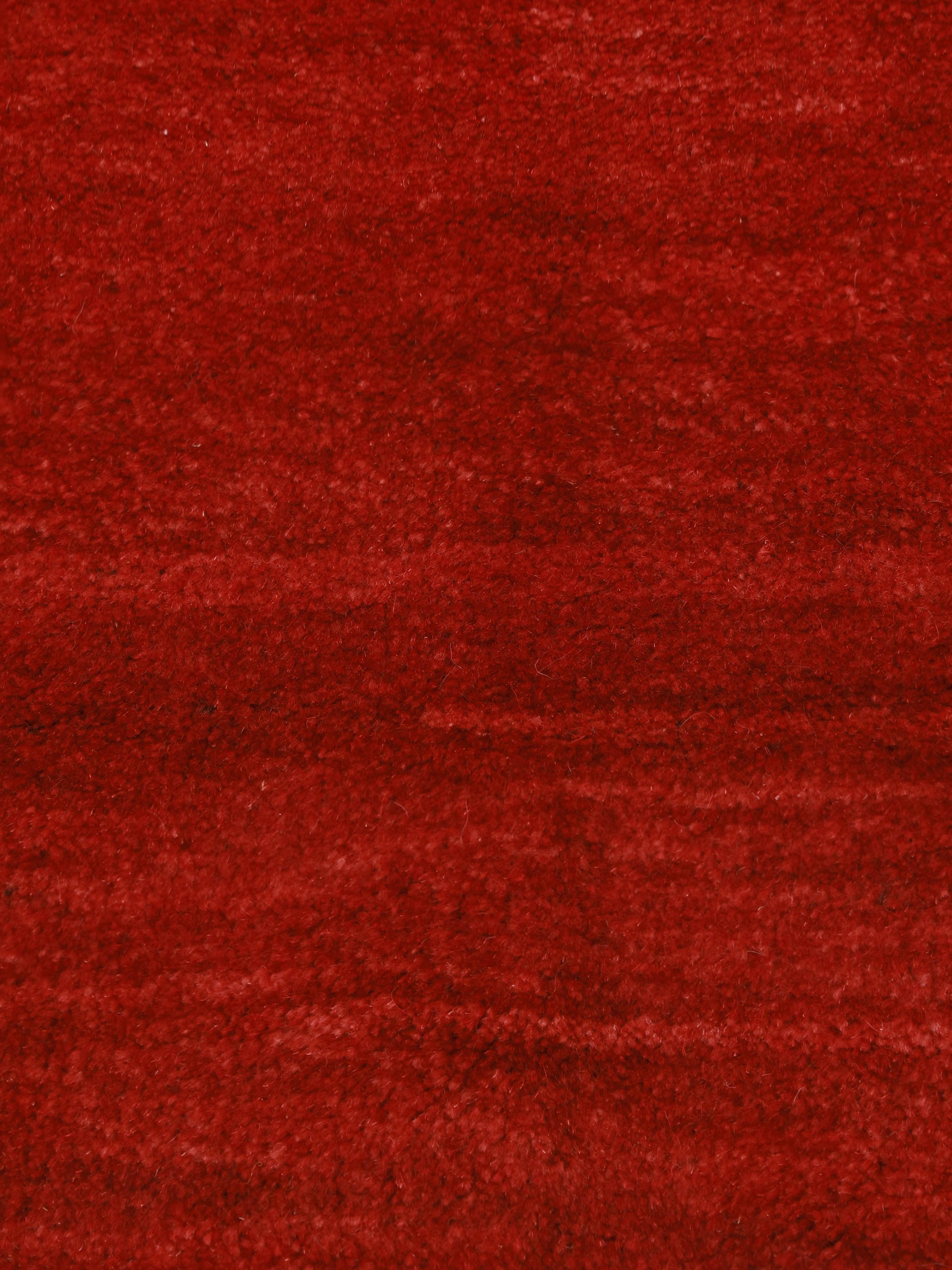
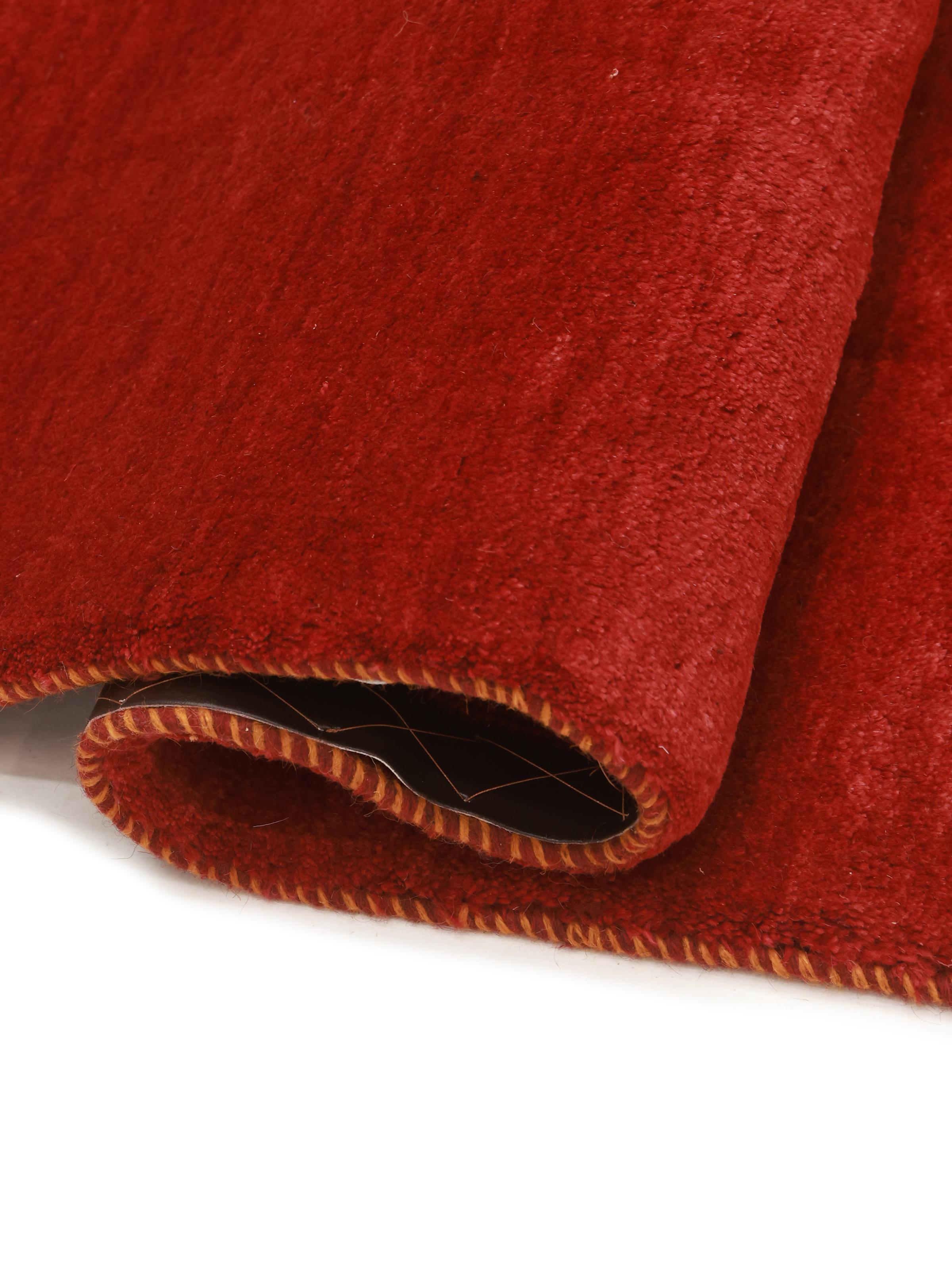
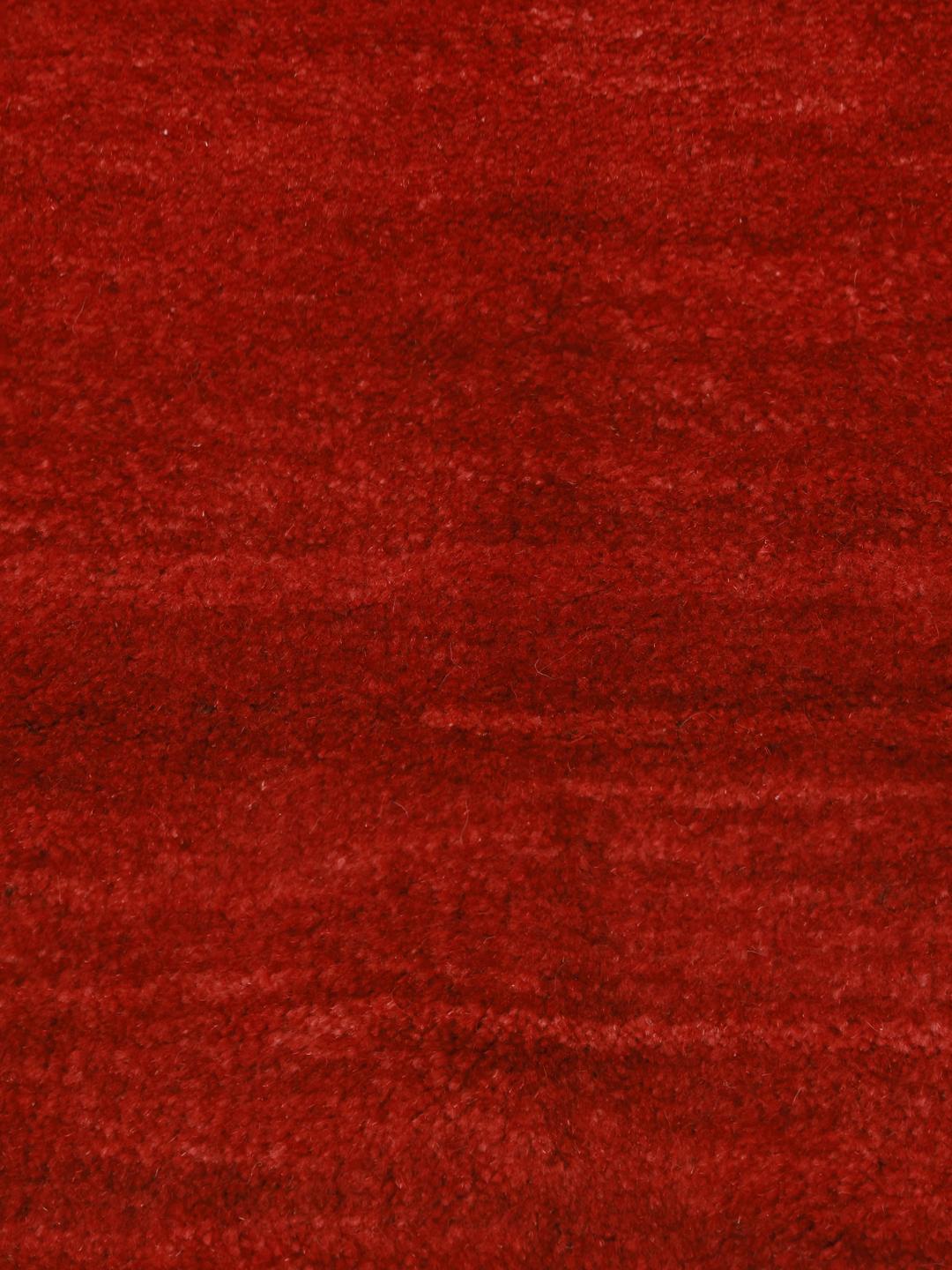
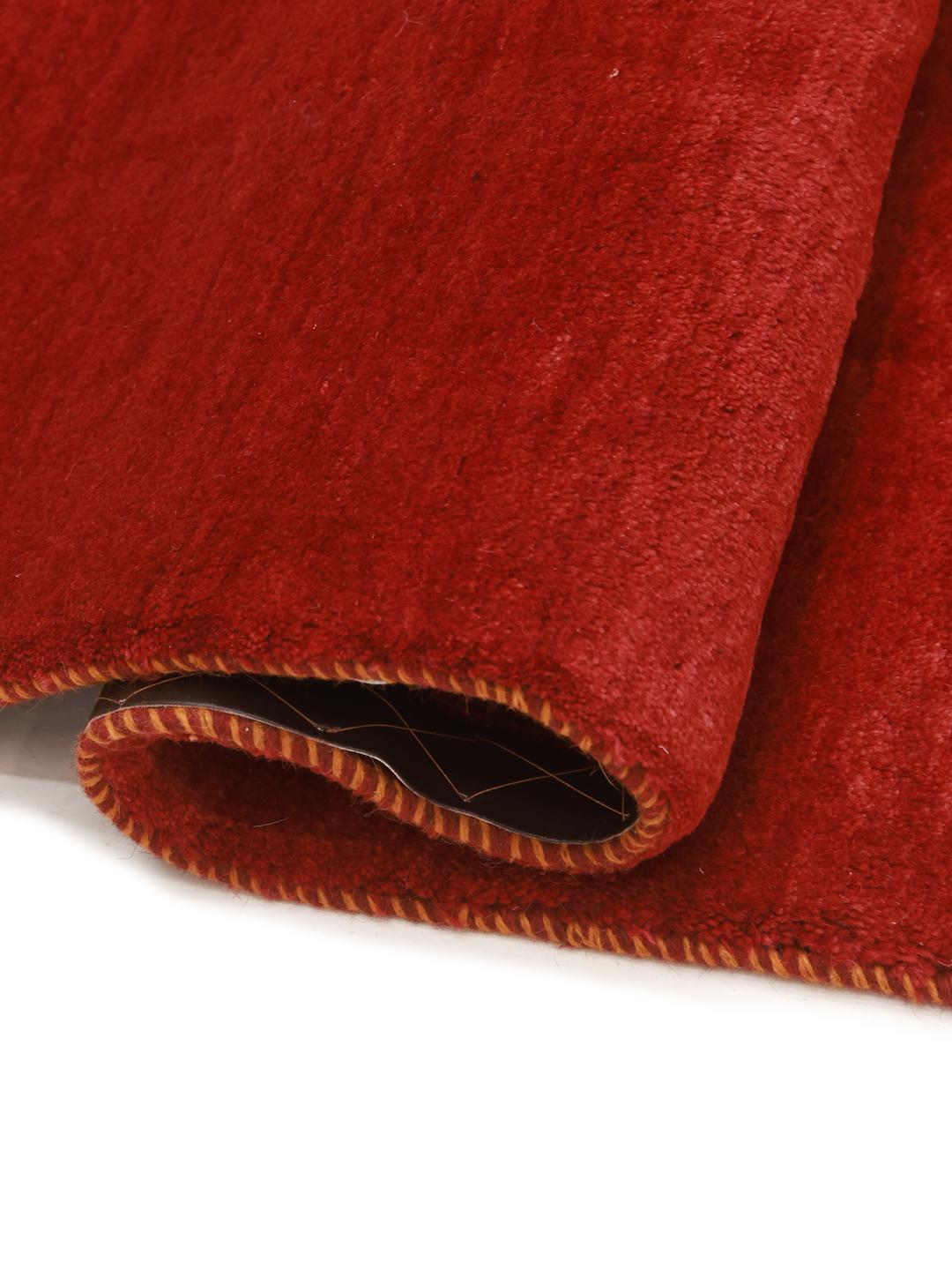
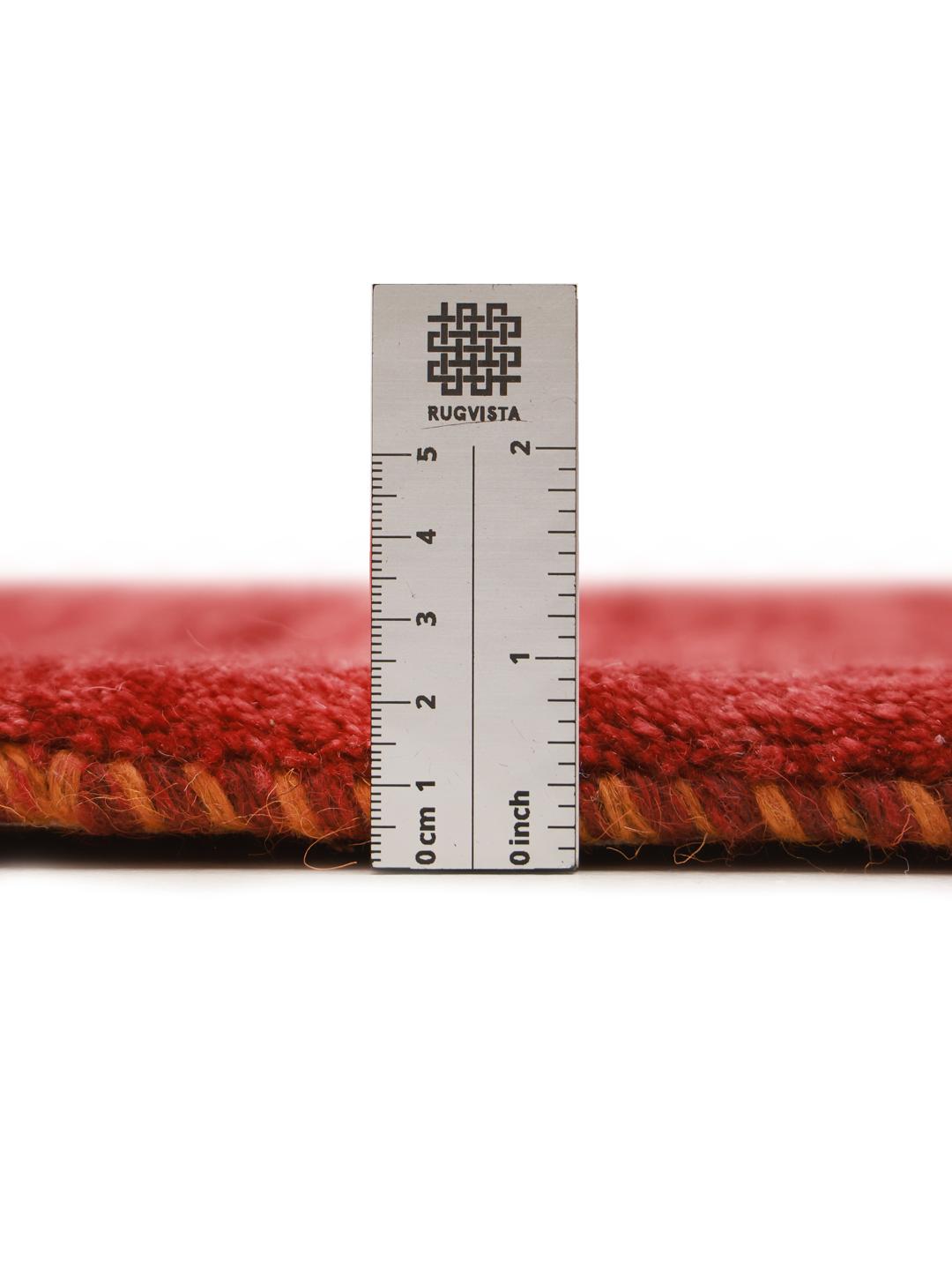
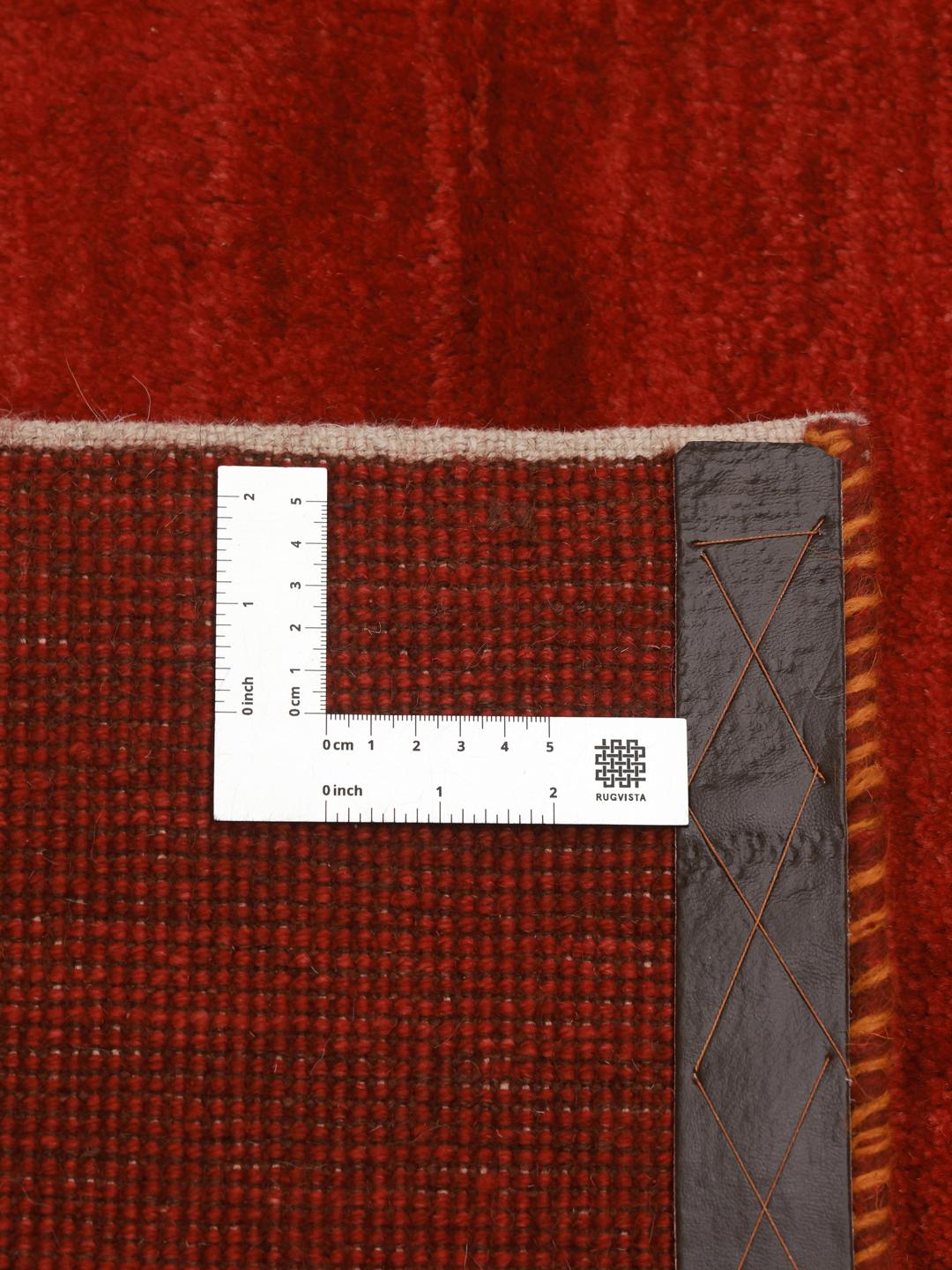
The term Gabbeh essentially means 'natural' or 'raw' in the local dialect, which perfectly captures the spirit of these pieces. They are often characterised by their simpler, more spontaneous designs and a thicker, coarser pile compared to other styles. This construction is not a sign of lesser quality but rather a deliberate choice to maximise comfort and insulation, making them some of the most sought-after rugs for those who appreciate authentic, functional craft.
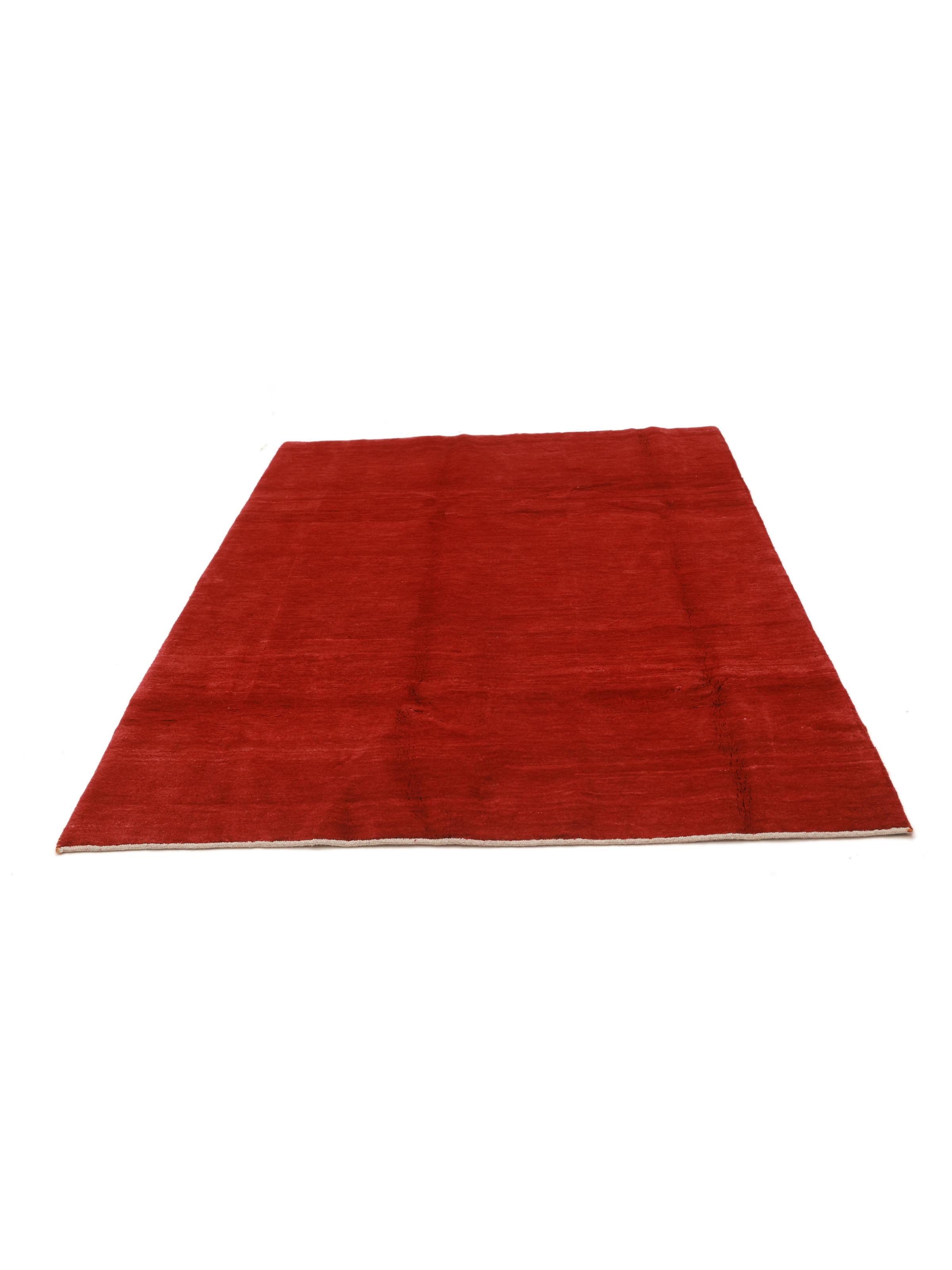
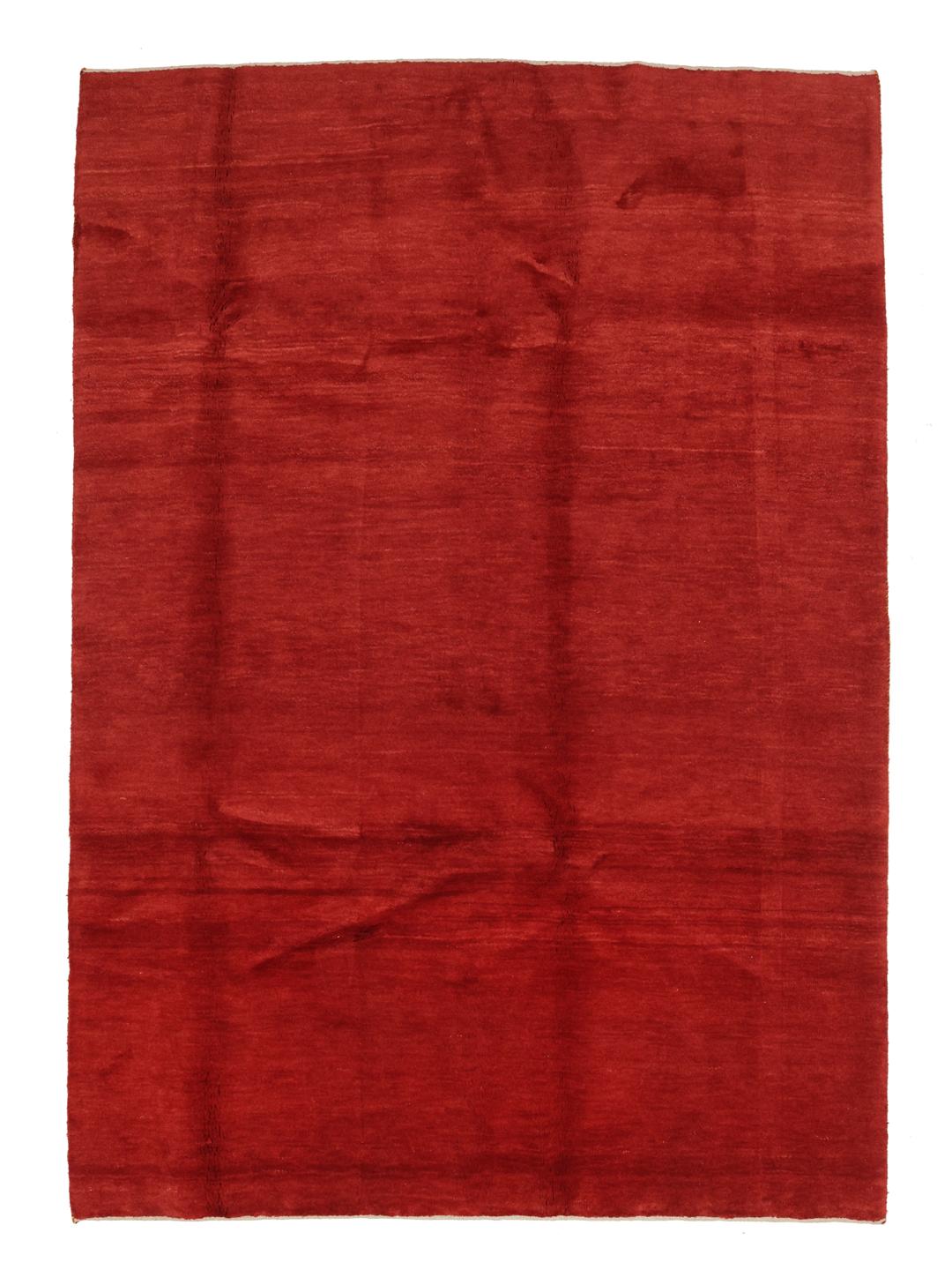
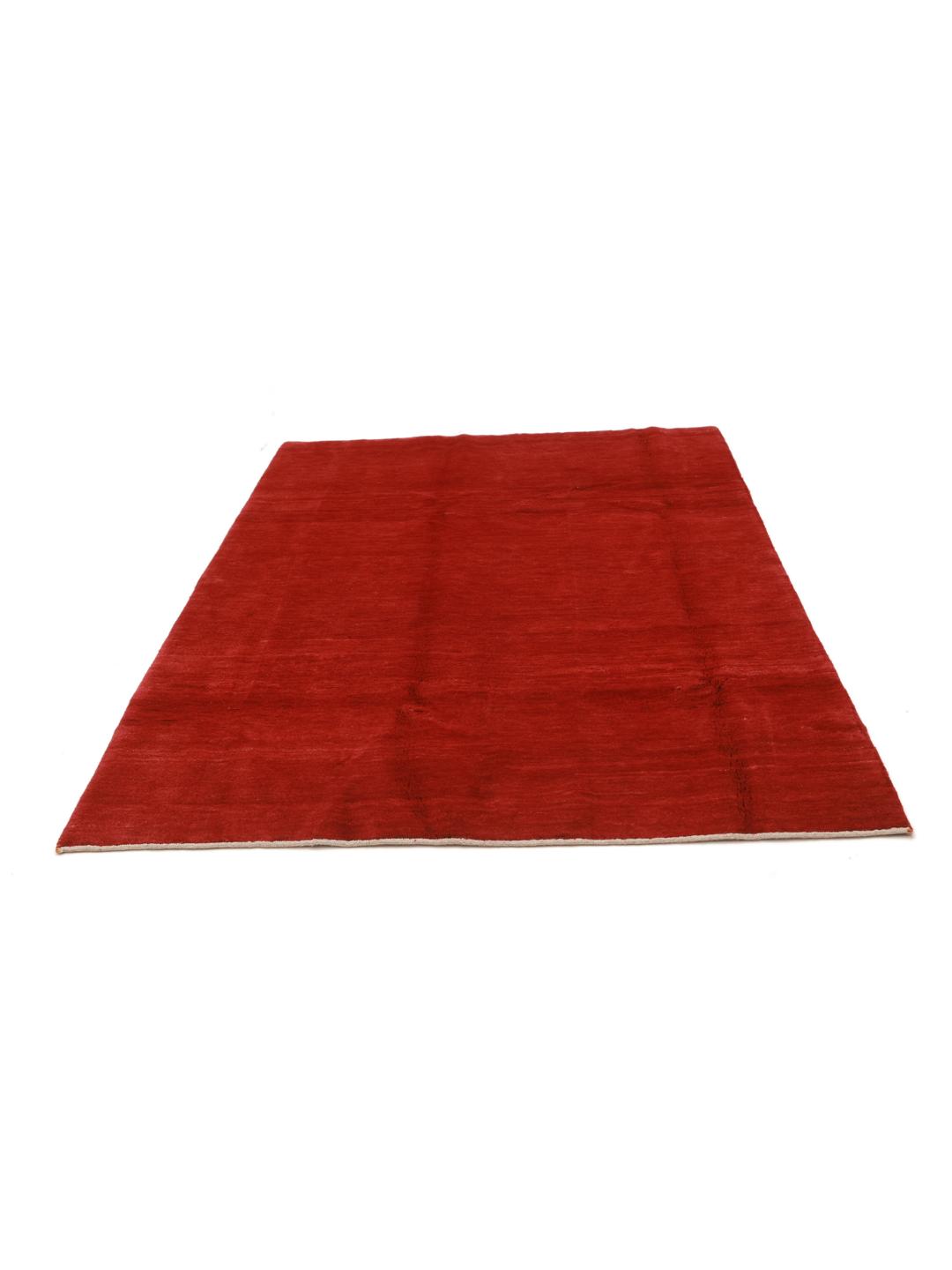
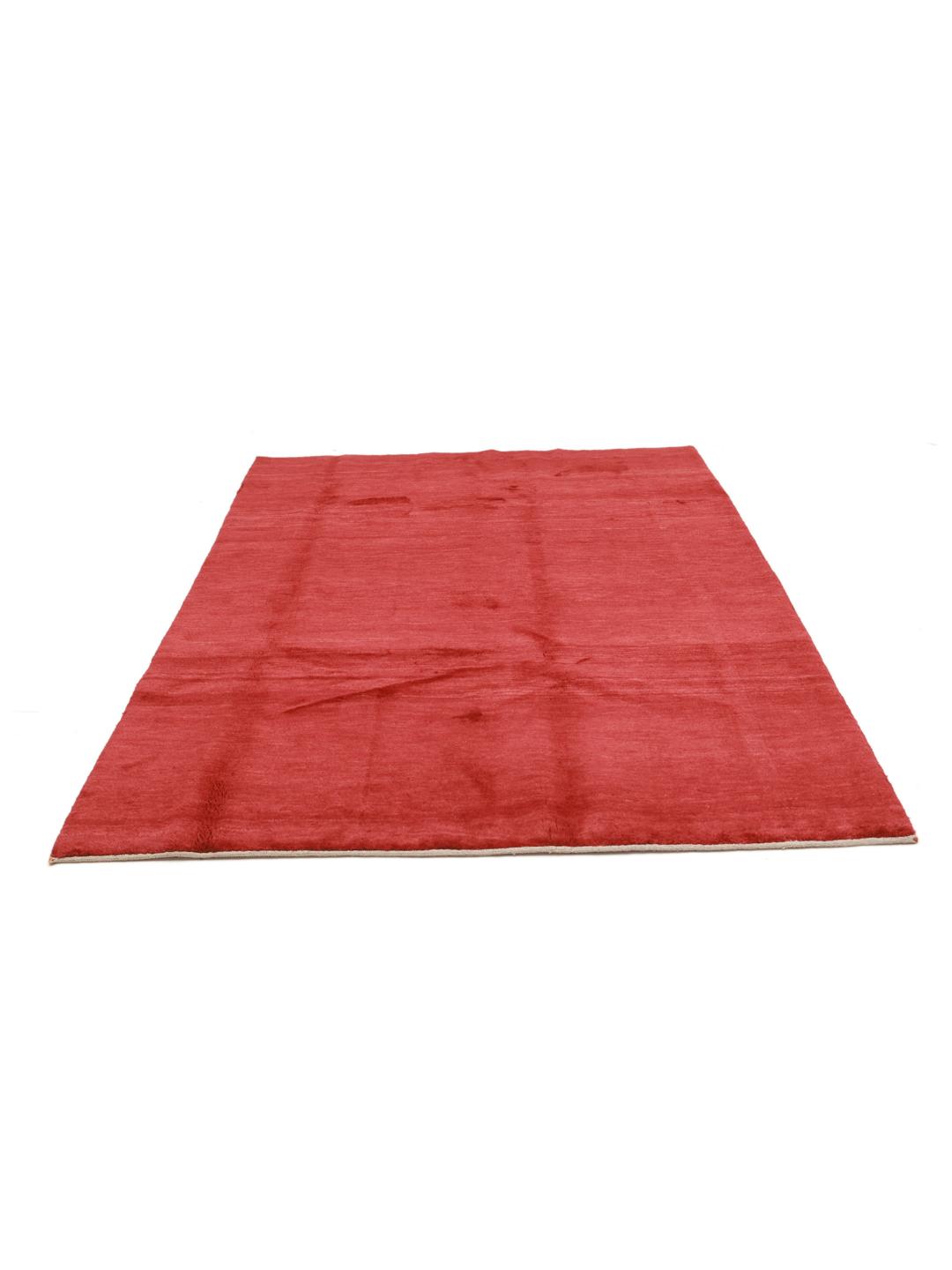
Visually, Gabbehs are known for their vibrant, often bold colour palettes, frequently achieved using natural dyes derived from plants and roots. While they are famous for their minimalist or abstract patterns, the true hallmark of a Gabbeh is the field of solid or subtly shaded colour, which highlights the quality of the wool. This particular rug captures that tradition perfectly, with a deep red field that showcases the beauty of the material without the distraction of complex ornamentation.
Today, these rugs are highly valued by collectors and interior enthusiasts alike for their artistic integrity and cultural weight. Owning a Gabbeh is an opportunity to preserve a piece of nomadic history that has evolved into a staple of modern, thoughtful interiors. It represents a bridge between ancient weaving techniques and contemporary design, offering a timeless aesthetic that feels both grounded and deeply connected to its origins.