Gabbeh rugs originate from the nomadic traditions of the Middle East, where they were traditionally woven by tribal women for personal use and protection against the elements. Unlike more formal, city-made rugs, these pieces were designed with a focus on simplicity and utility, often featuring bold, expressive designs that told stories of the landscape and the weaver's life.
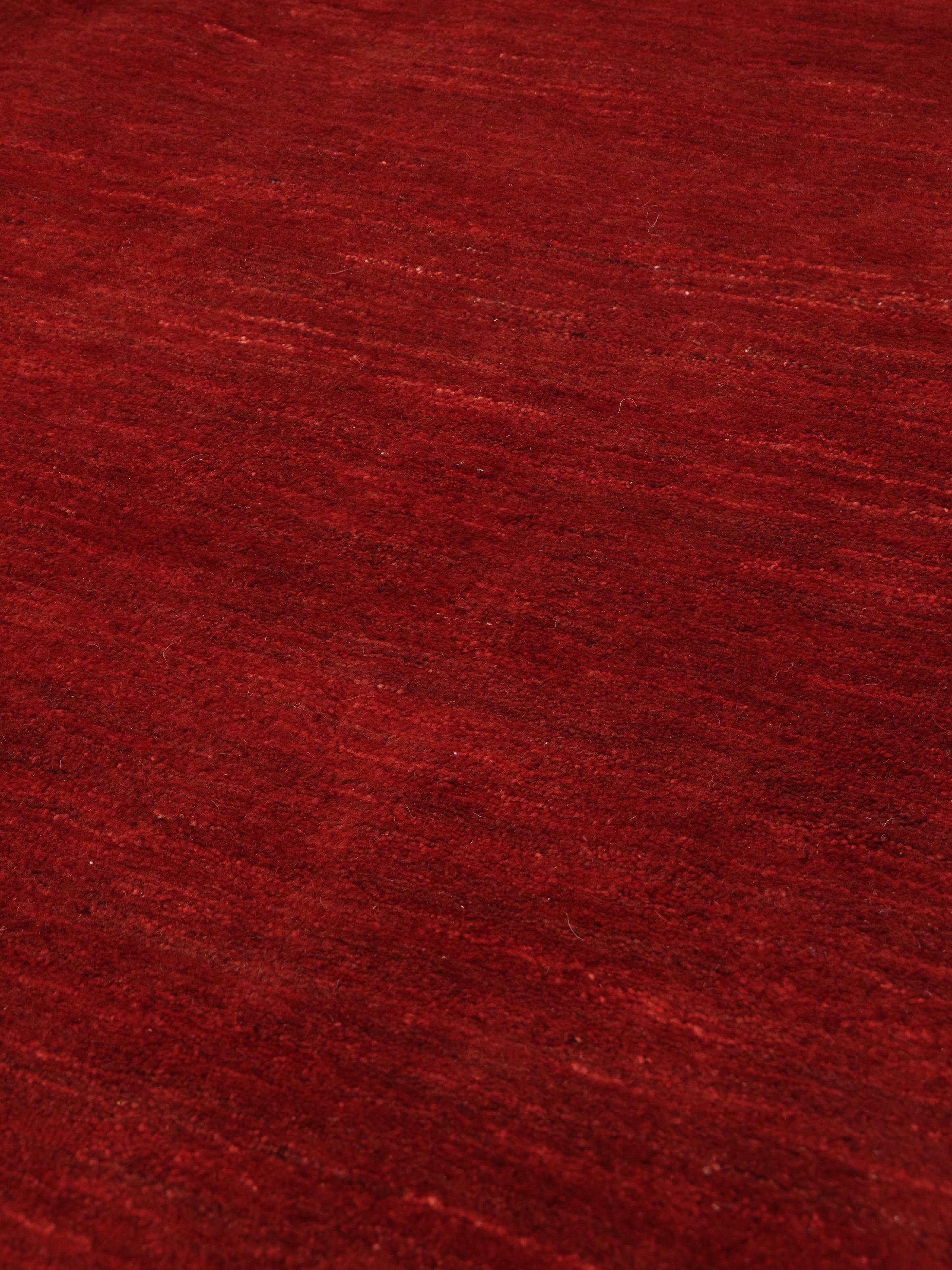
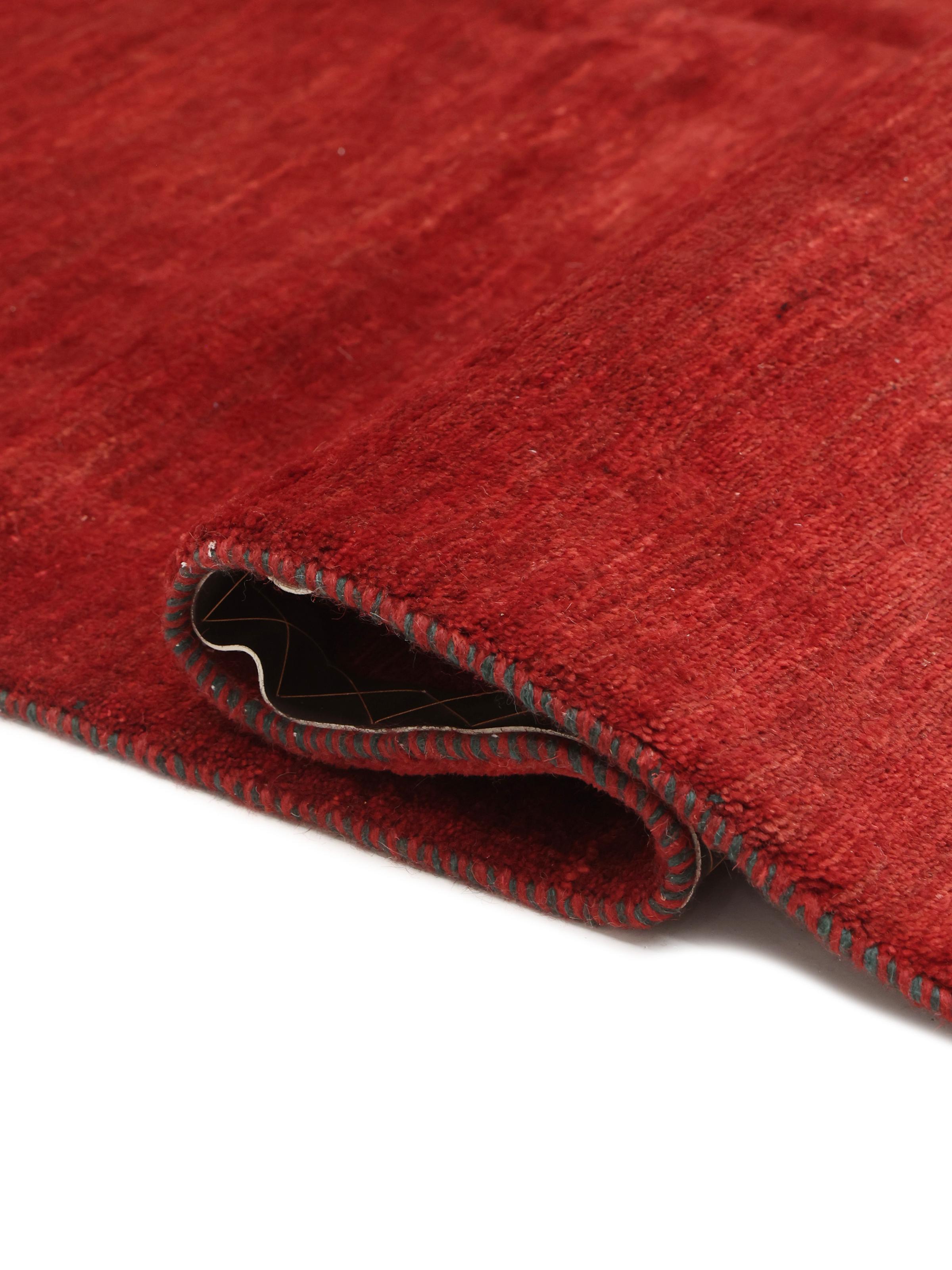
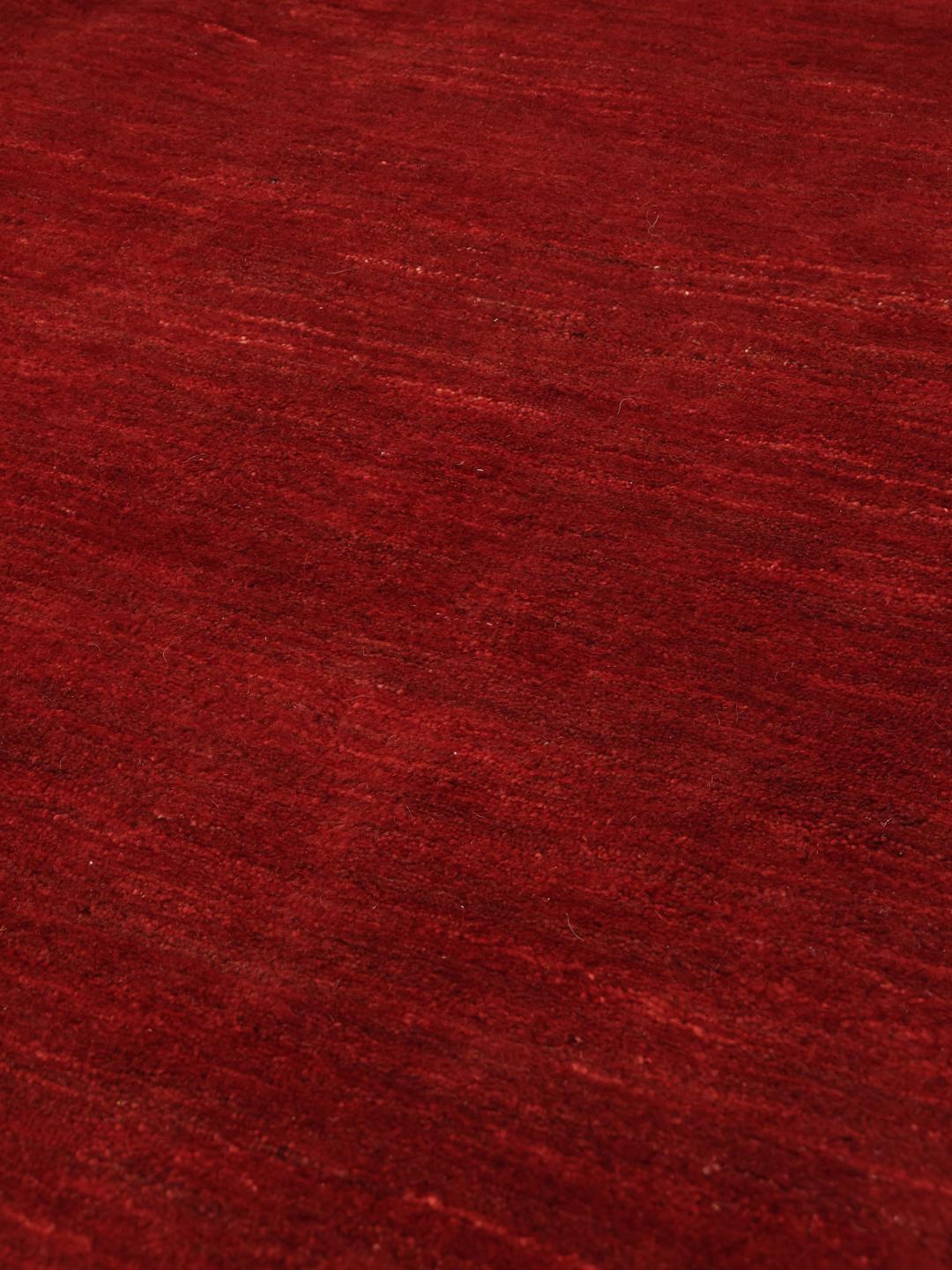
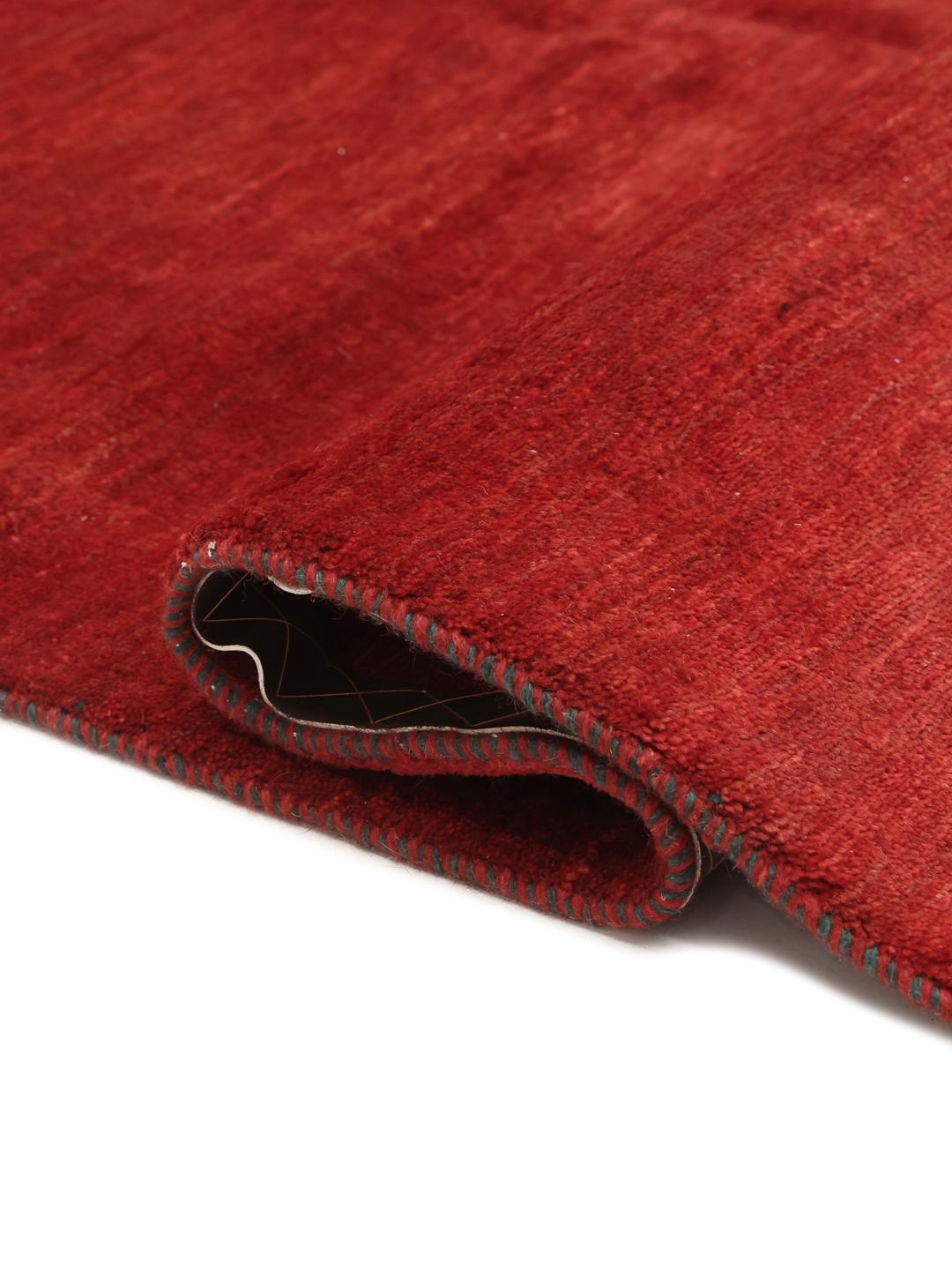
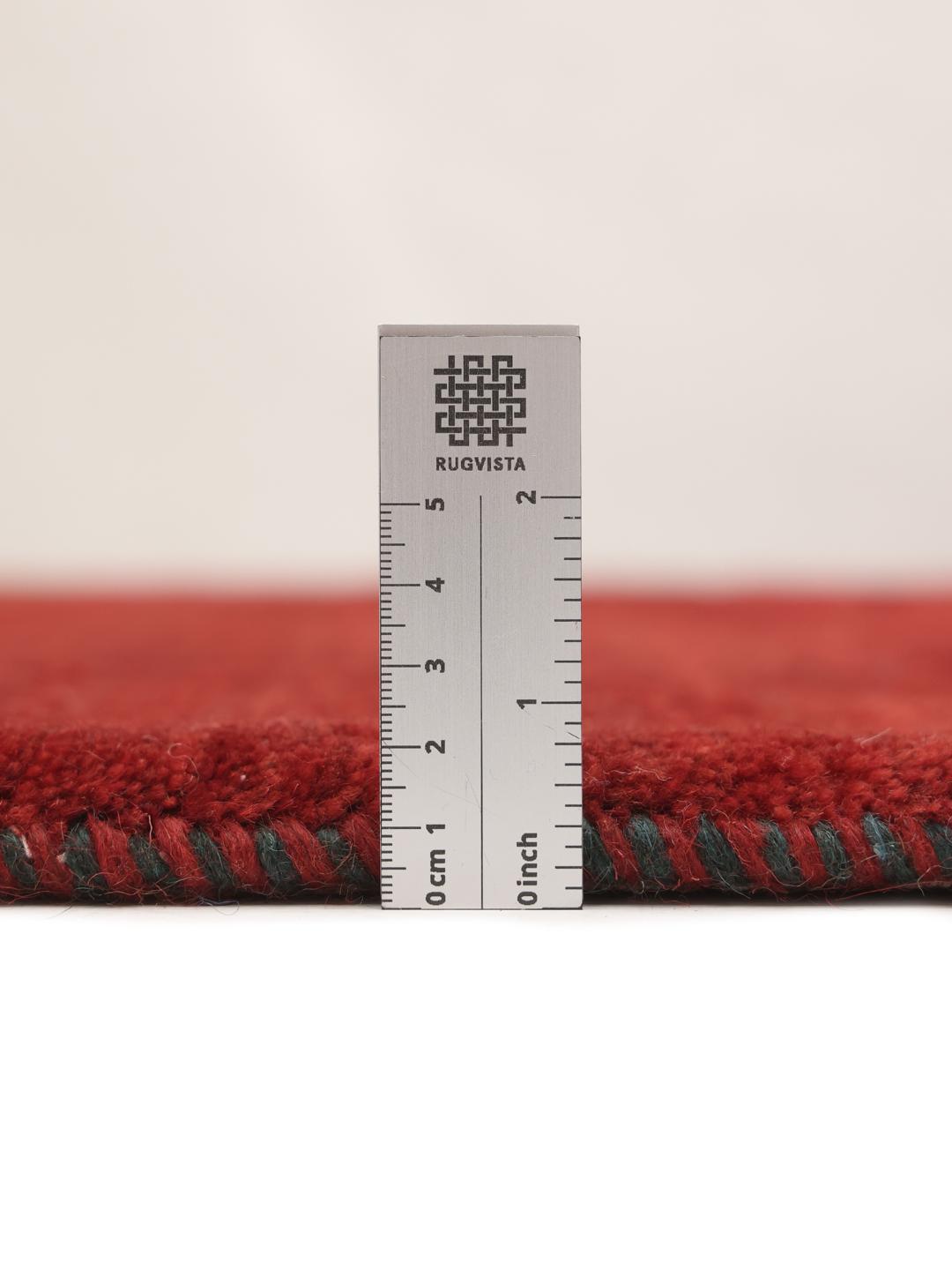
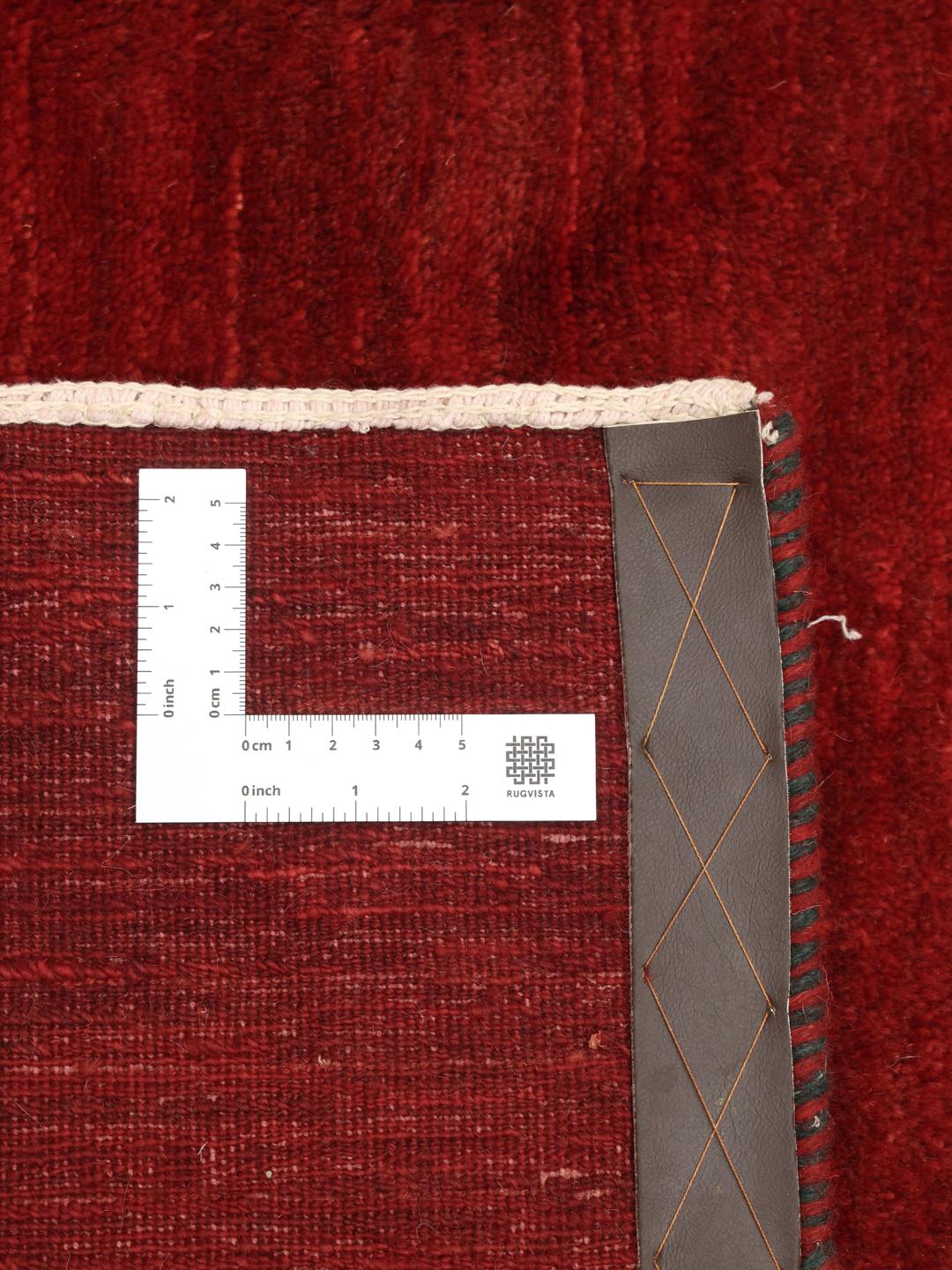
The term 'Gabbeh' itself refers to a rug that is thick and coarse, a characteristic that defines its identity as a comfortable, heavy-duty floor covering. The construction technique involves using a long-staple, hand-spun wool that is naturally rich in lanolin, which provides the rug with its signature soft feel and remarkable durability against the wear of nomadic life.
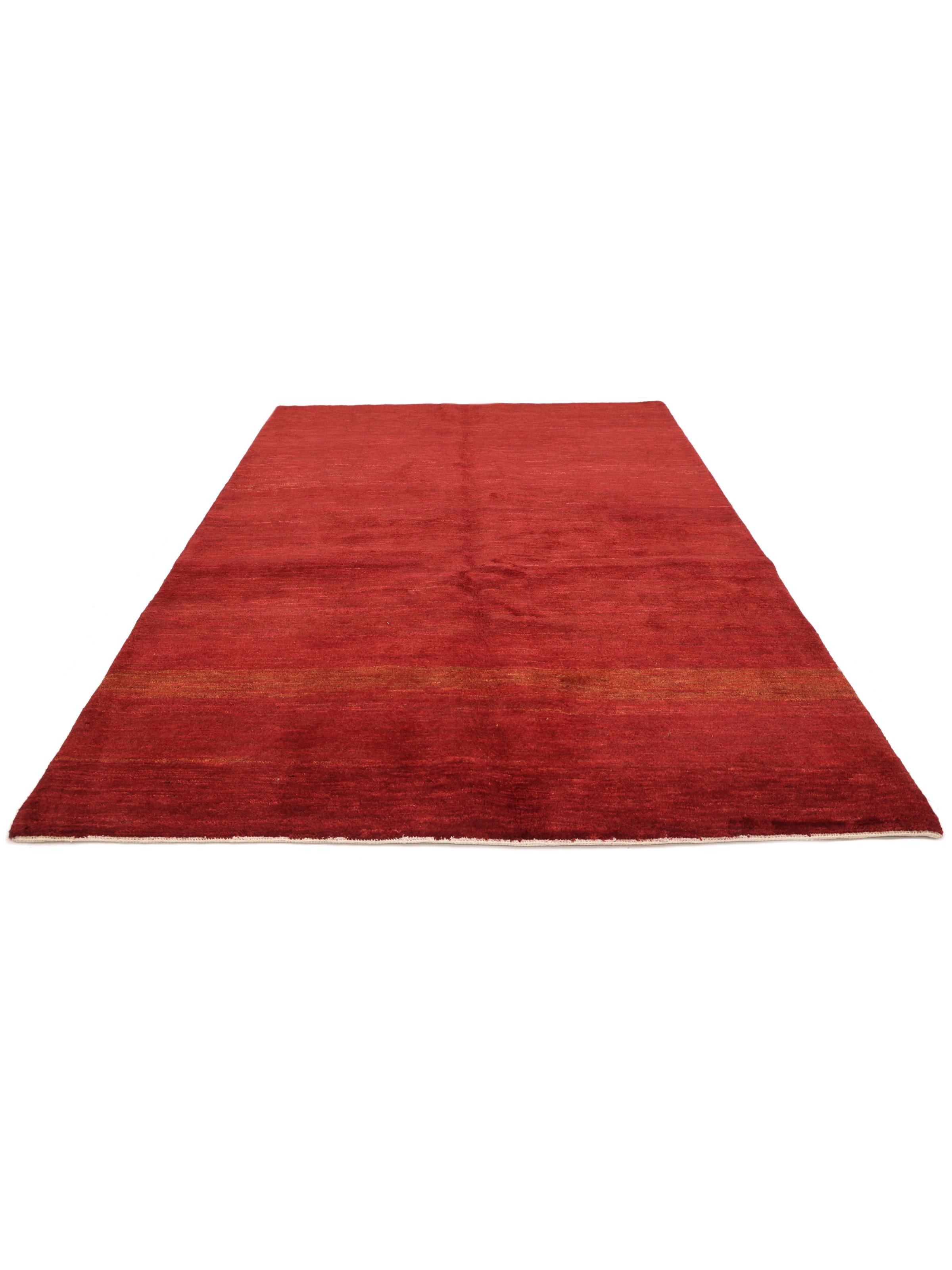
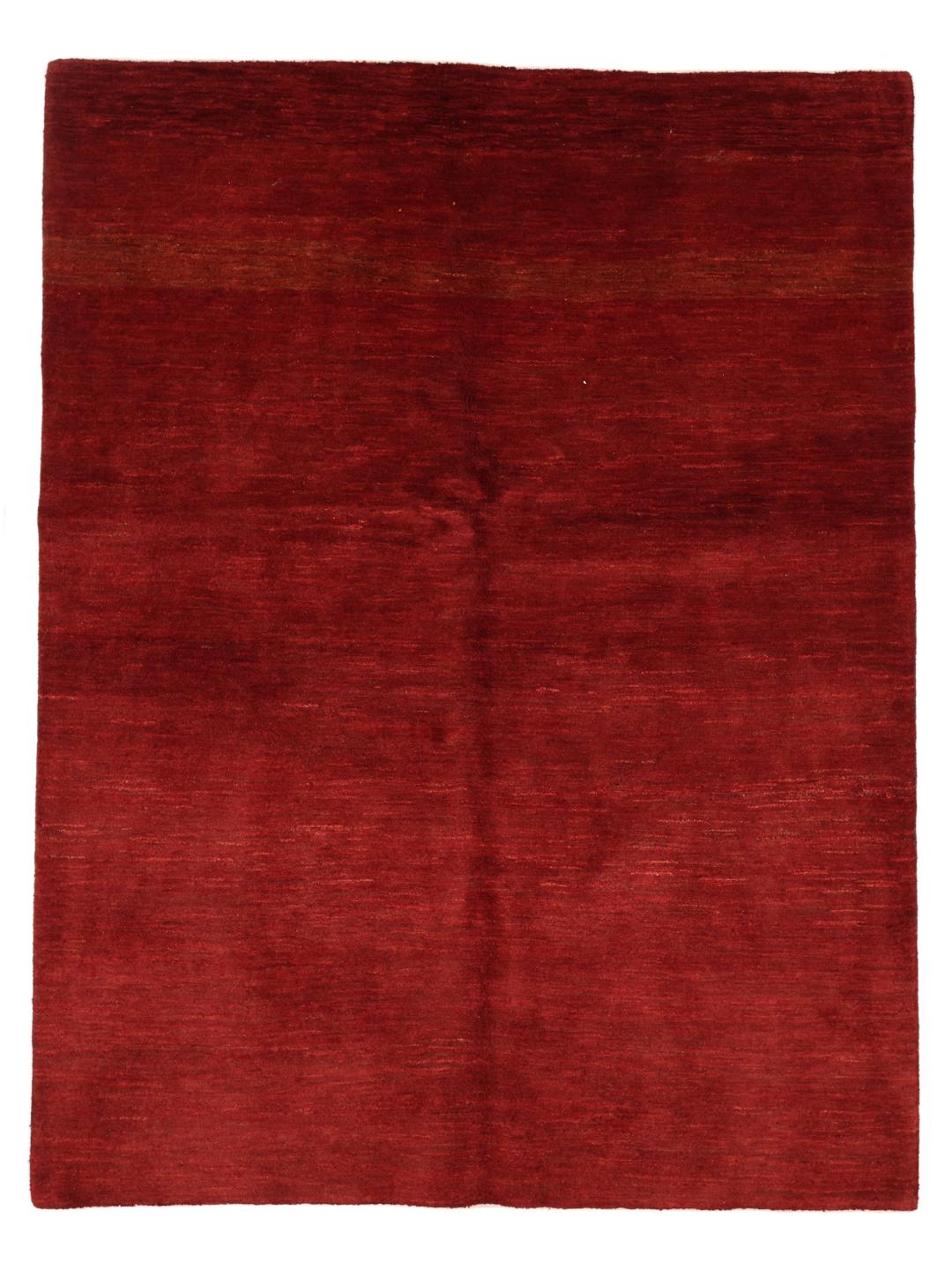
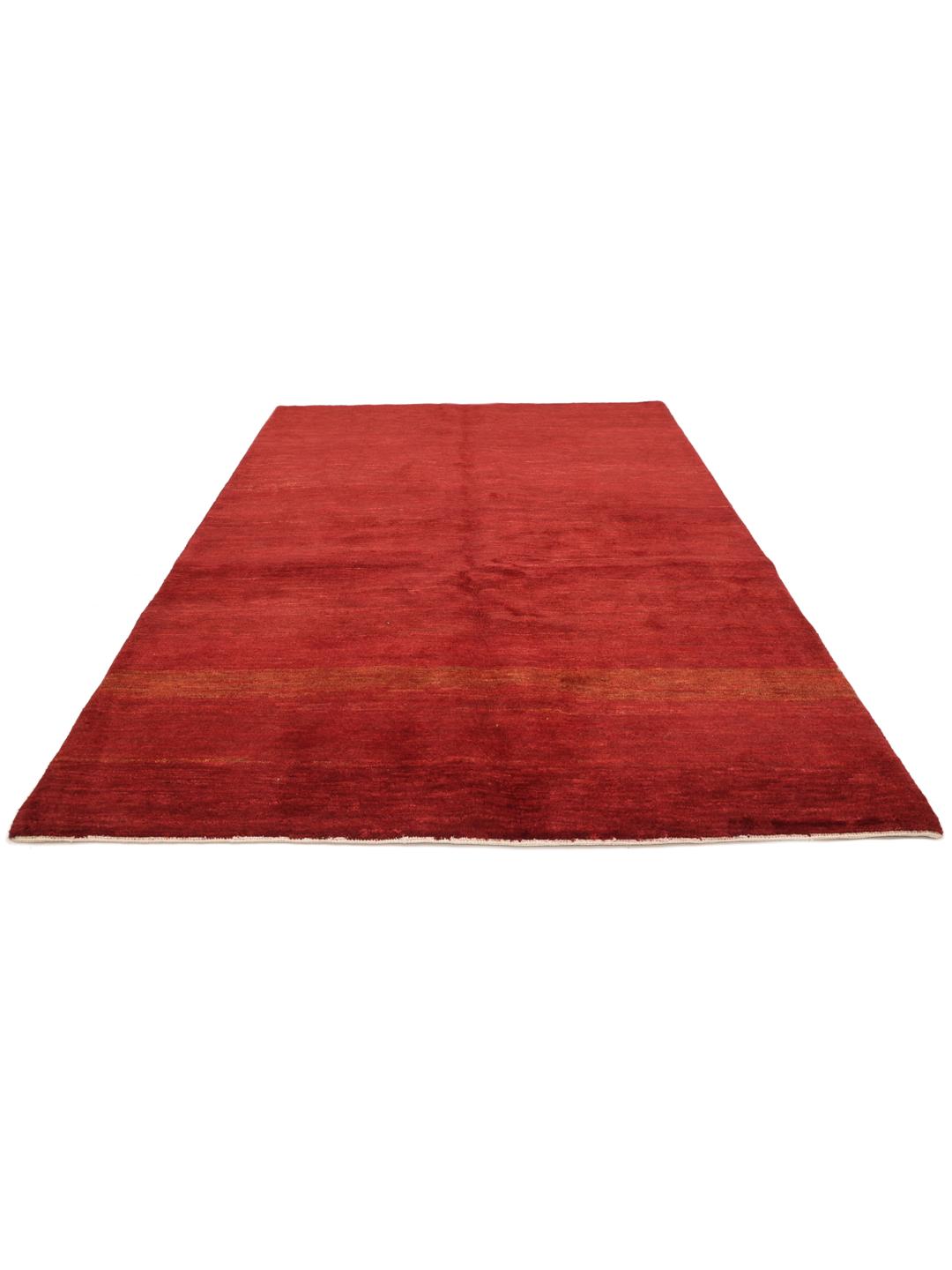
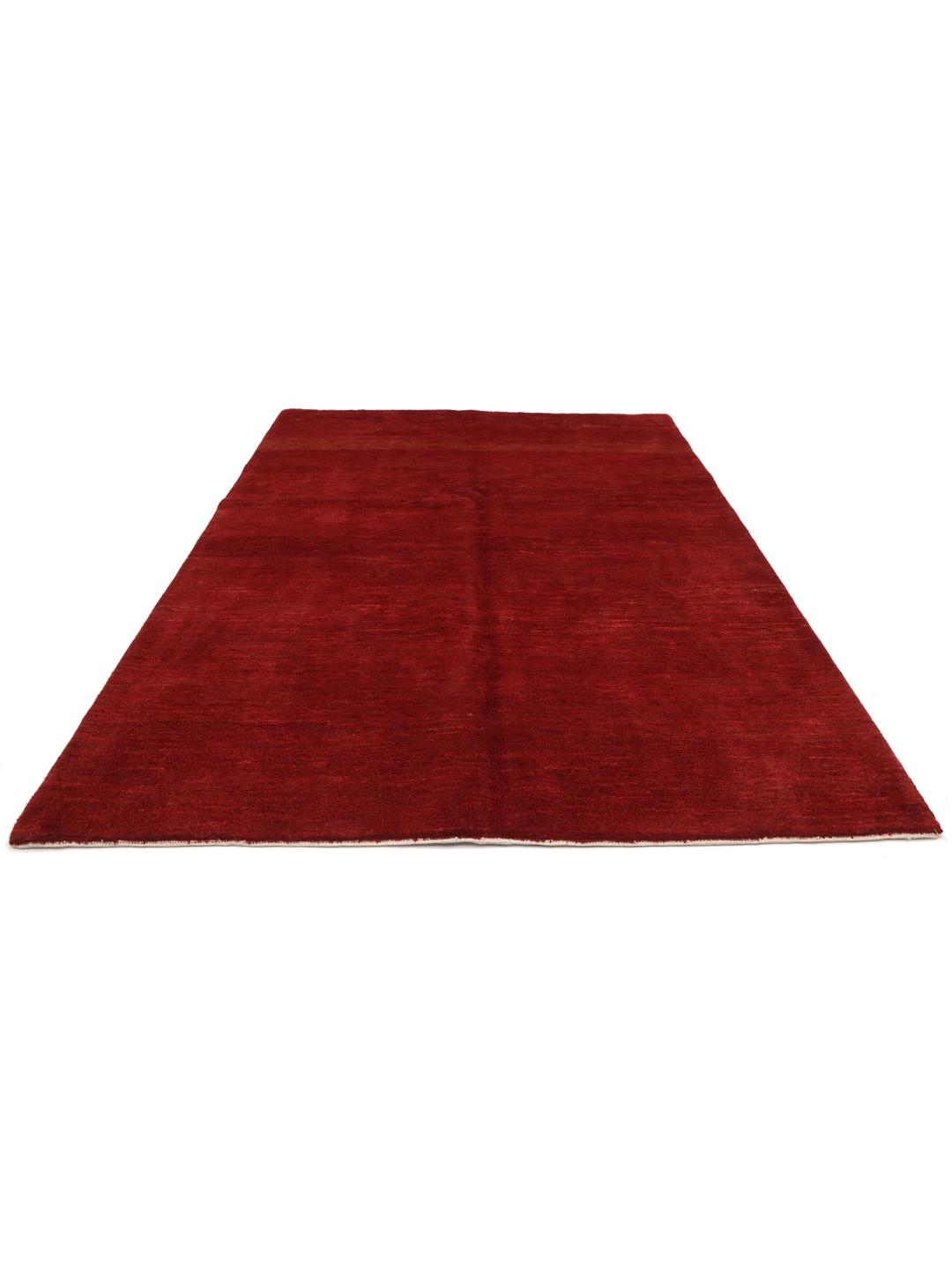
Visually, these rugs are celebrated for their artistic freedom. While this particular piece features a striking, monochromatic field, many Gabbeh rugs are known for their playful use of geometric shapes, stylized animals, and symbolic motifs. The focus remains on the purity of colour and the tactile quality of the wool, allowing the natural materials to shine through without the interference of overly complex patterns.
Today, these rugs are highly prized by collectors for their authentic connection to ancient weaving traditions. Owning a Gabbeh is not merely about acquiring a floor covering, but about preserving a legacy of craft that values human touch over mass production. It is a piece of cultural history that brings a grounded, honest energy to any modern home.