Gabbeh rugs have a long and storied history within the Middle Eastern nomadic tradition. Traditionally woven by tribal groups, these rugs were originally created for practical use within the home, providing essential insulation against cold floors and a soft space for family life. Unlike more formal or city-made rugs, Gabbeh designs were created with total creative freedom, reflecting the weaver's personal experiences and the natural landscapes surrounding them.
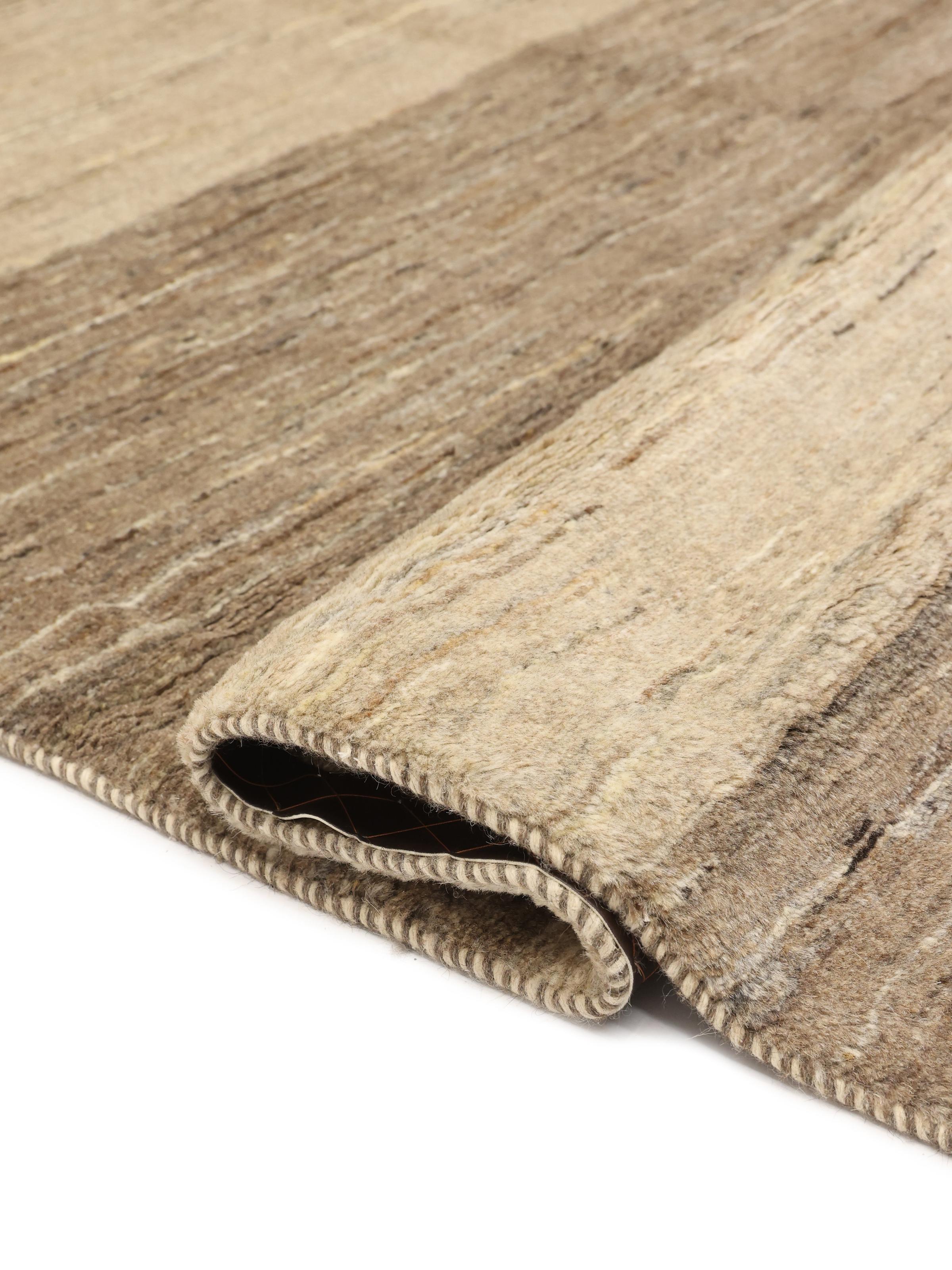
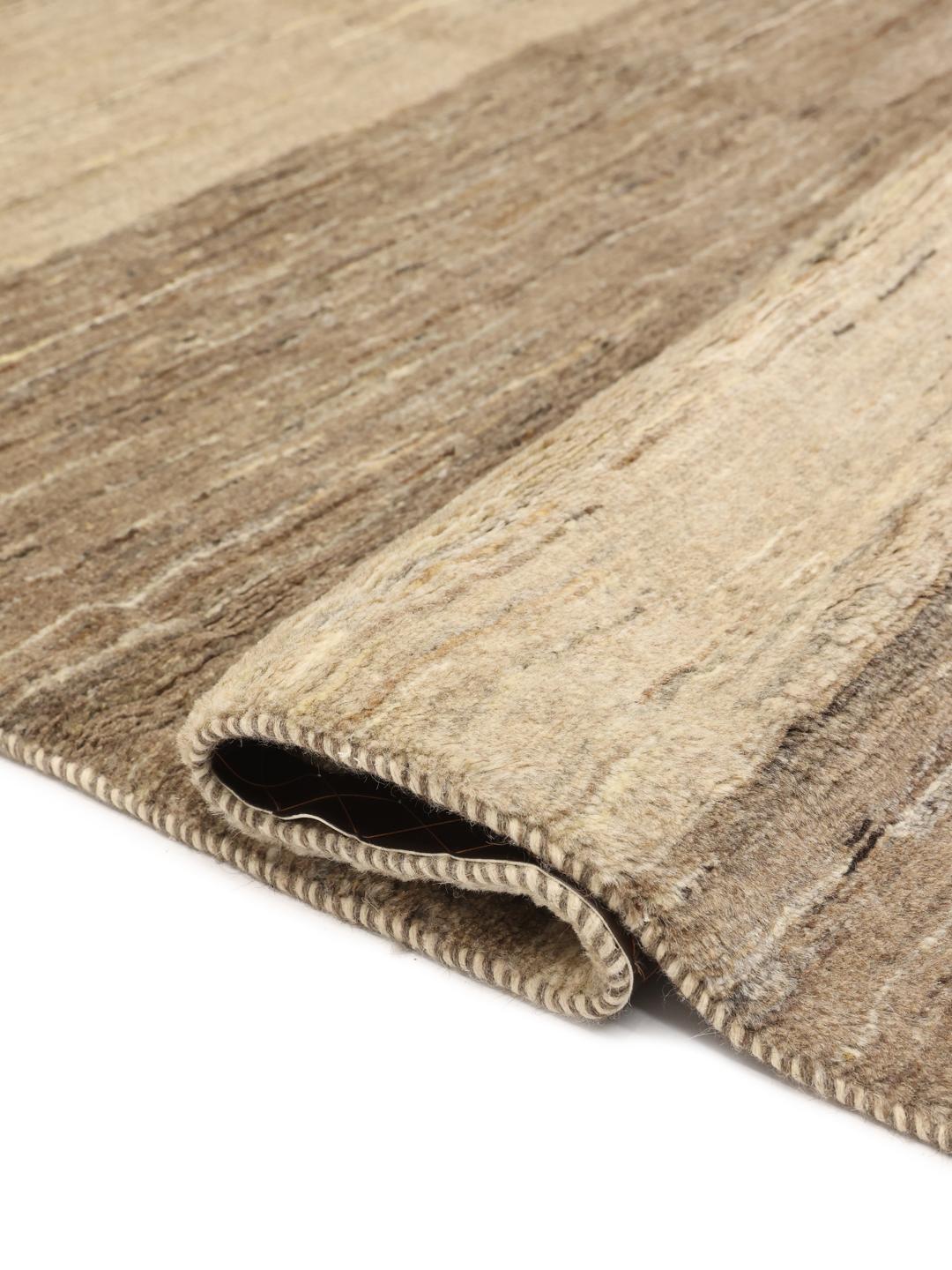
The term Gabbeh itself implies something raw, natural, or unclipped, which perfectly describes the aesthetic of these pieces. They are known for their thicker pile and simpler, more abstract designs compared to other regional styles. This choice in construction was intentional, prioritising warmth and comfort, which made them indispensable in the often harsh, mountainous environments where these tribal communities lived.
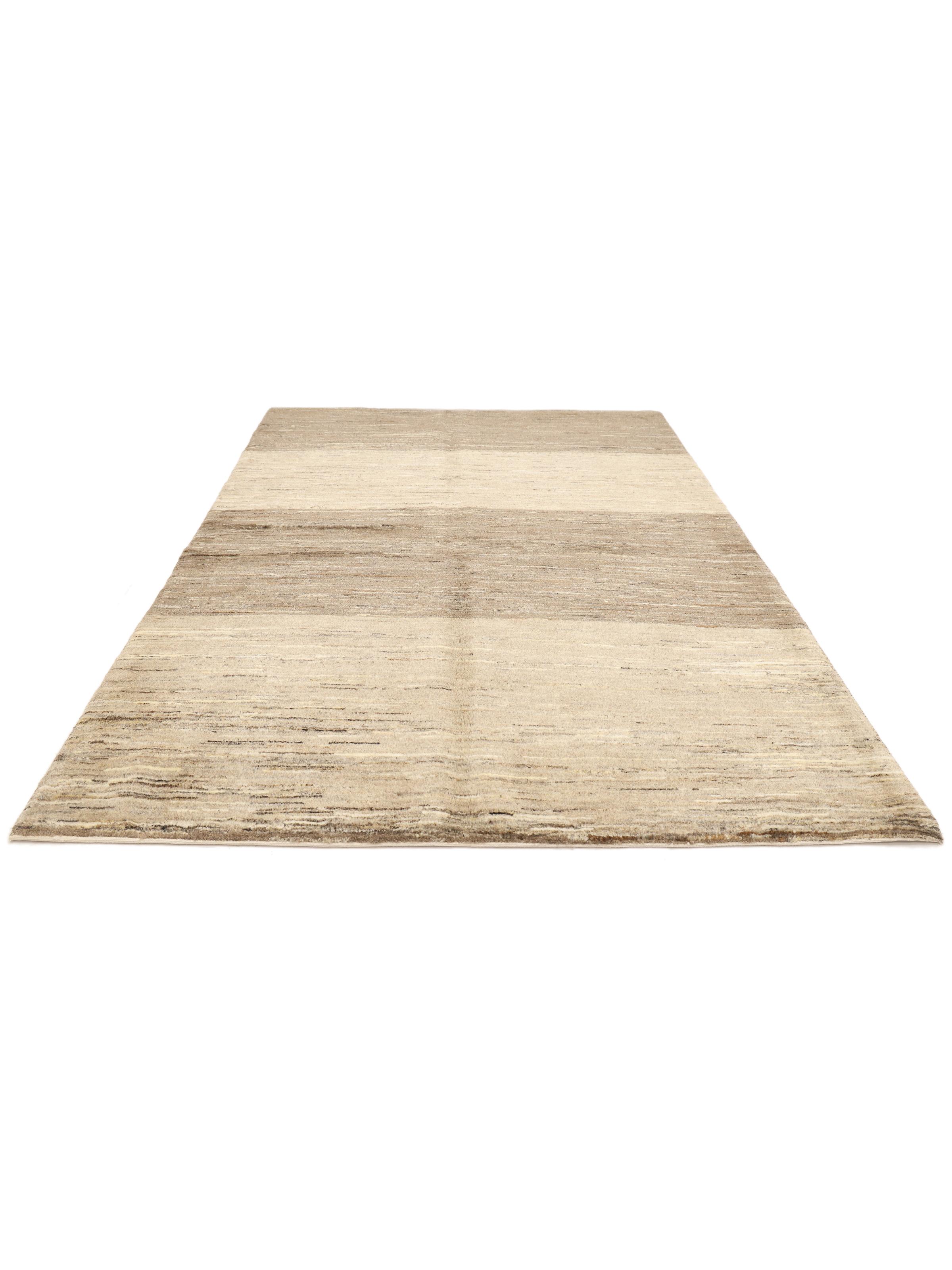
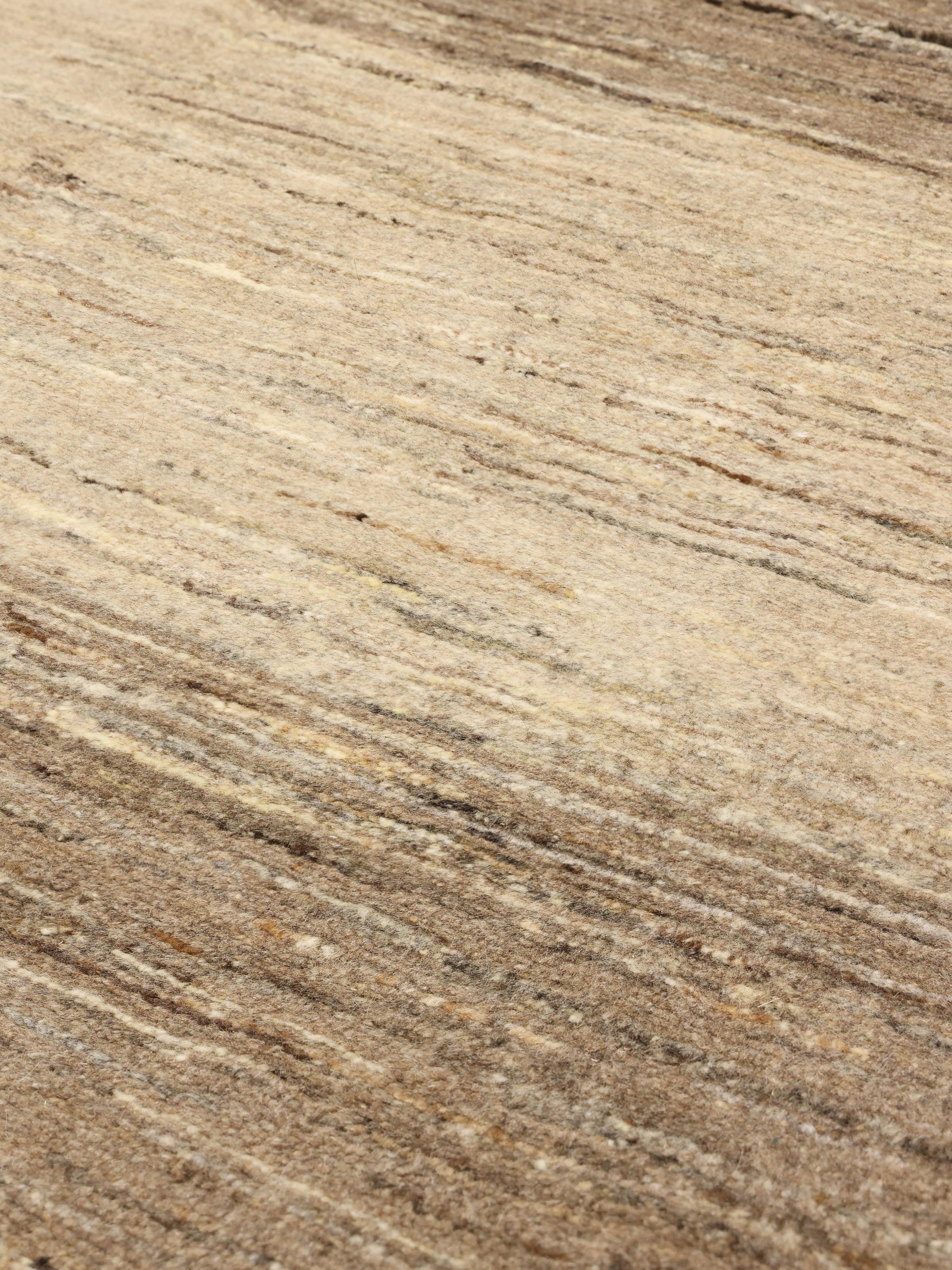
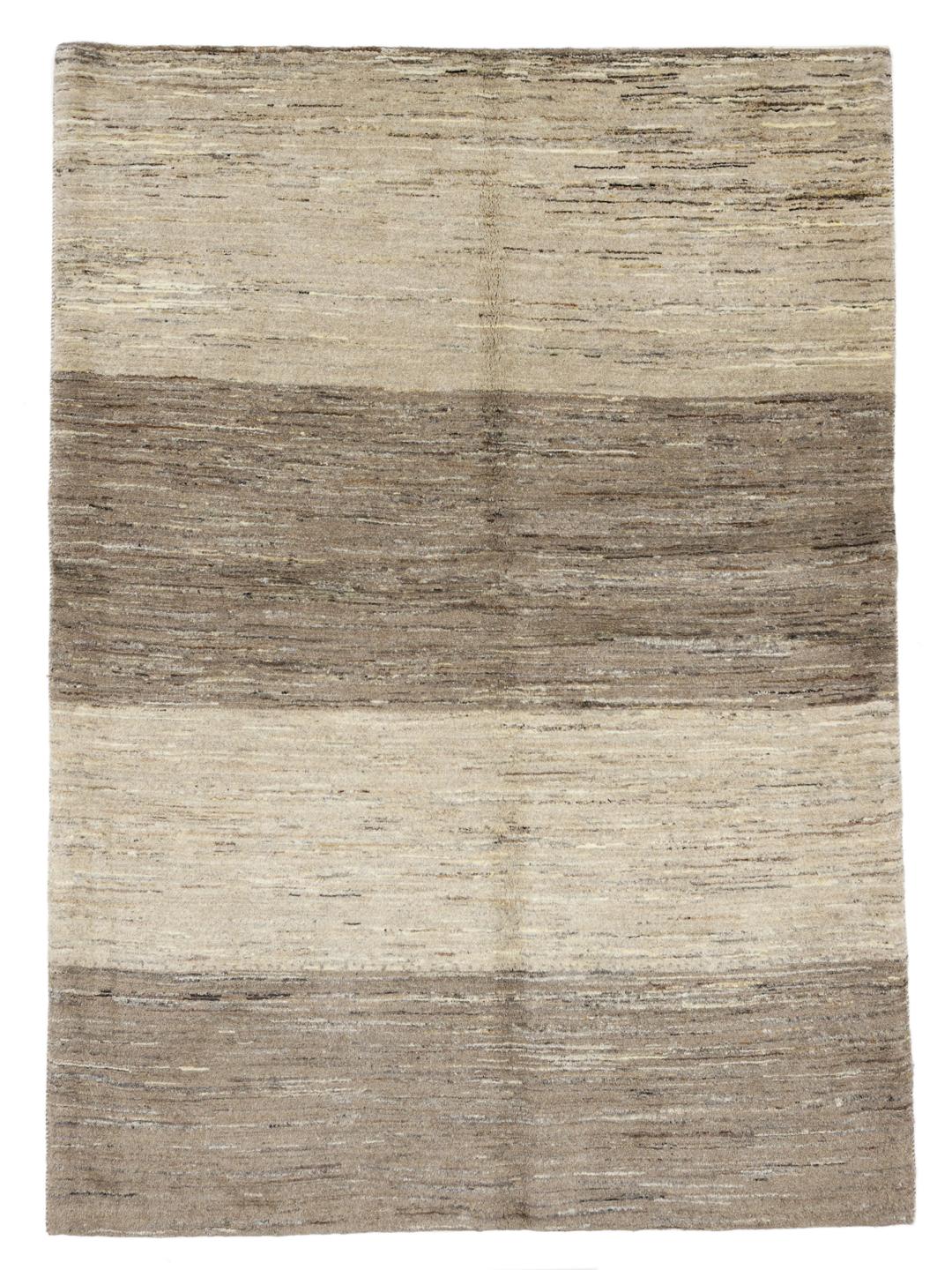
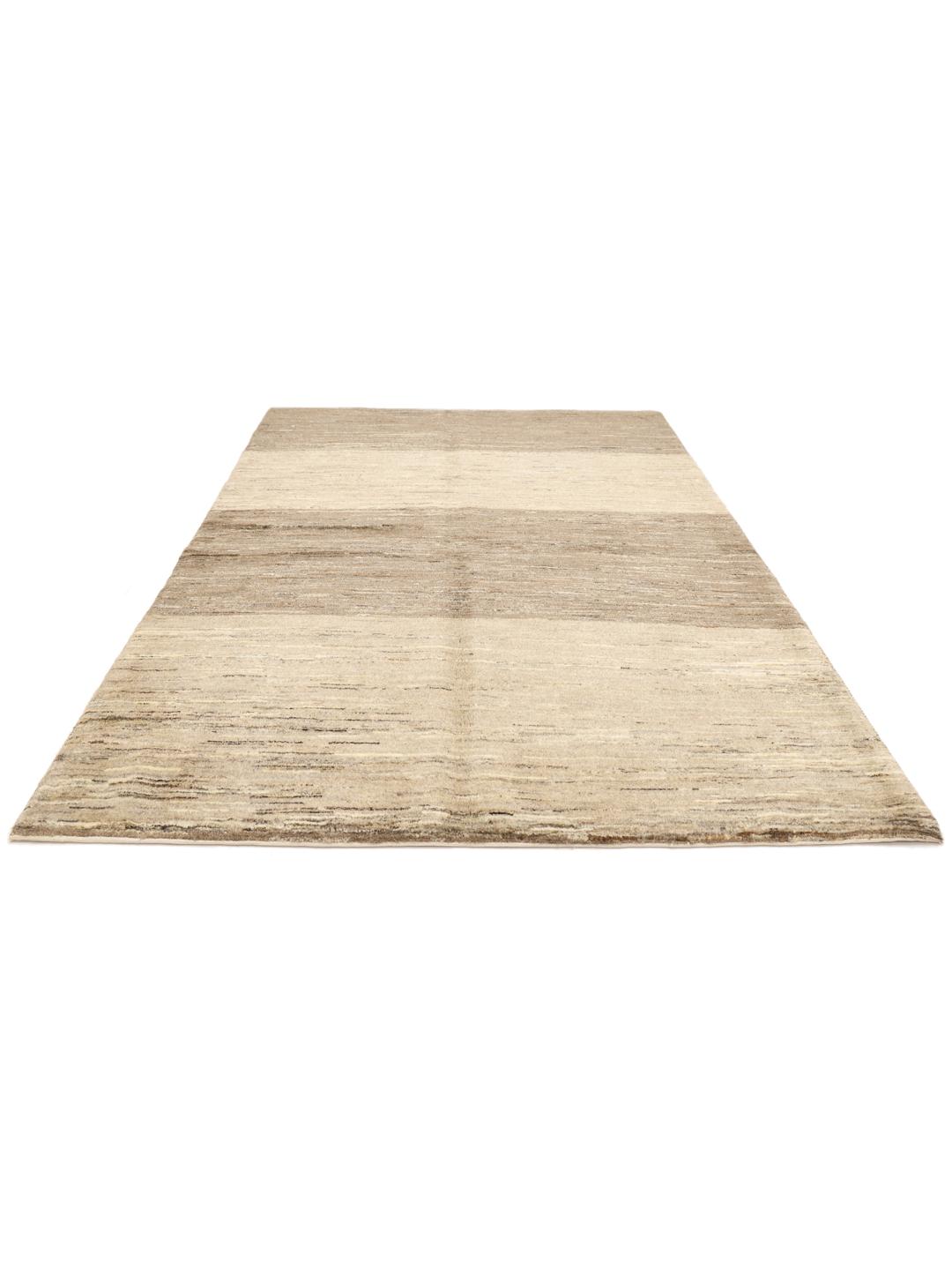
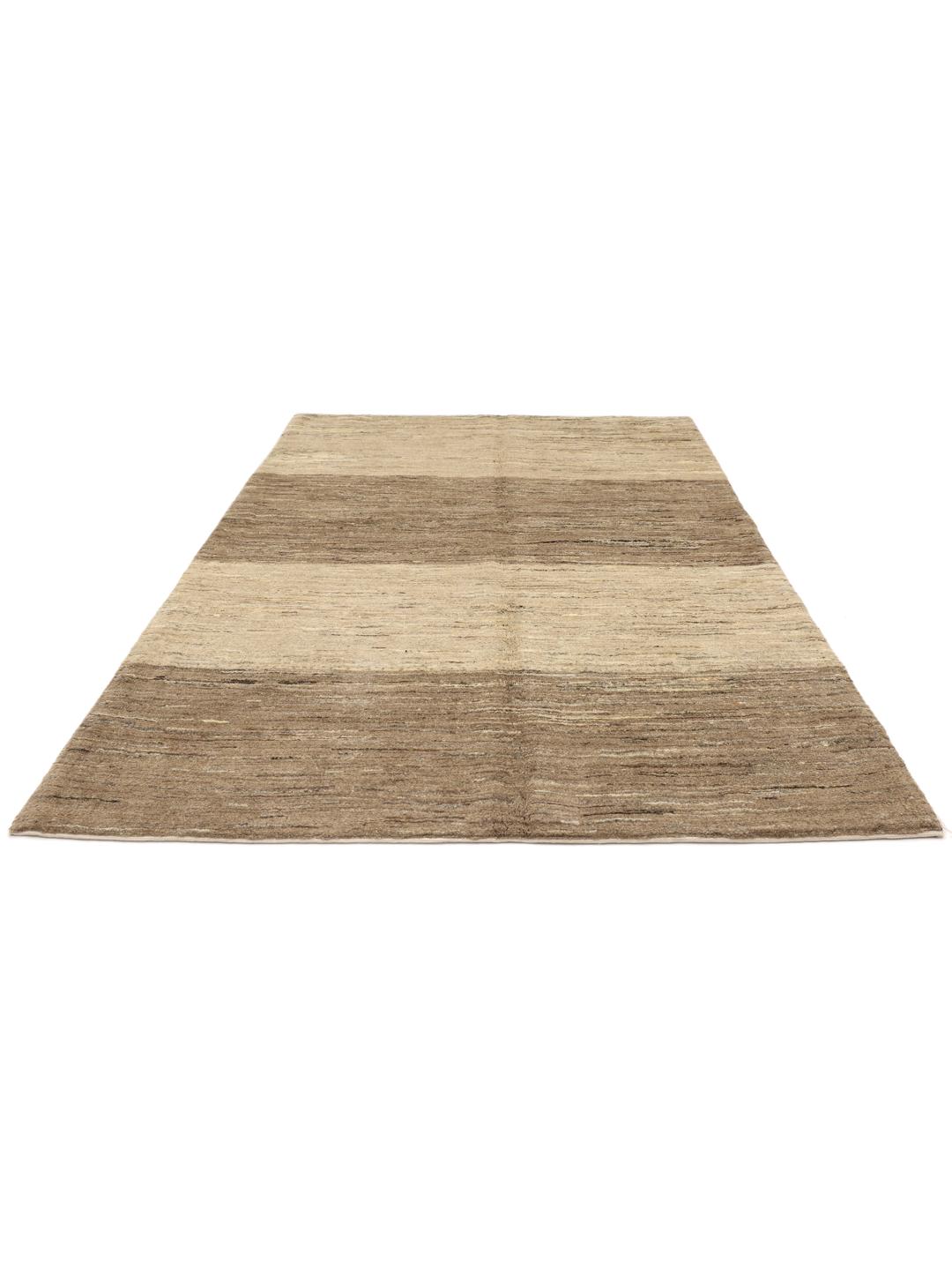
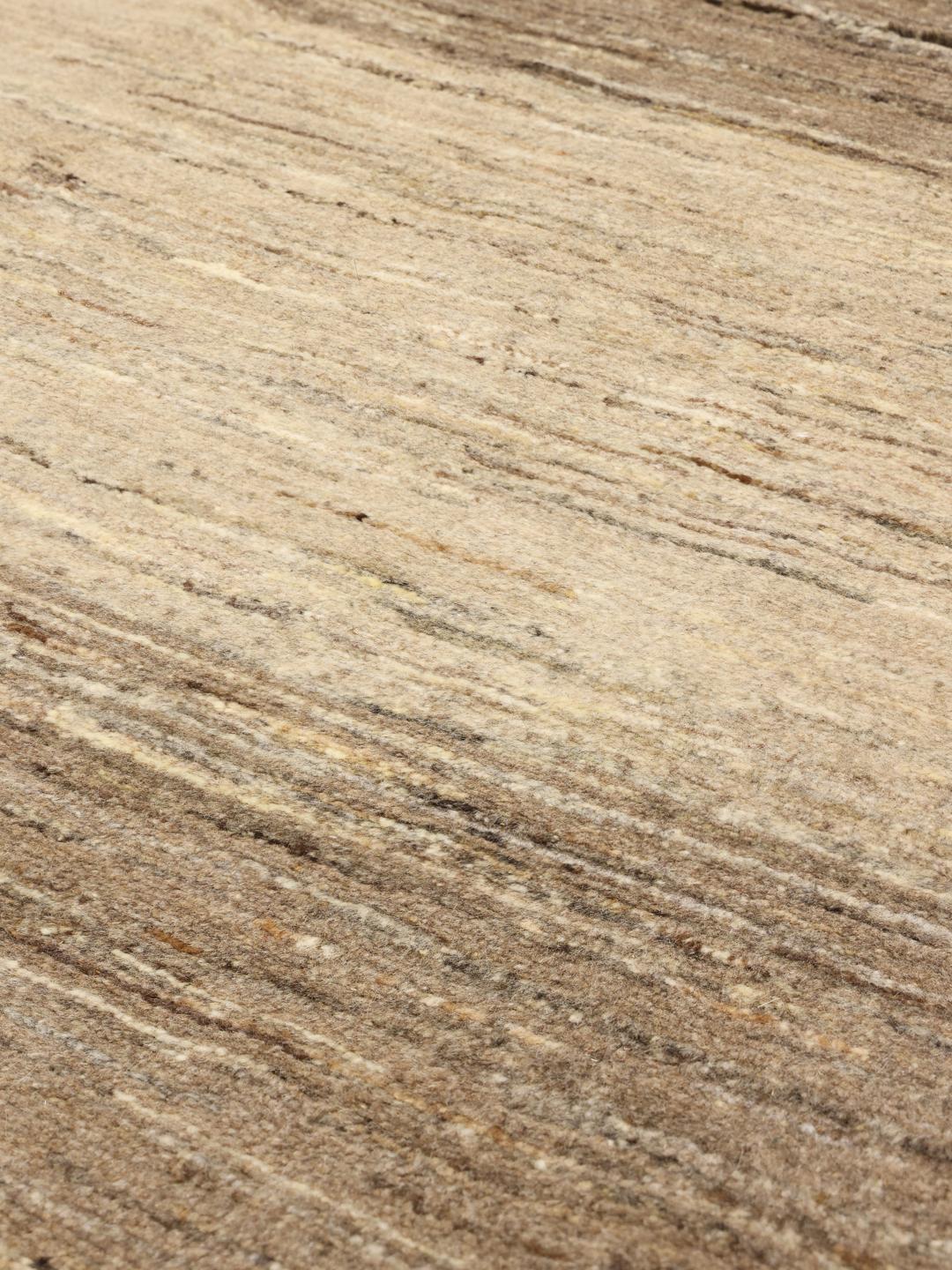
Signature design elements for these rugs often include wide bands of colour, simple geometric shapes, or sparse, stylised depictions of animals and plants. The colour palettes are typically derived from natural dyes, showcasing the rich, earthy tones of local wool. This specific rug captures that essence through its striped pattern, which showcases the subtle variations in natural wool shades, highlighting the beauty of unprocessed, authentic materials.
Today, these rugs are highly sought after by collectors and interior enthusiasts alike for their artistic spontaneity and cultural authenticity. Owning a piece from this tradition means connecting with a craft that has survived for centuries, passed down through generations of families. They are more than just floor coverings; they are historical artefacts of a nomadic way of life, celebrated for their honesty, warmth, and the unique human touch visible in every fibre.