The Gabbeh tradition traces its roots to the nomadic tribes of the Middle East, where these rugs were originally crafted for personal use rather than trade. Unlike the formal, symmetrical designs often associated with larger urban workshops, Gabbeh rugs were born from a desire for comfort and utility in the harsh, rugged environments of the high plateaus. This history of nomadic life is reflected in the simplicity and warmth that define the category today.
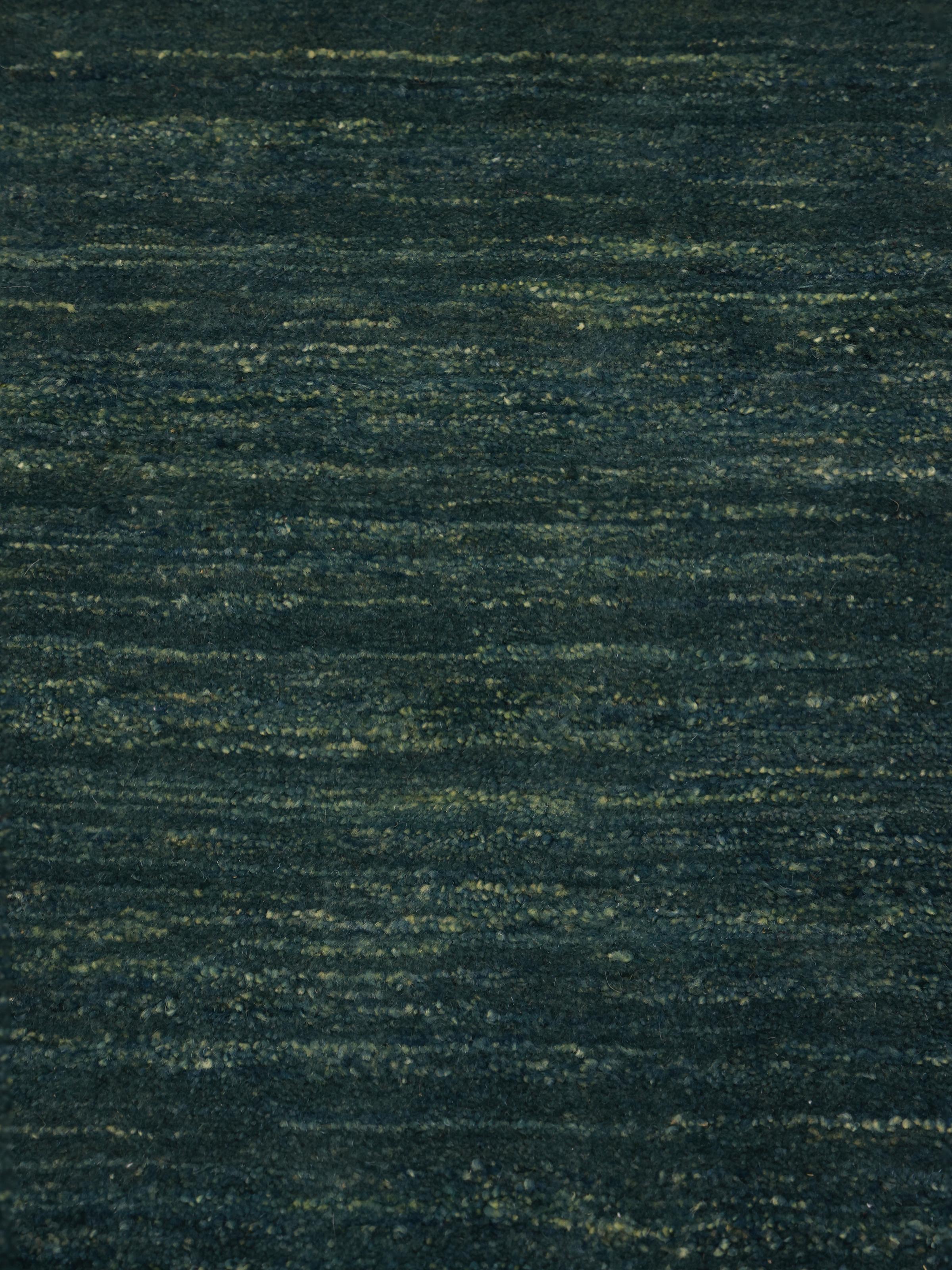
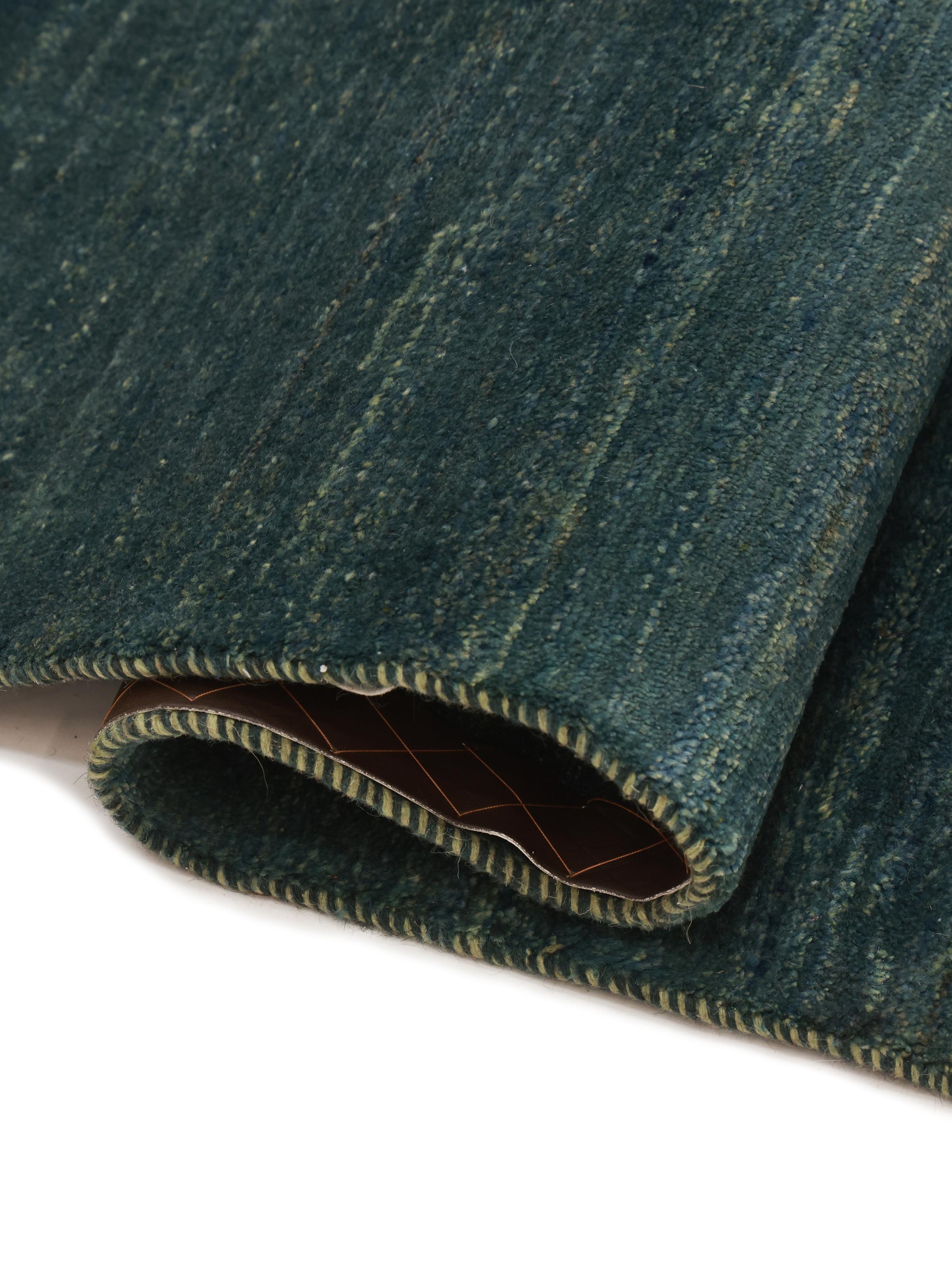
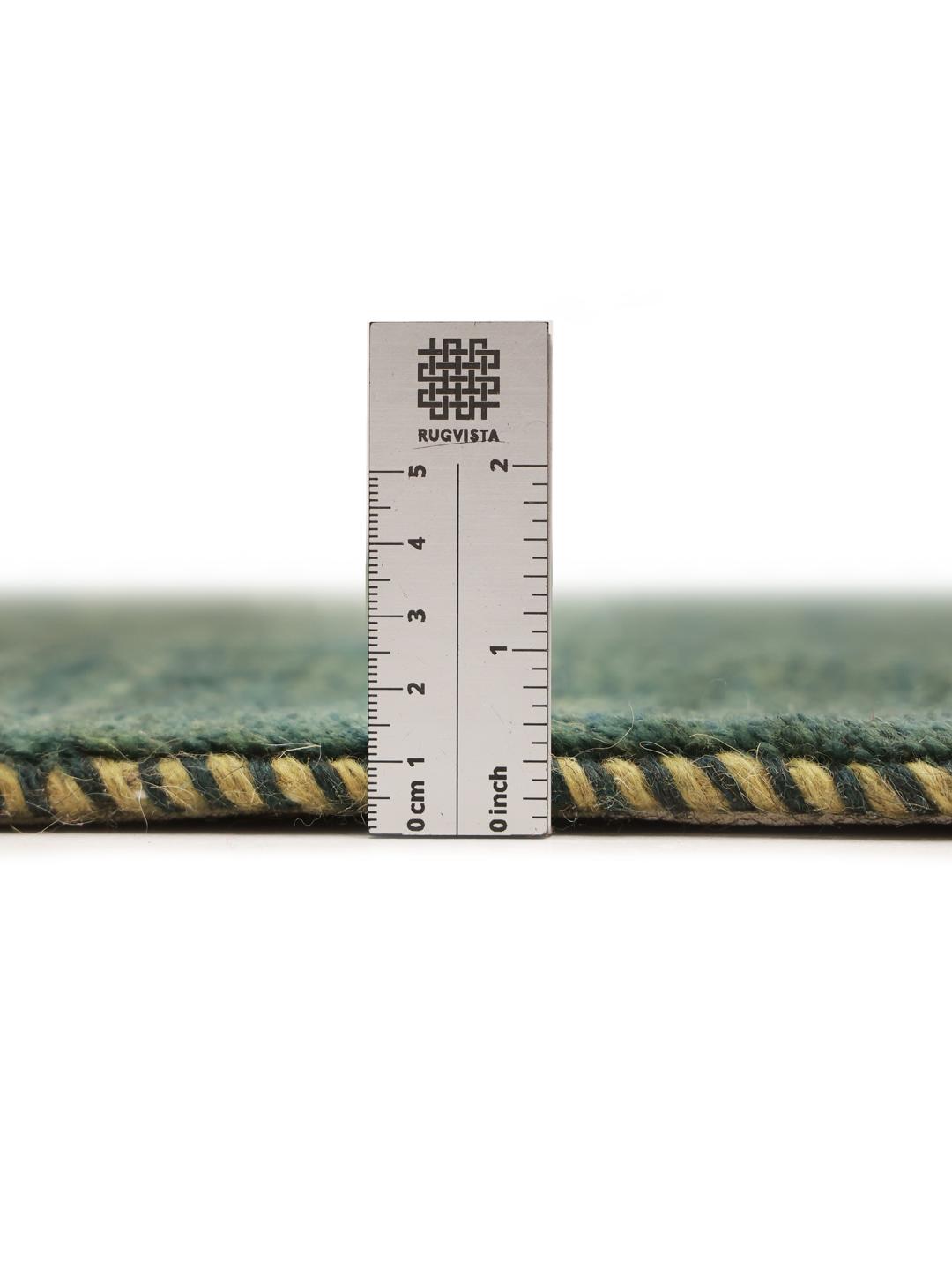
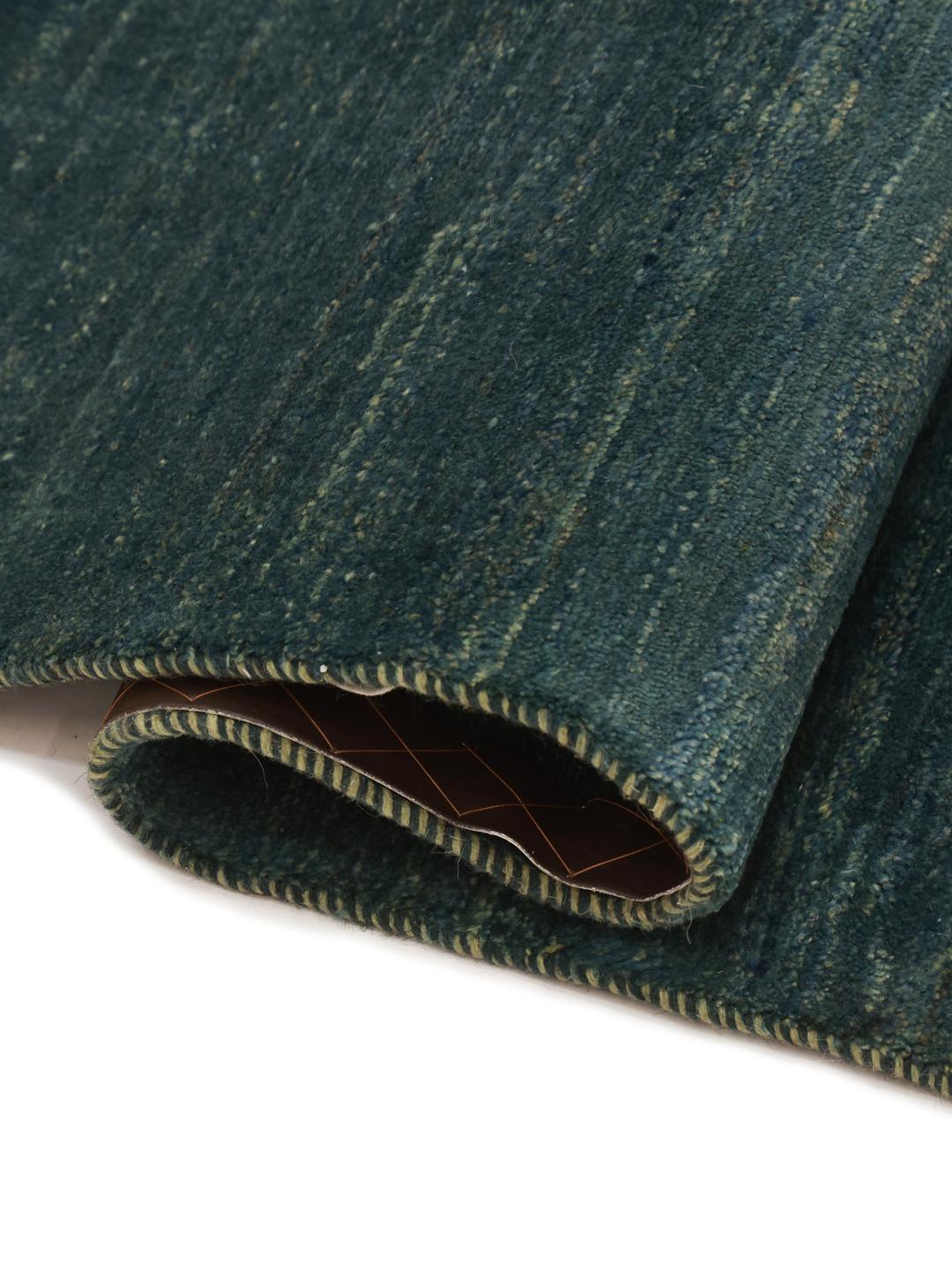
The term Gabbeh essentially translates to raw or natural, which perfectly captures the unpretentious spirit of these rugs. They are known for their thick, hand-spun wool pile, which is intentionally kept long to provide excellent insulation against cold floors. This construction method prioritises a soft, inviting texture over complex, intricate motifs, creating a tactile experience that is synonymous with authentic, traditional craft.
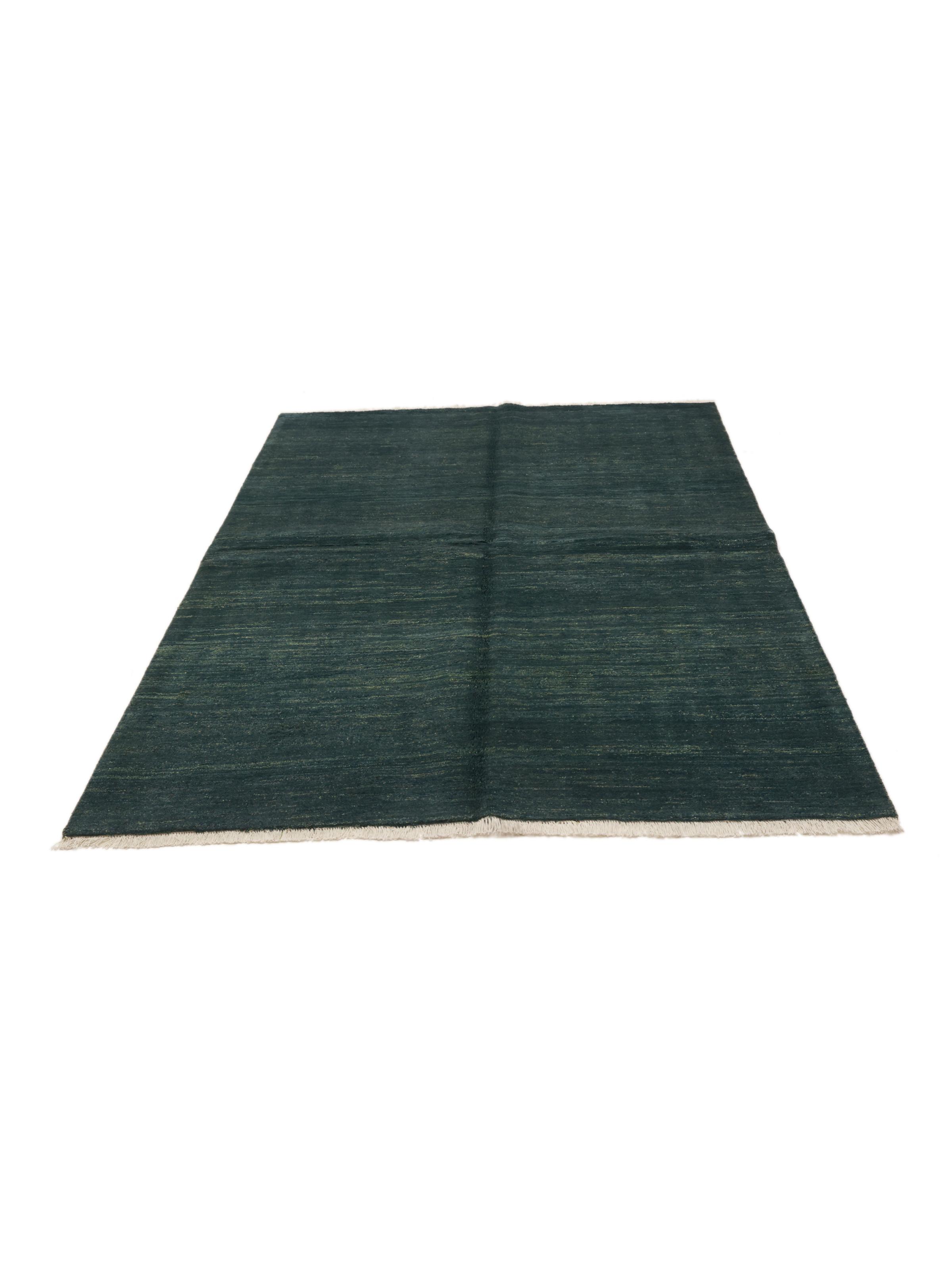
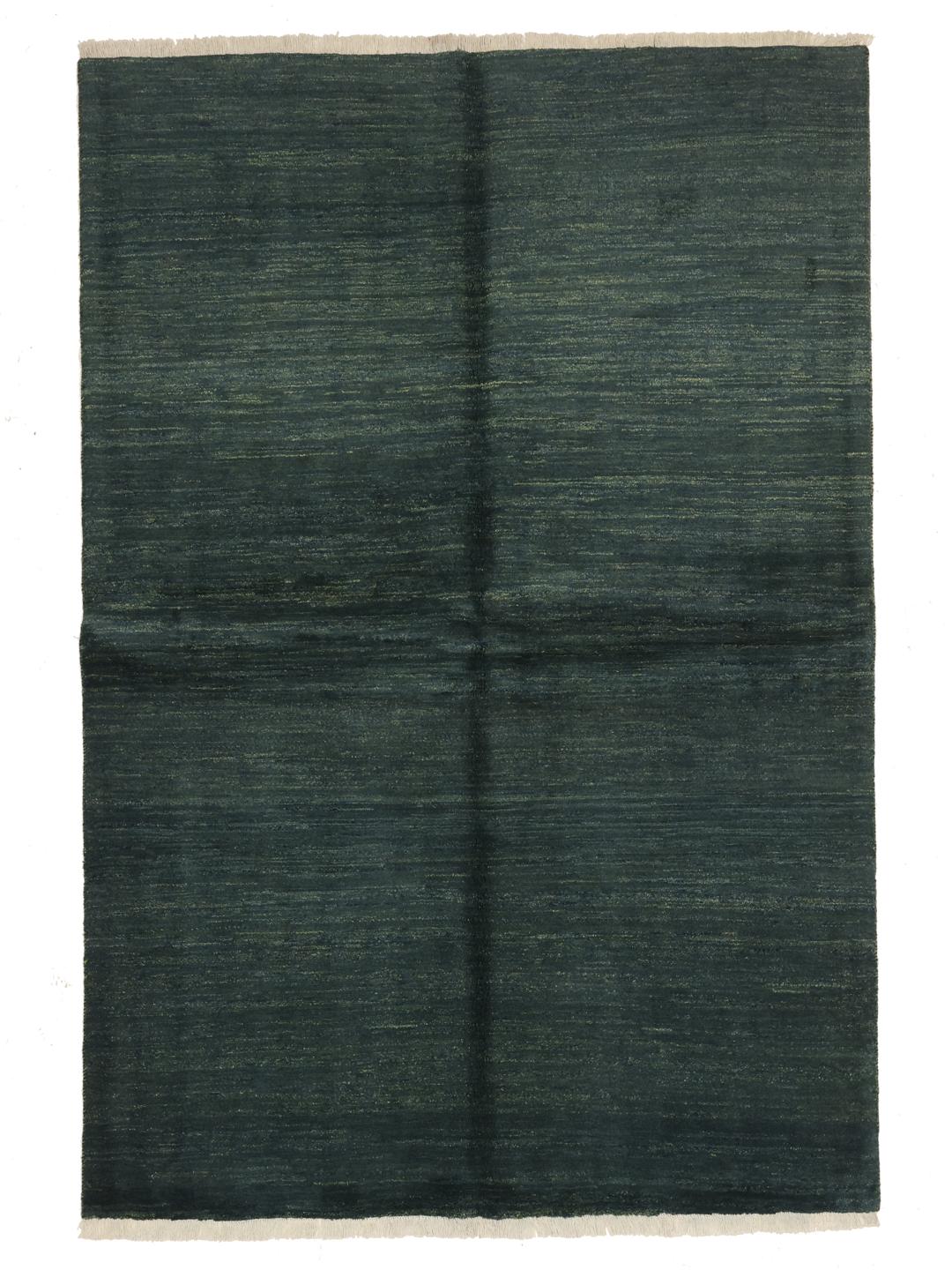
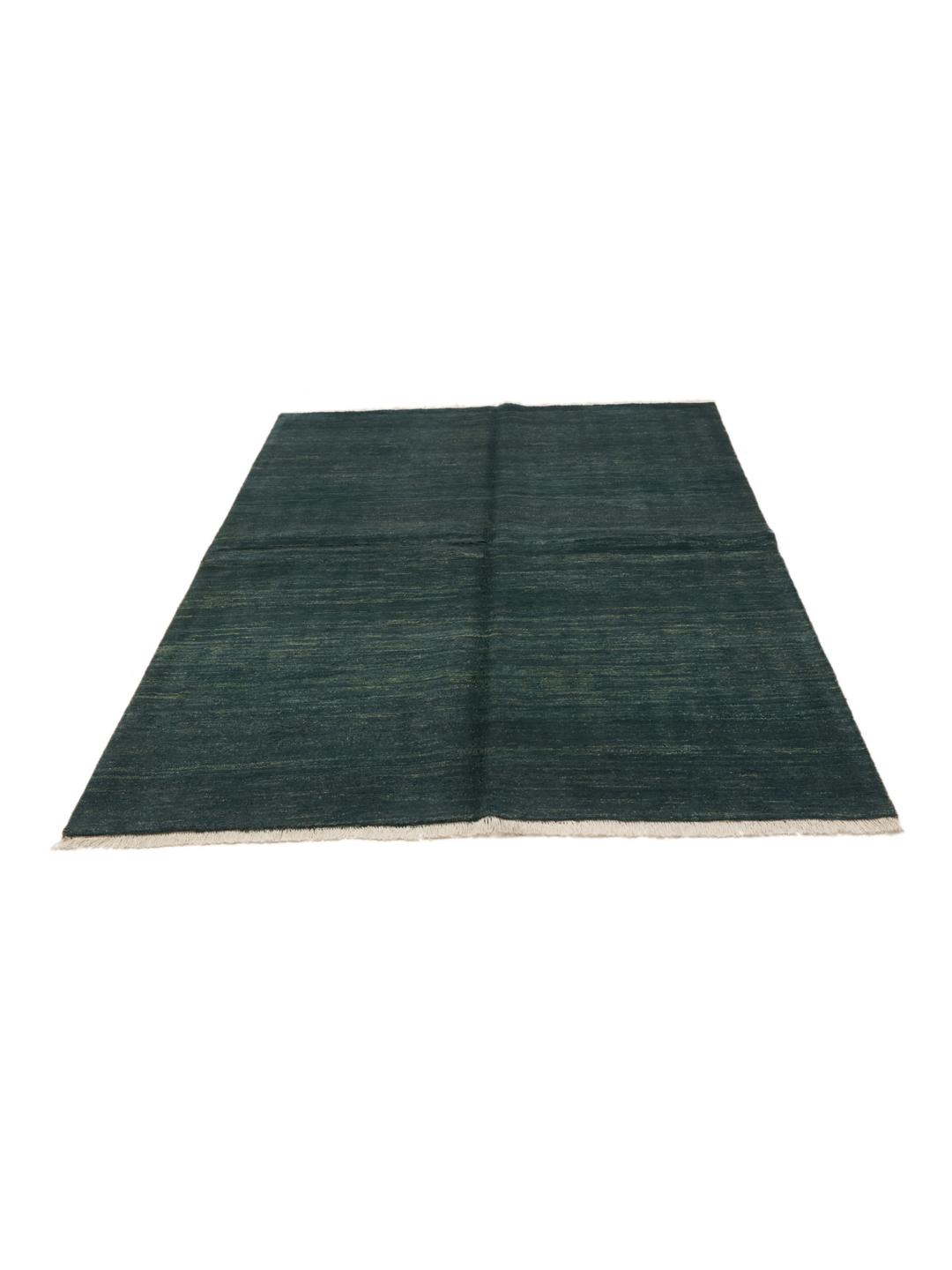
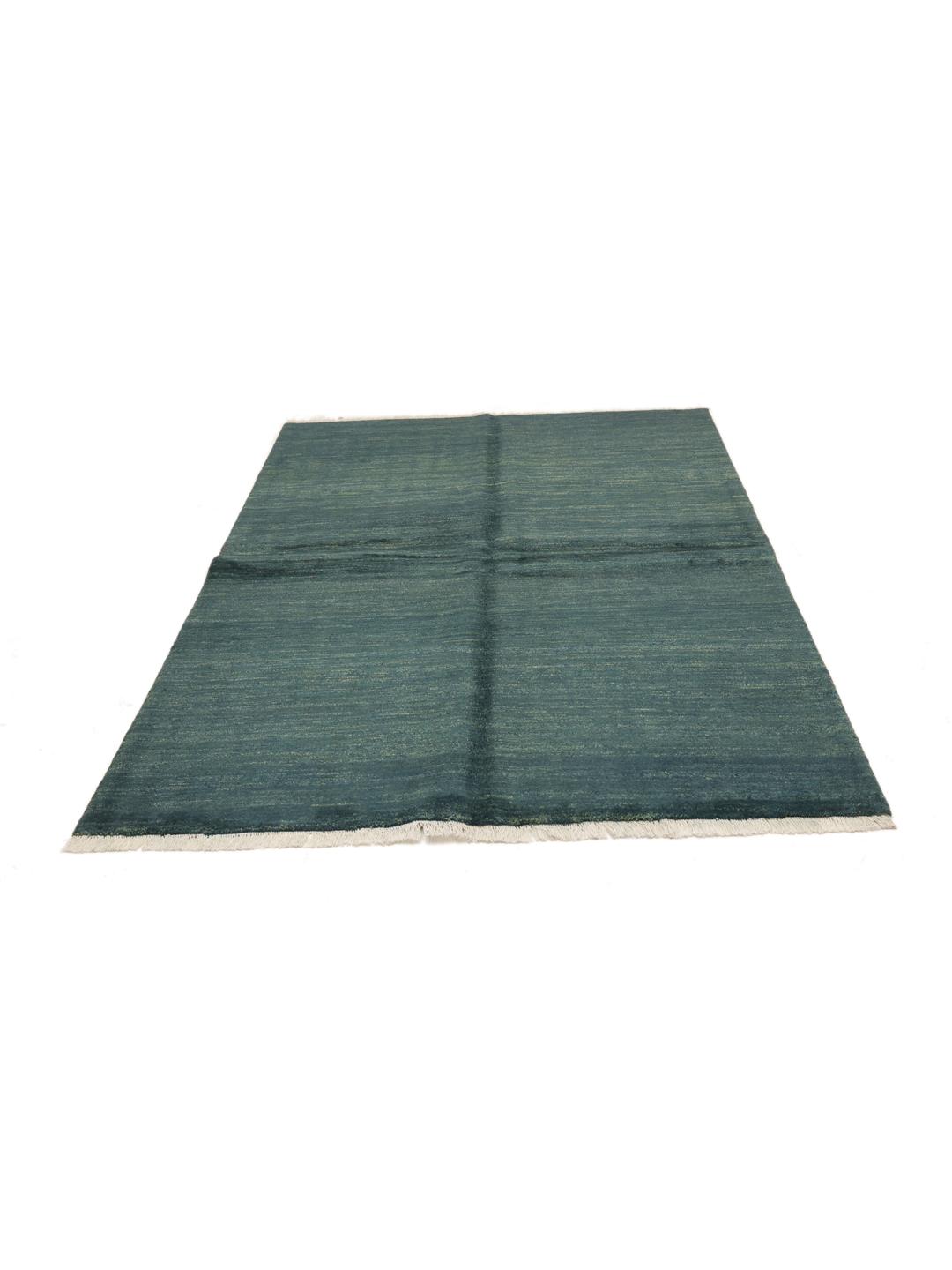
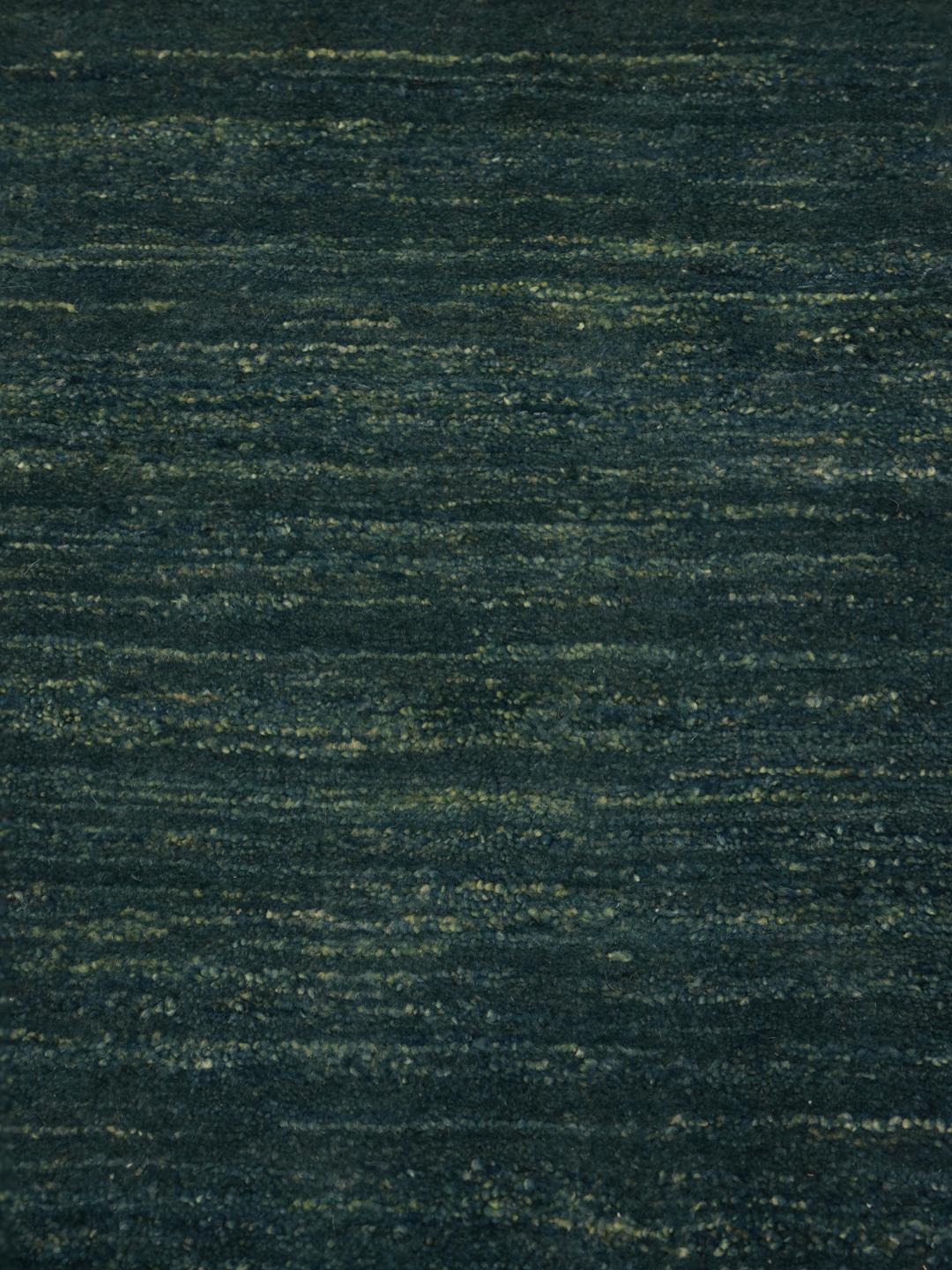
Visually, these rugs are celebrated for their use of bold, saturated colours and large, open fields. While many traditional rugs are defined by strict, repeating patterns, the Gabbeh is often a canvas for the weaver's personal expression, frequently featuring simplified, stylised representations of the natural world or purely geometric forms. This specific rug, with its deep and uniform dark-green field, represents a more minimalist and modern interpretation of this ancient, expressive tradition.
Collecting a piece from this tradition is an act of preserving a story of human ingenuity and resilience. Because they were traditionally woven on portable horizontal looms, each rug is an intimate reflection of the landscape and the weaver's own life. Owning such a piece connects your modern home to an ancient lineage of craft, offering a sense of depth and cultural weight that mass-produced items simply cannot match.