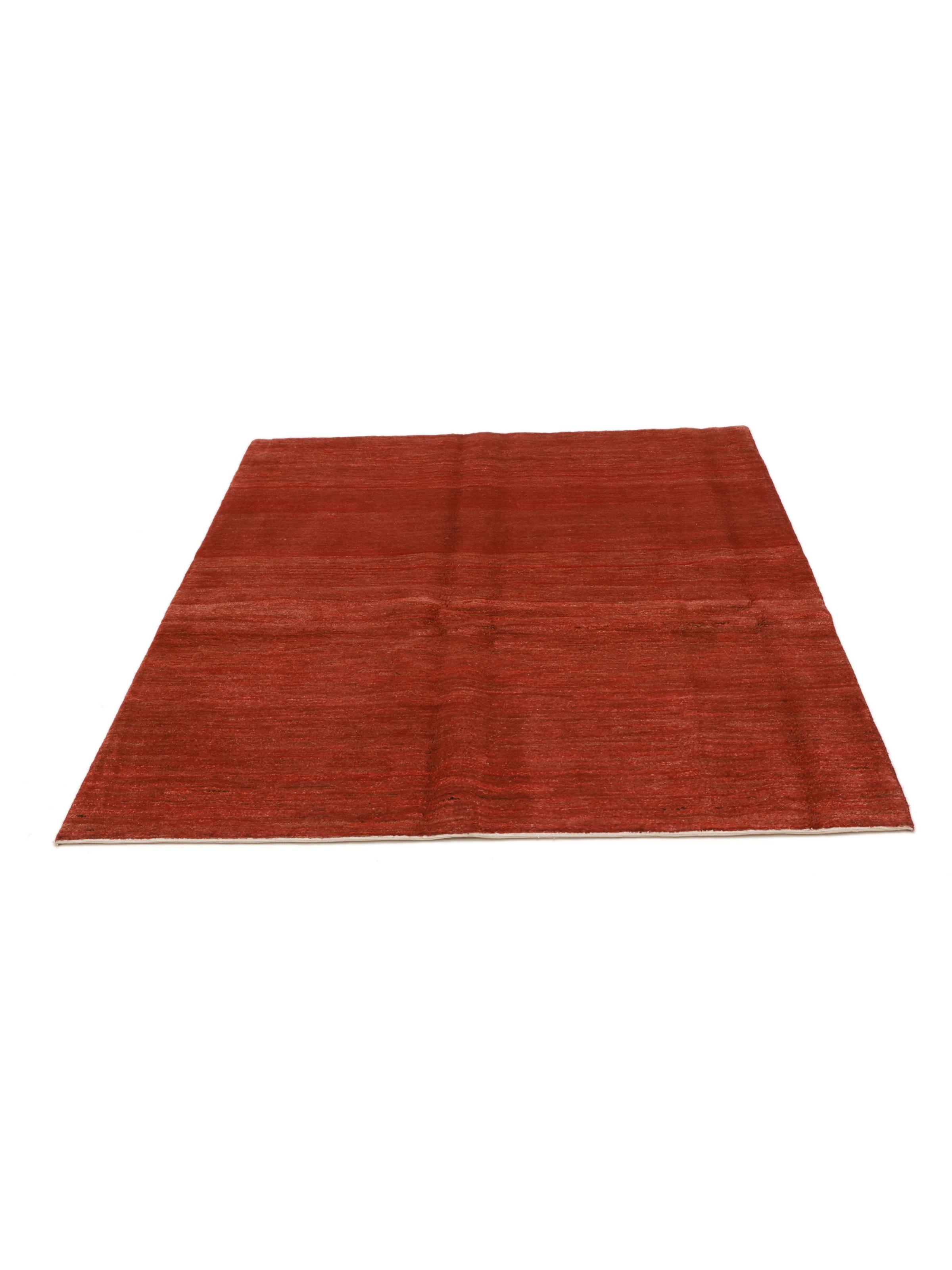
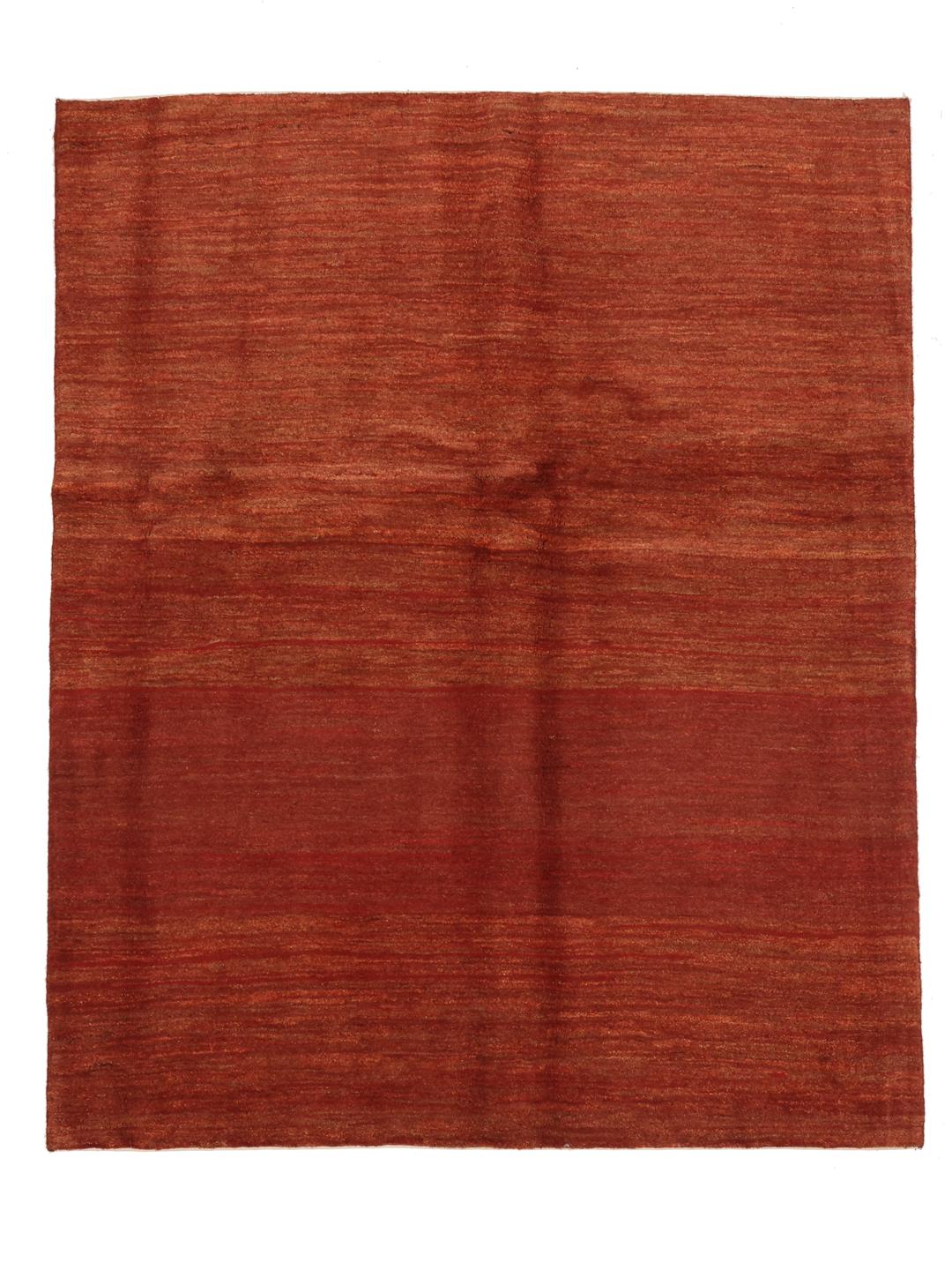
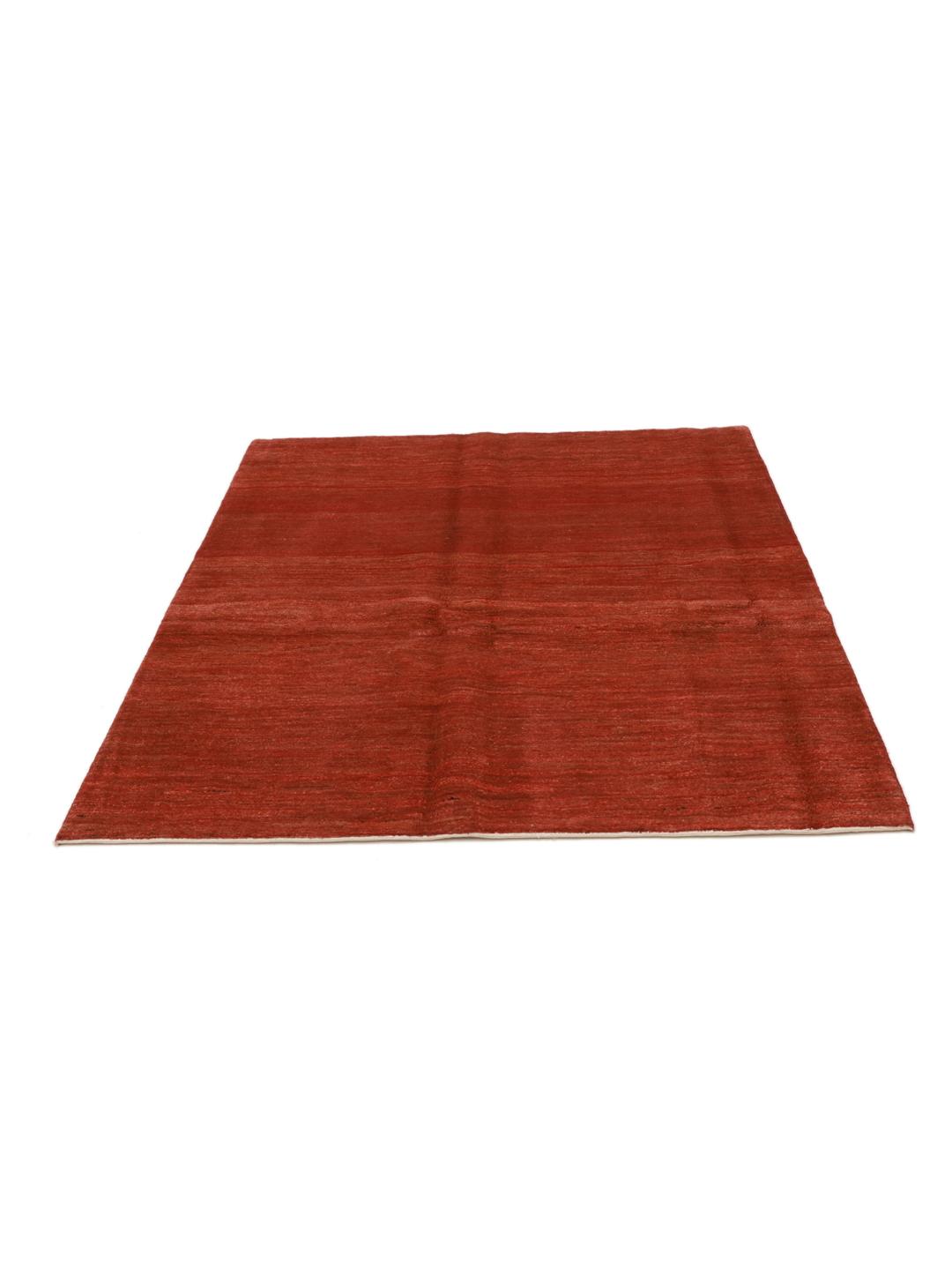
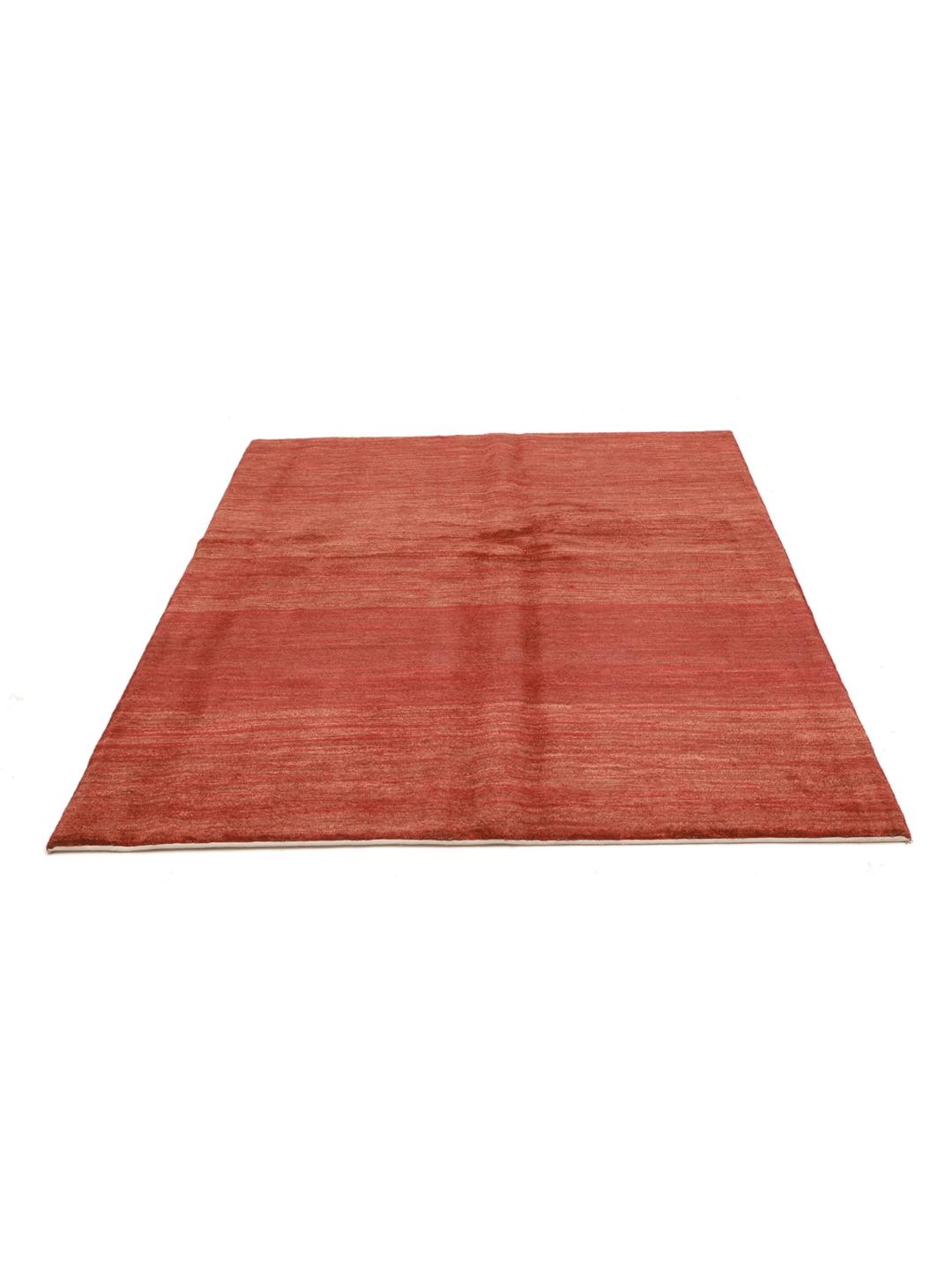
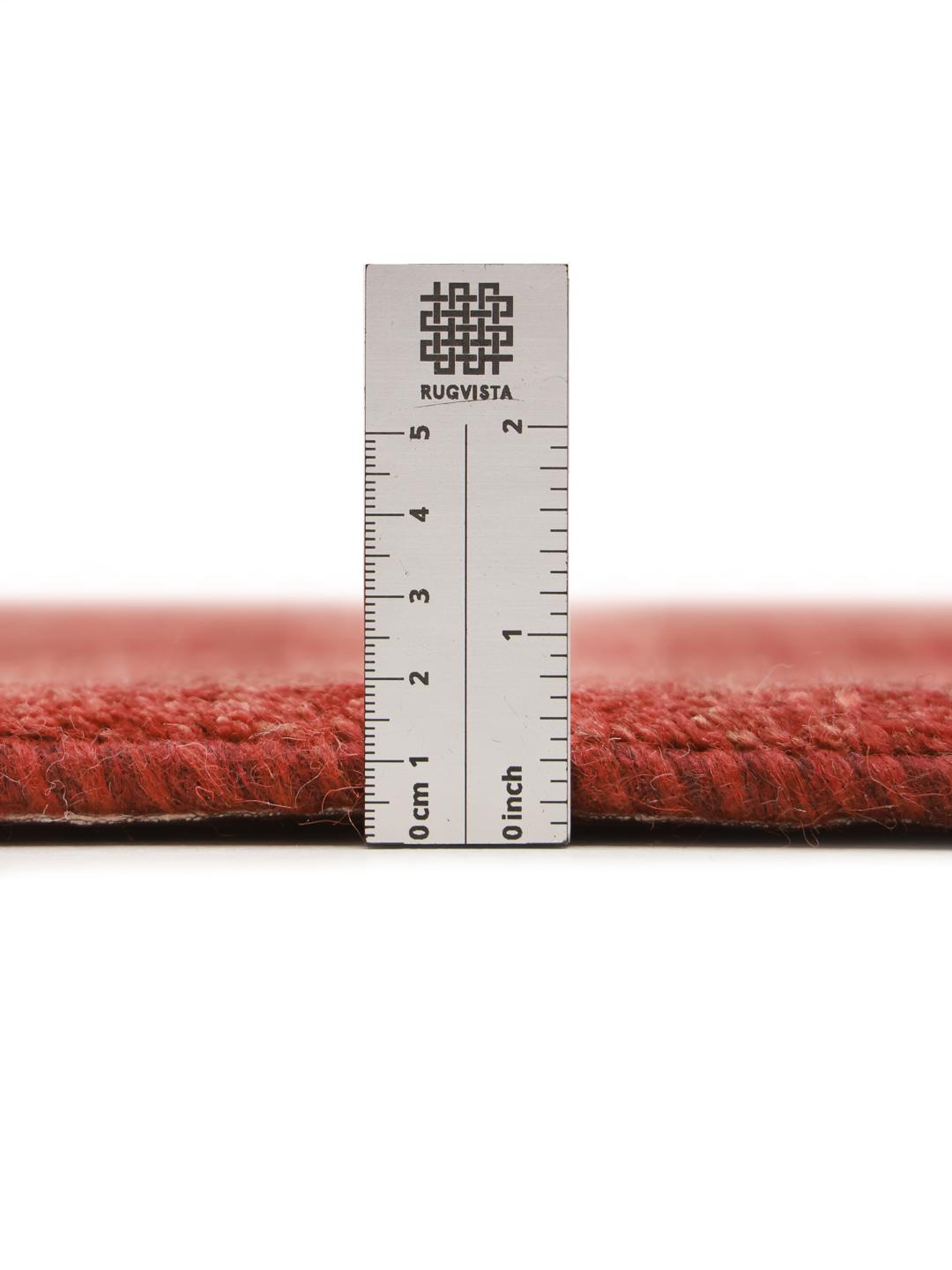
The Gabbeh is a storied tradition from the Middle Eastern region, historically woven by nomadic tribes. Unlike many other styles that follow rigid, pre-planned patterns, Gabbehs were traditionally created as personal expressions, often used for practical purposes like sleeping or sitting on the ground. Their history is deeply intertwined with the nomadic lifestyle, where weavers used their surroundings and imagination to dictate the design.
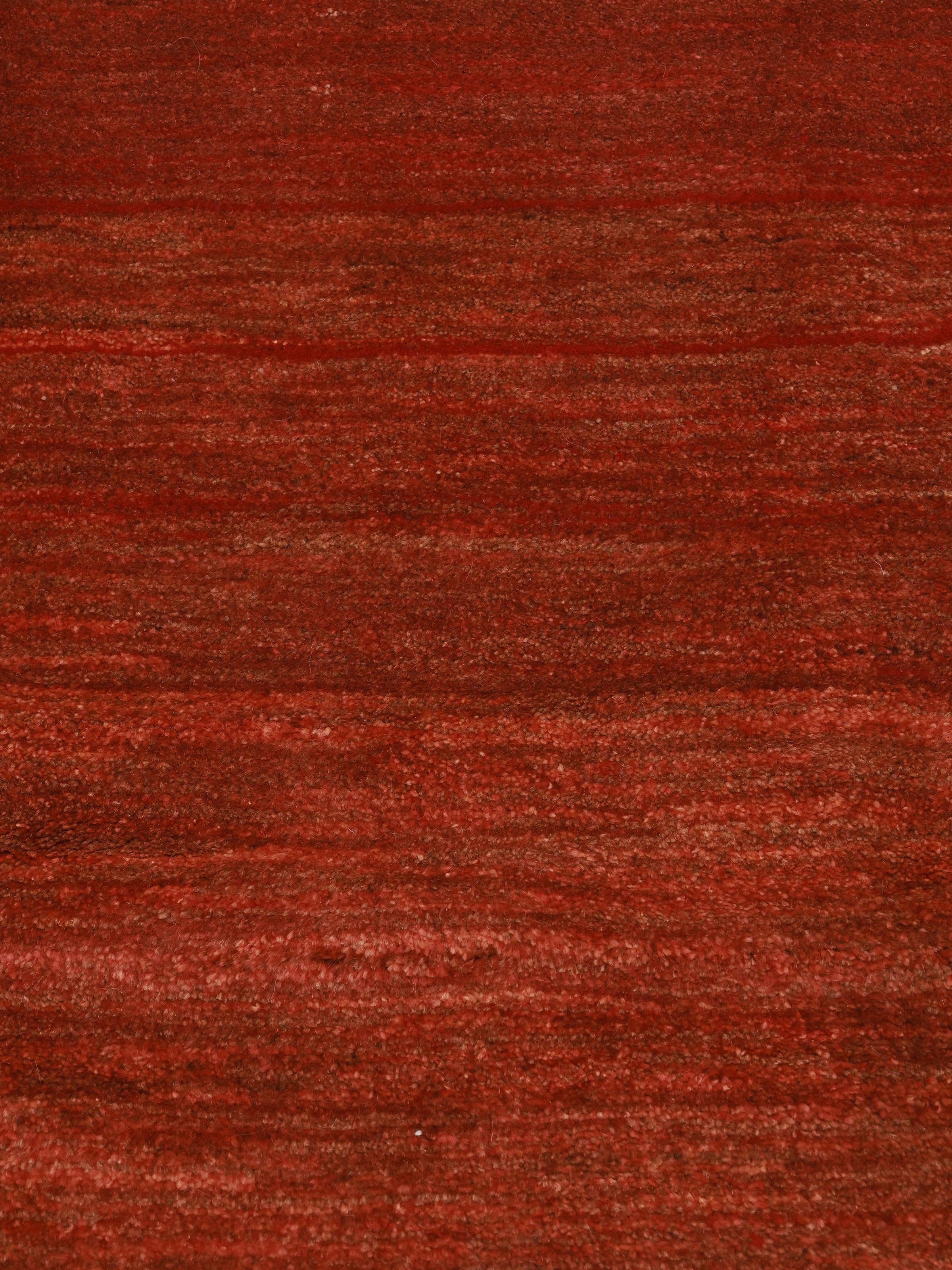
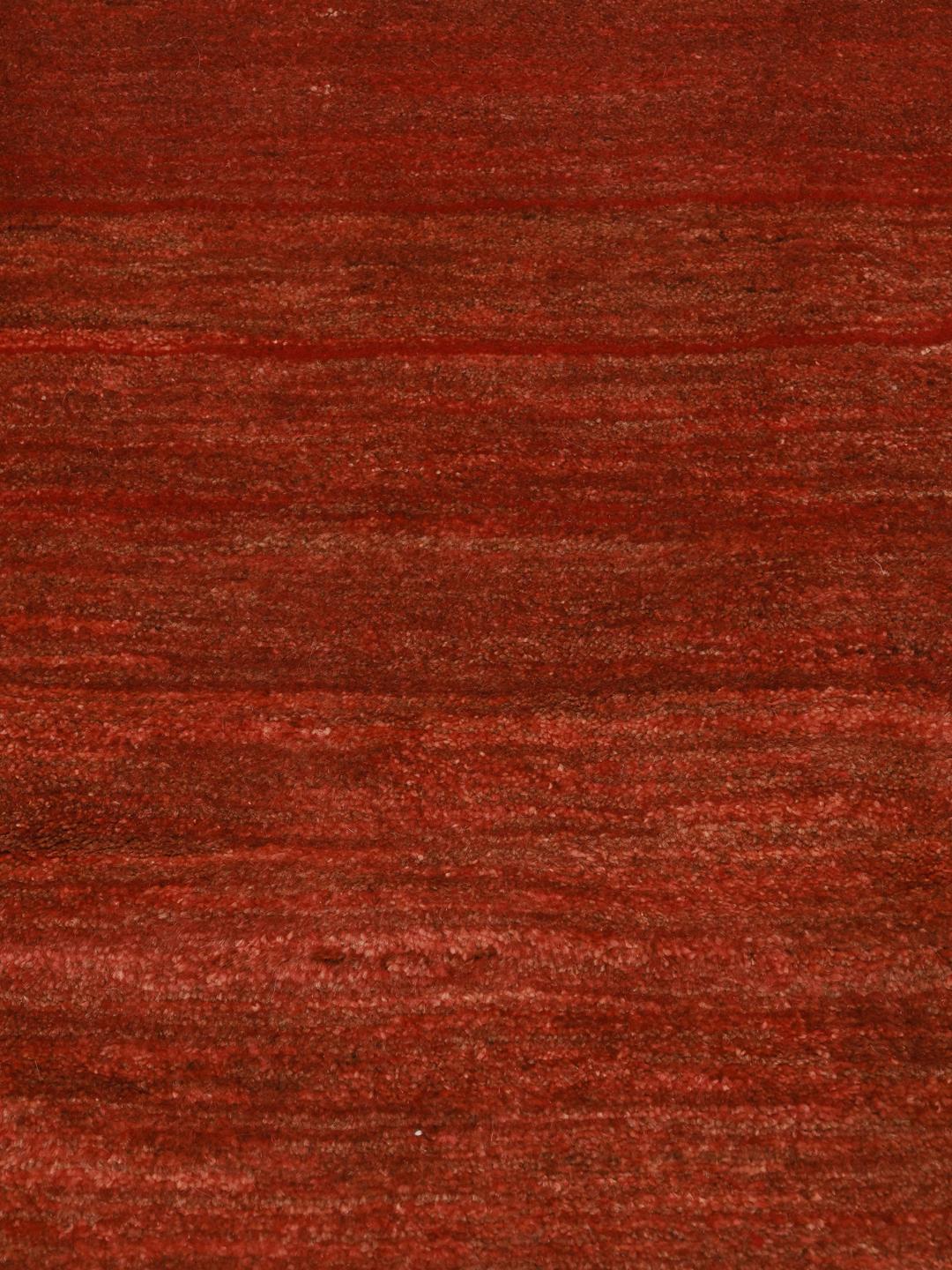
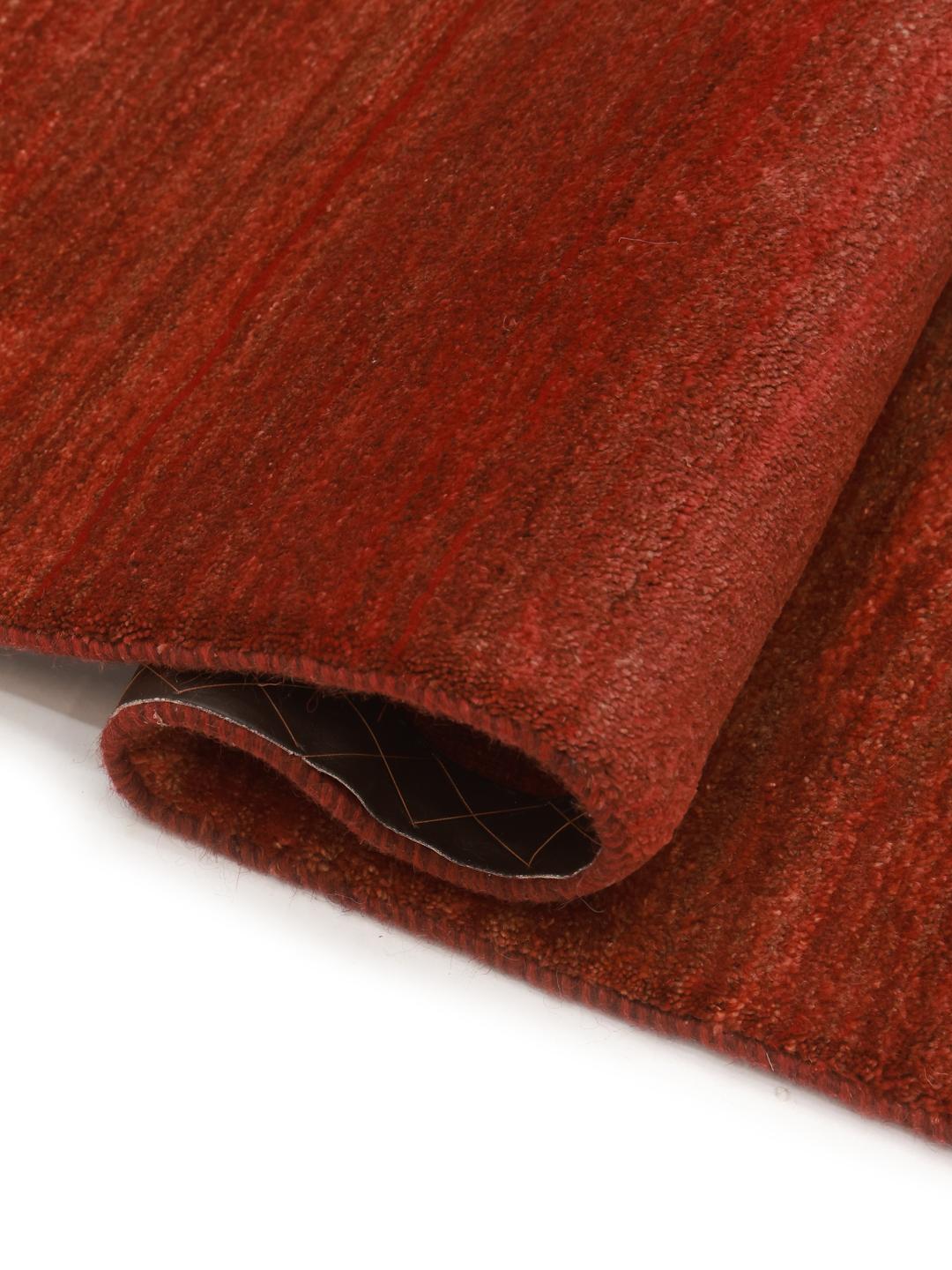
The term Gabbeh refers to the thick, coarse, and long-pile nature of these rugs, which are traditionally made with hand-spun wool. This artisanal approach, where the wool is often dyed with natural vegetable pigments, creates the characteristic uneven, vibrant colour known as abrash. This technique is not a flaw but a hallmark of authenticity, reflecting the subtle variations of natural dyes and the individual hand of the maker.
Visually, these rugs are often celebrated for their minimalist, abstract, or pictorial motifs. While some feature bold geometric shapes, many of the most prized examples, like this one, focus on deep, saturated fields of colour. This minimalist aesthetic has made them highly sought after by contemporary designers, who value the rug’s ability to bridge the gap between ancient tribal art and modern interior sensibilities.
Collecting a Gabbeh is about more than just floor decor; it is about preserving a piece of cultural history. These rugs are highly valued for their honest, unpretentious beauty and their ability to bring a sense of history into a modern home. Owning one is a commitment to the enduring quality of tribal craft and a celebration of a tradition that has remained largely unchanged for generations.