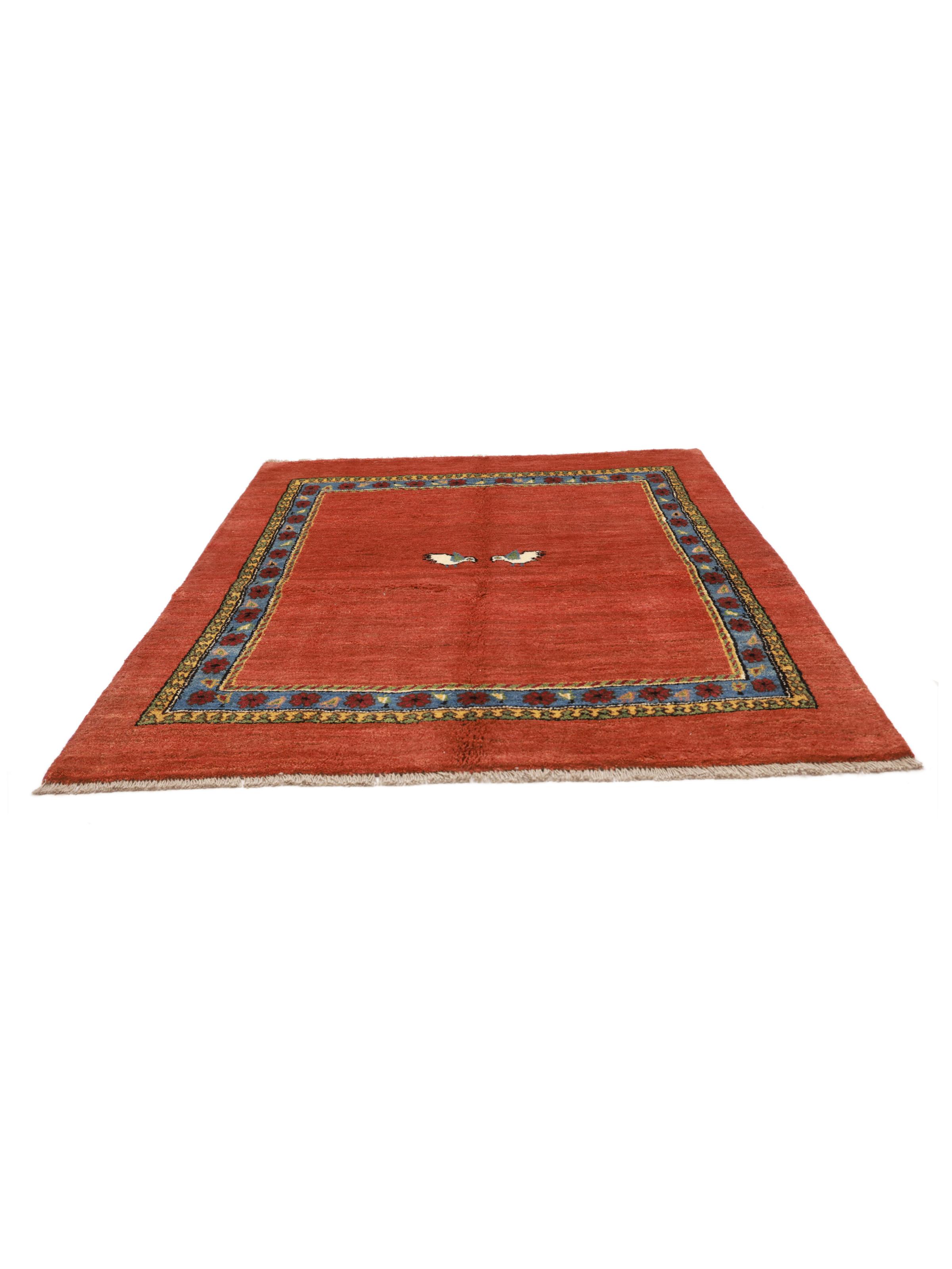
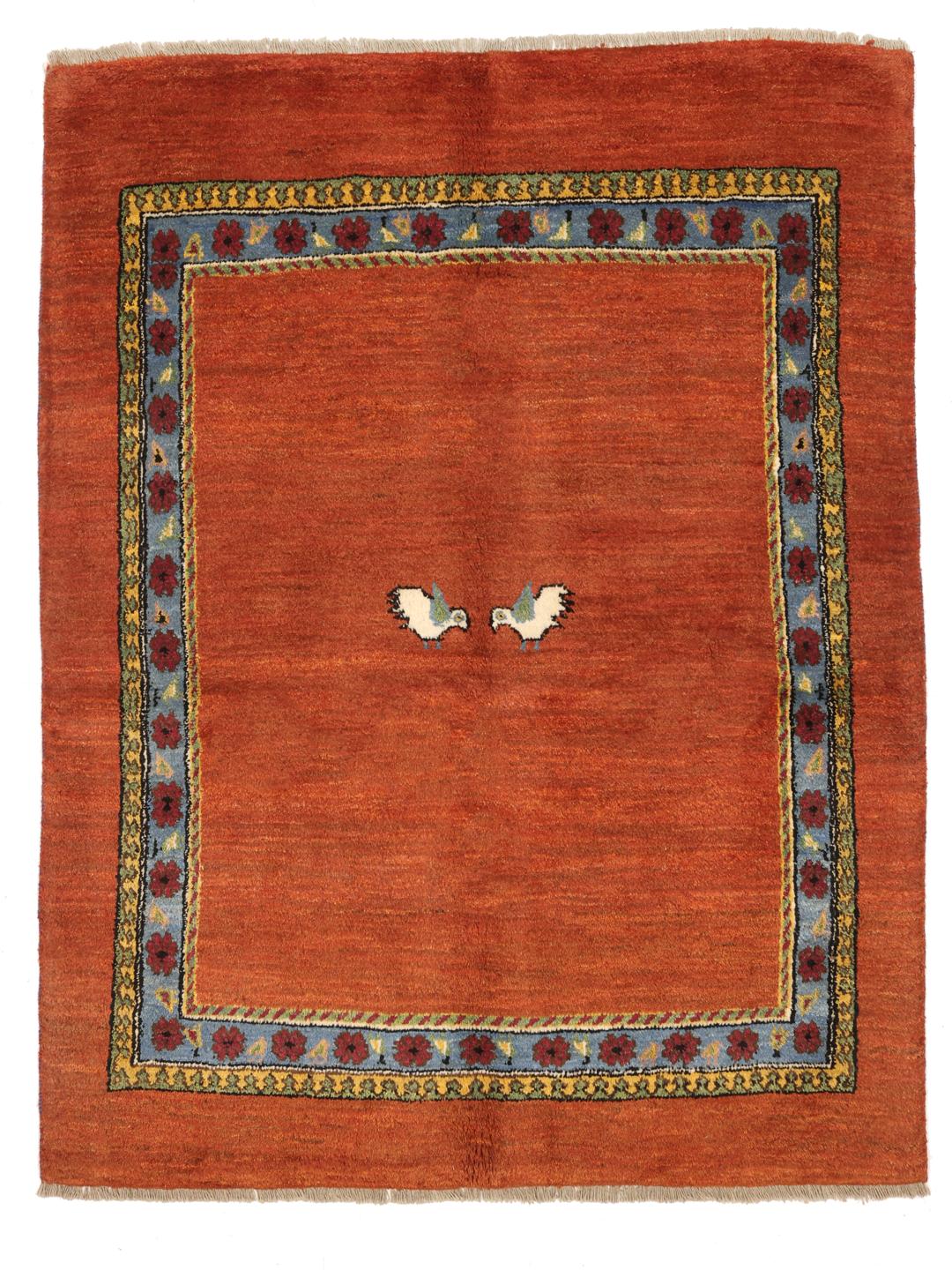
Gabbeh rugs have long been celebrated for their artistic freedom and connection to the nomadic traditions of the Middle East. Historically, these rugs were woven by tribal groups, not for commercial trade, but for personal use within the family. This origin gives them a highly personal and expressive quality that sets them apart from the more formal, urban-manufactured carpets.
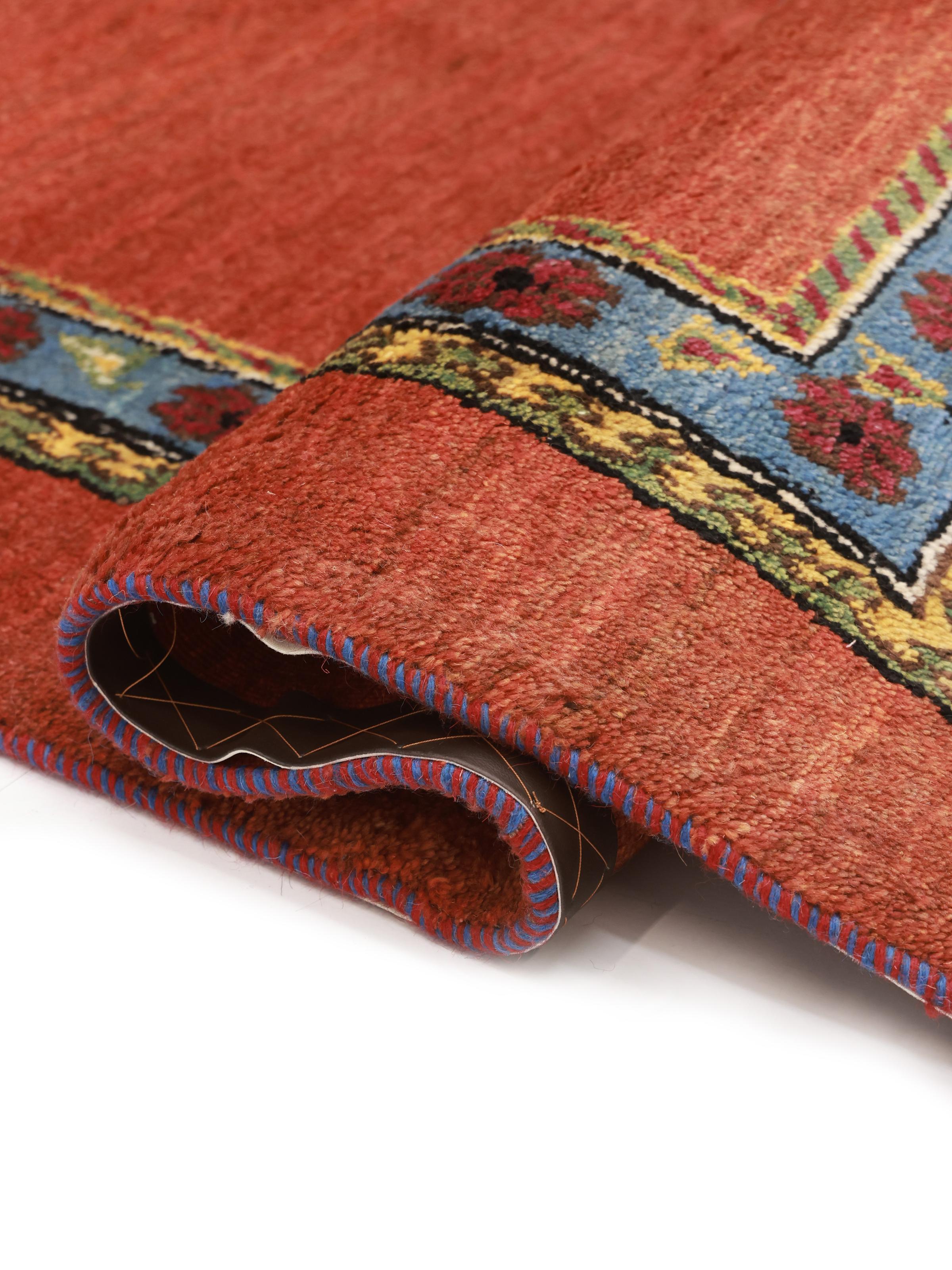
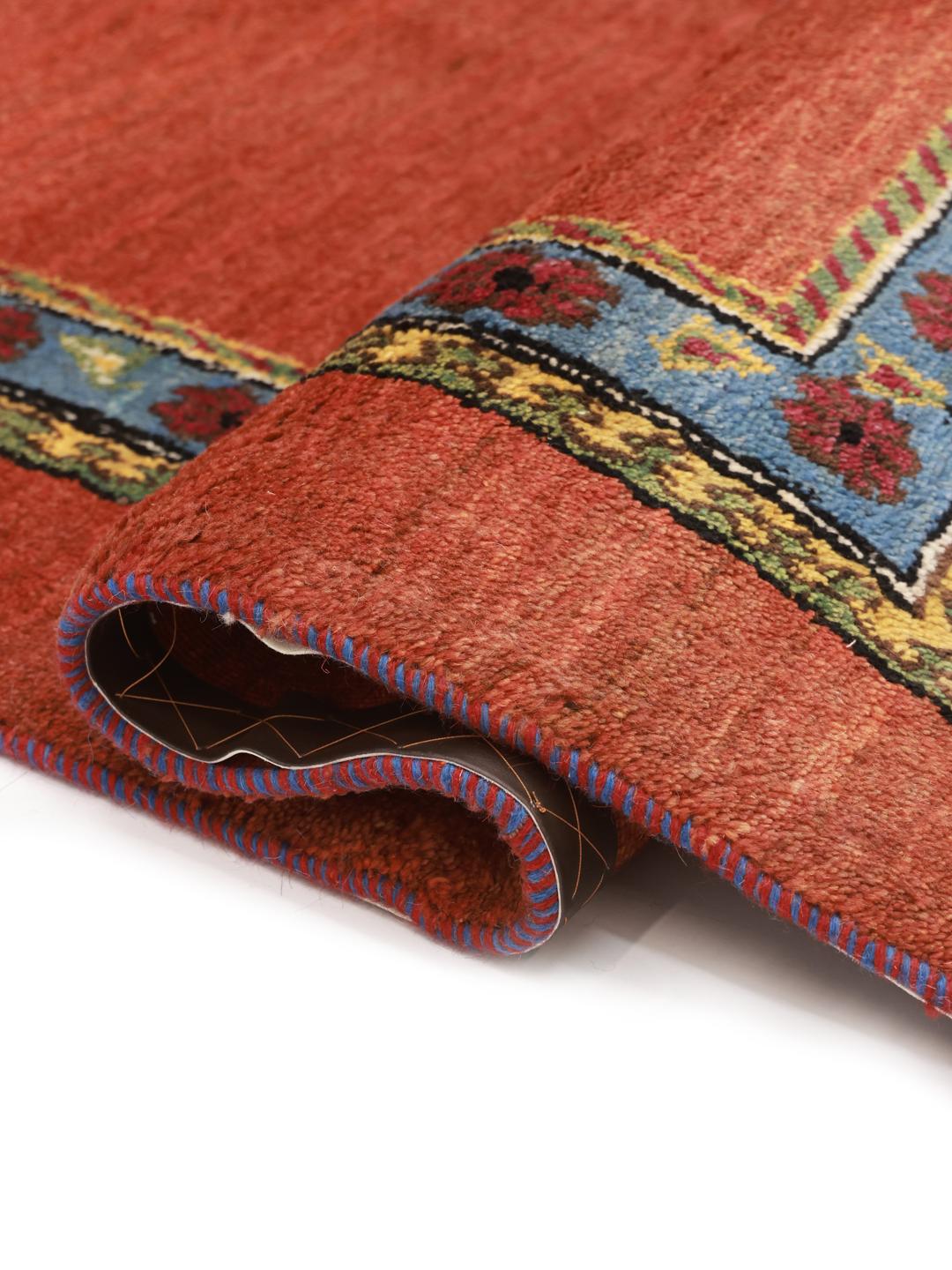
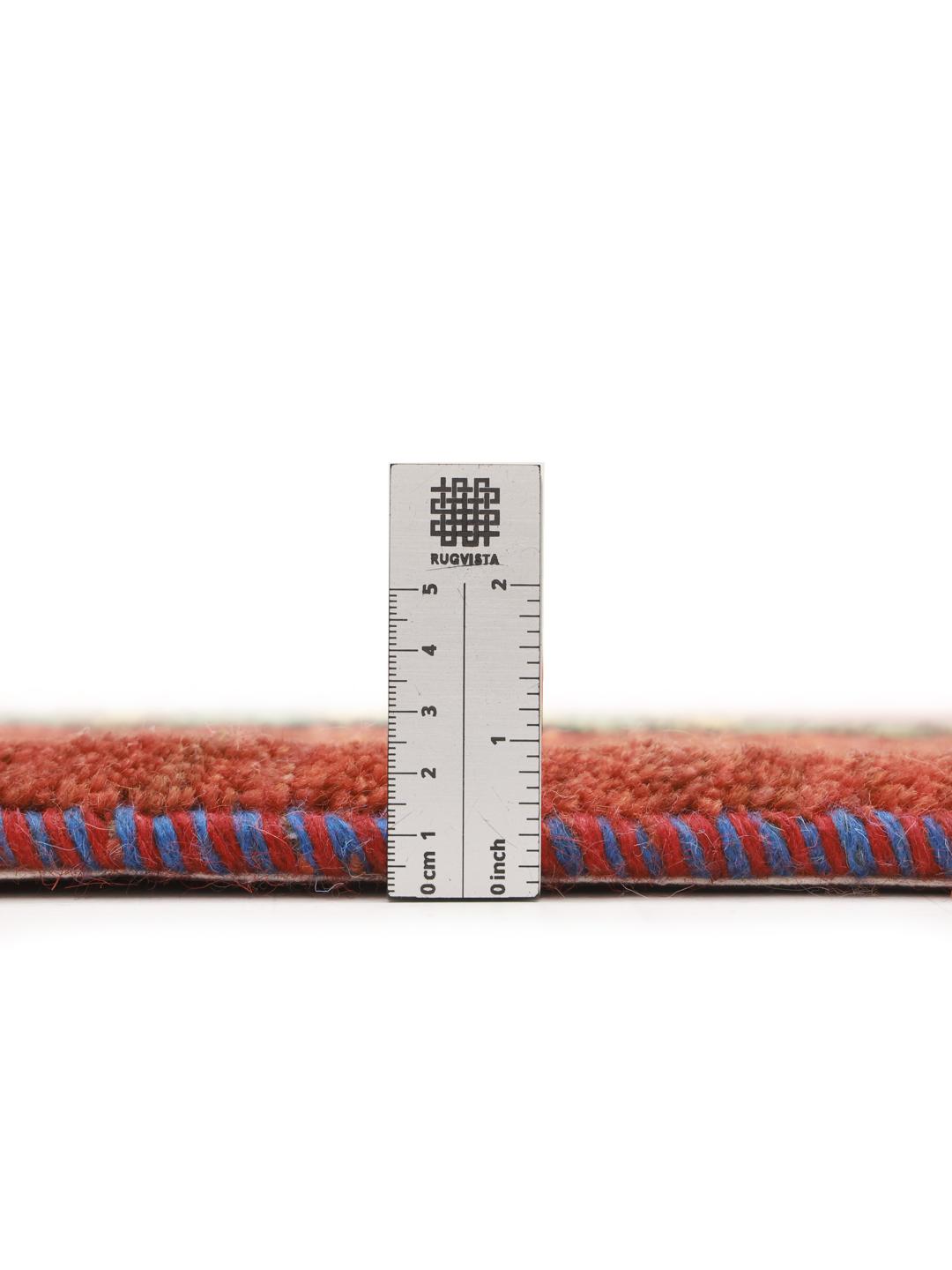
The term Gabbeh itself refers to a 'raw' or 'natural' style, which is reflected in the use of thicker, hand-spun wool. This material choice is intentional, as it creates a deeper, more cushioned pile that provides essential insulation against cold floors in mountainous regions. The yarn is typically dyed using natural pigments, resulting in the rich, organic colour variations that are a hallmark of the tradition.
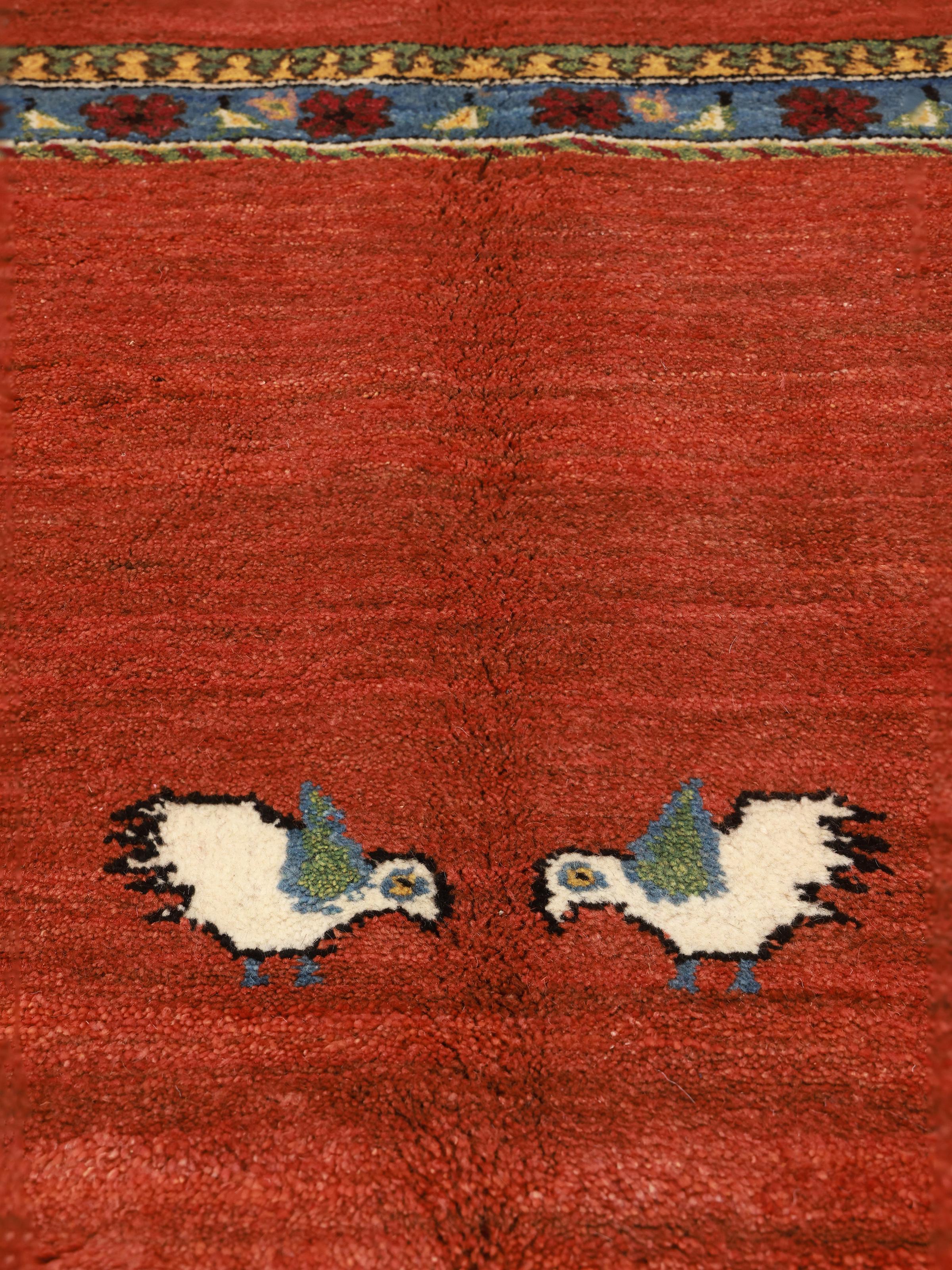
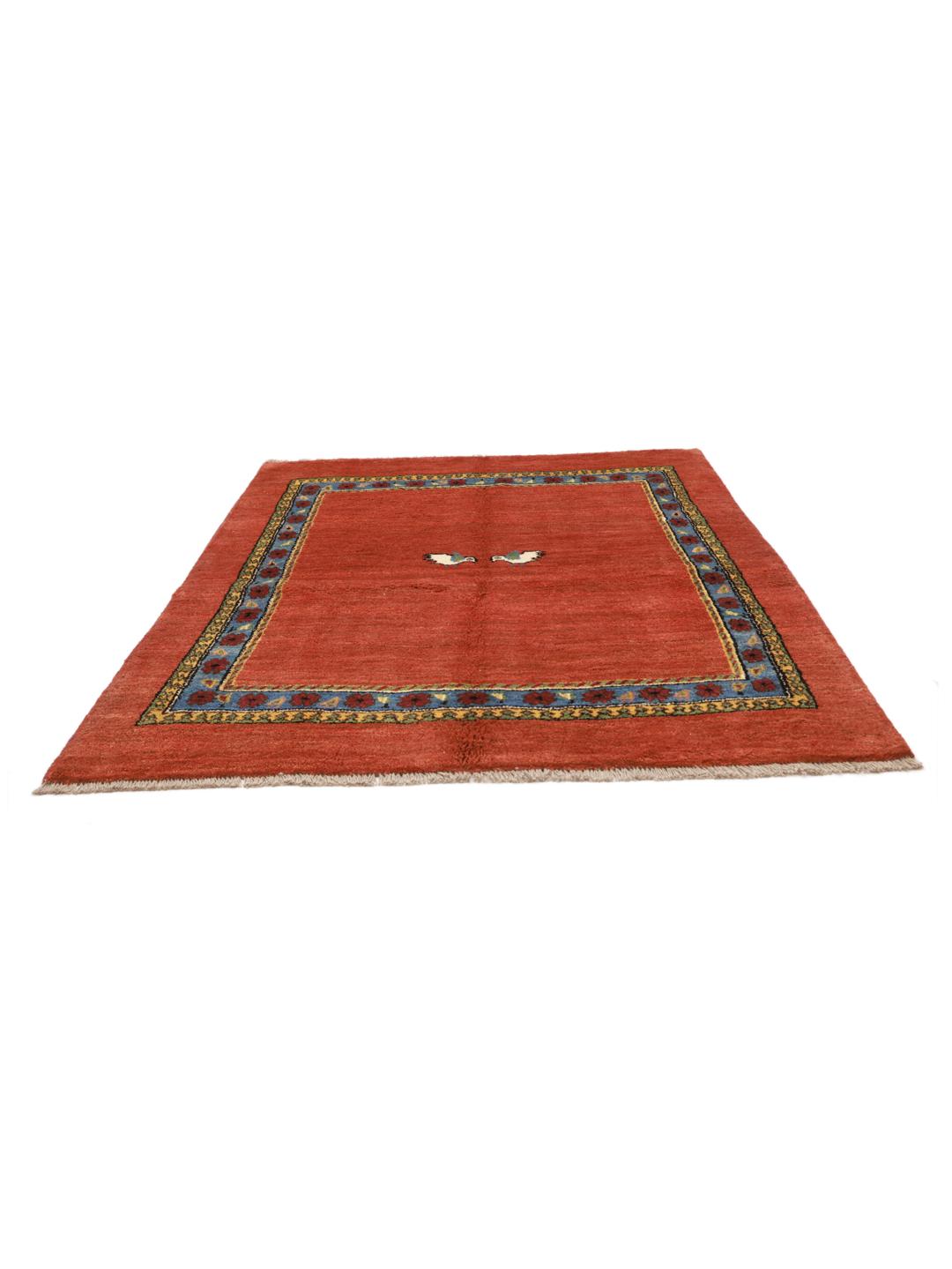
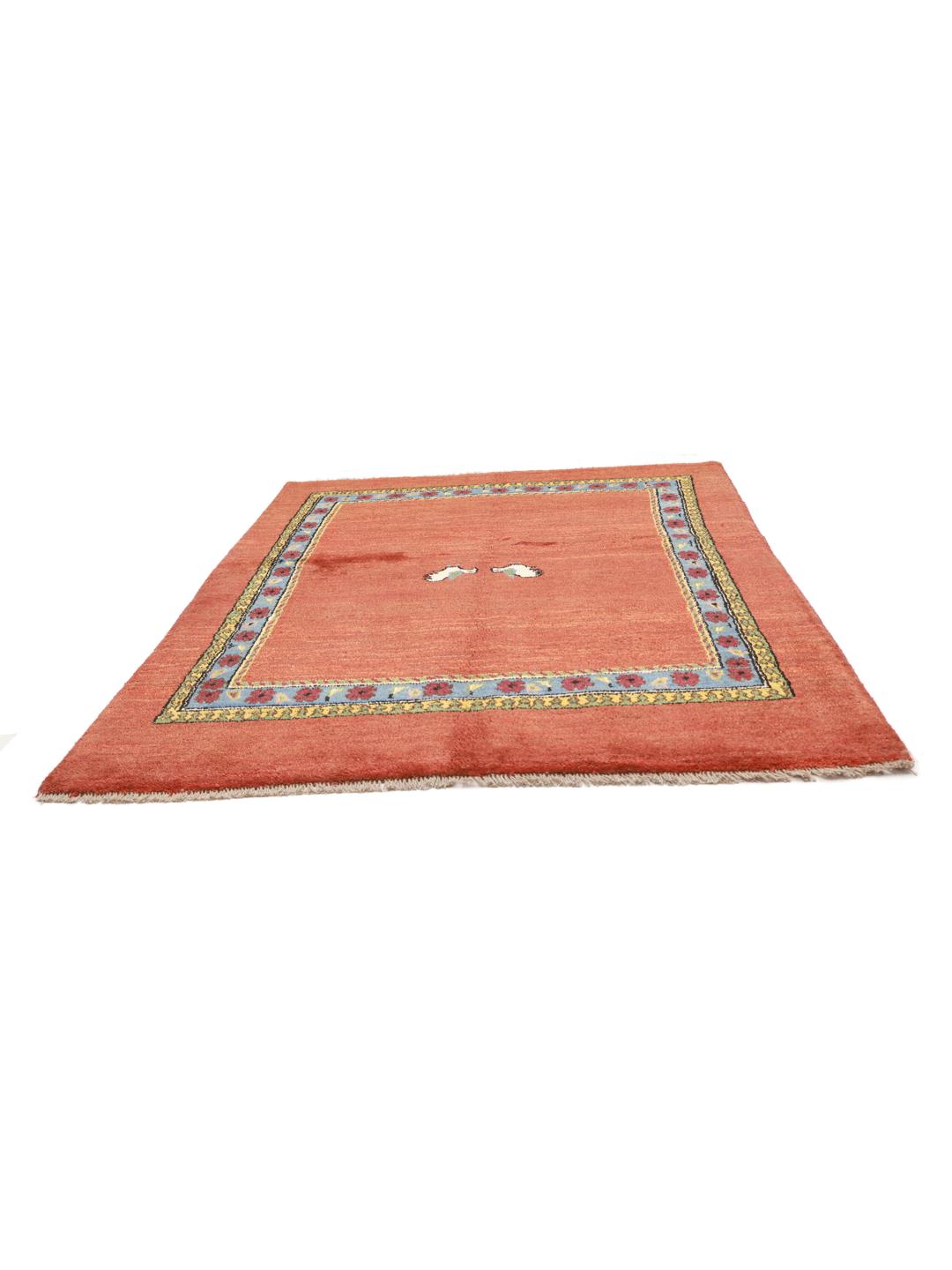
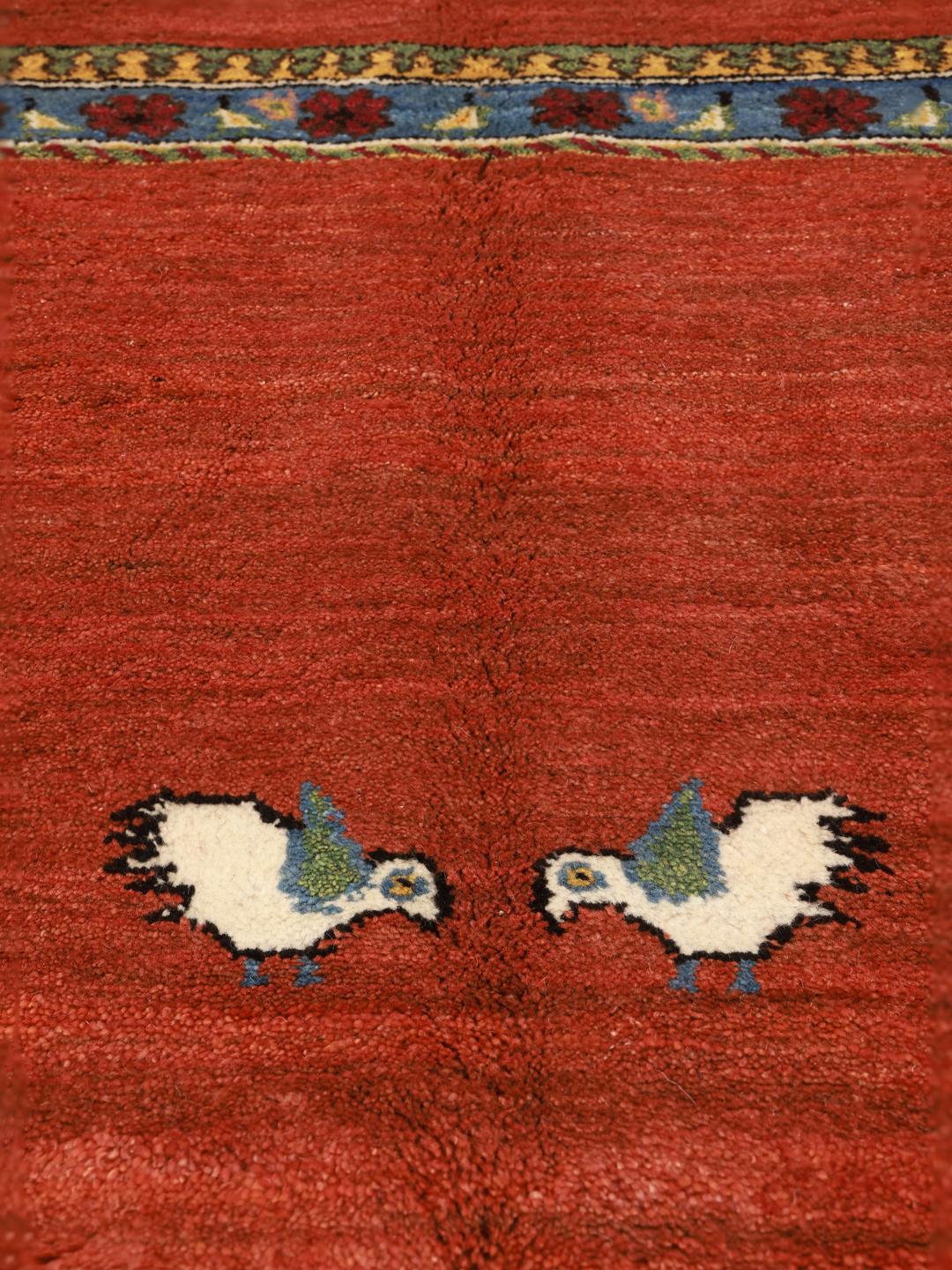
Visually, these rugs are known for their bold, often minimalist designs. While formal rugs might be covered in intricate floral patterns, Gabbeh rugs frequently feature large, open fields of colour punctuated by simple geometric shapes, animals, or stylised floral motifs. The inclusion of bird figures, as seen here, is a classic nod to the natural world, representing a playful and direct connection to the environment of the weavers.
Today, these rugs are highly sought after by collectors who value the balance between rustic charm and sophisticated design. Owning a Gabbeh is not just about floor coverage; it is about bringing a piece of living history into your home. It represents a commitment to preserving ancient skills and celebrating the beauty of imperfection in a world of standardised goods.