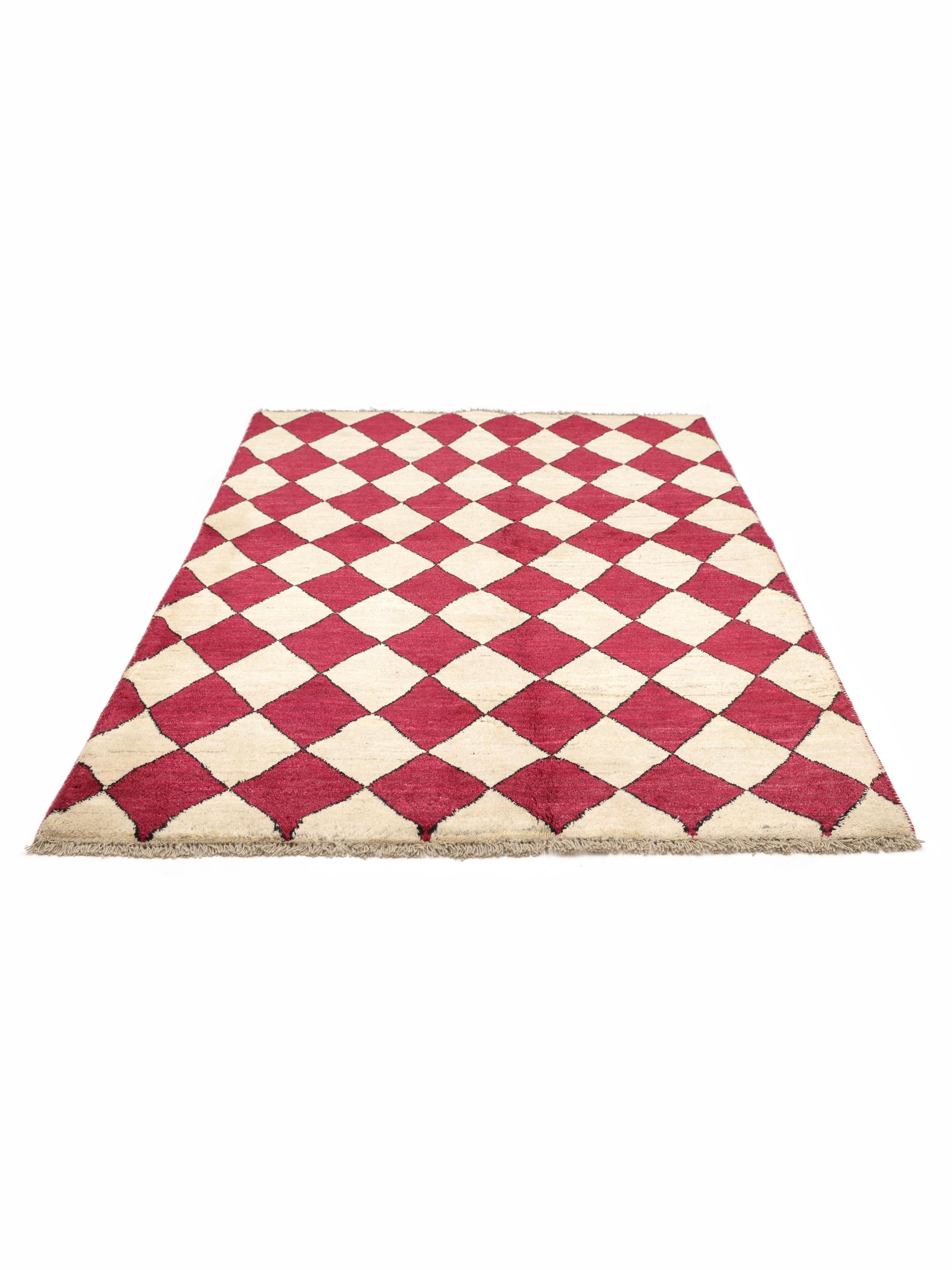
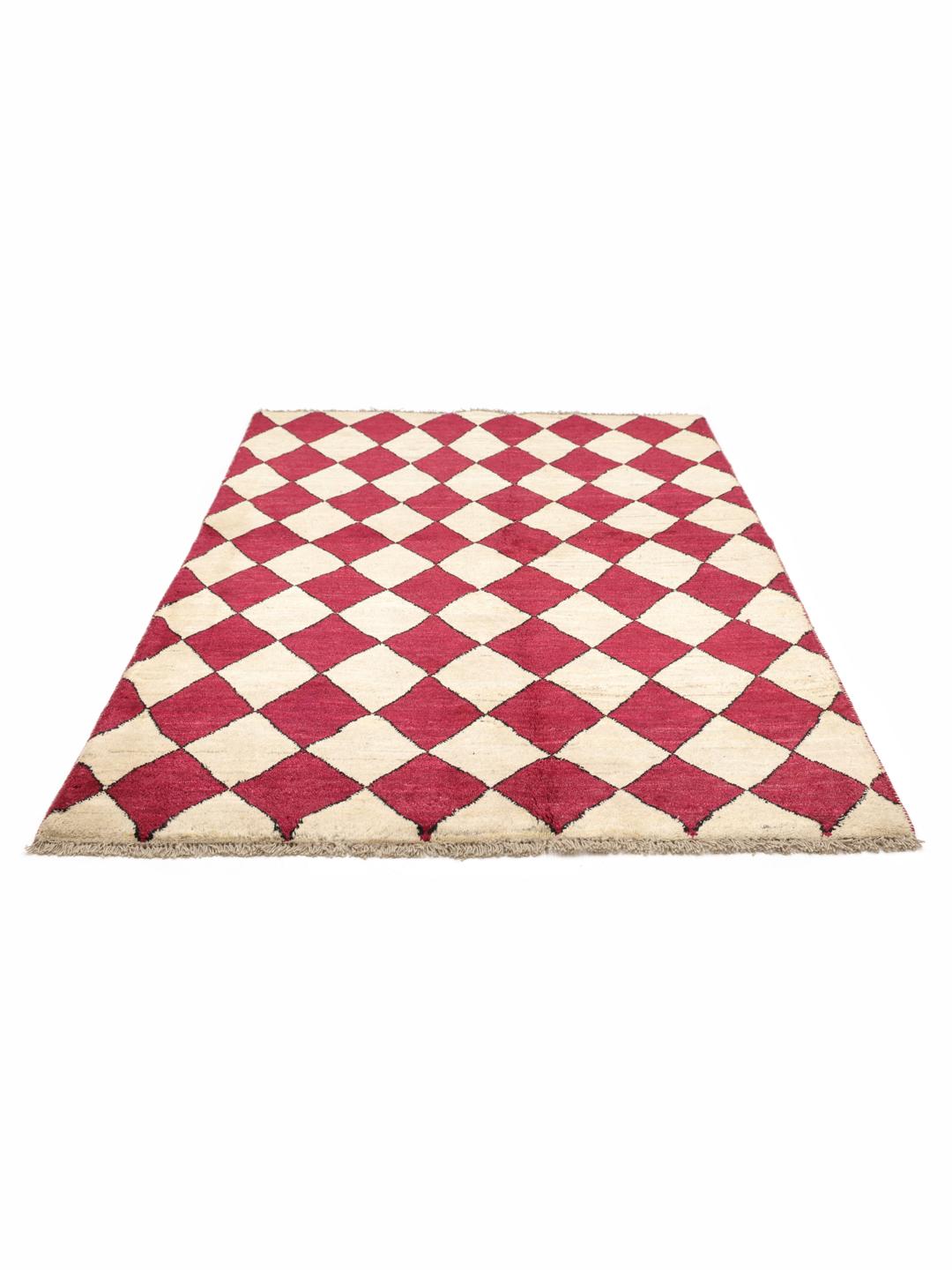
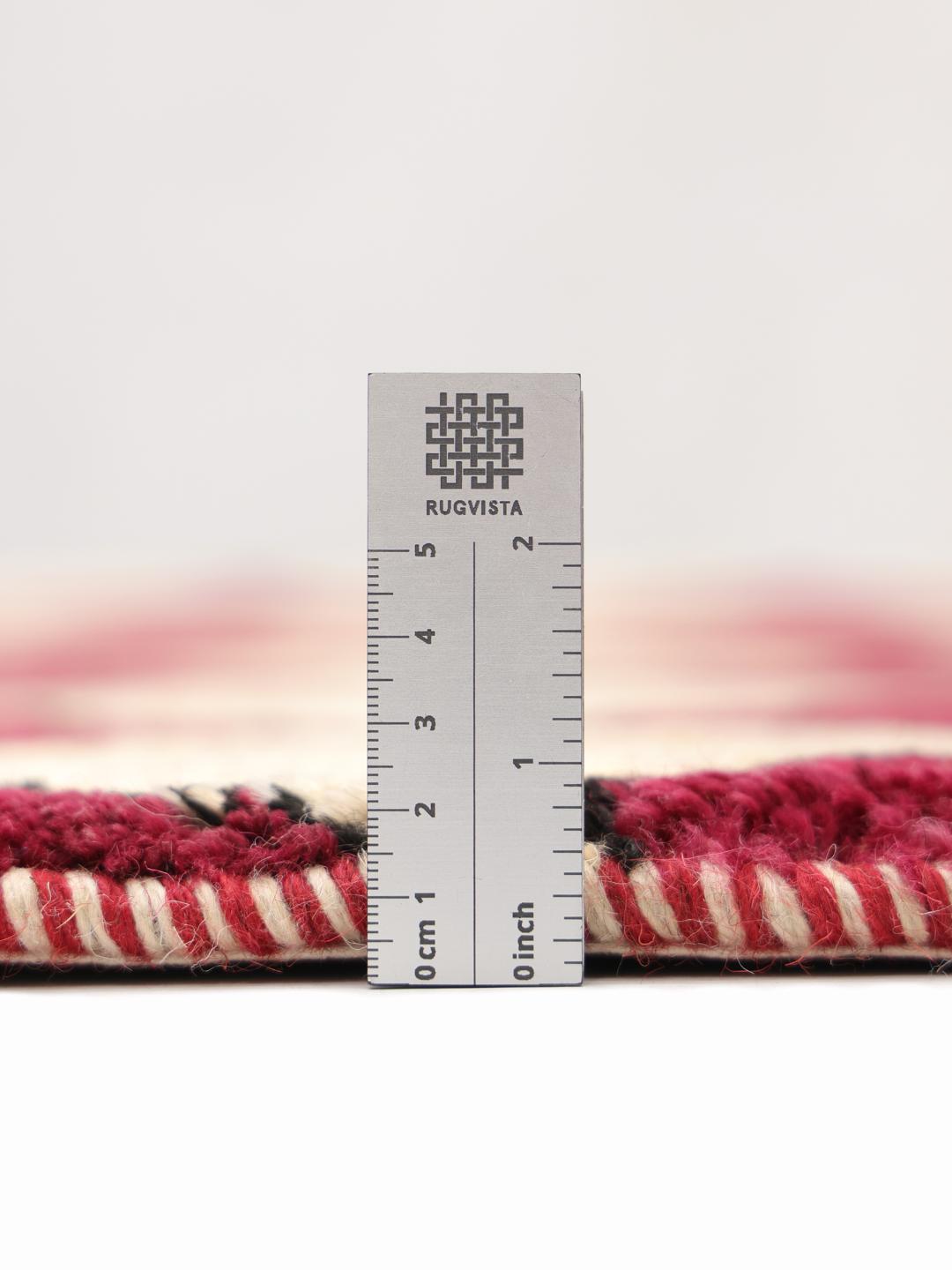
The Gabbeh is a traditional style of rug originating from the nomadic tribes of the Middle Eastern highlands. Historically, these rugs were woven by tribal women for their own household use, serving as thick, protective floor coverings against the cold desert or mountain floors. Unlike more formal, city-made rugs, Gabbehs are celebrated for their artistic freedom and spontaneous, often abstract or geometric designs that reflect the weaver's personal environment and experiences.
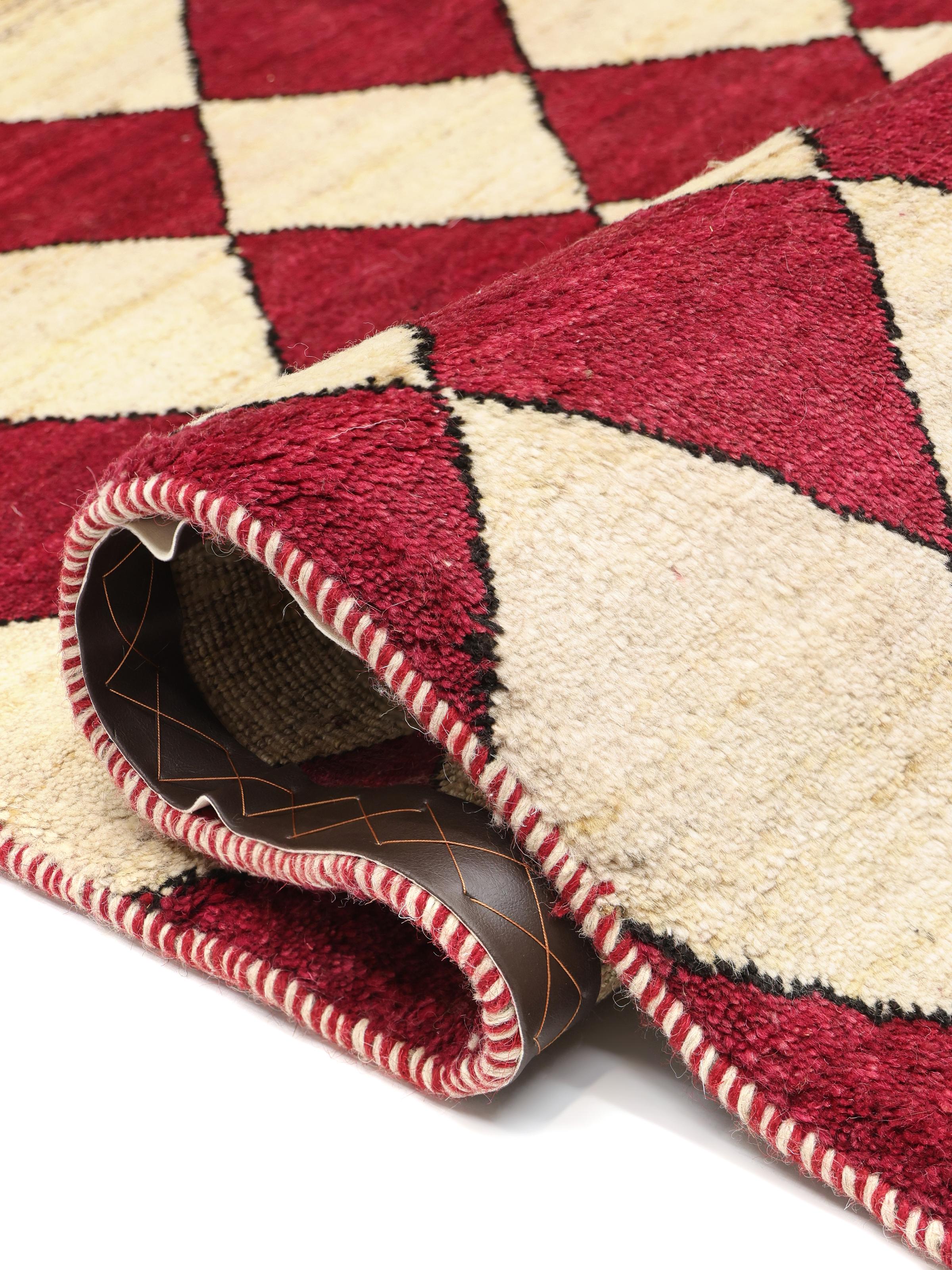
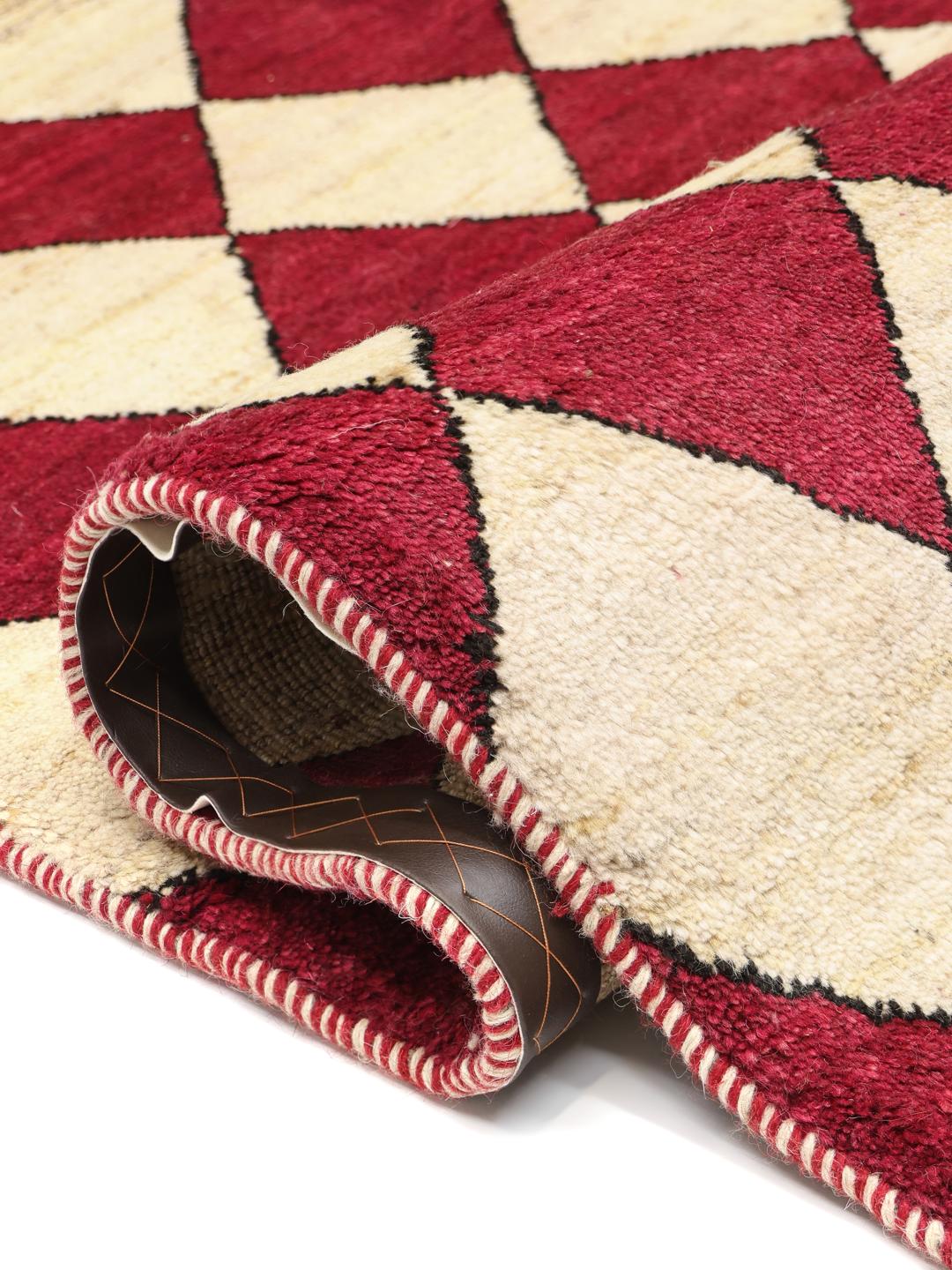
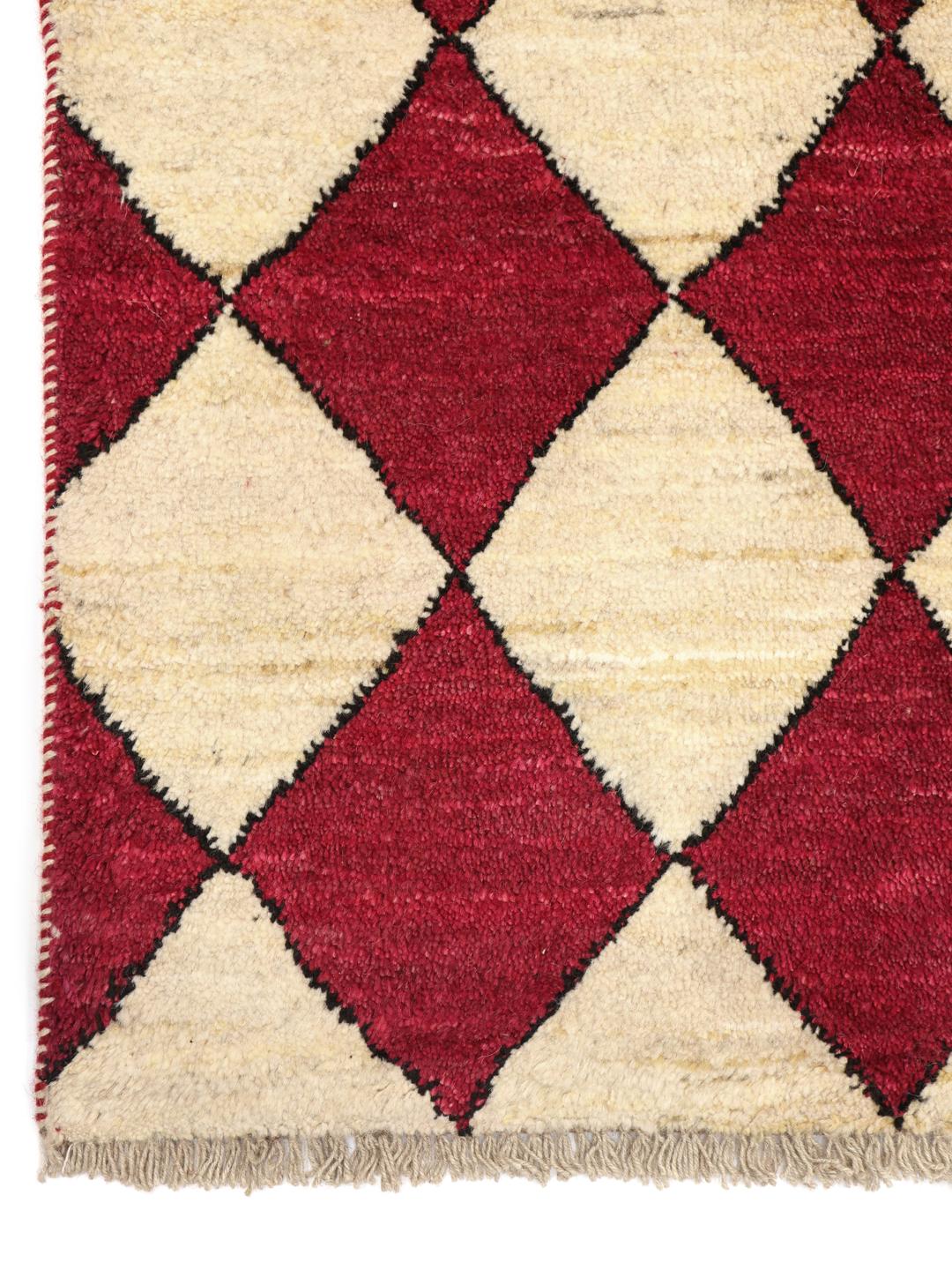
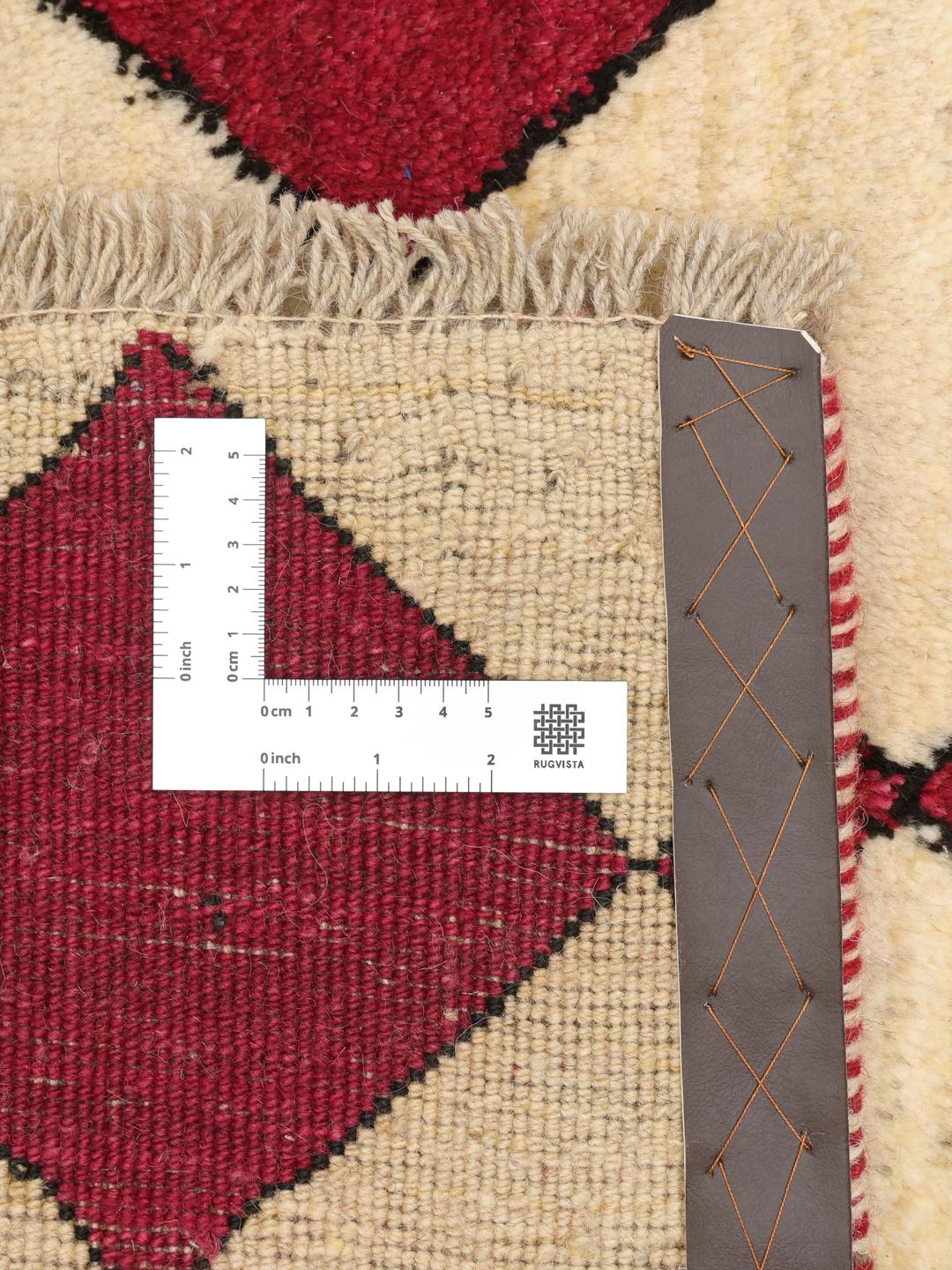
The term 'Gabbeh' itself translates to 'raw', 'natural', or 'unclipped', which speaks to the rug's most defining characteristic: its long, thick, and soft pile. This construction is designed for maximum comfort and warmth. Traditionally, the wool used is hand-spun and dyed with natural pigments derived from roots, plants, and minerals found in the local landscape, giving the colours a depth and variation that synthetic dyes cannot replicate.
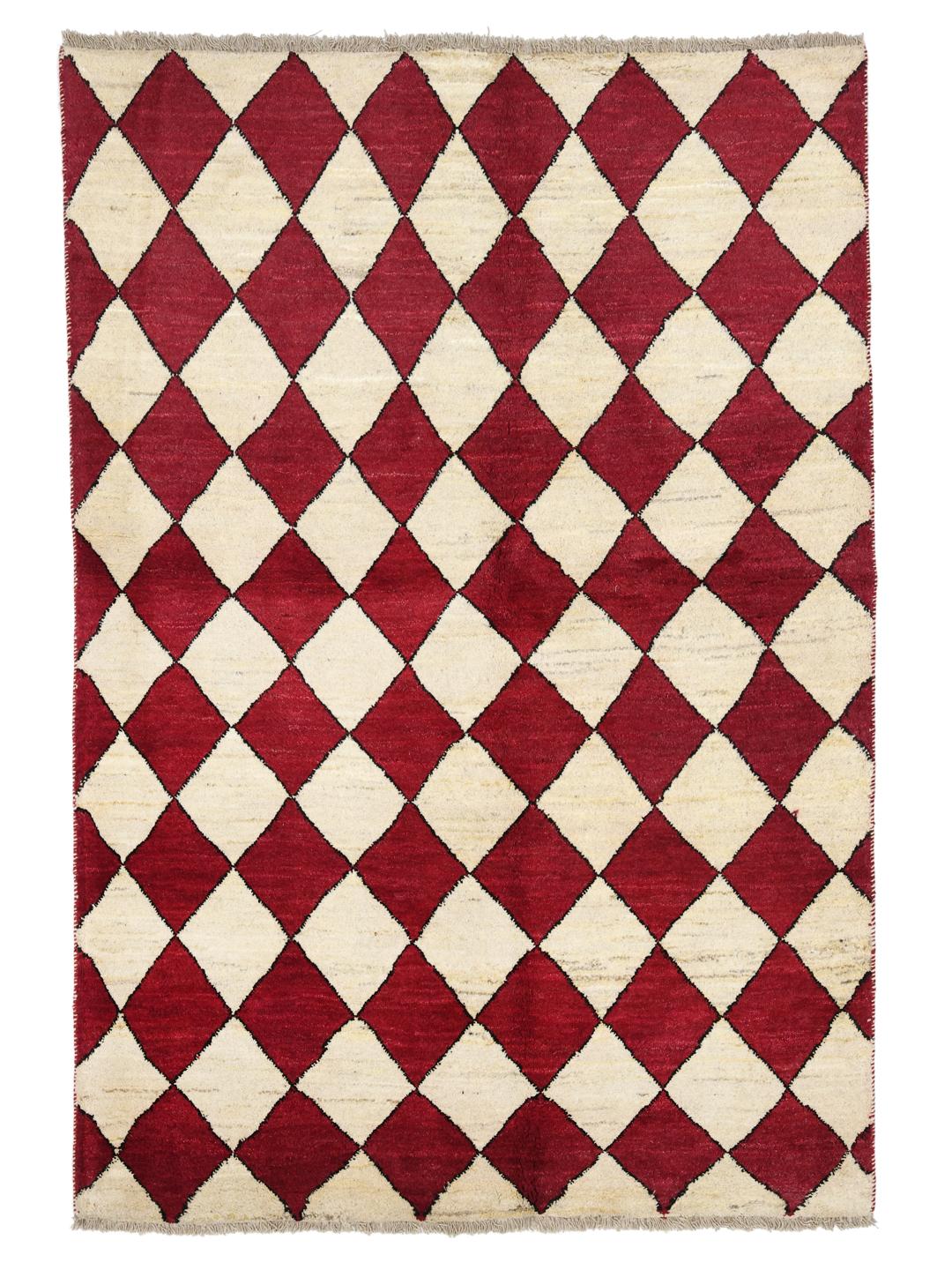
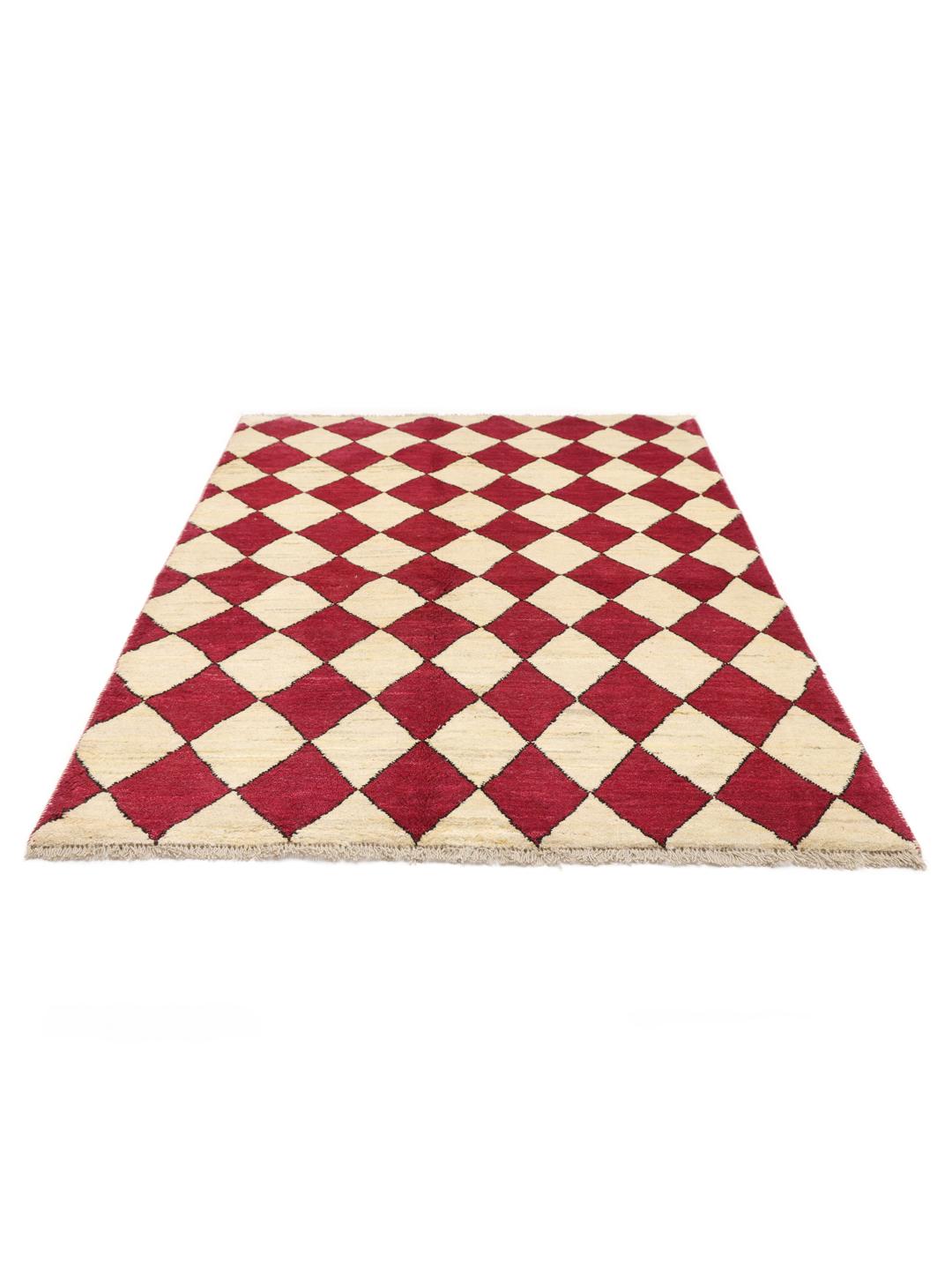
Visually, Gabbeh rugs are known for their bold, minimalist approach. While they can feature complex tribal iconography, the most iconic examples often utilise large, repeating geometric shapes like the diamond, or even completely open, single-coloured fields. This rug exemplifies the classic diamond motif, a design that has been passed down through generations, representing a bridge between ancient nomadic heritage and contemporary interior design needs.
Today, these rugs are highly prized by collectors for their authenticity and the human story woven into every knot. Owning a Gabbeh is not just about covering a floor; it is about bringing a piece of cultural history into your home. The transition from practical tribal necessity to a celebrated art form reflects the enduring quality of the skill involved, ensuring that these rugs remain a symbol of heritage and sophisticated, grounded living.