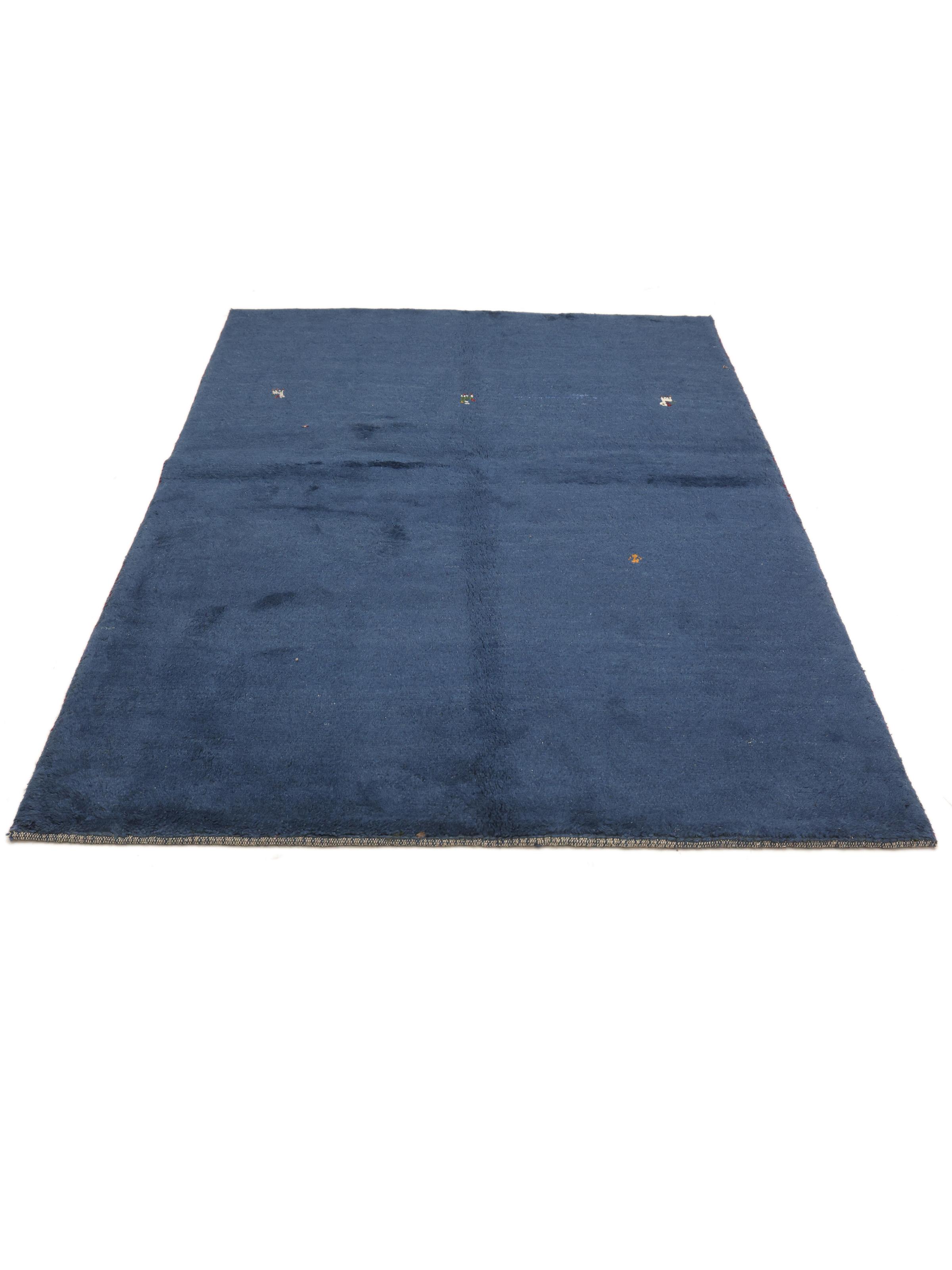
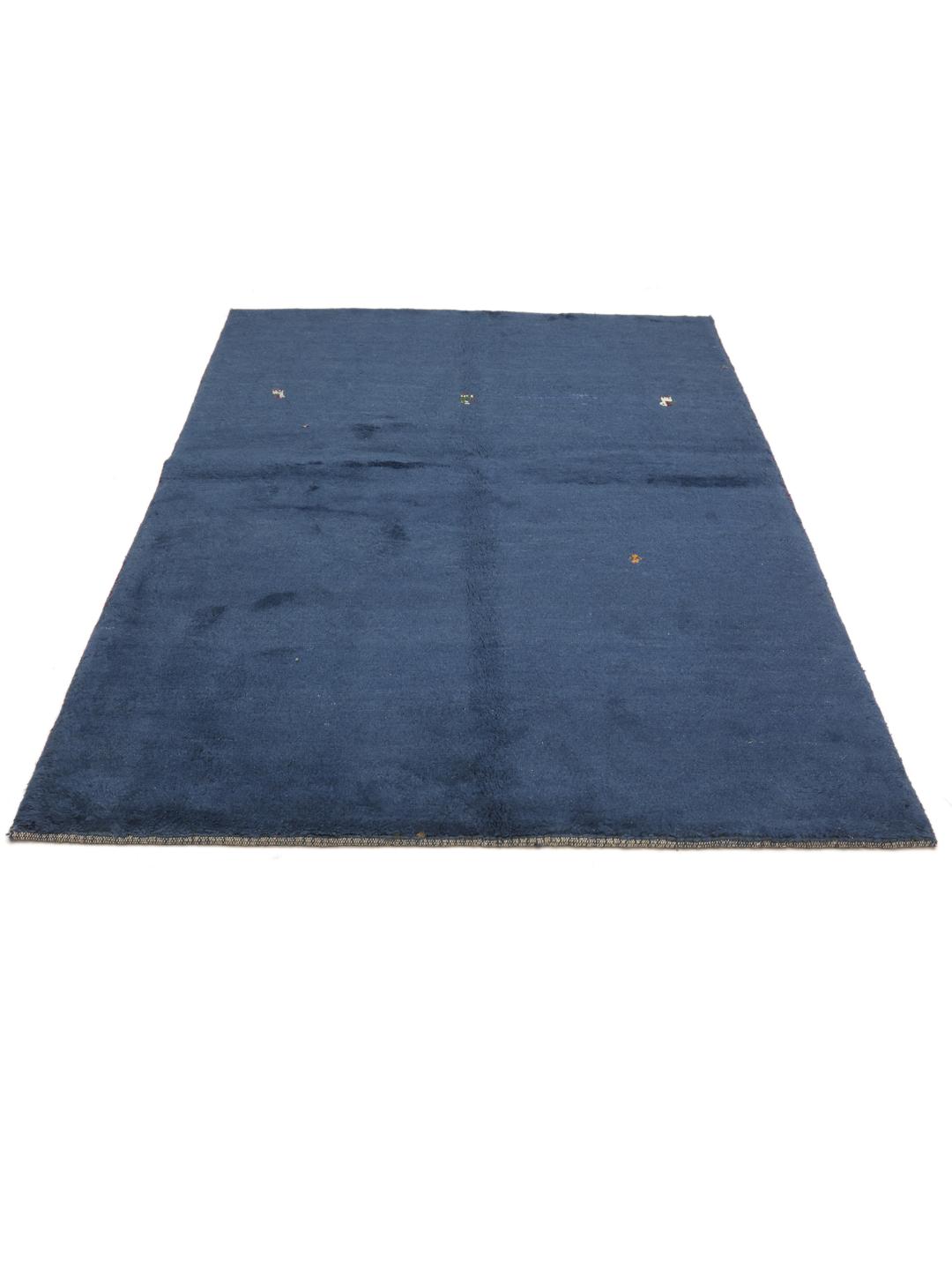
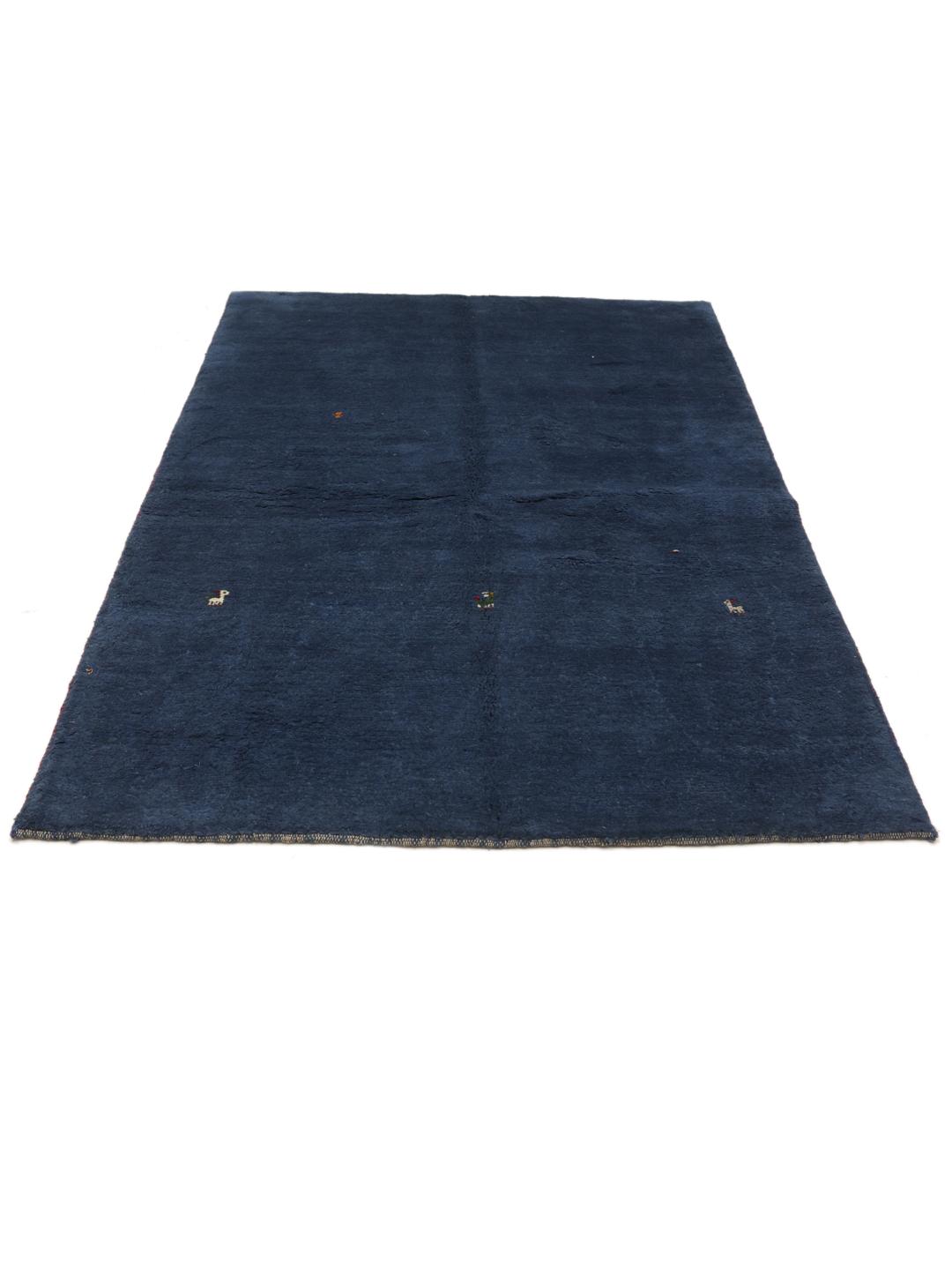
Gabbeh rugs trace their roots to the nomadic tribes of the Middle East, where they were originally crafted for personal use rather than for trade. These rugs were designed to be functional, durable, and warm, serving as essential bedding and floor coverings for life on the move. Over time, their simple beauty and raw, expressive designs gained international recognition, evolving from utilitarian objects into highly sought-after collector pieces.
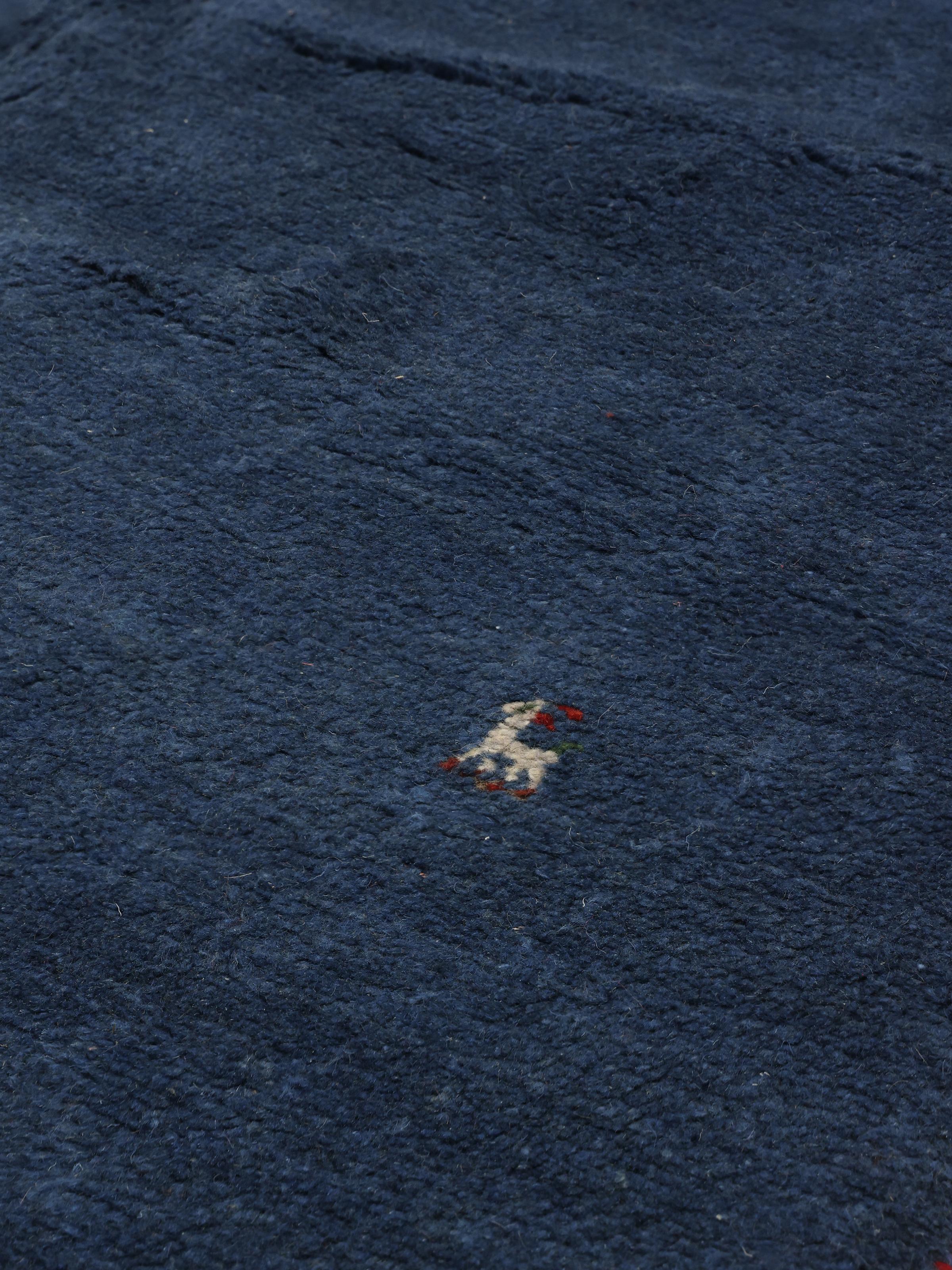
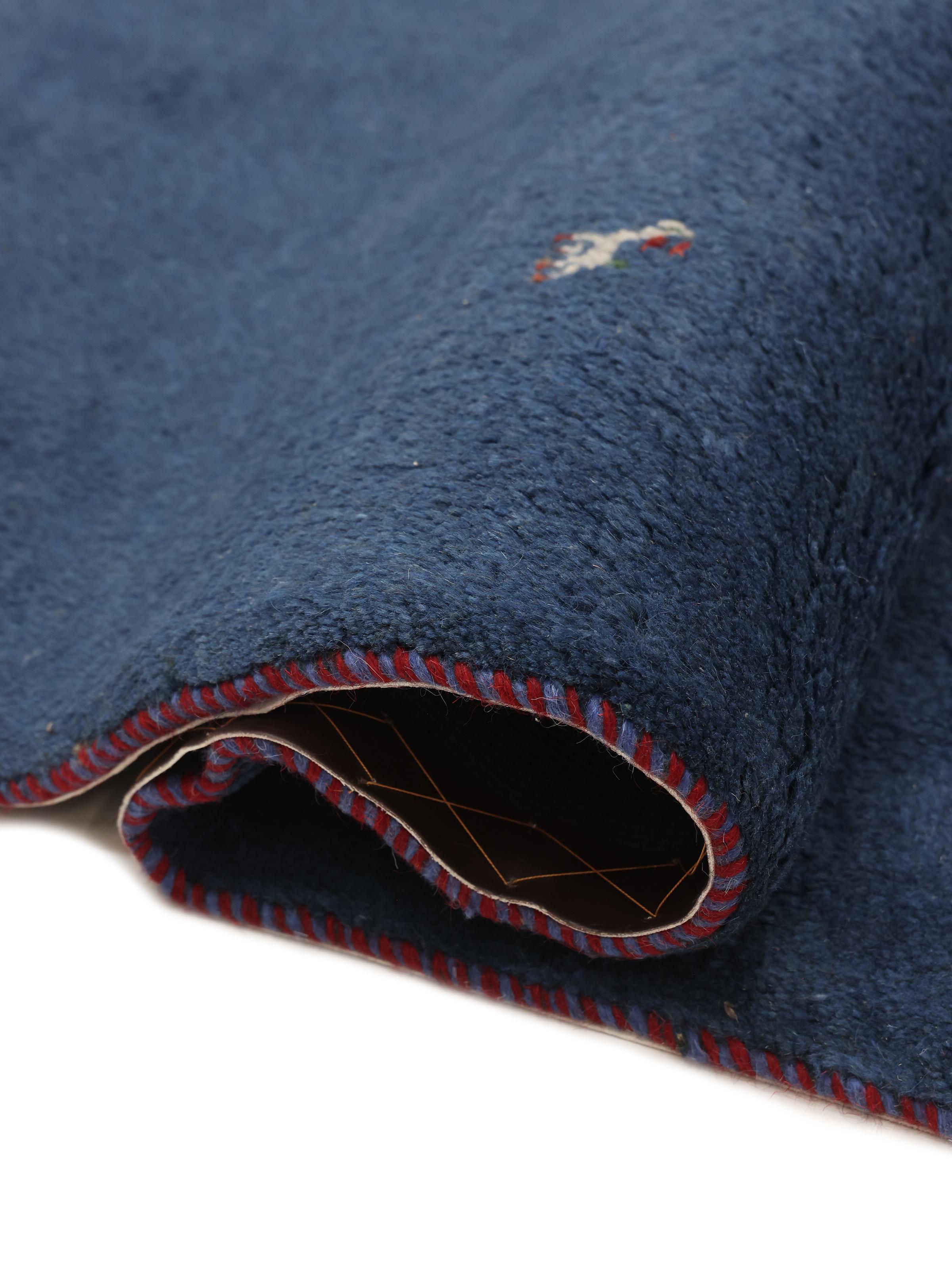
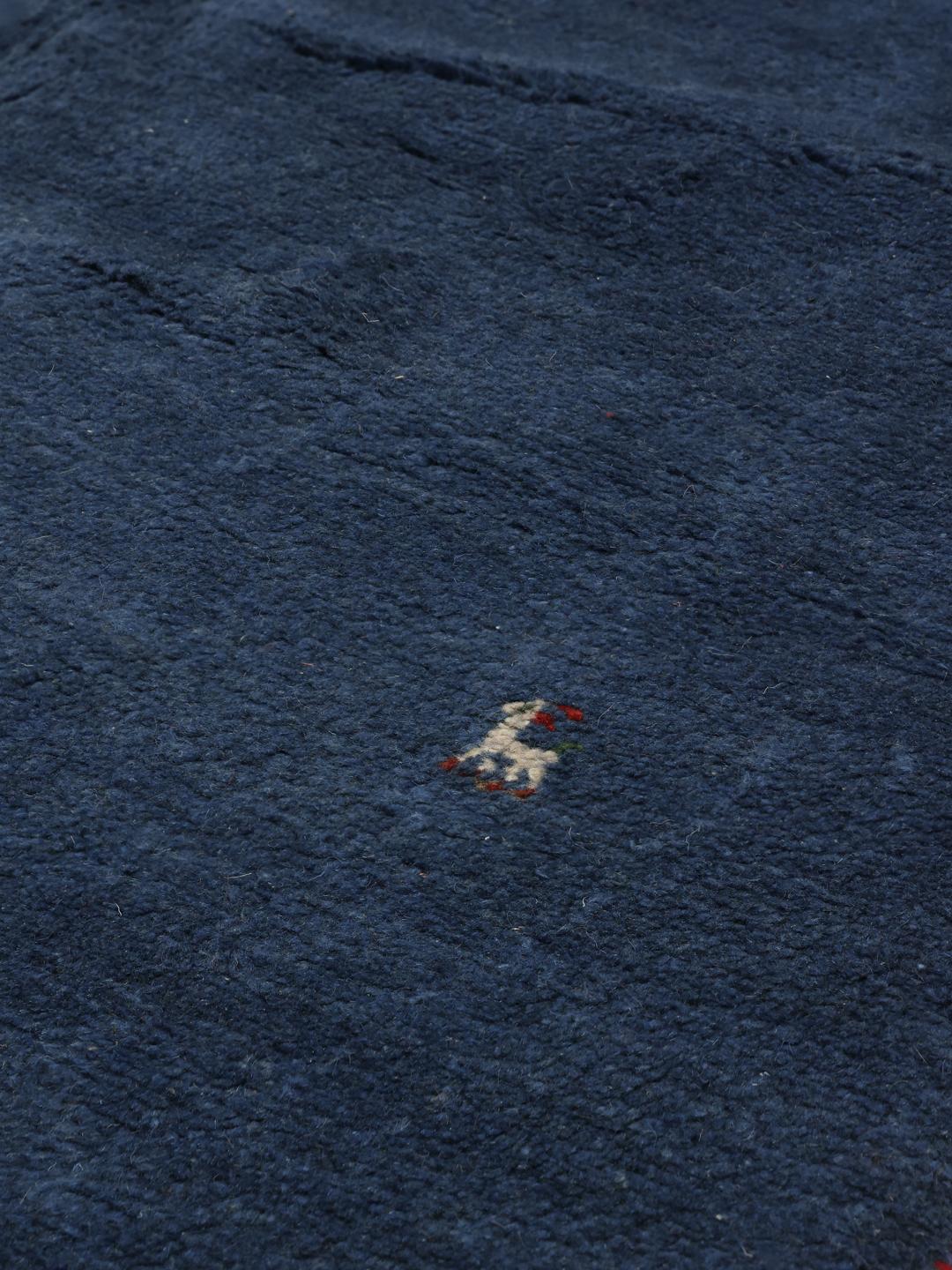
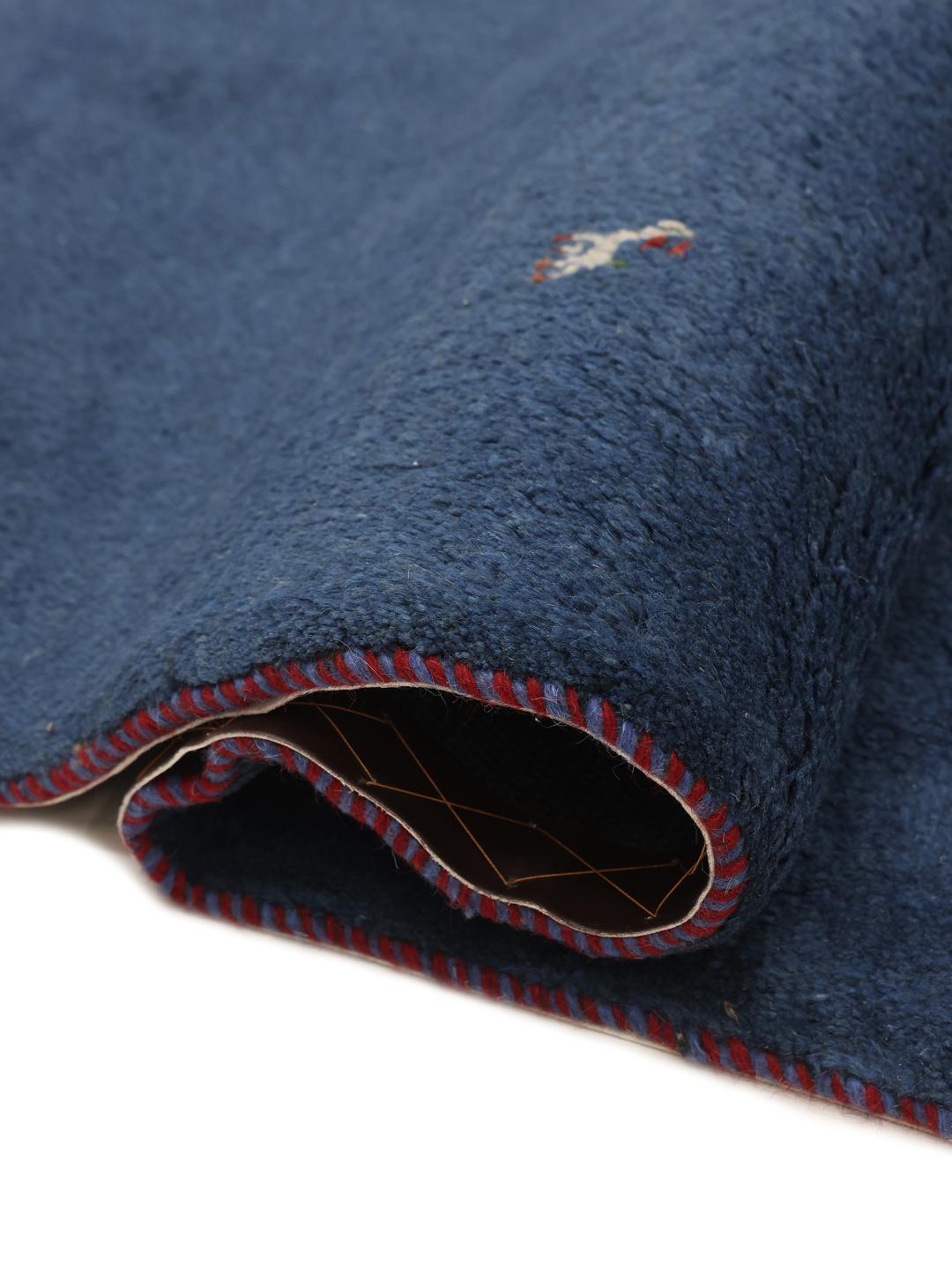
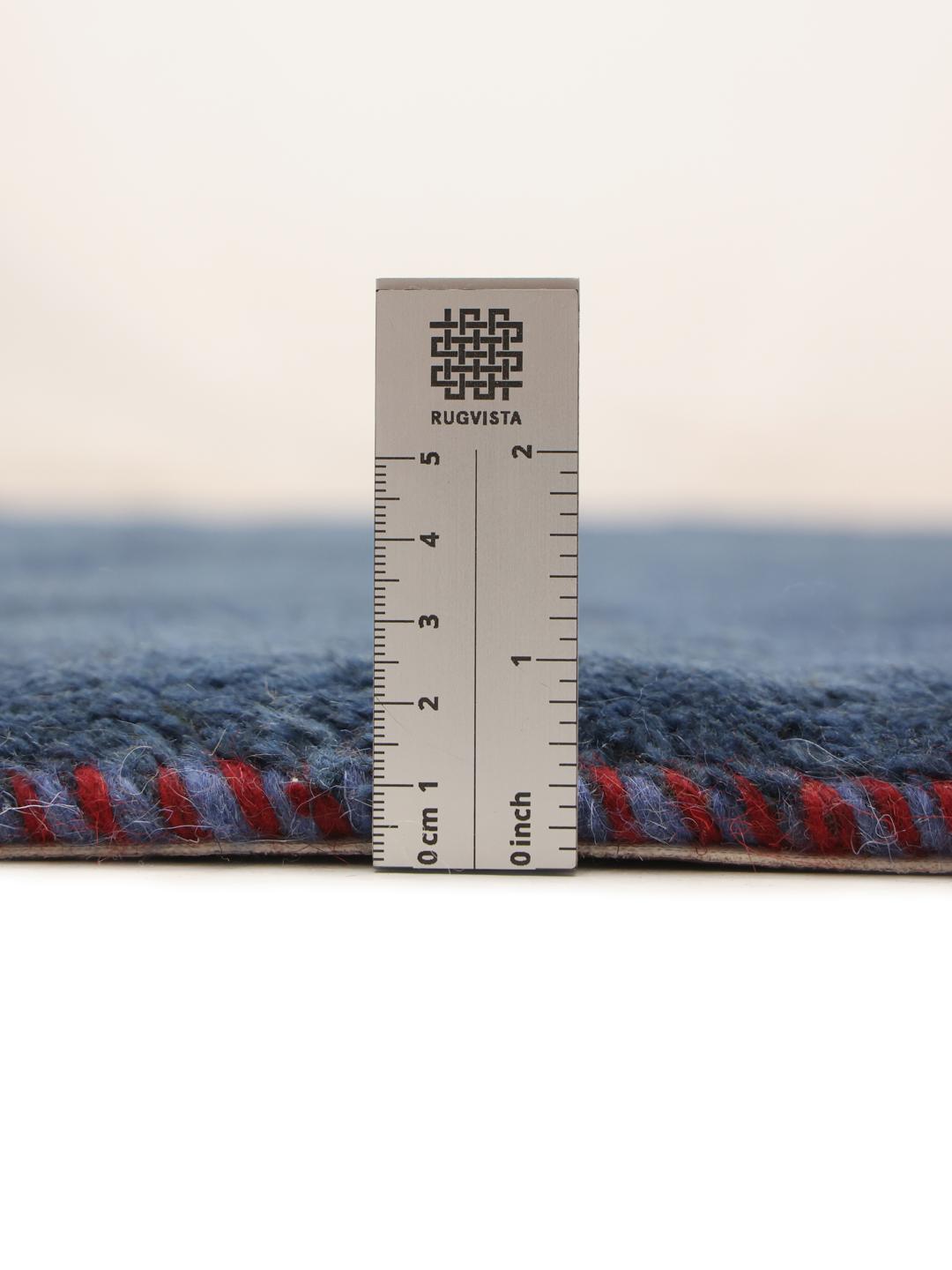
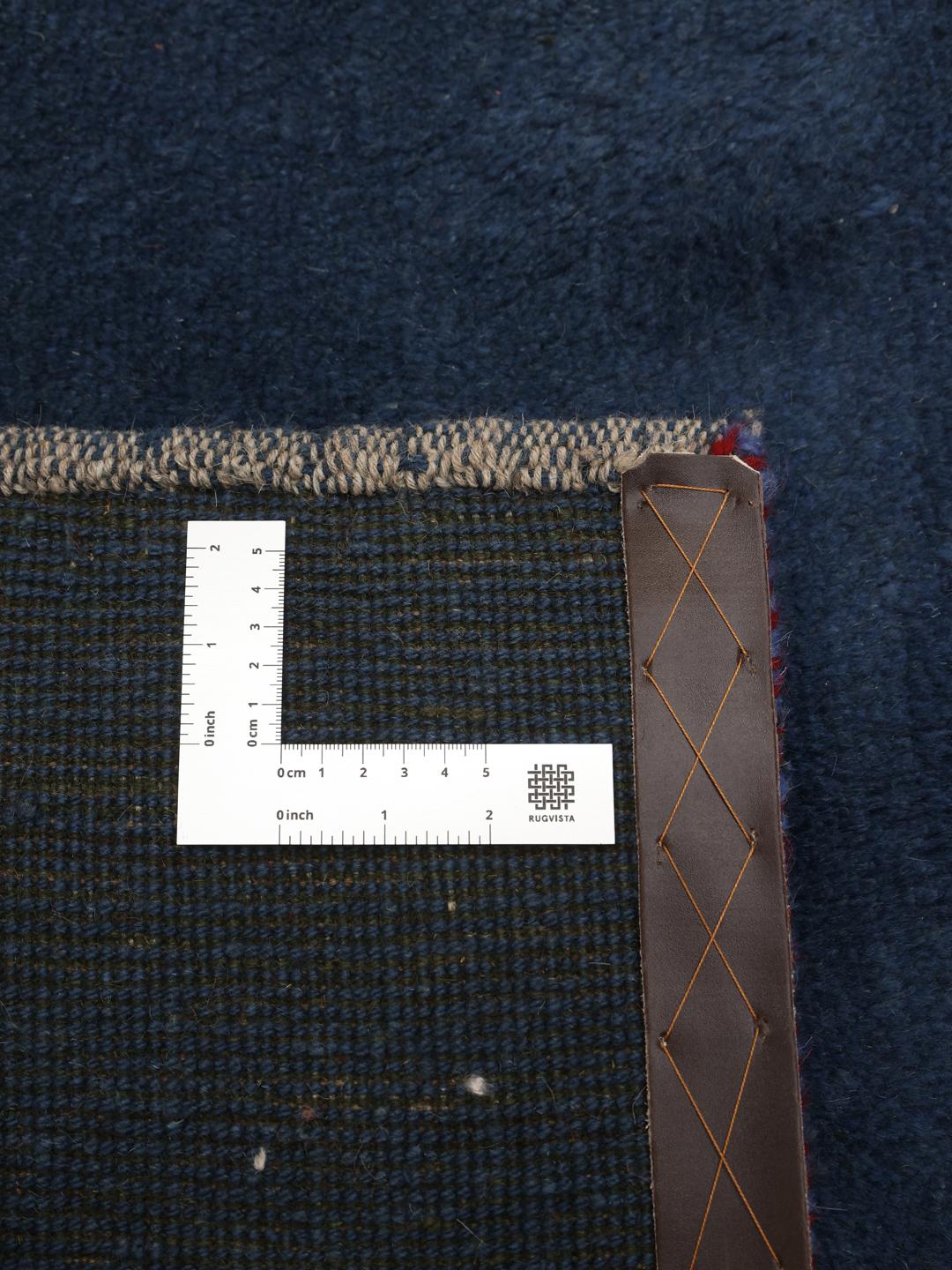
The term Gabbeh refers to a specific style known for its thicker, coarser weave compared to more formal, intricate rugs. This construction is intentional; by using a lower knot density, the weavers create a much deeper, more plush pile. This makes the rug exceptionally soft and comfortable, highlighting the tactile quality of the Wool and the natural, vibrant dyes used in the process.
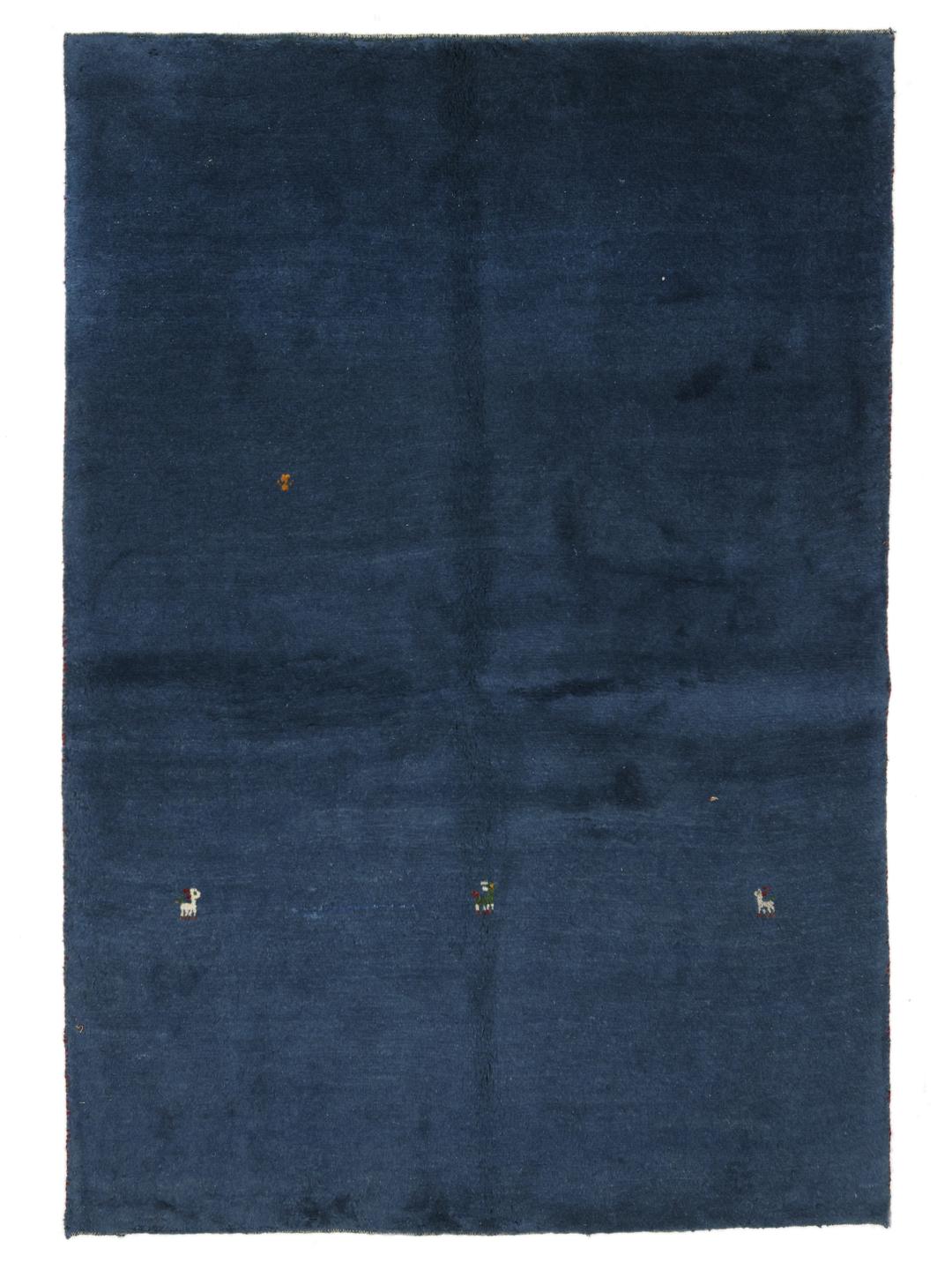
Visually, these rugs are defined by their minimalist aesthetic. While other traditions may focus on complex, repeating geometric patterns, the Gabbeh celebrates empty space. The fields are often solid or subtly abrash—a term for the intentional variations in colour that occur during the dyeing process—with only sparse, symbolic motifs like animals or plants appearing as small accents.
Owning a Gabbeh is more than just acquiring a floor covering; it is an appreciation of a slow, deliberate art form. These pieces represent a departure from the rigid rules of traditional weaving, allowing the artisan to improvise and tell a personal story. This cultural weight, combined with the rug's inherent warmth and durability, ensures that it remains a cherished element in any home.