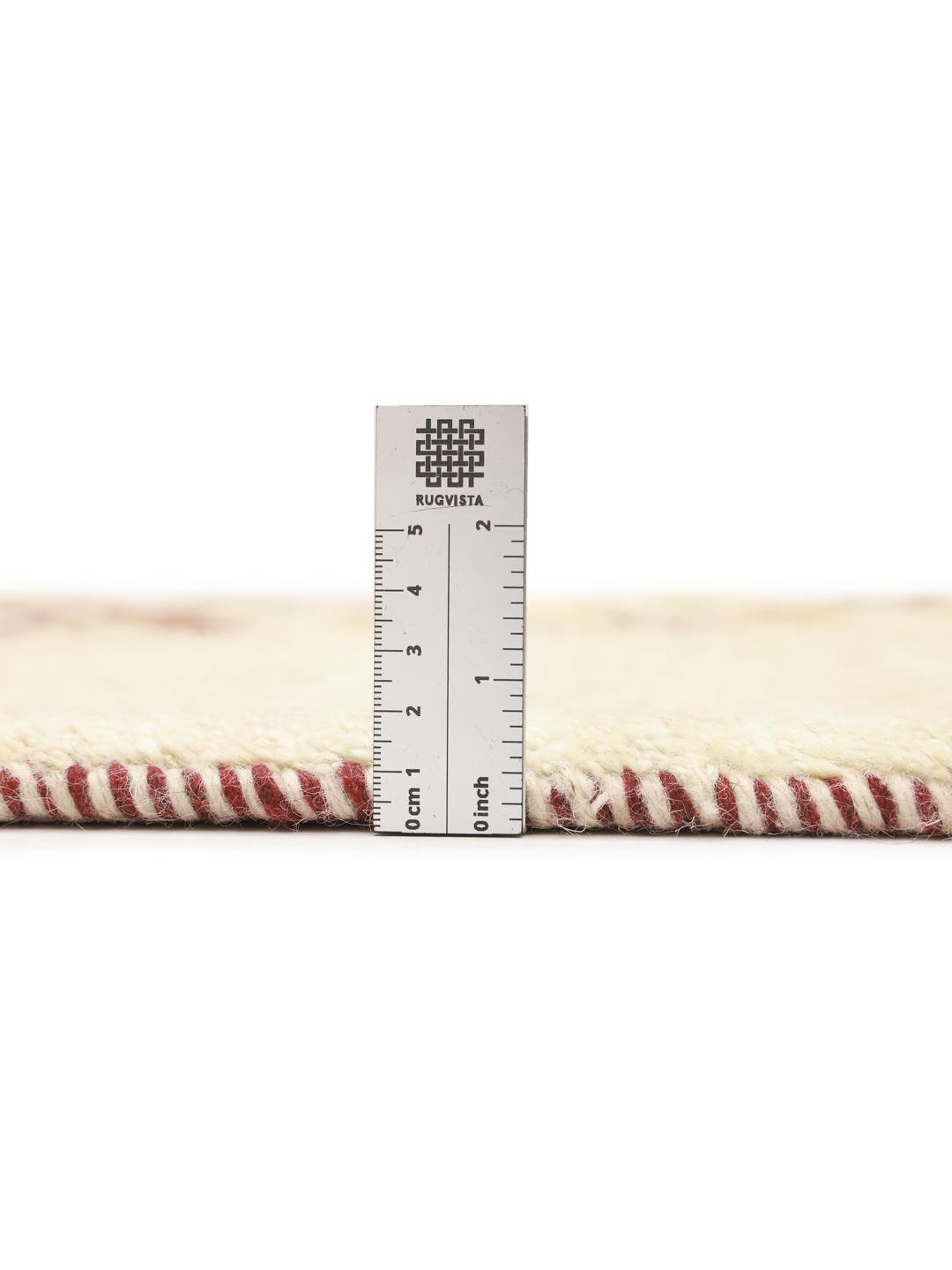
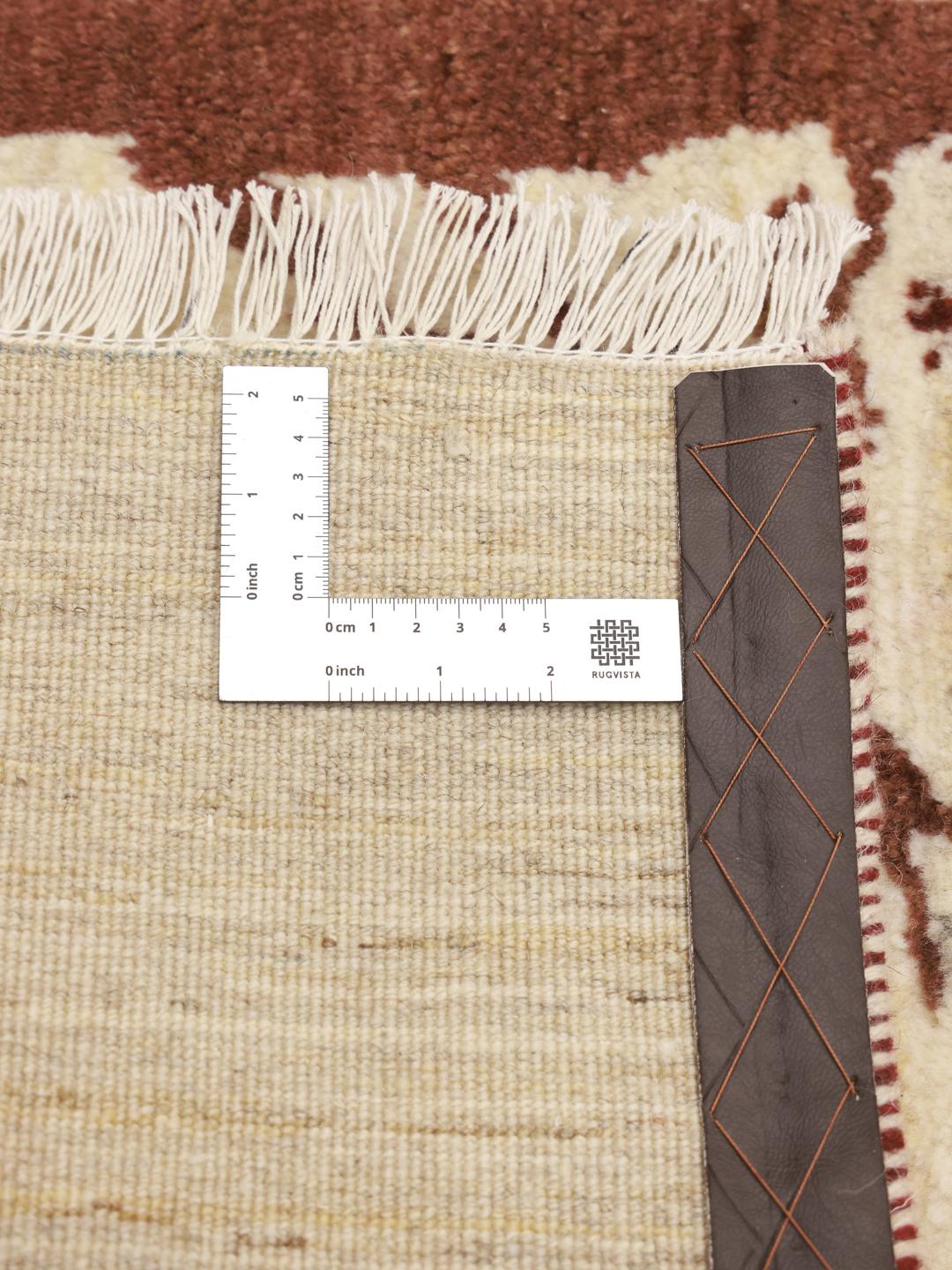
The Gabbeh tradition traces its roots to the nomadic tribes of the Middle East, where rugs were originally woven for practical, everyday use rather than for trade. These rugs are renowned for their thick, plush piles and their ability to provide essential warmth in harsh, mountainous climates. Over time, the style evolved into the celebrated art form we recognise today, characterised by its spontaneous, expressive designs.
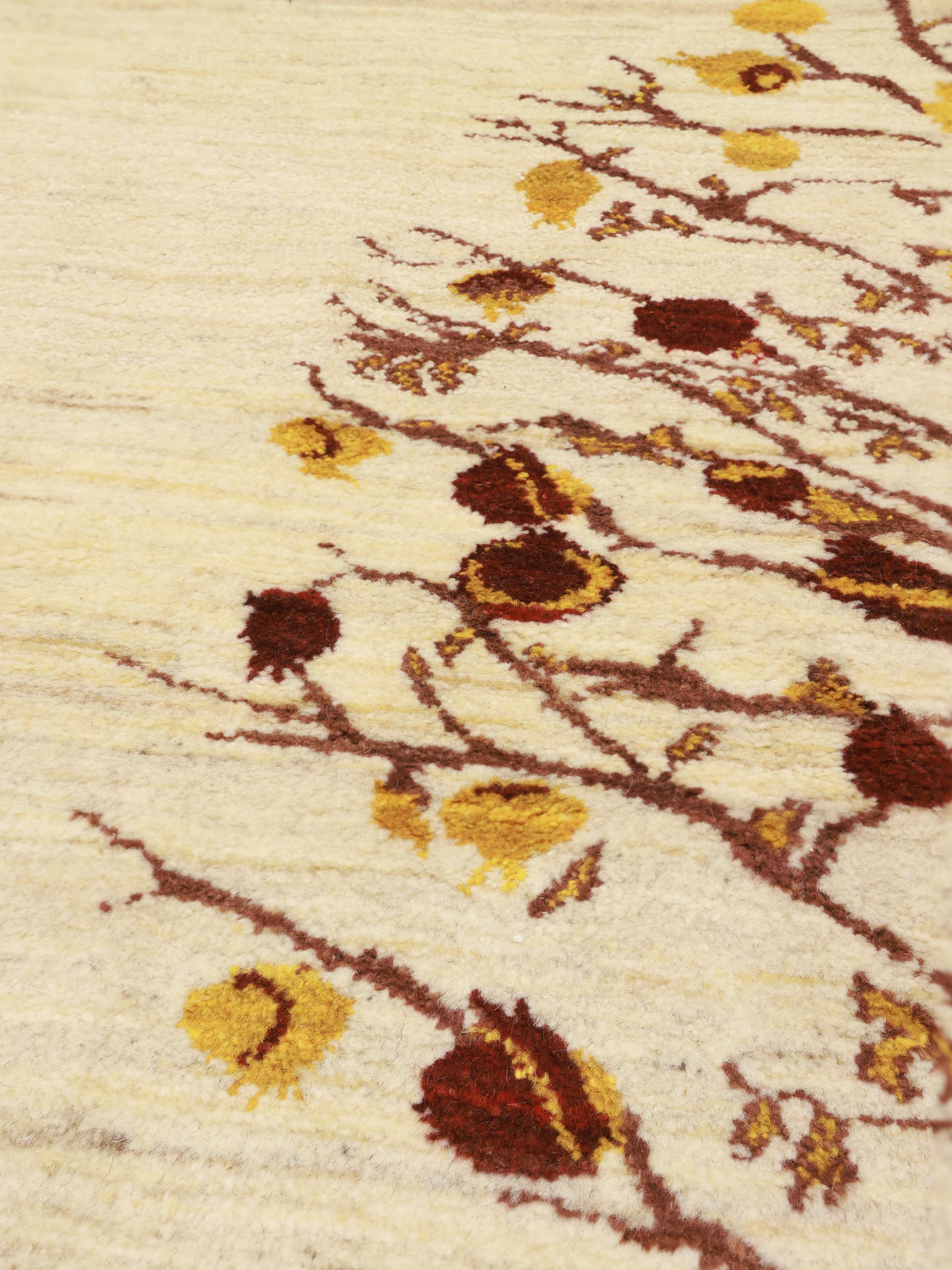
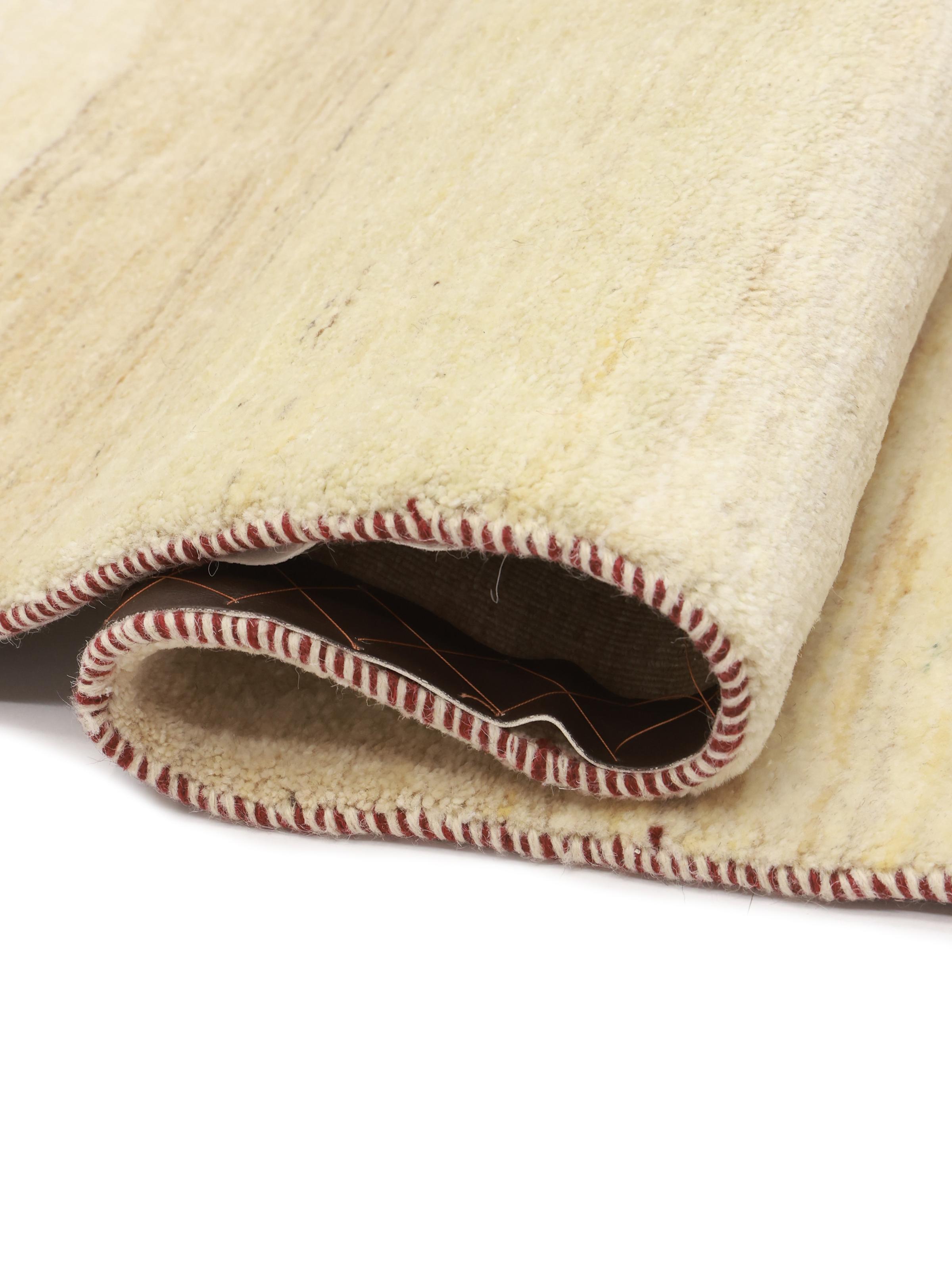
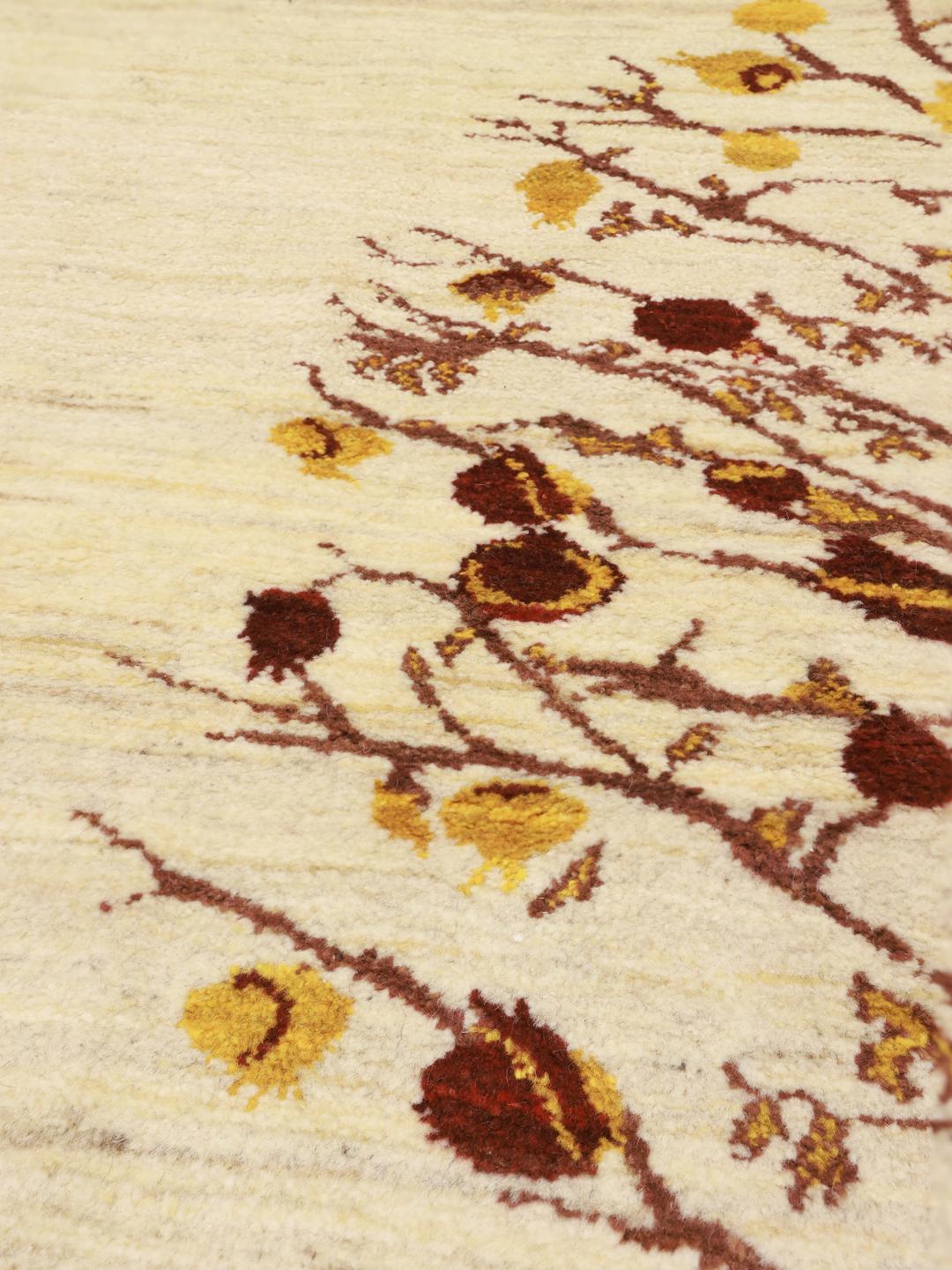
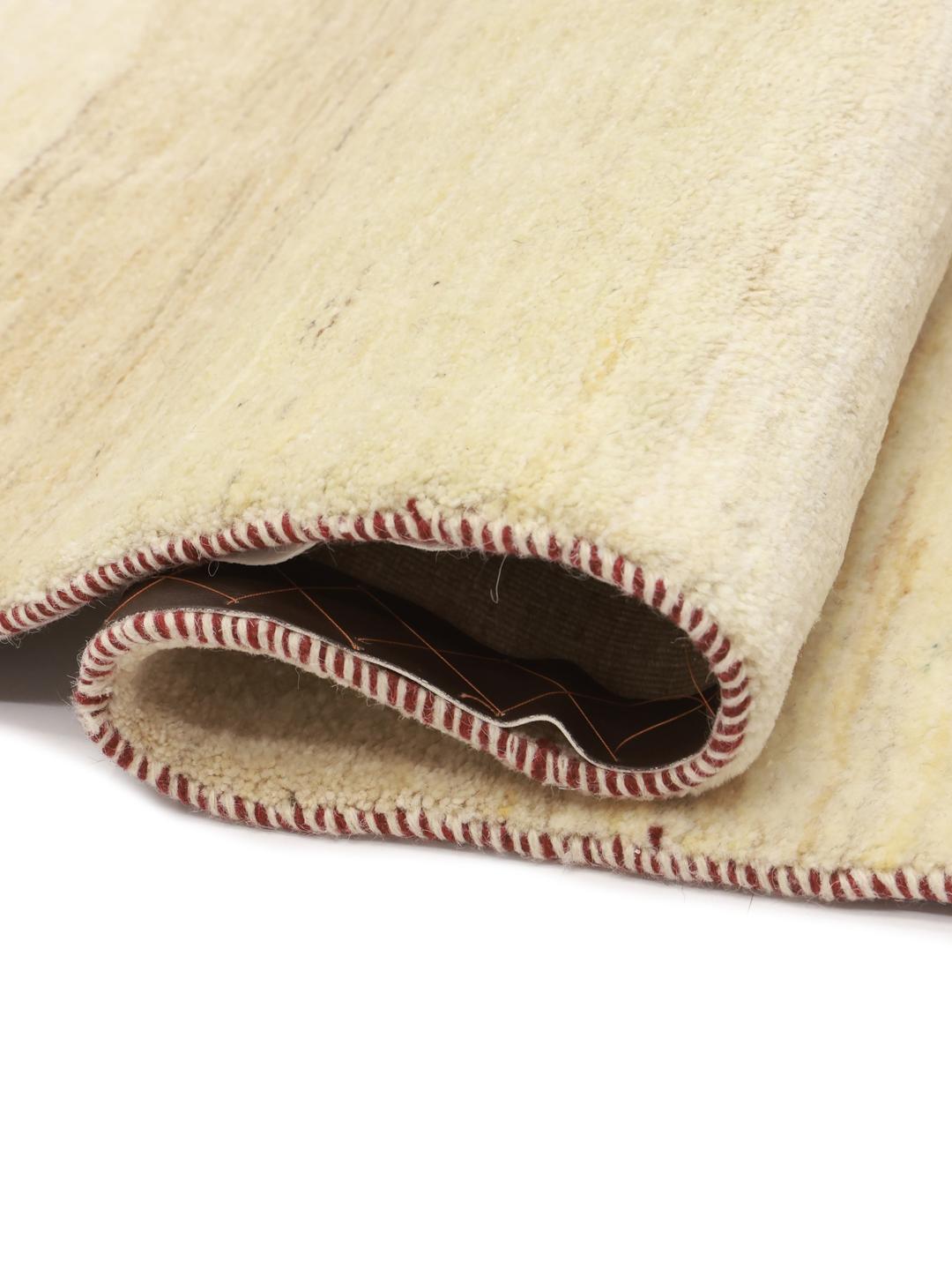
The term 'Gabbeh' itself refers to the rustic and unclipped nature of the wool, which allows for a thicker, more tactile surface. Unlike more formal, city-woven rugs that adhere to strict, pre-planned patterns, these rugs often feature a more free-form, abstract approach. This makes every piece feel like a canvas for the weaver's own imagination and cultural storytelling.
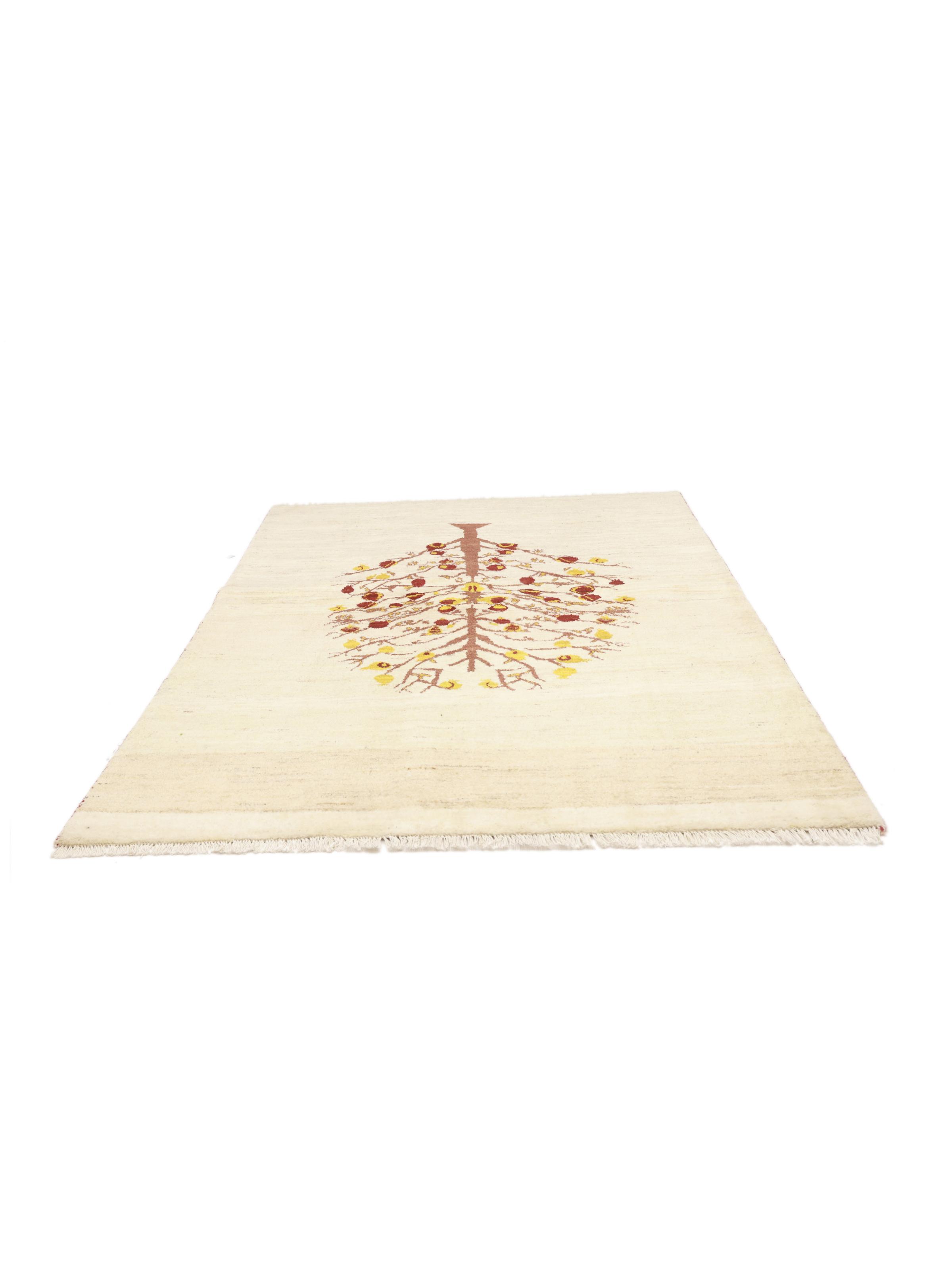
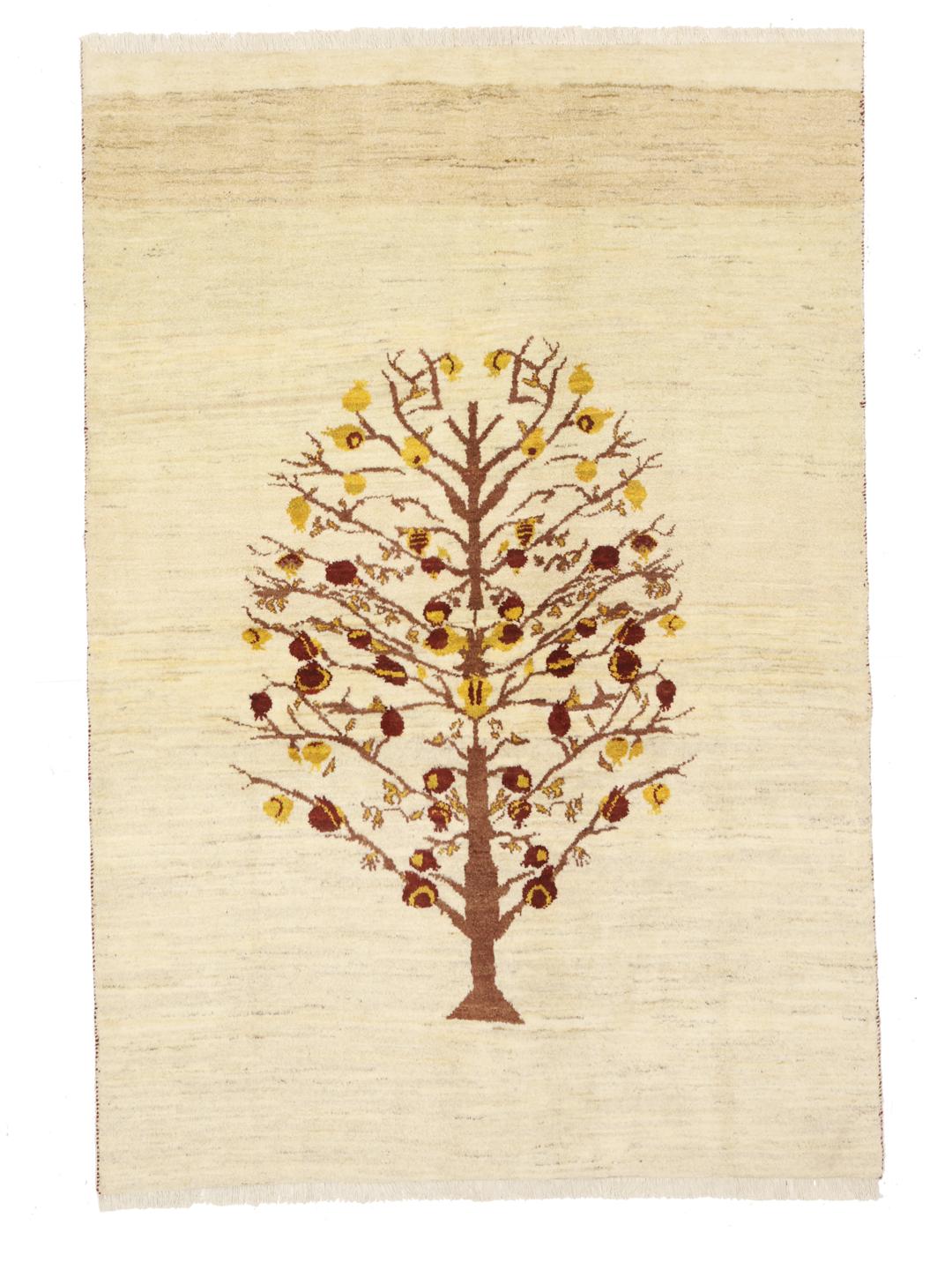
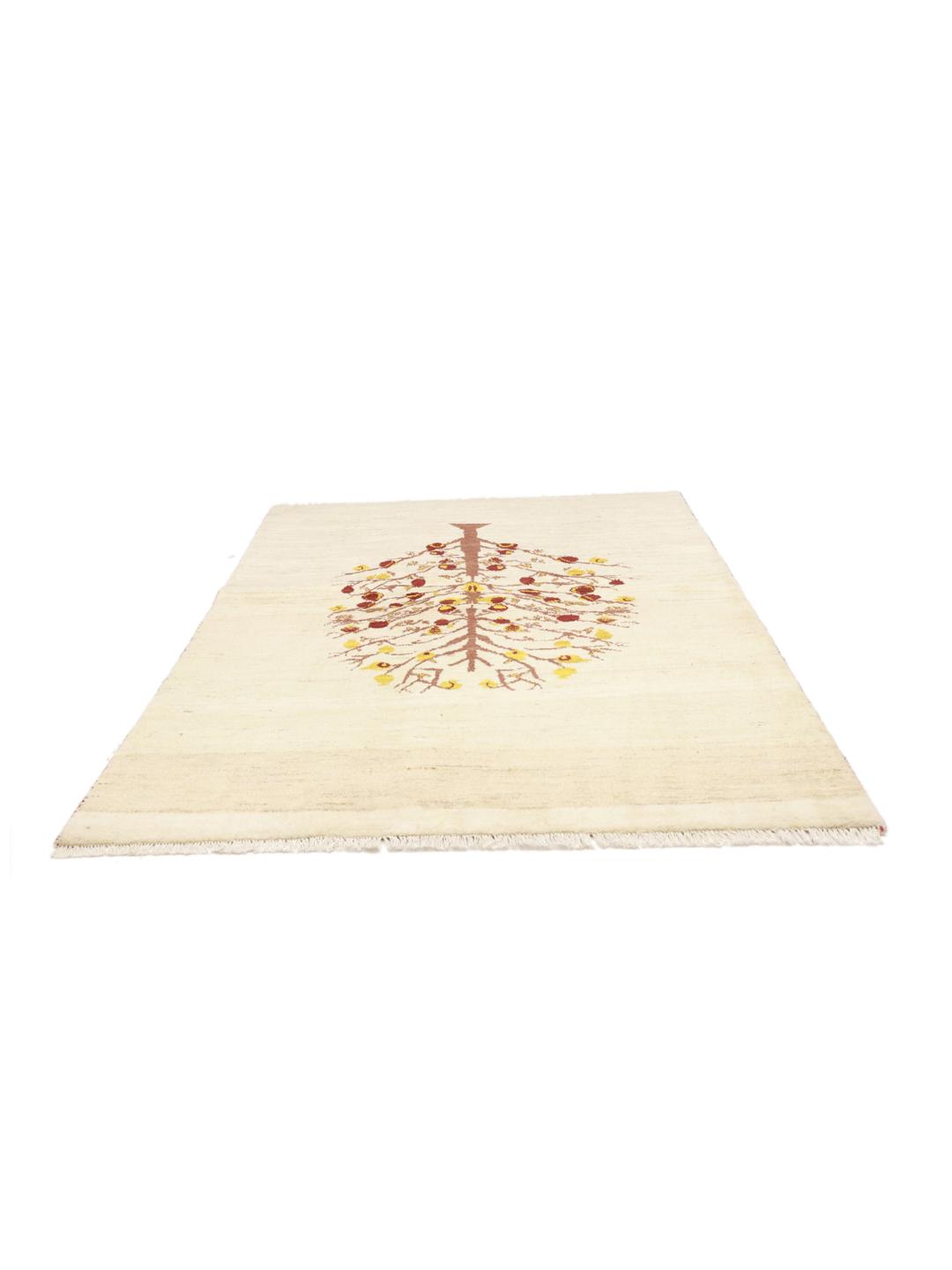
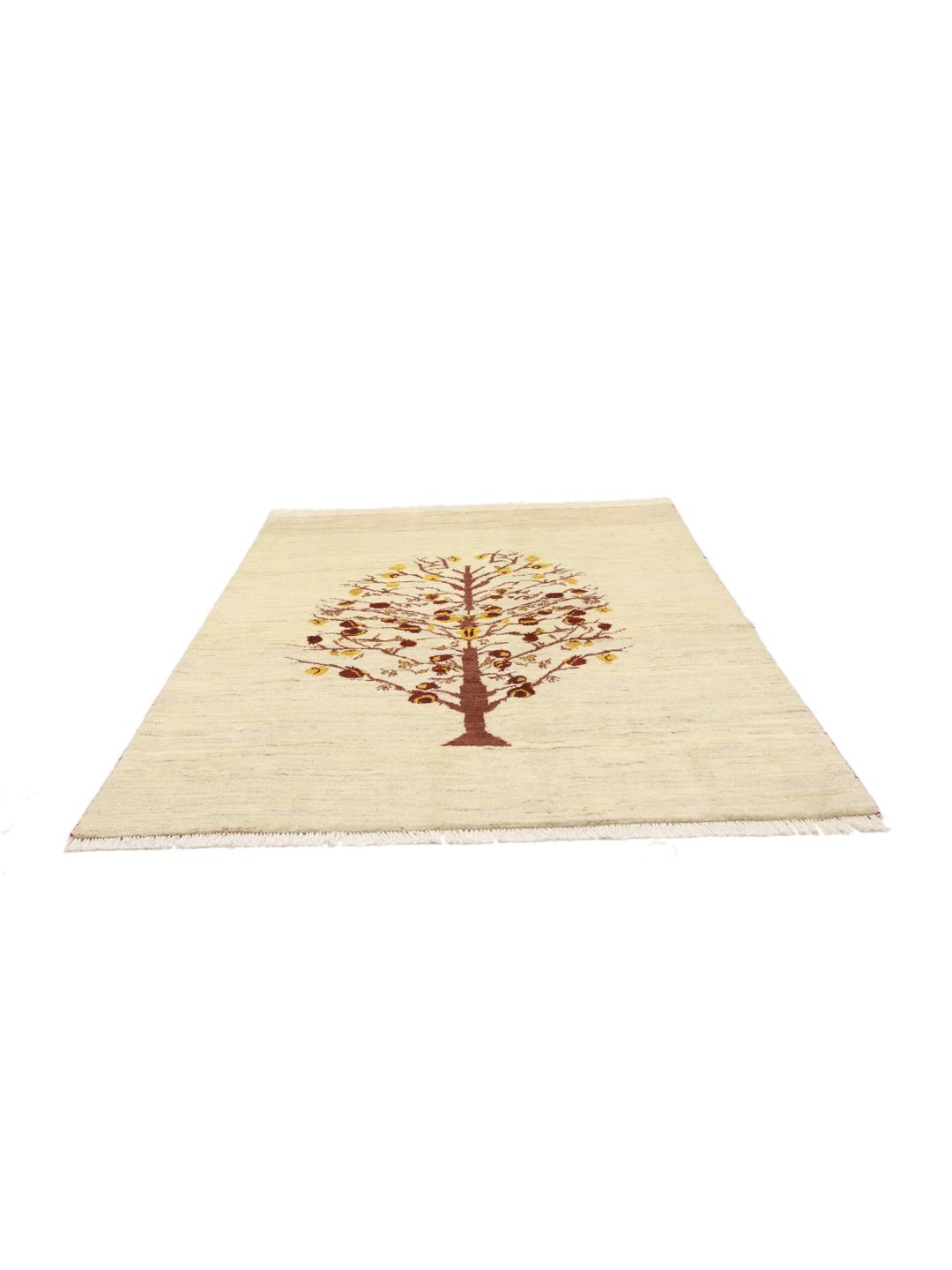
Visually, these rugs are often defined by their minimalist use of space and bold, symbolic motifs. Common designs include stylised animals, geometric shapes, and the iconic tree of life, all rendered in simple, earthy palettes derived from natural dyes. In this particular piece, the tree motif serves as a central focal point, representing growth and connection, framed by a soft and neutral field that showcases the beauty of the wool.
Owning a piece from this tradition is an opportunity to connect with a legacy of independent craftsmanship. These rugs are highly valued by collectors not just for their aesthetic appeal, but for the skill required to maintain consistency while working in a free-form style. By bringing one into your home, you are celebrating a tradition that values human touch and heritage over industrial uniformity.