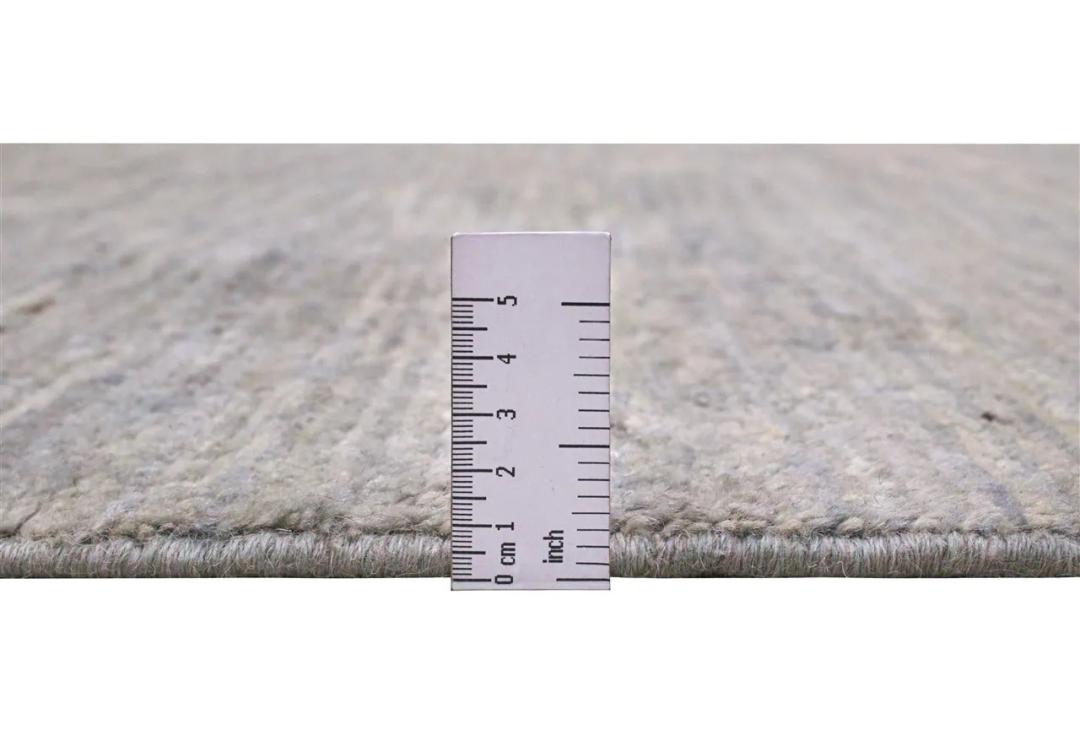
Gabbeh rugs have a long and fascinating history rooted in the nomadic traditions of the Middle East. Originally woven for personal use by tribal women, these rugs were designed for practicality and warmth, often serving as bedding or blankets during the cold nights in the mountainous regions where these communities lived. Over time, their simple yet striking aesthetic gained international appreciation, leading to the evolution of the Gabbeh Modern style we see today.
The term 'Gabbeh' itself translates to 'raw' or 'natural,' which perfectly describes the philosophy behind these pieces. Unlike highly formal or intricate rugs that rely on precise geometric repeats, Gabbehs are celebrated for their open fields and focus on the inherent qualities of the wool. This approach allows the character of the material to take centre stage, resulting in a tactile and visually calming final product that feels organic and unforced.
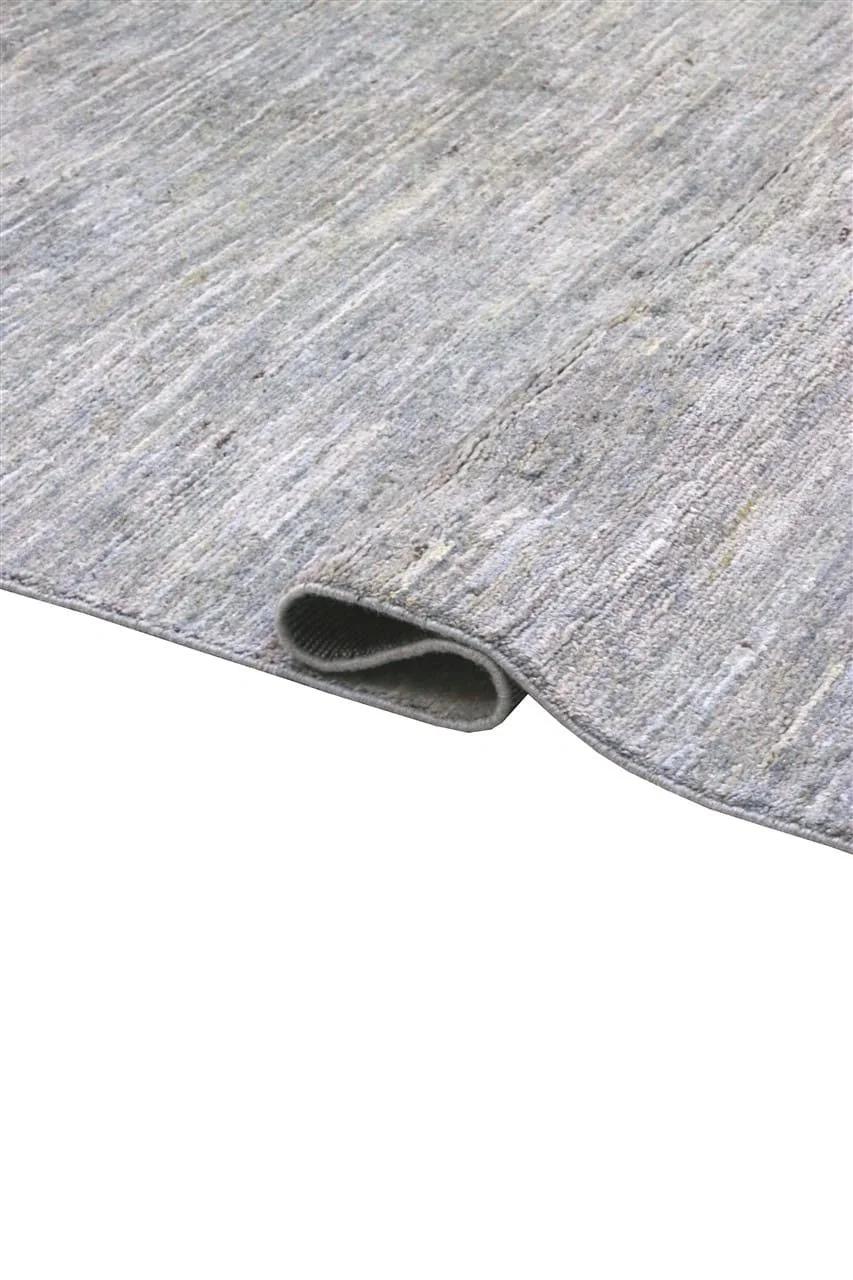
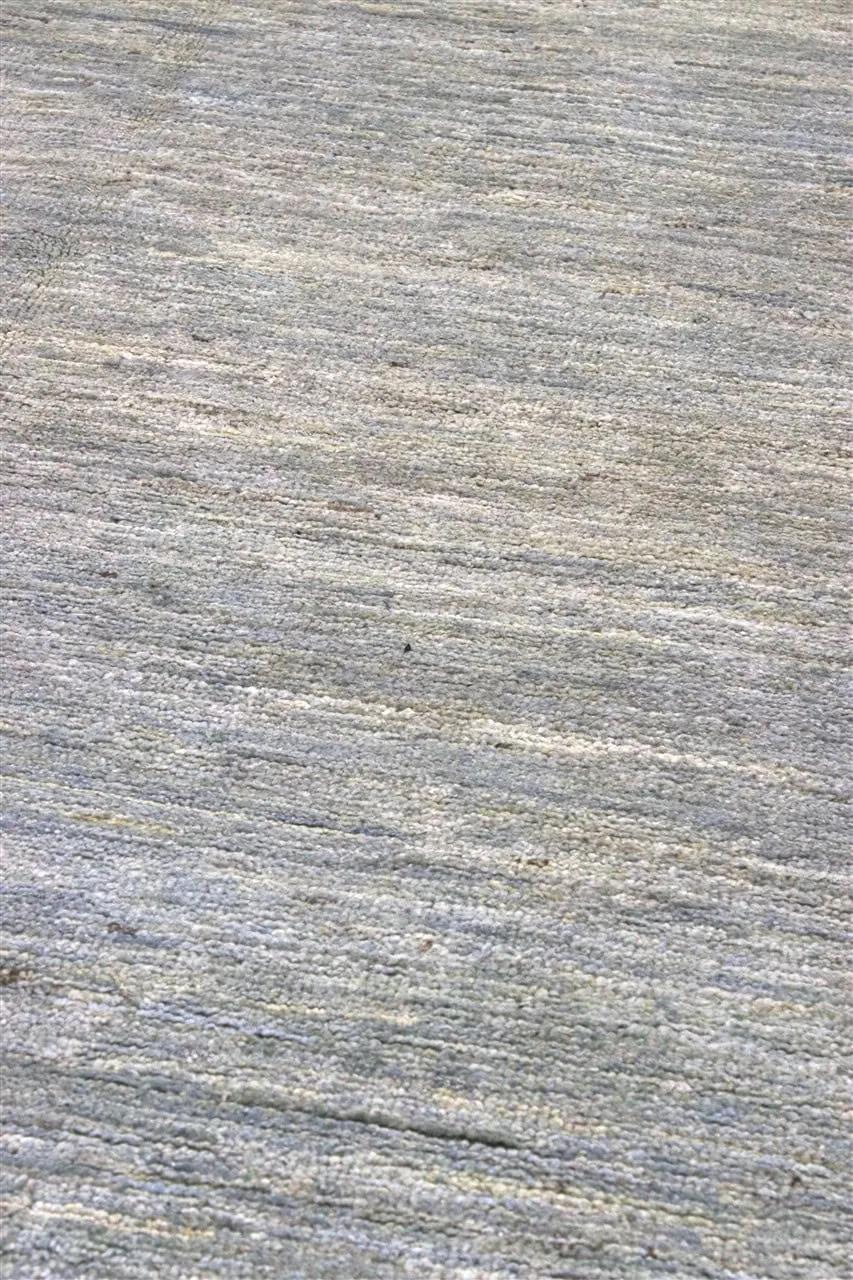
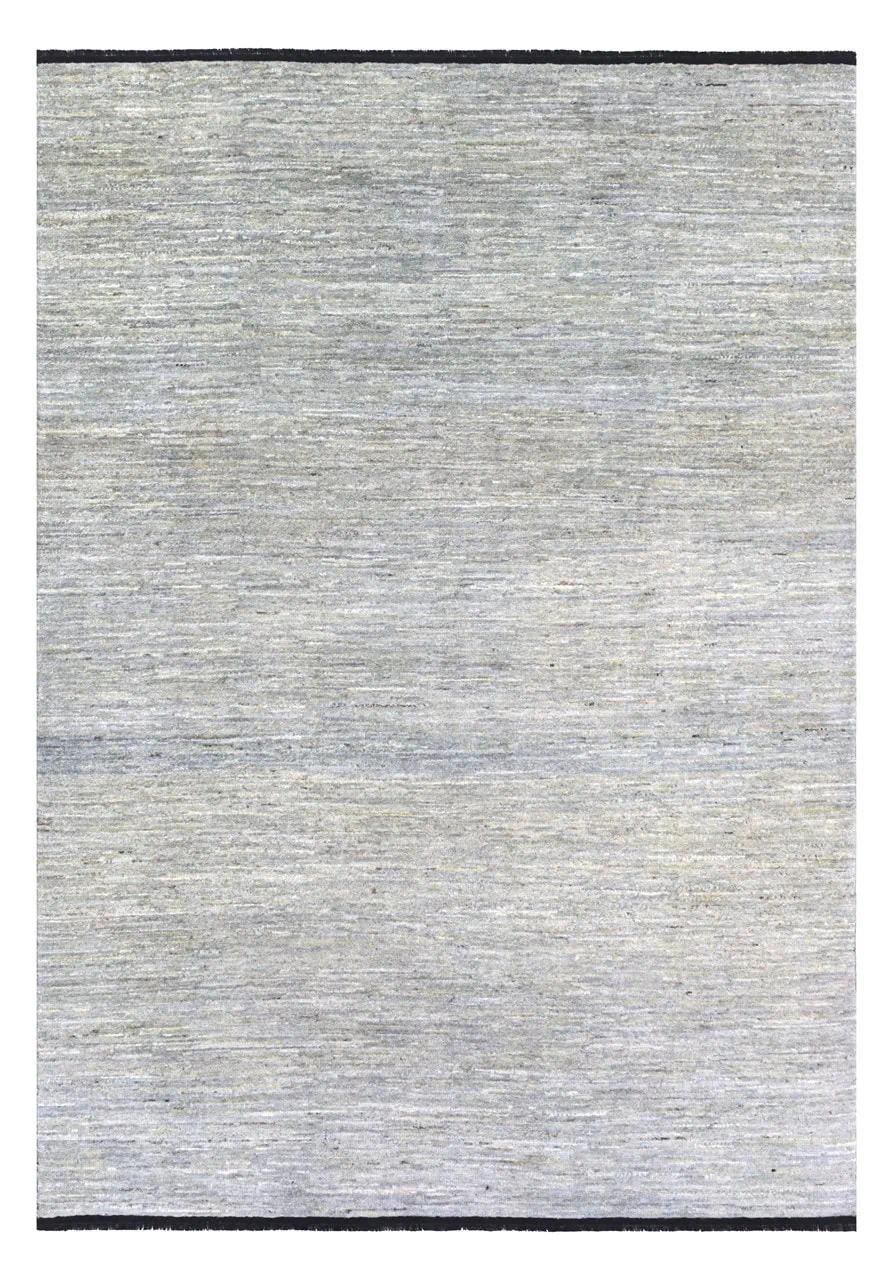
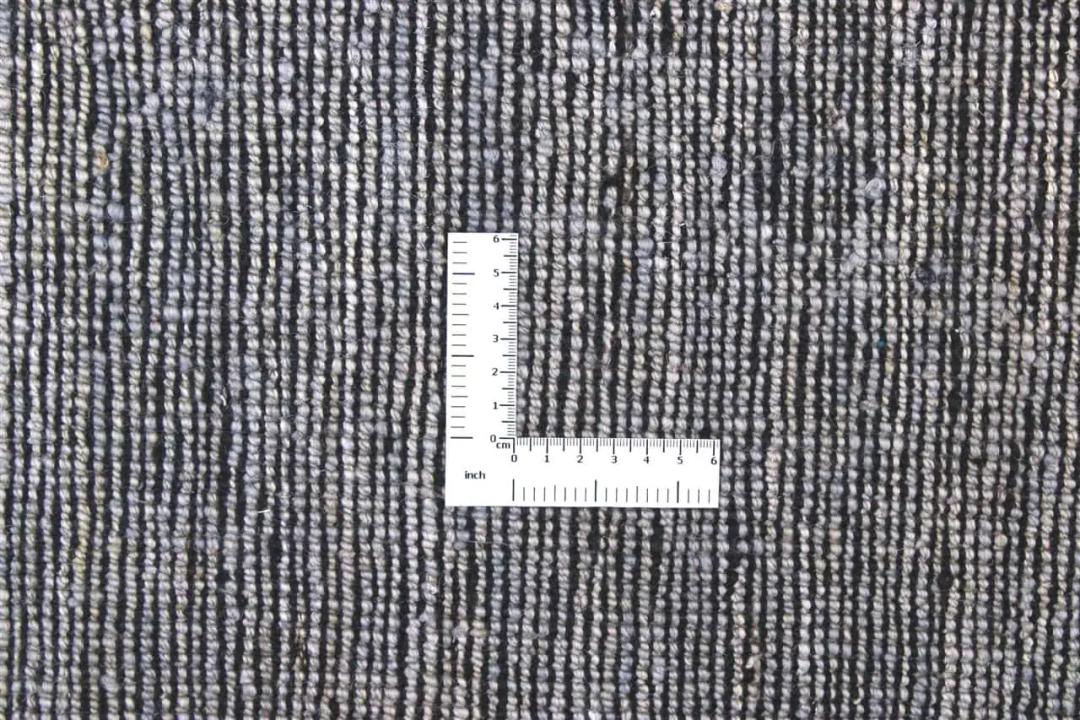
Signature elements of this tradition include a focus on negative space, where the beauty of the rug is found in the subtle shifts of colour and the gentle texture of the pile. While traditional Gabbehs often featured bold, tribal motifs, the modern interpretation emphasises a cleaner, more minimalist look that fits perfectly into contemporary homes. When you see a Gabbeh, you are seeing a tradition that values the artisan's intuition and the natural properties of the wool above rigid design rules.
Collecting a Gabbeh Modern rug is a way to connect with a centuries-old tradition of craft that prizes individuality. Because they are not mass-produced, each rug serves as a document of the maker's skill and the specific materials available at the time of its creation. By bringing one into your home, you are not just adding a floor covering, but a piece of cultural heritage that has been thoughtfully preserved and updated for modern living.