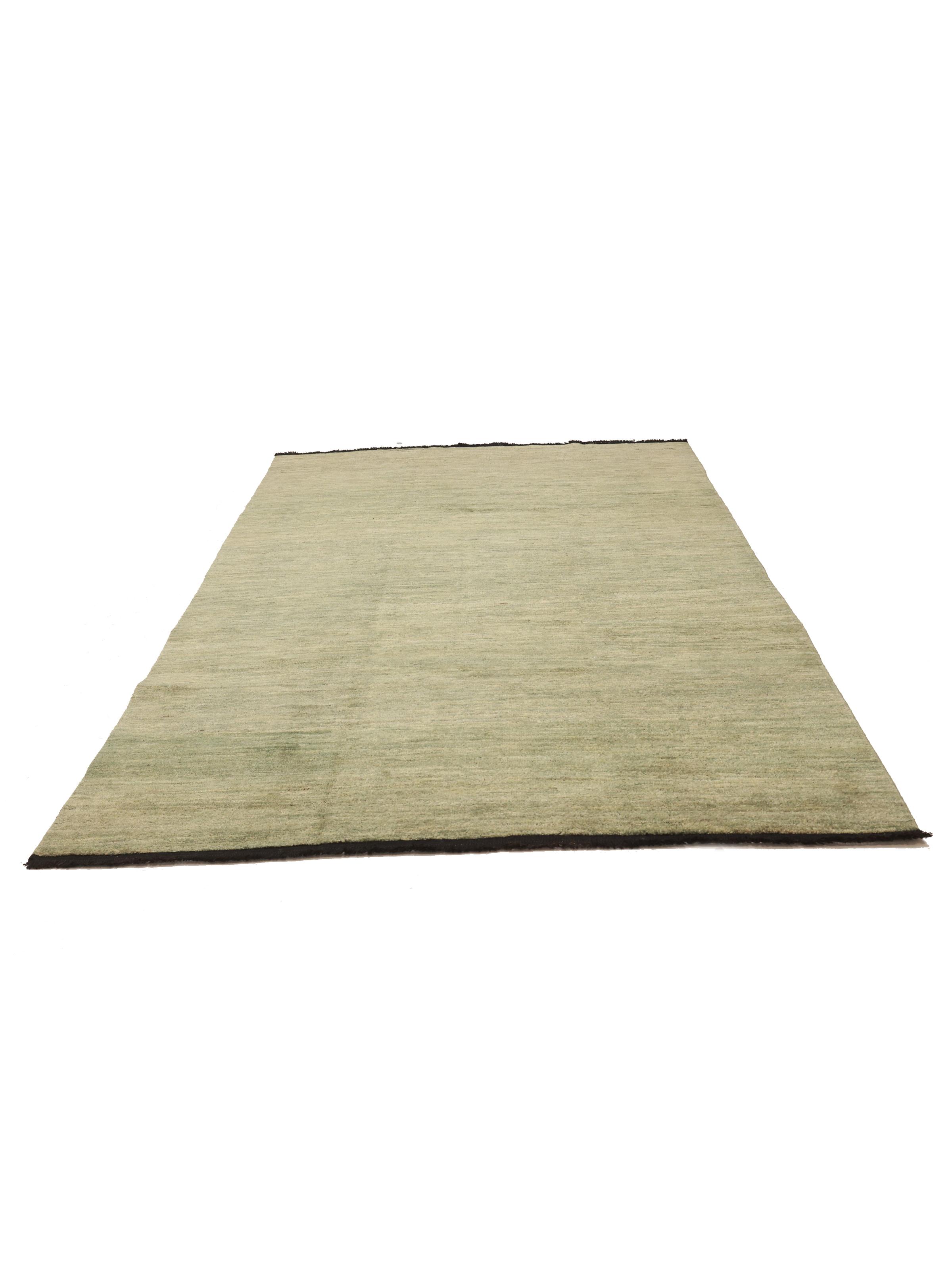
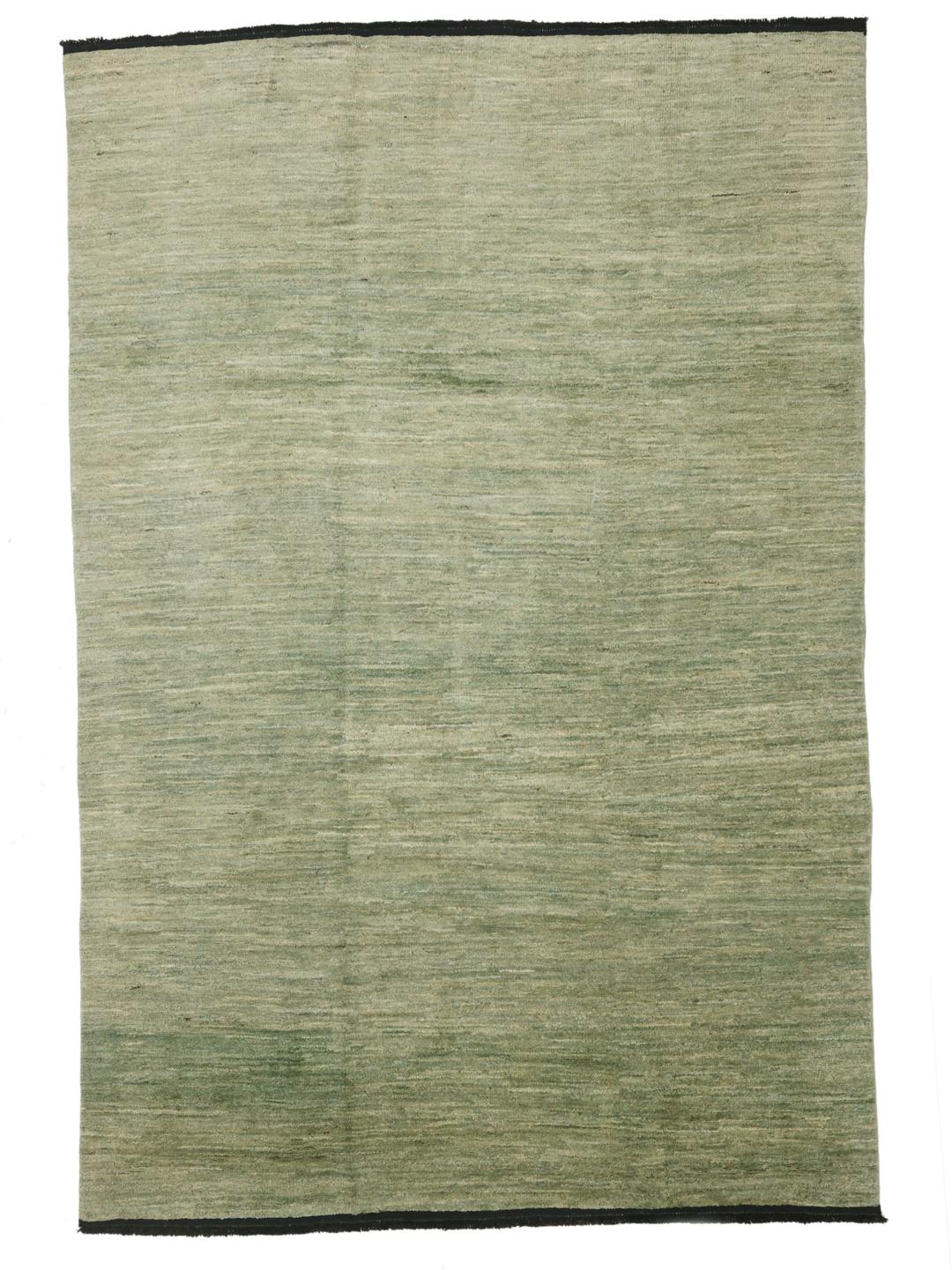
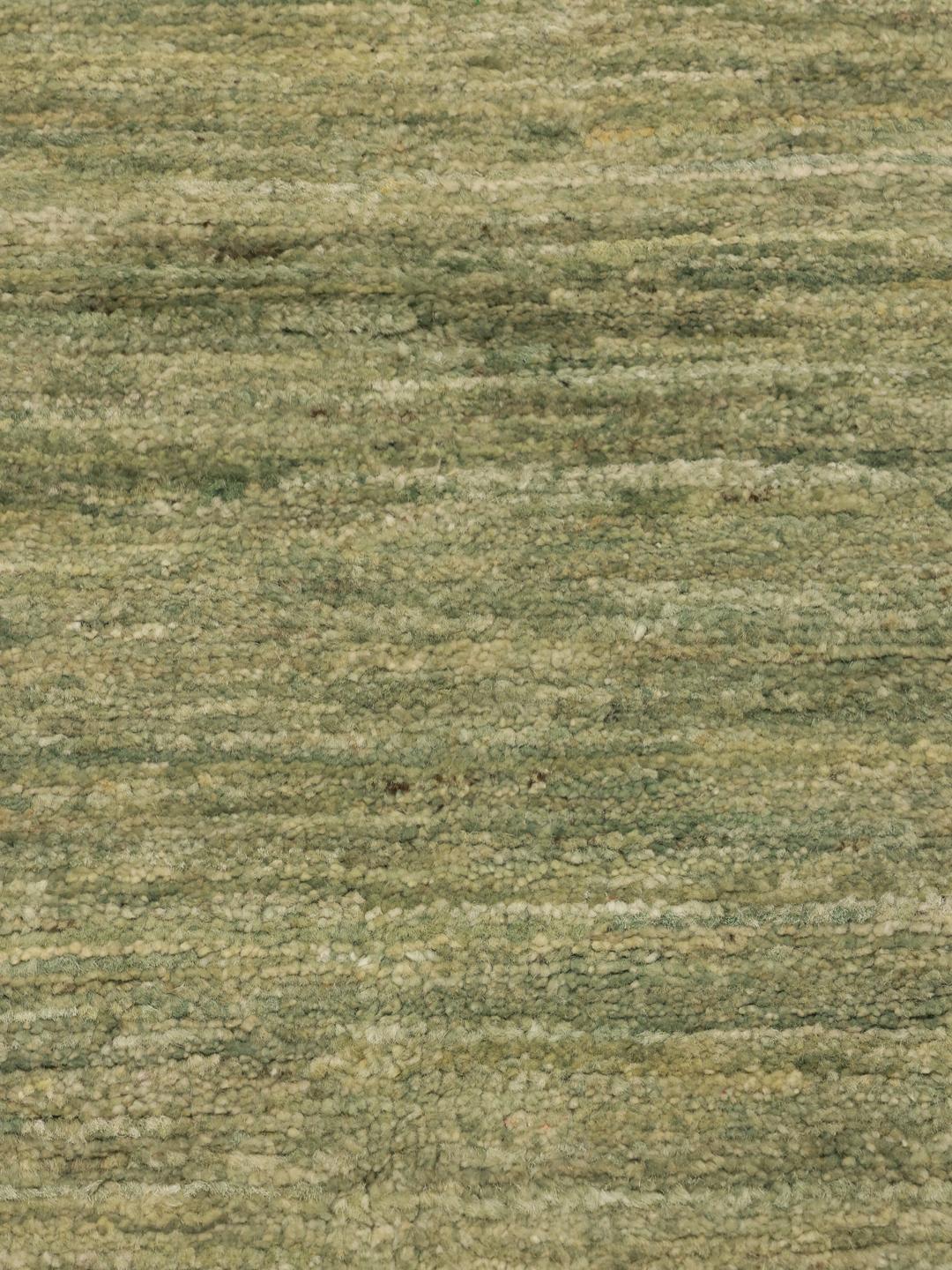
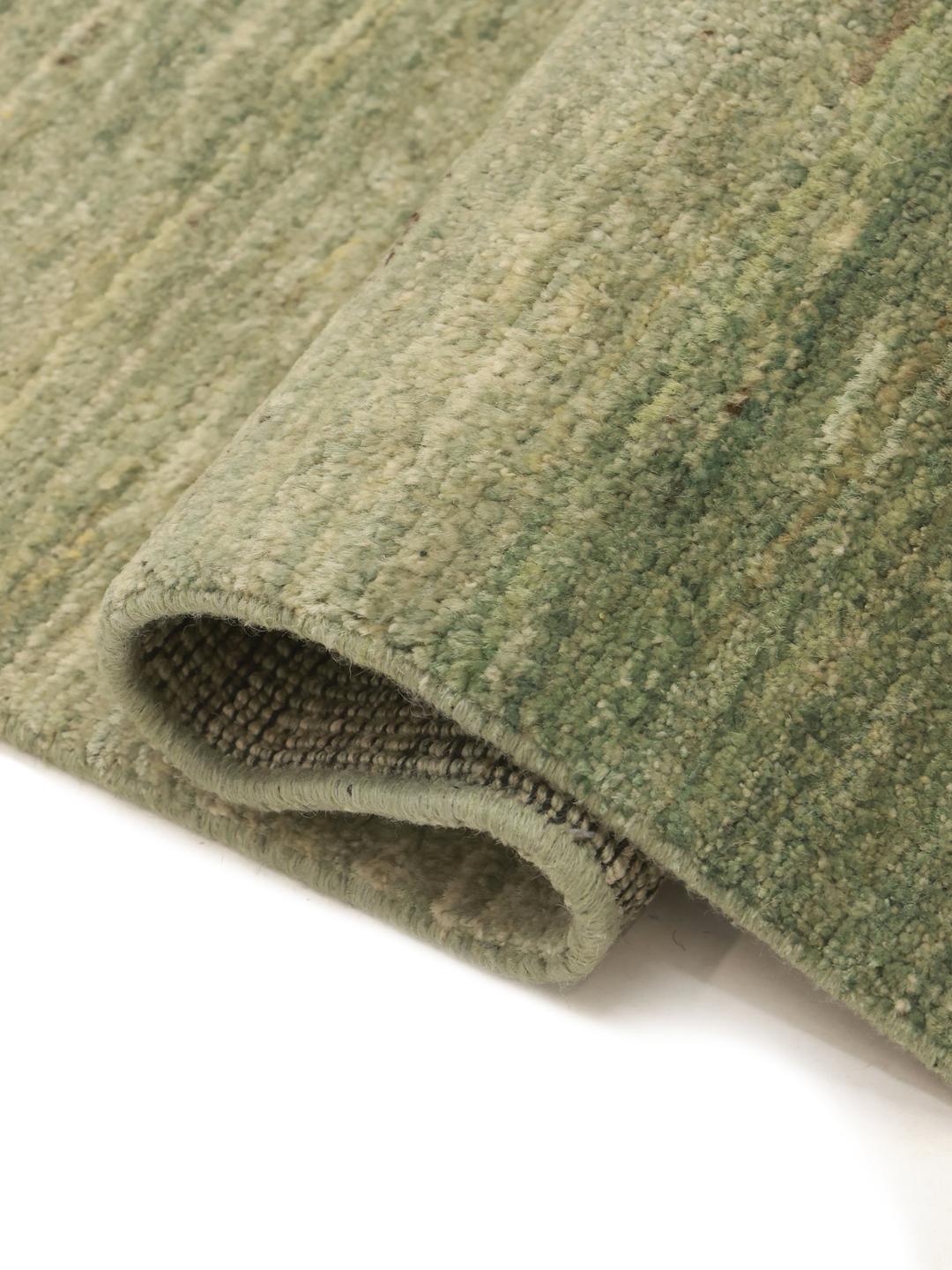
Gabbeh rugs have a long history rooted in the nomadic traditions of the Middle East. Originally, these rugs were woven by tribal women for their own personal use, serving as thick, protective floor coverings in tents. Unlike more formal urban carpets, the Gabbeh was a medium for creative expression, often featuring simple, spontaneous designs that reflected the weaver's environment and imagination.
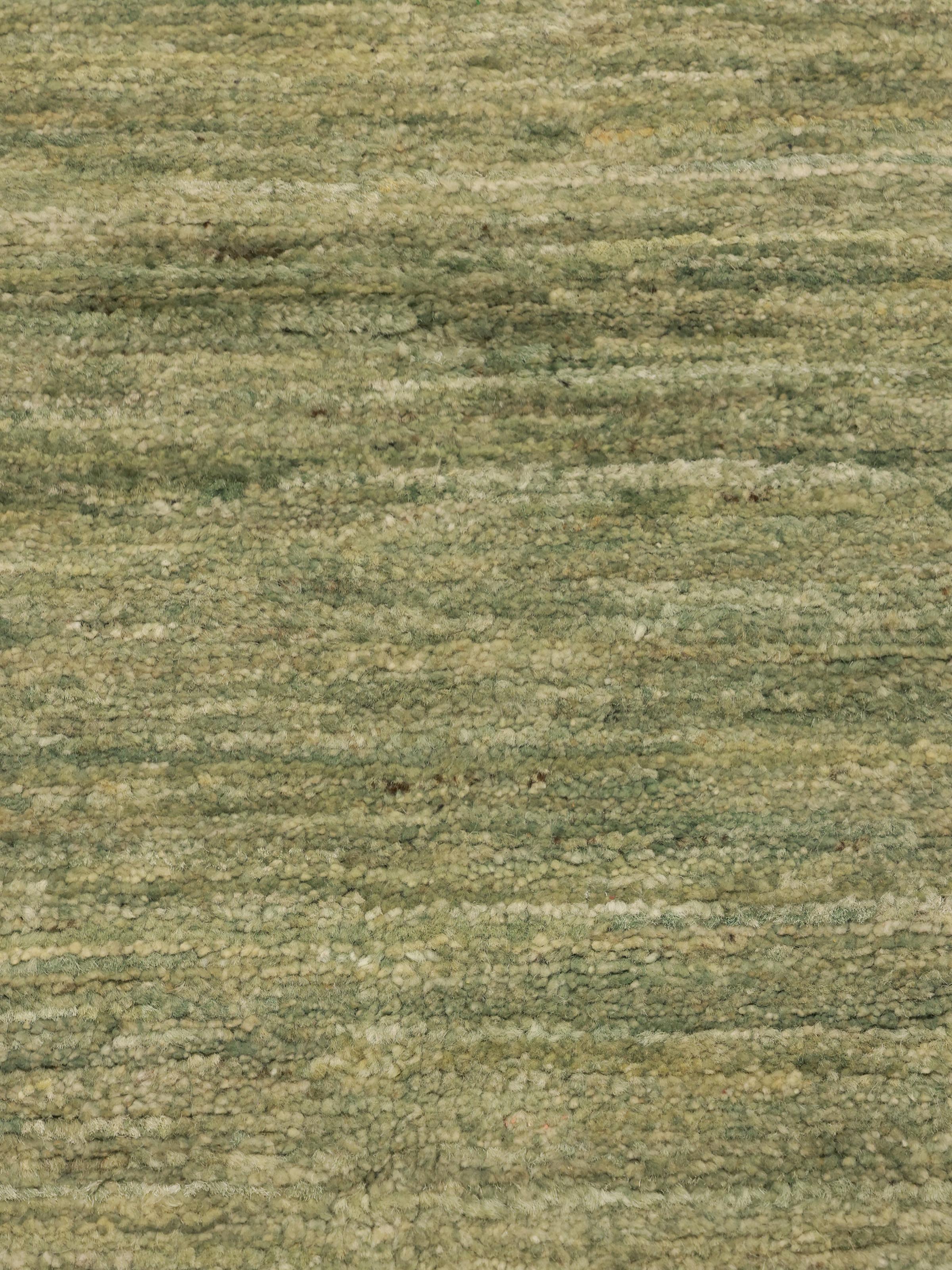
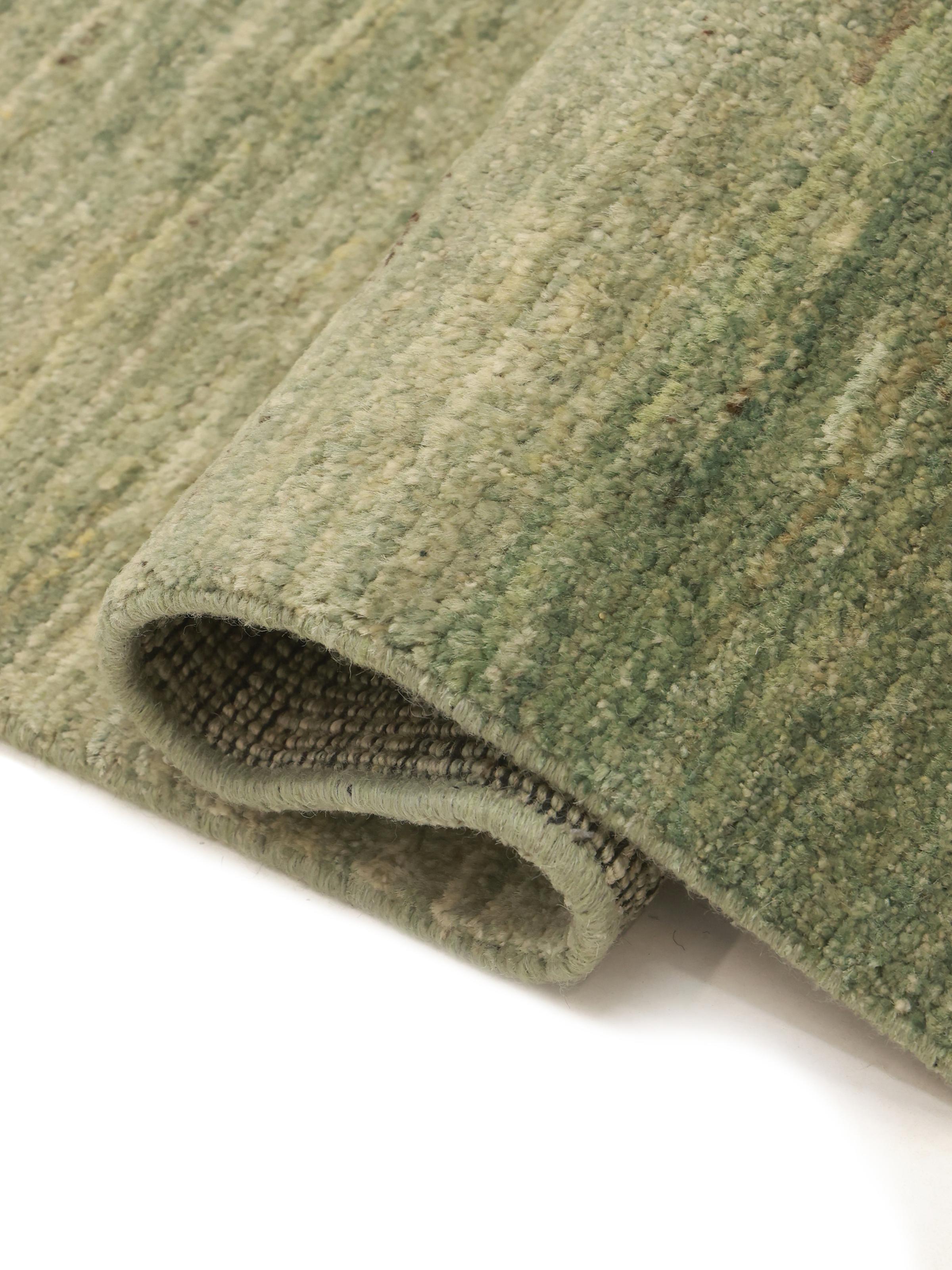
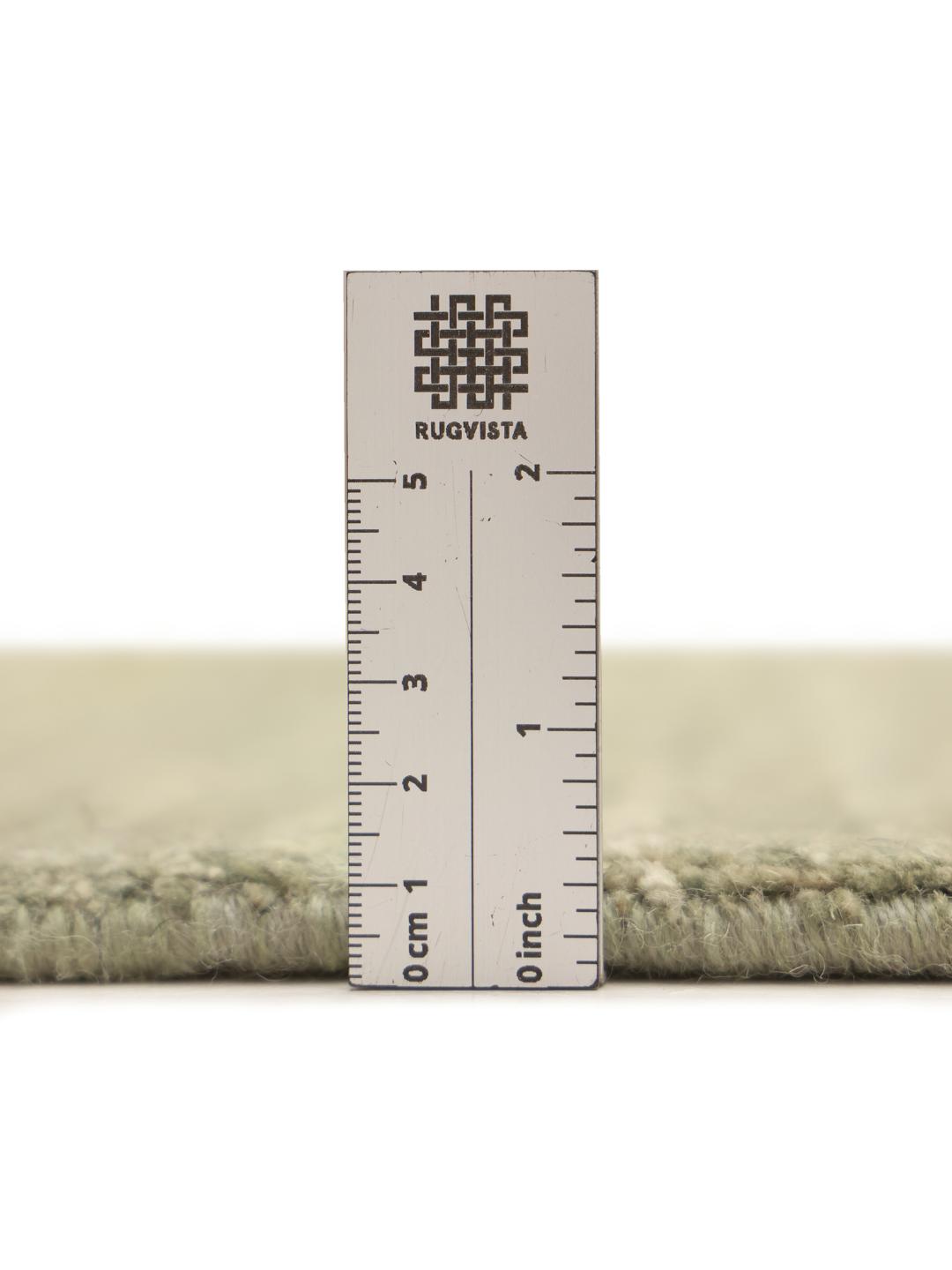
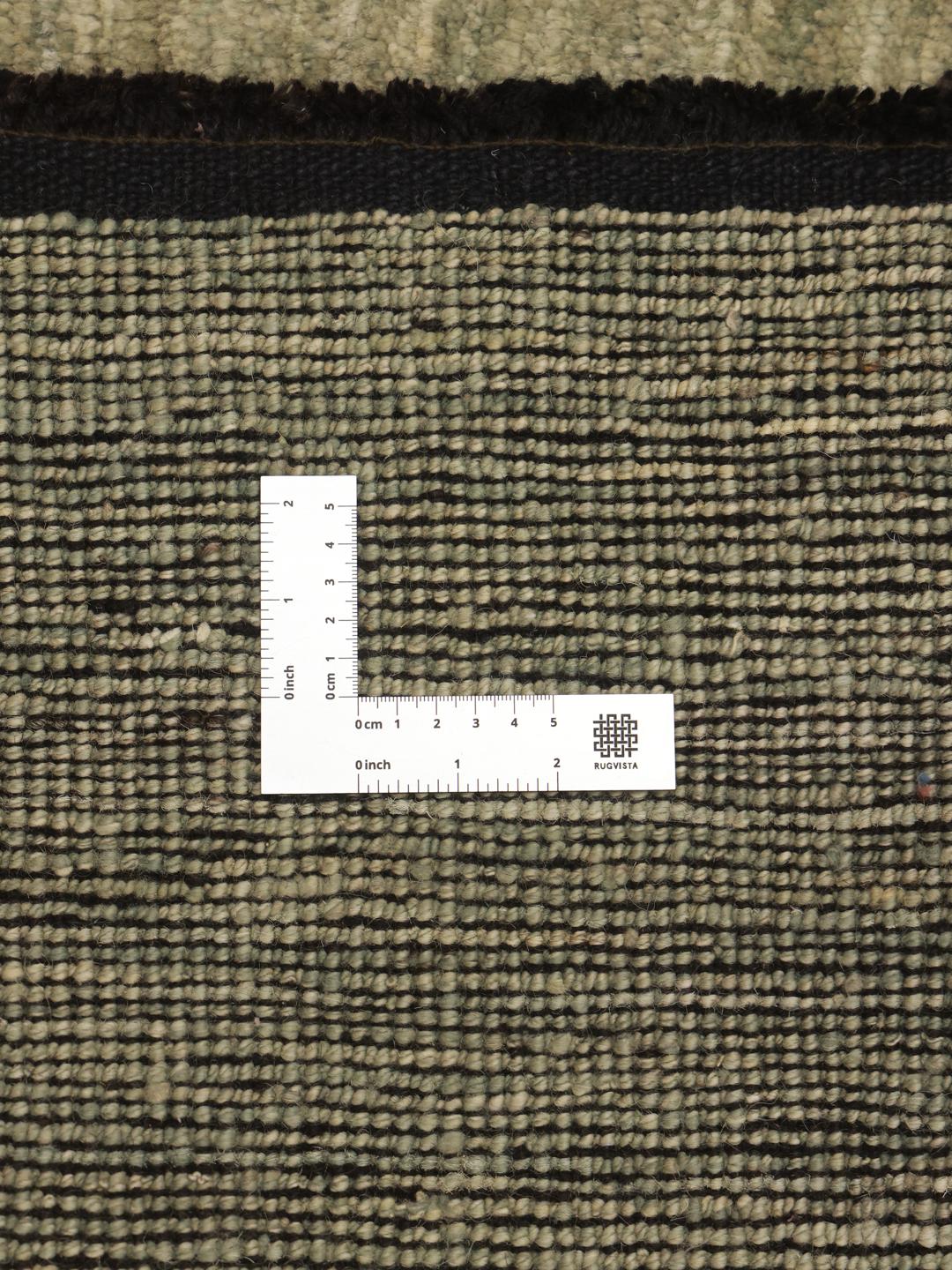
The term Gabbeh itself means raw or natural, which perfectly describes the aesthetic of these pieces. They are known for their thick, chunky pile, which is achieved through the use of hand-spun, high-quality wool. This traditional method of spinning results in a pile that is not only soft and luxurious but also incredibly hard-wearing, making it a practical choice for nomadic life and modern homes alike.
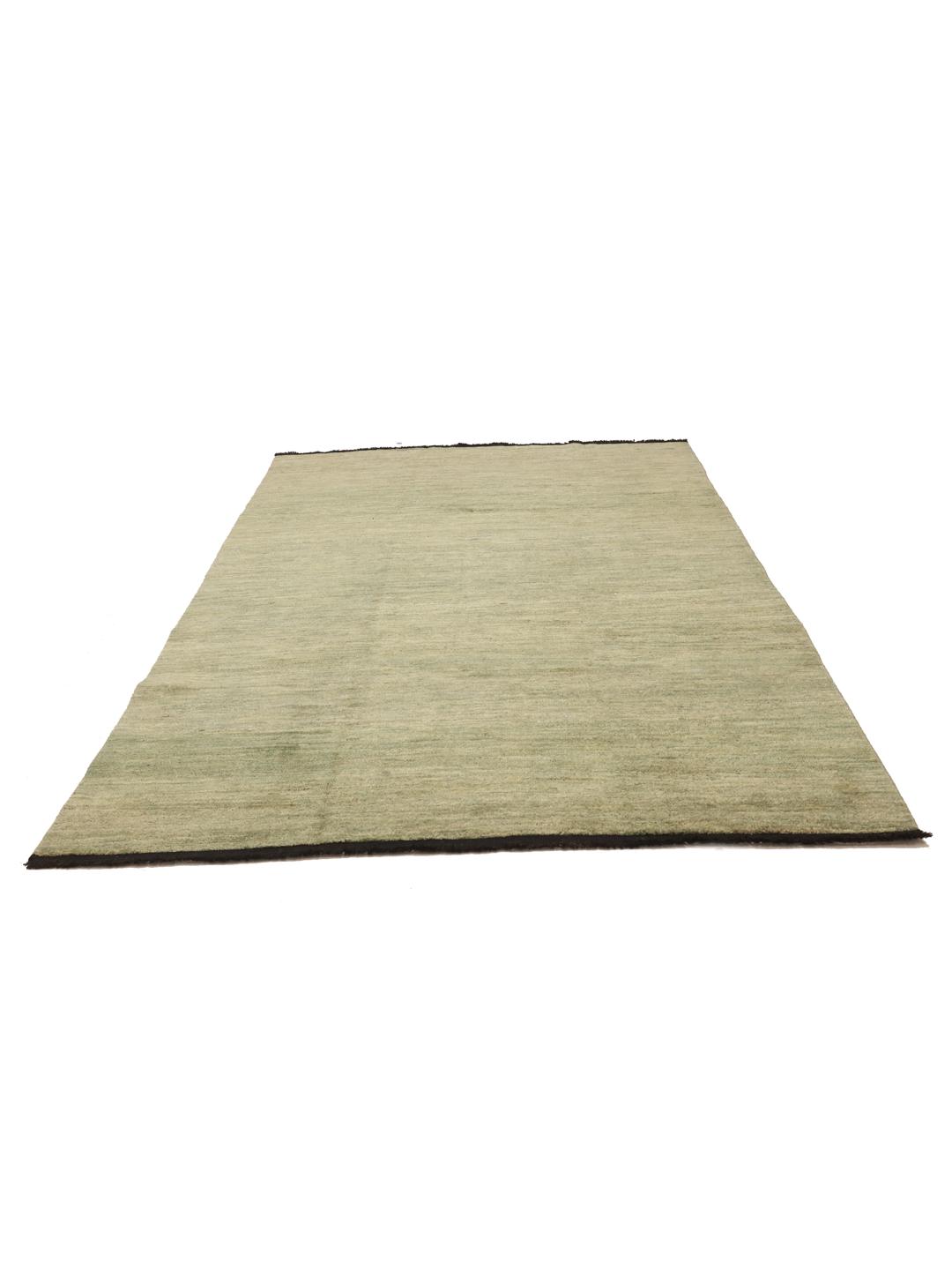
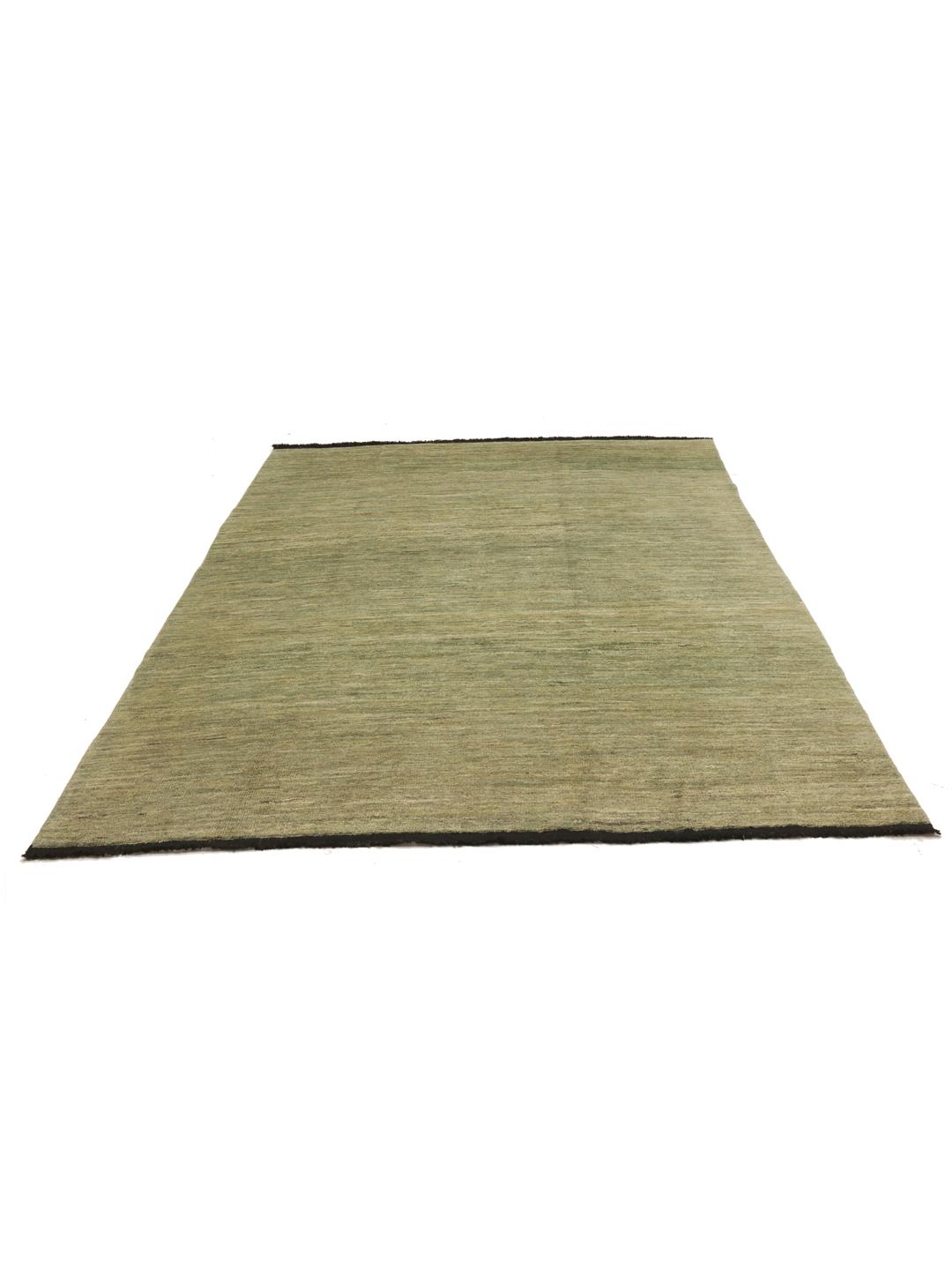
Visually, traditional Gabbeh rugs are celebrated for their open fields and minimalist approach to design. While many older examples are known for their vibrant, saturated colours derived from natural dyes, modern iterations like this one often explore more subtle, monochromatic, or earthy palettes. This shift showcases the versatility of the Gabbeh style, allowing it to bridge the gap between ancient tribal artistry and contemporary interior design.
Today, rugs from this tradition are highly sought after by collectors who value the human element inherent in every knot. Owning a Gabbeh is about more than just a floor covering; it is about connecting with a lineage of craftsmanship that prioritises individual creative spirit over mass production. It represents a commitment to lasting quality and the preservation of a unique cultural heritage.