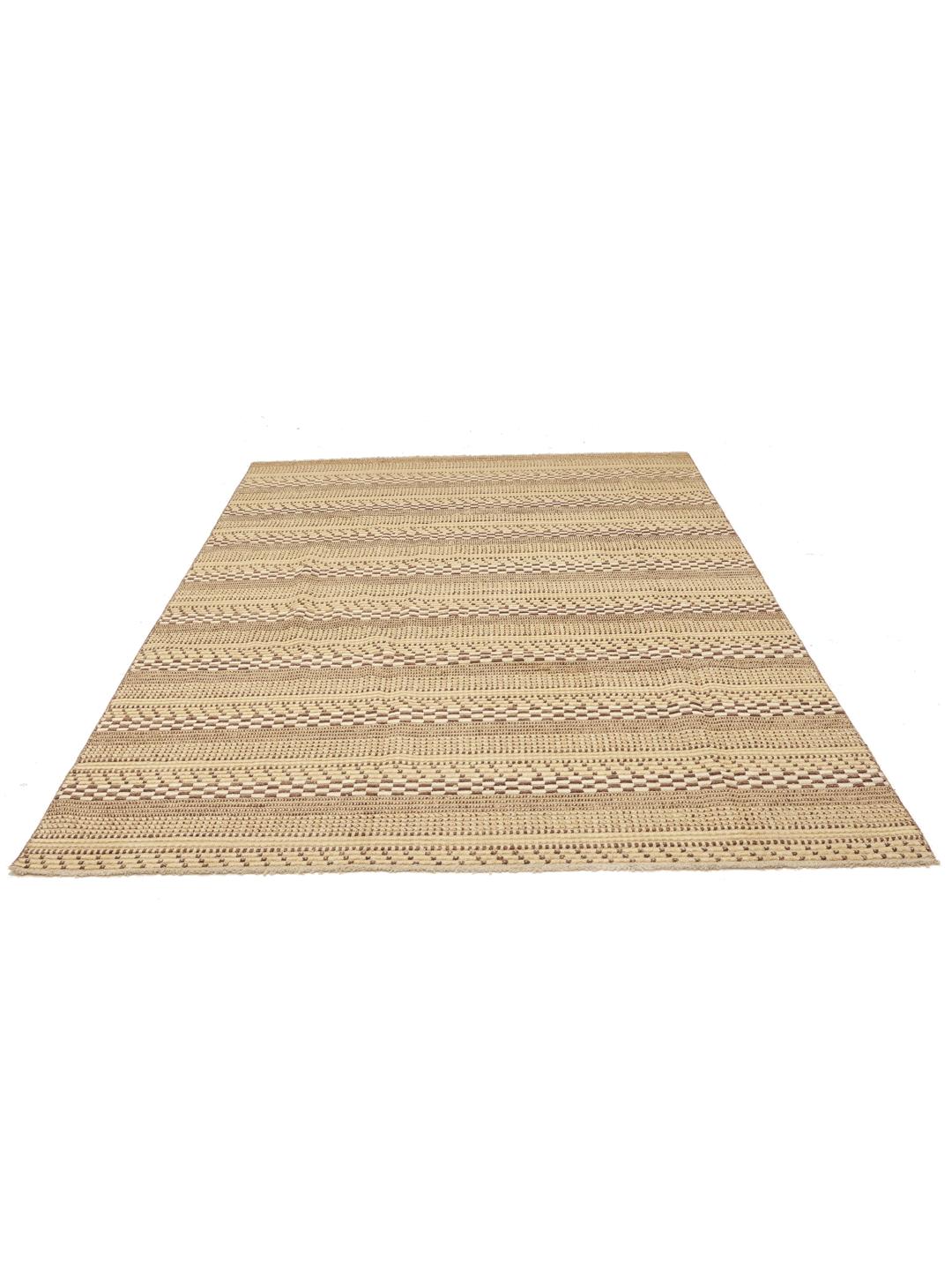
Gabbeh rugs trace their roots to the nomadic tribes of the Middle East, where they were originally crafted for personal use rather than for trade. These rugs were traditionally woven by women who drew inspiration from their immediate environment, translating their daily lives and the landscapes around them into simple, powerful designs. While the tradition has evolved, the essence of the Gabbeh remains rooted in this nomadic heritage of simplicity and utility.
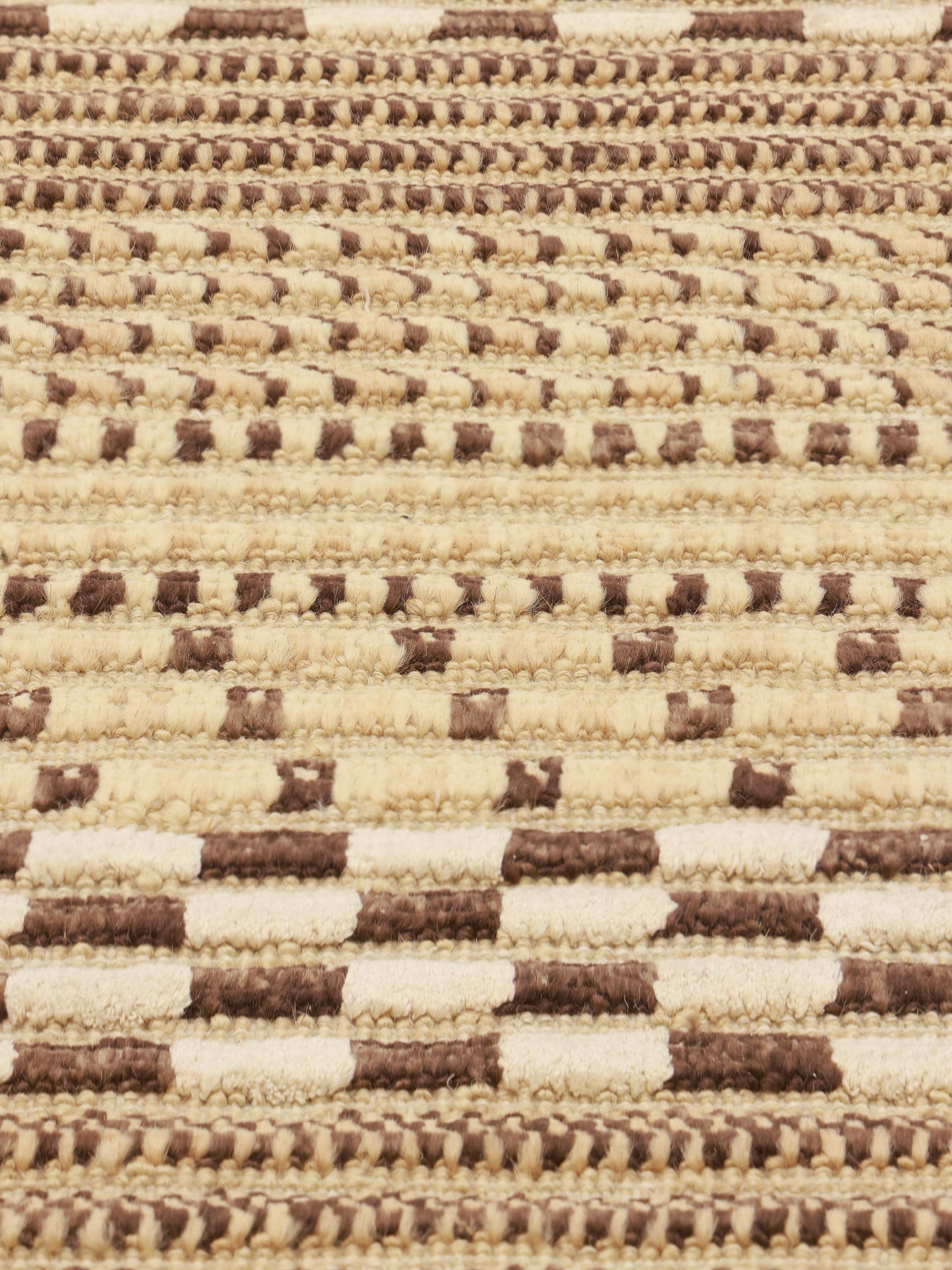
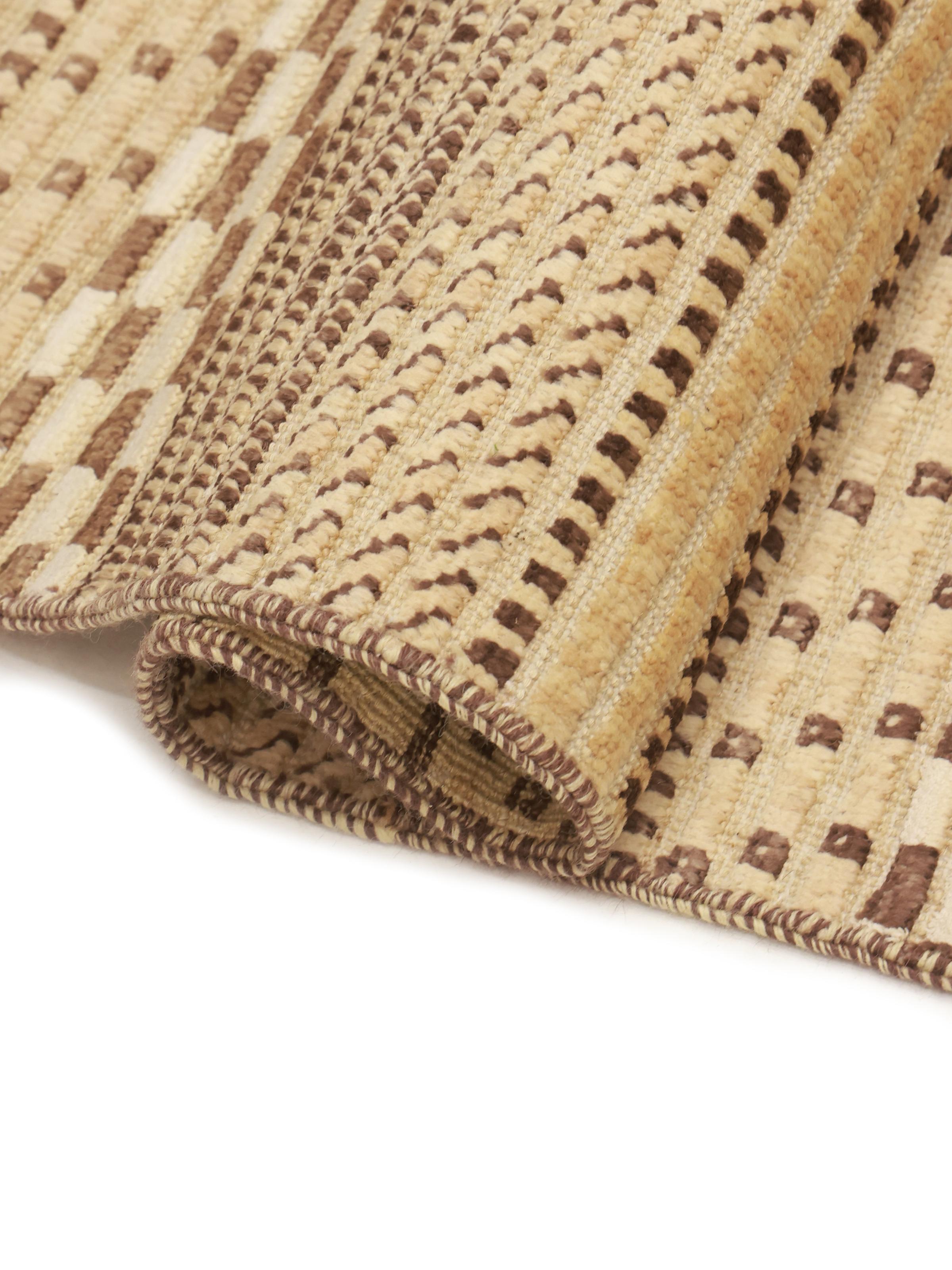
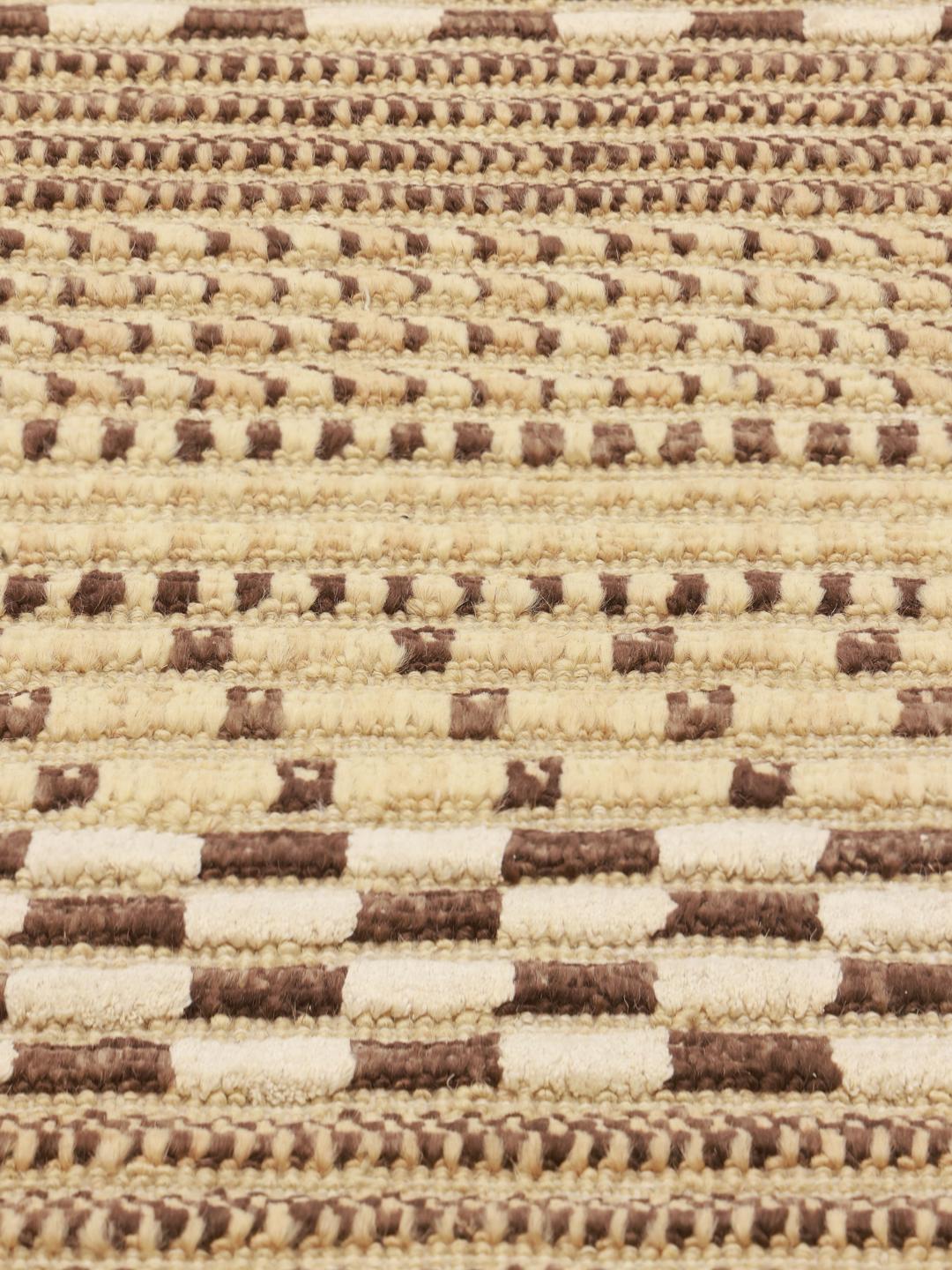
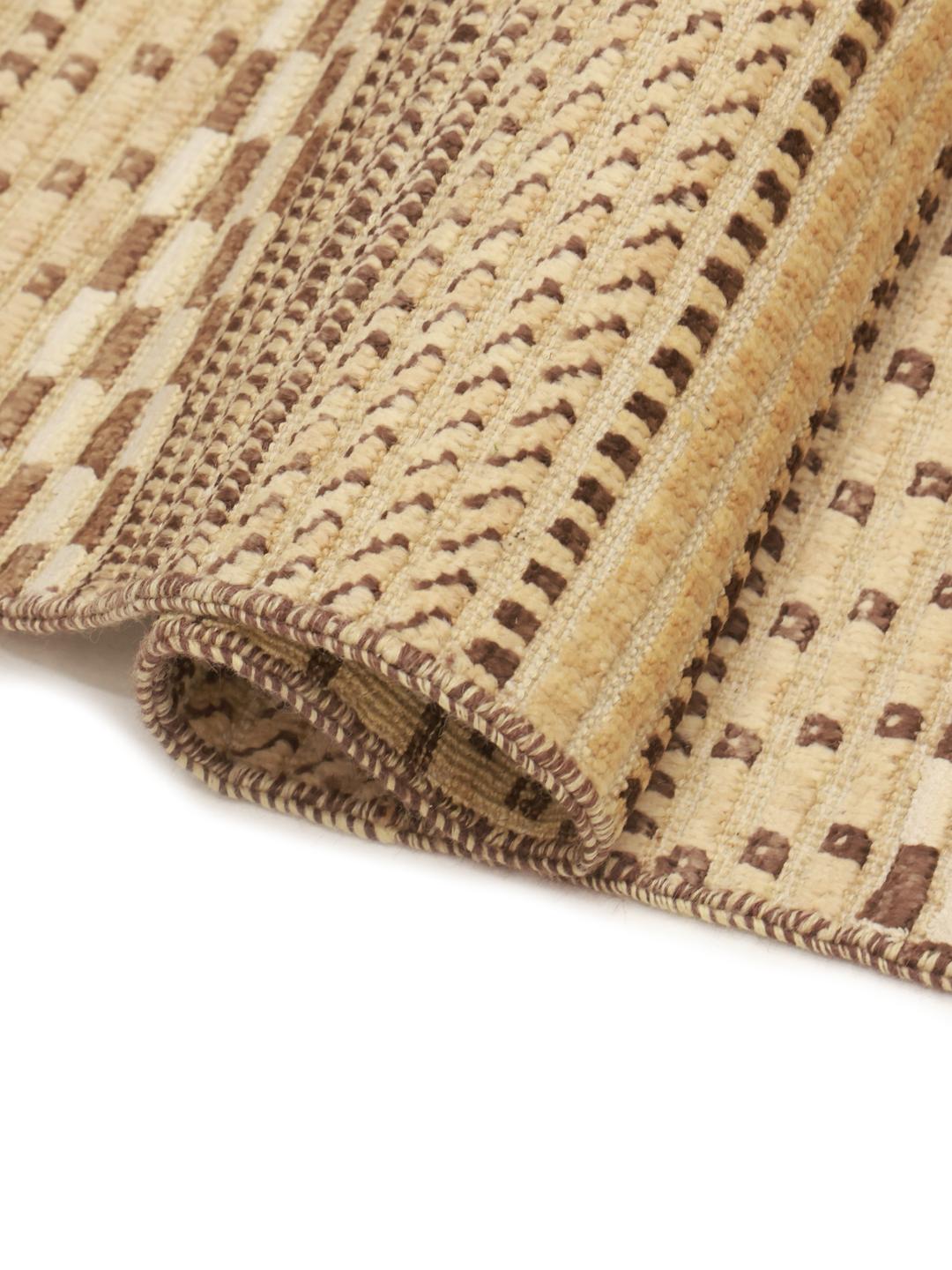
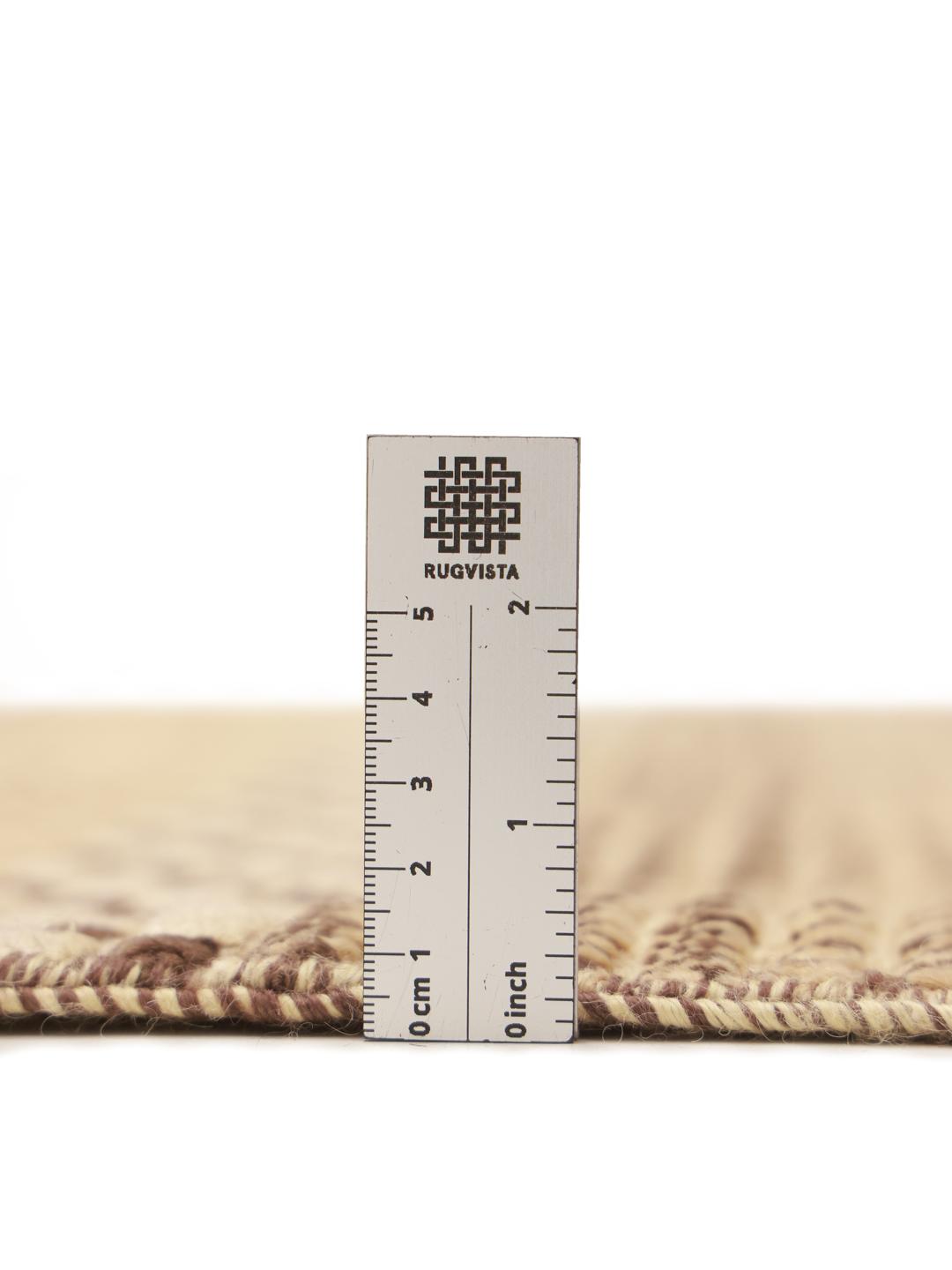
The term Gabbeh itself refers to a style of rug that is typically coarser and thicker than more formal, court-style carpets. This thickness is achieved through the use of hand-spun wool, which retains more of its natural oils, making the rug inherently soft and durable. The technique involves a generous pile that allows for a more tactile, cushion-like quality, which was essential for the comfort of nomadic life on the move.
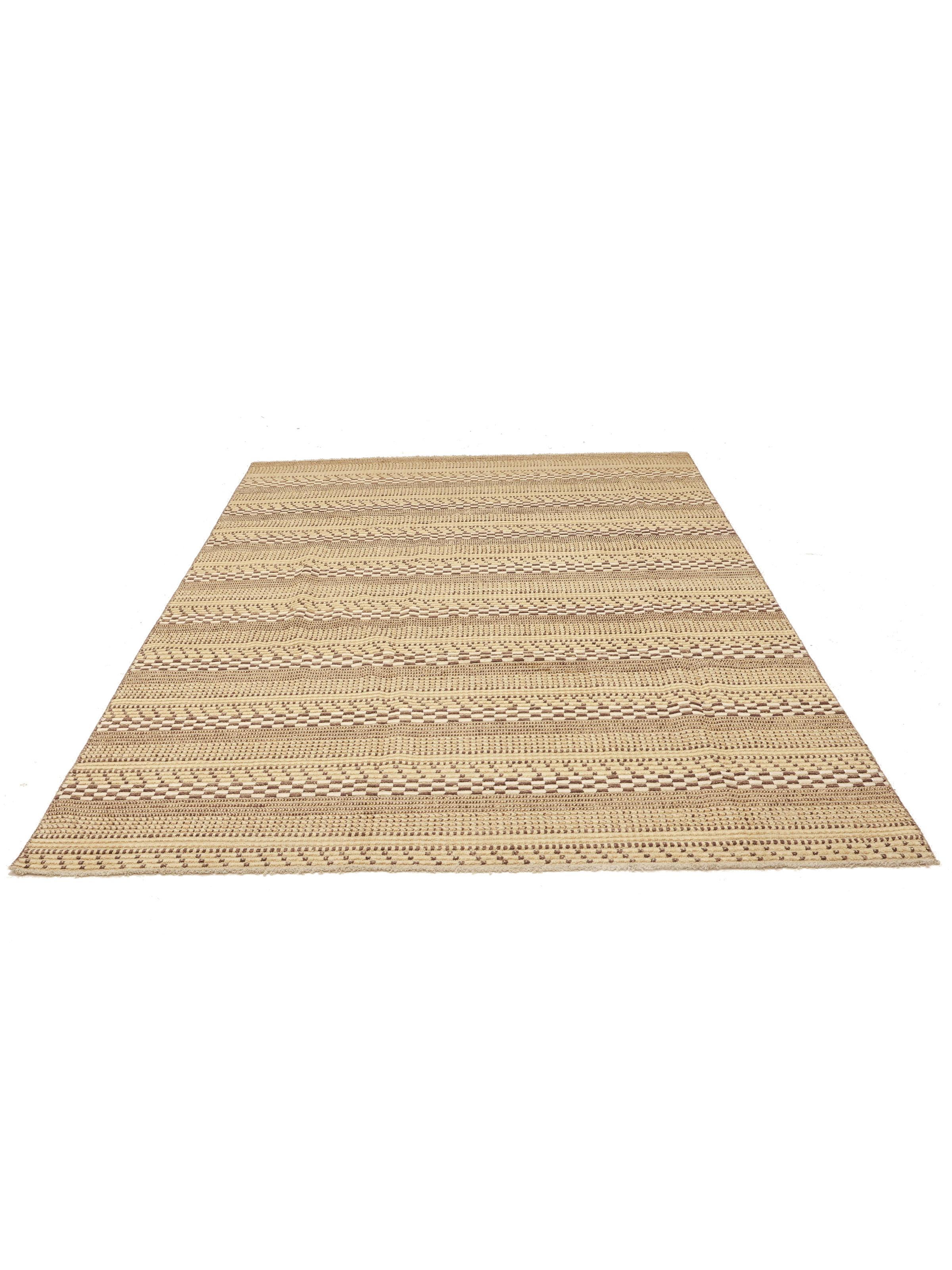
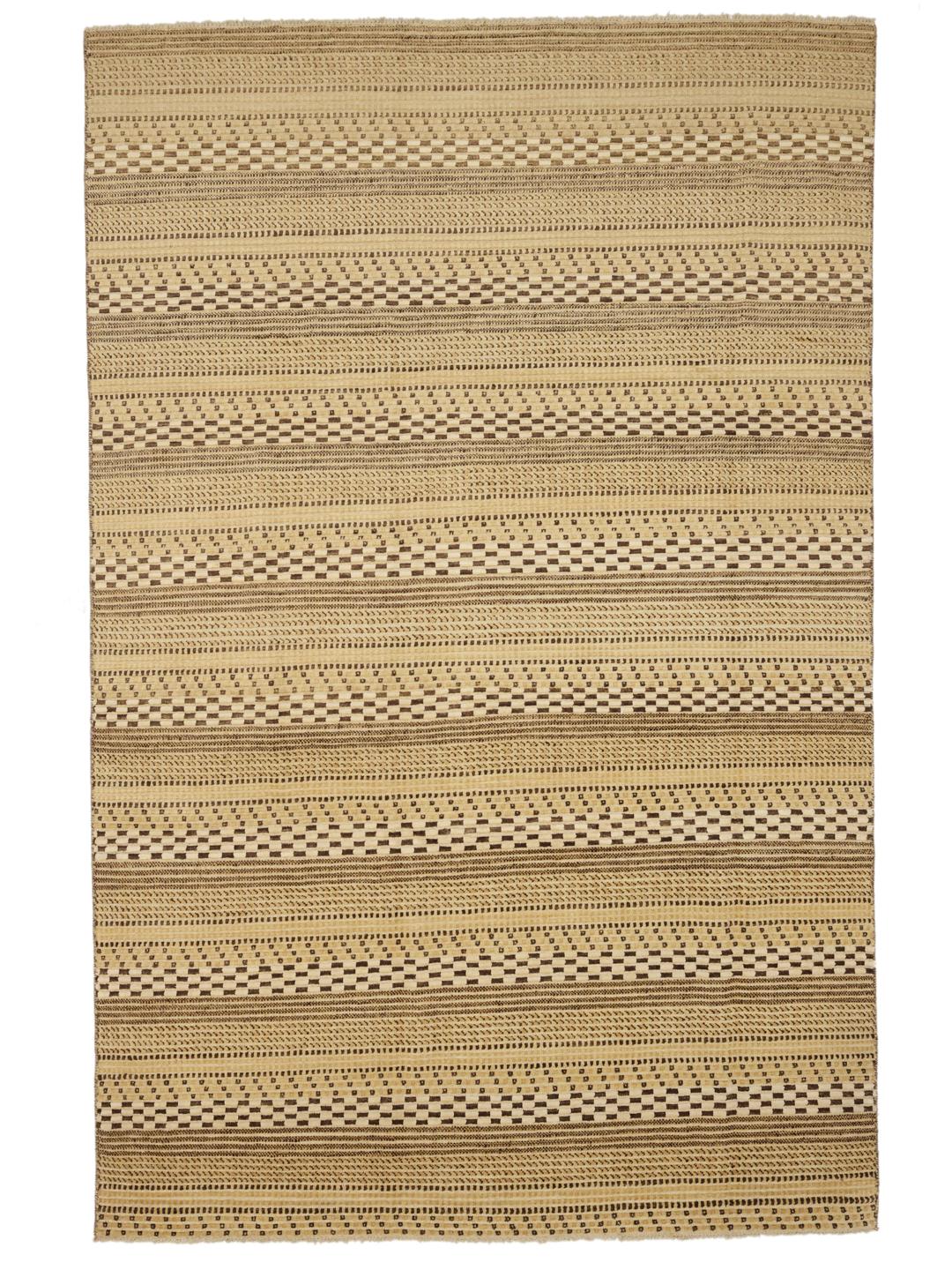
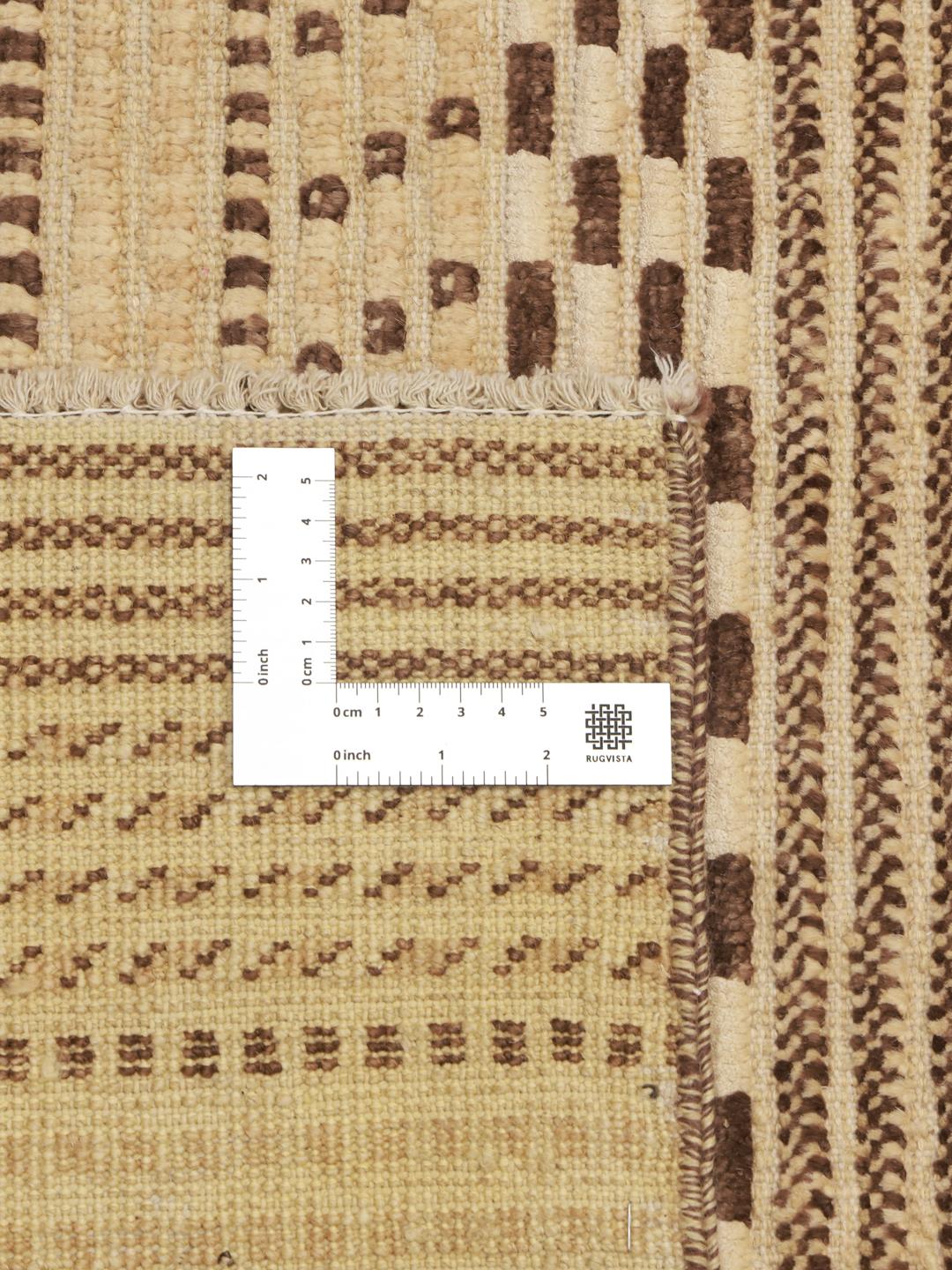
Visually, Gabbeh rugs are celebrated for their minimalist and often abstract aesthetic. Unlike the intricate floral motifs found in other regional traditions, Gabbeh designs often favour wide fields of colour, geometric shapes, or simple, repeating patterns. This rug features a sophisticated striped and checkered design that highlights the beauty of natural wool, showcasing how traditional methods can produce a thoroughly modern and versatile look.
Today, these rugs are highly sought after by collectors who value the human element behind every knot. Owning a Gabbeh is not just about floor covering; it is about connecting with a lineage of craft that prizes raw expression over perfection. Each piece stands as a testament to the weaver's skill, offering a timeless quality that brings a sense of history and cultural depth to contemporary homes.