Gabbeh rugs have a long and storied history, originating as nomadic floor coverings in the Middle East. Traditionally woven by tribal women, these rugs were intended for personal use, designed to provide warmth and comfort in the harsh, variable climates of the region. Unlike more formal urban rugs, Gabbehs were created with artistic freedom, often reflecting the weaver's personal expression and surroundings.
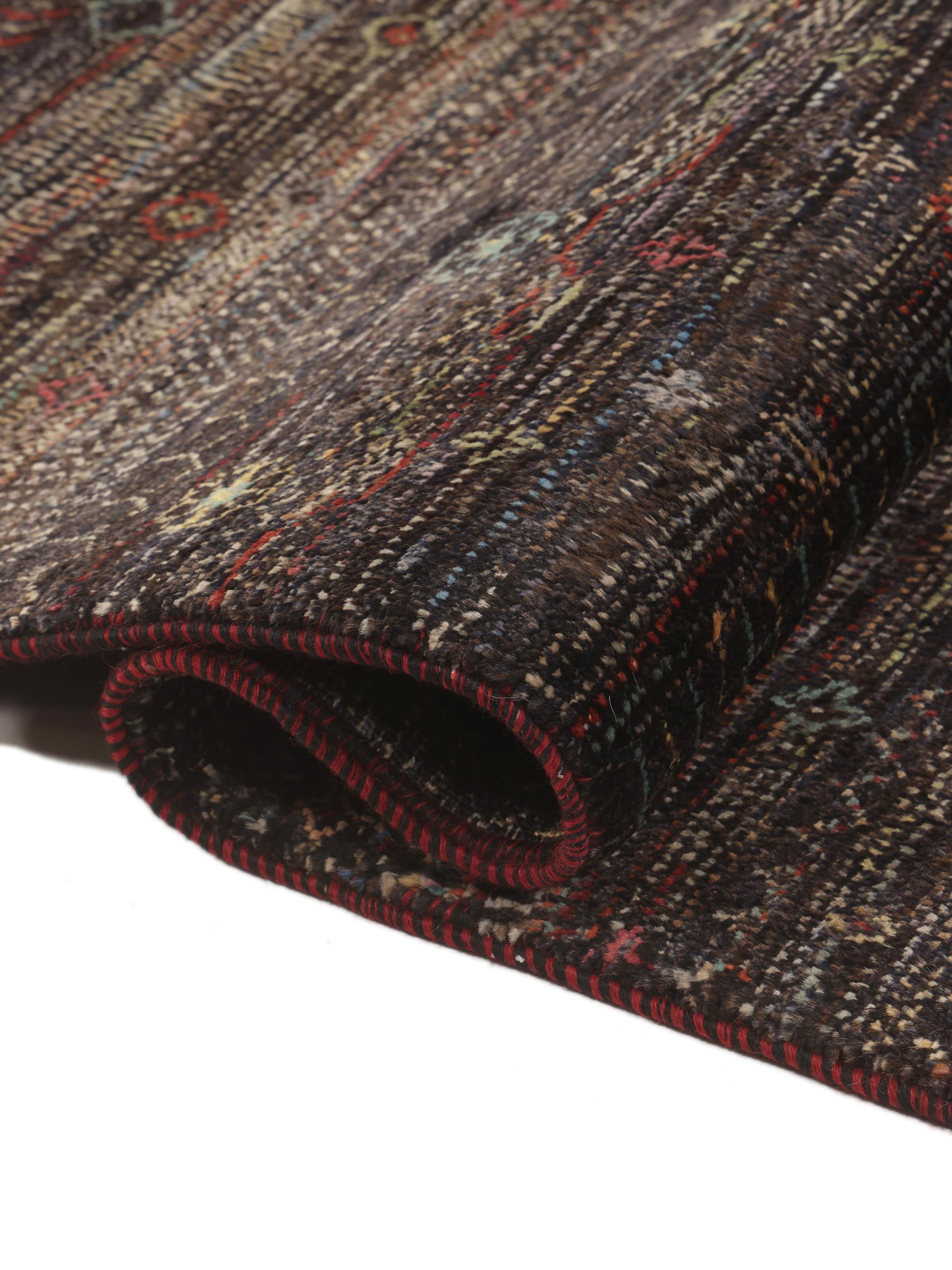
The term 'Gabbeh' itself translates to 'raw' or 'natural,' which refers to the unrefined, thicker pile that characterises these pieces. Over generations, the style has evolved, but the core identity of the Gabbeh remains rooted in its simplicity and the use of hand-spun Wool, which often retains a natural lanolin content that makes the rug feel incredibly soft and resilient.
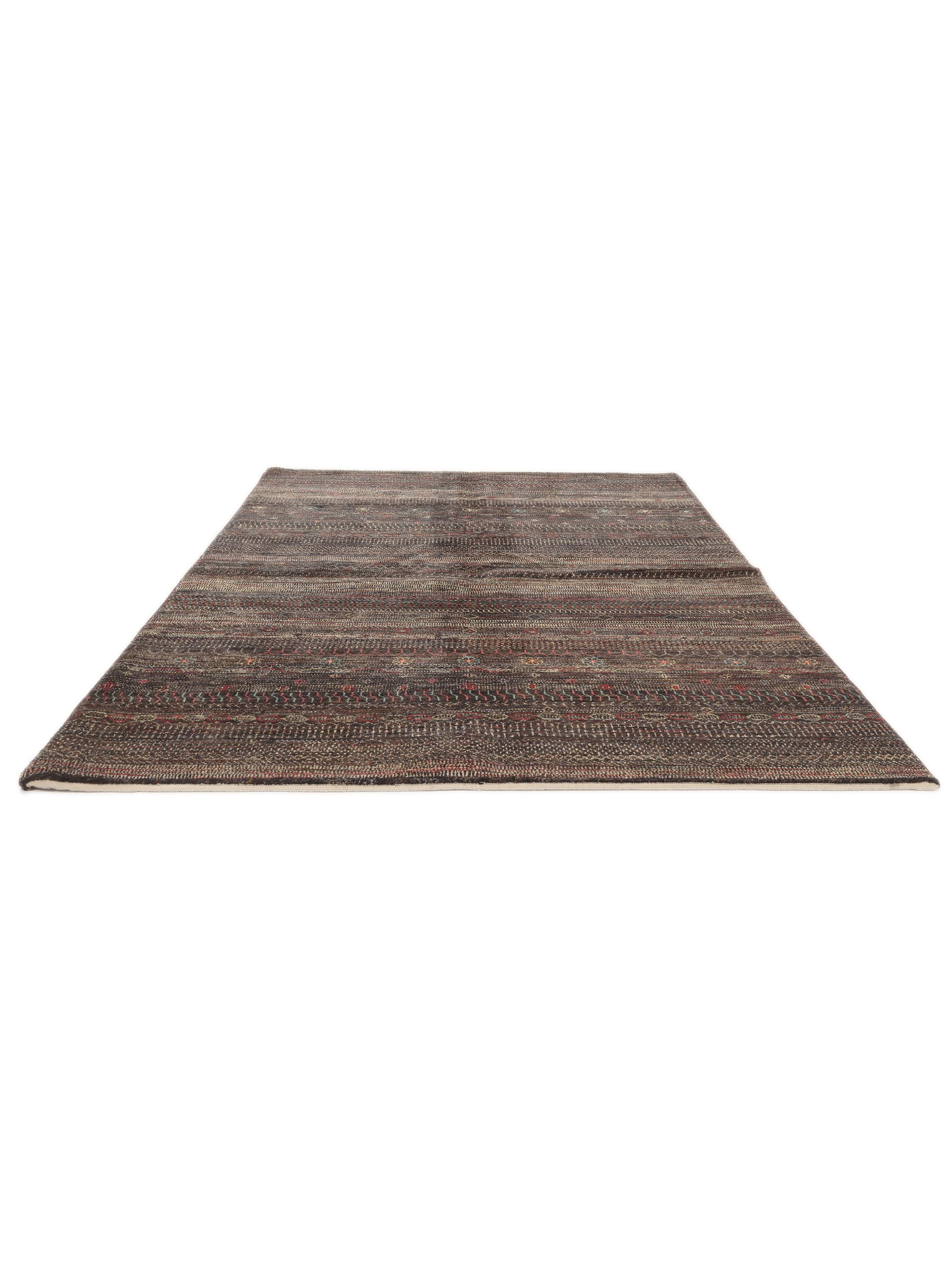
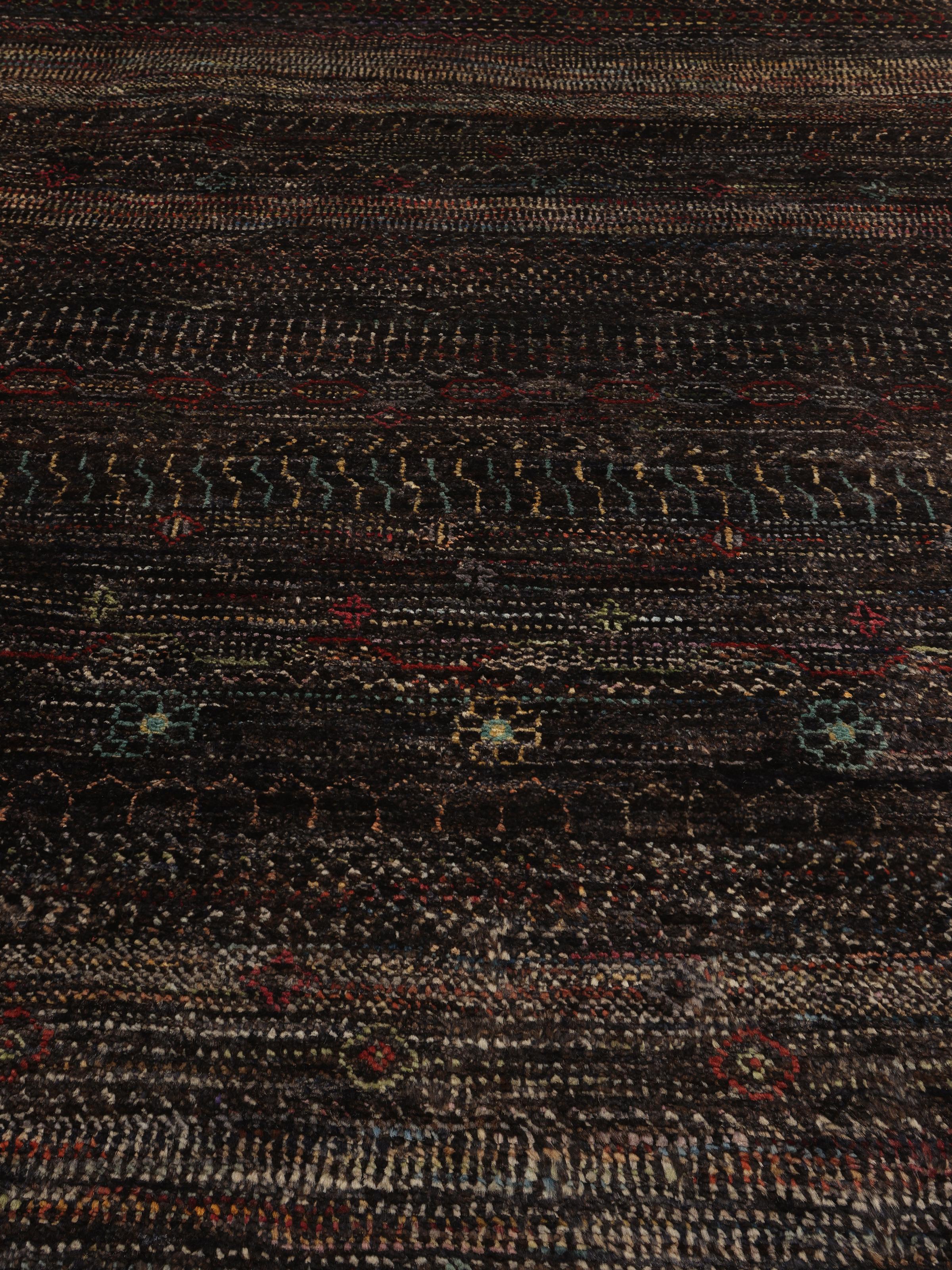
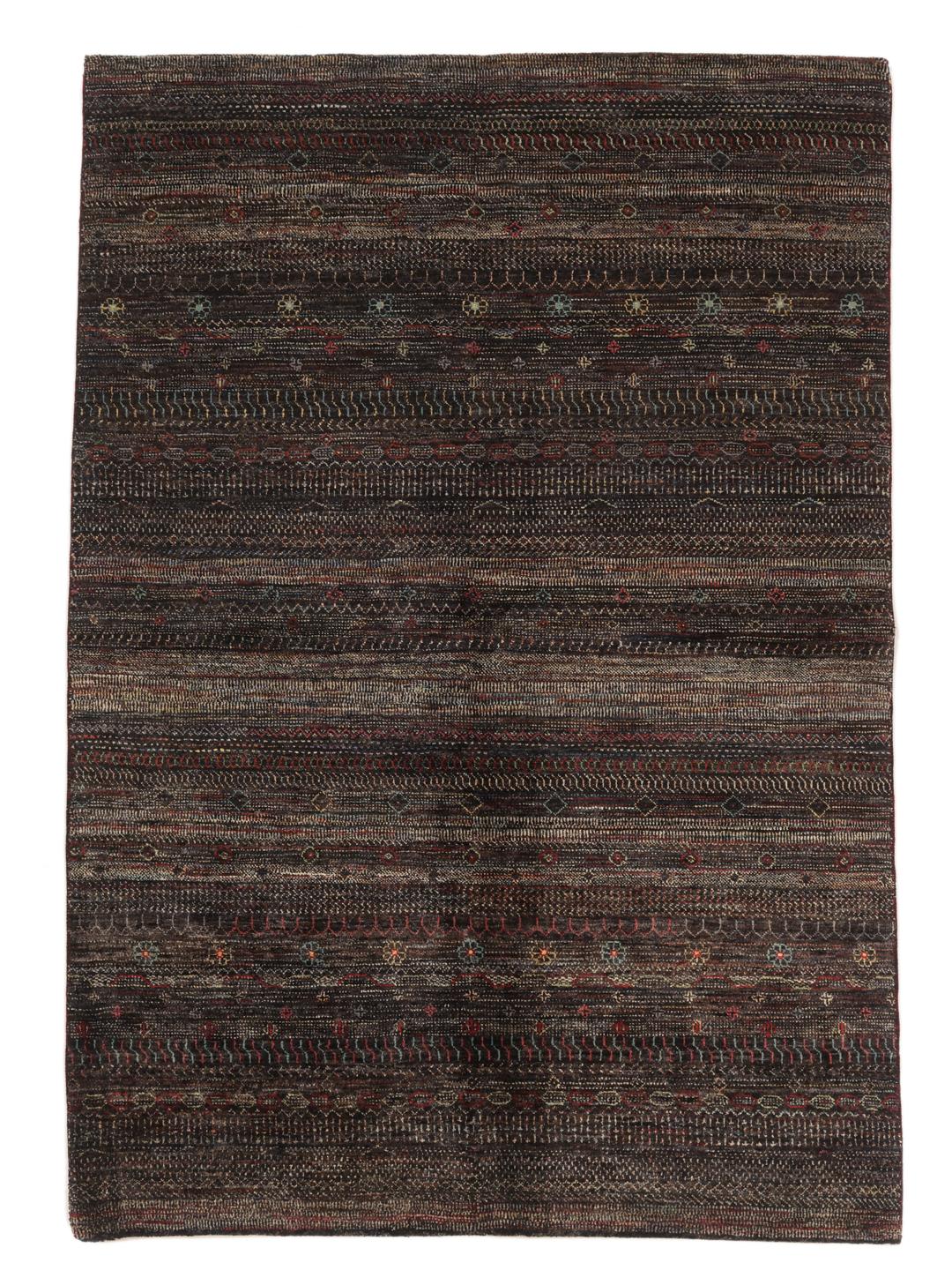
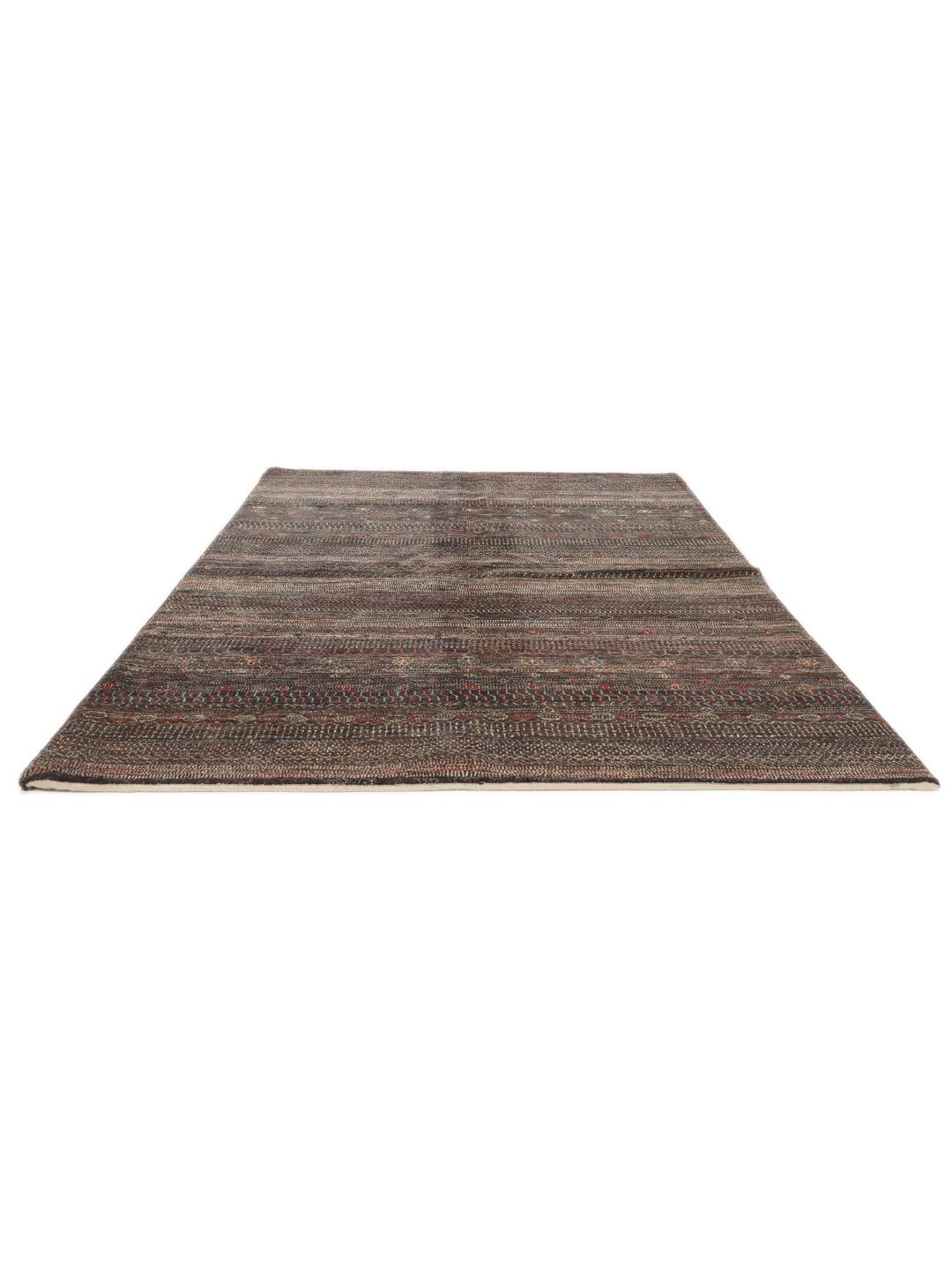
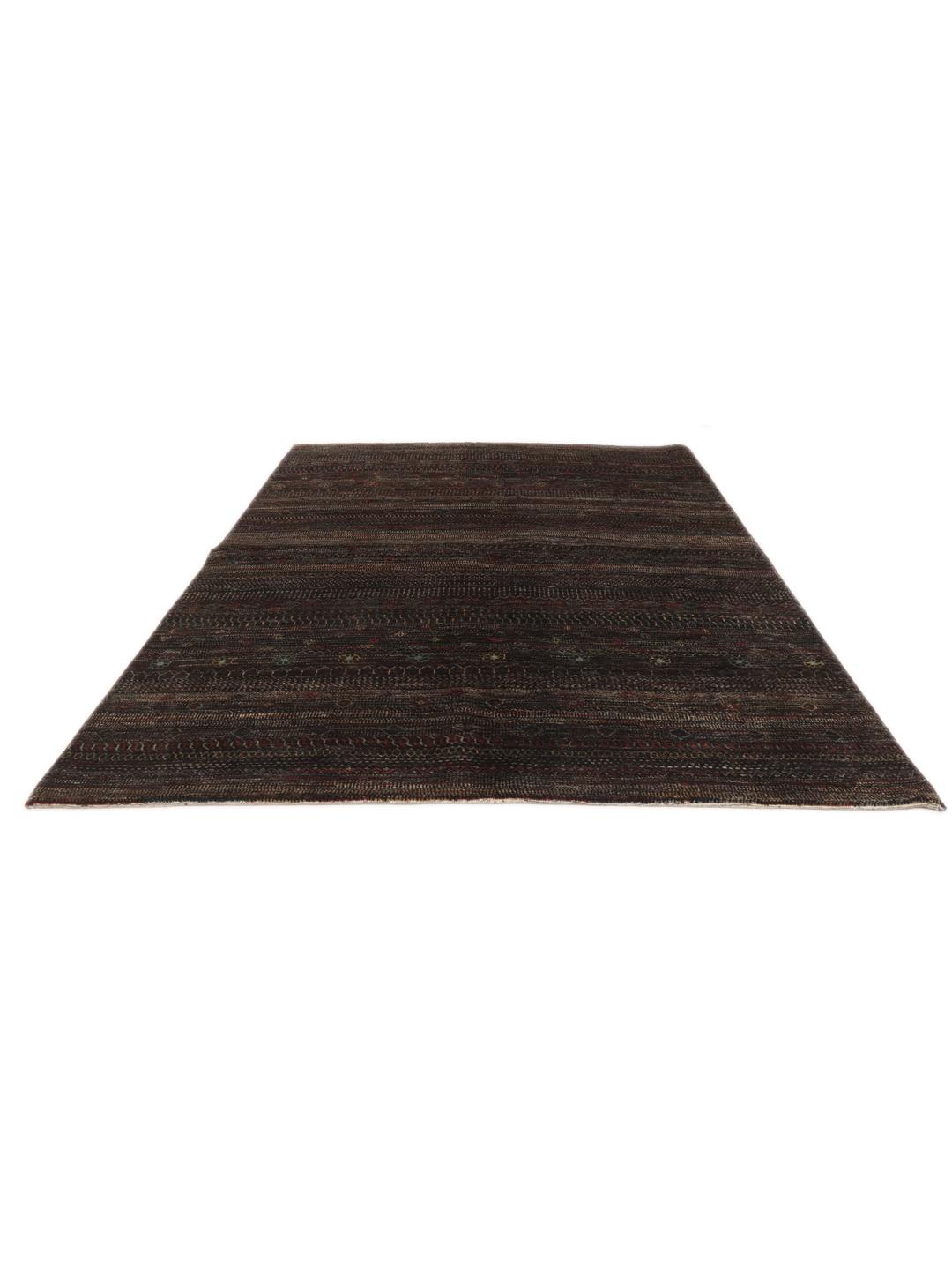
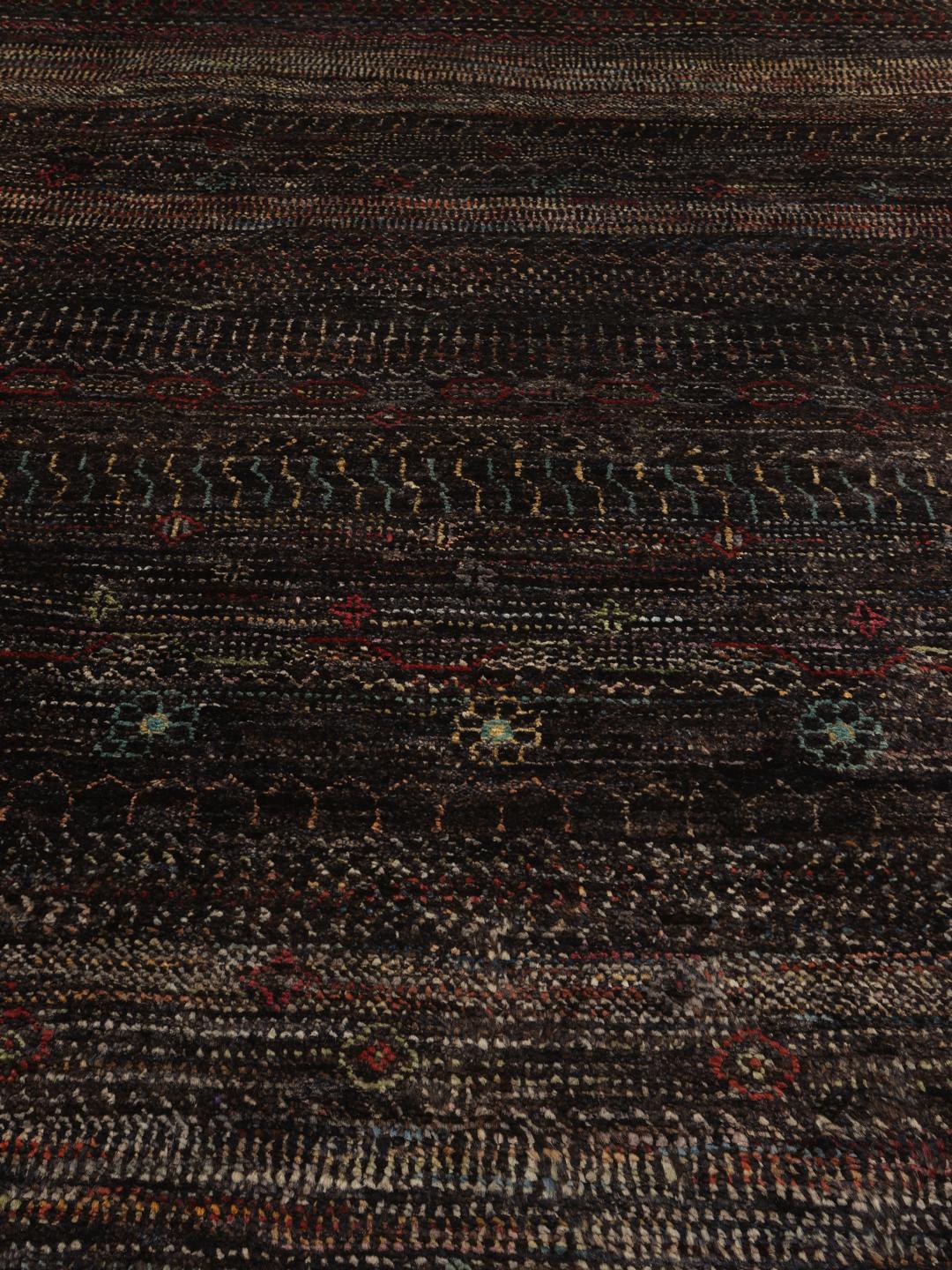
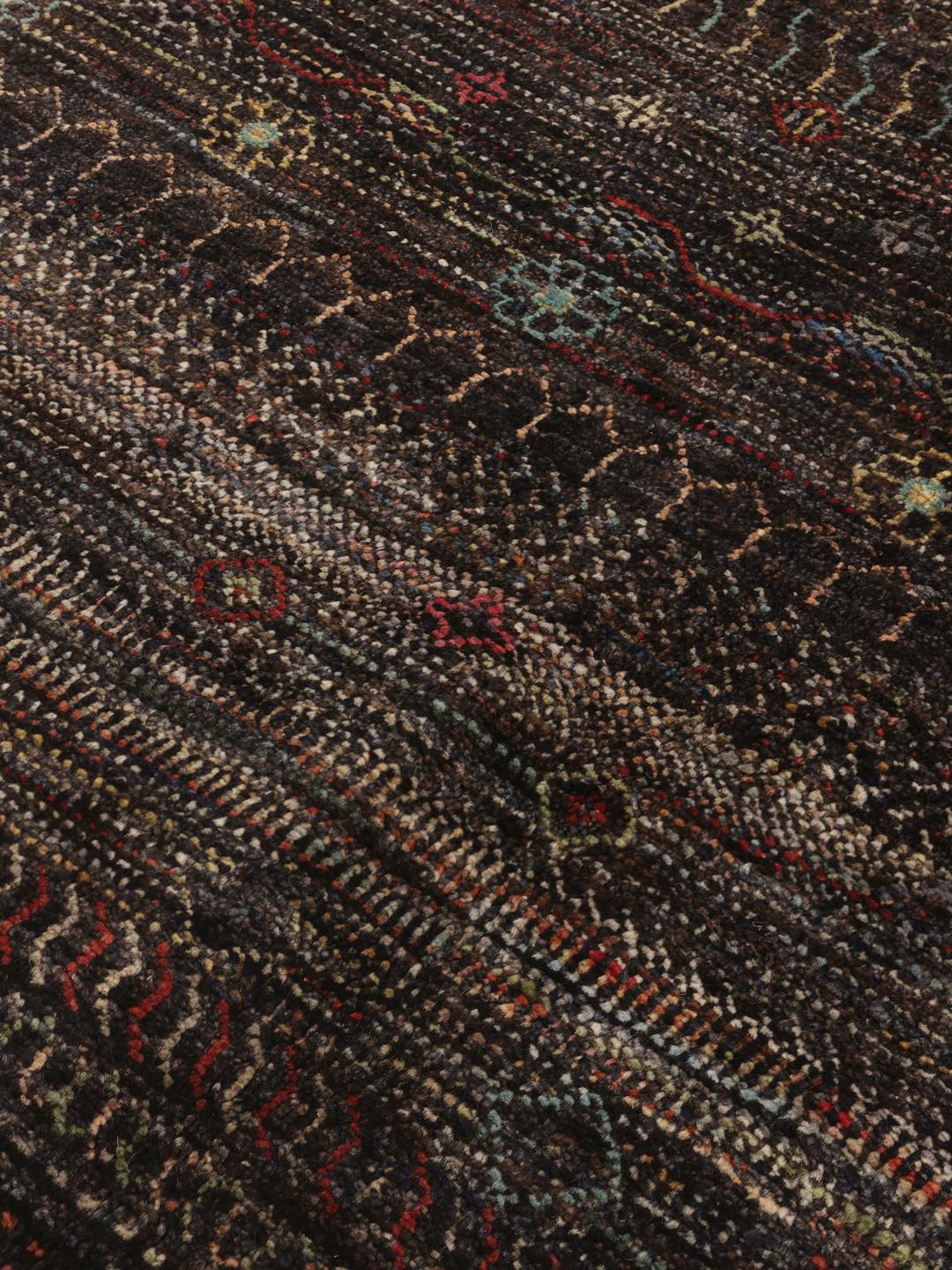
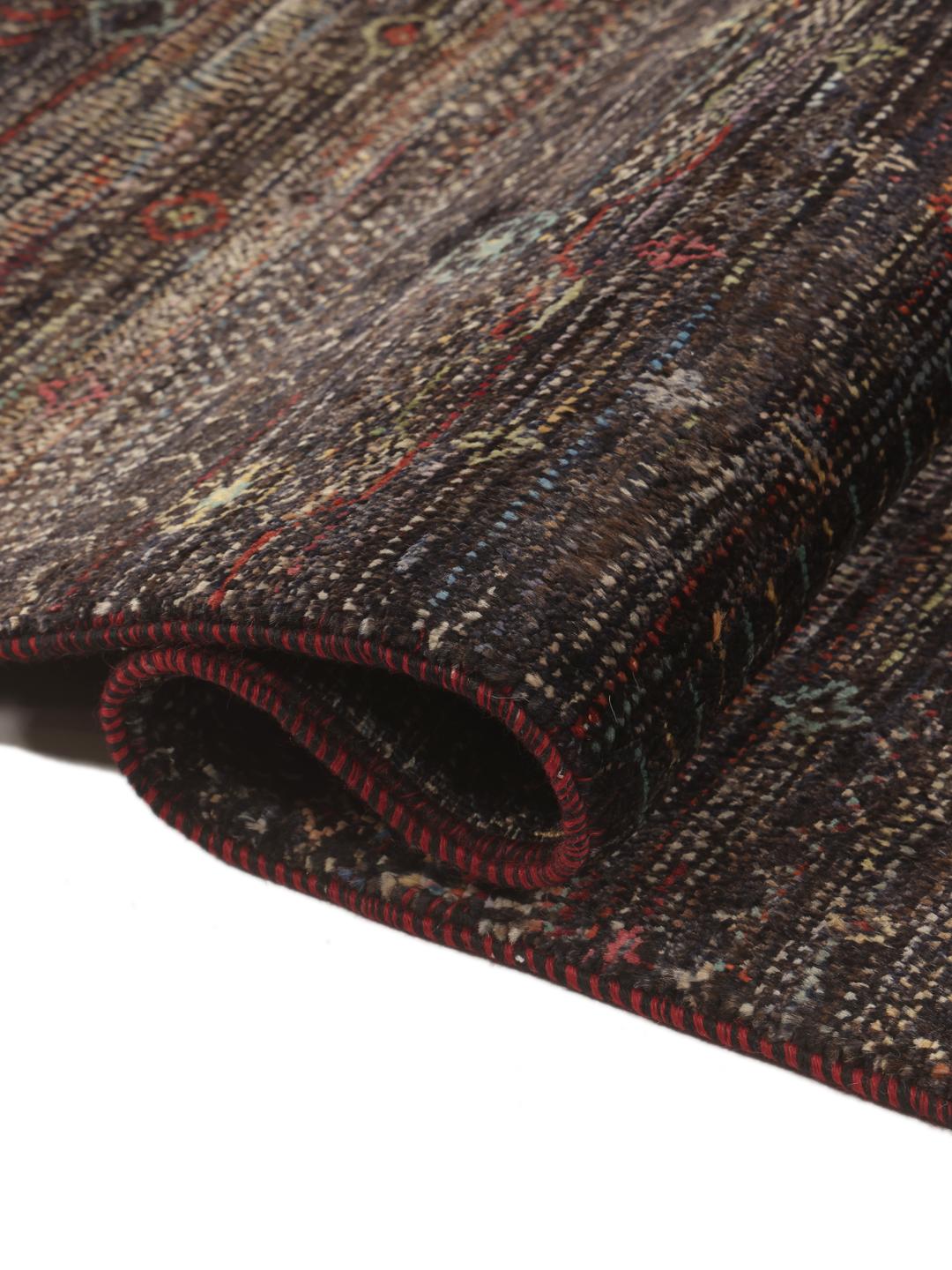
Visually, Gabbeh rugs are known for their minimalist approach compared to the intricate, floral designs of other traditions. They often feature large, open fields of colour, accented by simple geometric shapes like diamonds, animals, or stylised plants. This specific piece showcases a refined, modern adaptation of these traditional motifs, blending ancient aesthetics with a contemporary sensibility.
Owning a Gabbeh is about more than just decor; it is about connecting with a heritage of nomadic artistry. These rugs are highly valued by collectors for their honest, unpretentious beauty and the immense skill required to produce them without the aid of modern machinery. They represent a bridge between the past and present, offering a piece of cultural history that is both functional and deeply meaningful.