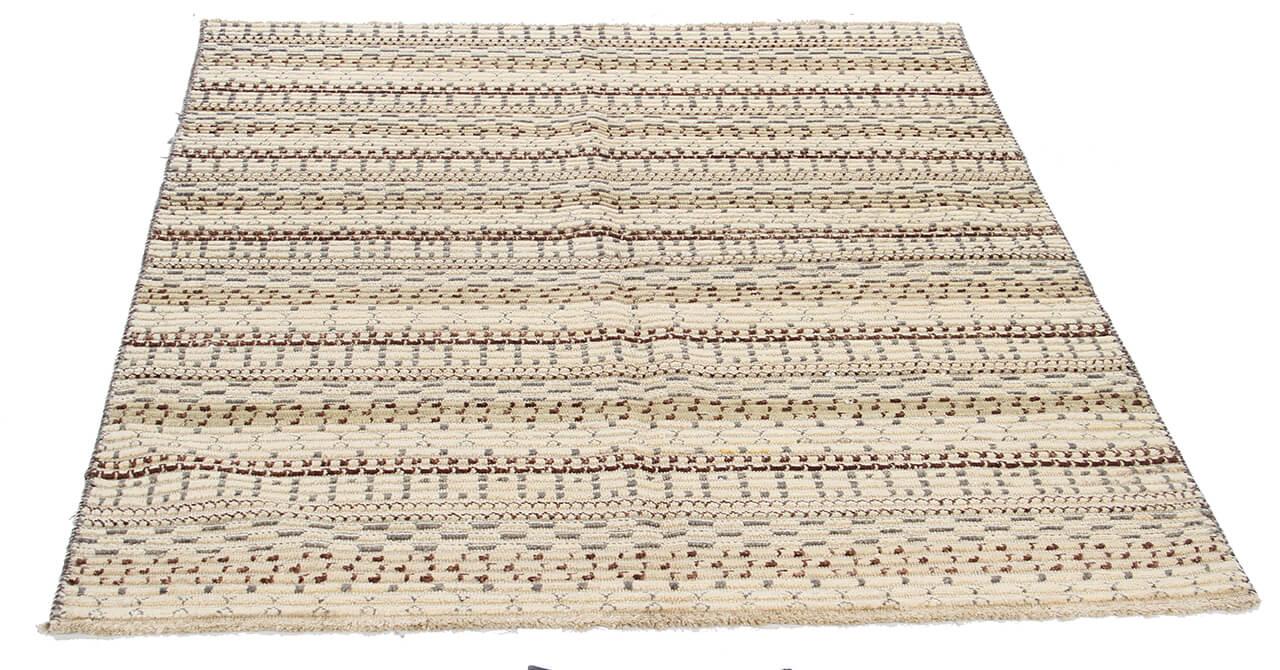
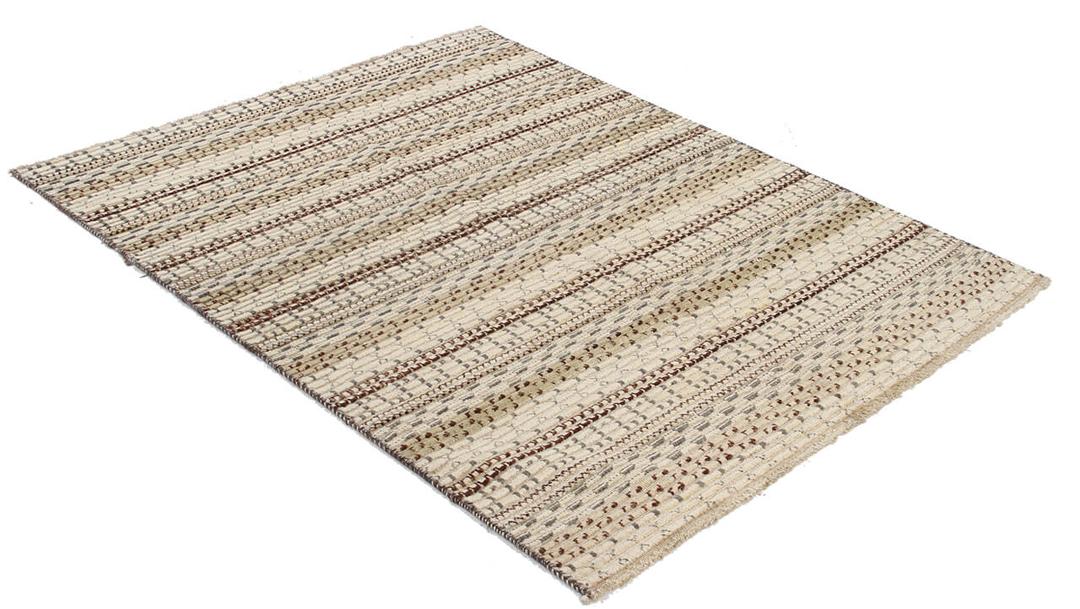
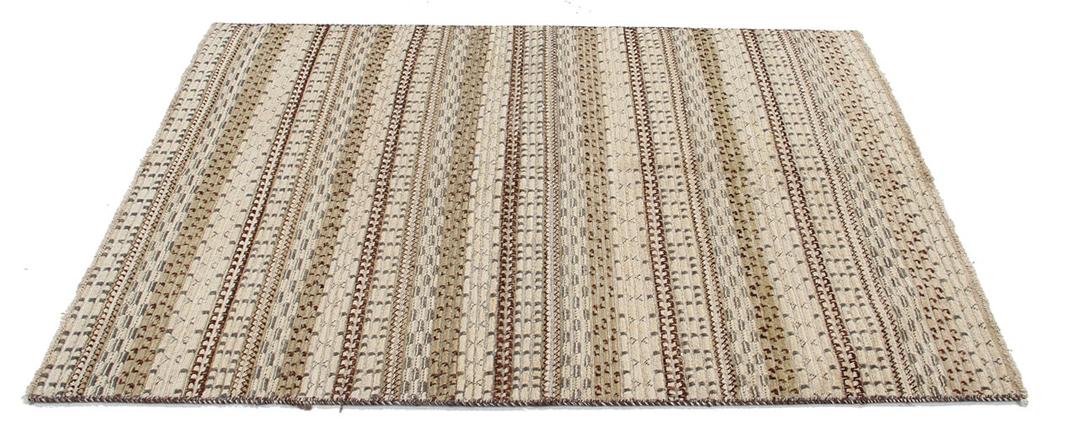
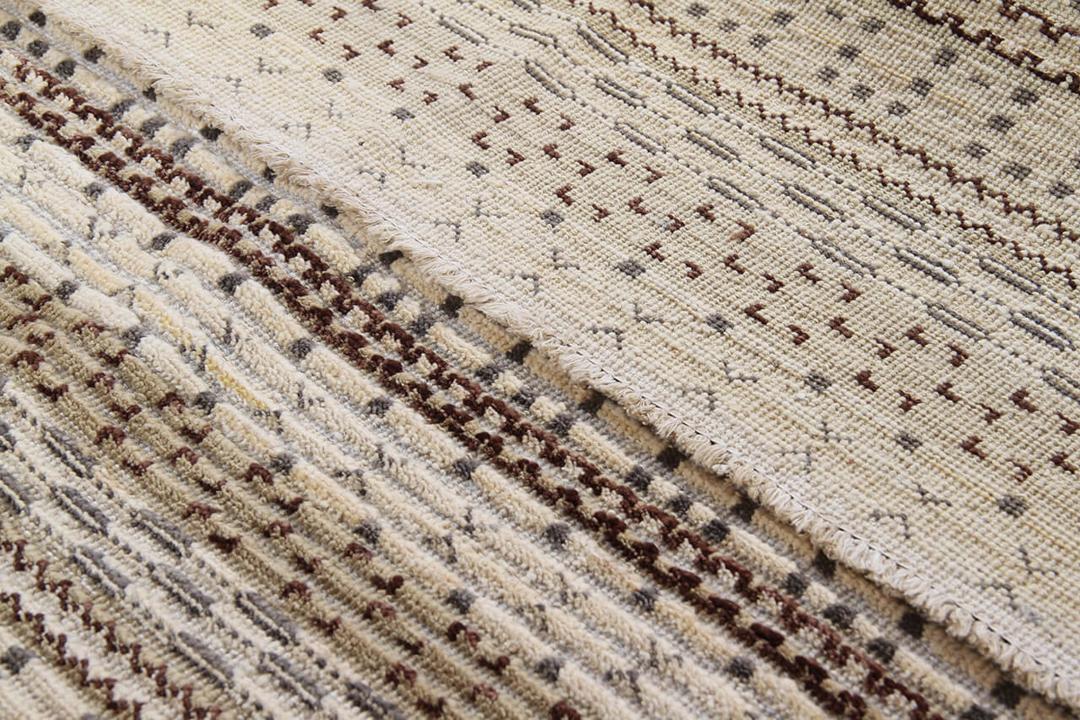
Gabbeh rugs are a celebrated tradition within the Middle Eastern weaving landscape, originally created by nomadic tribes for their own domestic use. Unlike more formal, complex designs, the Gabbeh is known for its relatively coarse, thick pile and its emphasis on simplicity and abstraction. These rugs were traditionally crafted to provide warmth and comfort in the harsh, varying climates of the regions where these tribes travelled.
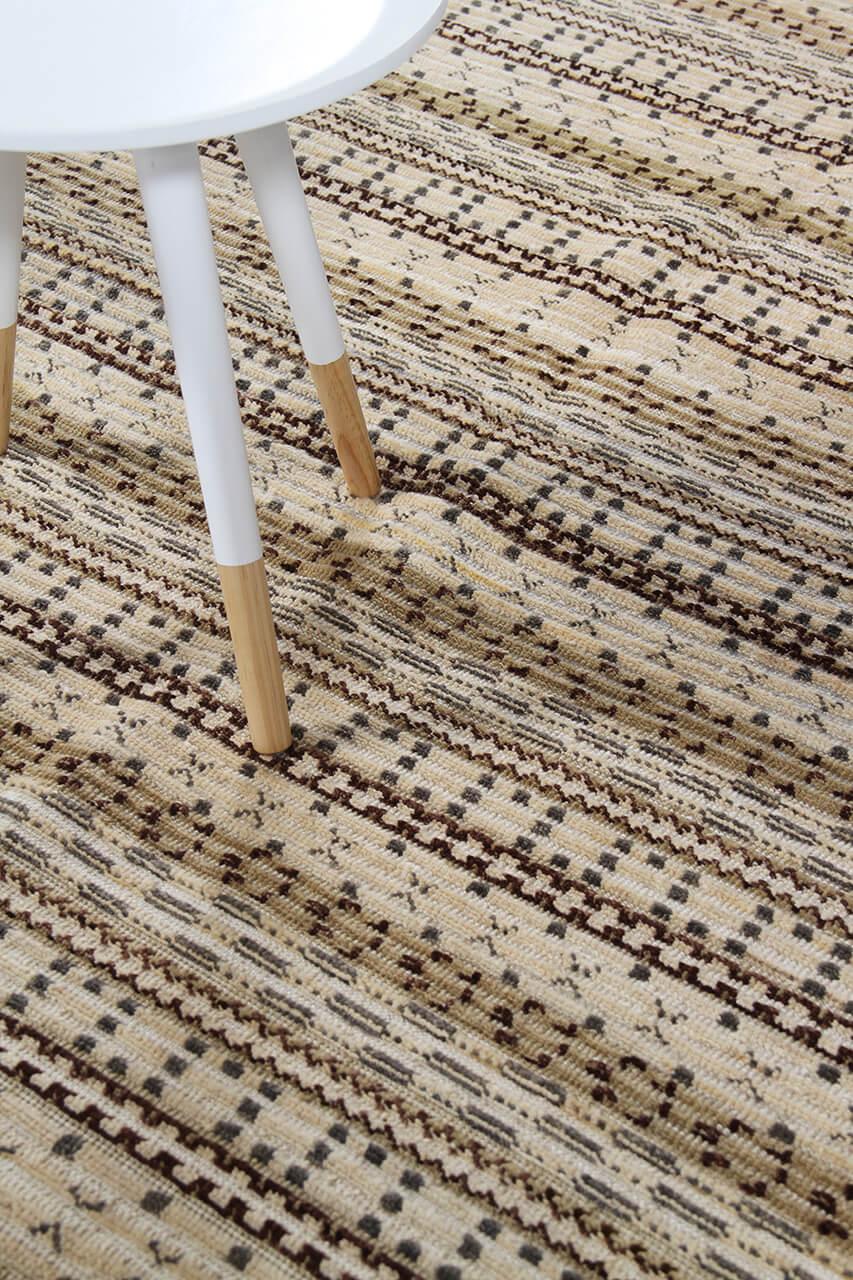
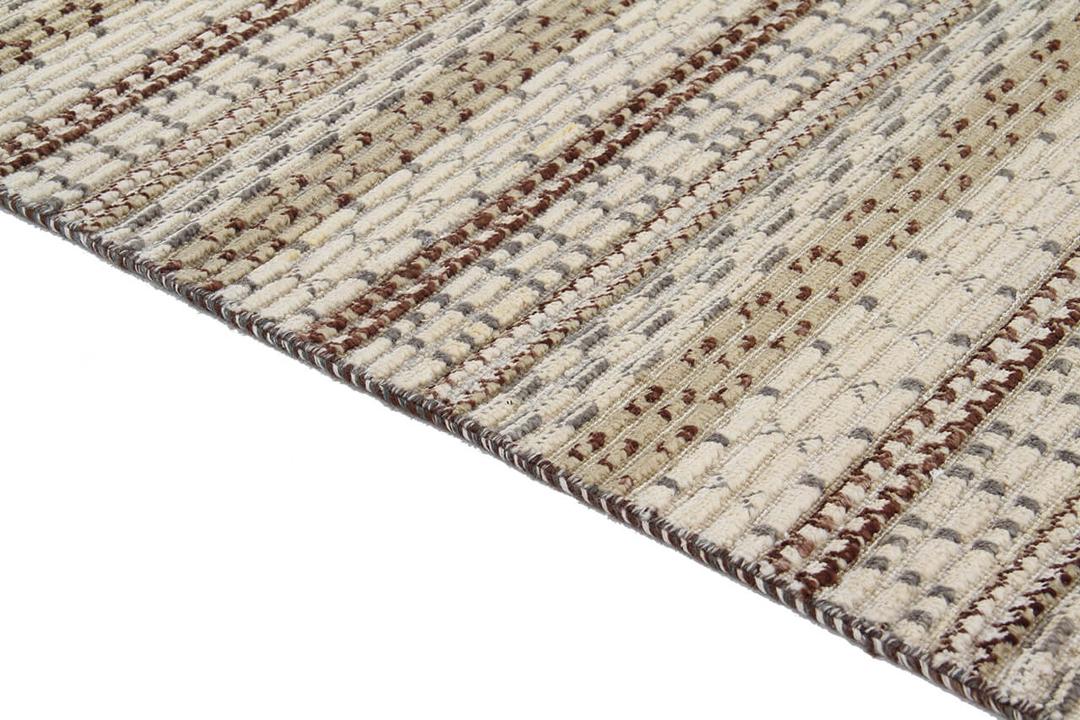
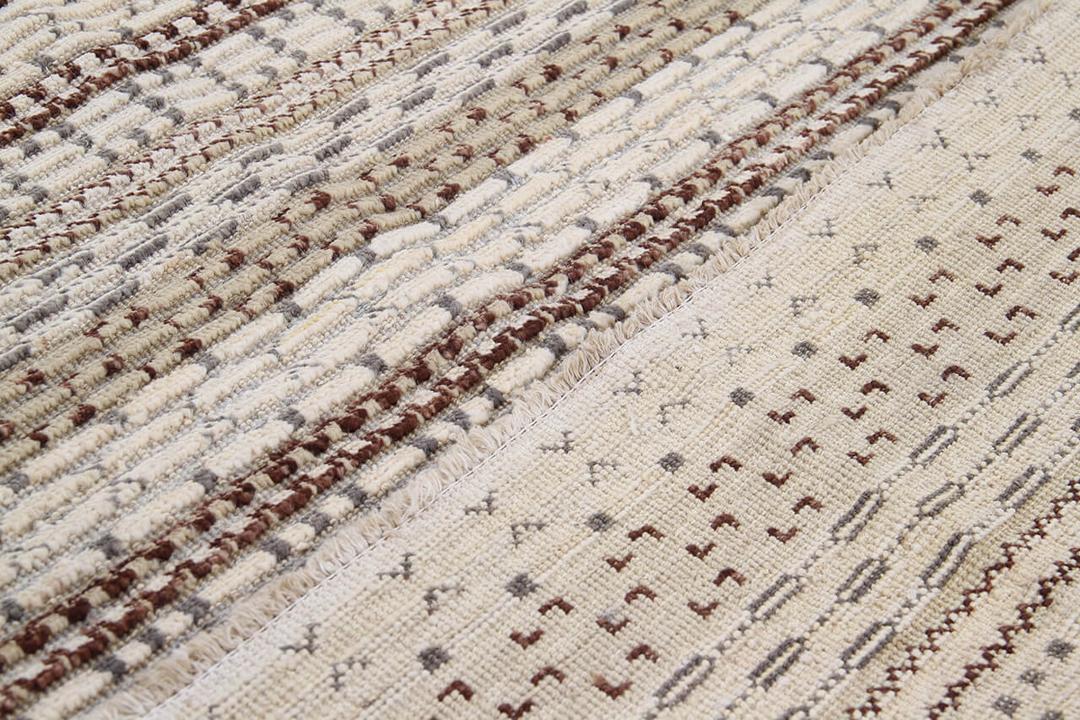
The term 'Gabbeh' itself translates to 'raw,' 'natural,' or 'unclipped,' which accurately reflects the rustic and honest nature of these pieces. In modern times, this tradition has evolved, with weavers in Afghanistan applying these same principles to create contemporary designs that maintain the soul of the original craft. The use of hand-spun wool is central to the Gabbeh identity, as it creates a more varied, vibrant colour absorption than machine-spun alternatives.
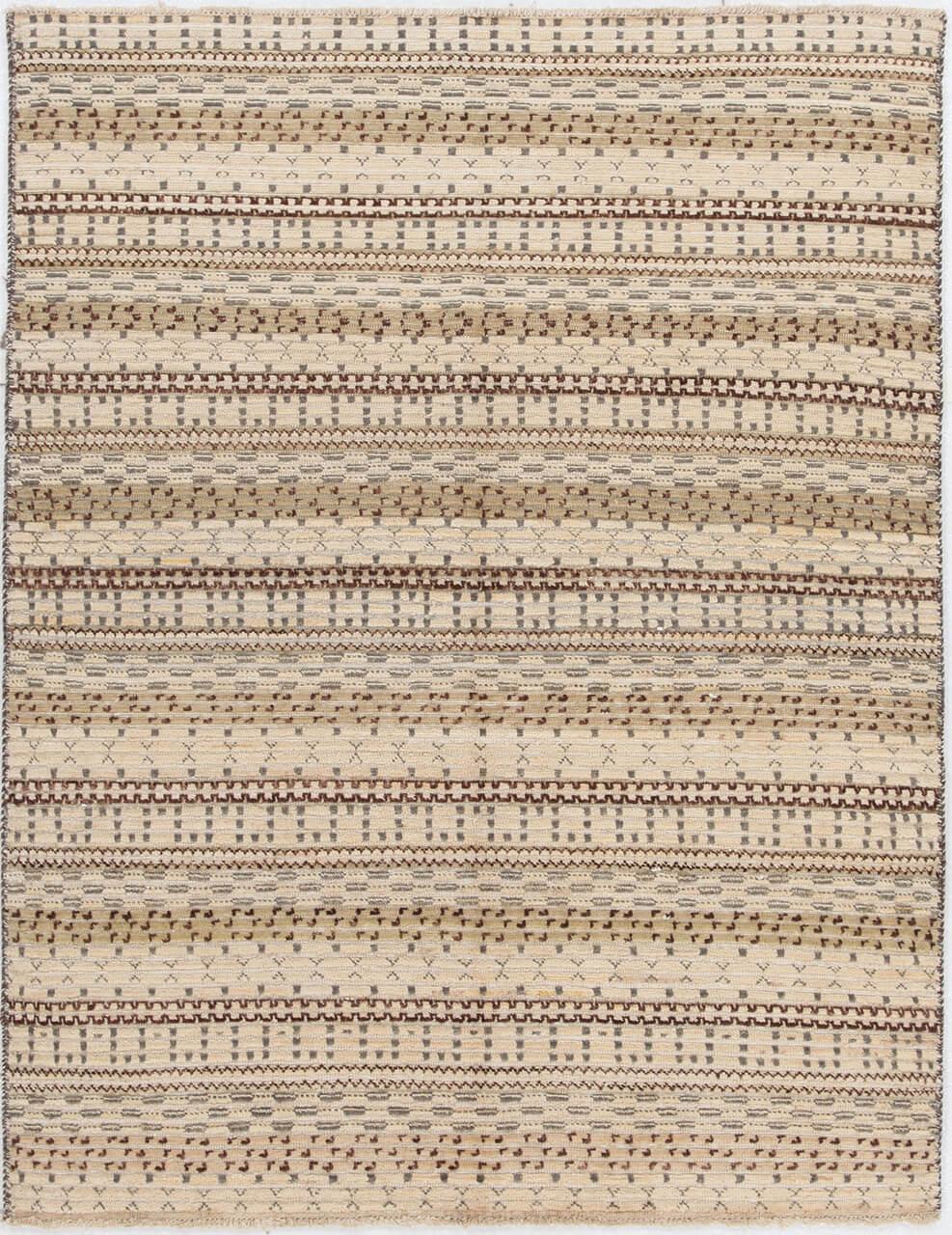
Visually, these rugs are defined by their use of open fields and minimalist geometric motifs. While traditional tribal Gabbehs often featured bold, symbolic figures of animals or plants, the modern iteration leans into a more restrained palette and repeating patterns. The borderless or simplified border designs allow the focus to remain on the texture and the subtle shifts in tone created by the natural wool fibres.
Collecting a Gabbeh rug is an act of appreciation for a craft that has remained largely unchanged for centuries. These rugs are valued not for their complexity, but for their directness and the connection they offer to the weaver. To own one is to possess a piece of functional art that brings a sense of history and human presence into a modern home, bridging the gap between ancient nomadic life and contemporary interior design.