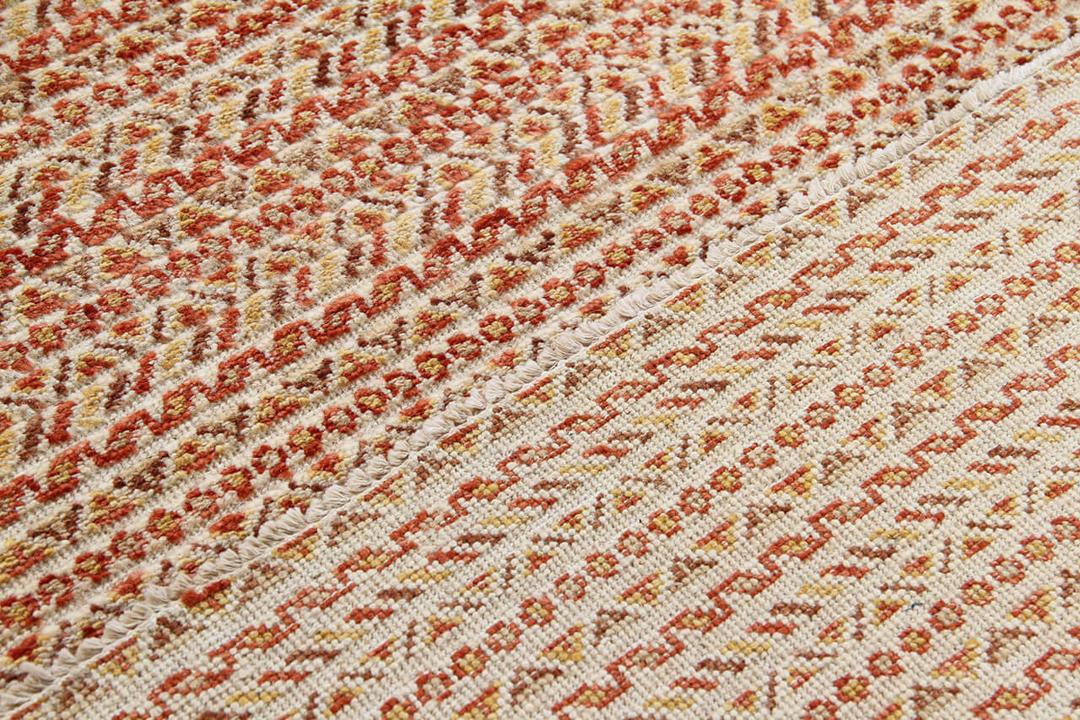
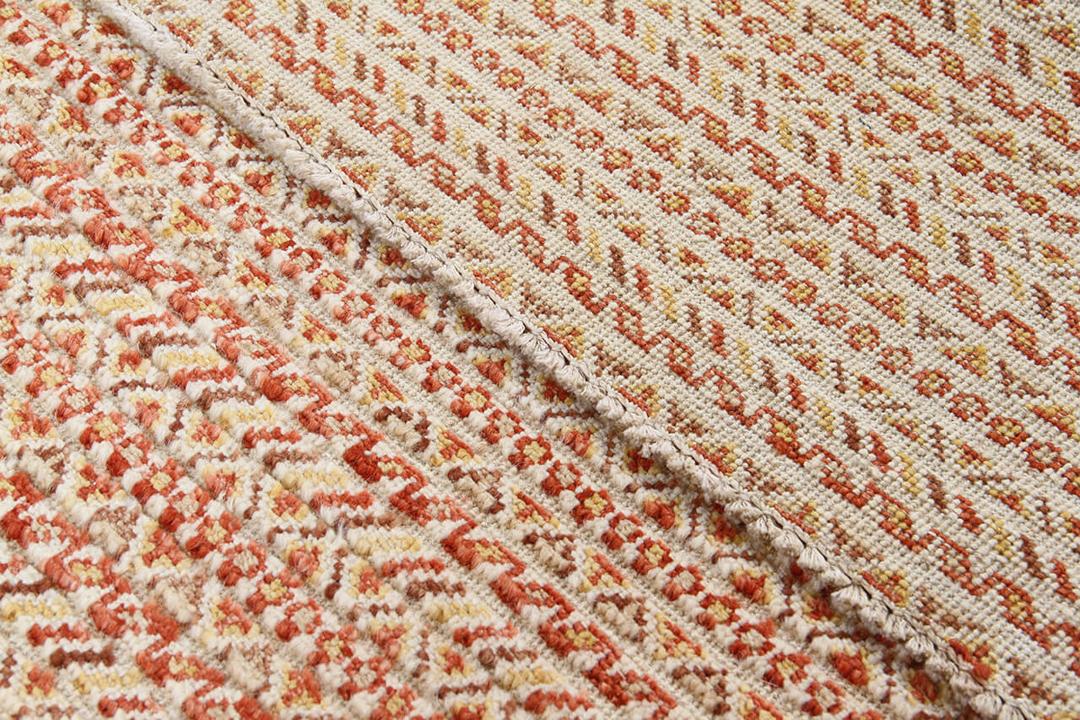
Gabbeh rugs have a long and storied history, originating from the nomadic tribes of the Middle East. Historically, these rugs were woven by tribal women for their own domestic use, serving as thick, protective floor coverings for tents and homes. Unlike more formal, city-made rugs, the traditional Gabbeh was prized for its utilitarian nature, heavy pile, and expressive, often simplistic designs that reflected the weaver's personal environment.
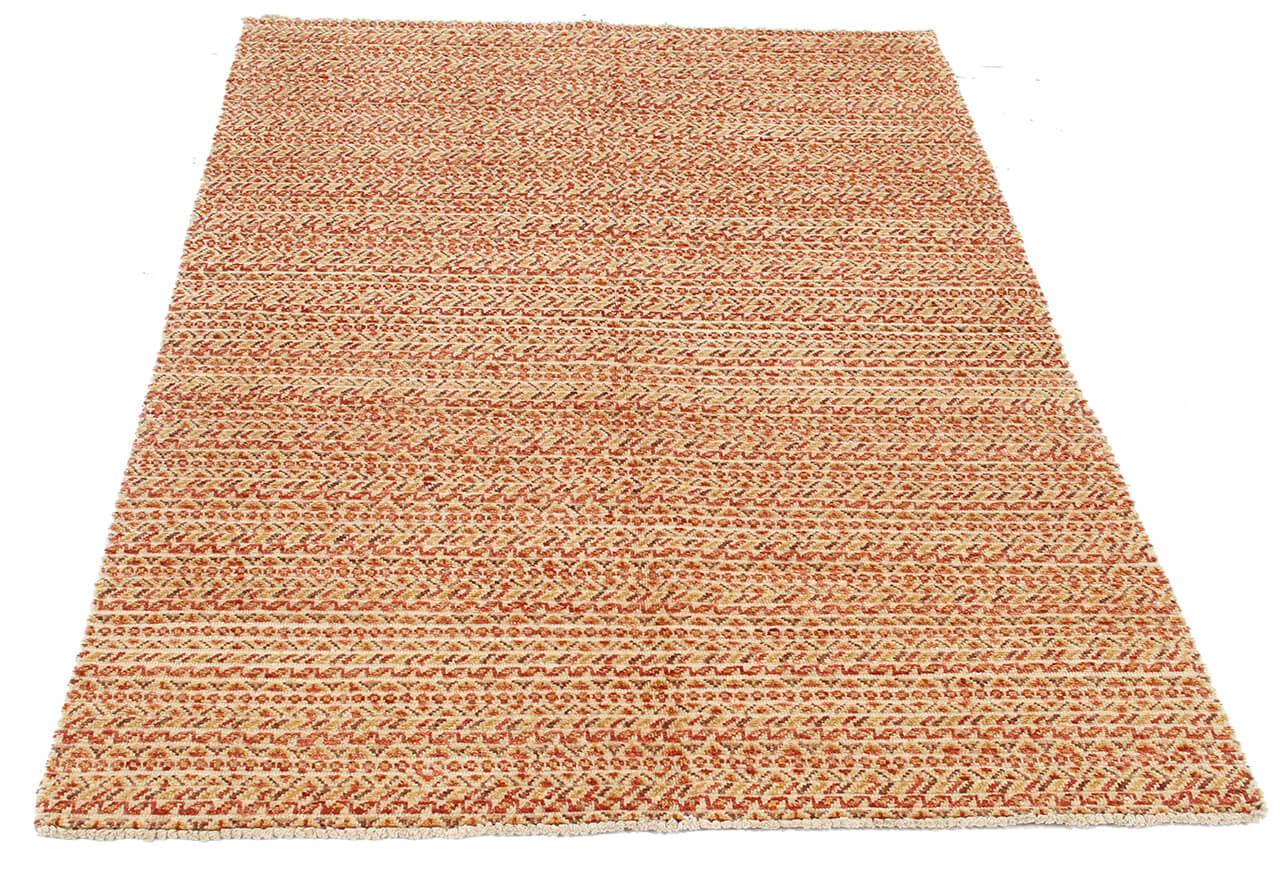
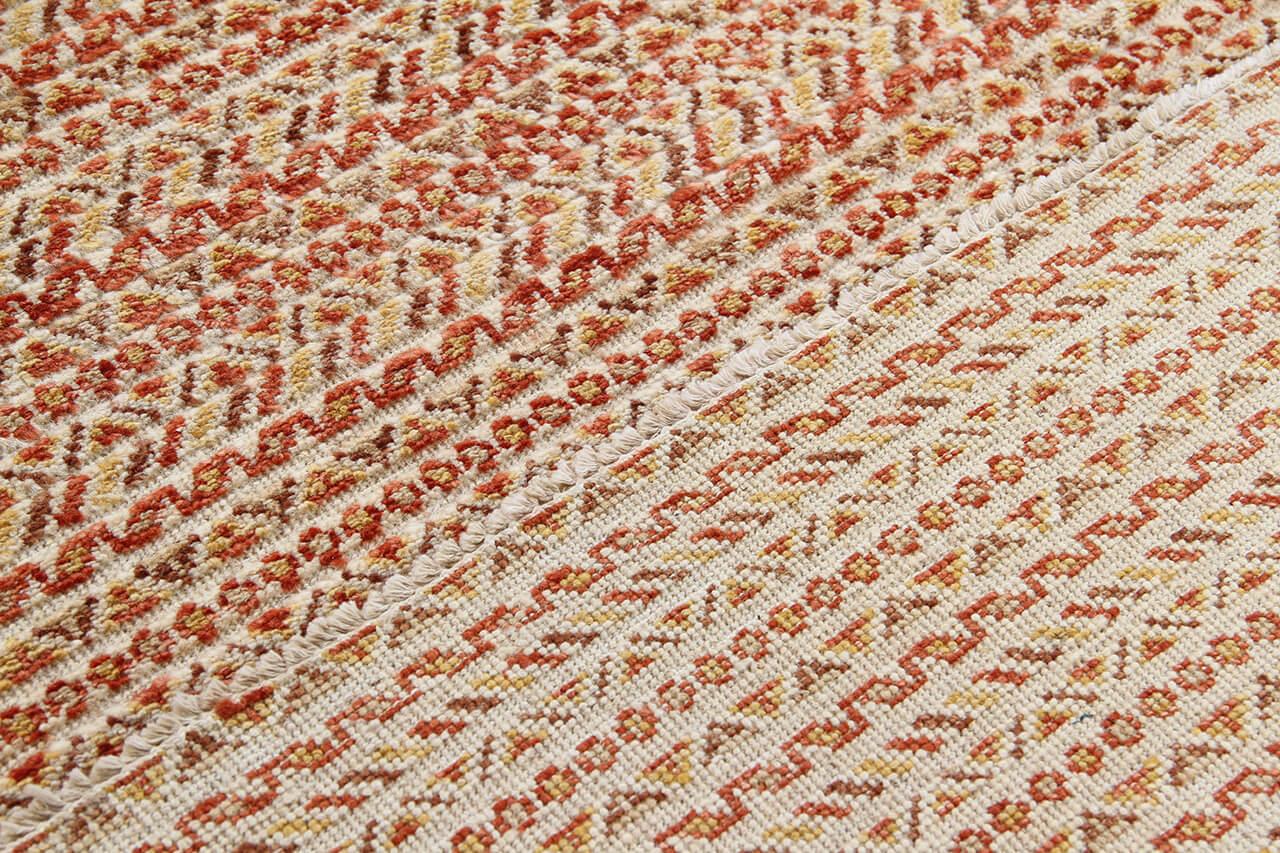
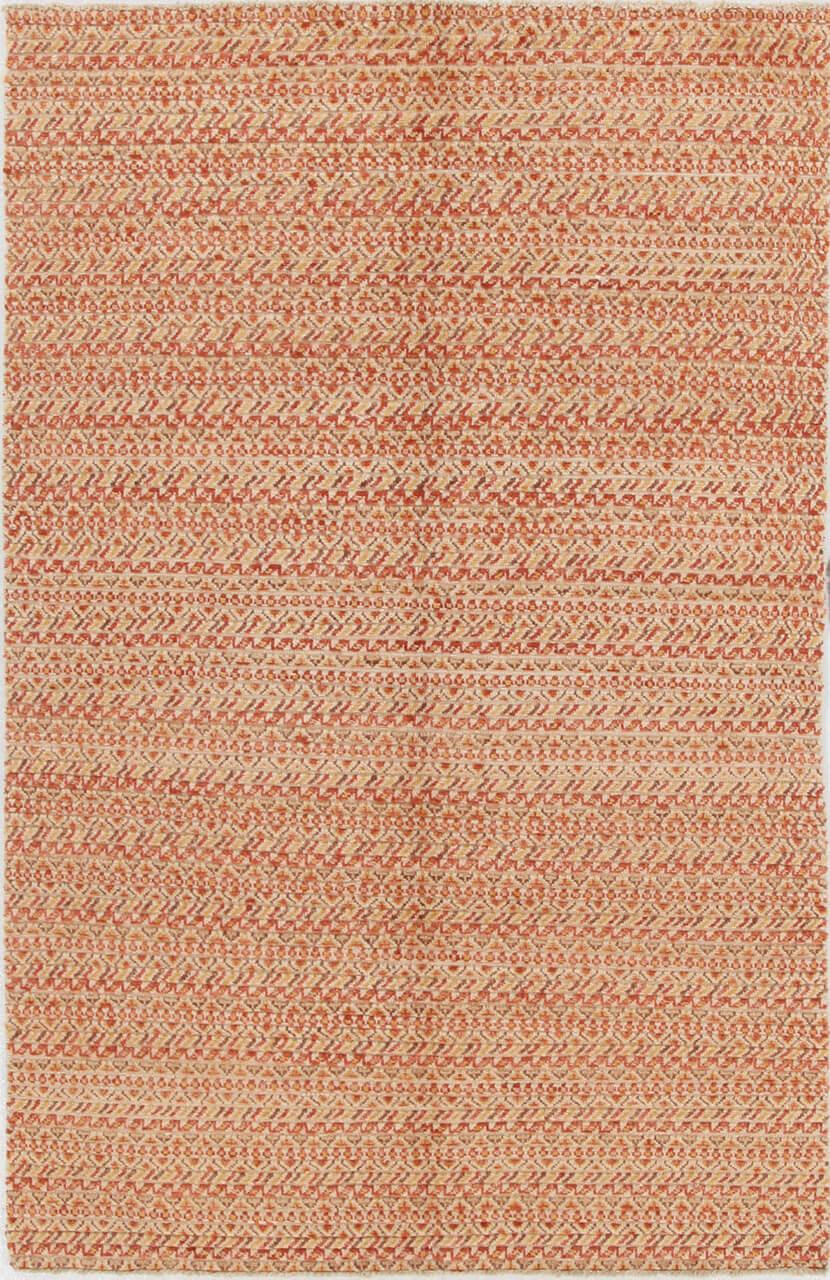
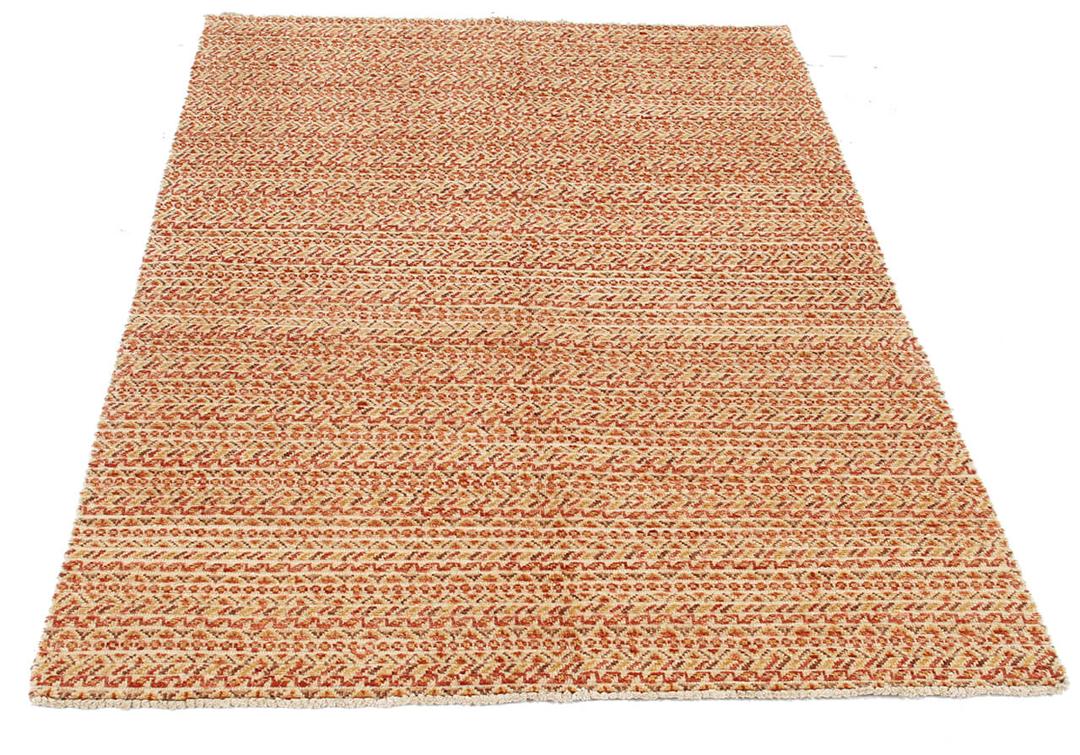
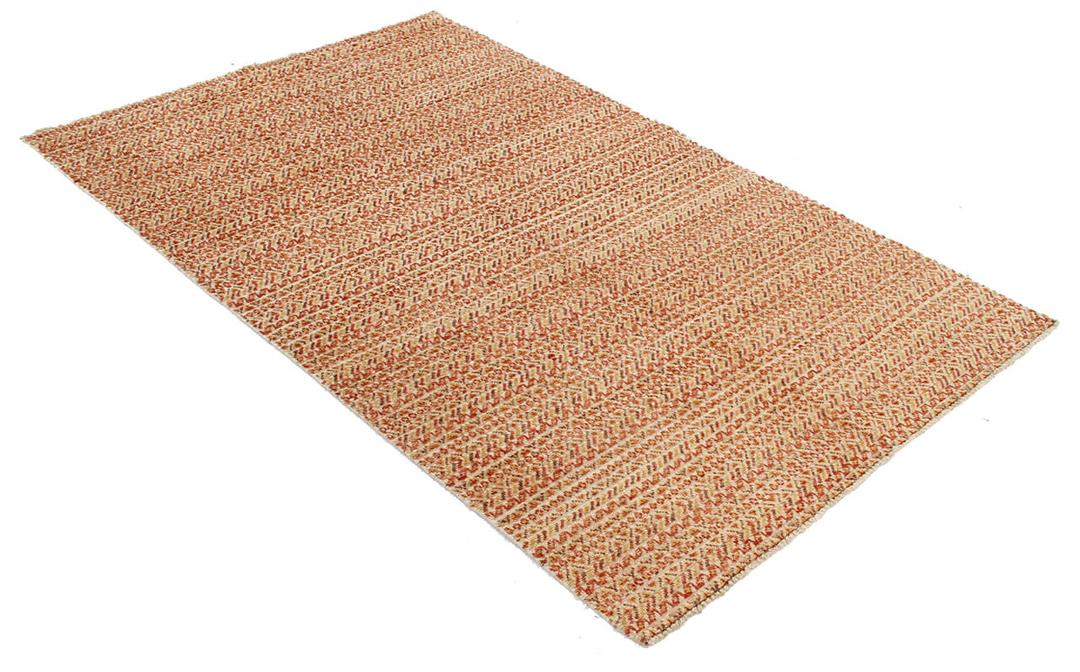
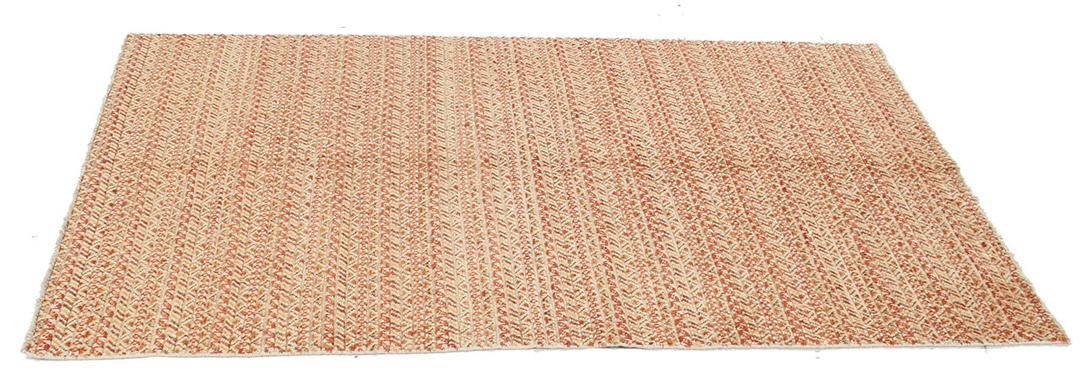
The term 'Gabbeh' itself translates to 'raw' or 'natural' in local dialects, which perfectly describes the aesthetic of these pieces. They are known for their thick, hand-spun wool and a looser knotting style that gives them a soft, plush feel. While traditional Gabbehs often featured bold, geometric abstractions, the modern evolution of the craft—like this piece from Afghanistan—blends these ancient roots with a more refined design language suited for contemporary homes.
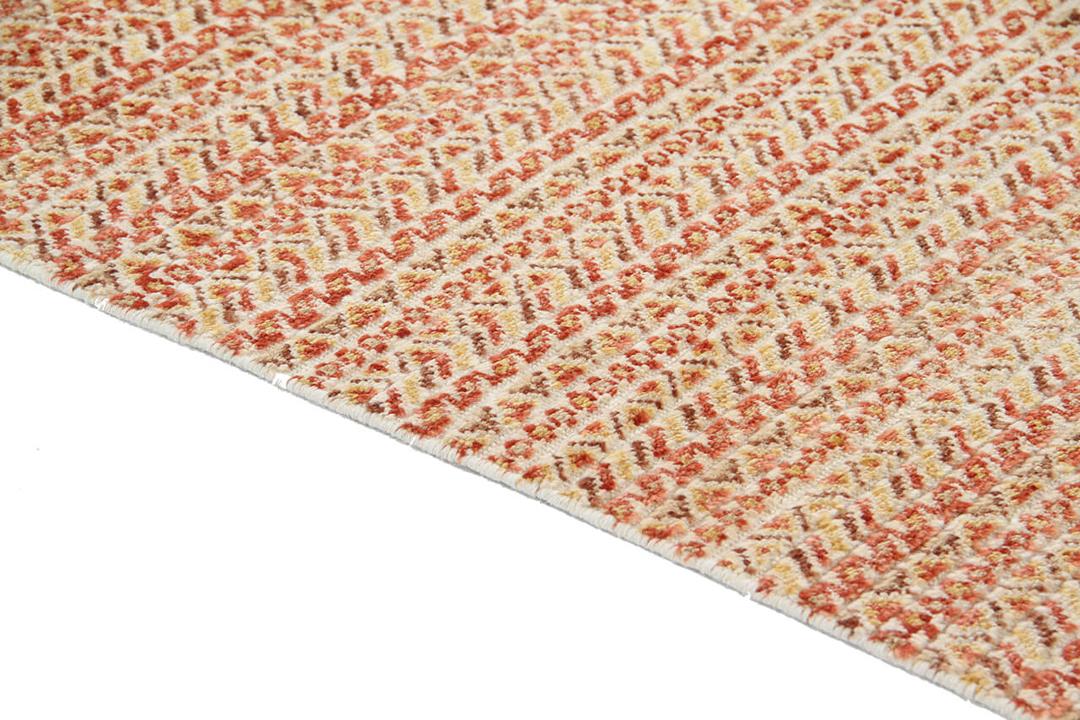
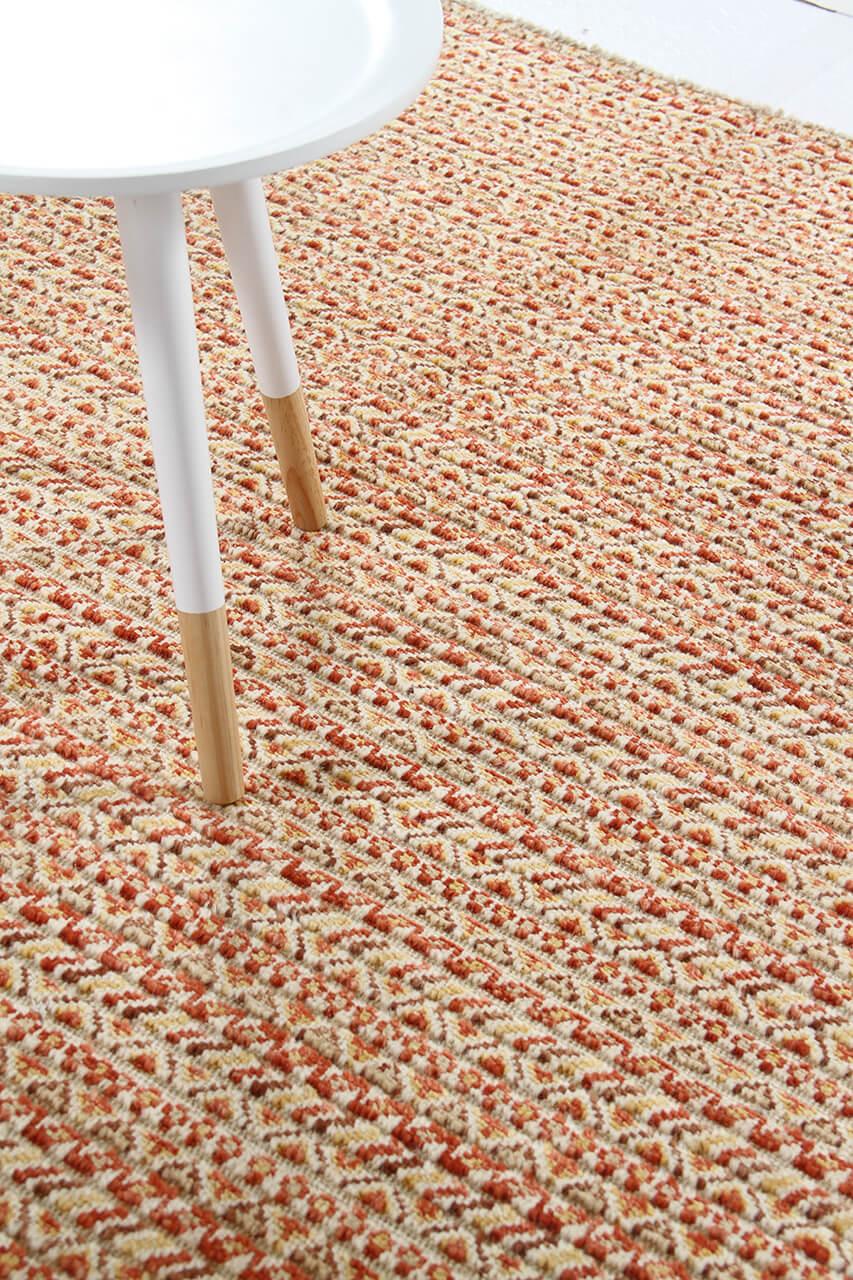
Signature design elements of the Gabbeh tradition include a focus on open fields and repetitive, simplified motifs. You will often see variations of symbols representing nature, animals, or tribal life, rendered in a way that feels spontaneous and artistic. In this modern version, the patterns are structured yet retain that essential, hand-wrought charm, with colour palettes that lean into warm, earthy tones to evoke a sense of comfort and natural beauty.
Collecting a Gabbeh rug today is an opportunity to own a piece of living history. These rugs are highly valued not just for their aesthetic appeal, but for the skill and cultural narrative they represent. By bringing one into your space, you are connecting to a centuries-old tradition of craft, ensuring that the ancient art of hand-knotting continues to be appreciated for its beauty, durability, and deep sense of heritage.