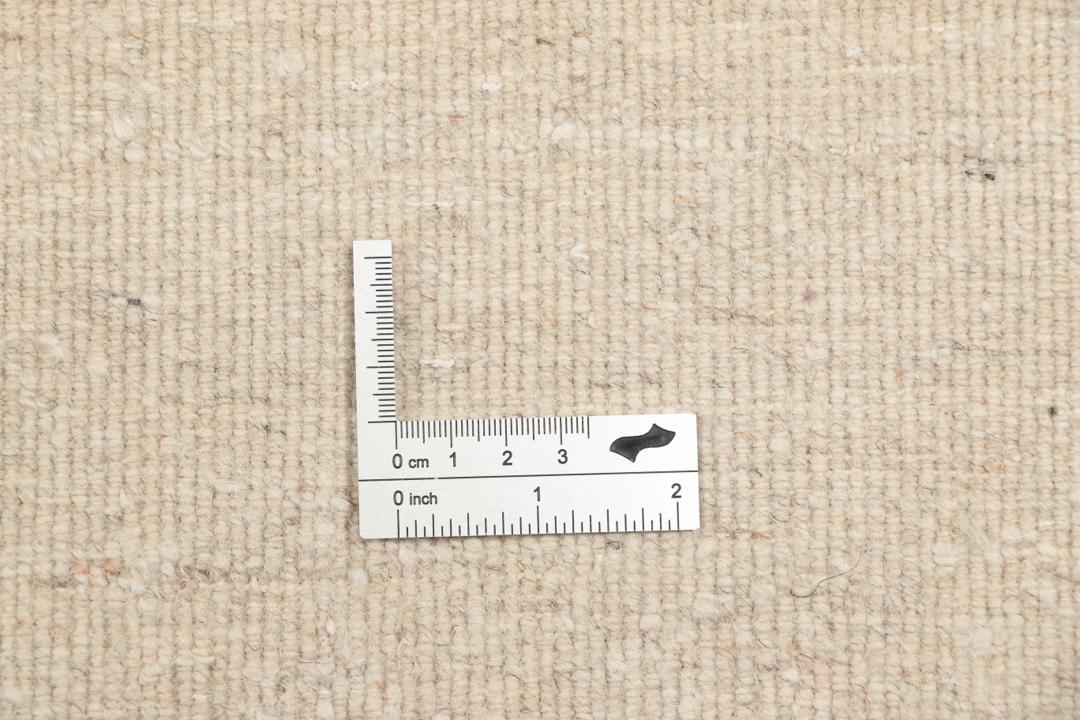
The Gabbeh tradition traces its roots to the nomadic tribes of the Middle East, where weavers created these rugs for their own daily use rather than for trade. These pieces were historically valued for their simplicity, warmth, and the personal stories woven into their designs. Today, the art of the Gabbeh has been expertly adapted by weavers in India, who keep the soul of the craft alive while refining the Wool quality for a modern home.
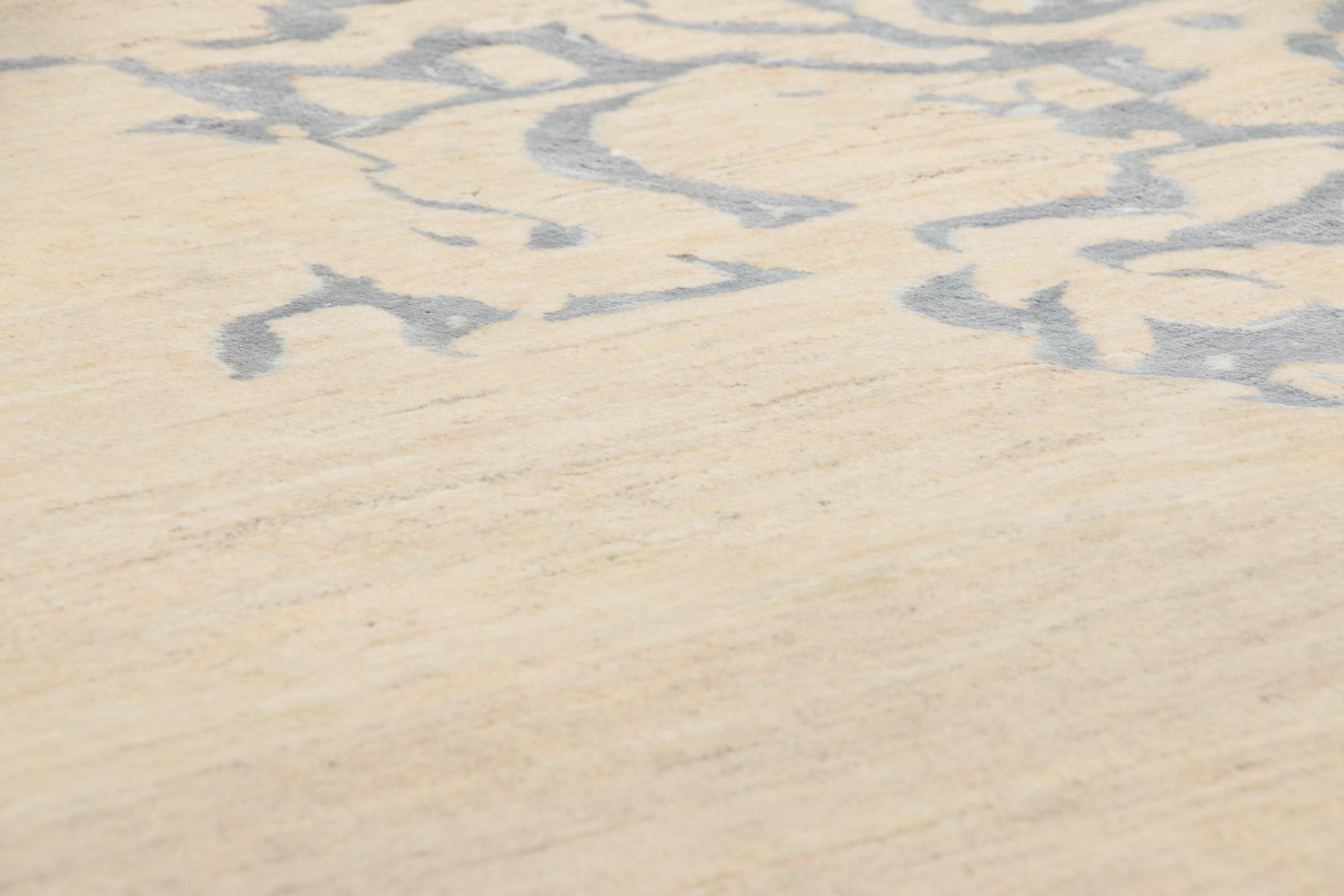
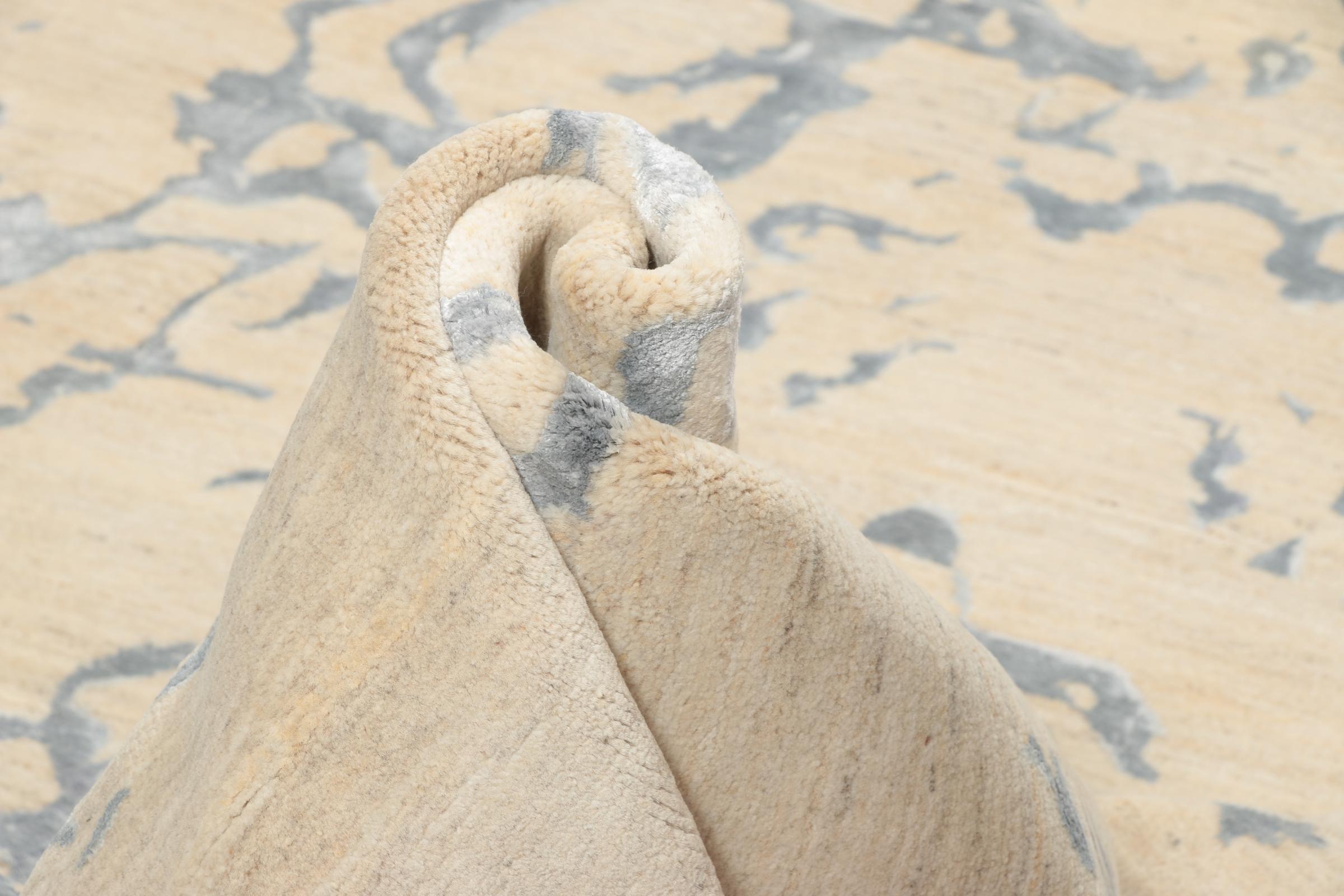
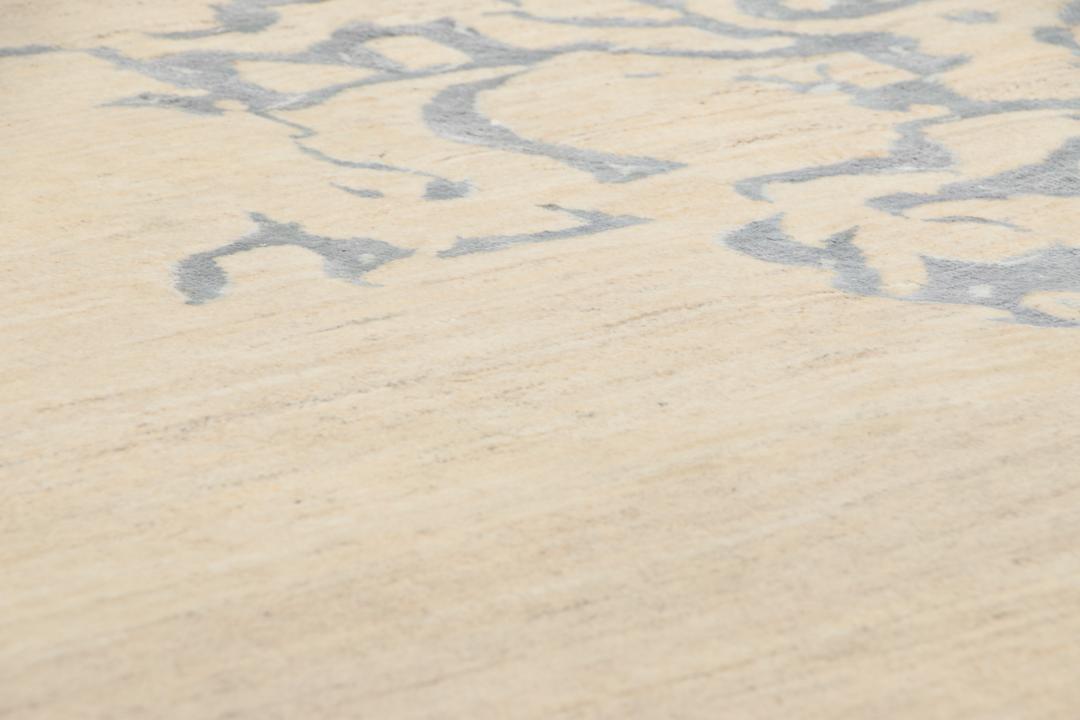
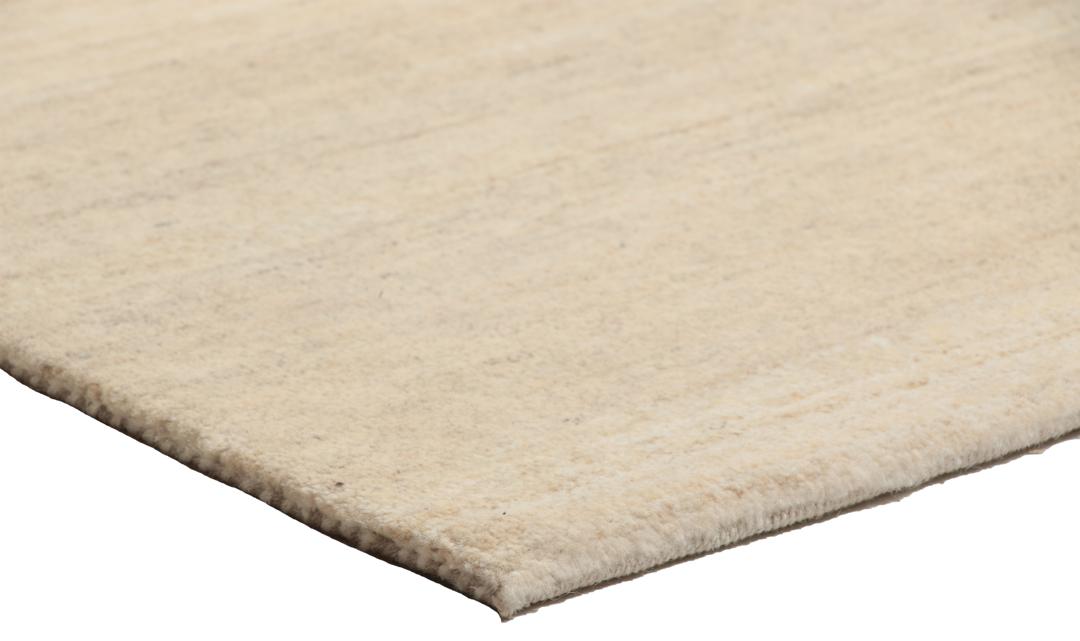
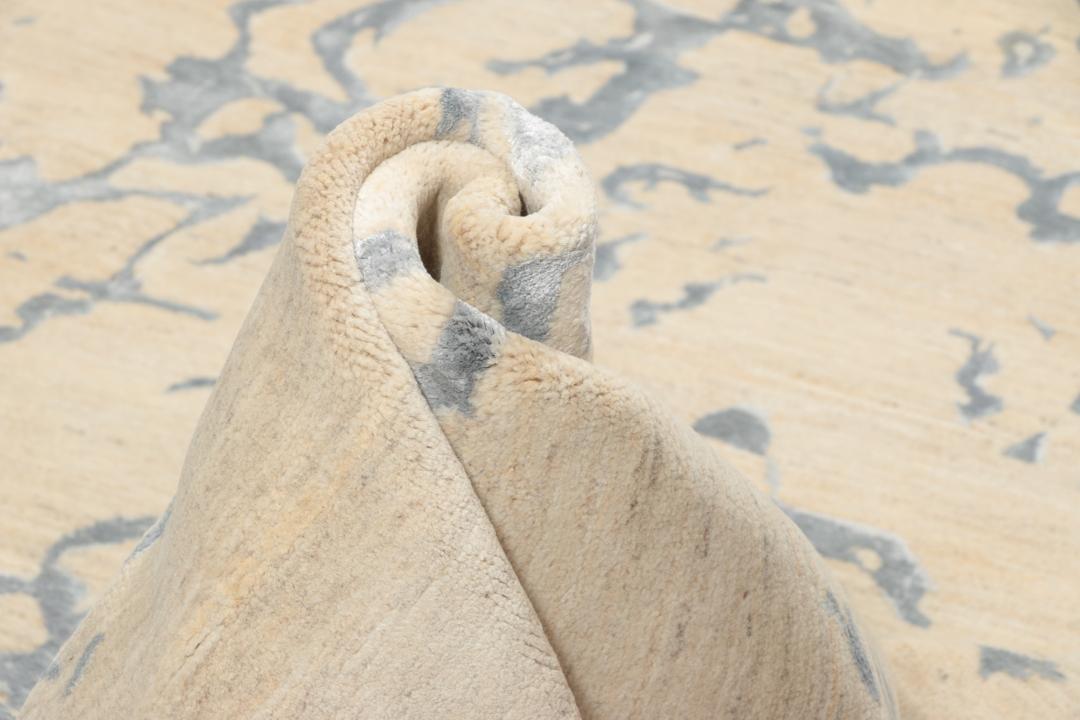
The term 'Loribaft' refers to a specific, elevated style within the Gabbeh family, known for its higher density and refined finish. While traditional Gabbehs are often characterised by their thick, coarse pile, the Loribaft technique introduces a more sophisticated texture and a tighter knot structure. This evolution allows for more nuanced patterns and a smoother, more lustrous surface that feels exceptionally luxurious.
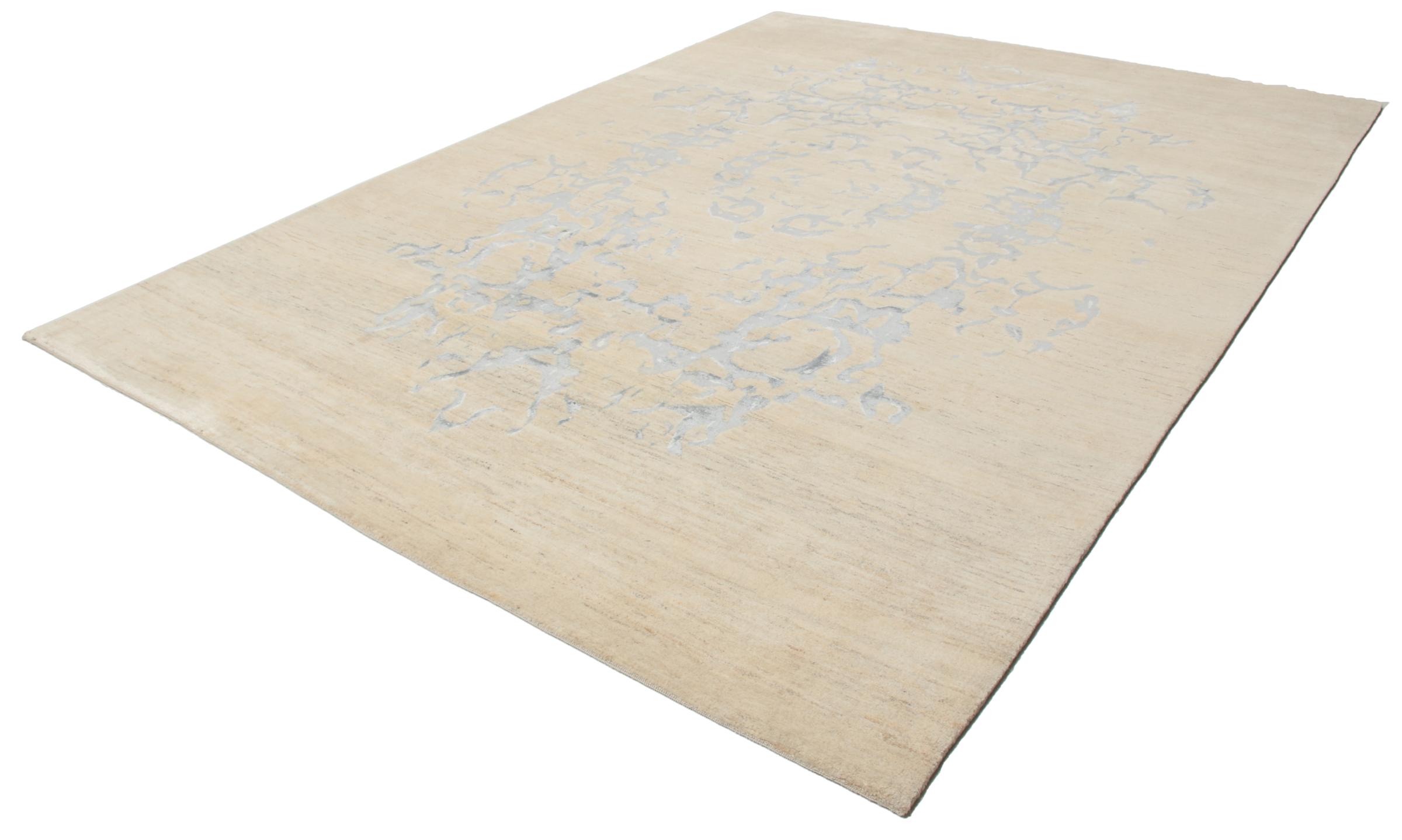
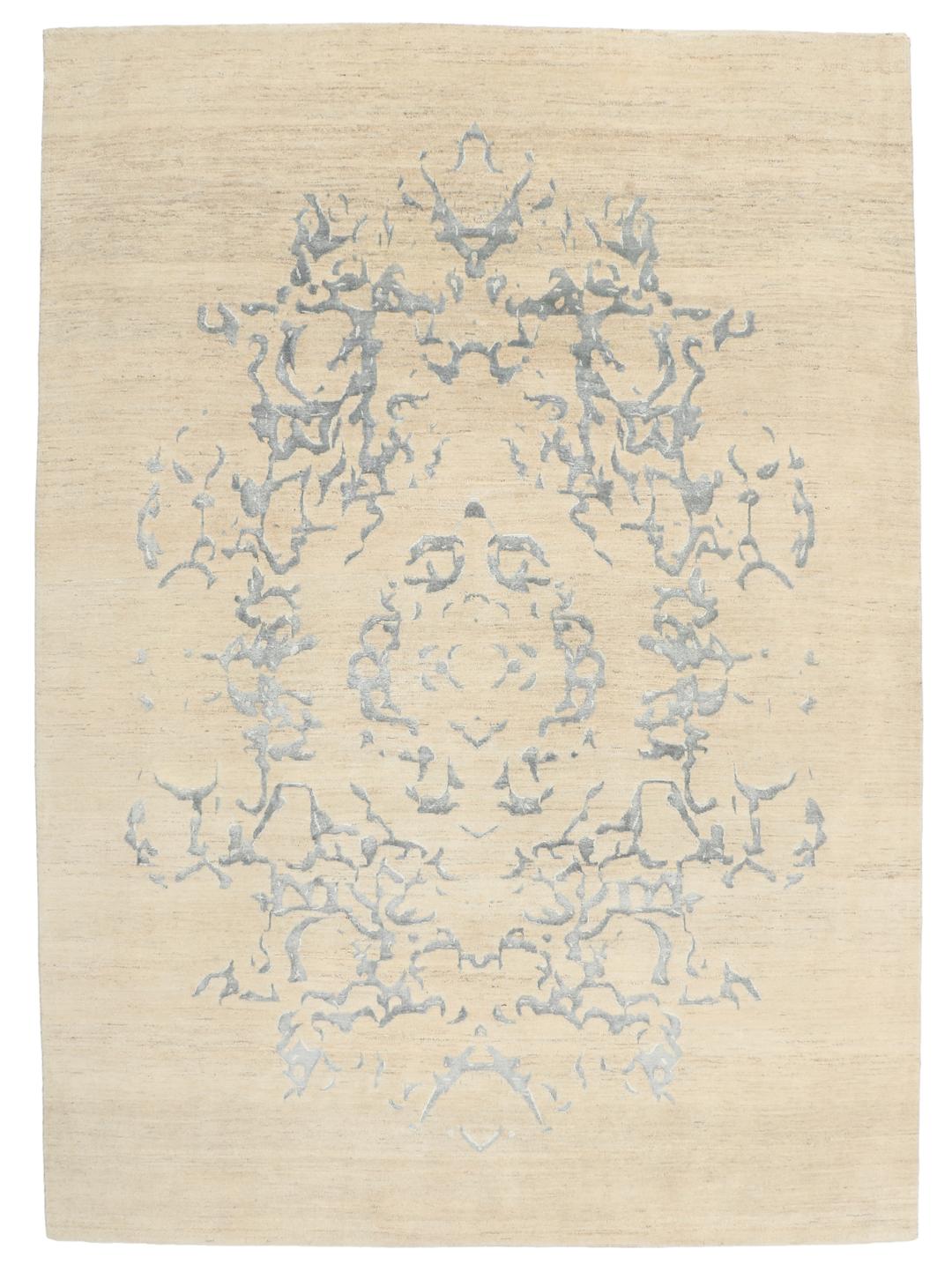
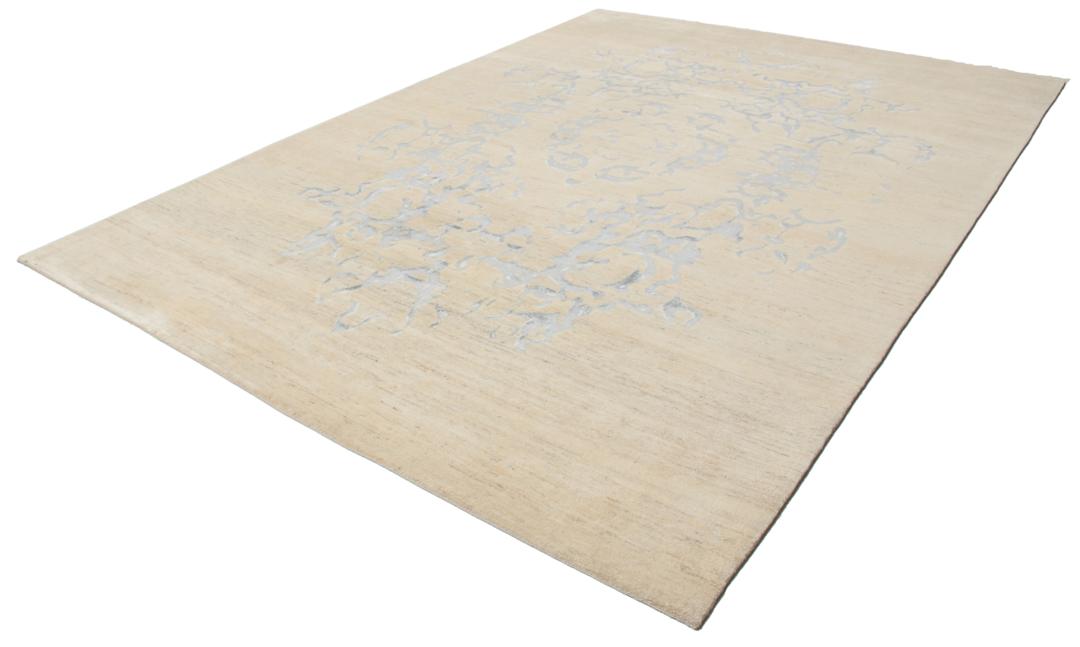
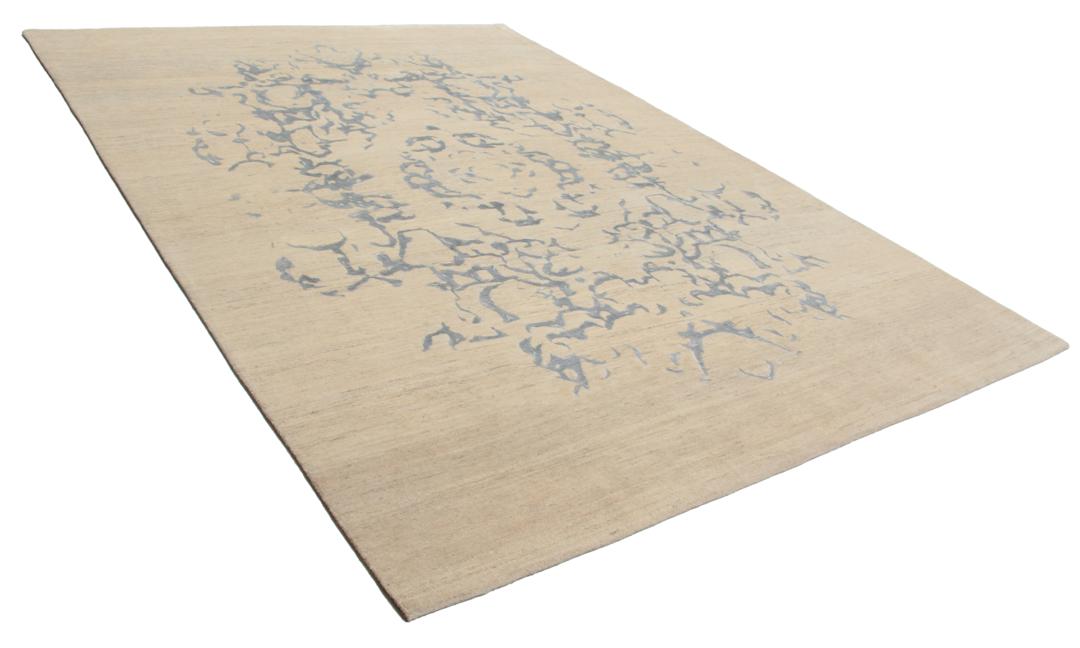
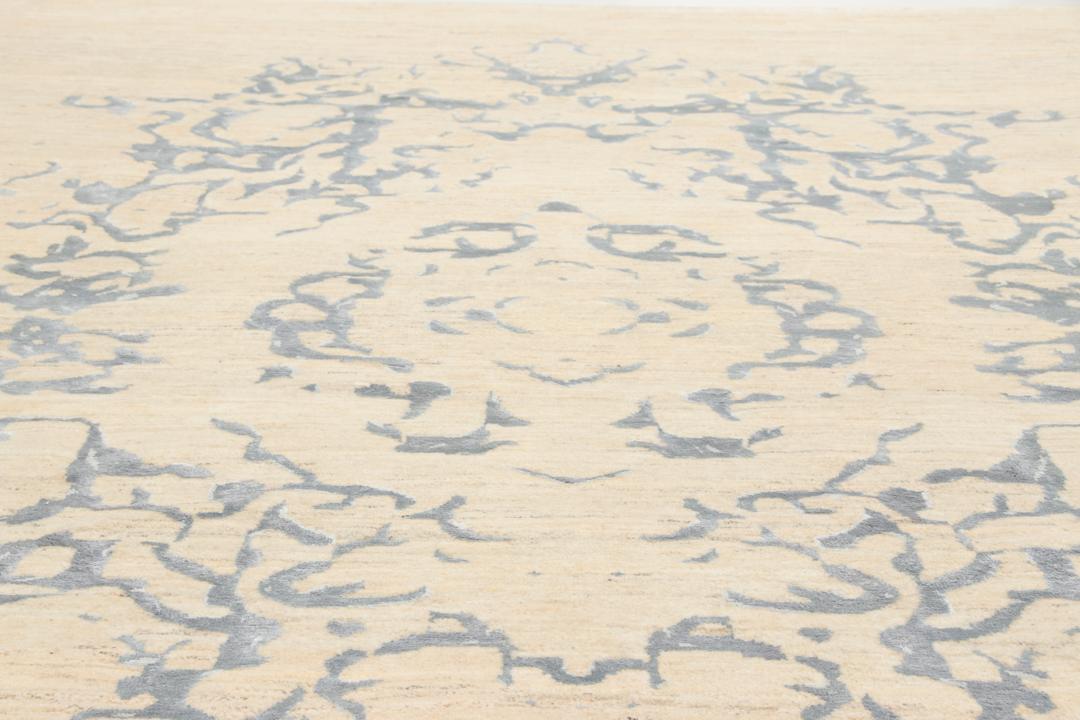
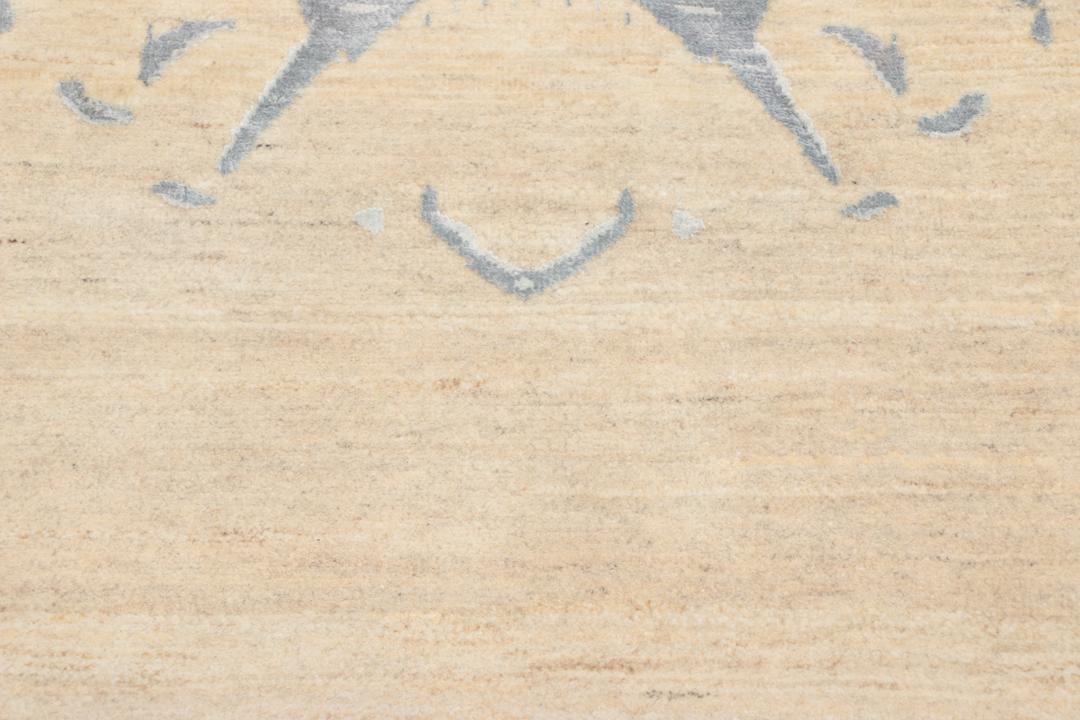
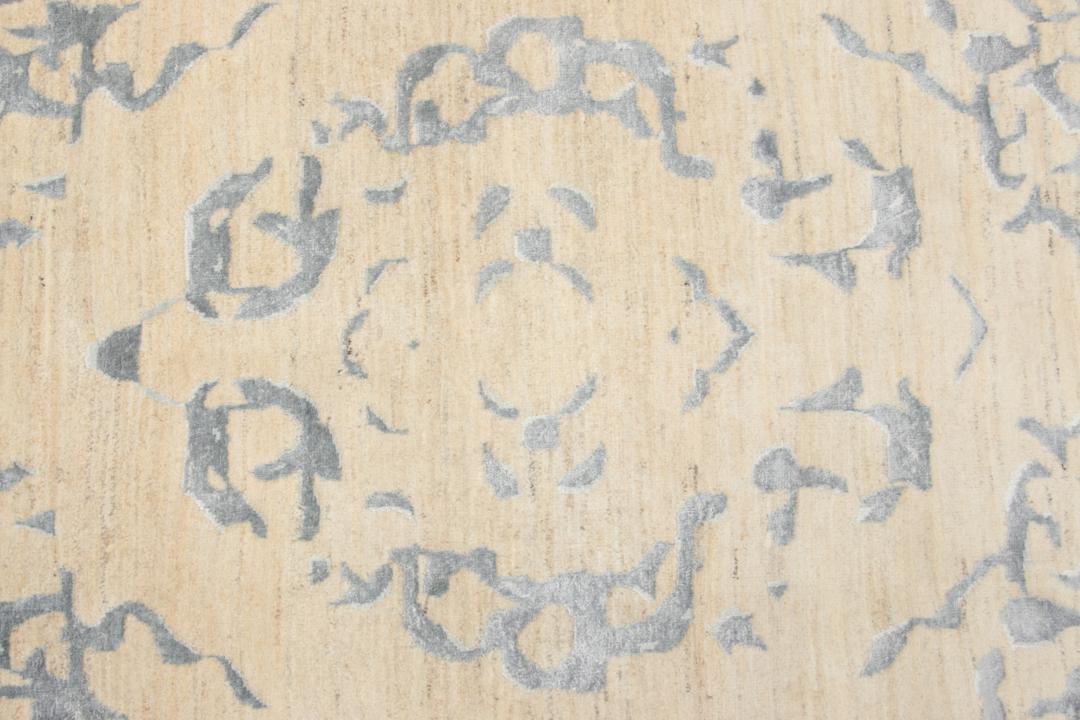
Visually, these rugs are known for their open fields and artistic, often abstract, motifs that draw inspiration from the natural world. Unlike more formal, rigid rug styles, the Loribaft leans into an organic aesthetic, often featuring simplified floral or geometric elements. The use of soft, natural colours is a hallmark of the style, intended to create a sense of tranquillity and space in the home.
Collecting a Loribaft rug is an appreciation of both history and human skill. These pieces are not just functional items but are expressions of a deep-seated craft heritage that prizes the weaver's intuition and the natural characteristics of the Wool. By bringing one into your home, you are continuing a legacy of warmth and artistry that has been passed down through generations.