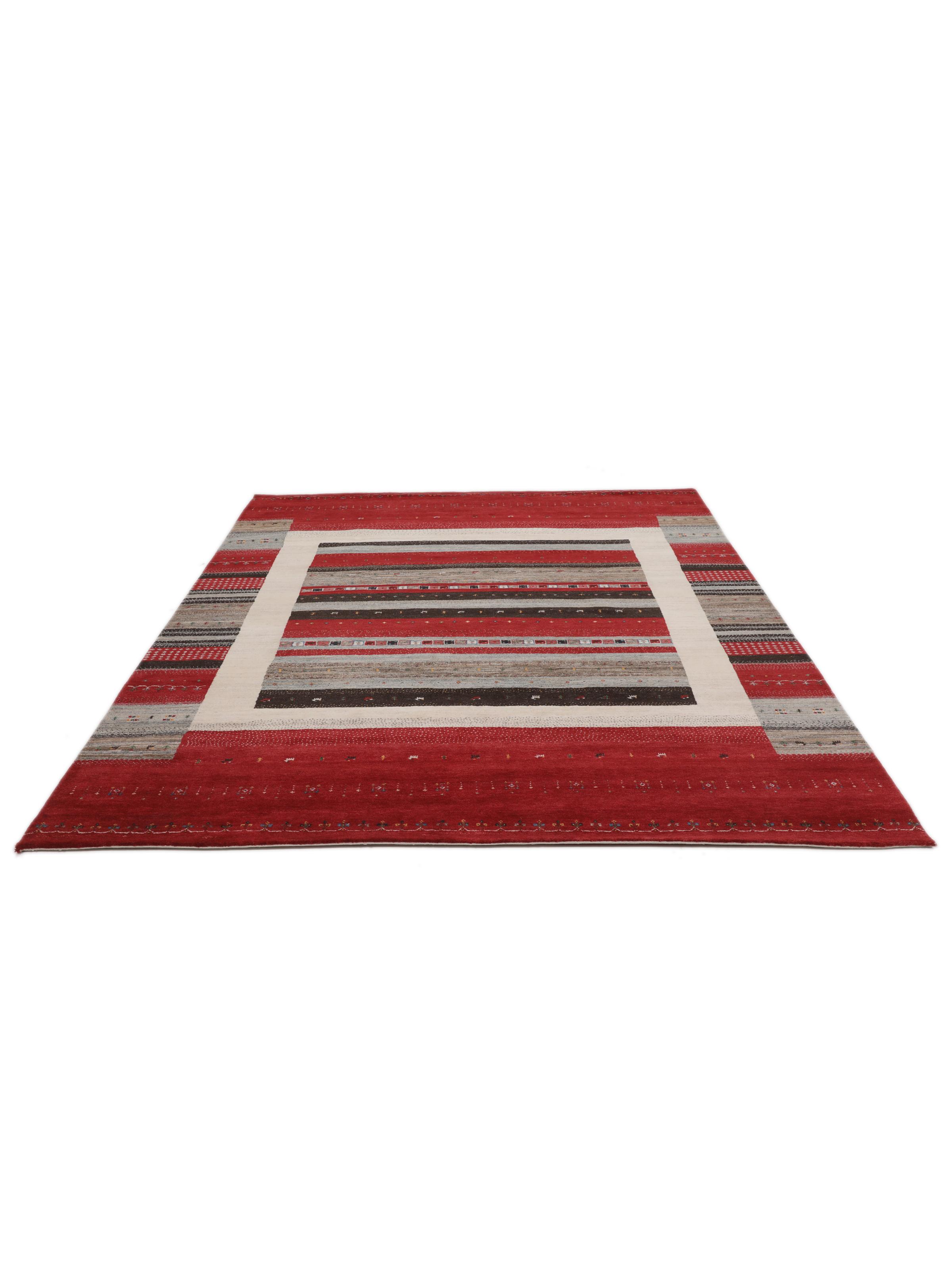
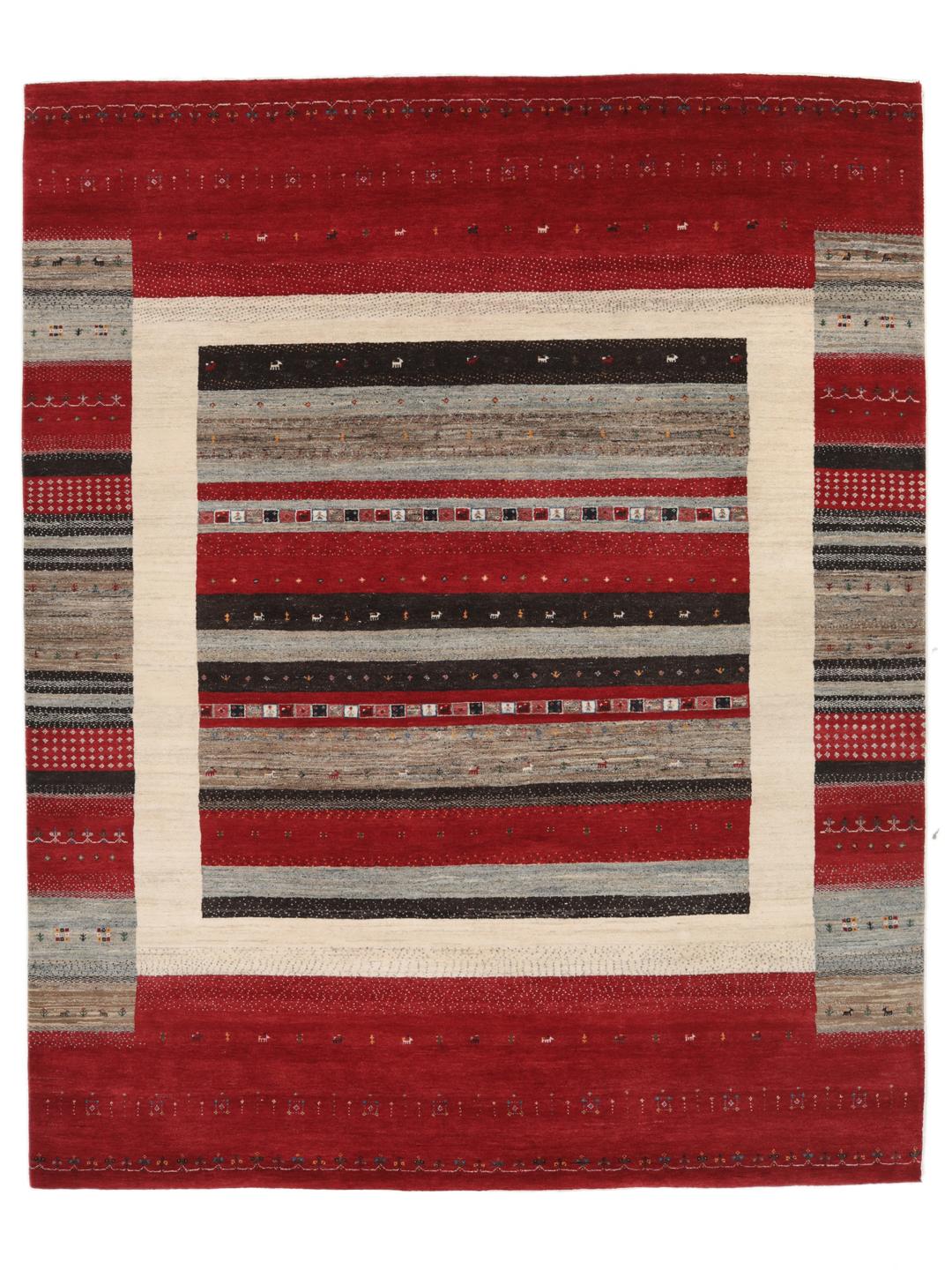
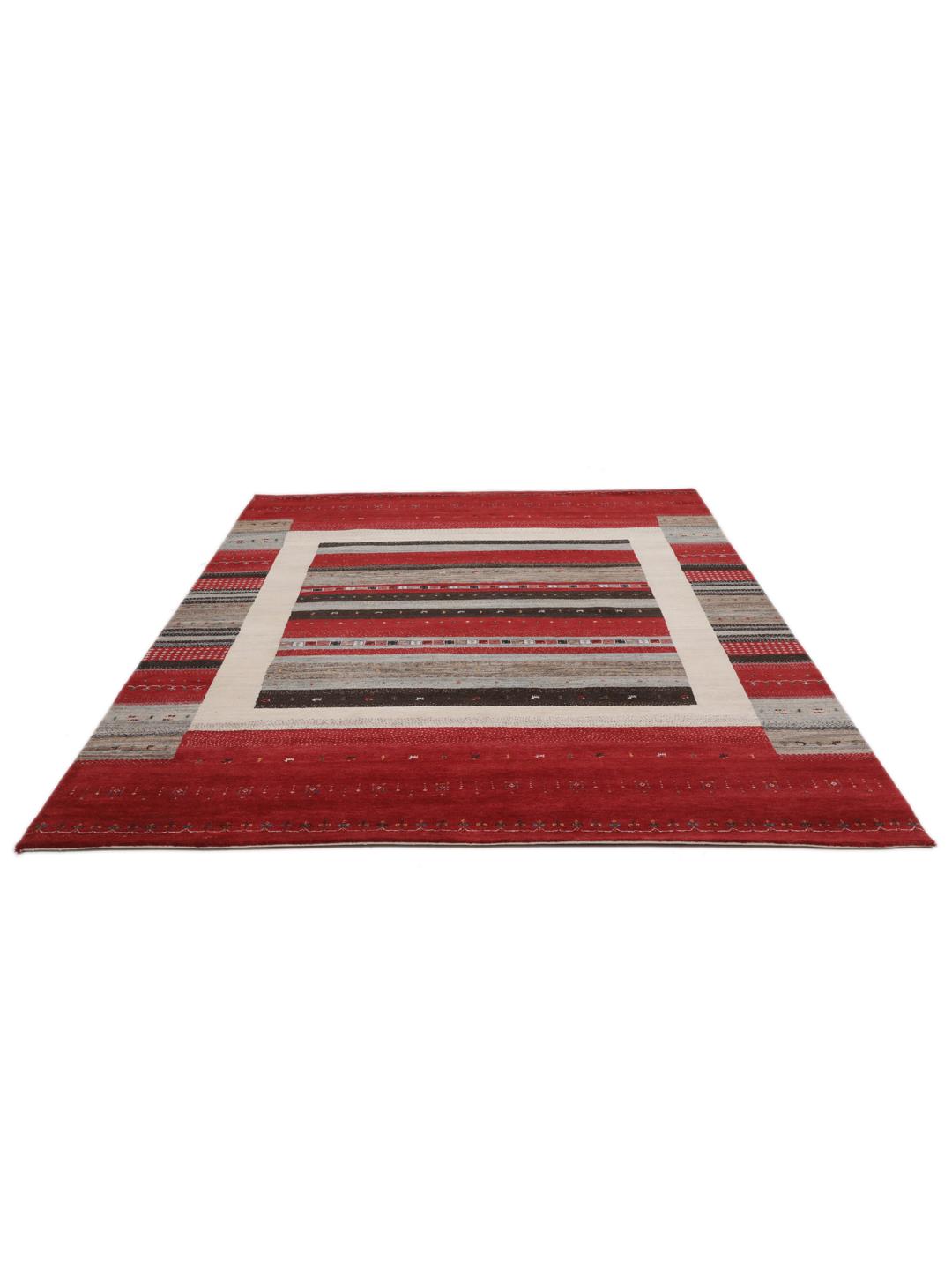
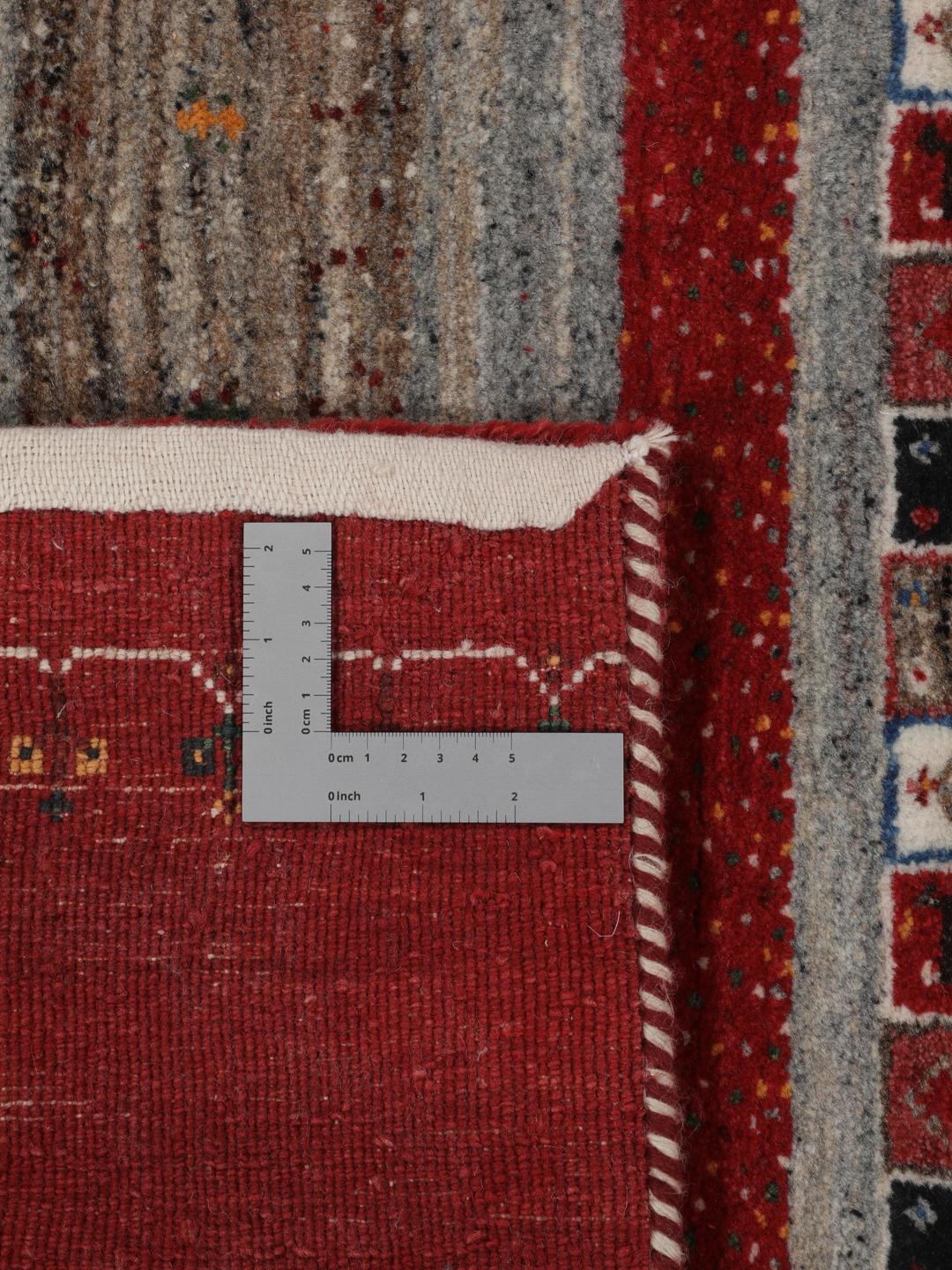
The Gabbeh tradition traces its roots to the nomadic tribes of the Middle East, where weavers created these rugs for their own daily use. Historically, these were thick, coarse, and highly personal pieces meant to provide warmth against the harsh climate of the plains. Over time, the style evolved into the sophisticated Loribaft and Kashkooli types we see today, which blend these ancient, rustic roots with a more refined aesthetic.
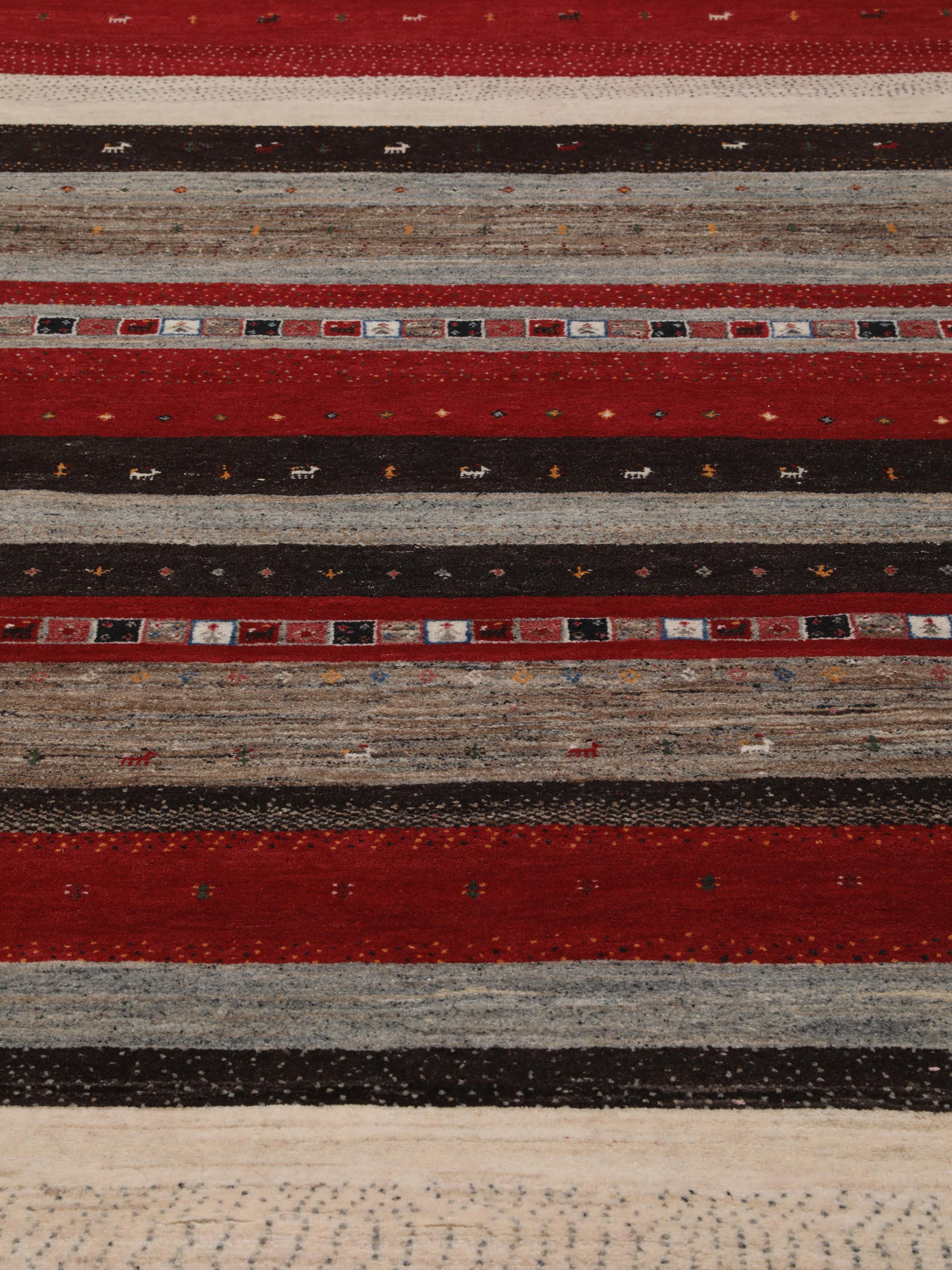
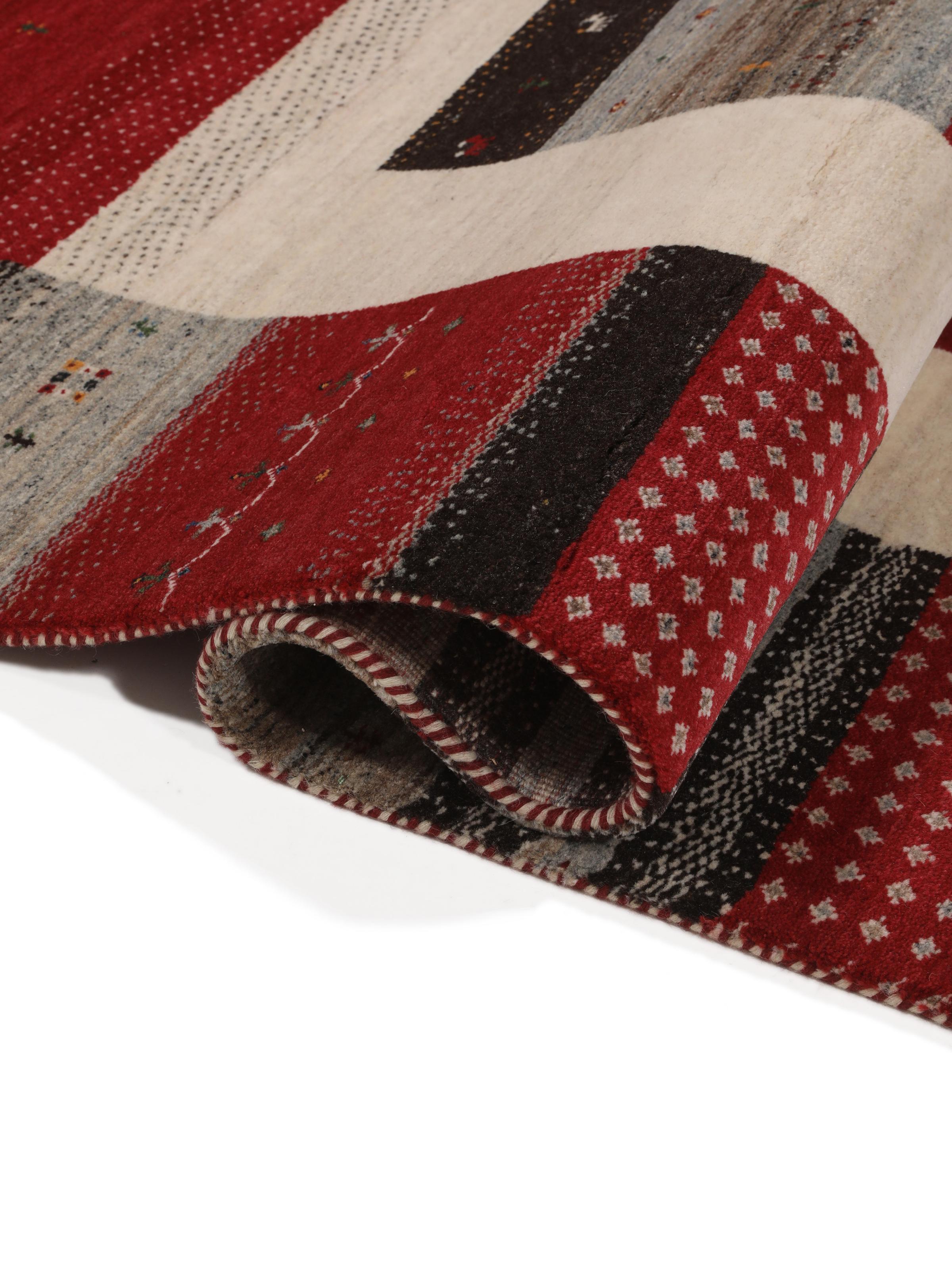
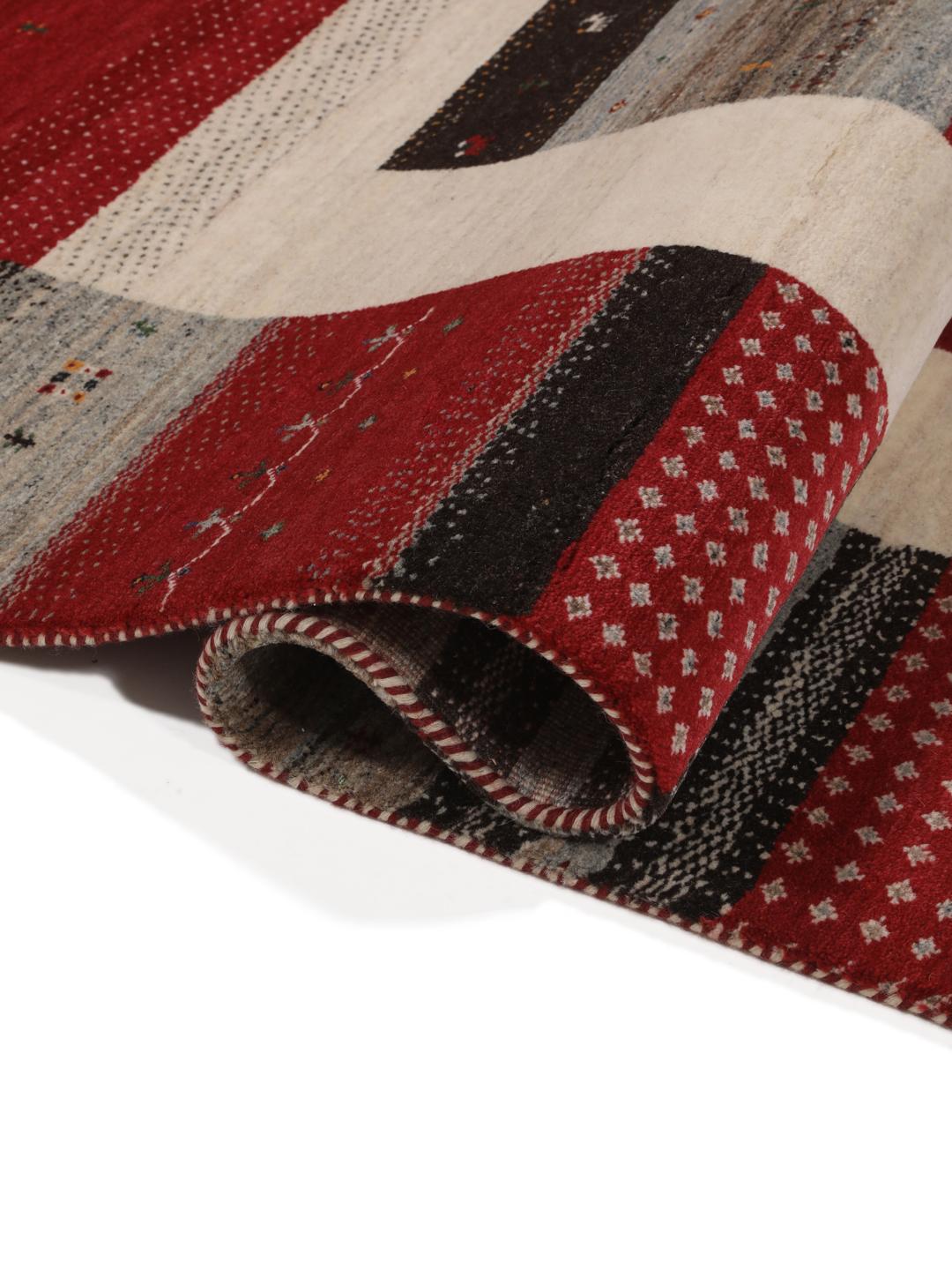
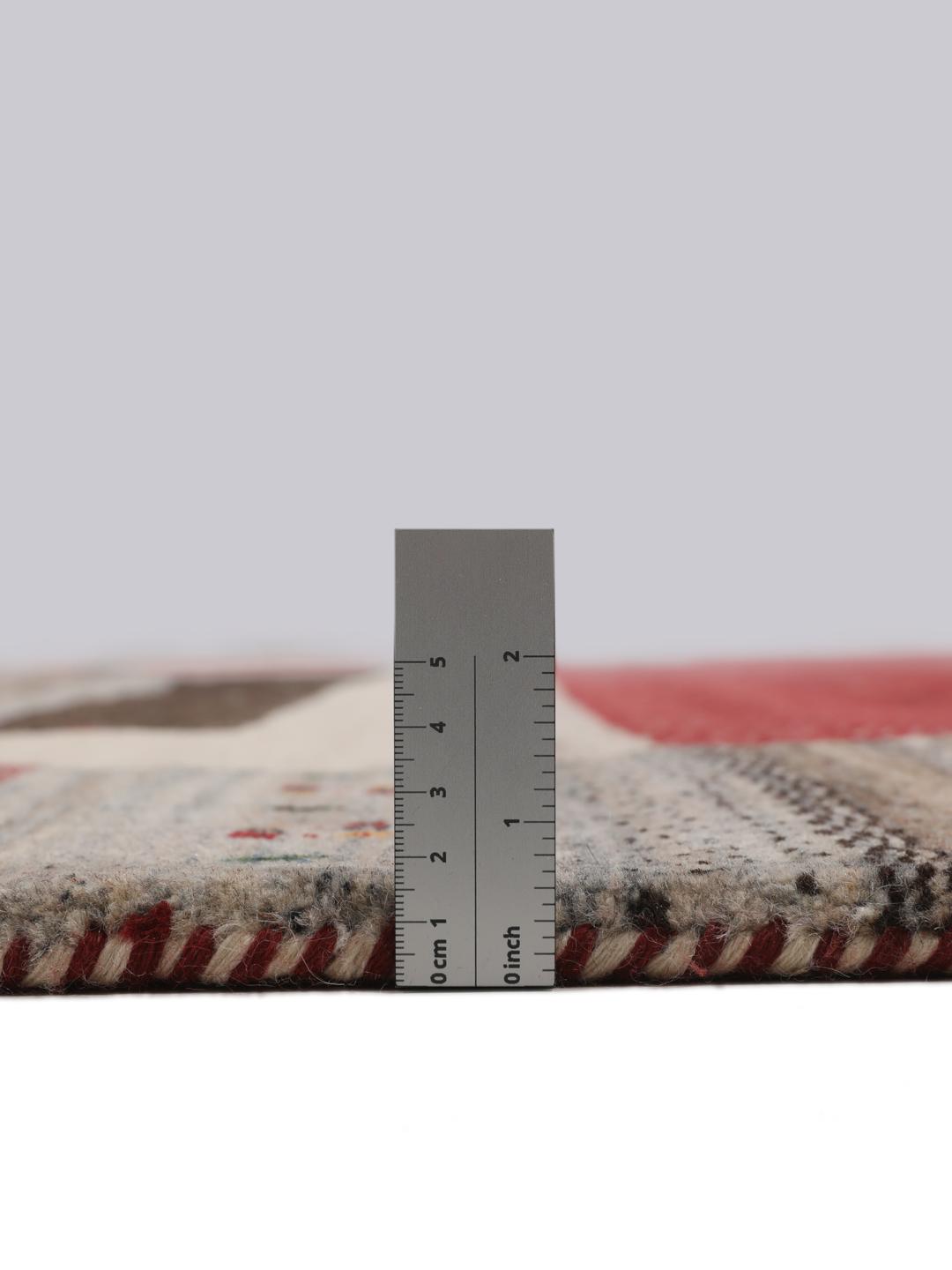
The term Loribaft refers specifically to a high-quality weaving style that emphasises a denser, more polished finish compared to traditional, simpler Gabbehs. This evolution in technique allows for greater clarity in pattern and a more luxurious, velvety feel. It represents a bridge between the raw, tribal origins of the craft and the demands of modern interior design.
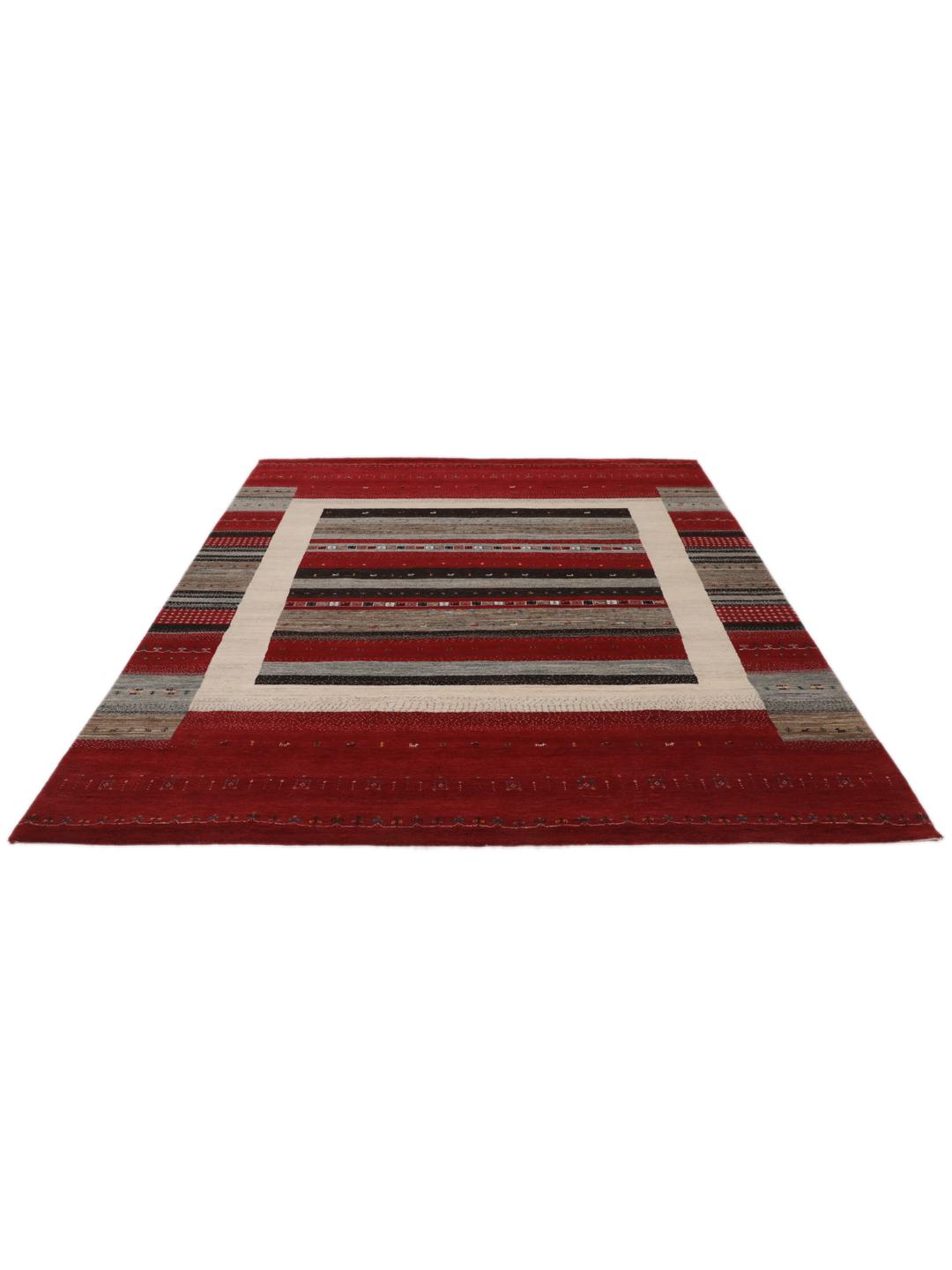
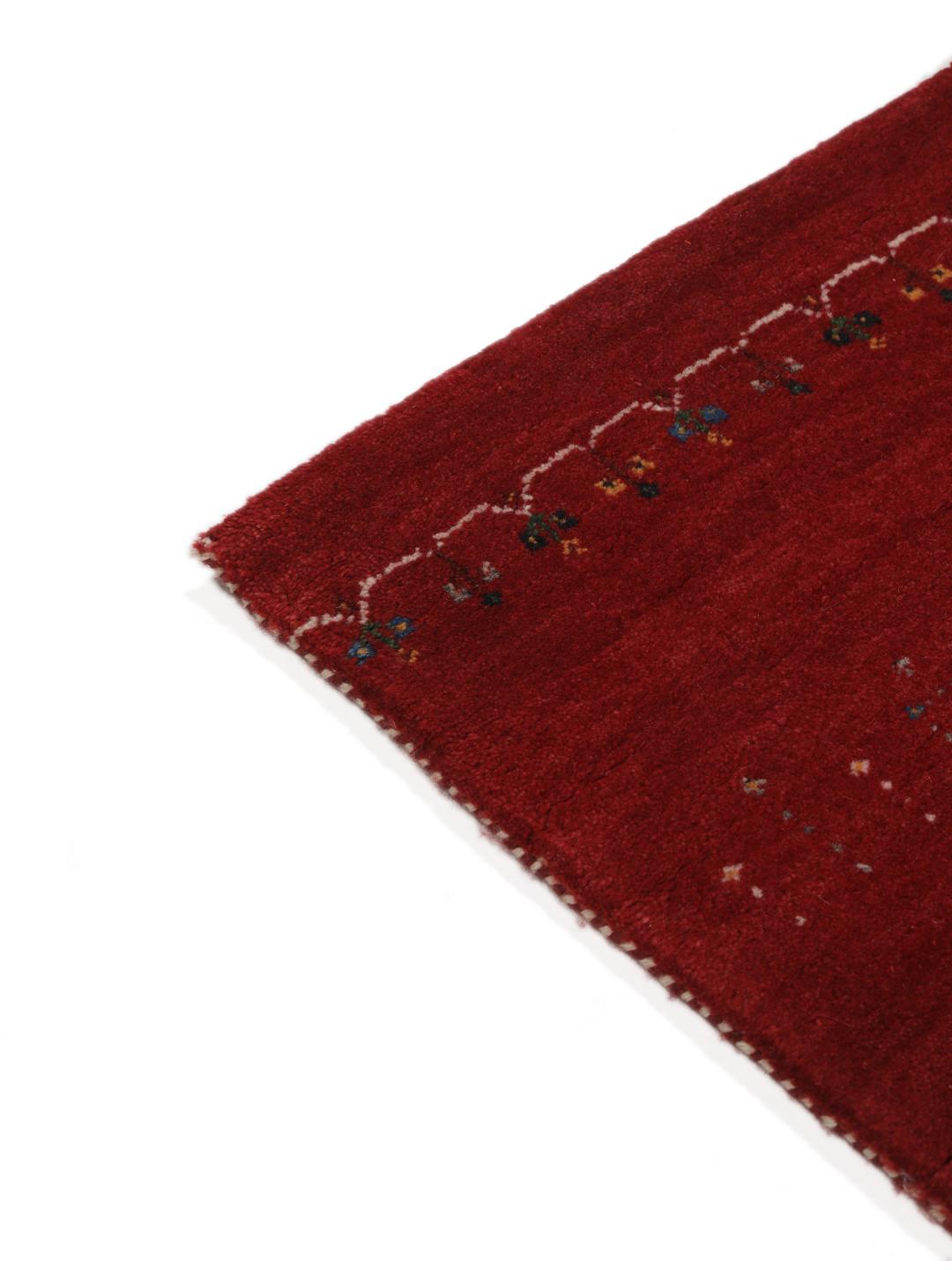
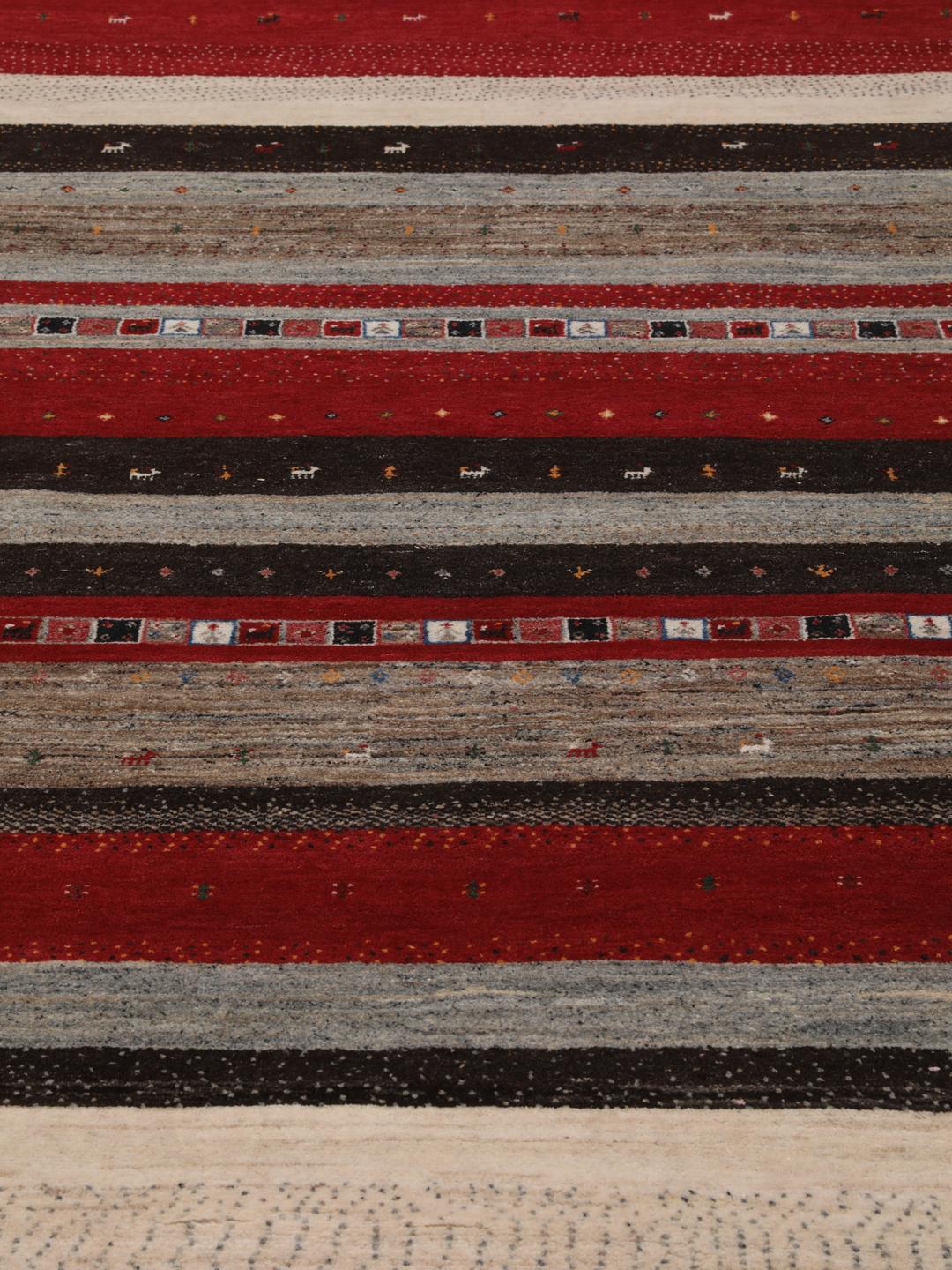
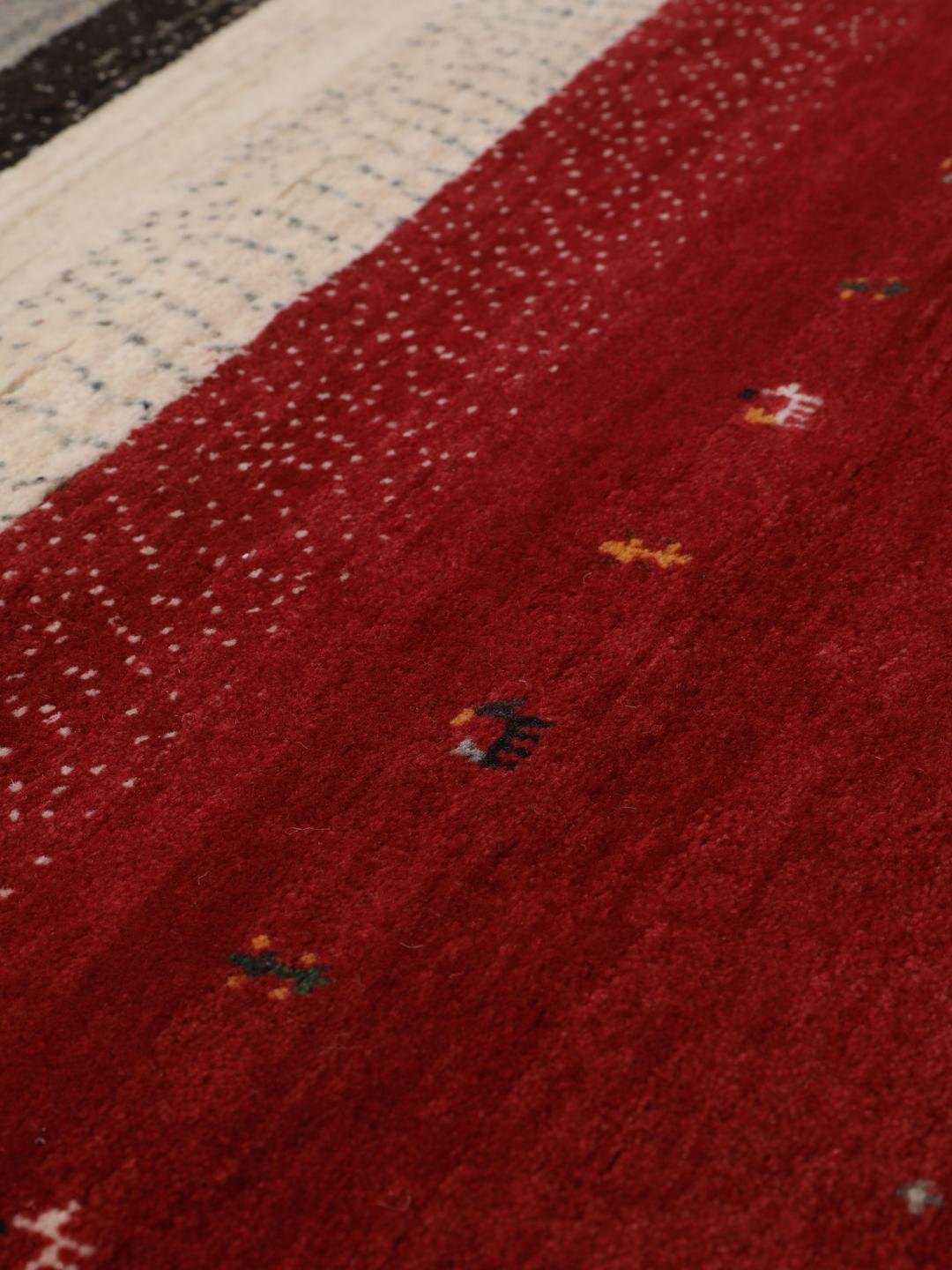
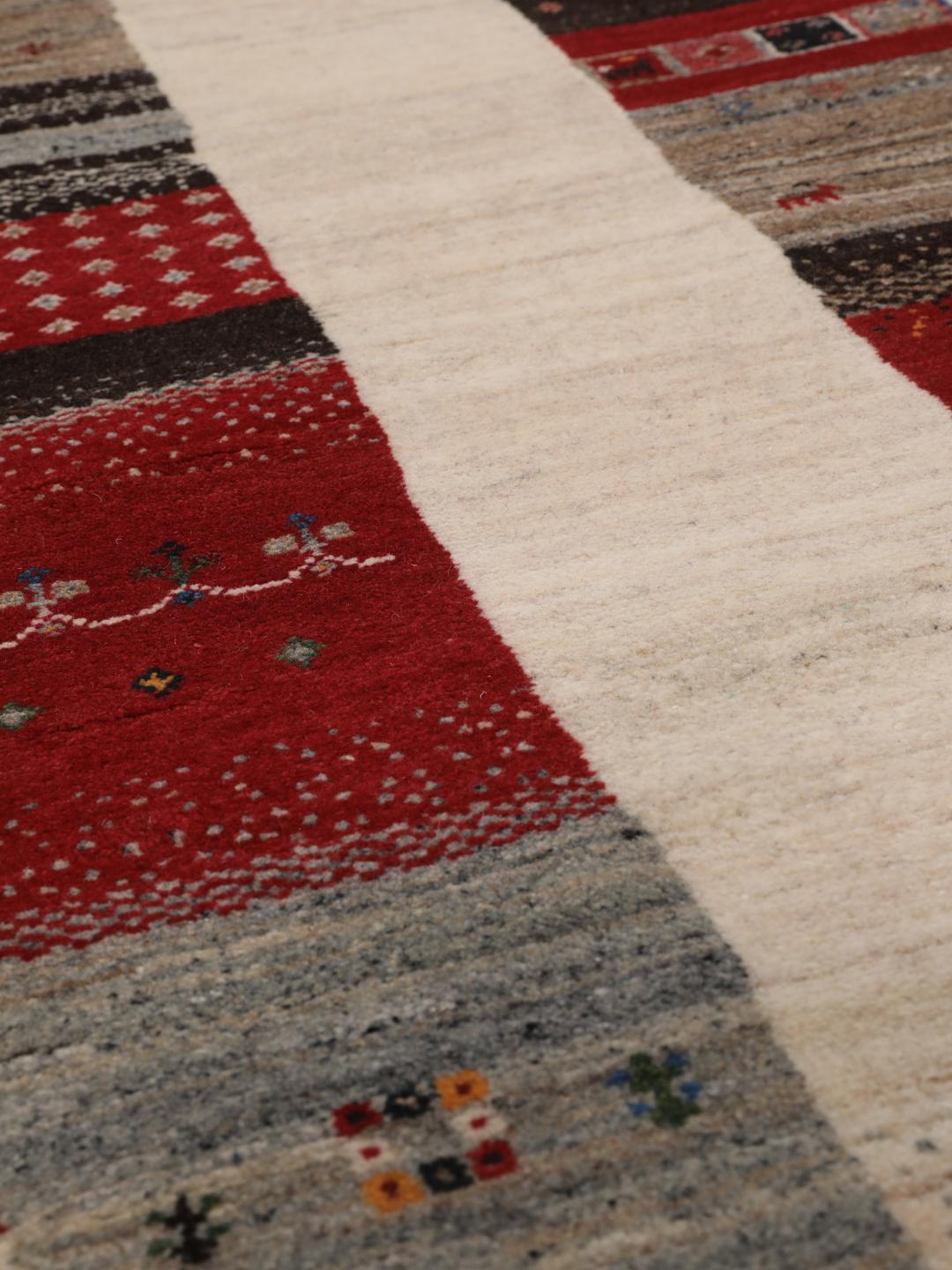
Visually, these rugs are celebrated for their open, artistic fields that often feature playful, simplified motifs. While traditional patterns might be dominated by bold, solid colours, the Loribaft style often incorporates subtle, geometric details or small, charming pictorial elements that tell a story. The use of vibrant, natural-inspired dyes remains a hallmark of the tradition, creating a deep, resonant look that changes beautifully in different lighting.
Collecting a rug from this tradition is an investment in cultural heritage and human skill. Because each piece is created without a pre-drawn pattern, the weaver acts as both artist and craftsperson, making real-time decisions that reflect their environment and mood. This organic approach ensures that every rug carries a unique energy, making it a valued centerpiece for those who appreciate the intersection of history, skill, and individuality.