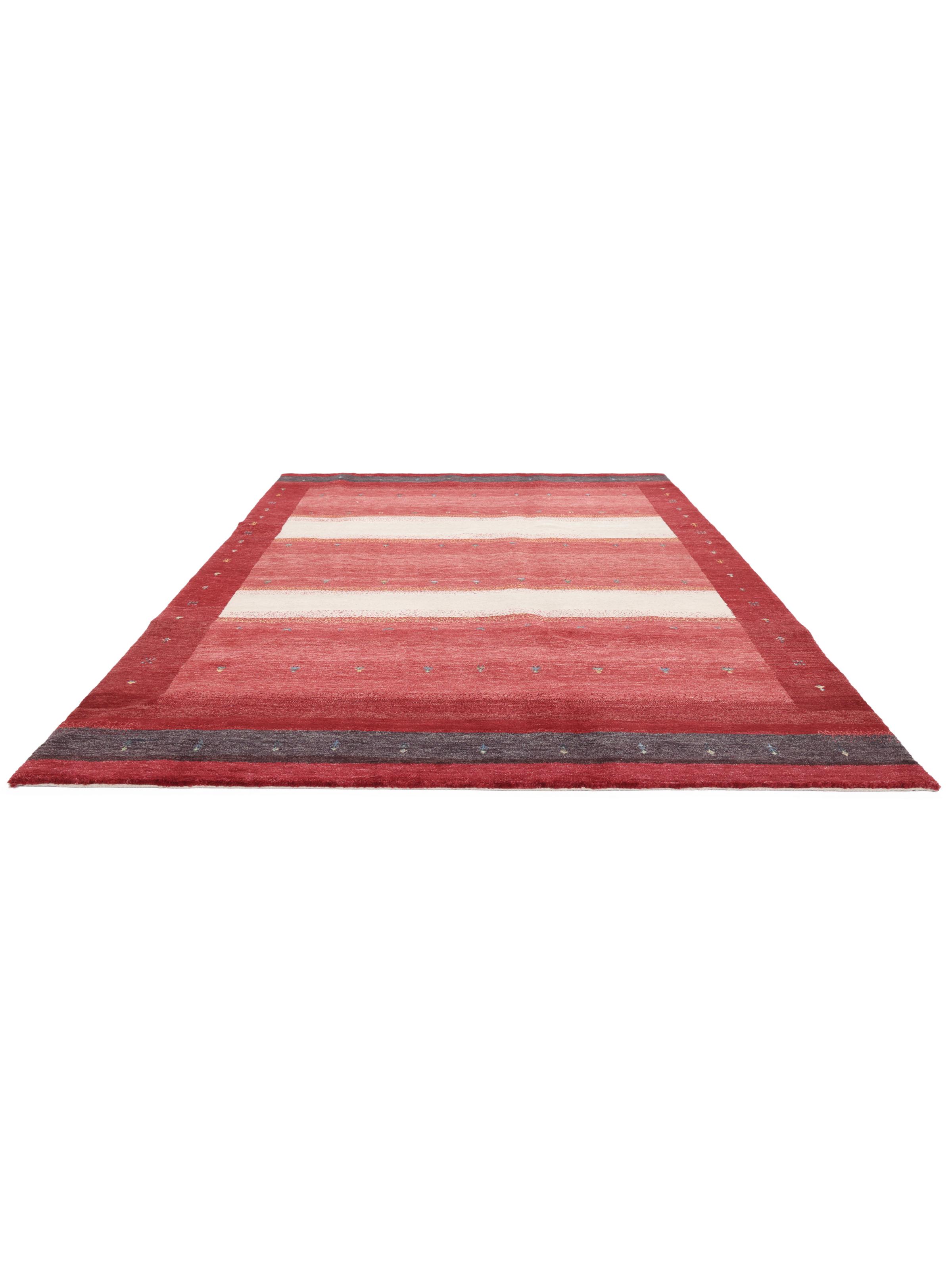
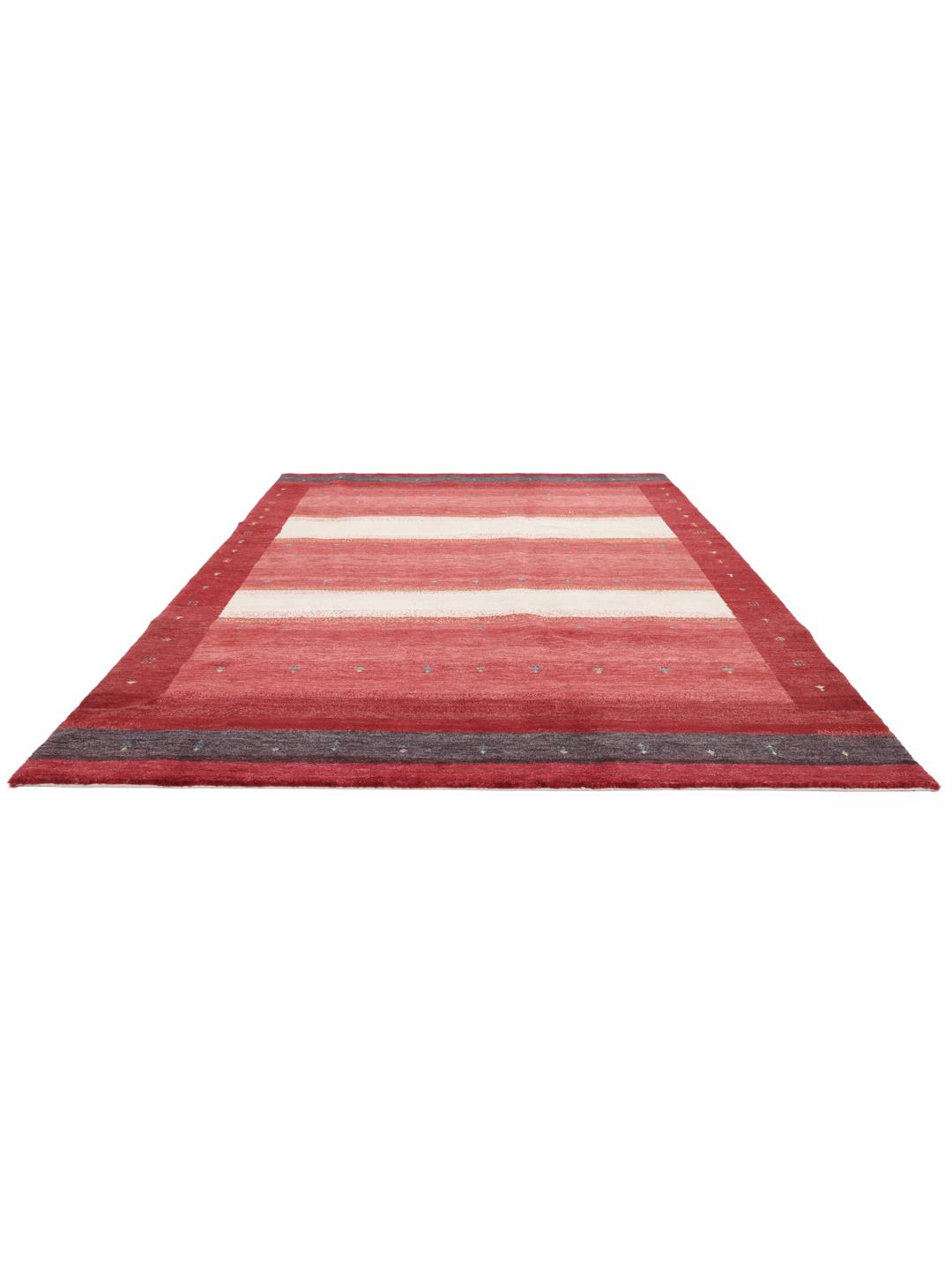
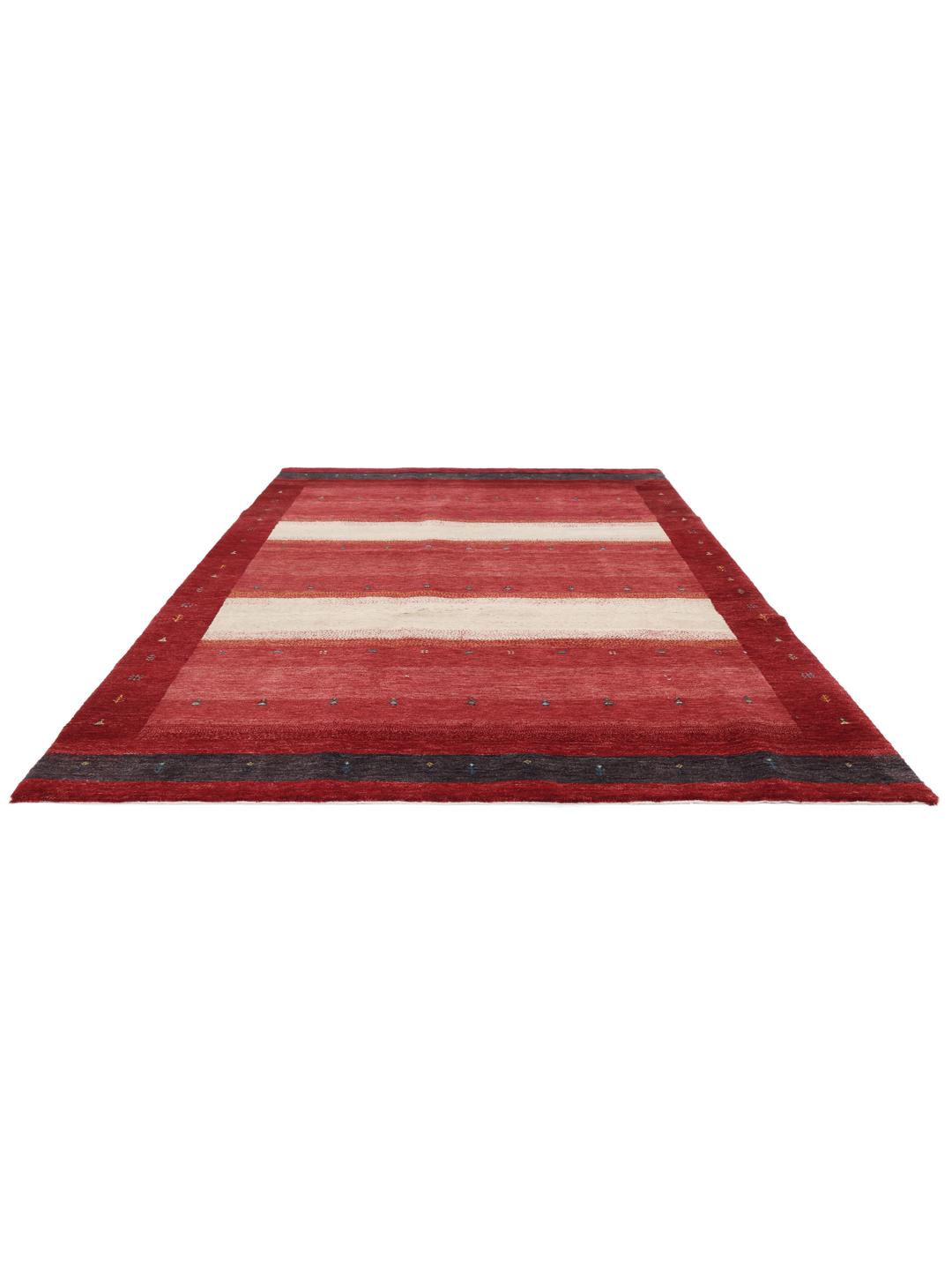
The Gabbeh style originates from the nomadic tribes of the Middle East, where weavers created these rugs primarily for their own domestic use. Historically, these were thick, coarse, and highly functional pieces, often featuring simple, abstract designs that drew inspiration from the natural surroundings and the weaver's own imagination. Today, the tradition has evolved into a highly sought-after art form, with fine examples now being masterfully produced in India.
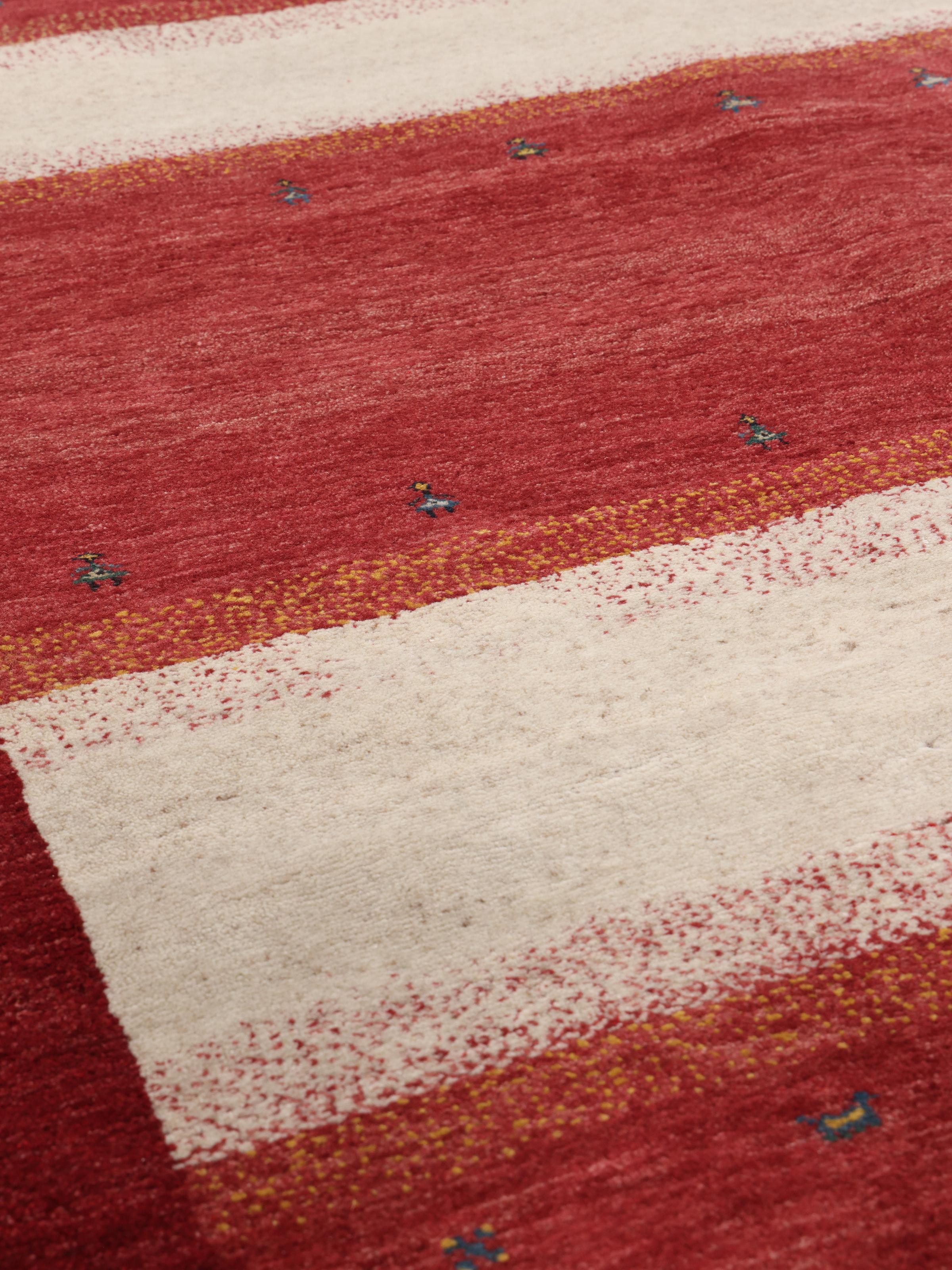
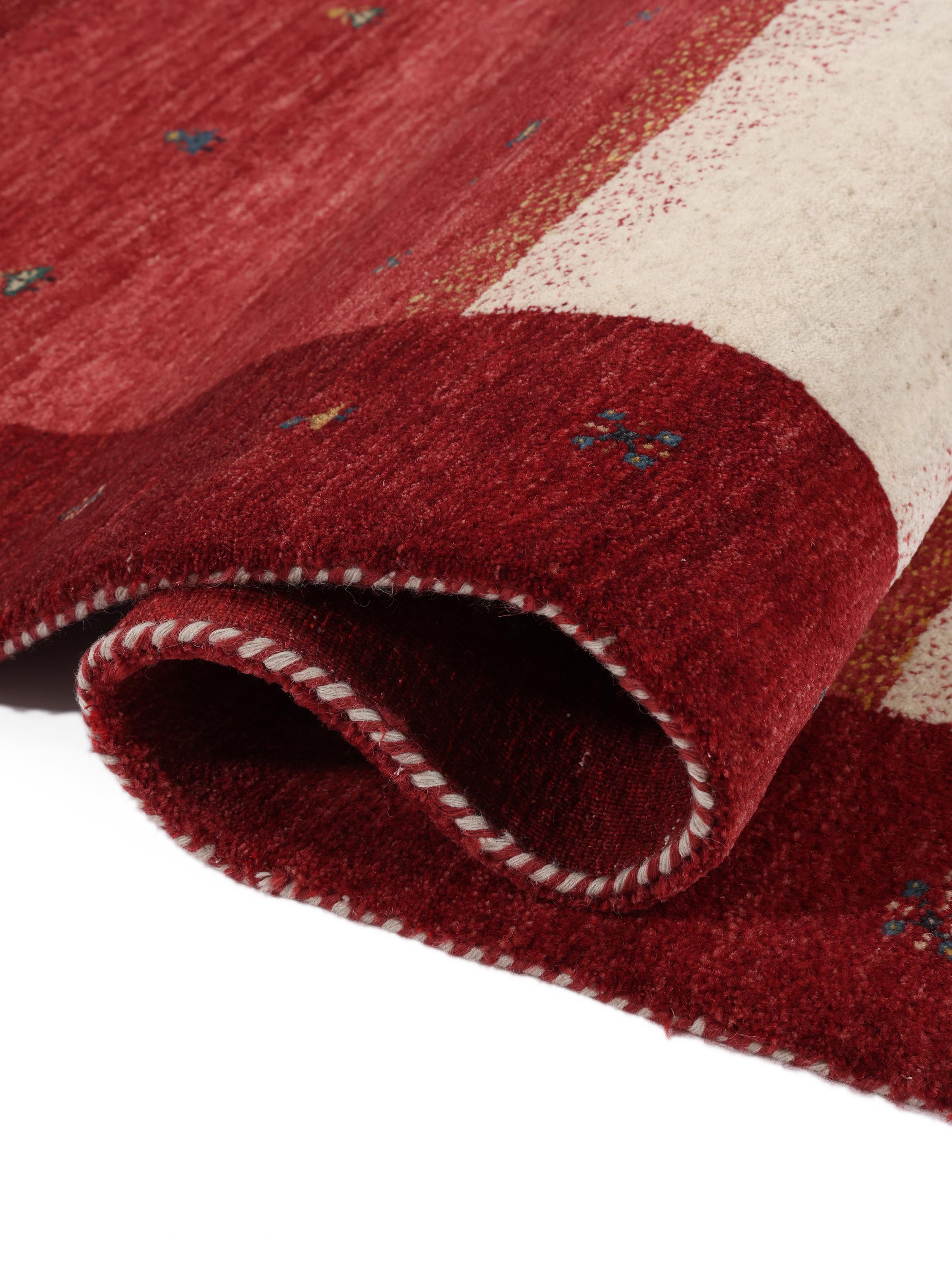
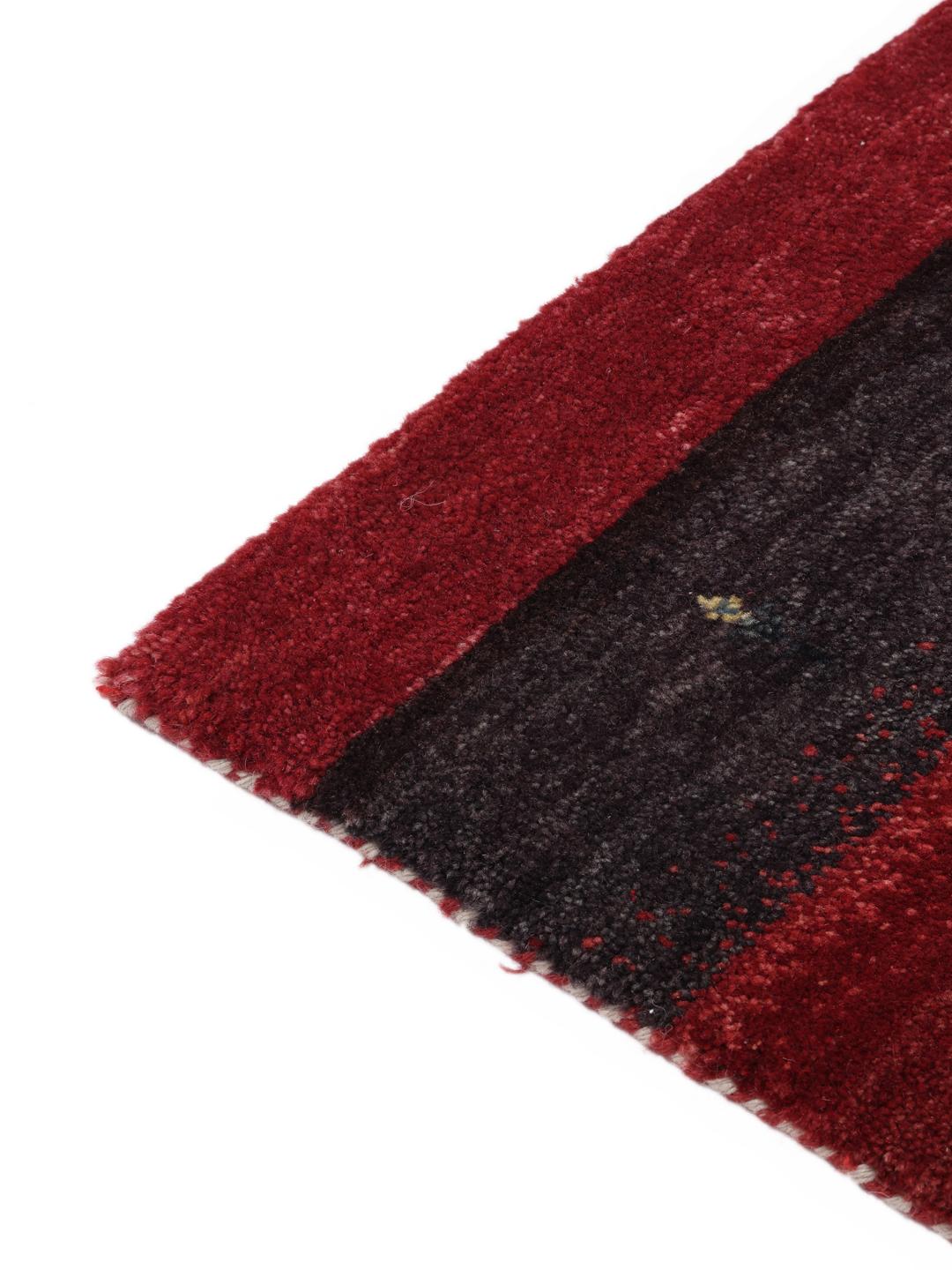
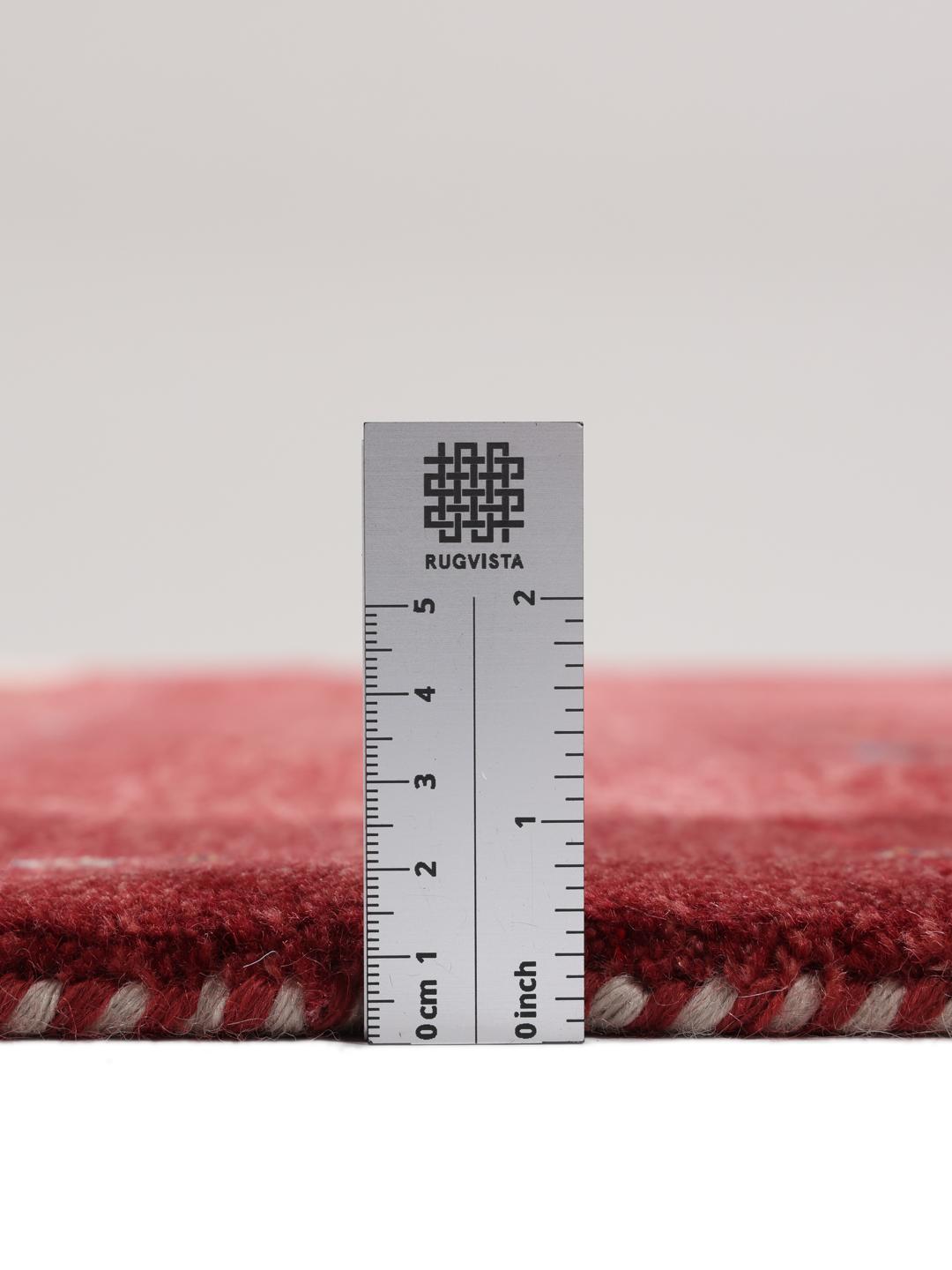
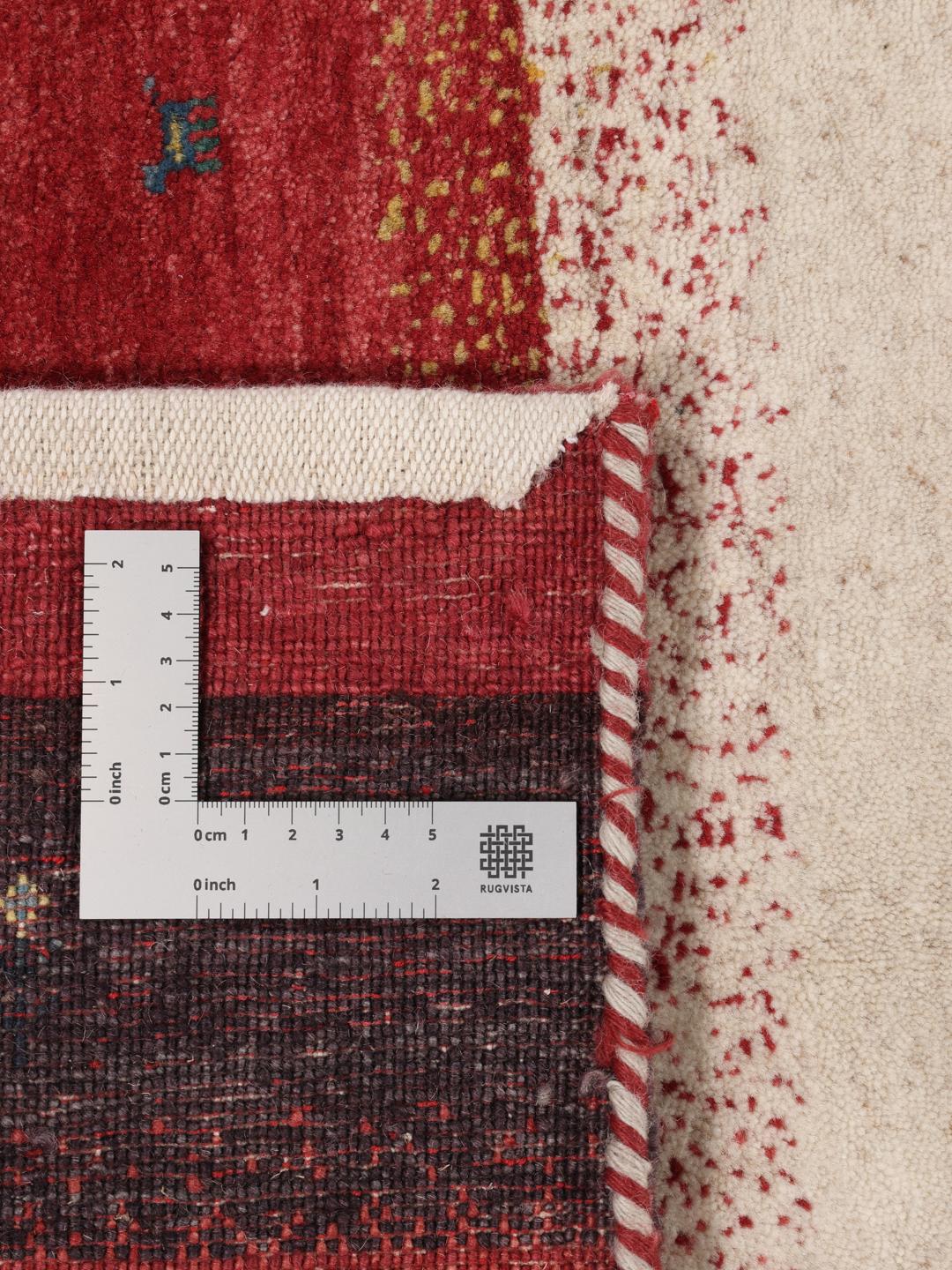
The term Loribaft refers to a specific, more refined evolution of the traditional Gabbeh. While traditional Gabbehs are known for their thicker, more rustic pile, the Loribaft is distinguished by its significantly higher knot density. This technical upgrade allows for a smoother, more elegant texture and a more refined appearance, bridging the gap between primitive nomadic charm and modern interior sophistication.
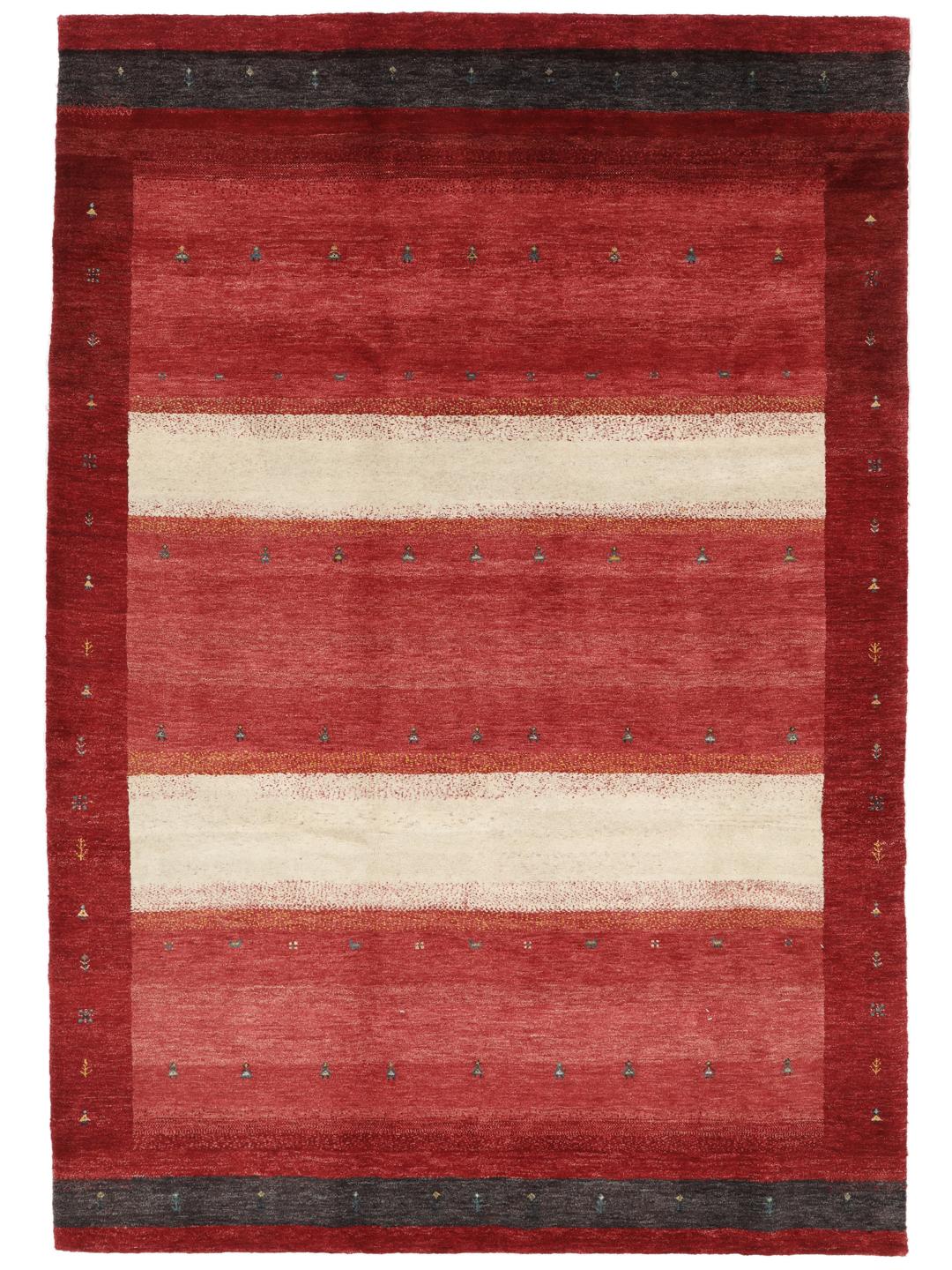
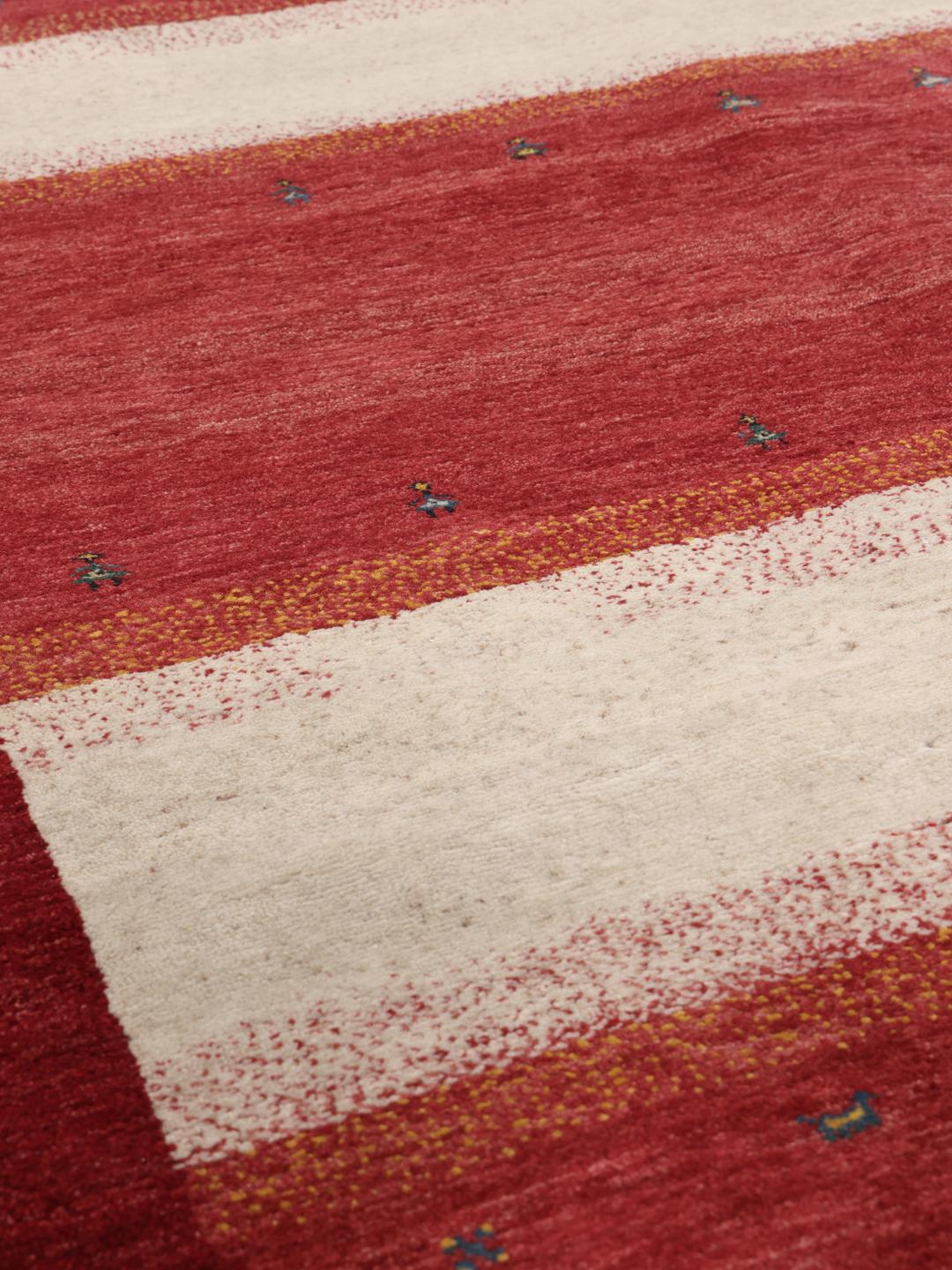
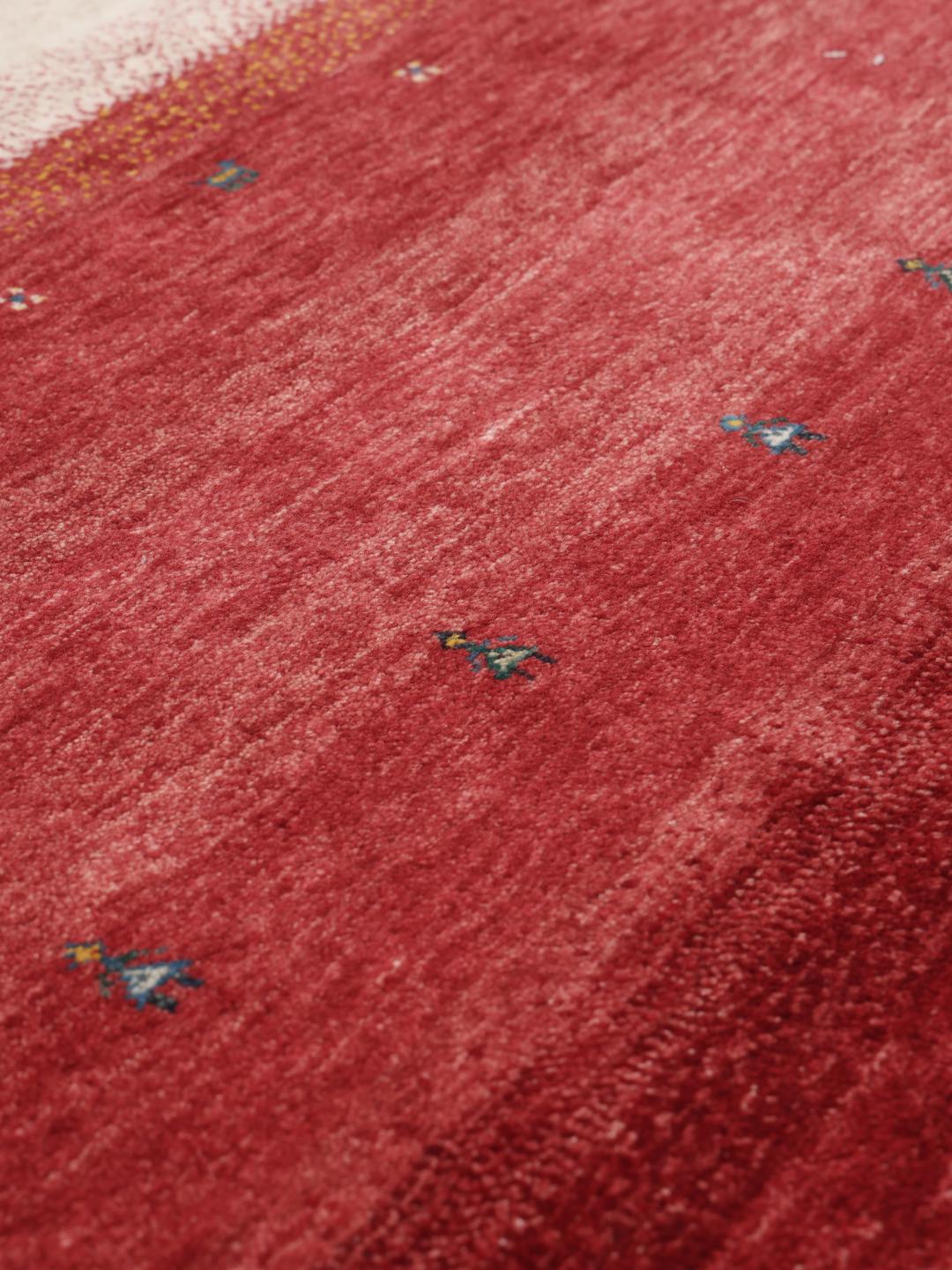
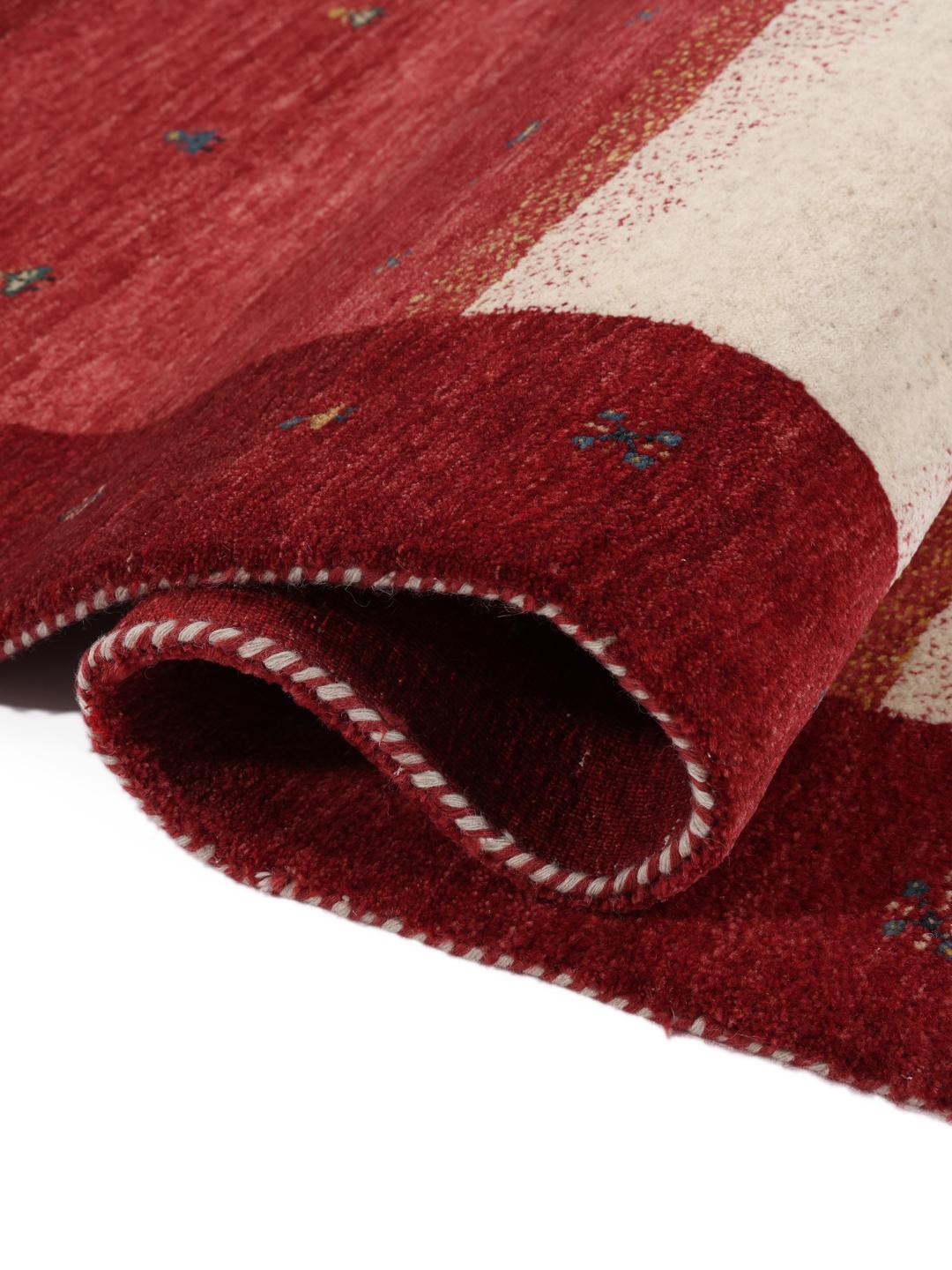
Visually, these rugs are celebrated for their use of bold, saturated colours and minimalist patterns. You will often find large, open fields of colour punctuated by simple geometric motifs or stylised representations of trees and animals. This specific rug carries that heritage forward, using its striking red field to create a focal point that is both visually captivating and culturally significant.
Collecting a piece from this tradition is an act of preserving a rich, centuries-old craft. Unlike mass-produced items, these rugs are woven with an understanding of history and human connection. Owning this rug means you are the custodian of a tradition that values skill, patience, and the beauty of the handmade, making it a meaningful addition to any collection.