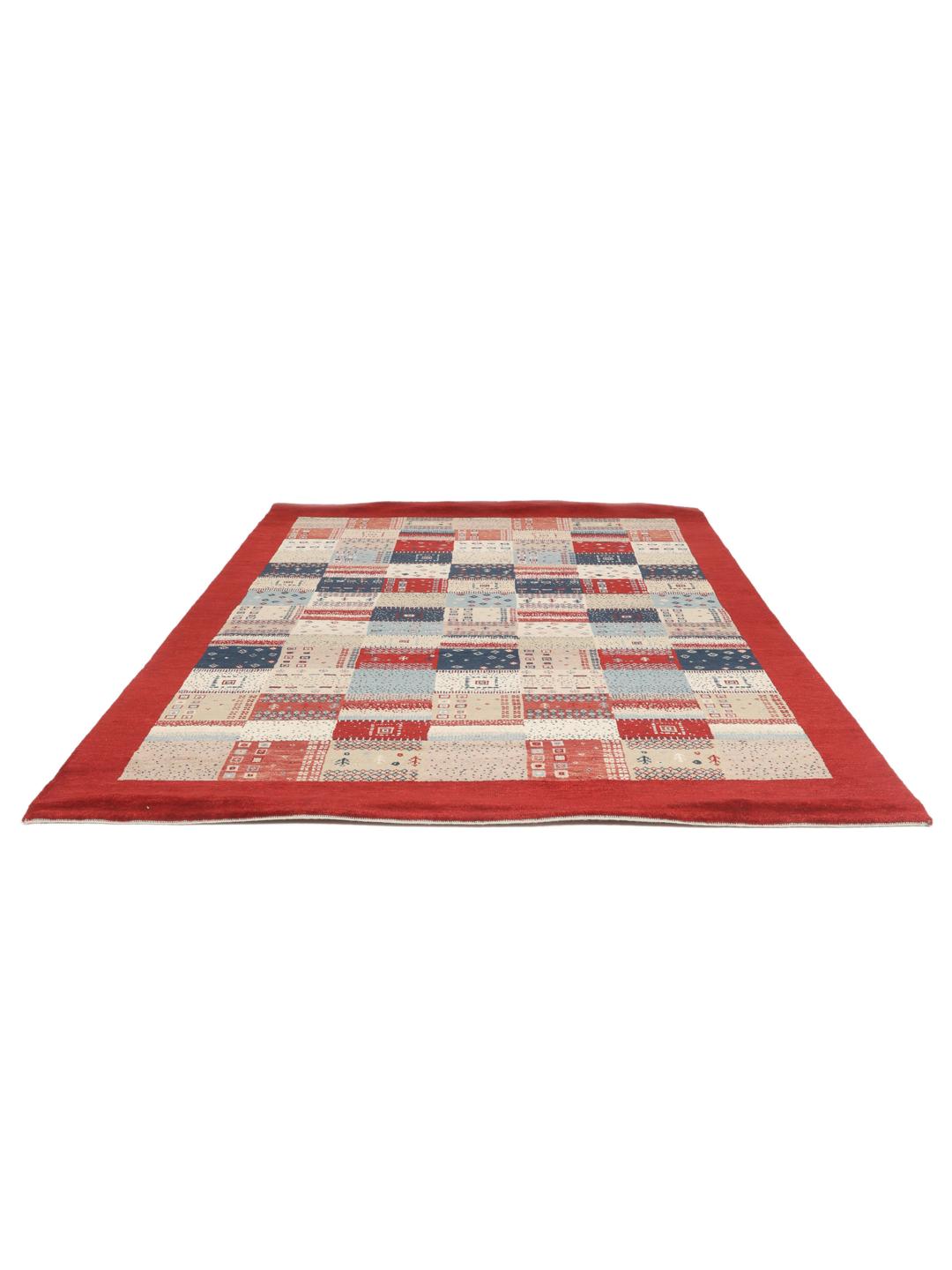
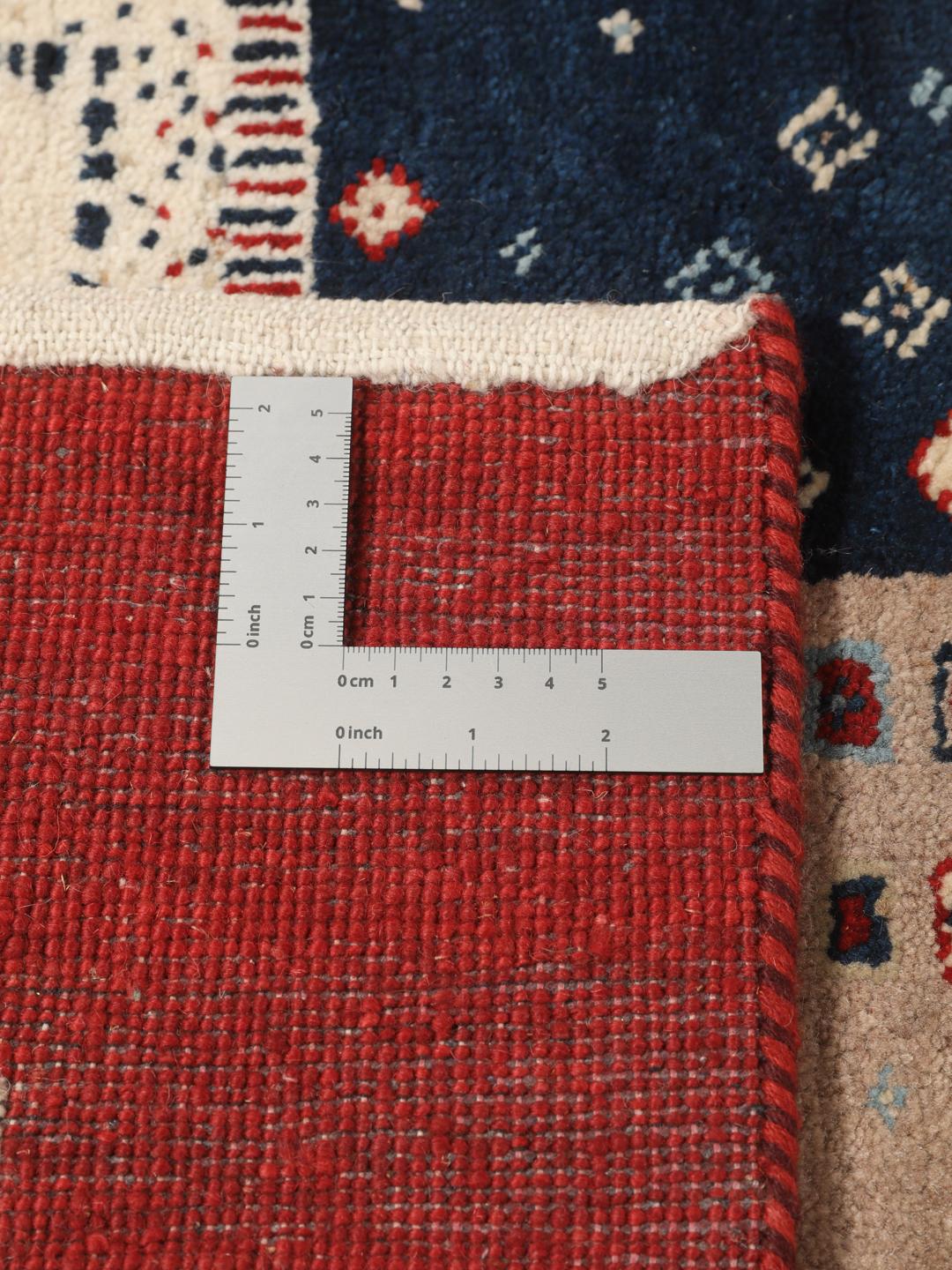
The history of Gabbeh and Loribaft rugs is deeply intertwined with the nomadic traditions of the Middle East, where weavers once created these rugs for their own daily use. Originally designed as thick, protective floor coverings for tents, these rugs were highly valued for their warmth and durability. Over time, these traditions migrated and found a new home in India, where the techniques were preserved and evolved into the sophisticated, high-quality pieces we admire today.
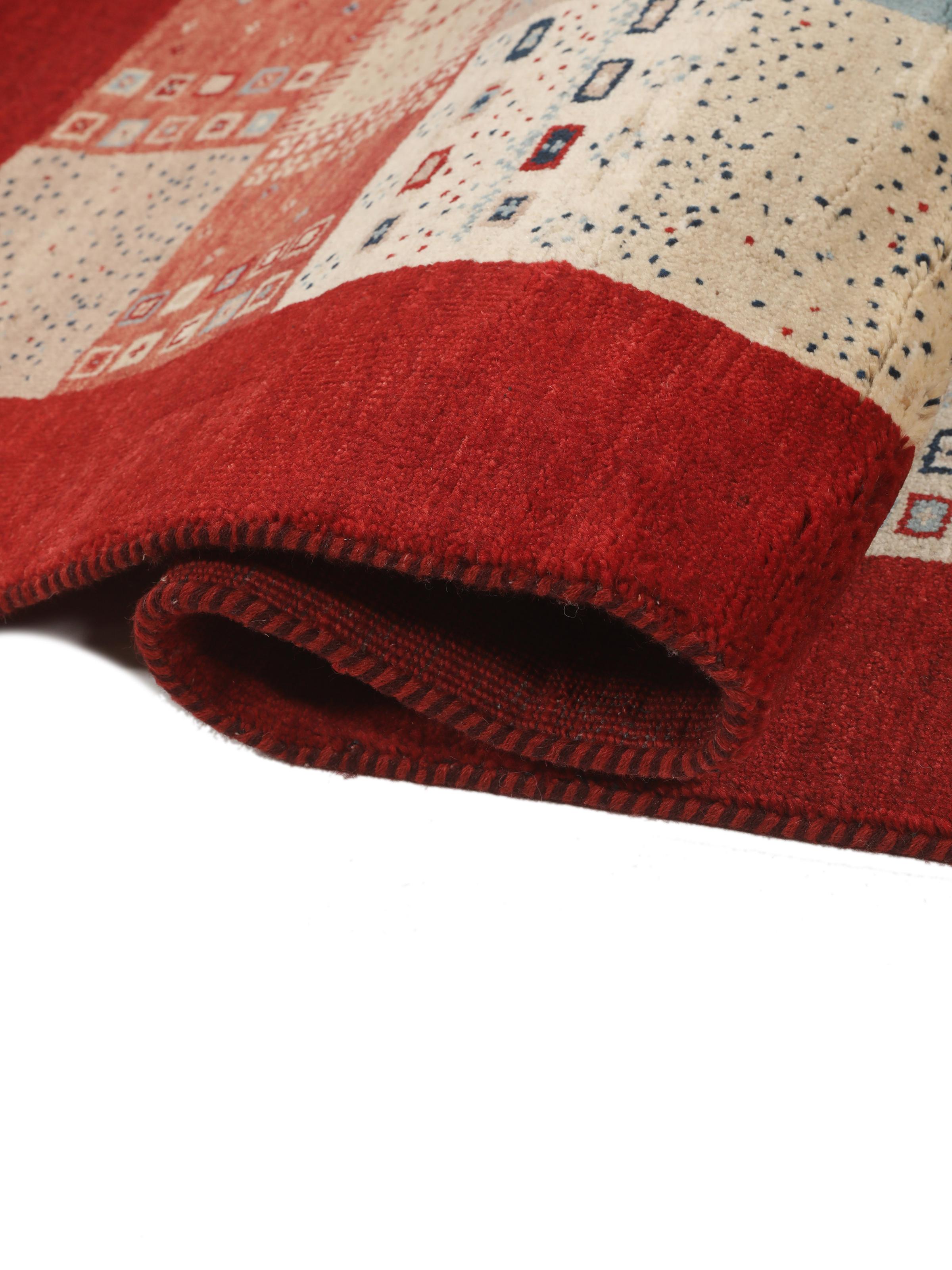
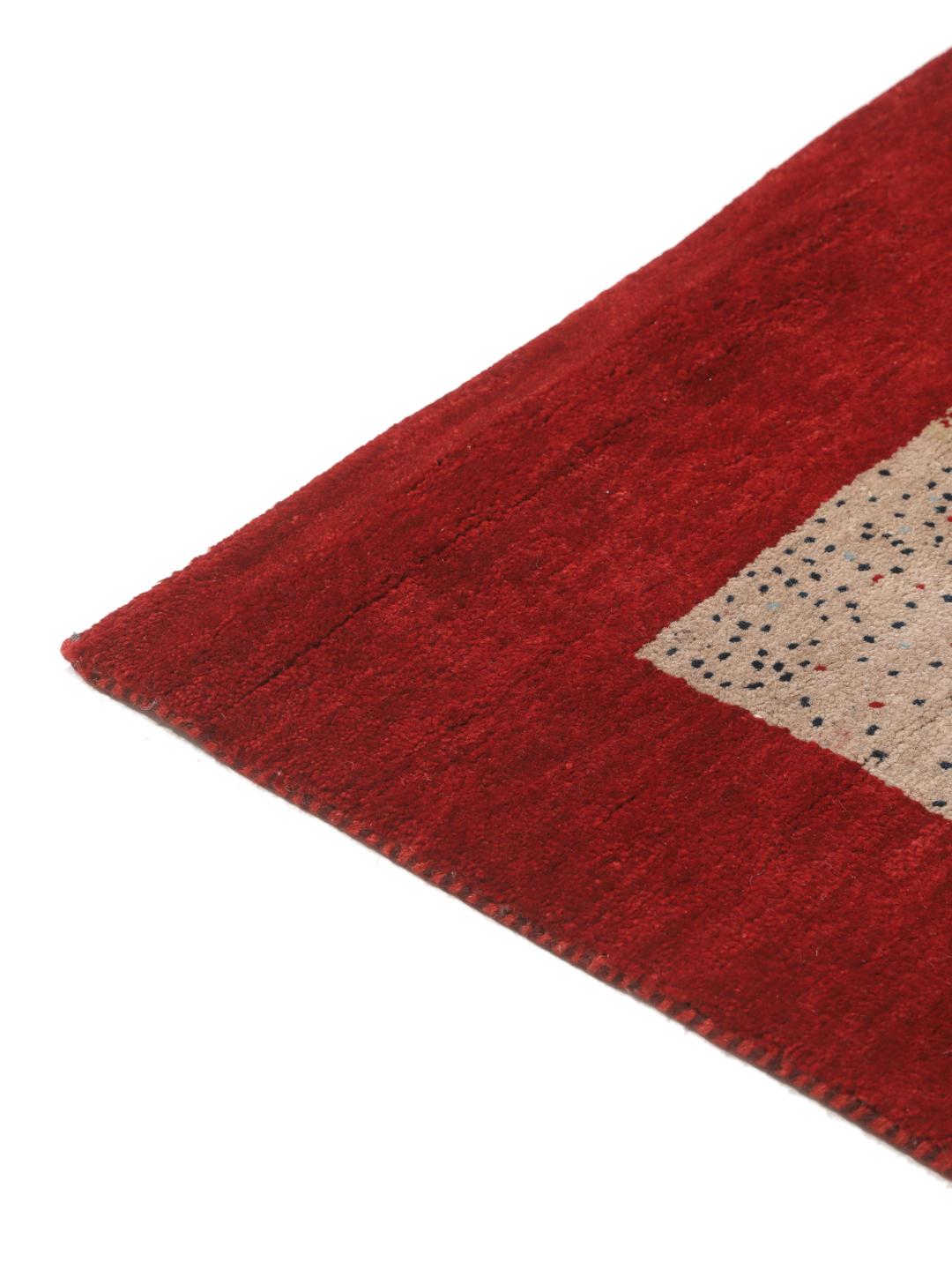
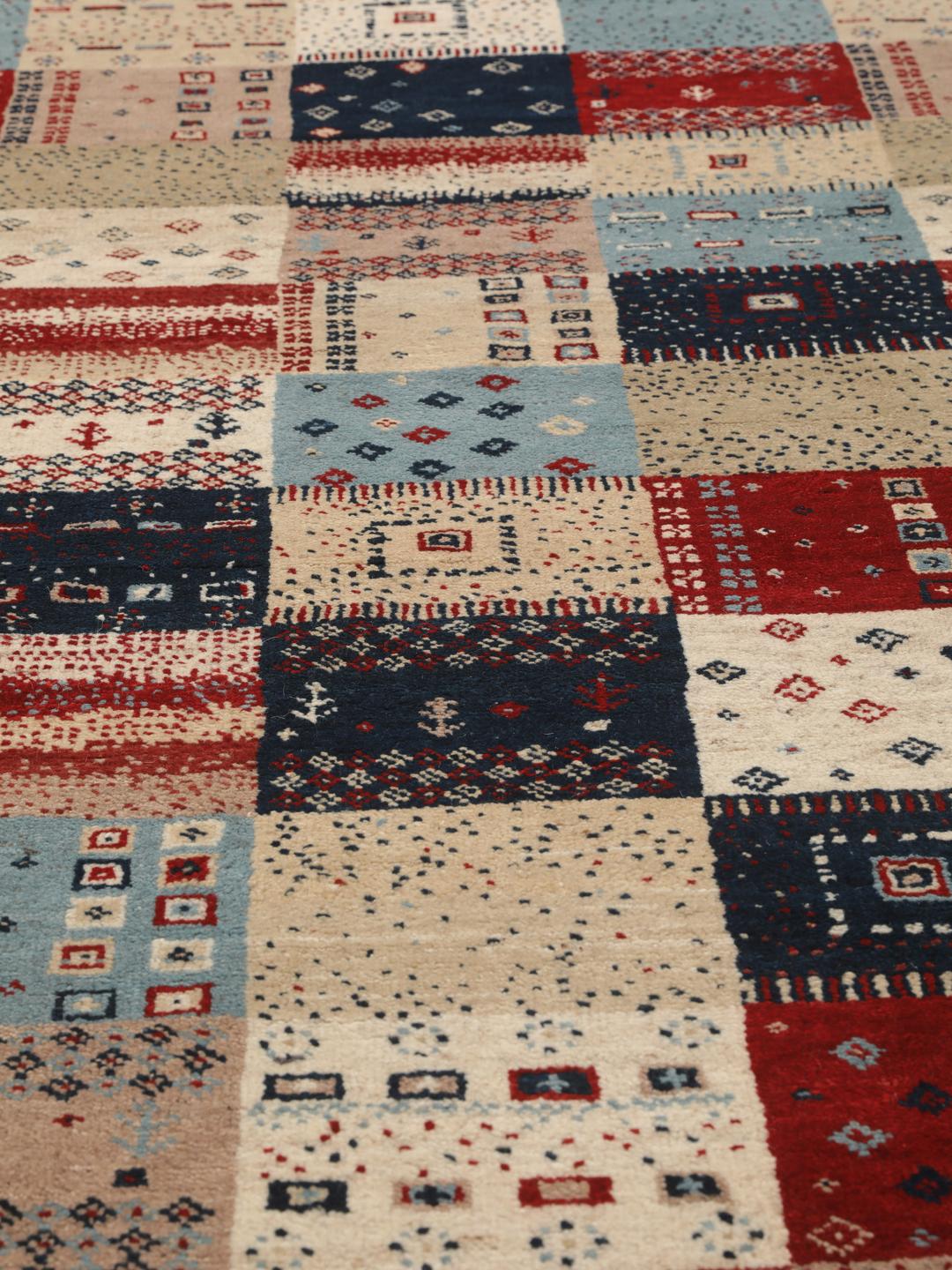
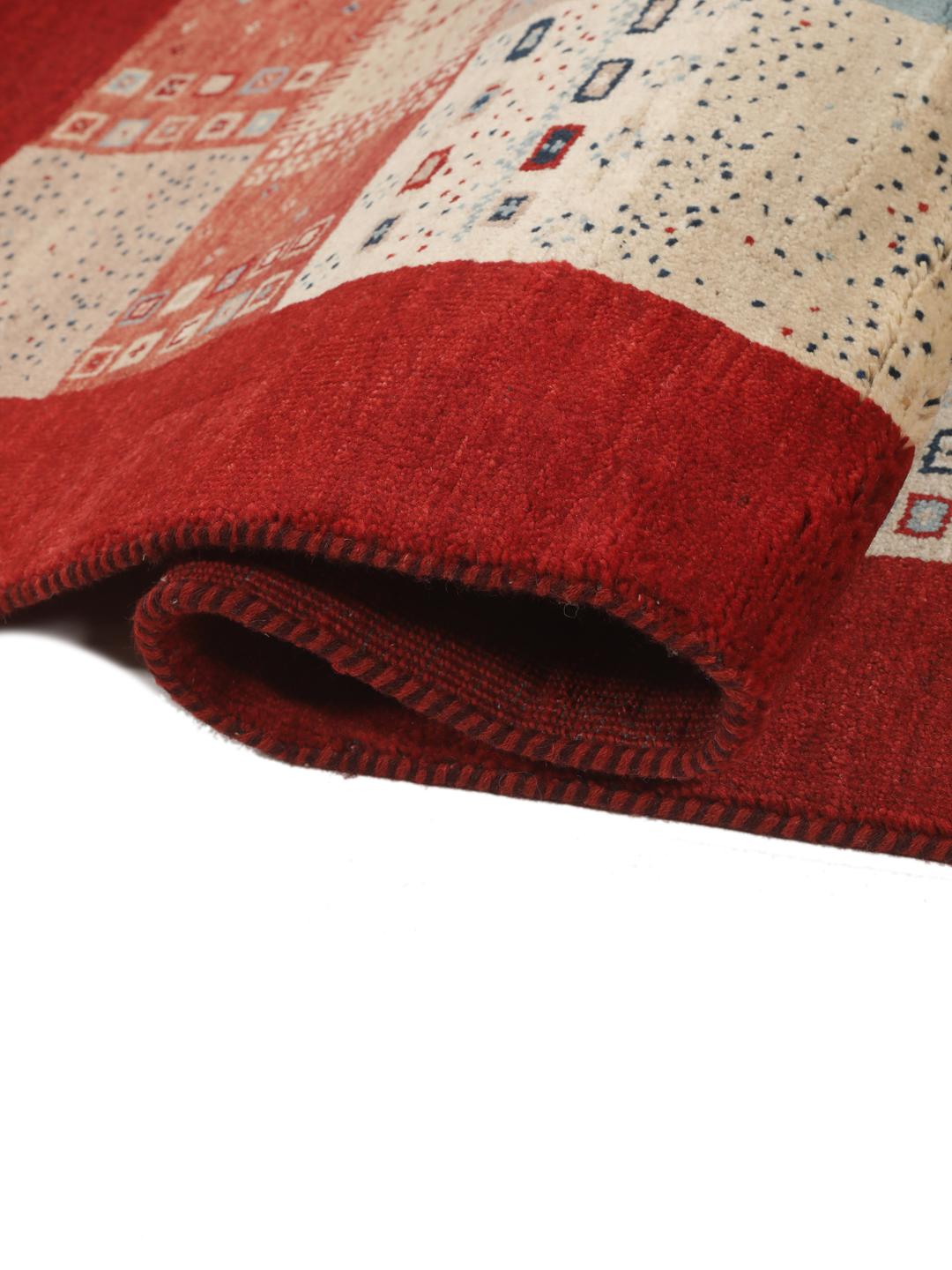
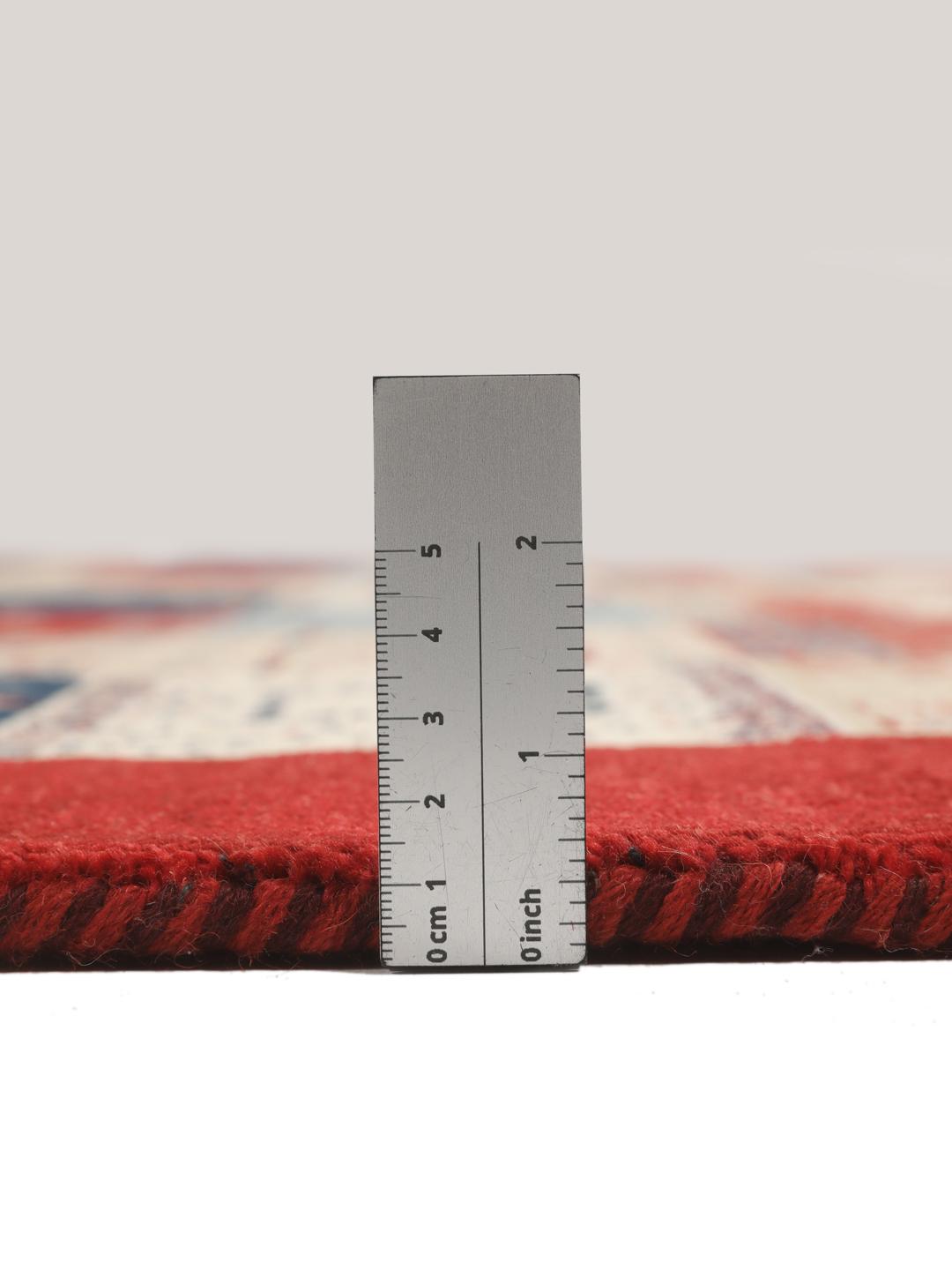
The term Loribaft refers to a specific, refined style of Gabbeh weaving characterised by a higher density of knots compared to traditional, more rustic tribal rugs. This evolution in craft allows for more detailed patterns and a more polished finish while maintaining the spontaneous, creative spirit of the original weaving style. It represents a bridge between ancient utilitarian craft and modern decorative art, where quality and aesthetic appeal are given equal importance.
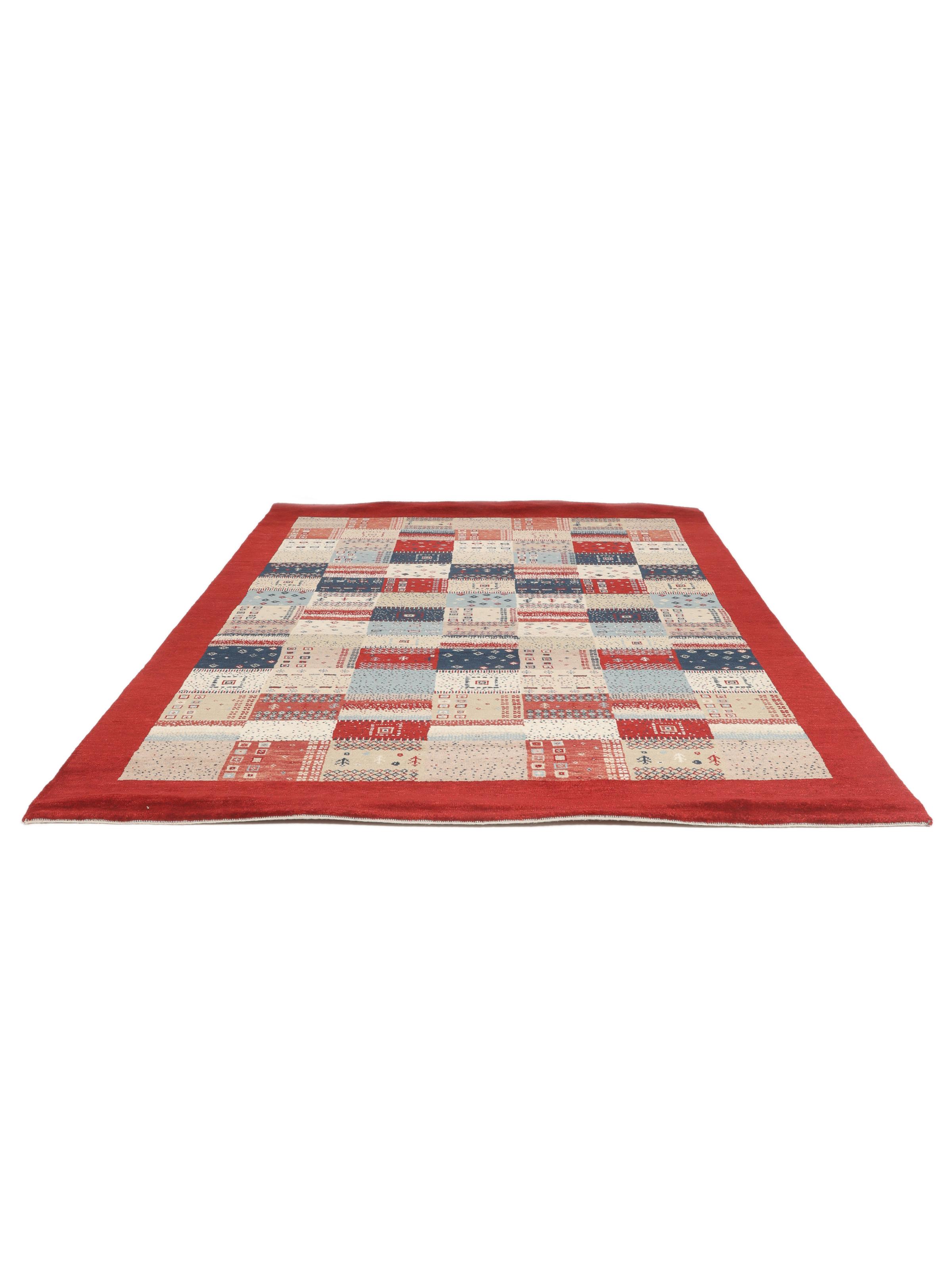
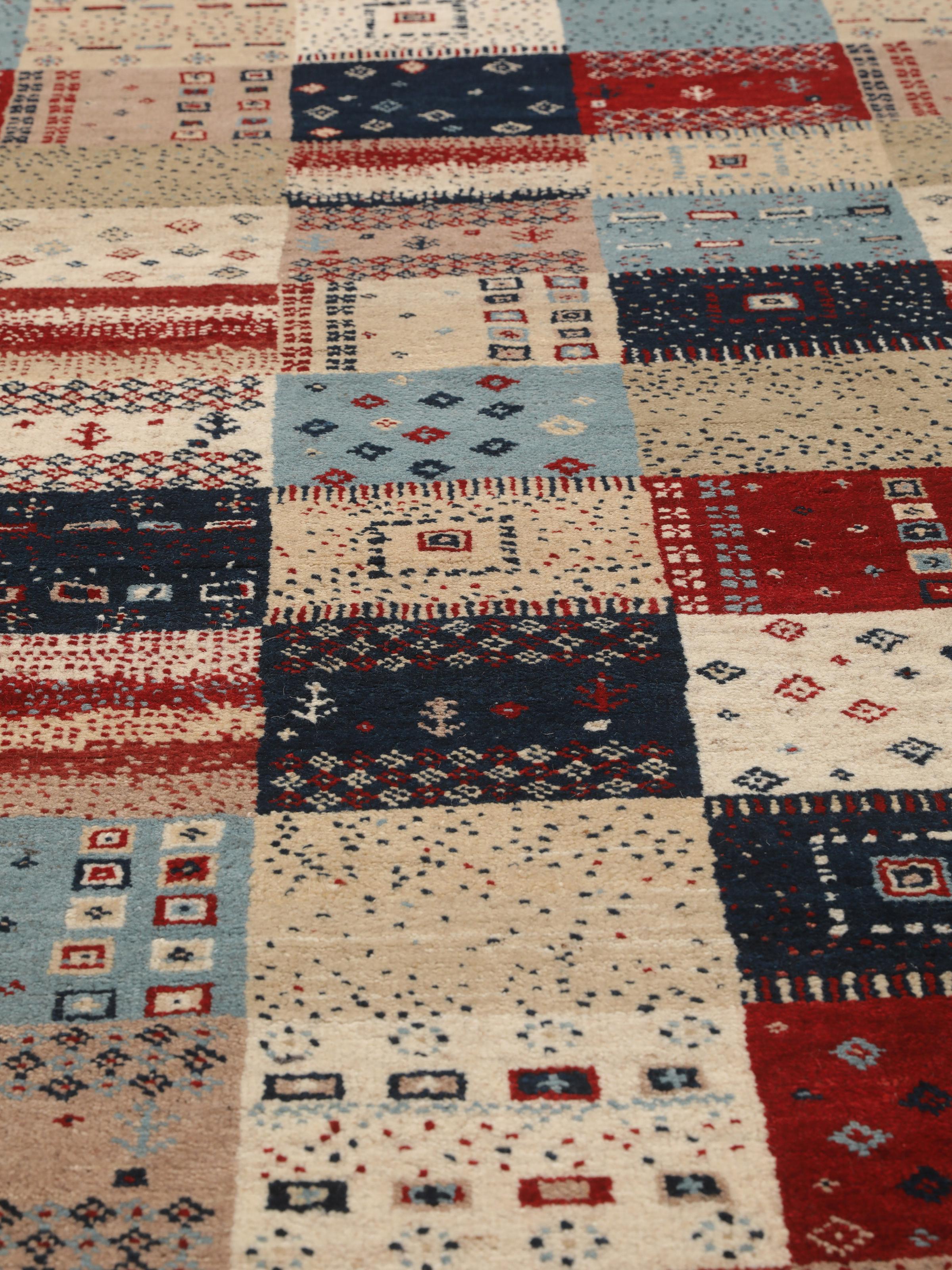
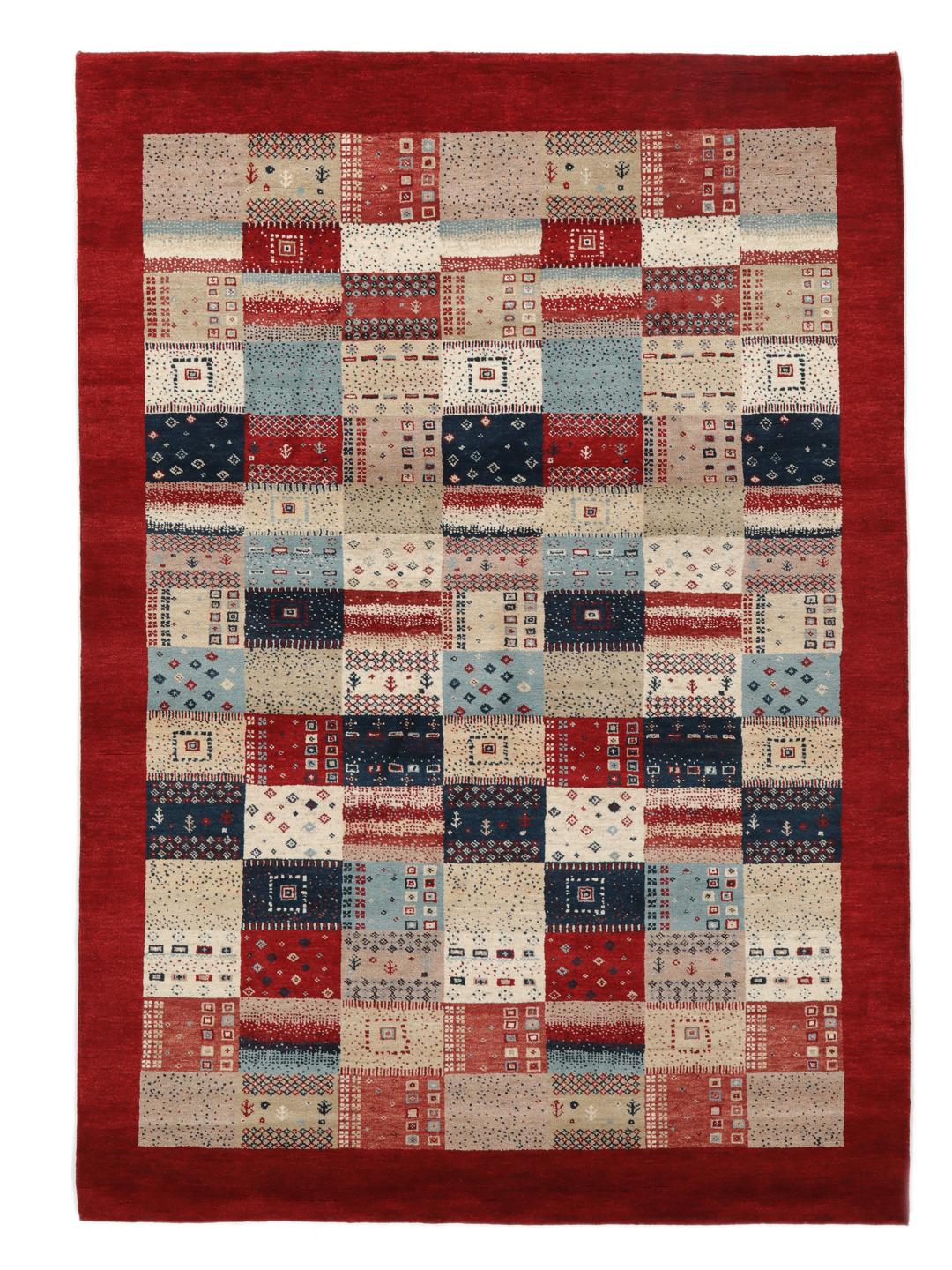
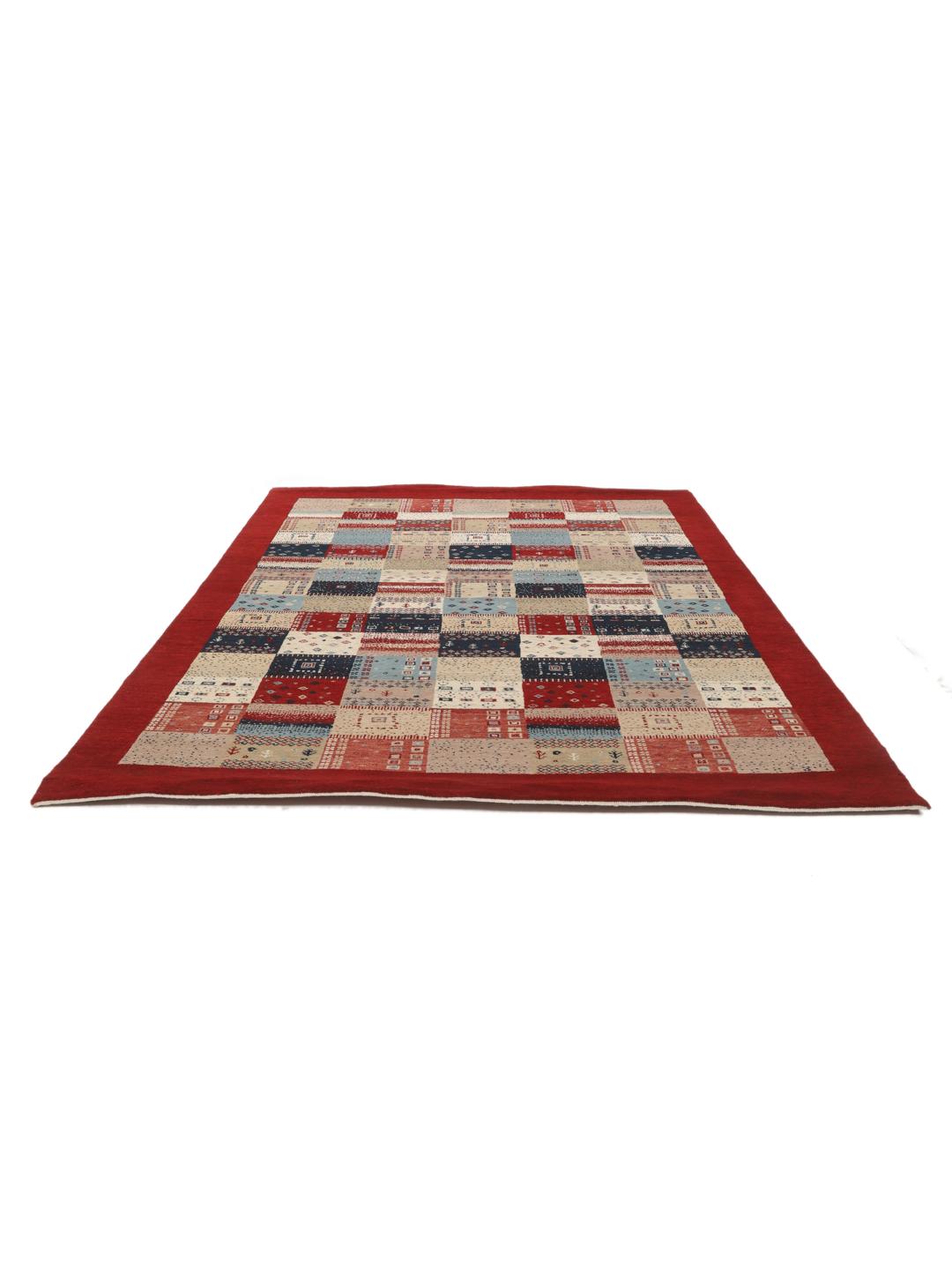
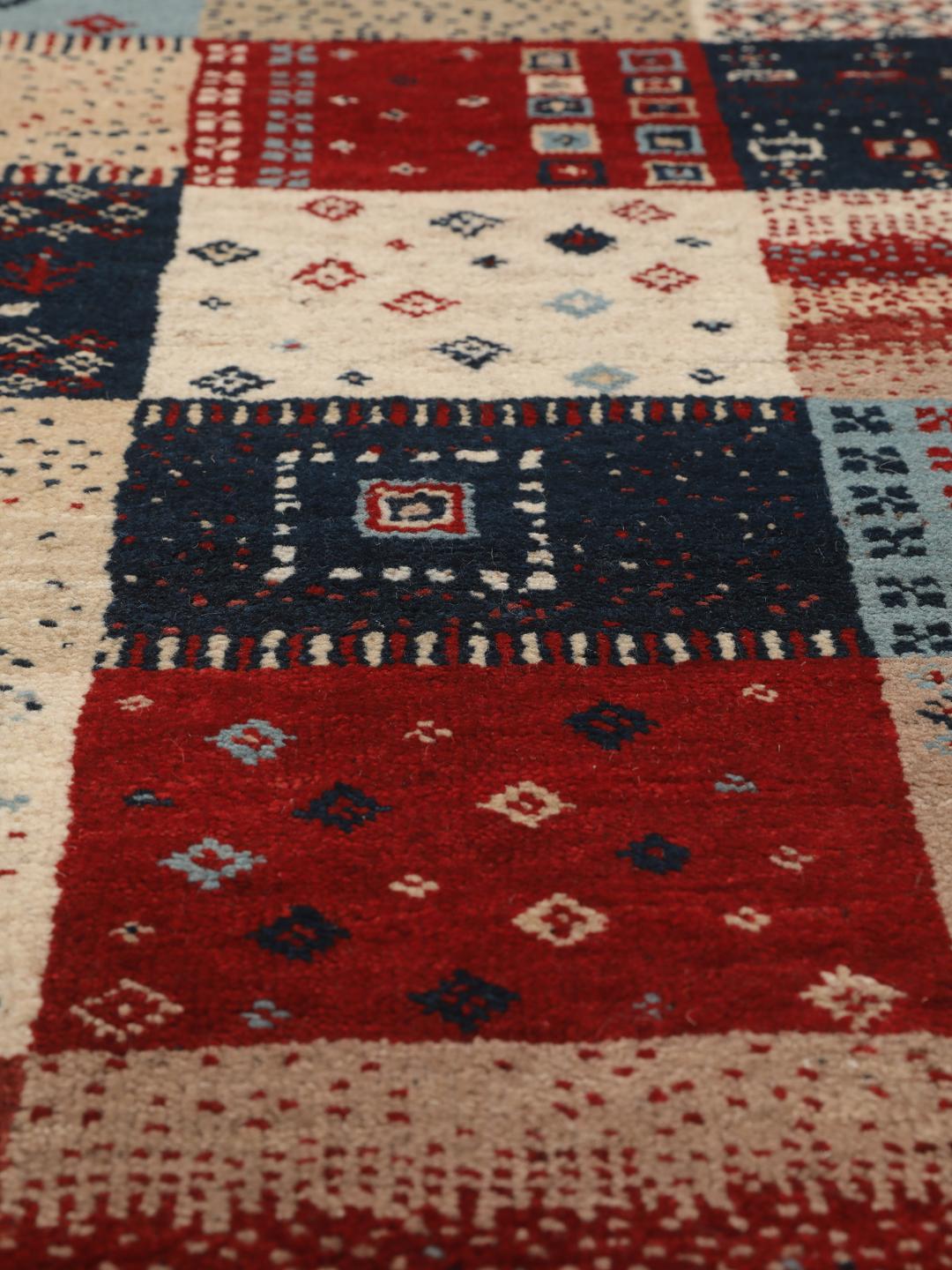
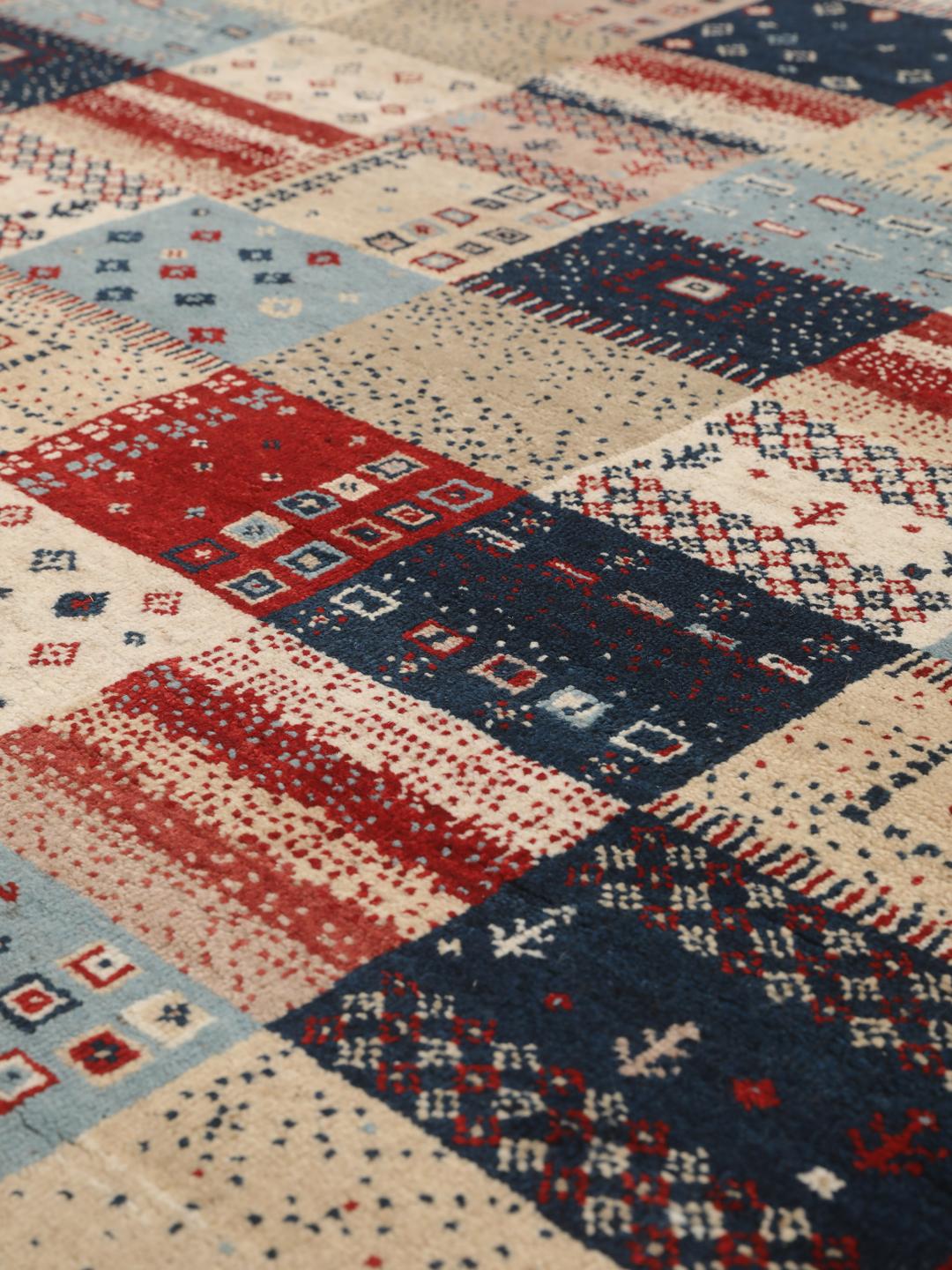
Visually, these rugs are known for their bold, often whimsical use of colour and geometric storytelling. While traditional tribal rugs might focus on specific tribal symbols, the Loribaft style often utilises a mosaic or patchwork approach, filling the field with a variety of small, repeating motifs like diamonds, squares, and abstract shapes. This rug features a particularly striking layout that balances these playful designs with a sophisticated, unified colour scheme, making it a standout example of the genre.
Today, these rugs are prized by collectors and homeowners alike for their authenticity and the human skill required to produce them. Owning a Loribaft is a way to connect with a long-standing heritage of craftsmanship that values the artisan's vision over factory precision. It is a piece that carries the weight of history in every thread, designed not just to cover a floor, but to add soul and character to a home.