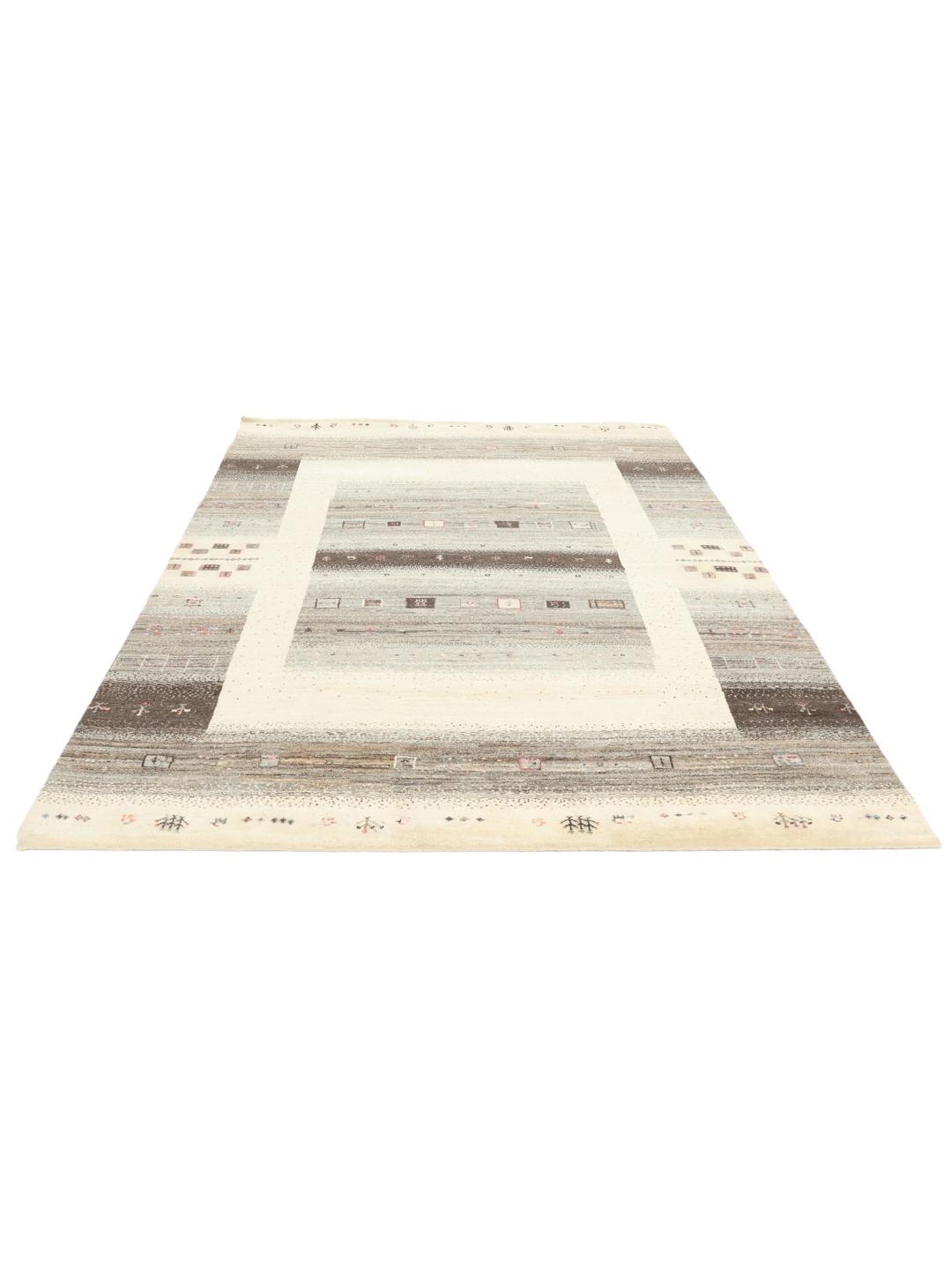
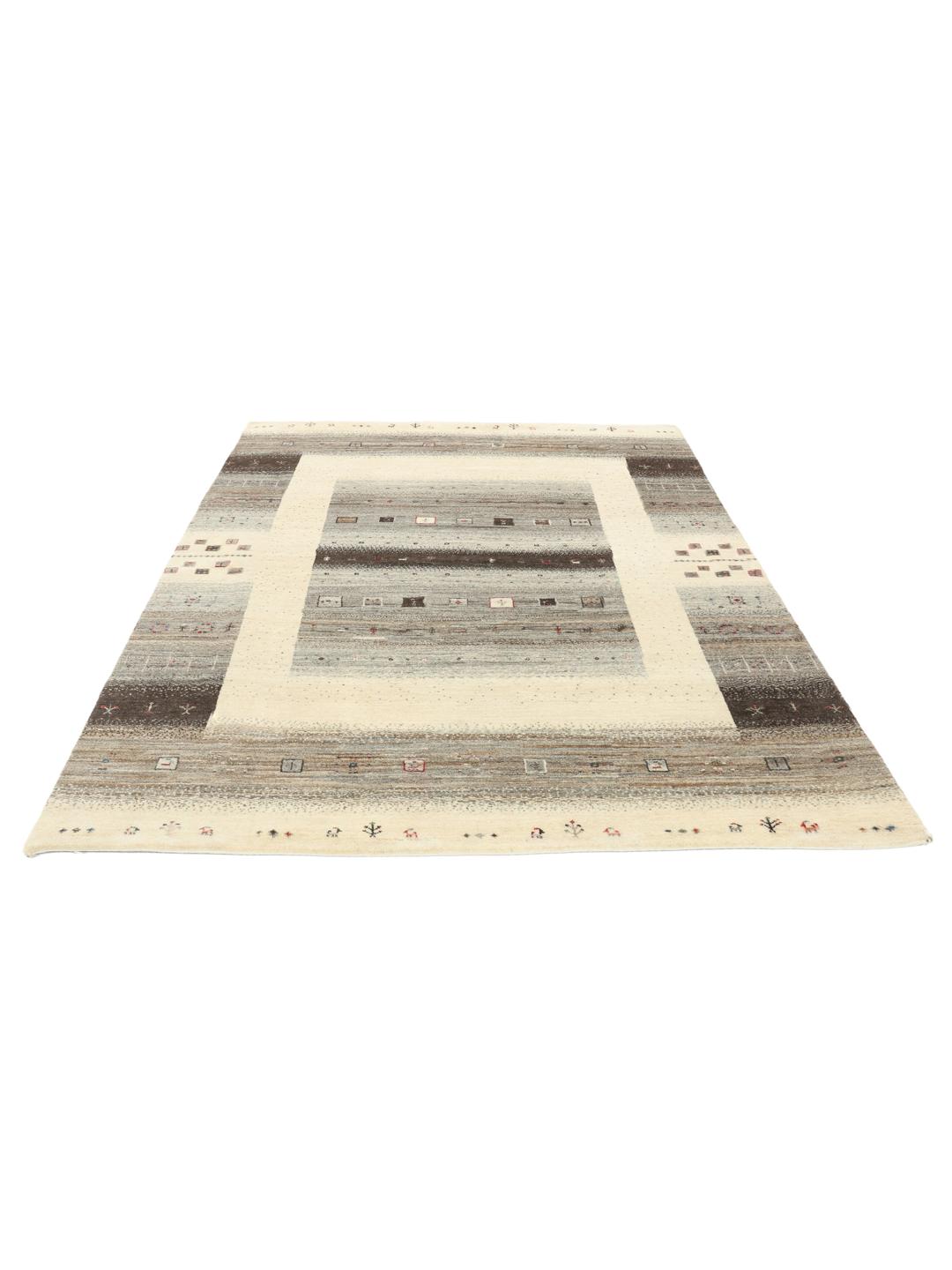
The Gabbeh tradition finds its roots in the nomadic cultures of the Middle East, where weavers created these rugs primarily for their own domestic use. Historically, these pieces were known for their thicker, coarser pile and more abstract, spontaneous designs compared to the formal carpets found in urban workshops. Over time, this style has evolved, with talented weavers in India now carrying on the legacy by blending traditional techniques with modern aesthetic sensibilities.
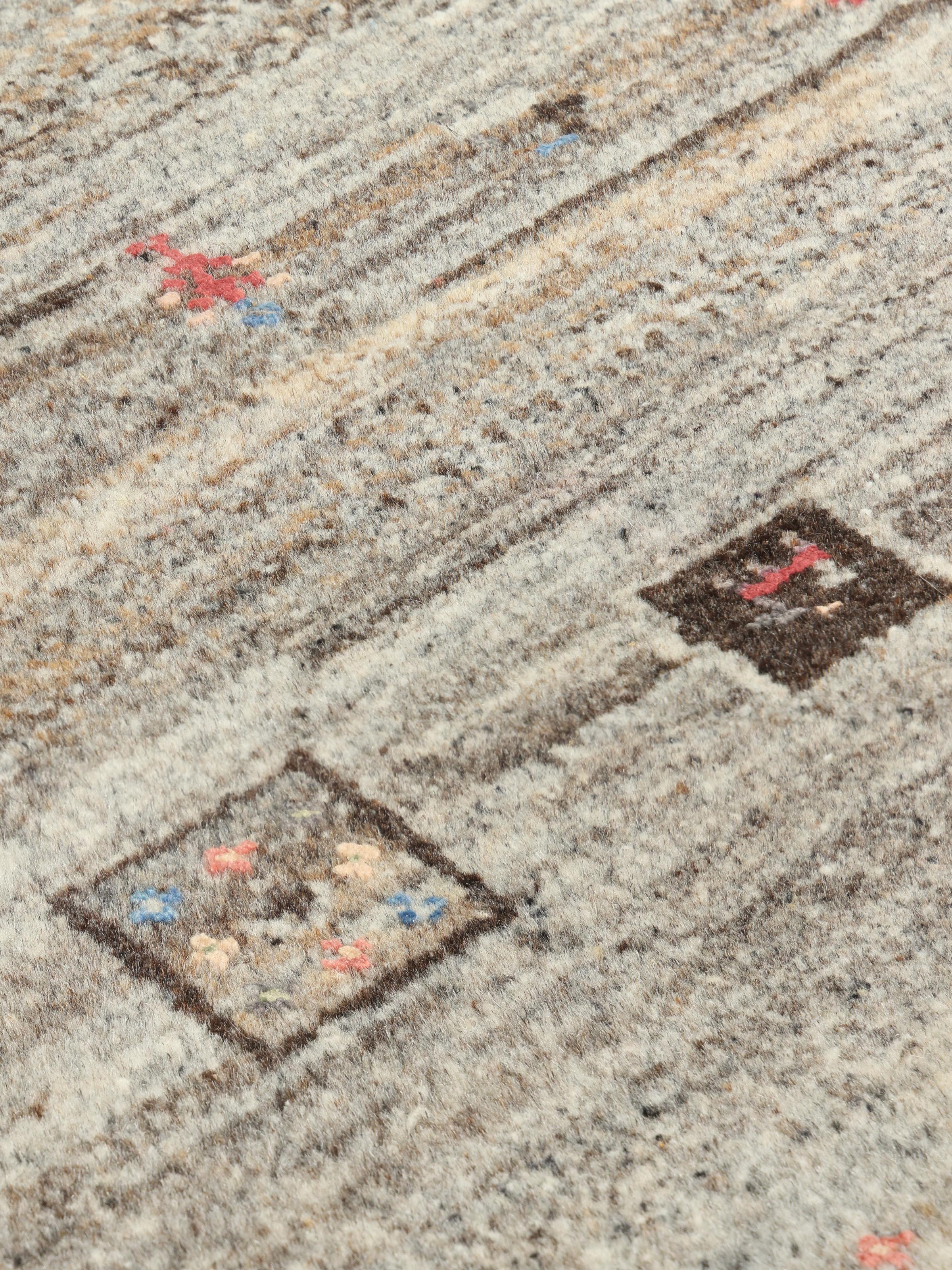
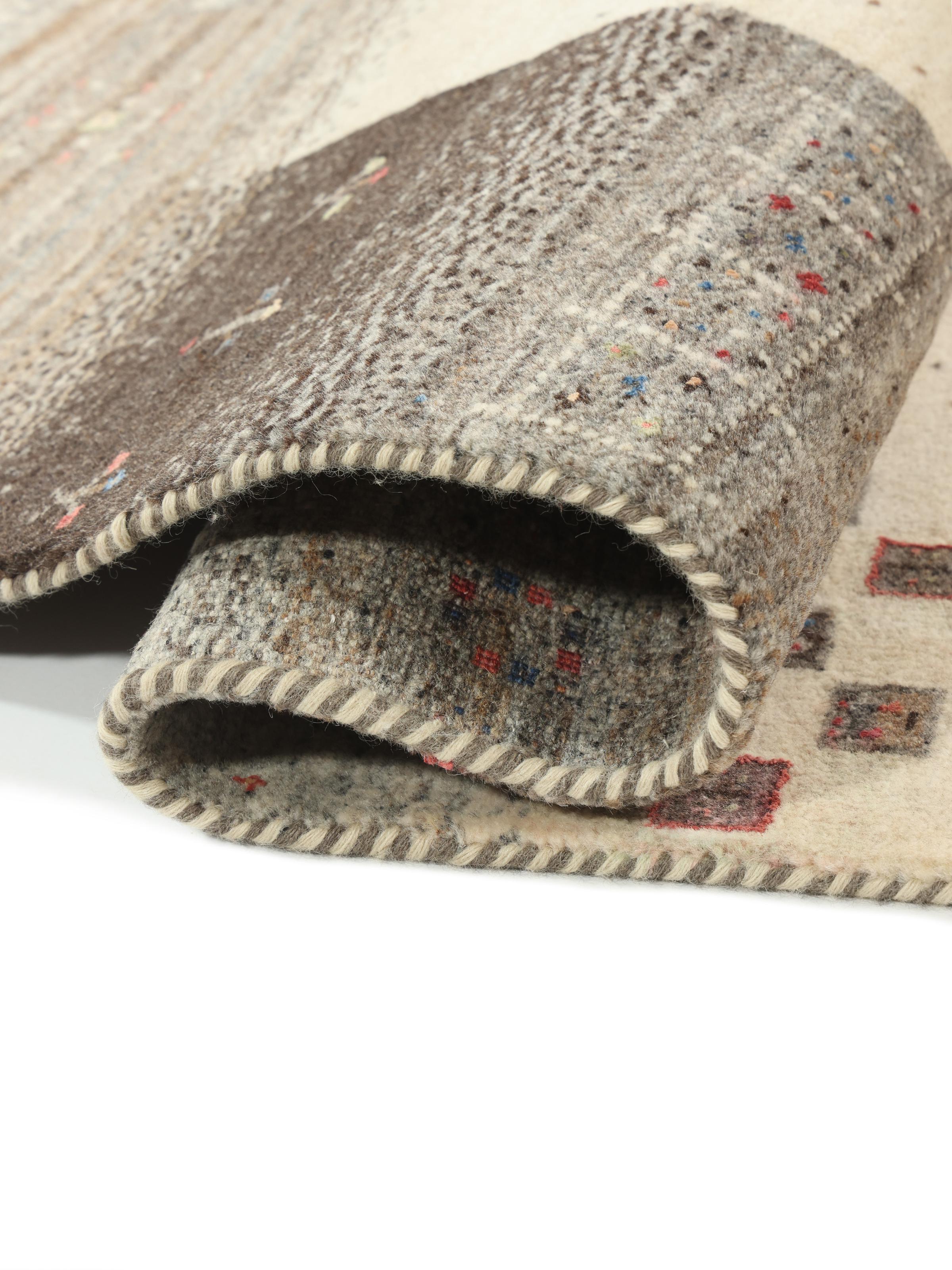
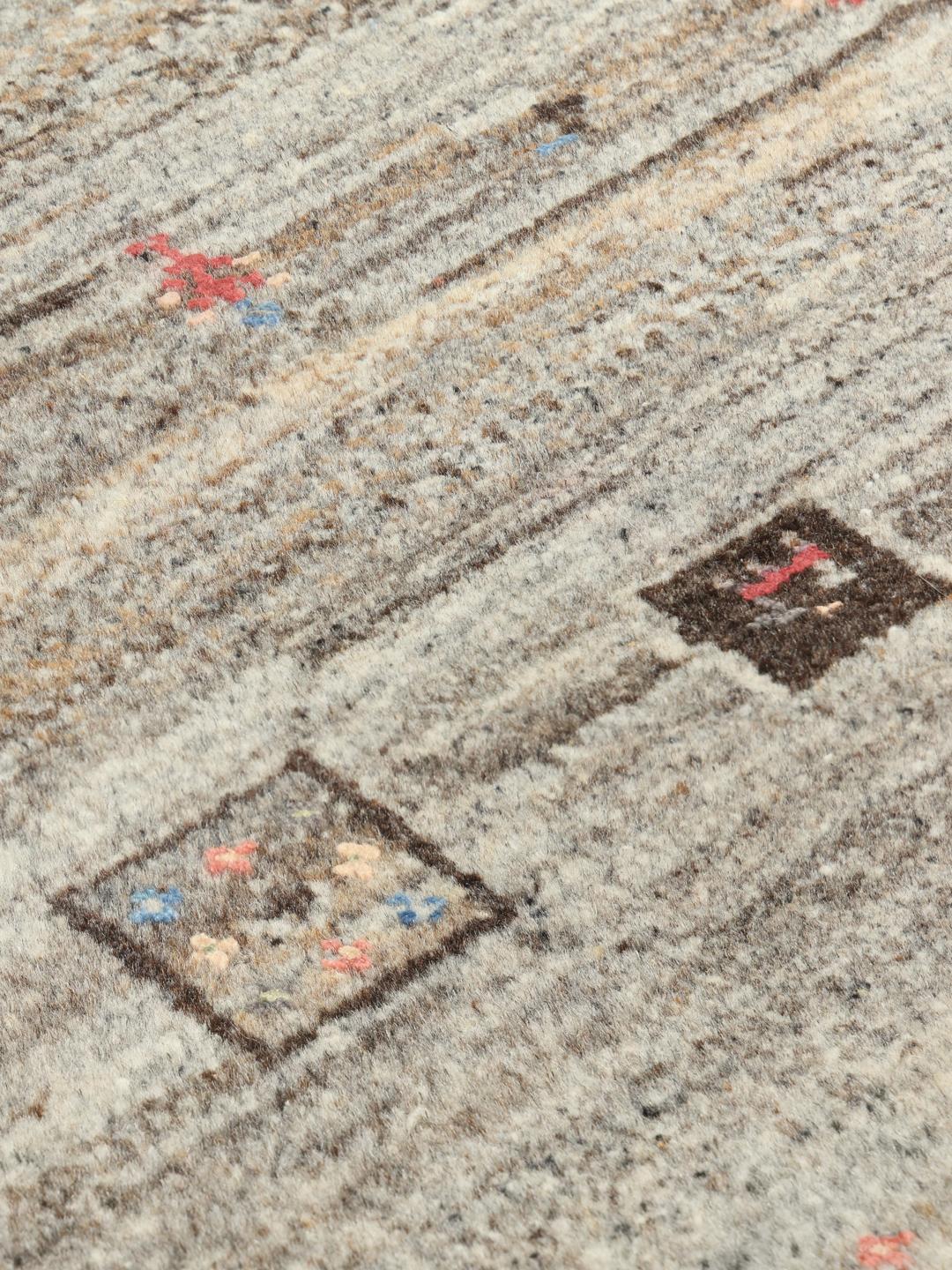
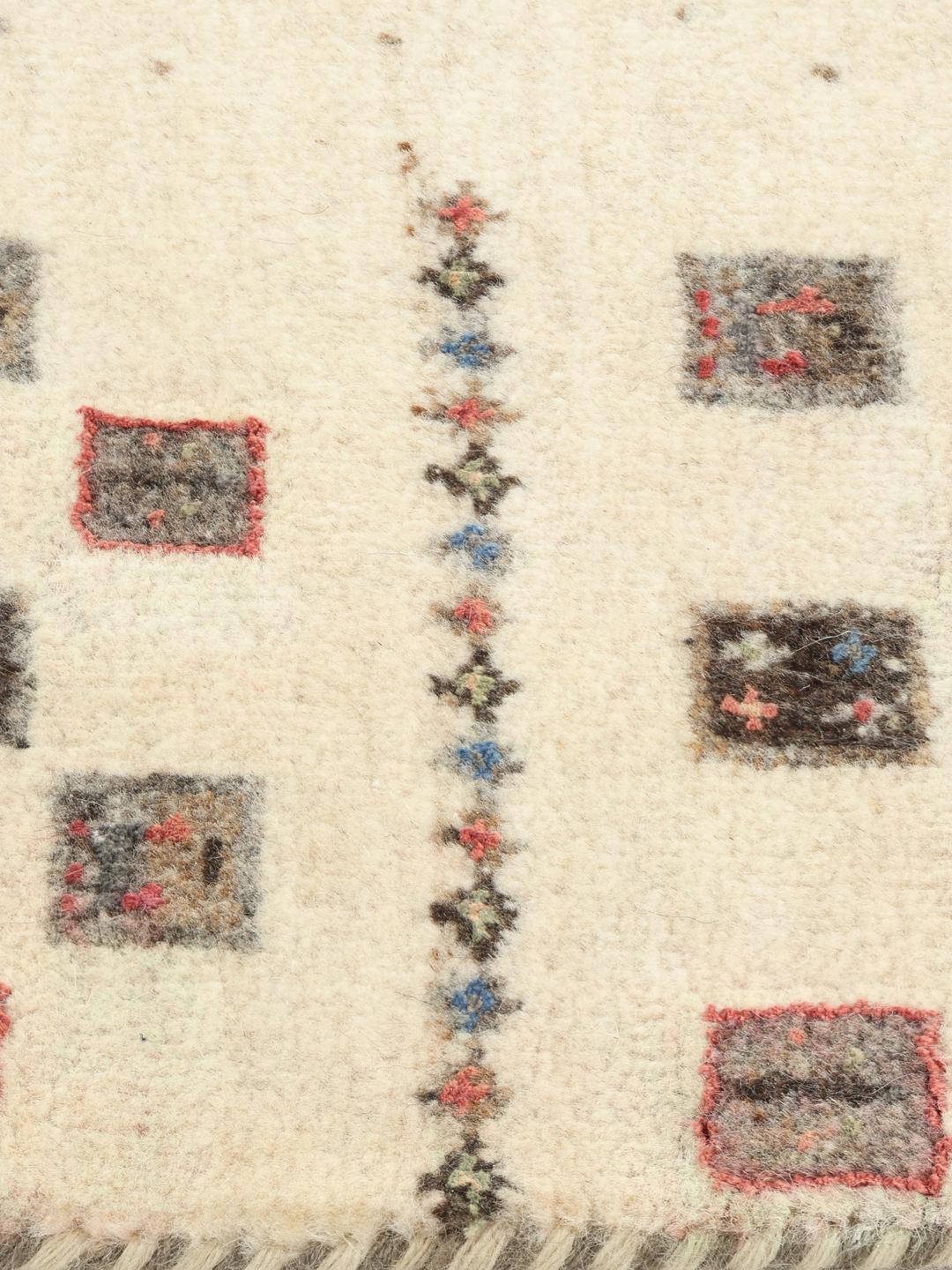
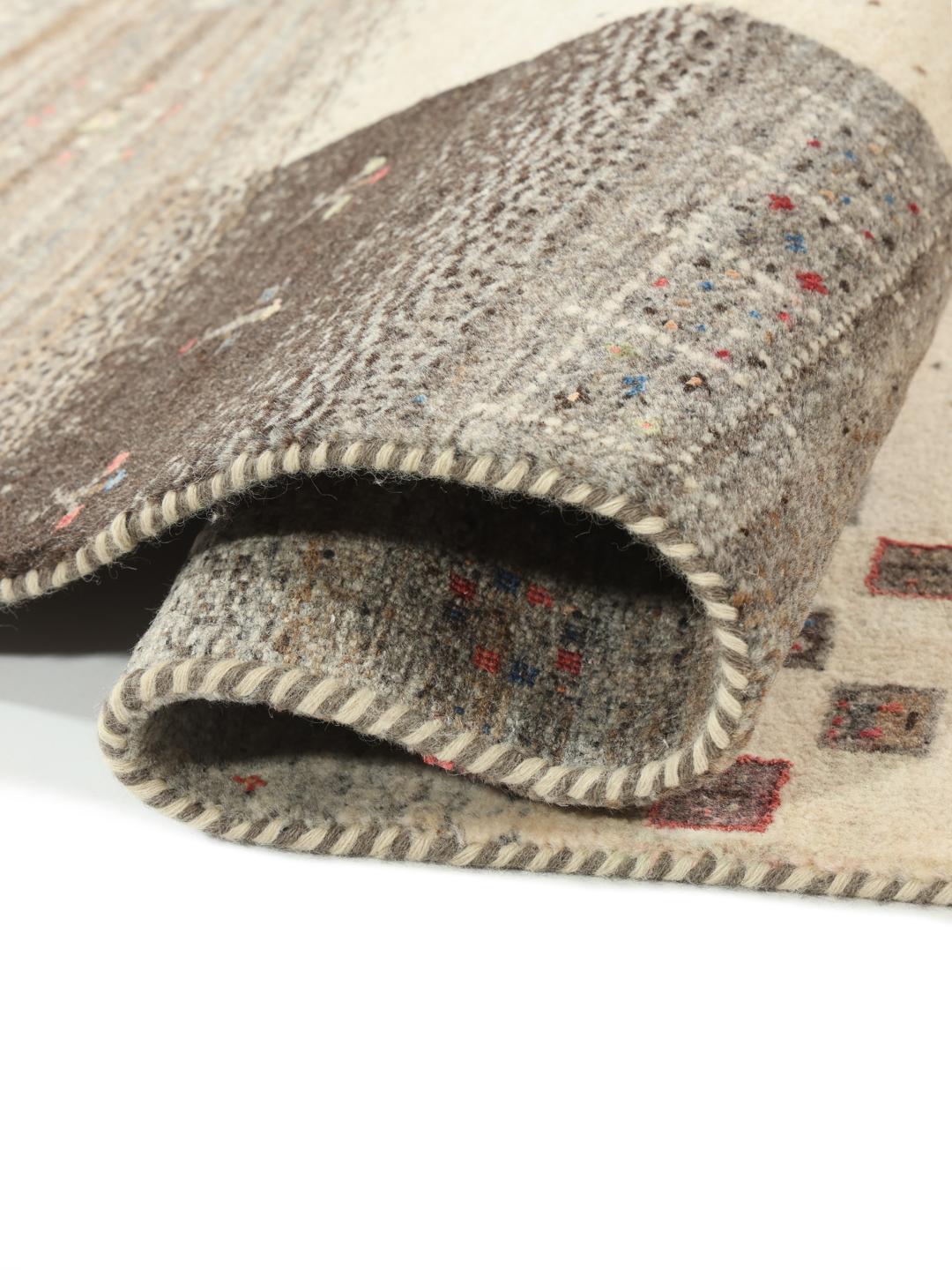
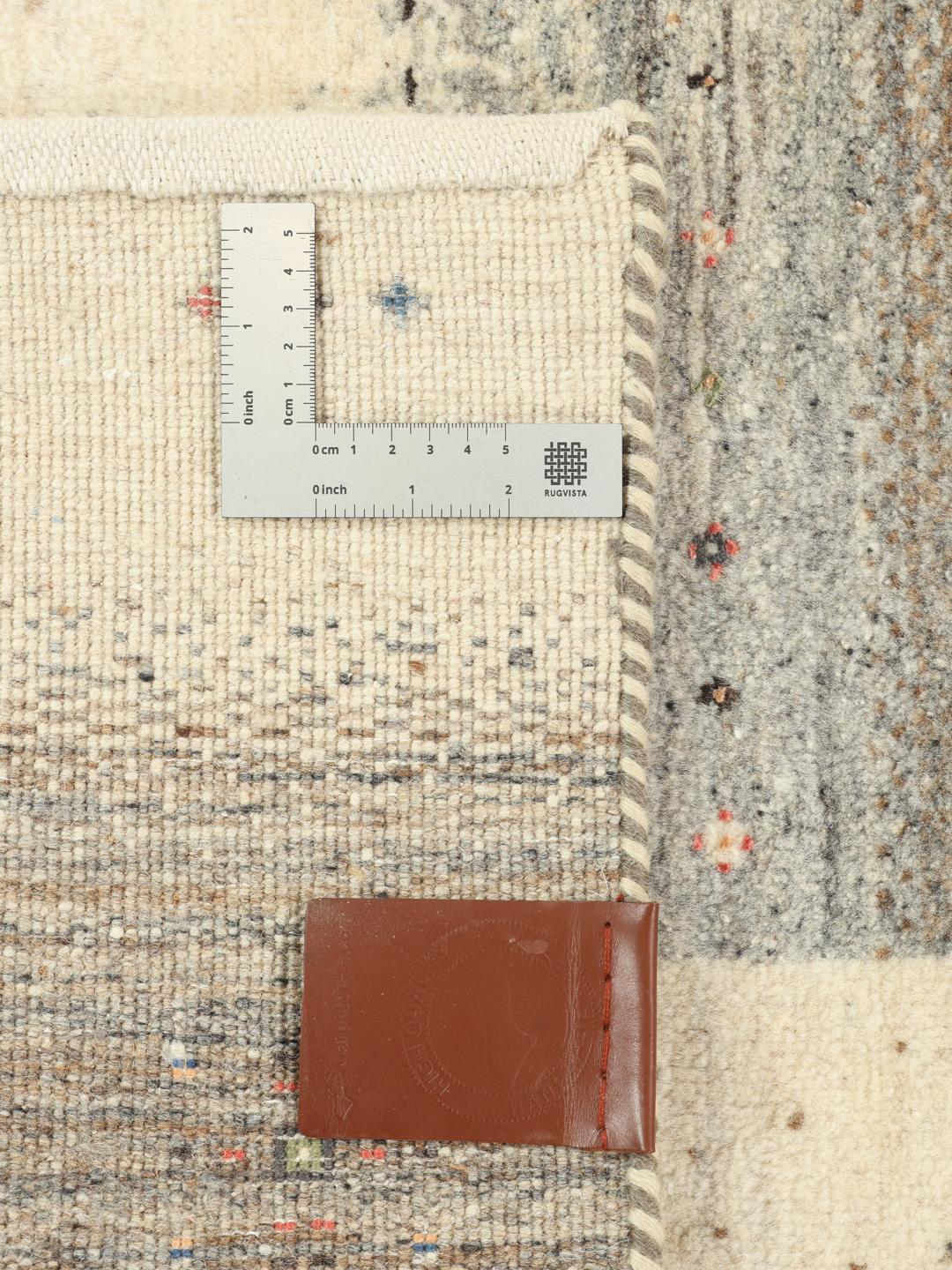
The term Loribaft refers to a specific style of Gabbeh that is celebrated for its finer knot density compared to standard Gabbeh rugs. This increased density allows for more refined patterns and a smoother, more luxurious pile. By utilising a 2ply construction or similar high-quality yarn, these rugs achieve a level of durability and lustre that makes them highly prized by those who value both comfort and longevity.
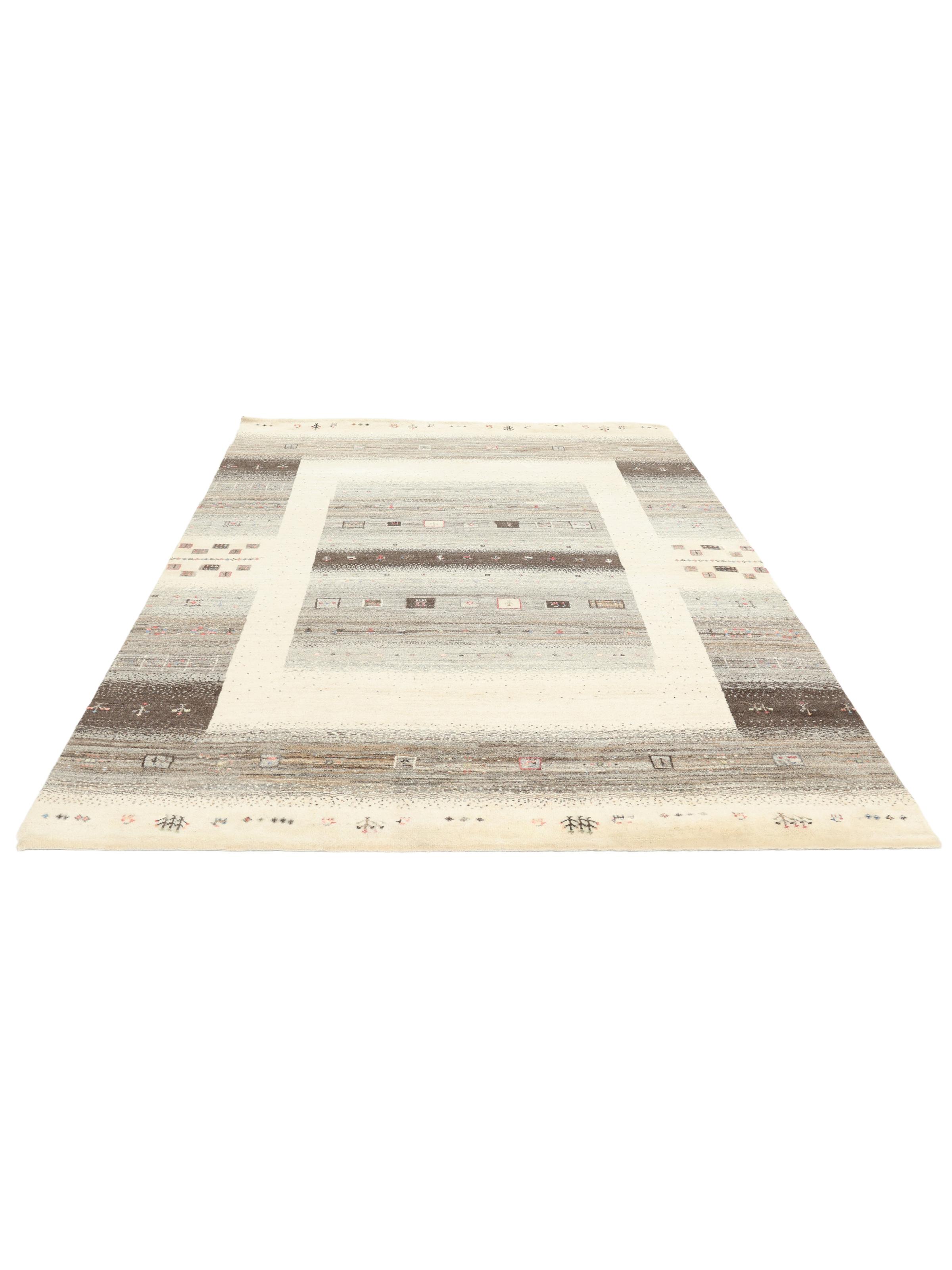
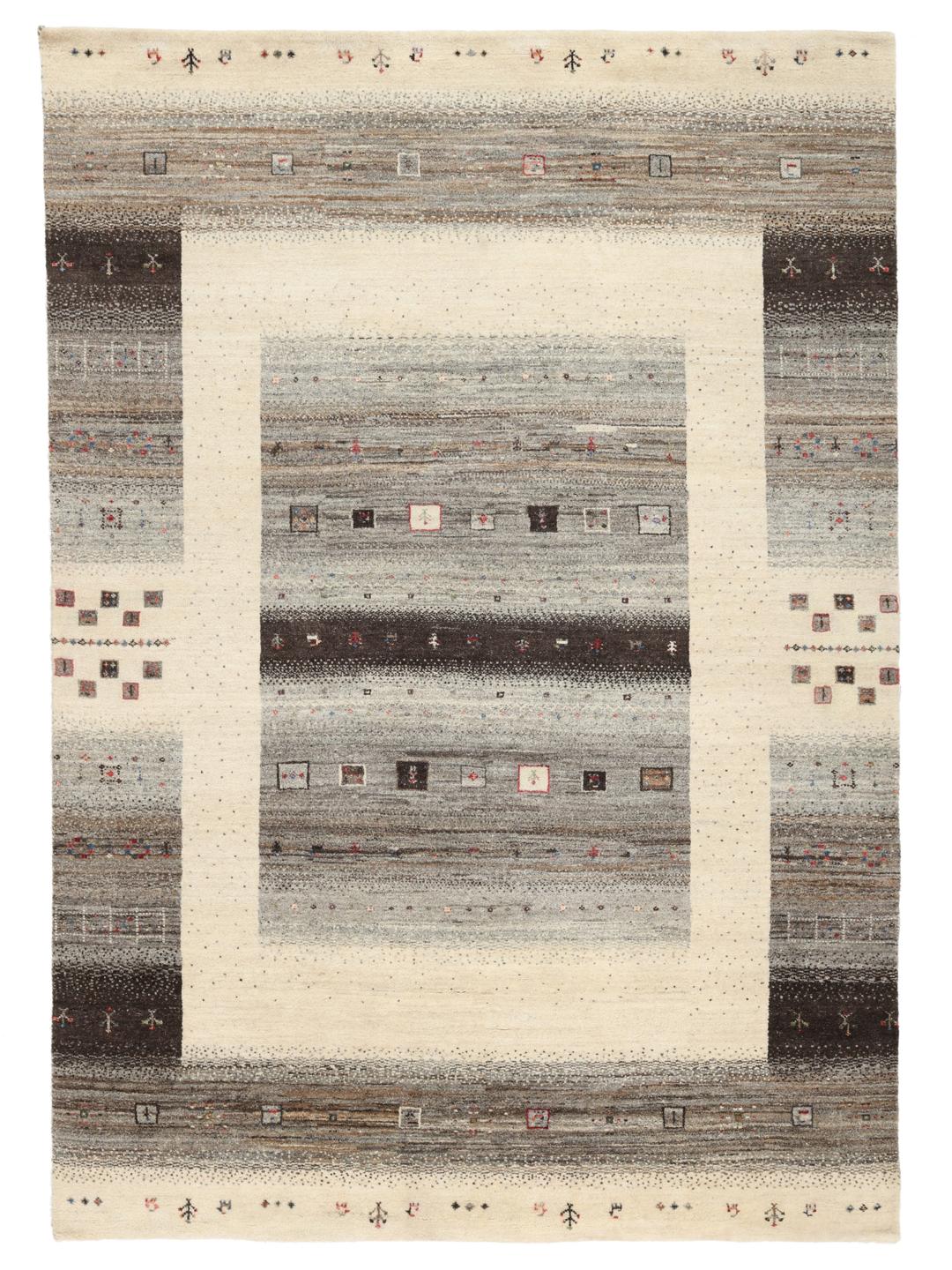
Visually, these rugs are defined by their use of open space and simplified, geometric motifs. While traditional nomadic versions often featured bold, vibrant colours, the modern Loribaft often leans into softer, more earthy palettes. The motifs, often representing elements of nature or daily life, are arranged with a sense of balance that feels both intentional and organic, making them perfect for contemporary homes that crave a natural touch.
Collecting a rug from this tradition is an act of preserving a long-standing craft. These pieces are not just floor coverings but are vessels of cultural expression, representing the skill and vision of the weaver. Owning a Loribaft means bringing a piece of this rich heritage into your own living space, enjoying the lasting quality that only genuine, hand-crafted work can provide.