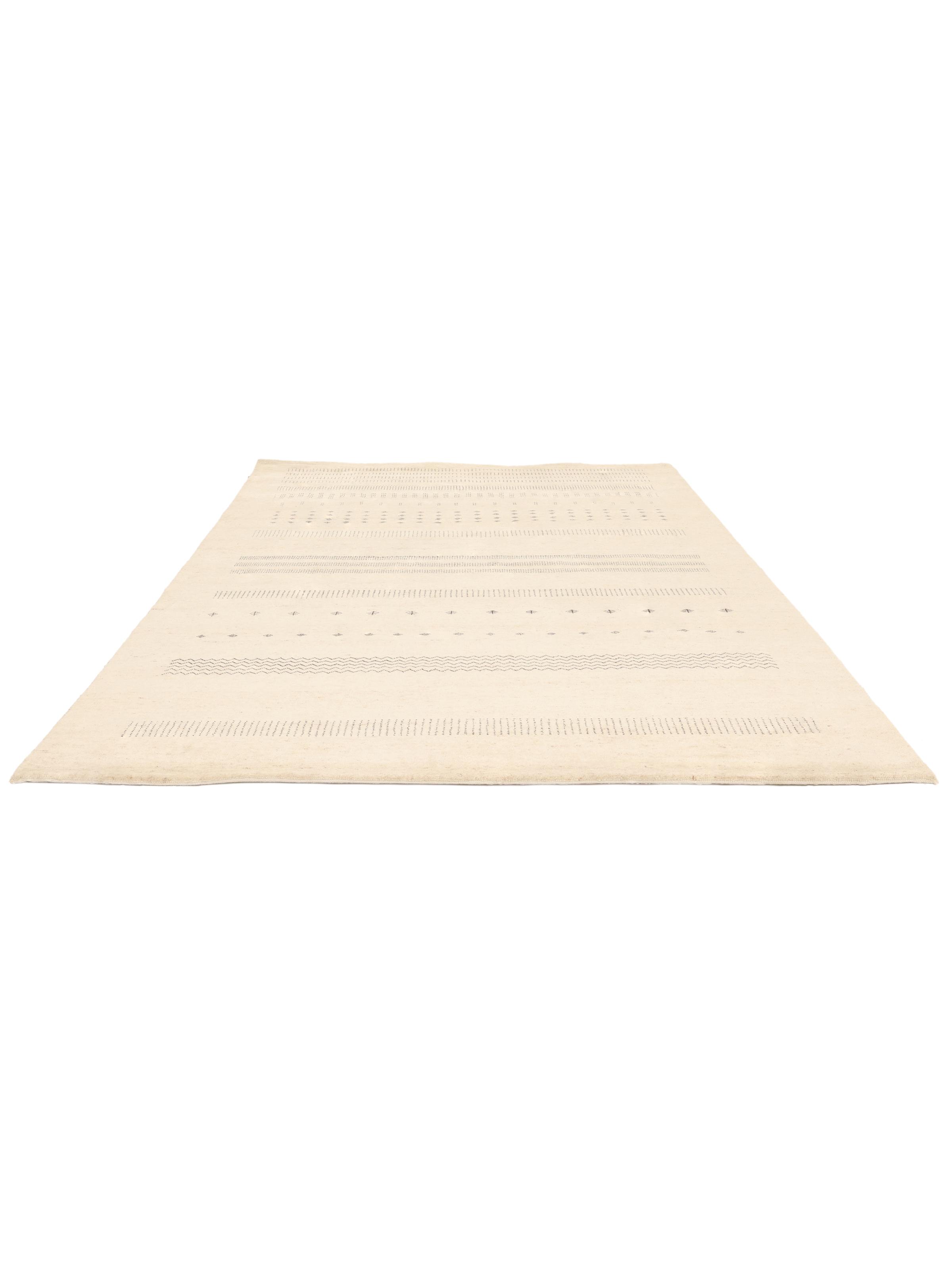
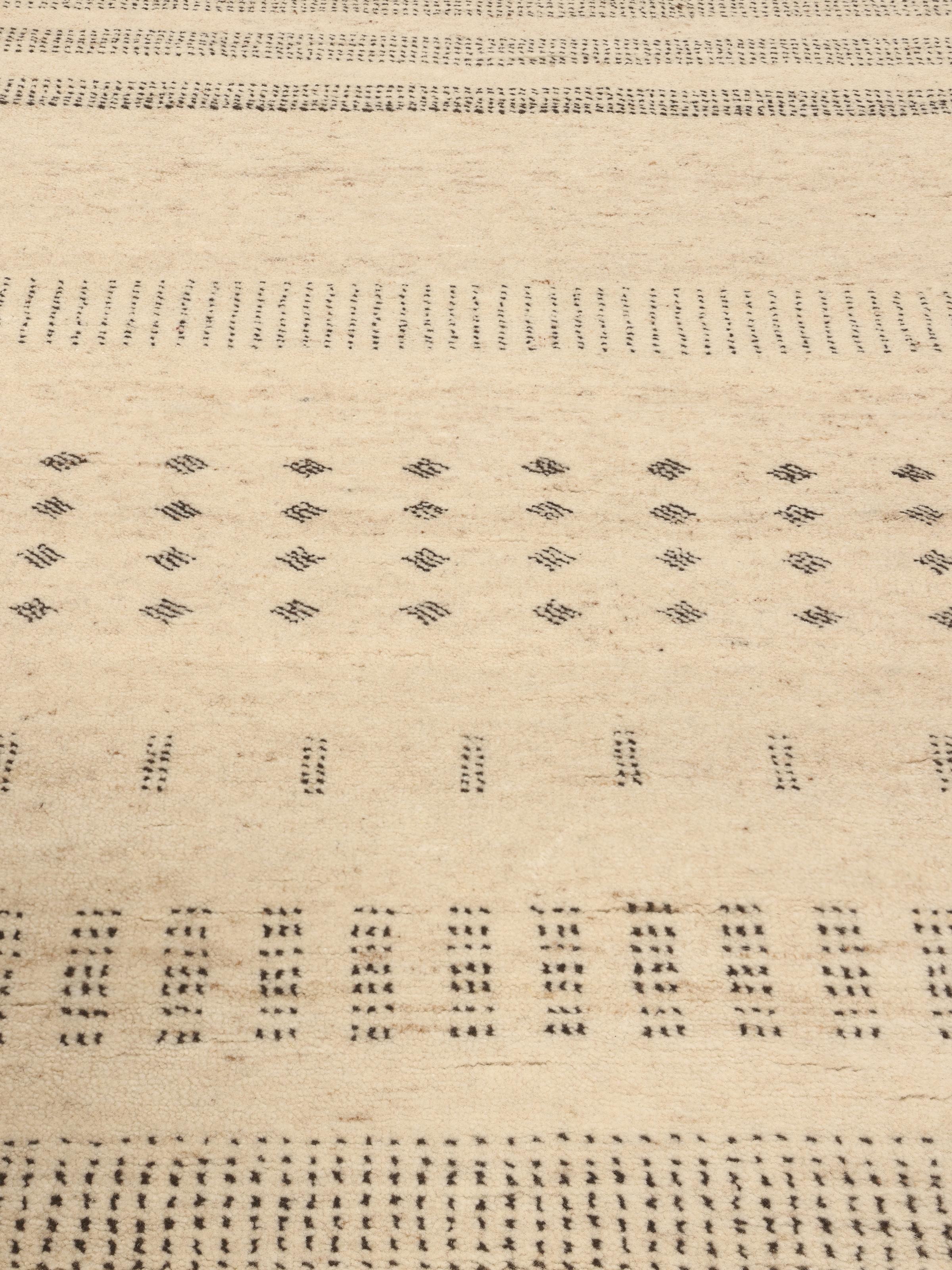
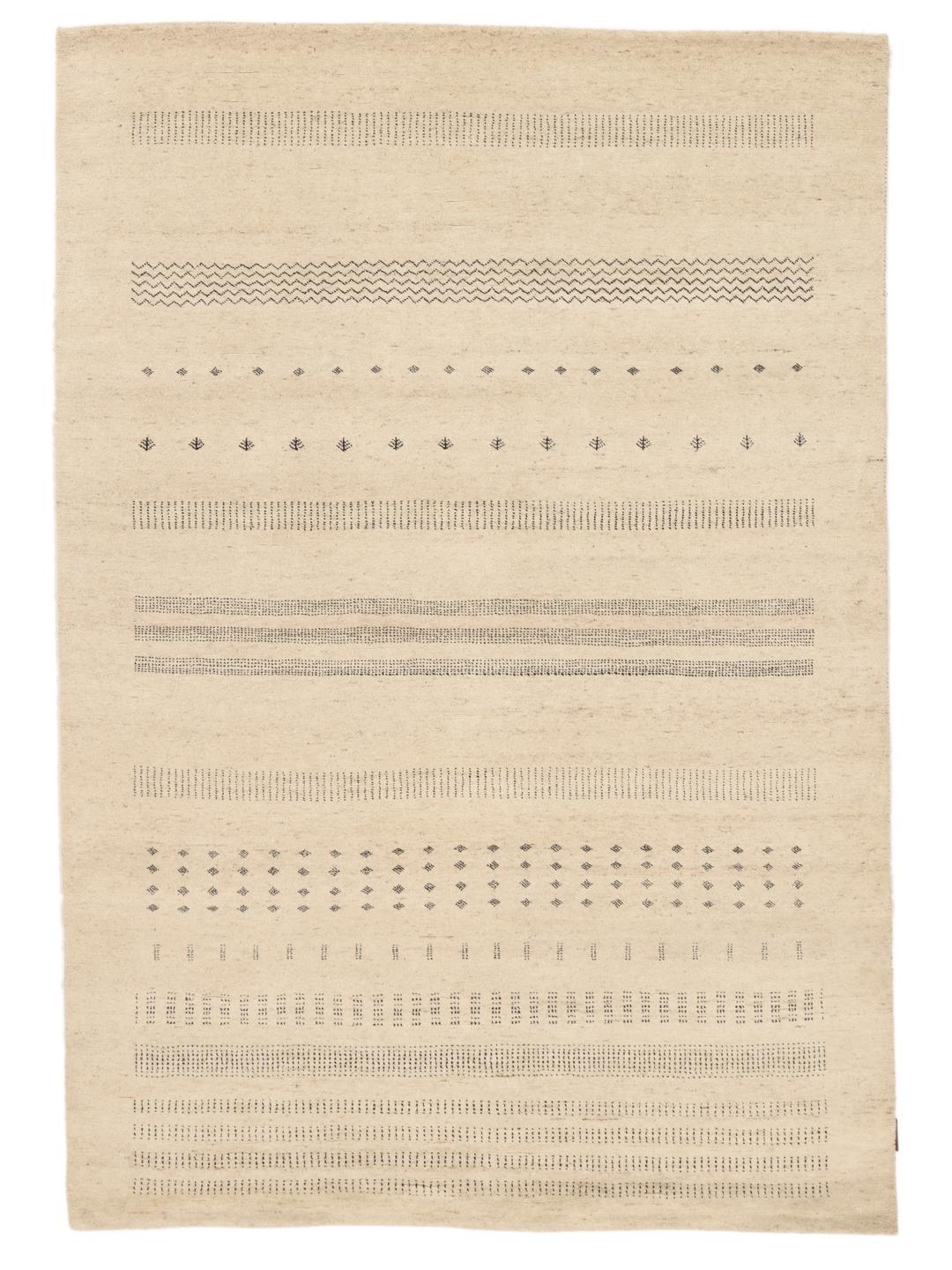
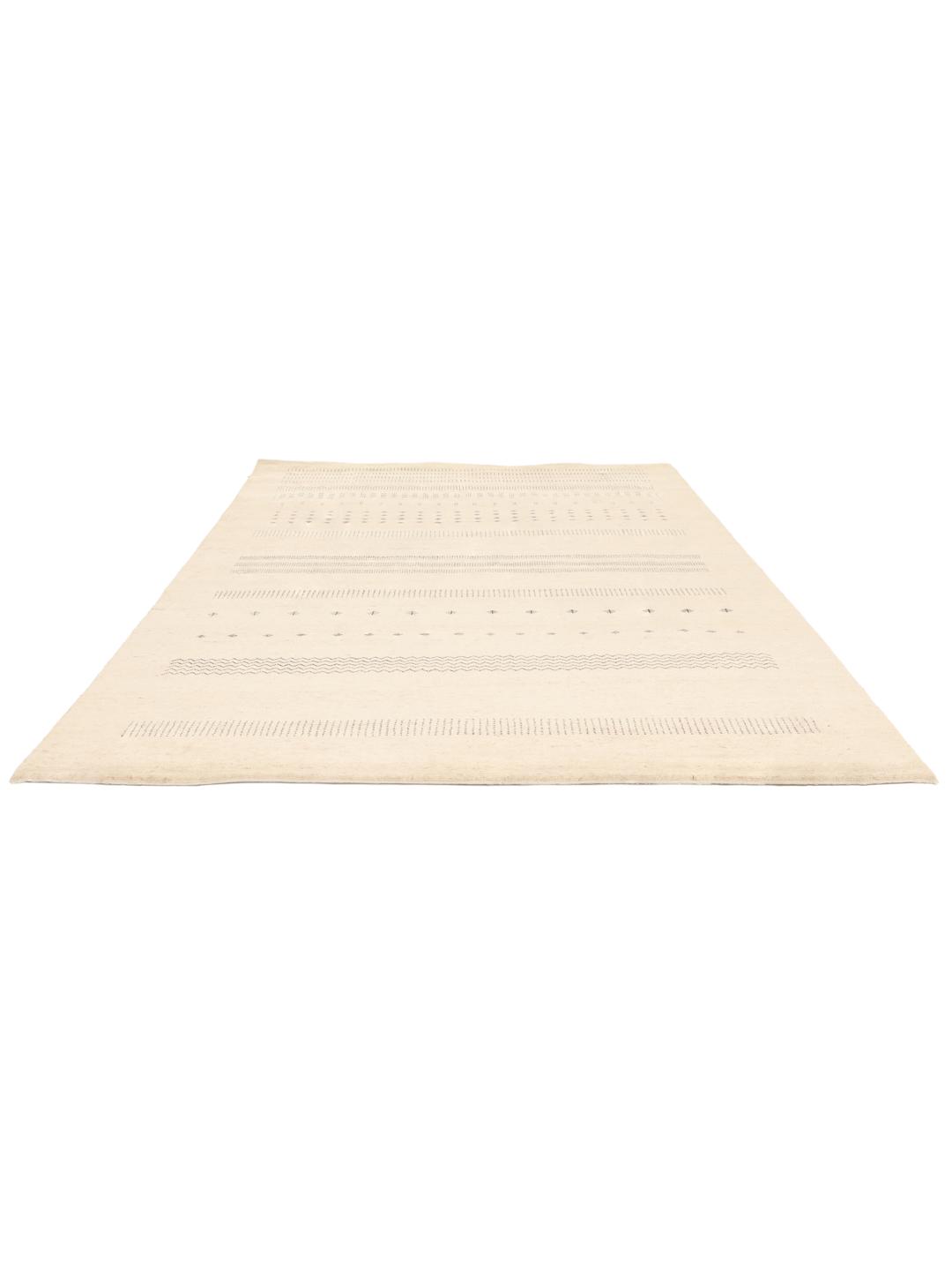
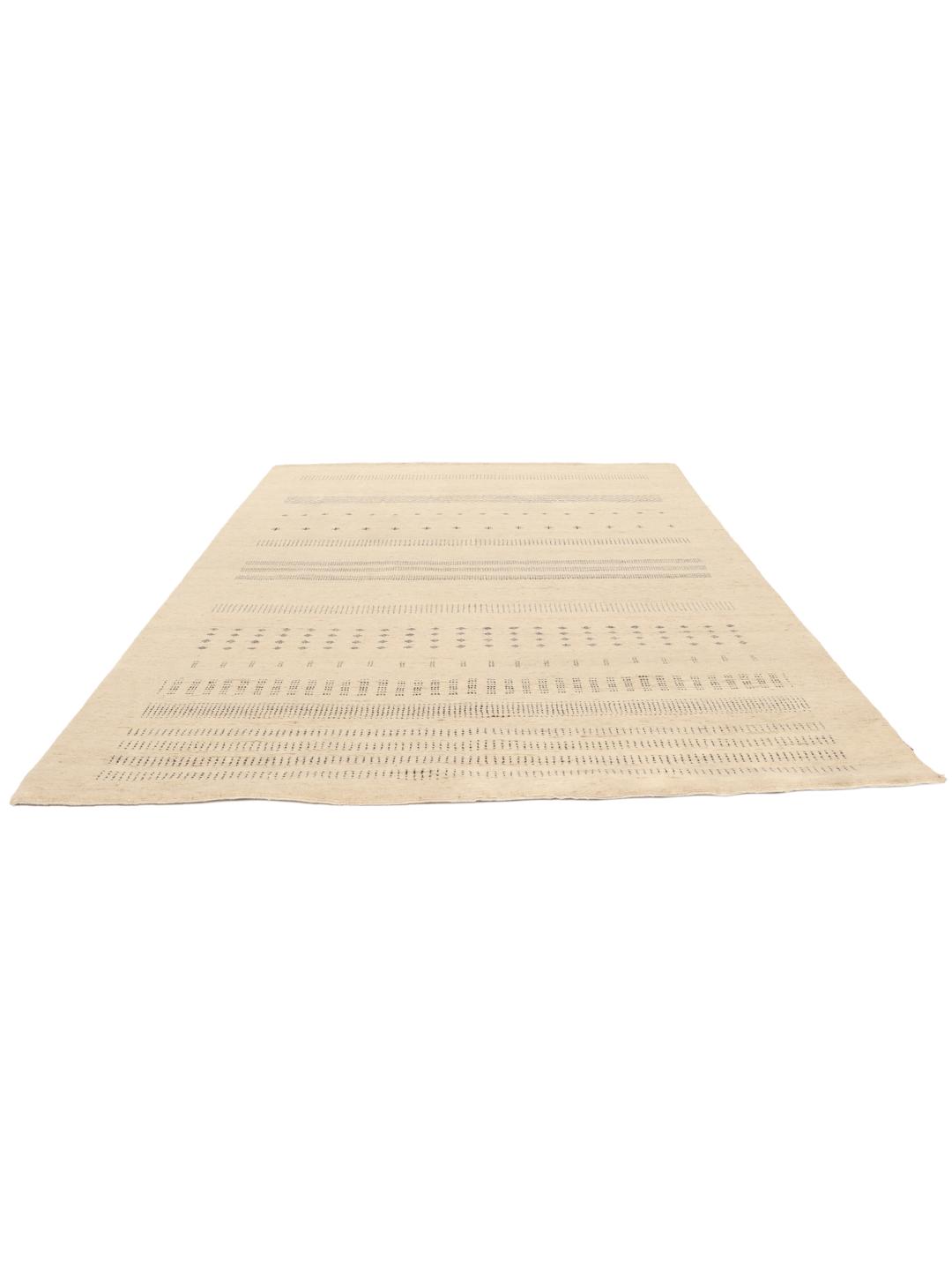
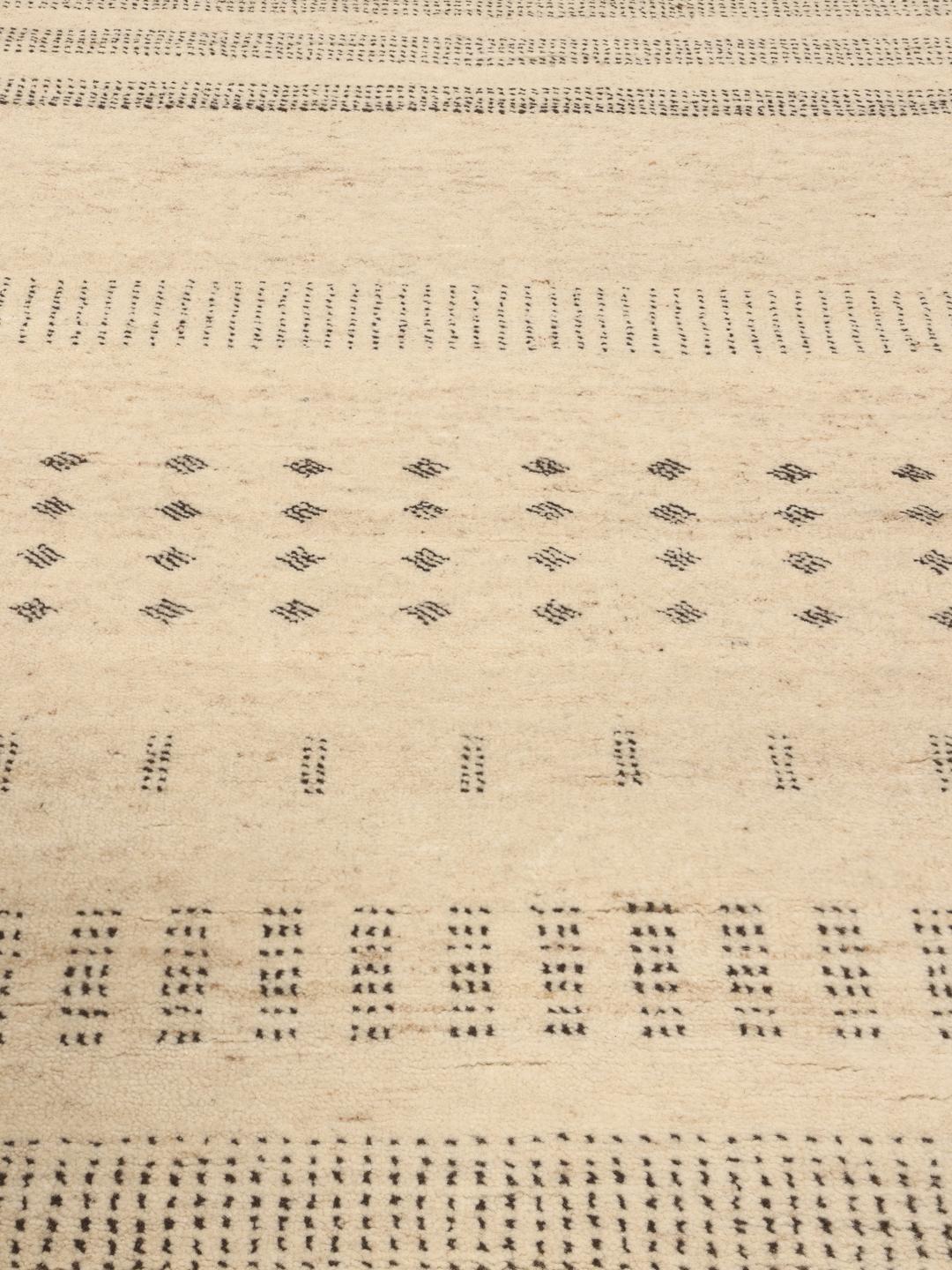
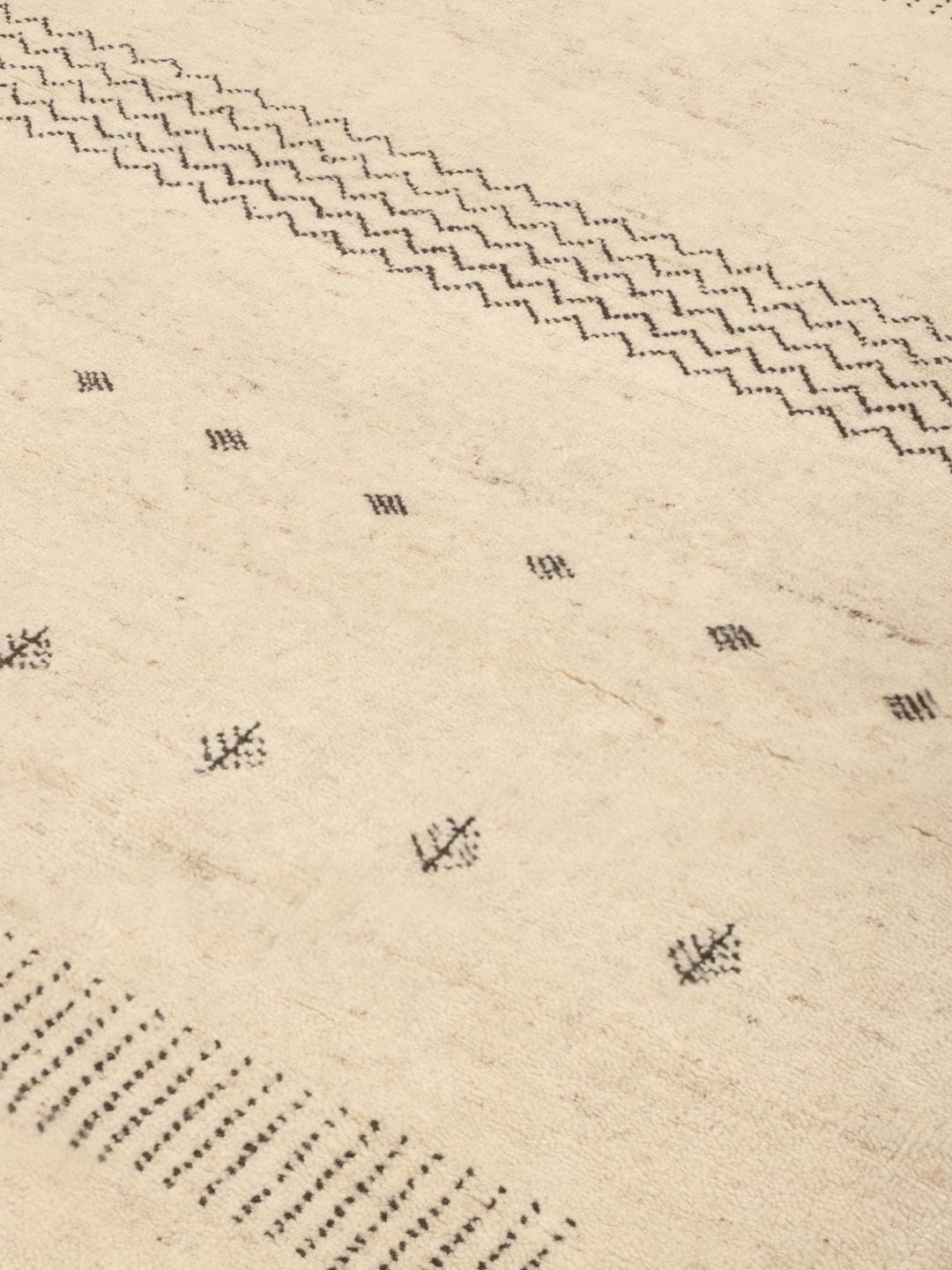
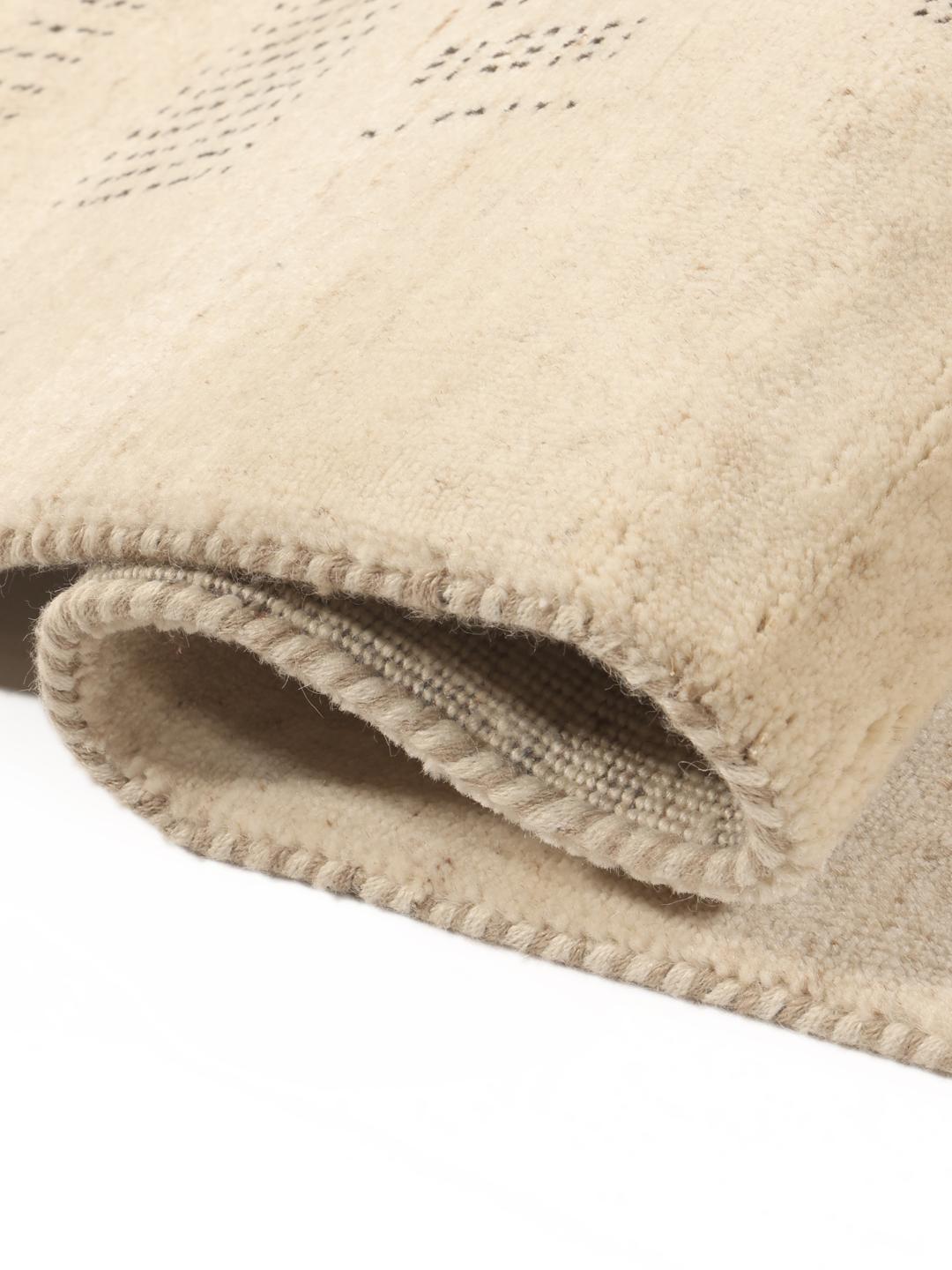
The Gabbeh tradition originated among nomadic tribes who wove these rugs for their own daily use, primarily as floor coverings for warmth in harsh climates. These rugs are renowned for their thick, soft pile and simple, abstract designs that often reflect the weaver's surroundings or personal stories. Over time, the style evolved into the sophisticated Loribaft and Kashkooli variations we see today, which maintain this nomadic spirit while incorporating more refined techniques.
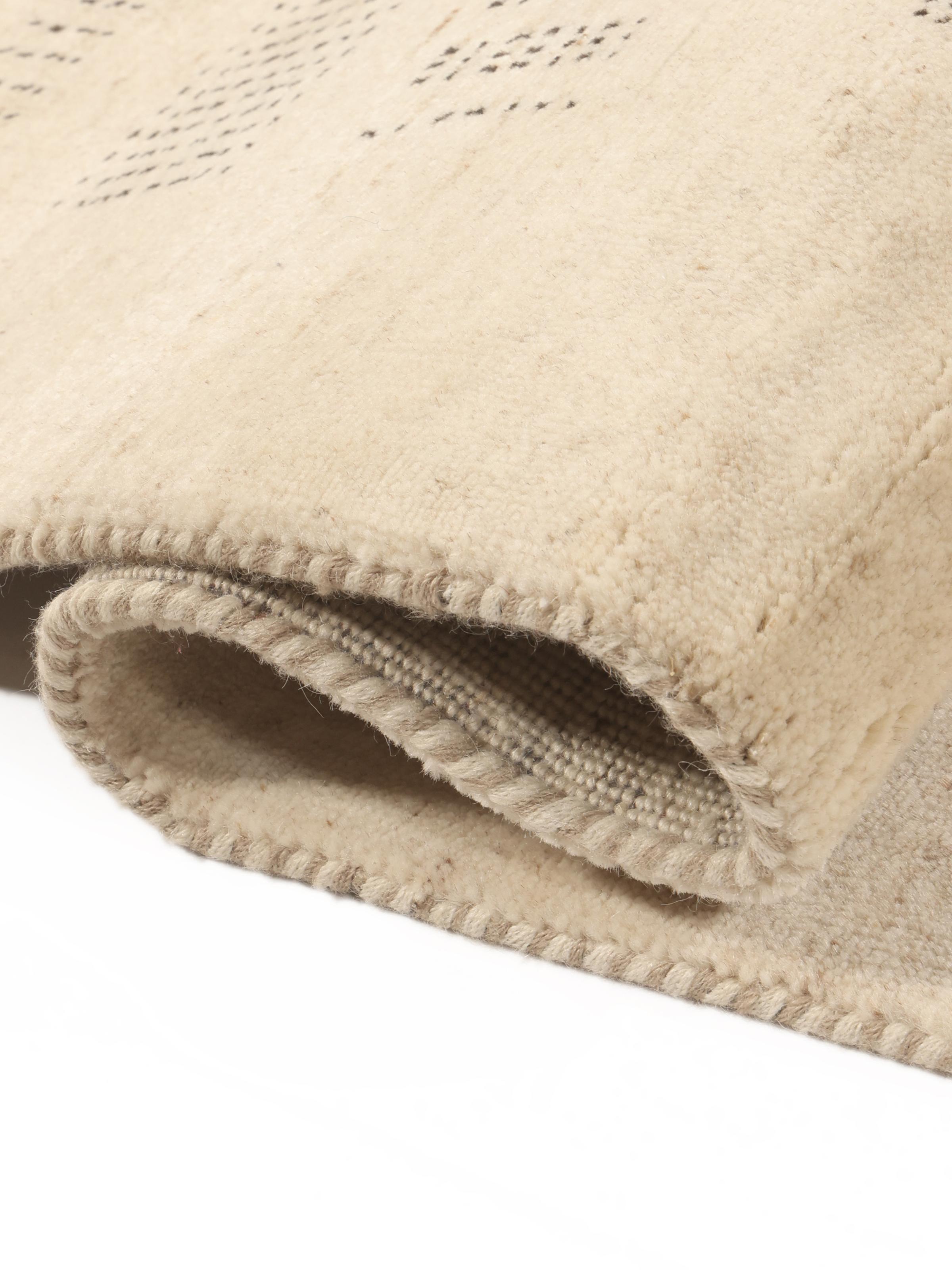
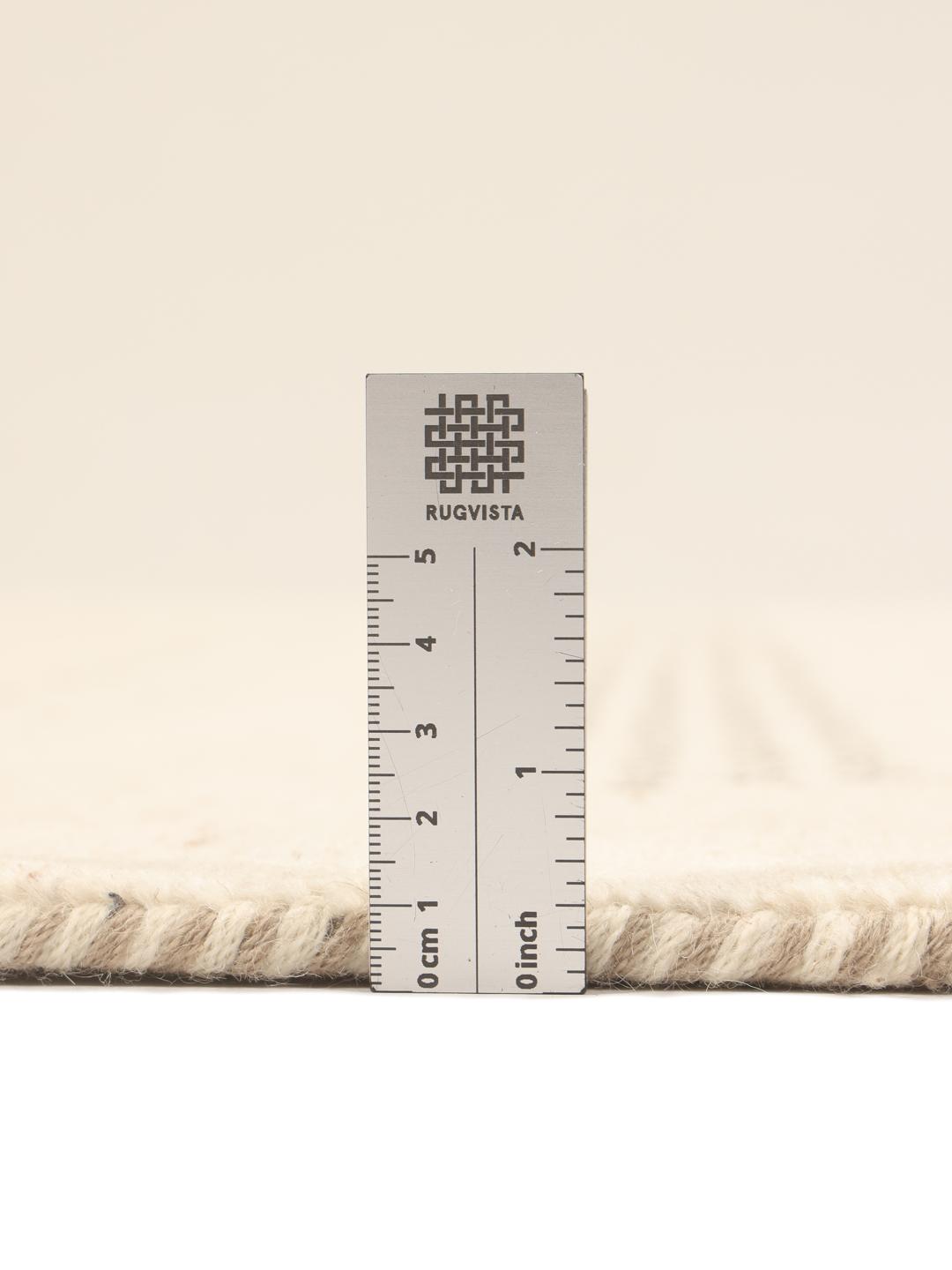
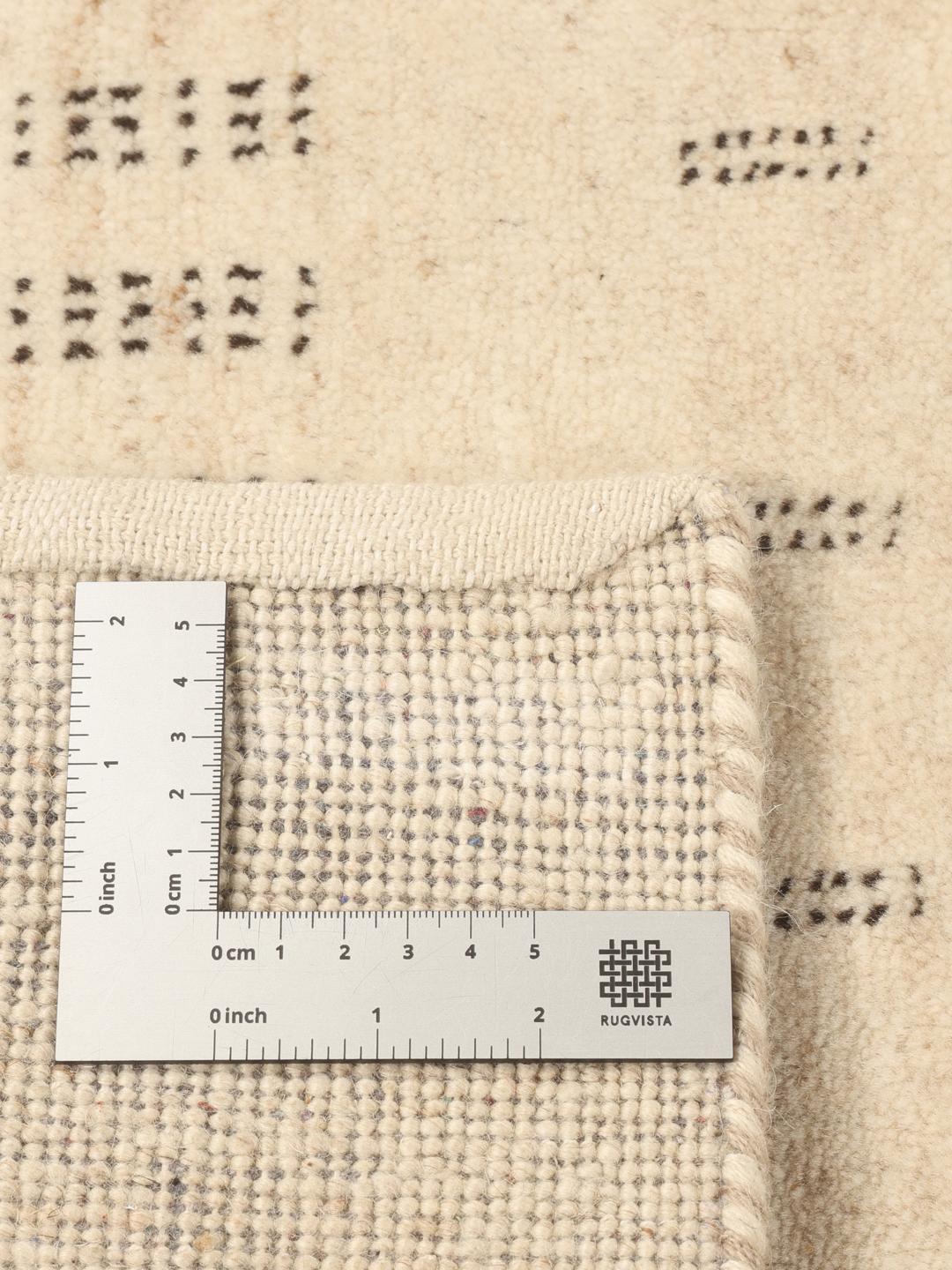
The term Loribaft refers to a specific, elevated style of weaving that emphasises a denser, more compact knotting structure compared to traditional tribal Gabbehs. This technique allows for more detailed patterns and a significantly smoother, more luxurious pile. By utilising a tighter weave, the Loribaft style ensures that the rug is not only visually striking but also exceptionally durable, making it a favourite for those who appreciate both aesthetic beauty and practical longevity.
Visually, these rugs are characterised by their minimalist aesthetic, often featuring small, symbolic motifs like trees, animals, or geometric lines scattered across a solid or subtly shaded field. While traditional rugs might favour dense, complex floral patterns, the Loribaft style celebrates the beauty of empty space. This design choice highlights the natural quality of the Wool and the subtle variations in tone that occur during the hand-dyeing process, creating a calm, meditative atmosphere.
Collecting a rug from this tradition is an investment in human skill and cultural heritage. Because each rug is created without a pre-drawn pattern, the weaver’s intuition guides the design, making every piece an authentic record of the artisan's personal touch. Owning such a rug connects you to a long history of craft and provides your home with a sense of depth and authenticity that mass-produced items cannot replicate.