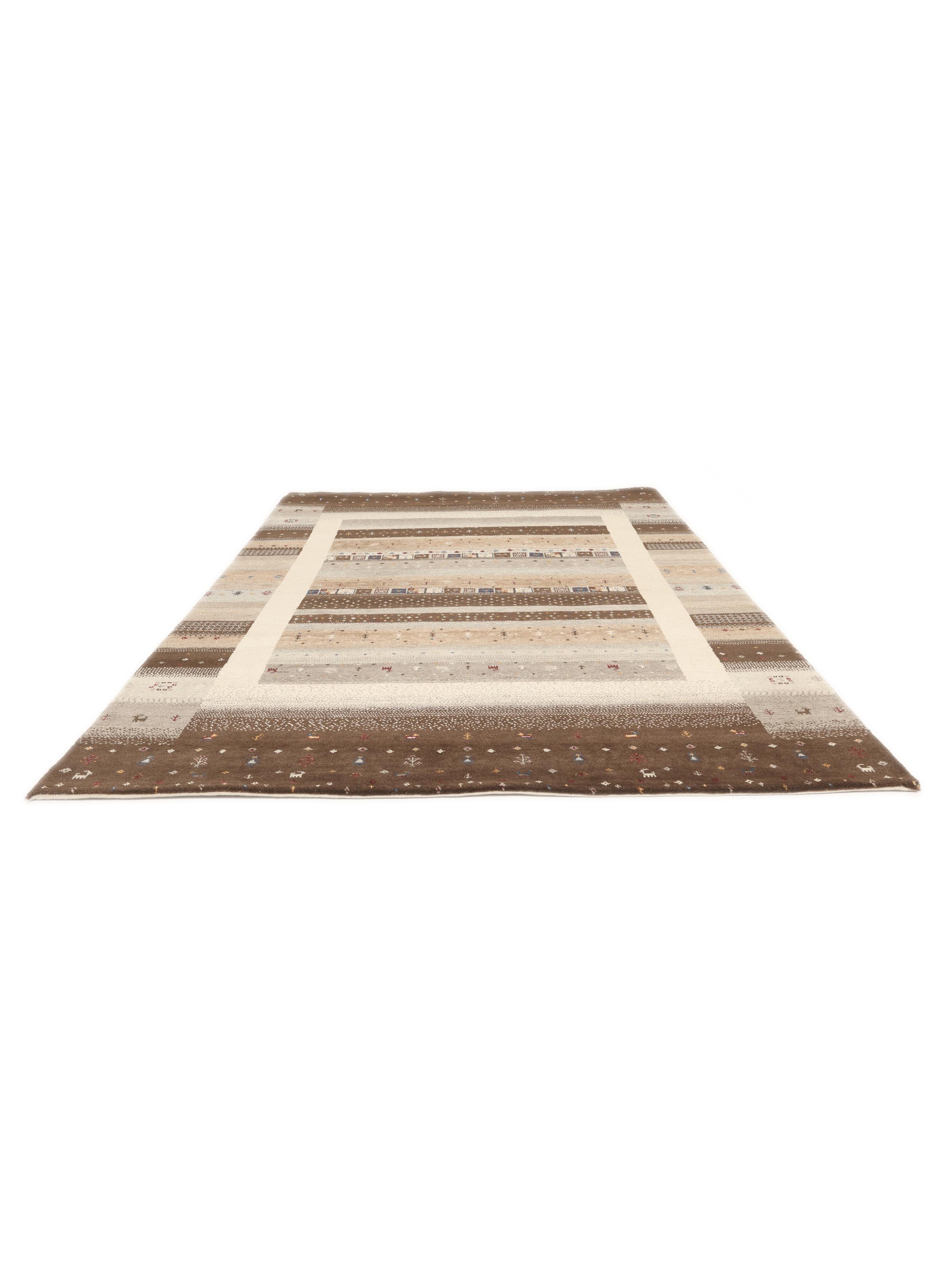
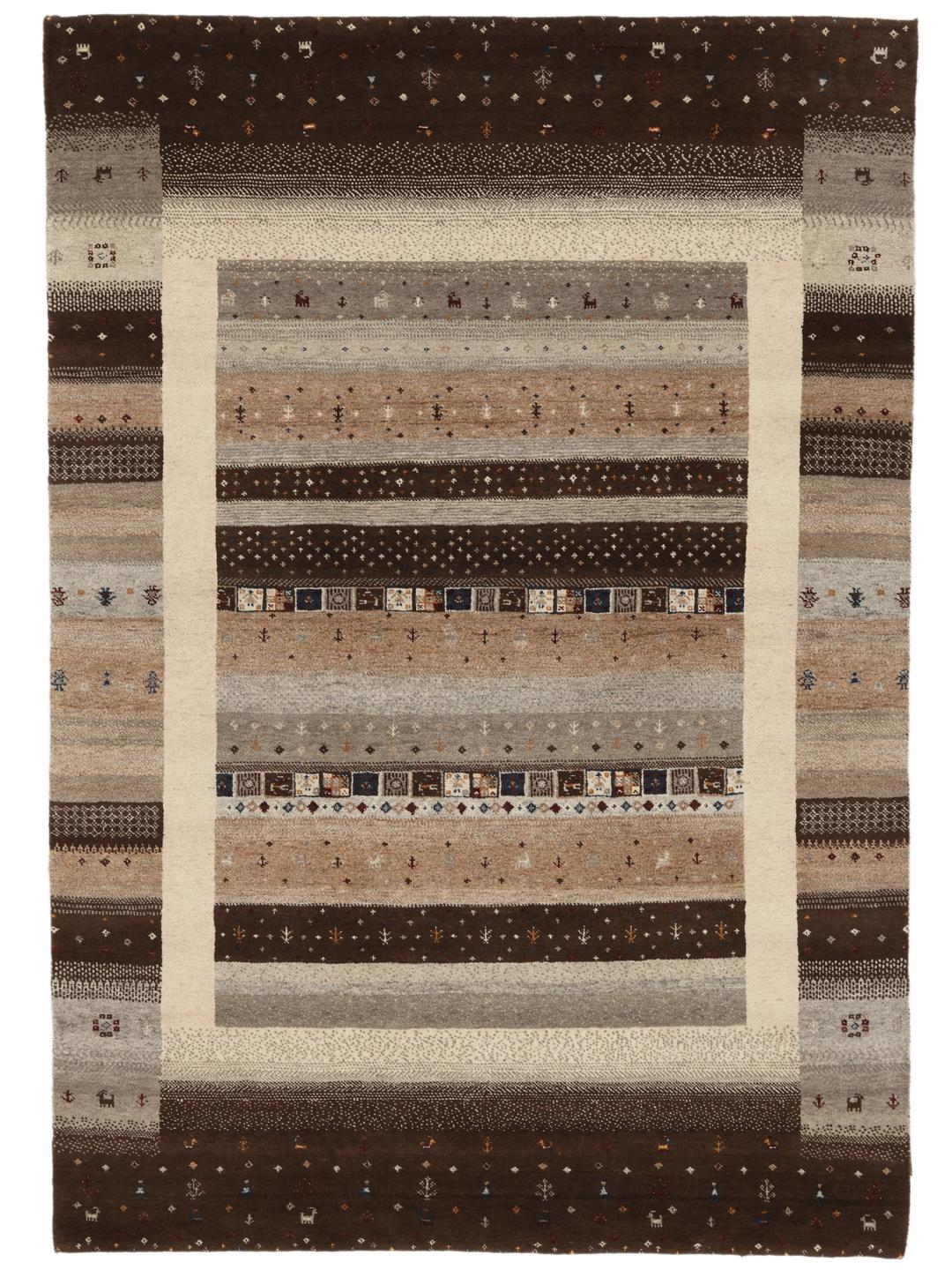
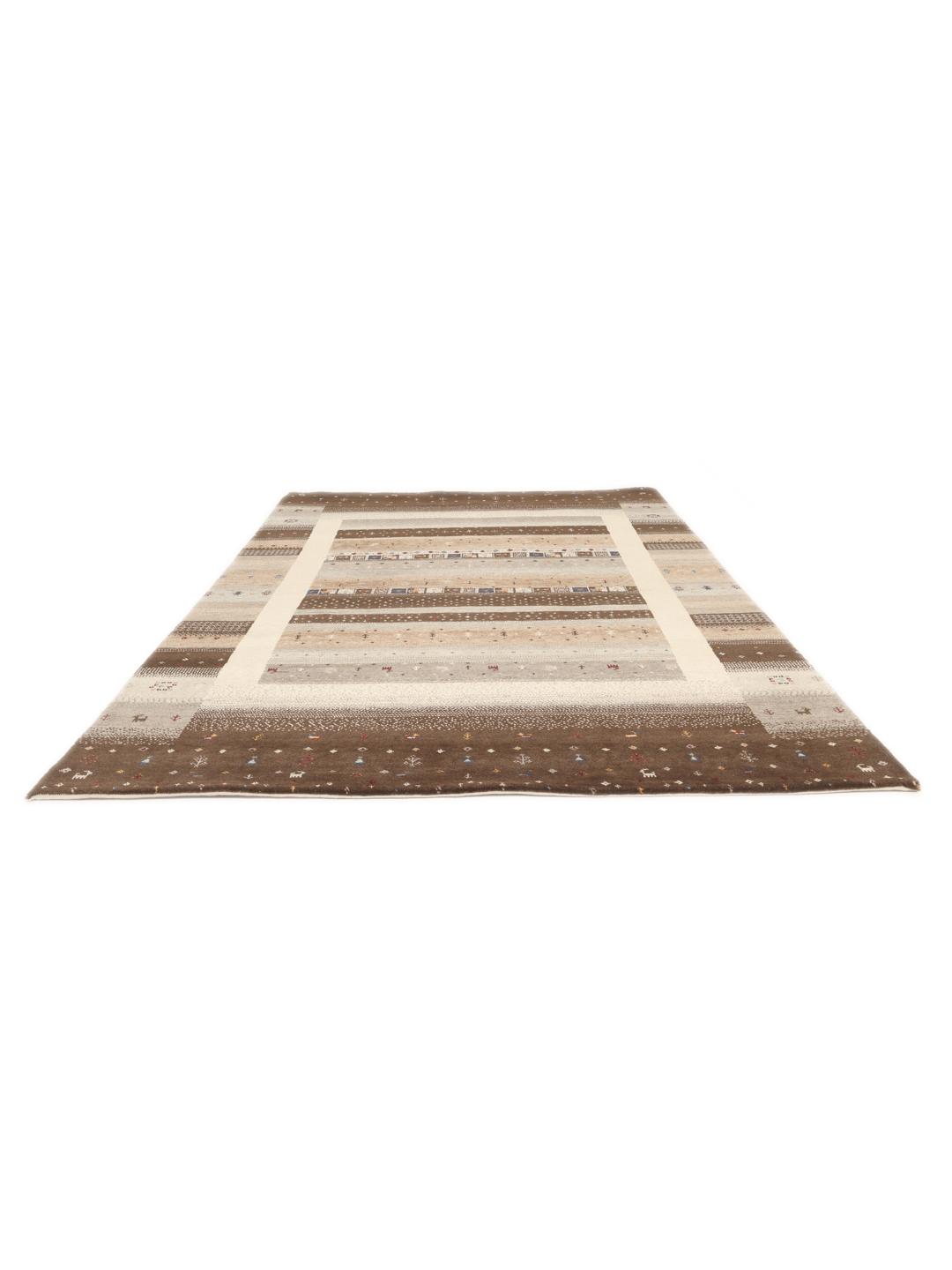
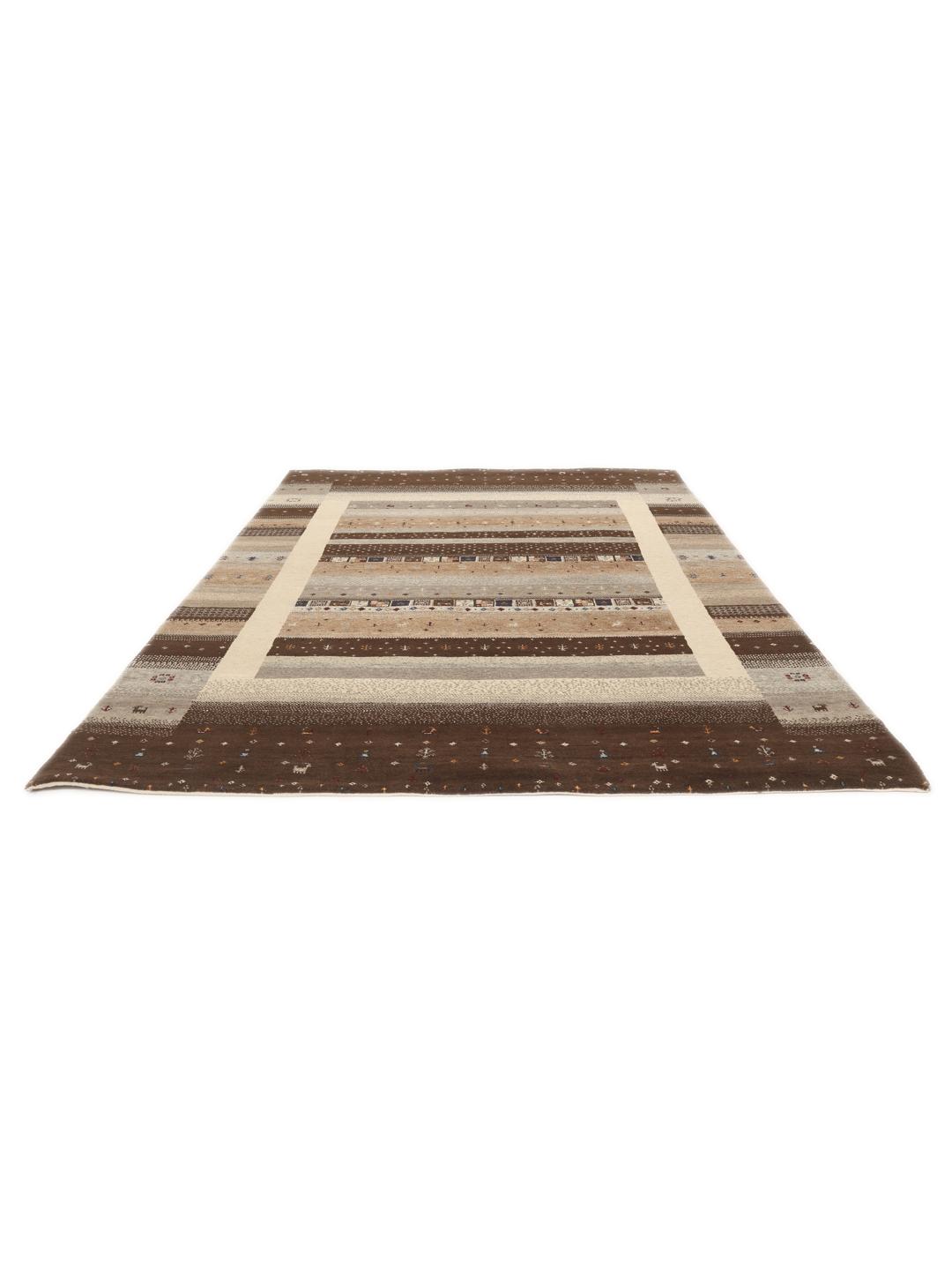
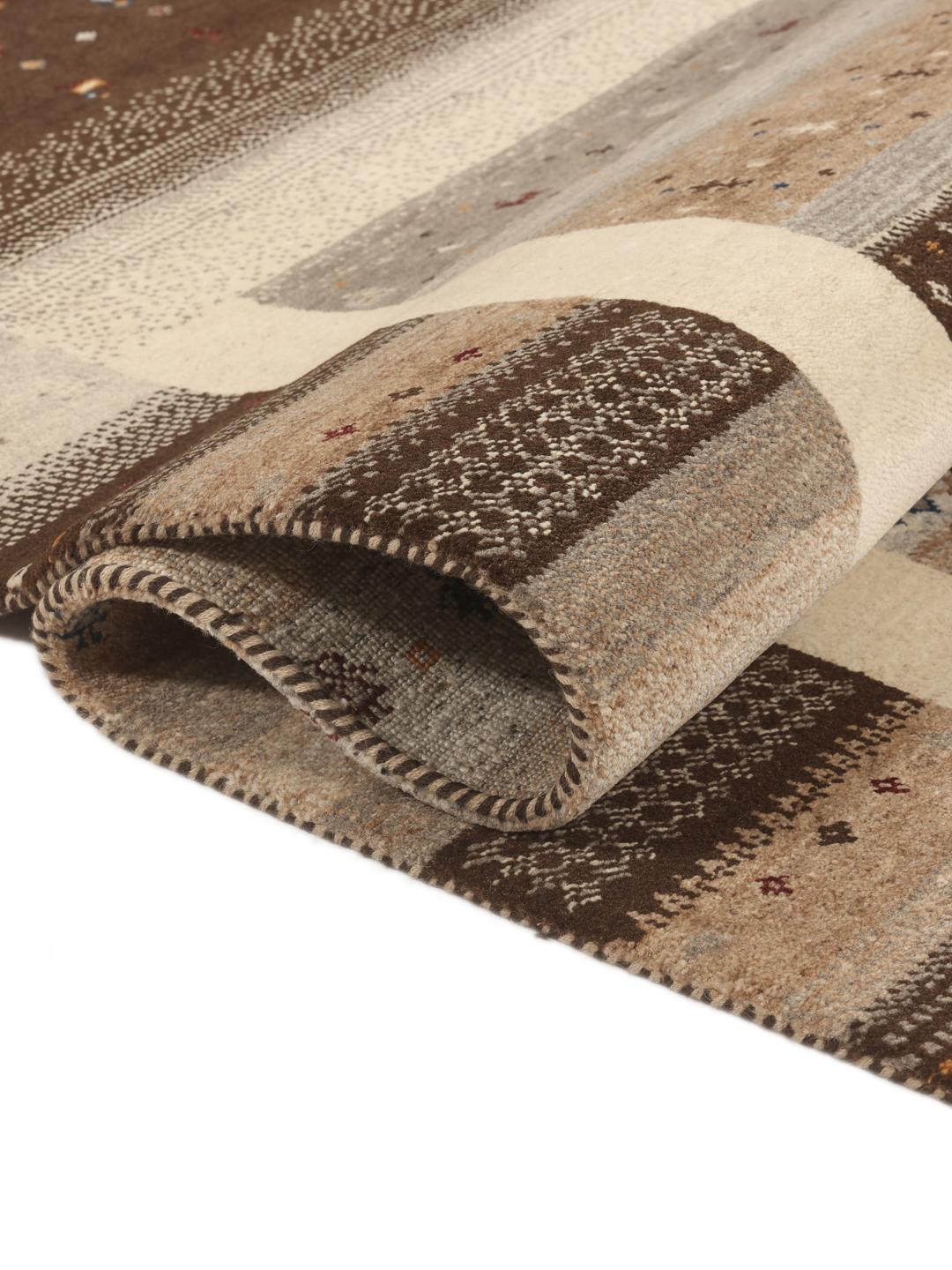
The Loribaft and Kashkooli styles represent a fascinating evolution within the world of nomadic weaving. Originally inspired by the tribal traditions of the Middle East, these rugs have found a vibrant new home in the craft centres of India. This migration of technique has allowed artisans to refine ancient weaving methods while maintaining the soulful, spontaneous expression that defines the Gabbeh tradition.
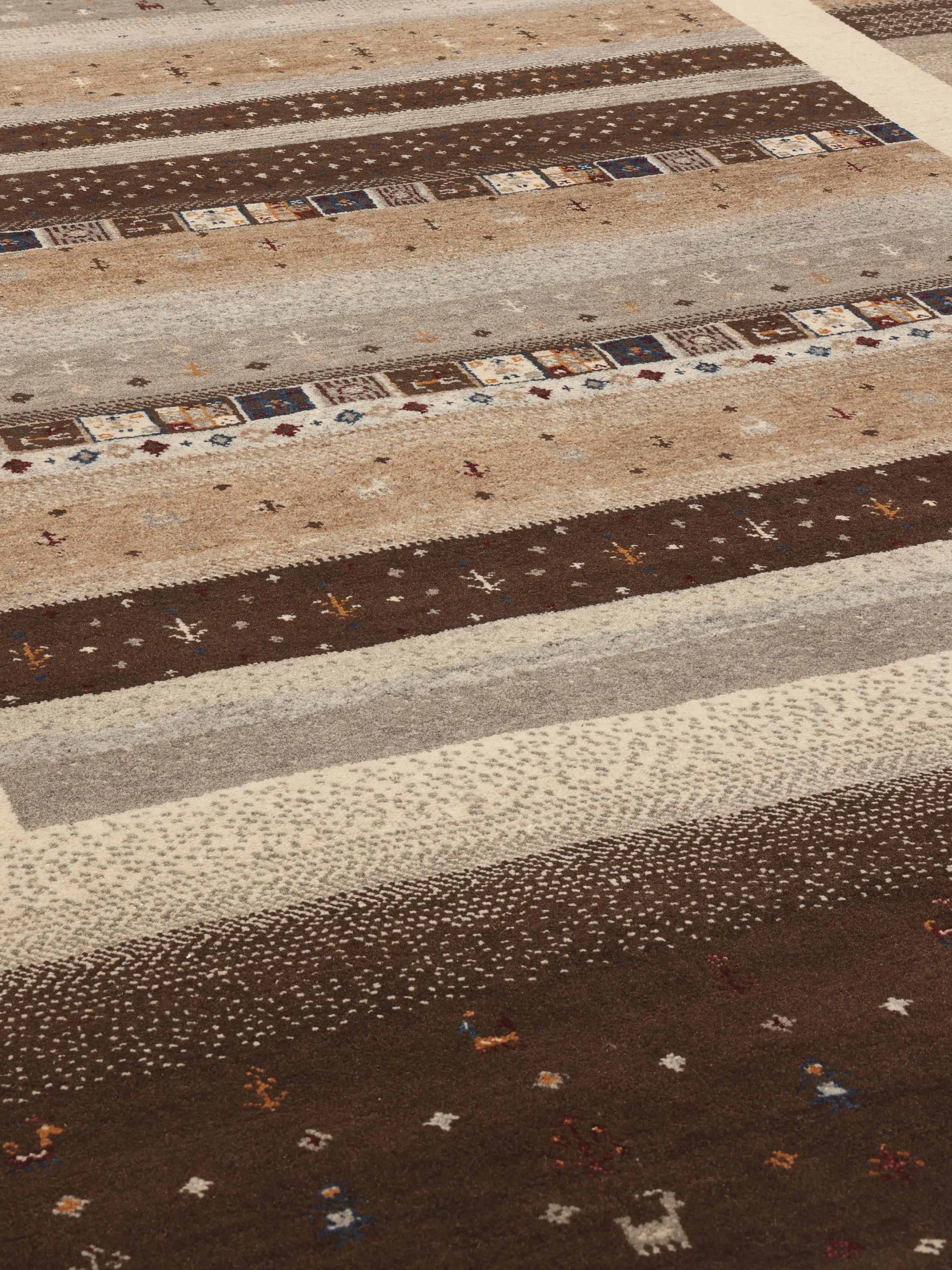
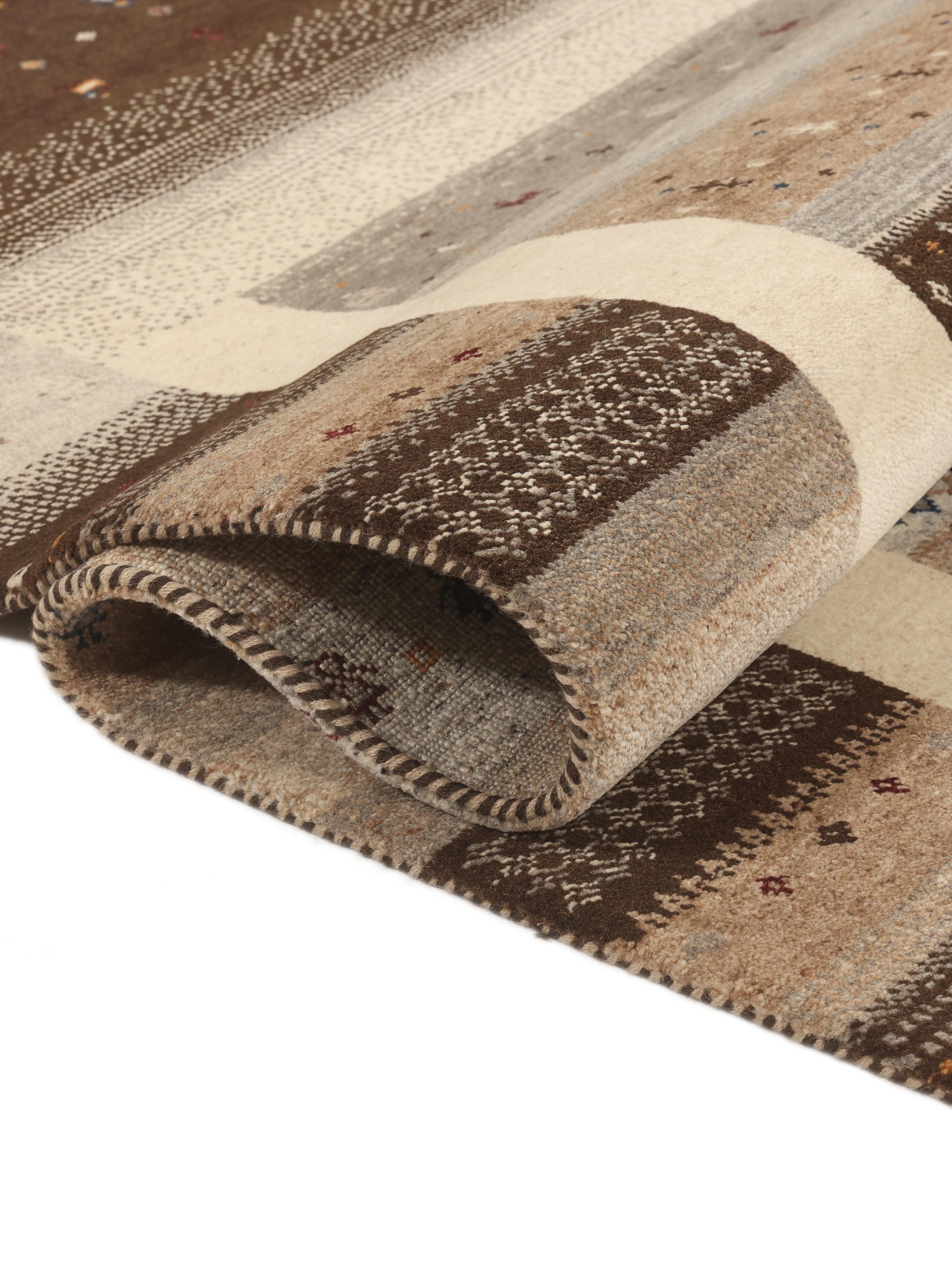
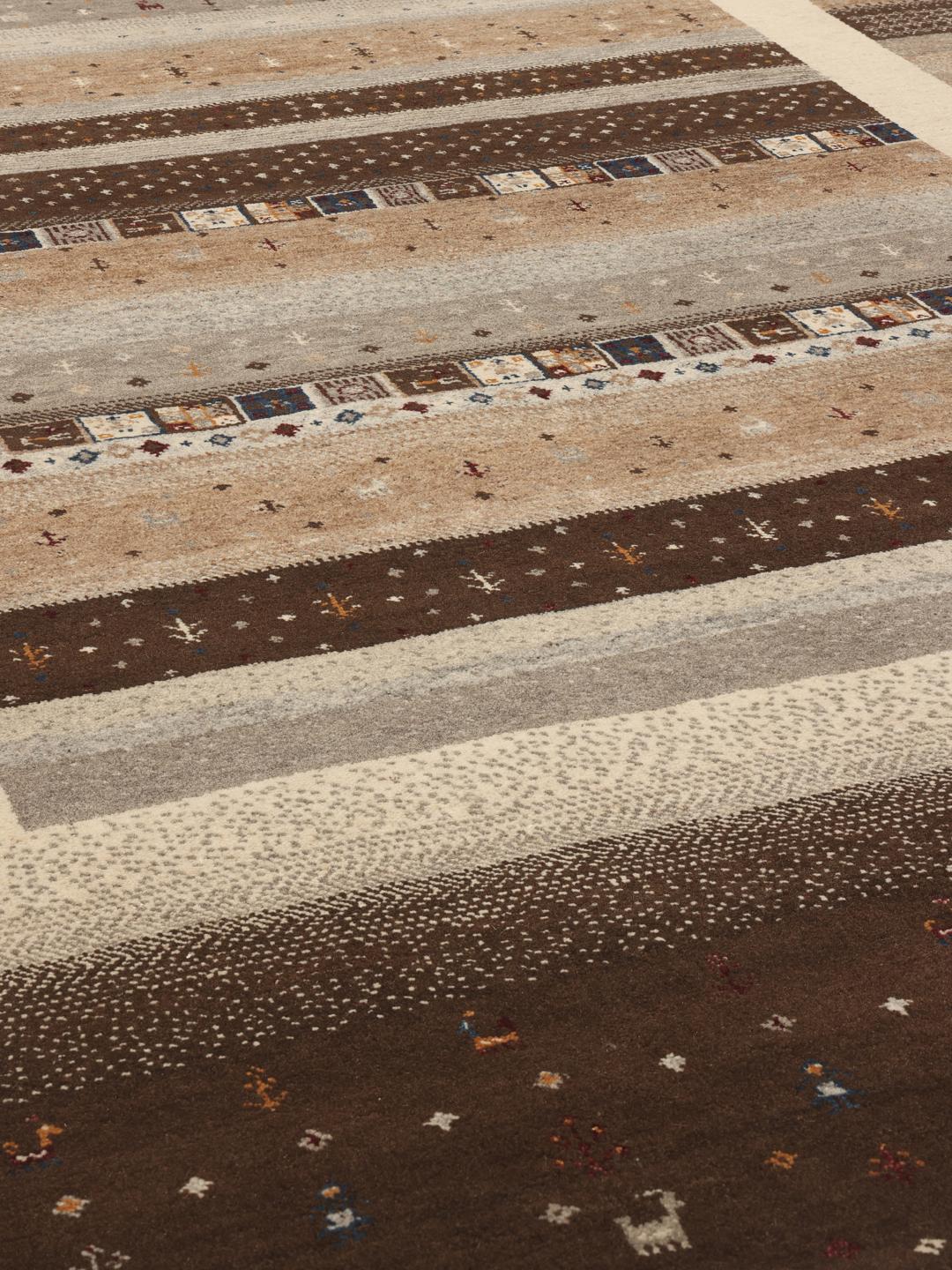
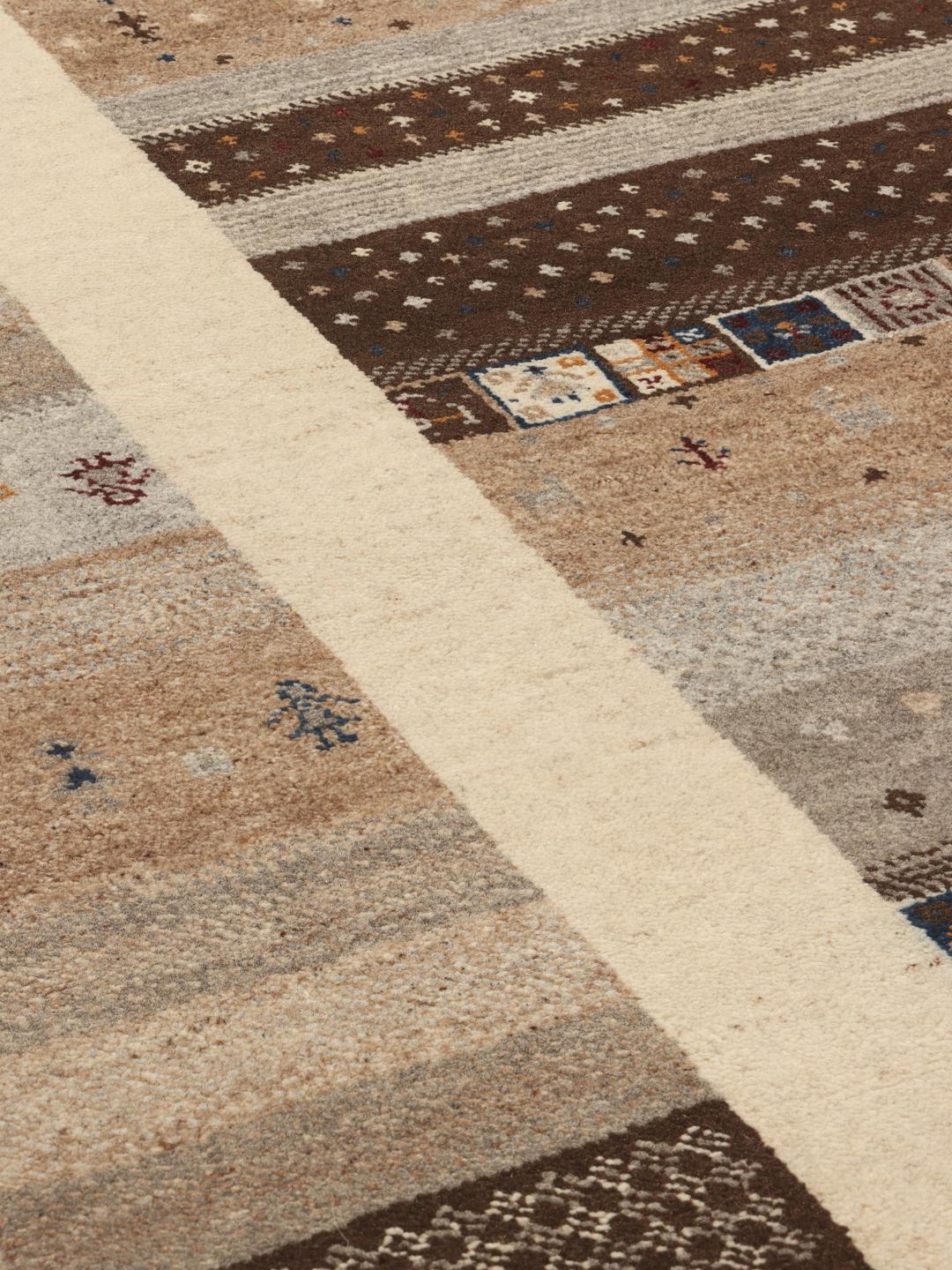
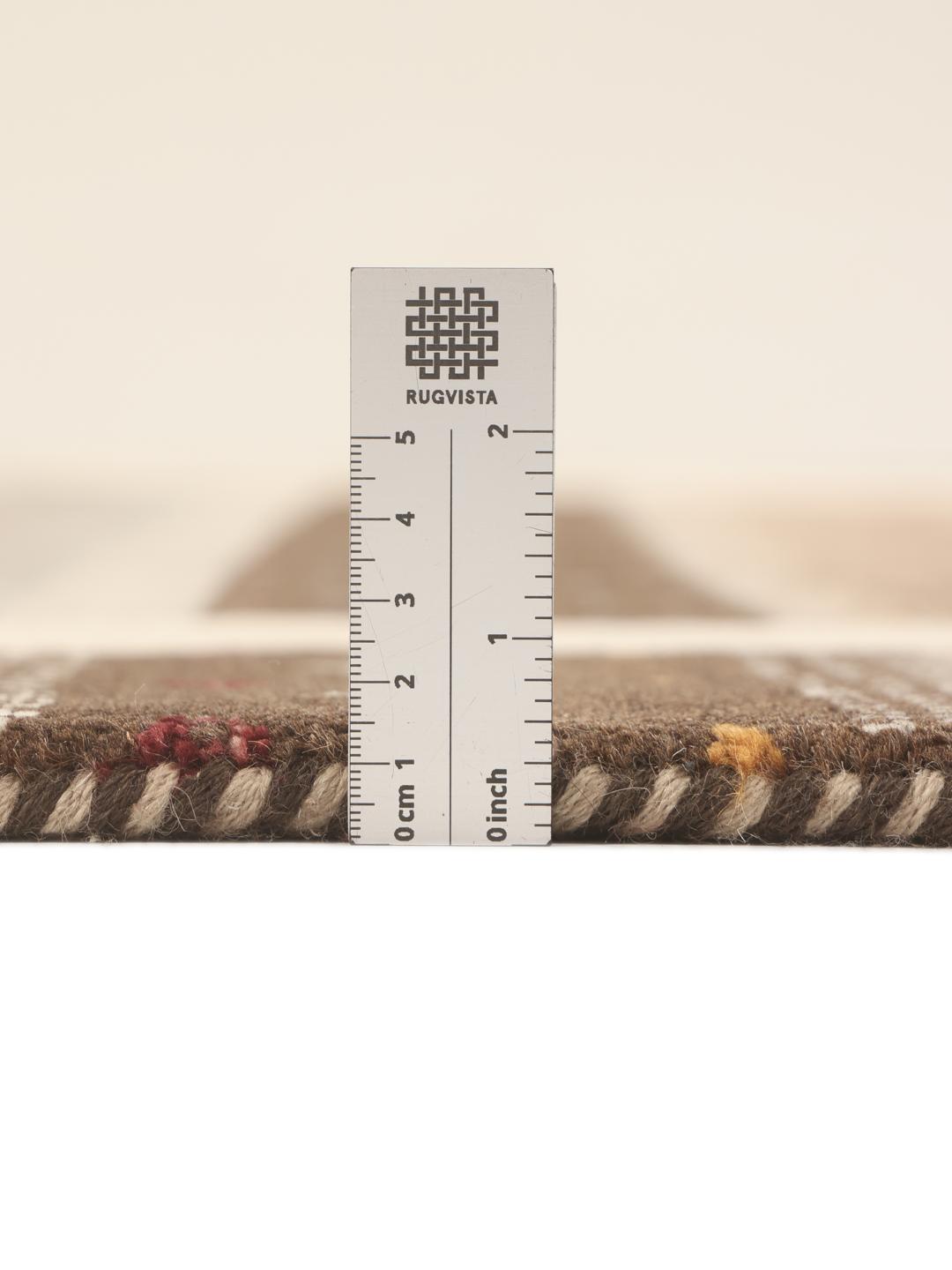
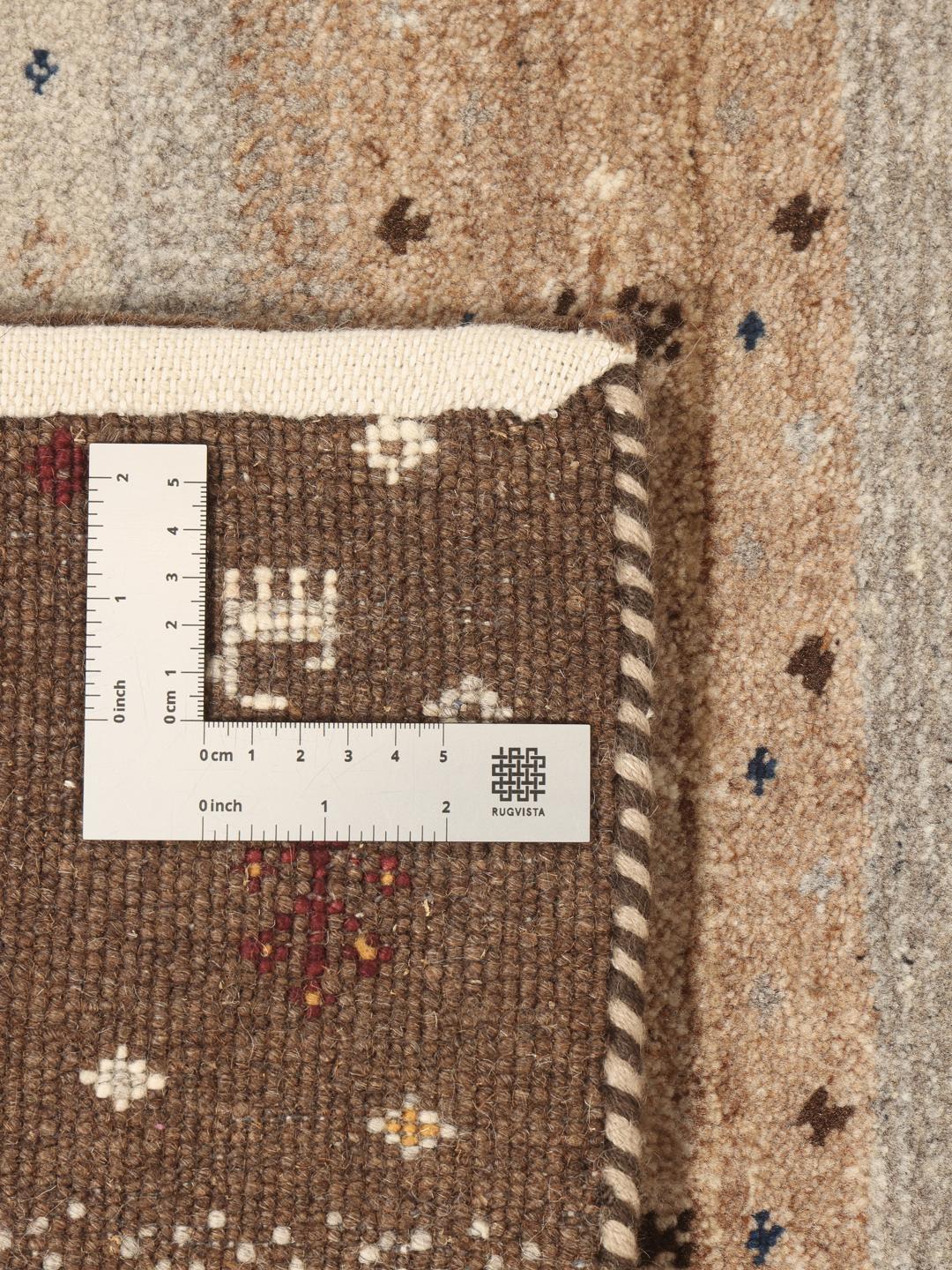
The term 'Loribaft' refers to a specific, refined way of knotting that creates a much denser and more supple pile than traditional, coarser tribal rugs. By using a tighter knotting technique, weavers can achieve a more uniform surface that highlights the natural beauty of the Wool while providing a luxurious, soft feel that is highly prized by collectors.
Visually, these rugs are known for their minimalist approach, often focusing on wide bands of colour or subtle geometric motifs rather than the complex, crowded patterns seen in other regional traditions. The use of open, unadorned fields allows the natural variations in the Wool to shine, creating a sense of movement and depth that is deeply connected to the natural landscapes that first inspired these designs.
Owning a piece from this tradition is about more than just floor decor; it is an investment in human skill and cultural heritage. These rugs are collected for their honest, unpretentious beauty and their ability to bring a sense of history and warmth into contemporary settings. They represent a bridge between the past and present, offering a timeless aesthetic that celebrates the beauty of the handmade.