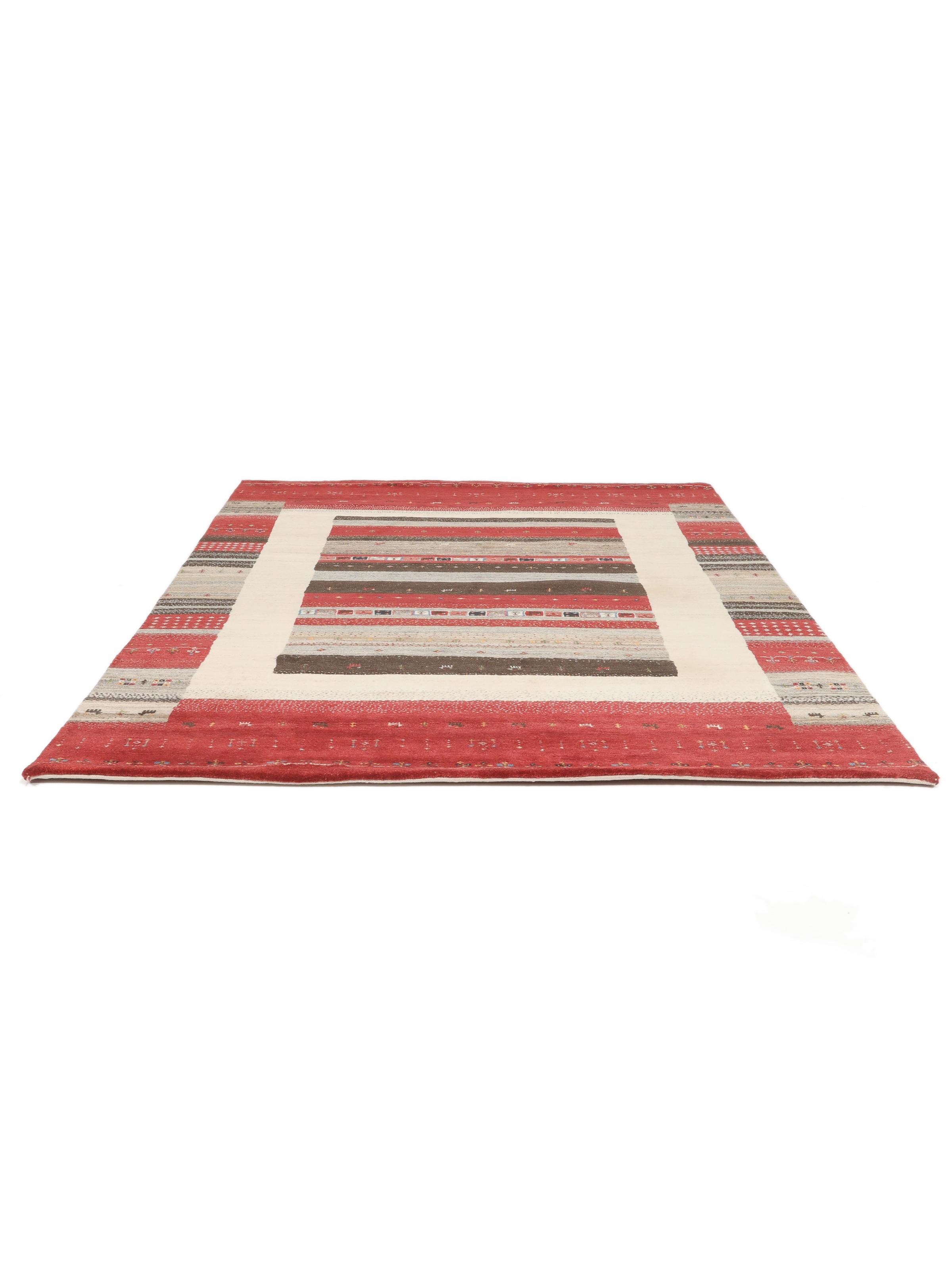
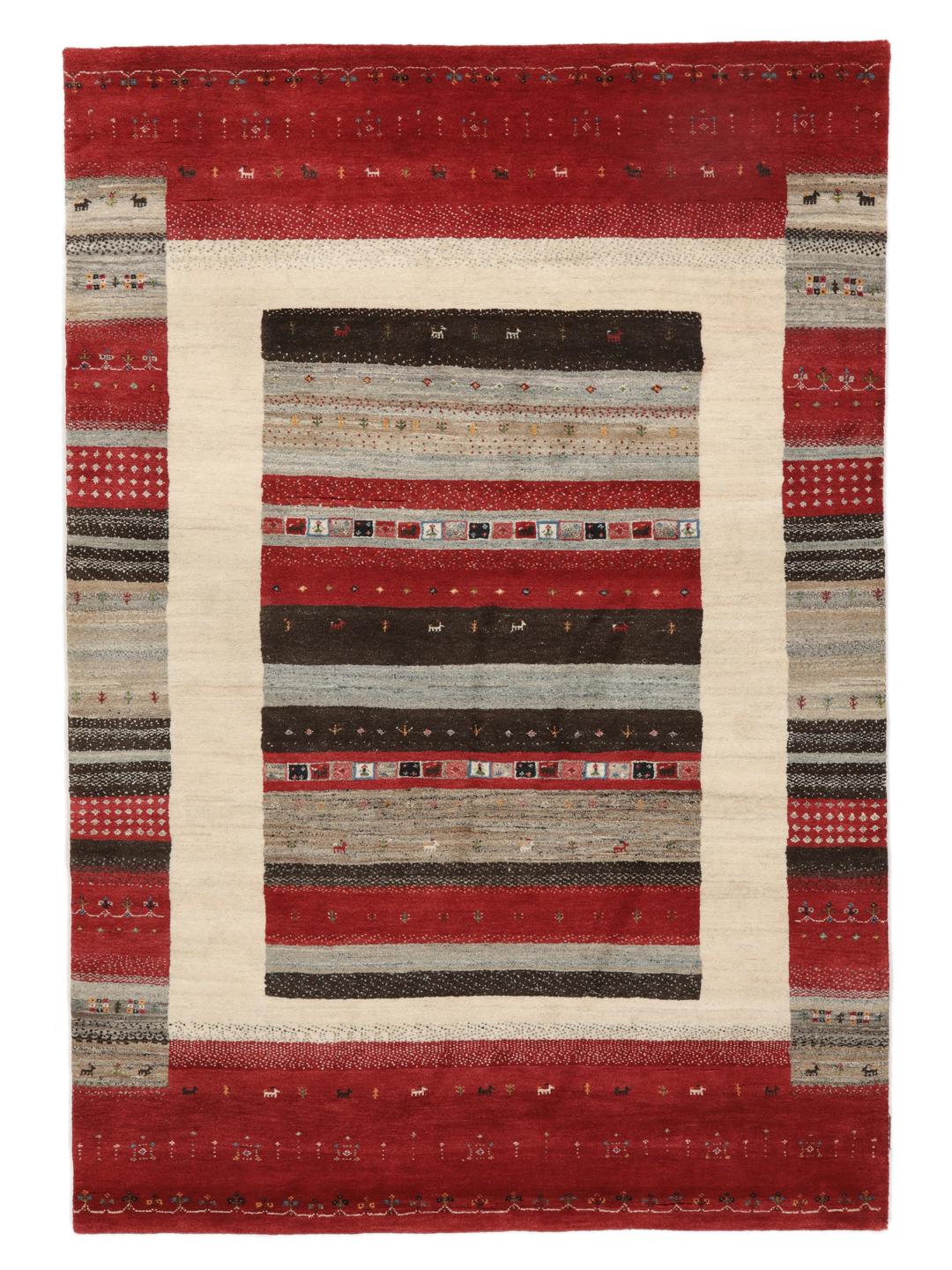
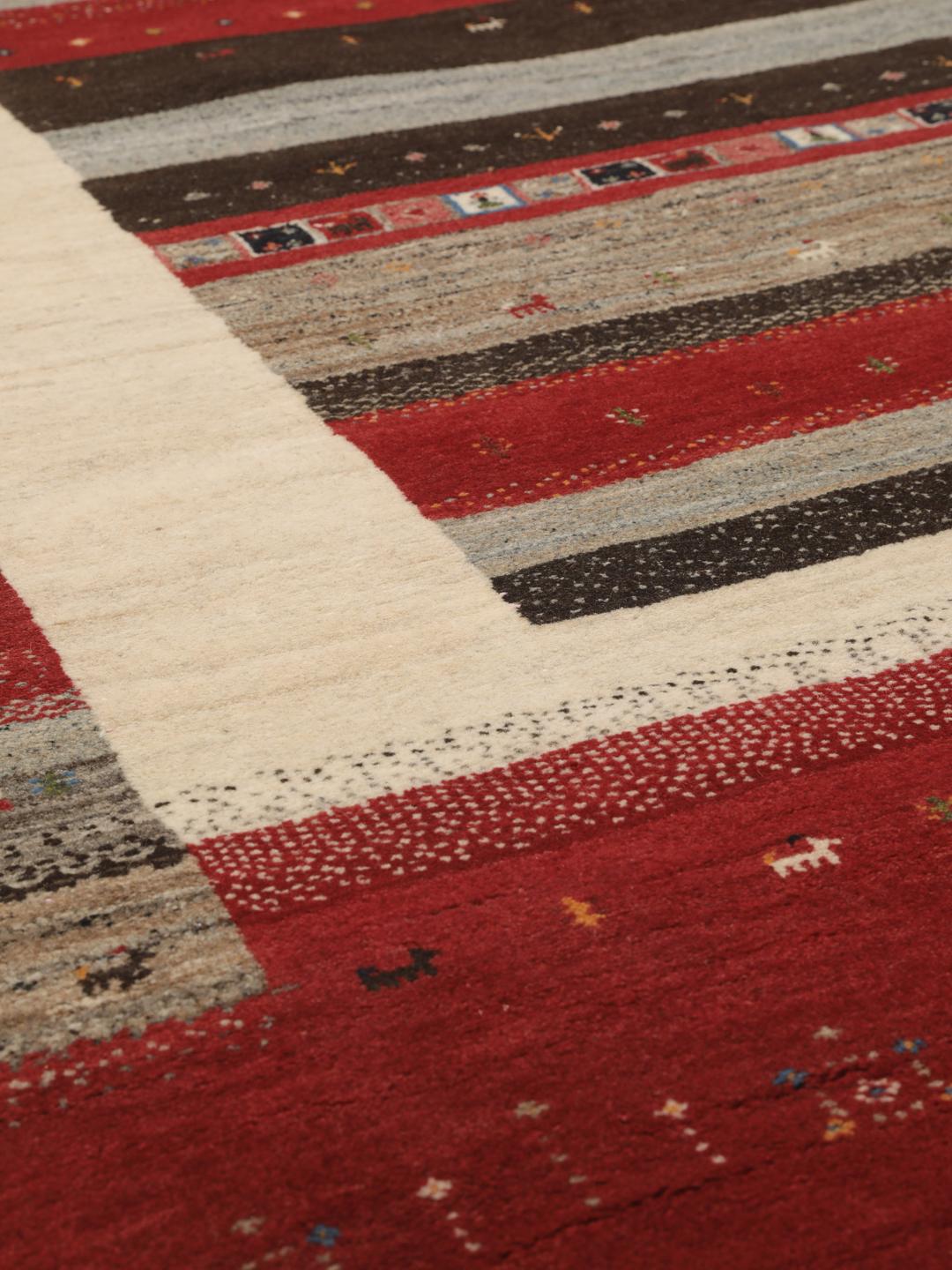
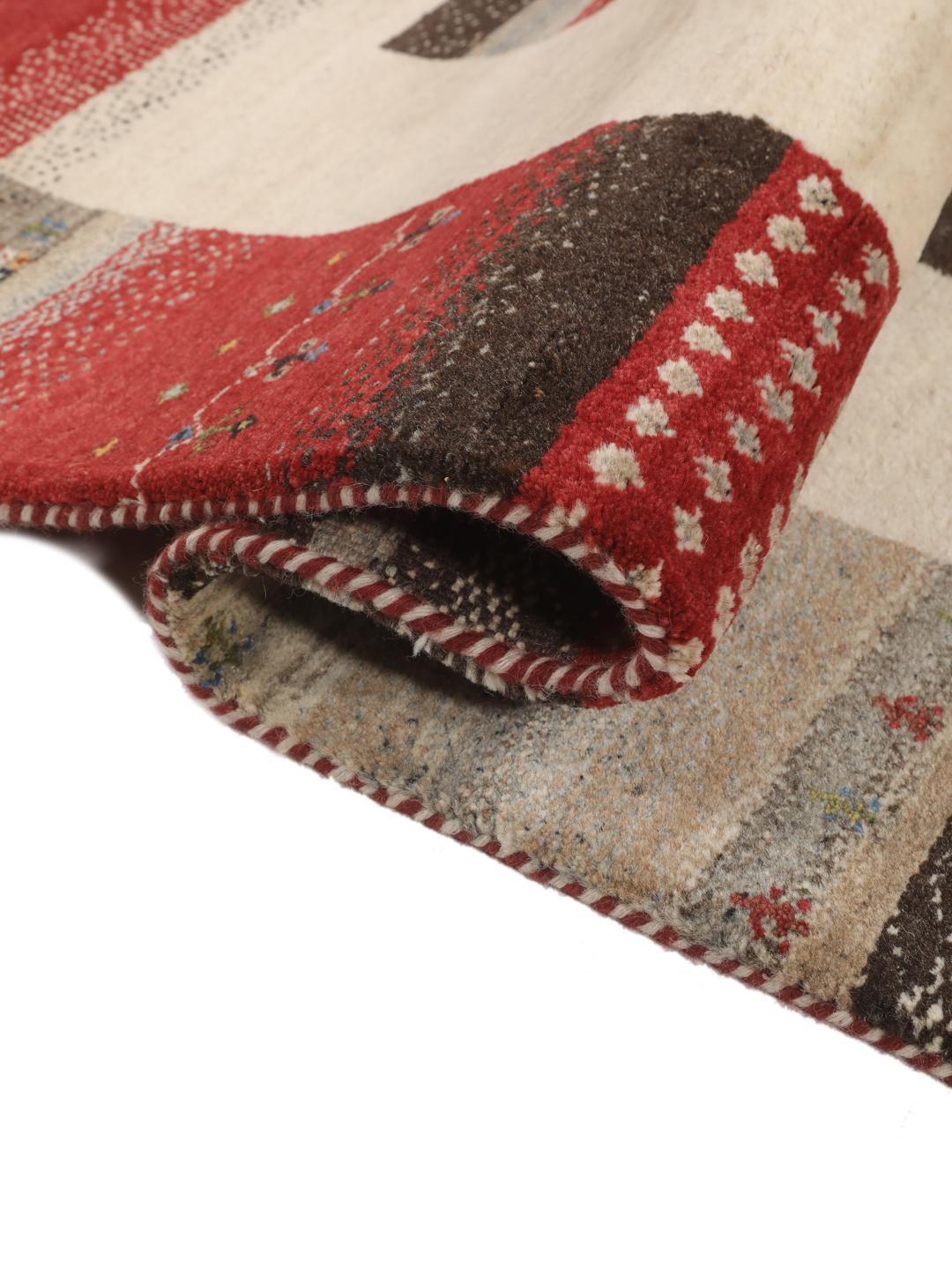
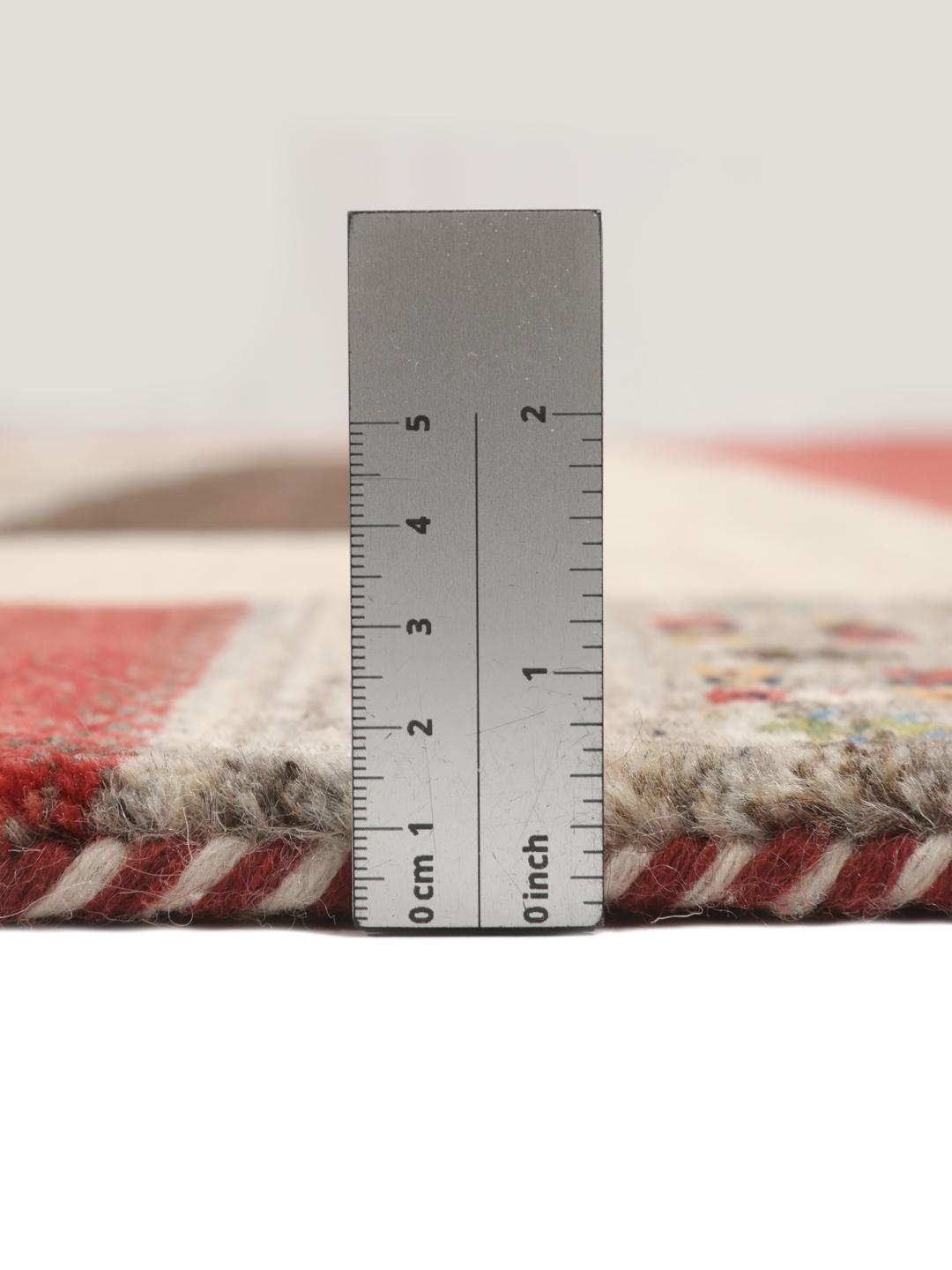
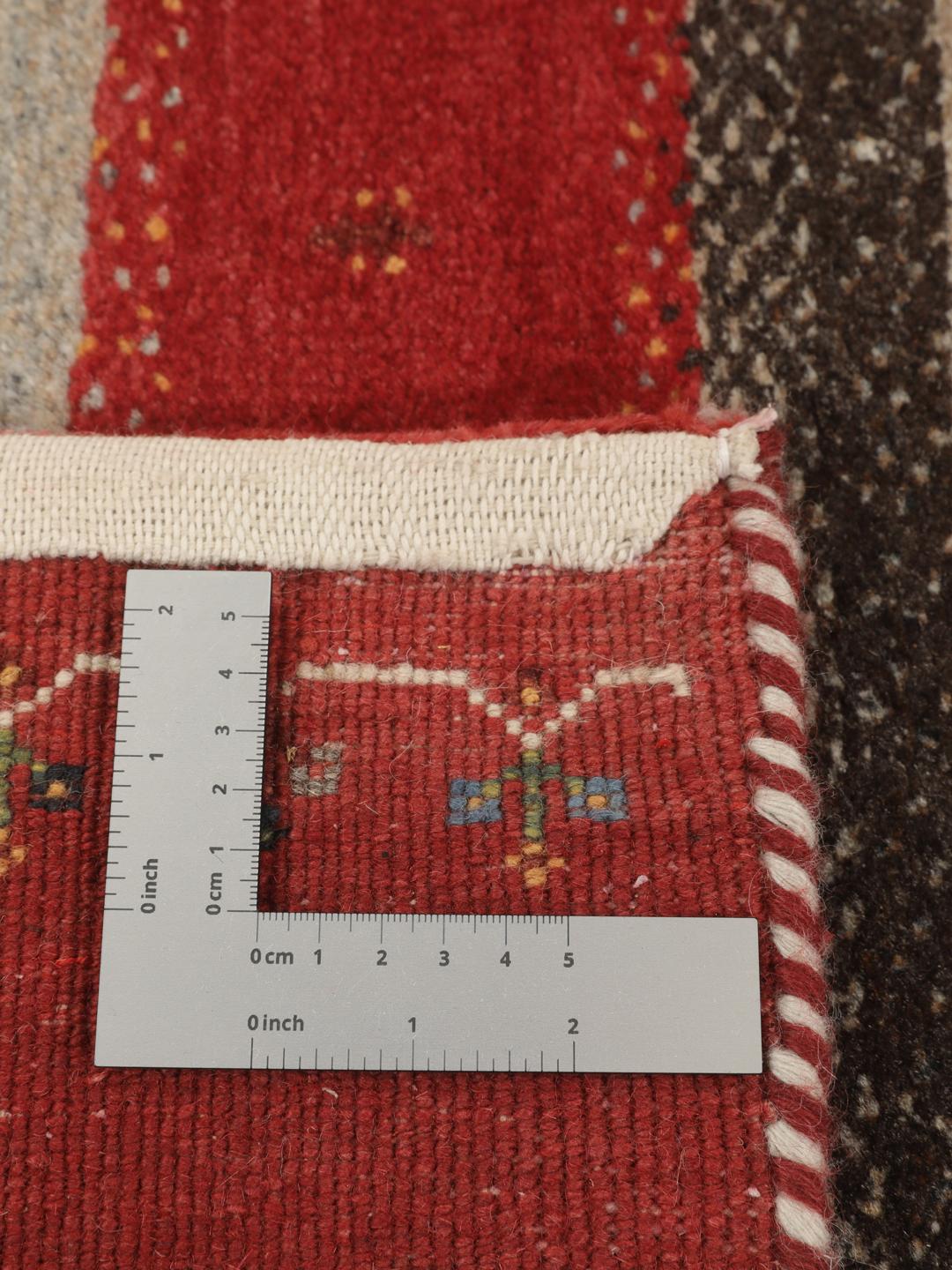
Gabbeh rugs have long been celebrated for their artistic freedom and raw, expressive beauty. Traditionally woven by nomadic tribes in the Middle East, these rugs were originally crafted for personal use, serving as warm bedding or floor coverings in harsh environments. Over time, the style evolved into the sophisticated Loribaft and Kashkooli traditions, which are now masterfully produced in regions like India, where artisans continue to honour these ancient techniques.
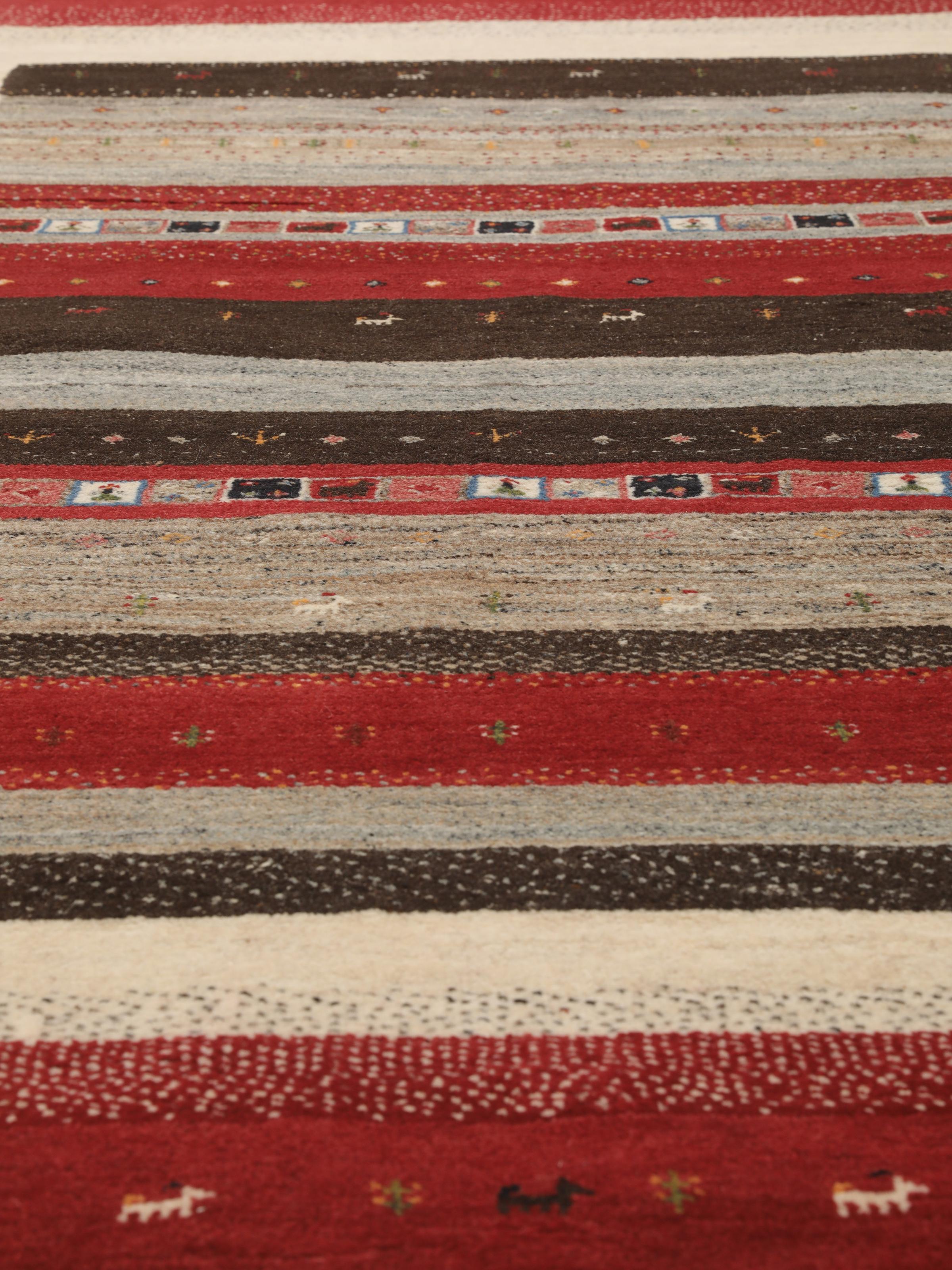
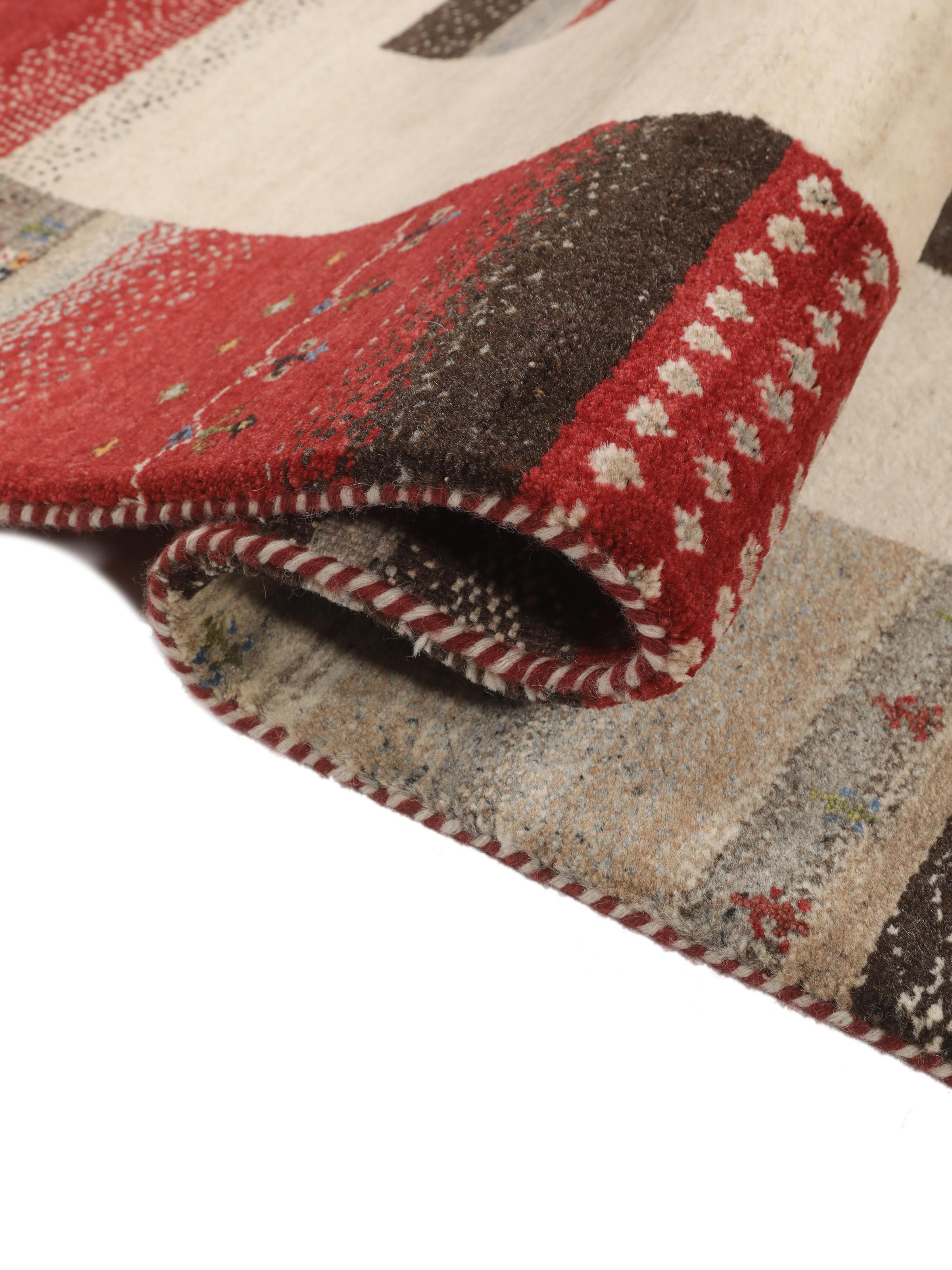
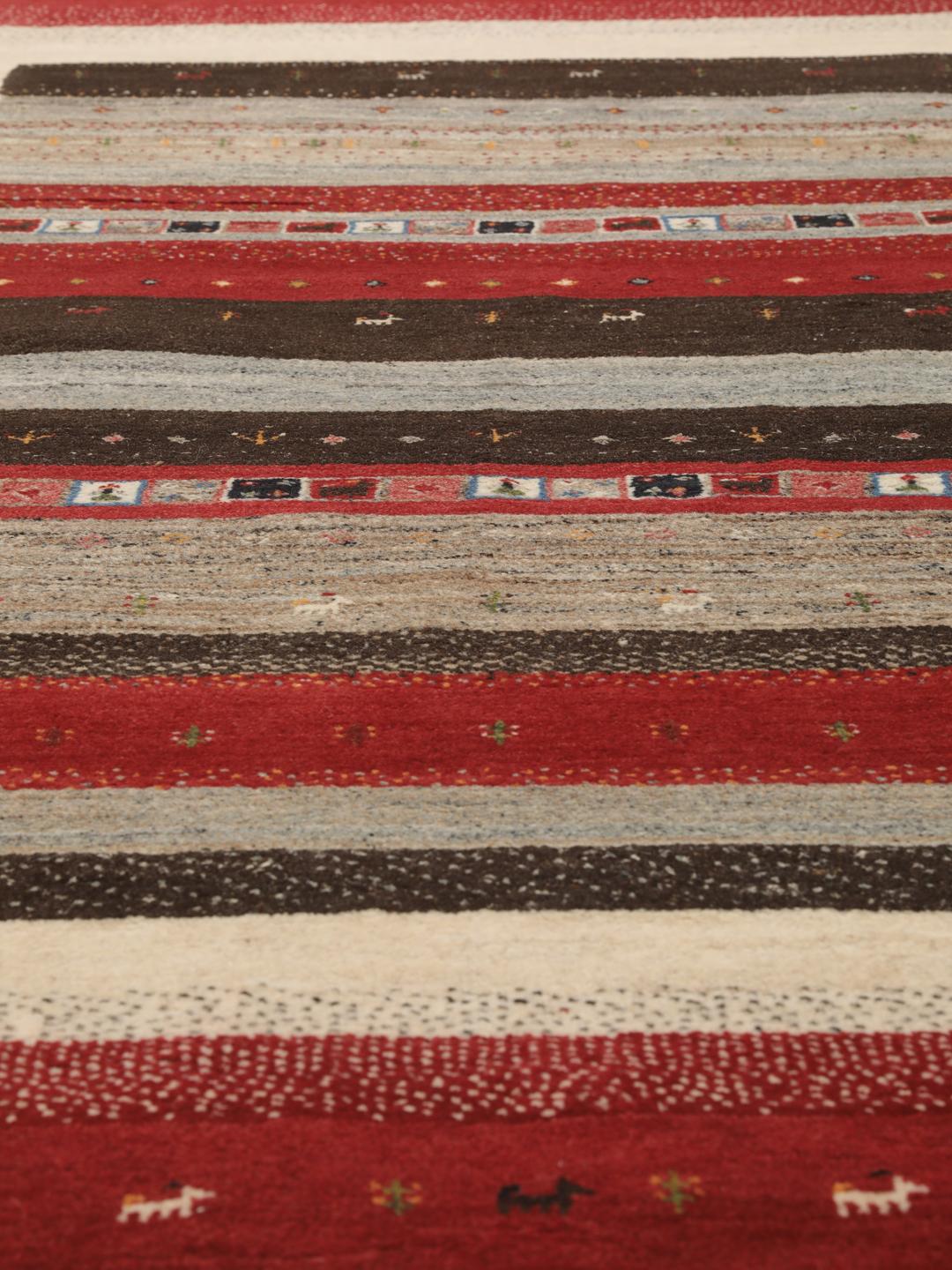
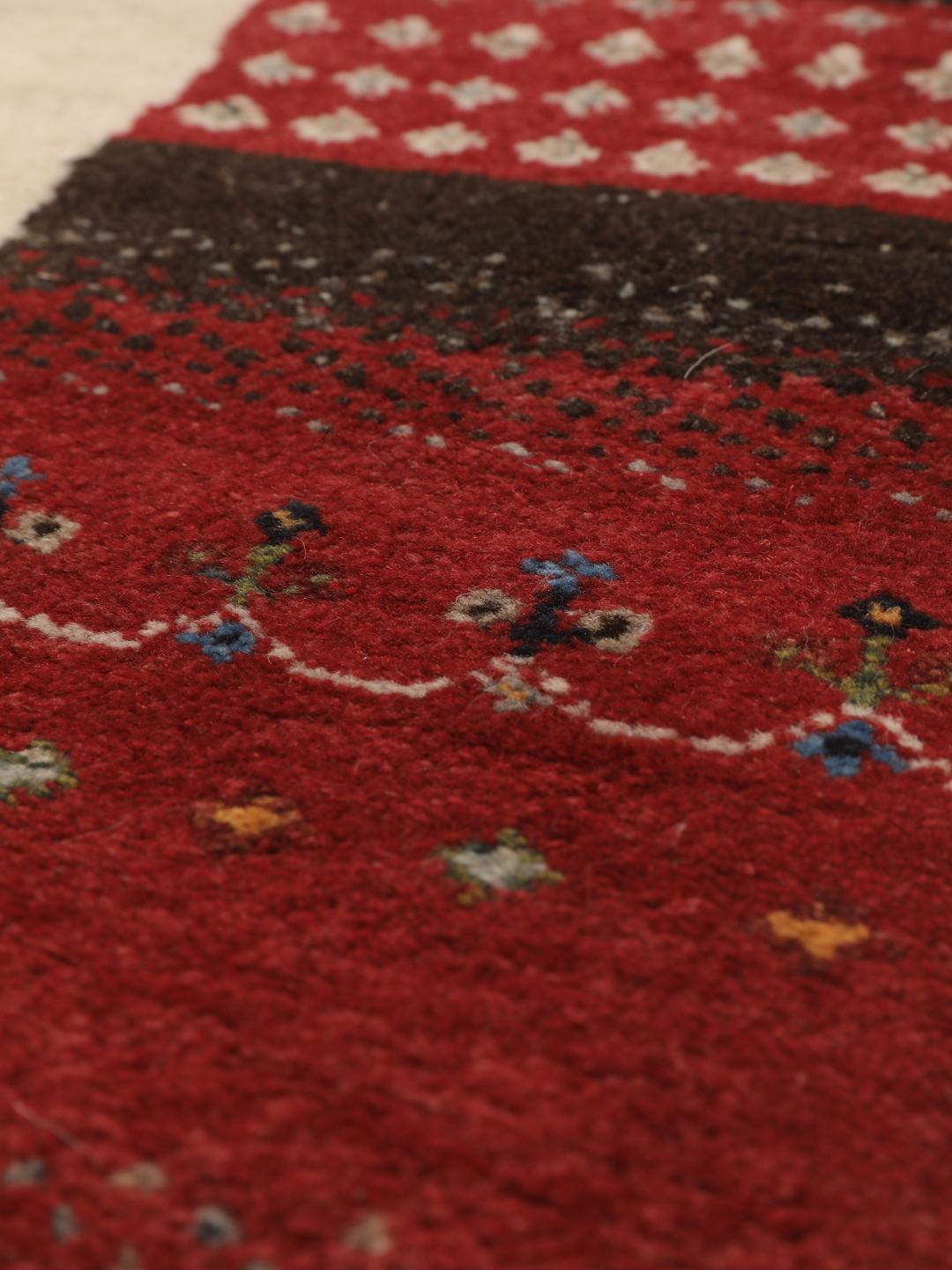
The term 'Loribaft' refers to a specific, refined quality of weaving that is significantly denser than standard Gabbeh rugs. This density is achieved through a higher concentration of knots, which allows for more intricate pattern definition and a more luxurious, velvety feel underfoot. For the collector or the discerning homeowner, this technical refinement means a rug that is both more detailed in its design and more durable in its daily performance.
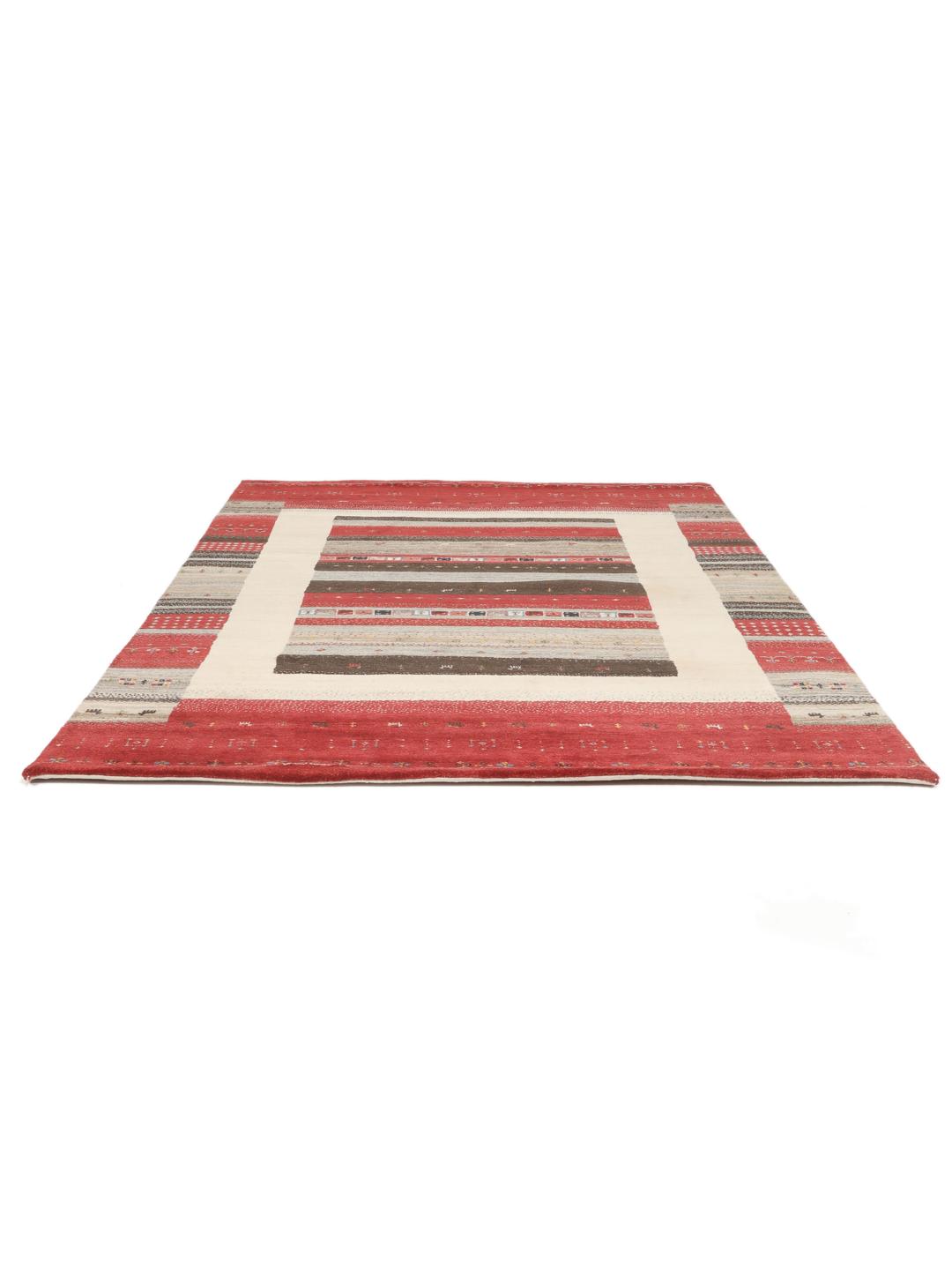
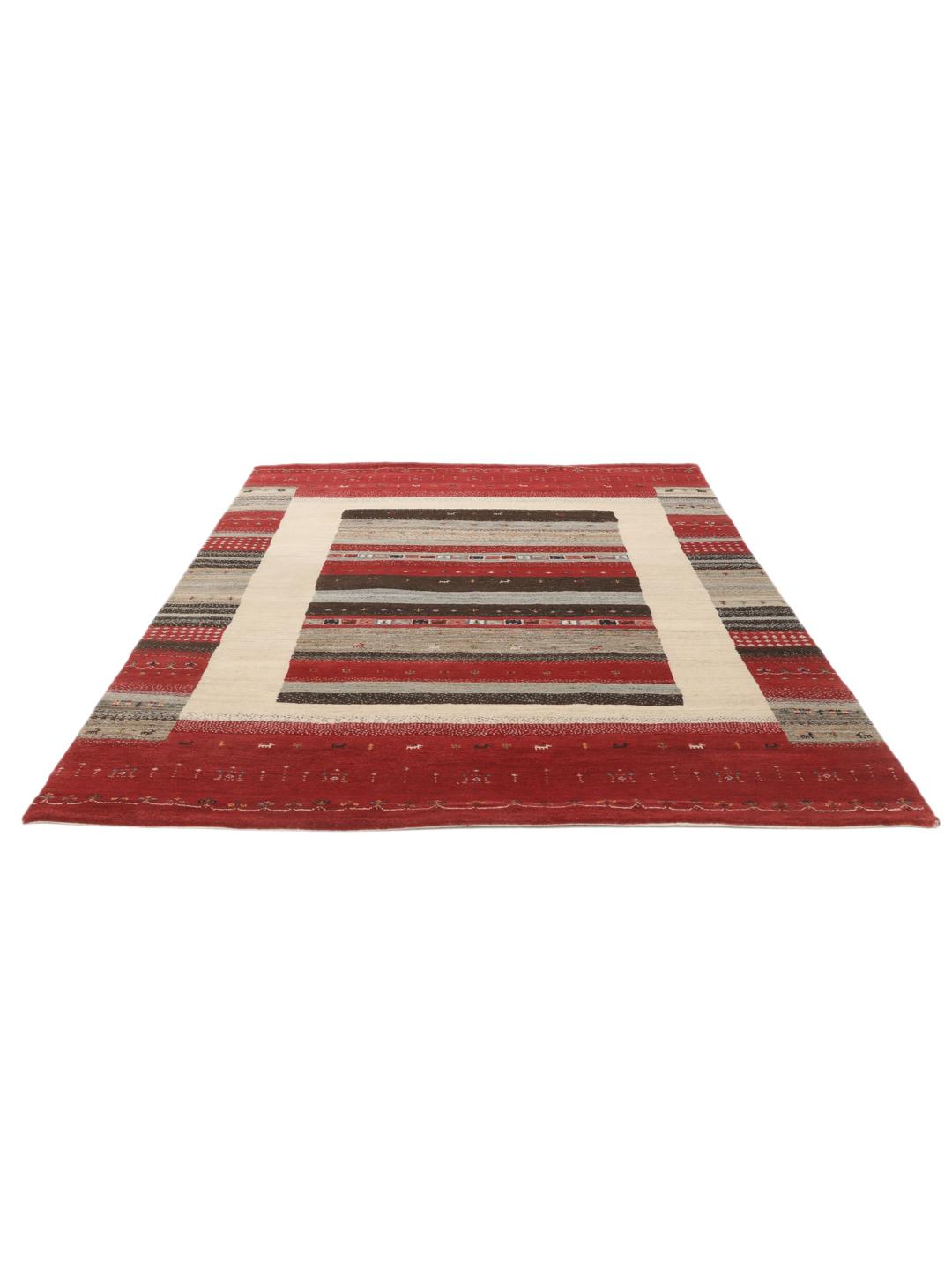
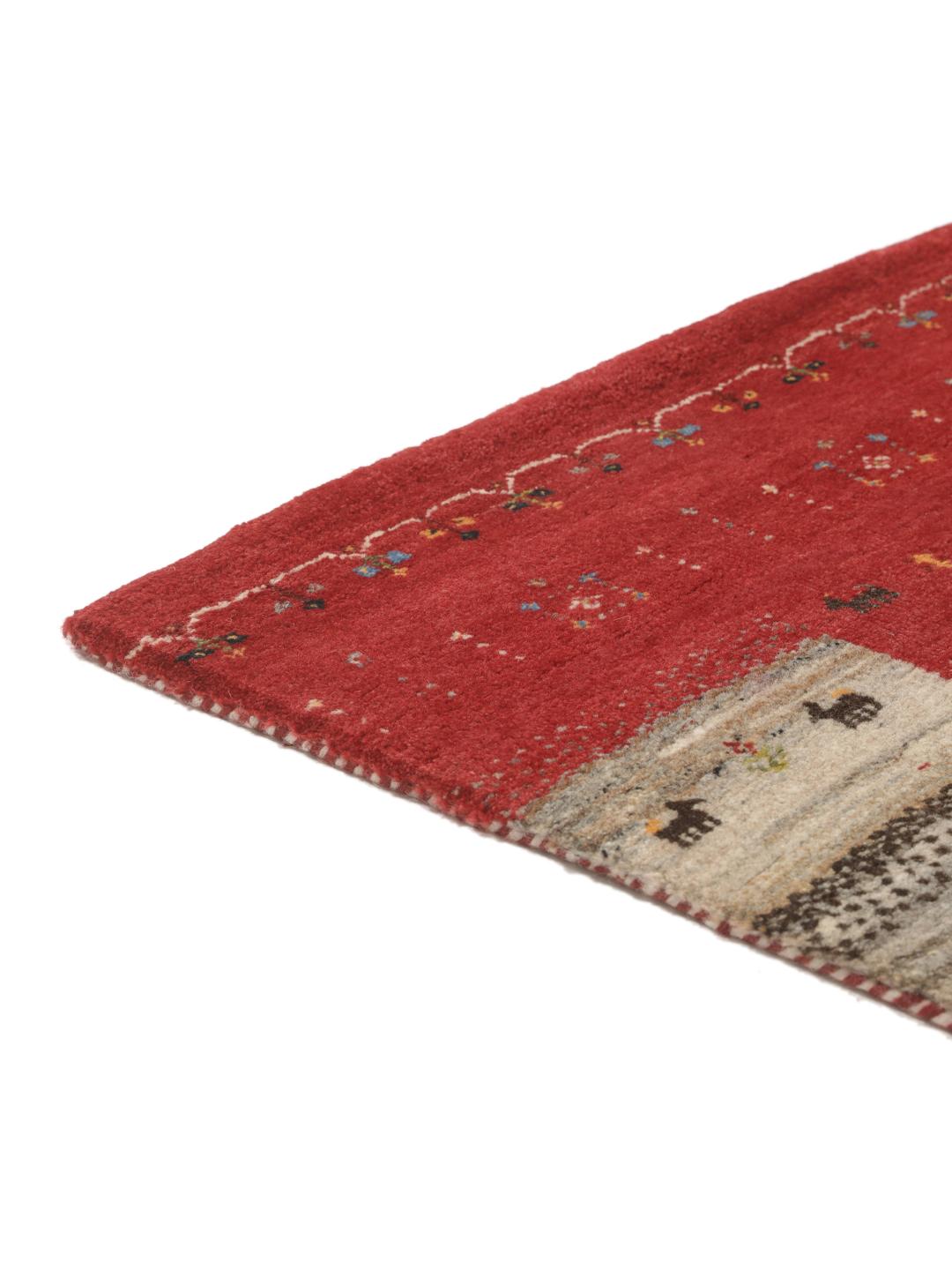
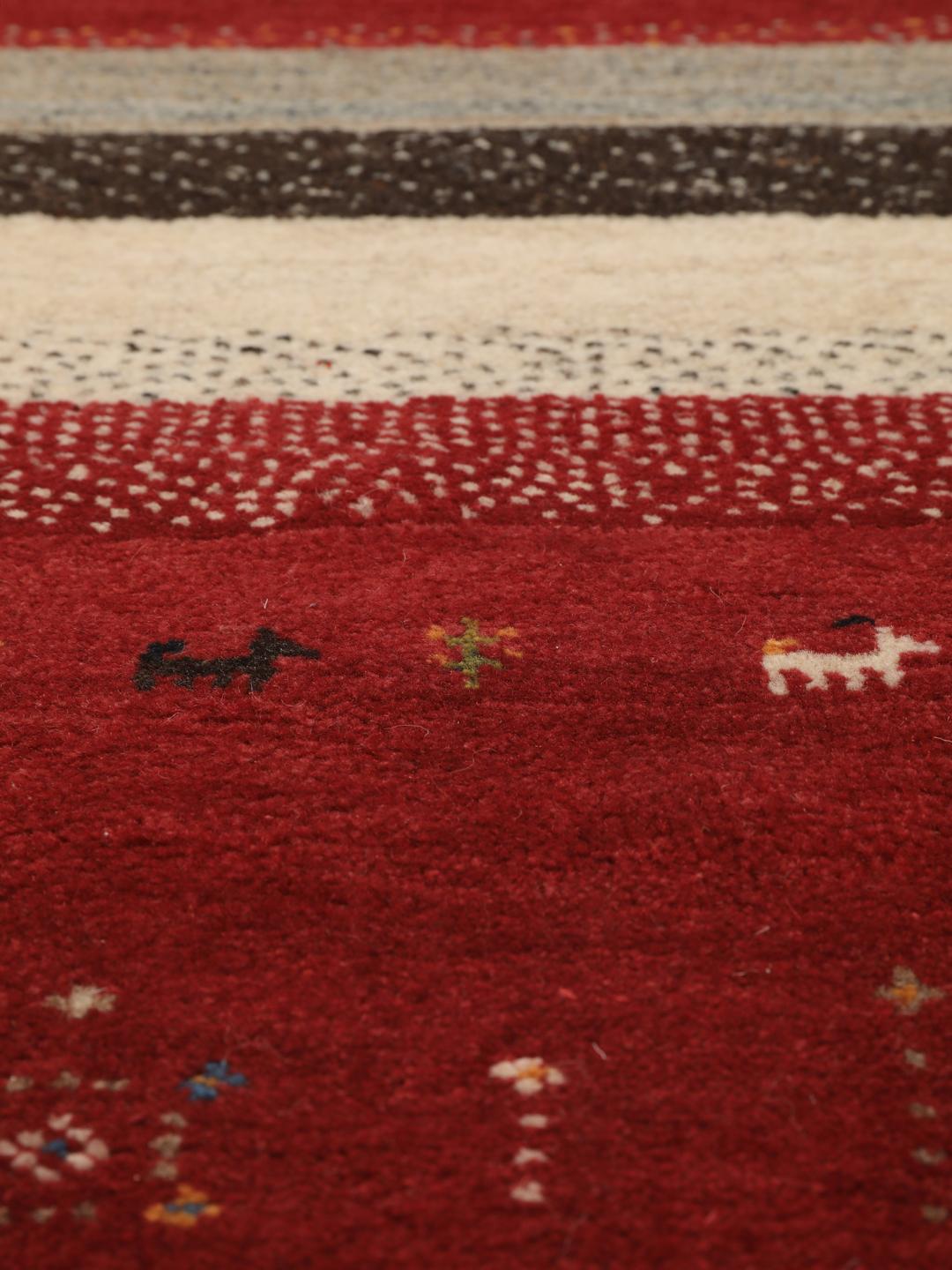
Visually, these rugs are characterised by their minimalist aesthetic, often featuring wide fields of solid or variegated colour interspersed with whimsical, stylized motifs. These patterns—ranging from small animal figures to abstract geometric shapes—are not merely decorative but are deeply symbolic, often representing the weaver's surroundings, family, or personal history. The use of vibrant, natural dyes often results in subtle colour variations known as abrash, which add depth and character to the rug.
Collecting a rug from this tradition is an act of preserving a piece of cultural heritage. Because each piece is created by hand without the use of a pre-drawn pattern, no two rugs are ever identical. The value of these rugs lies in this human element—the weaver's vision, the time-honoured skill, and the genuine, unscripted beauty that arises from a craft that has remained largely unchanged for generations.