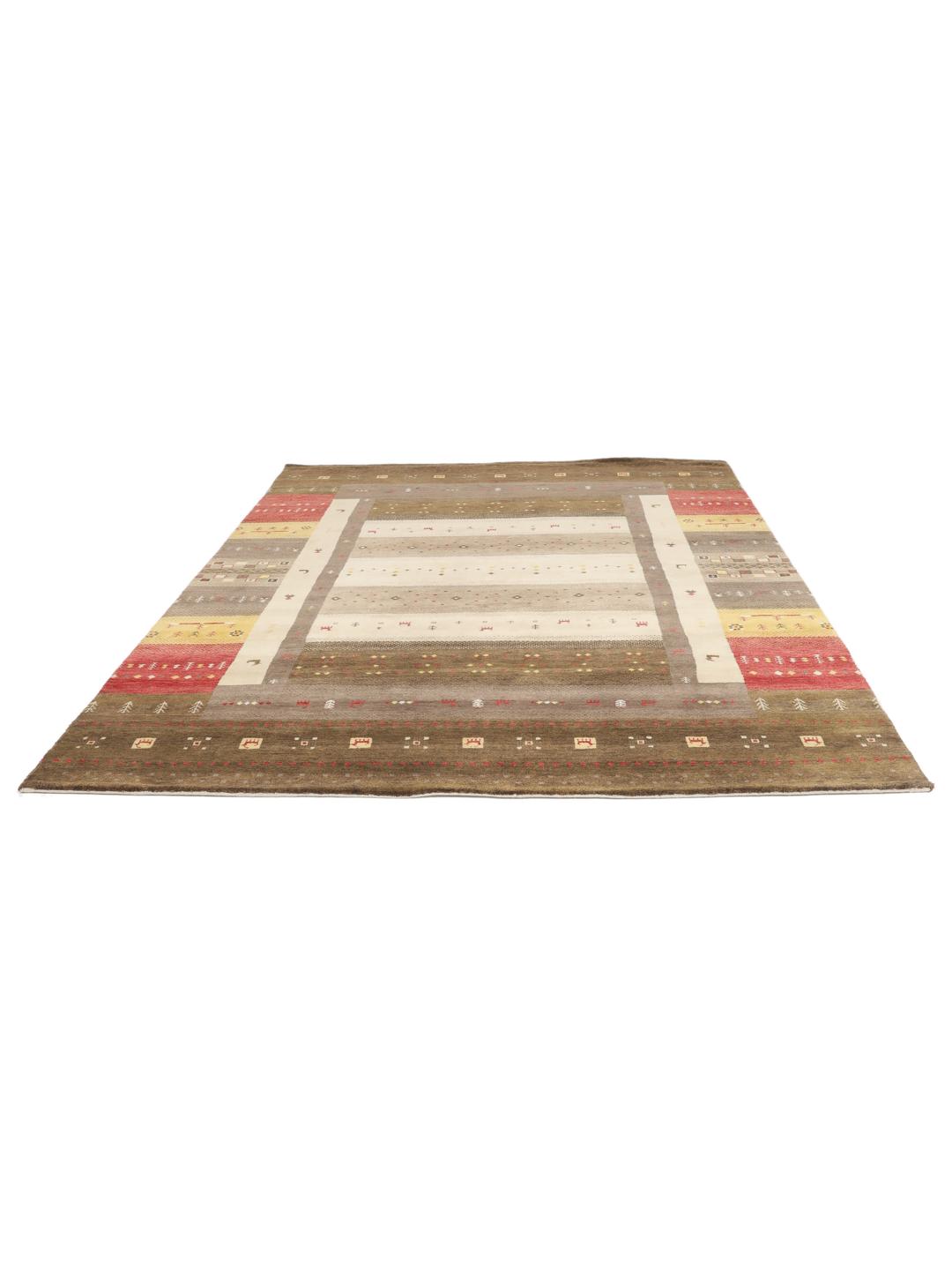
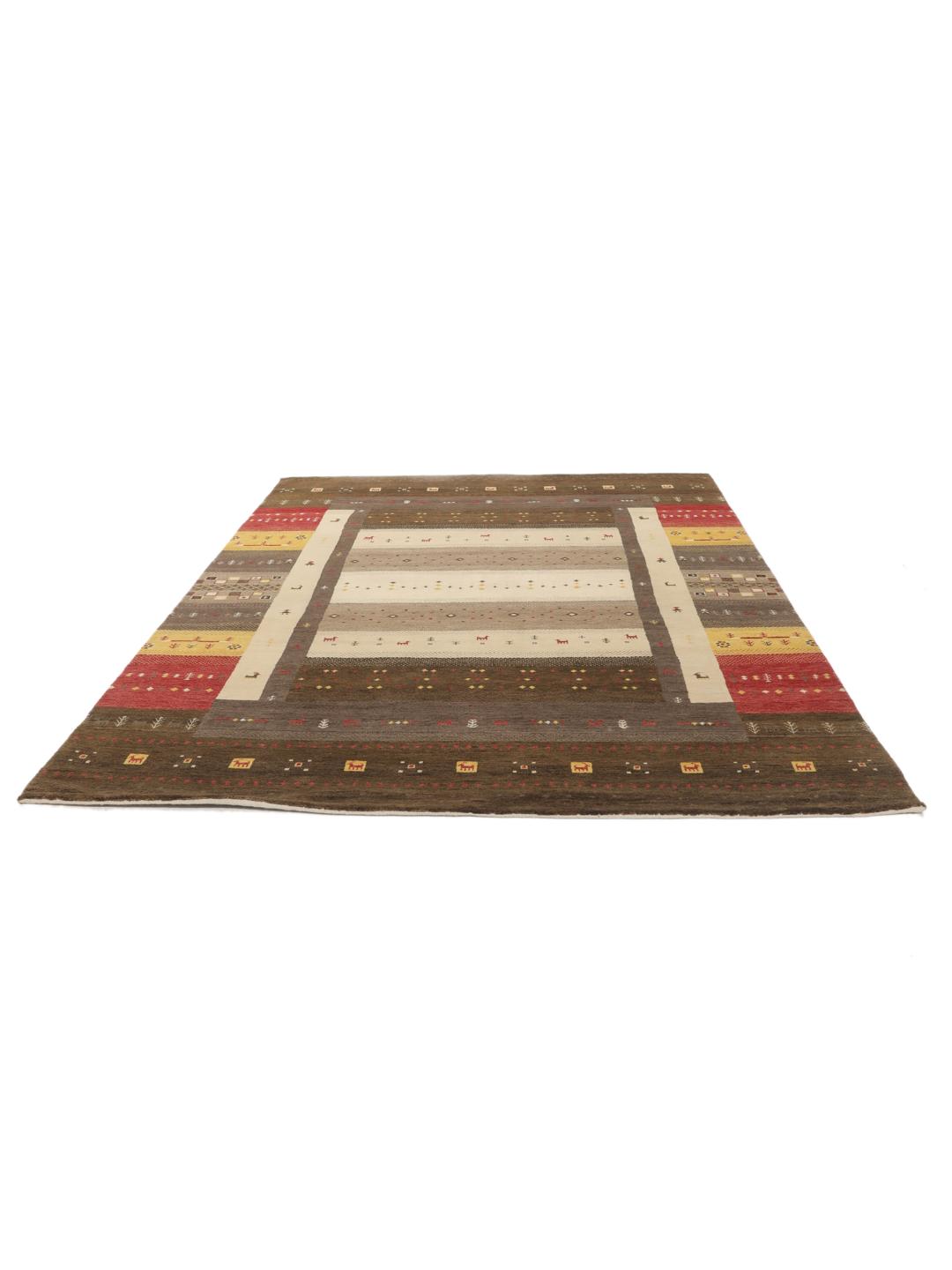
Gabbeh rugs have a long and storied history, originating as functional, heavy-pile floor coverings woven by nomadic tribes in the Middle East. Originally intended for personal use rather than commercial trade, these rugs were prized for their simplicity and the raw, expressive power of their designs. Over time, the tradition evolved, and today, the finest examples are crafted by skilled artisans in India who honour these ancient techniques while refining the Wool quality for modern homes.
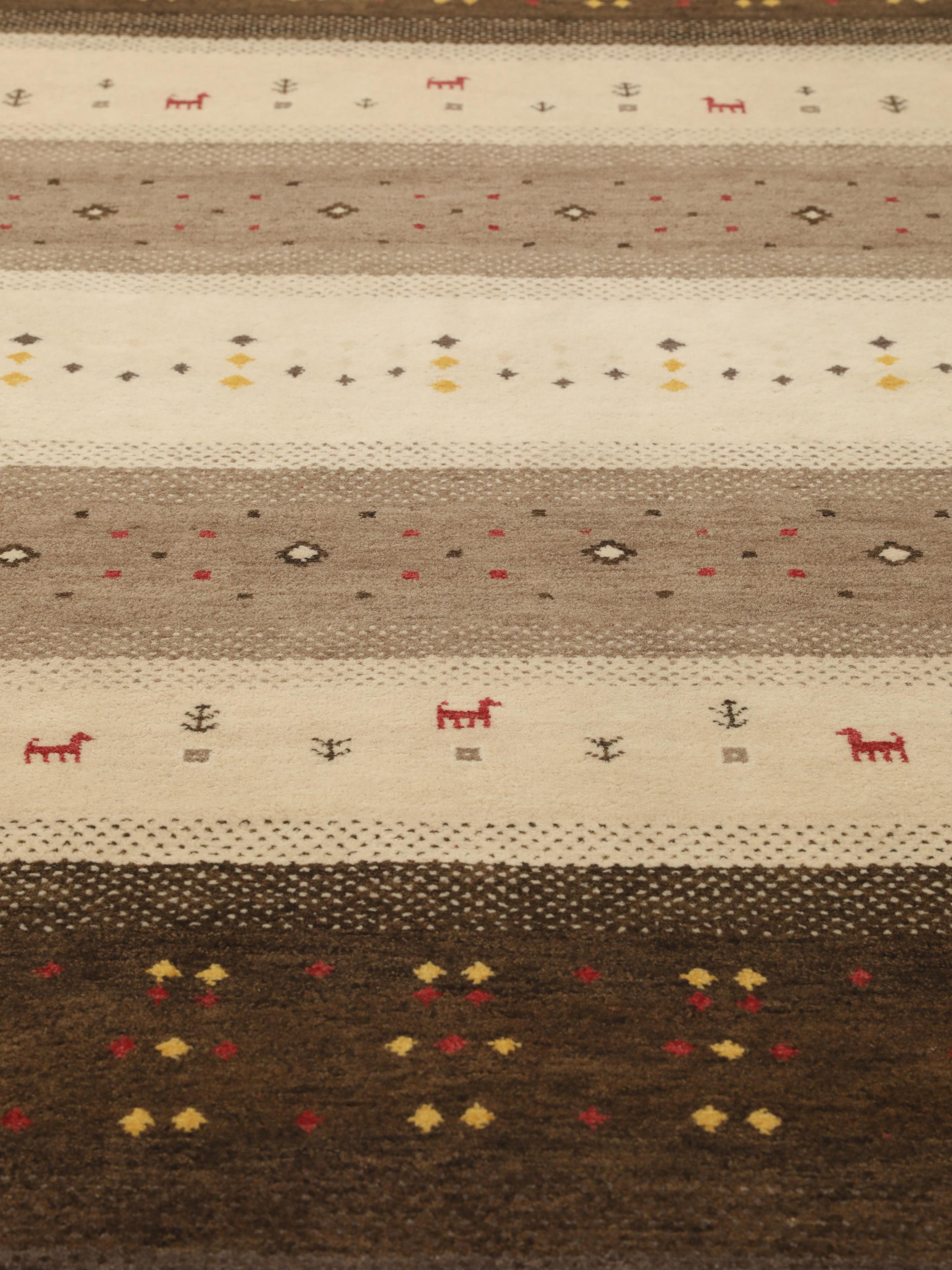
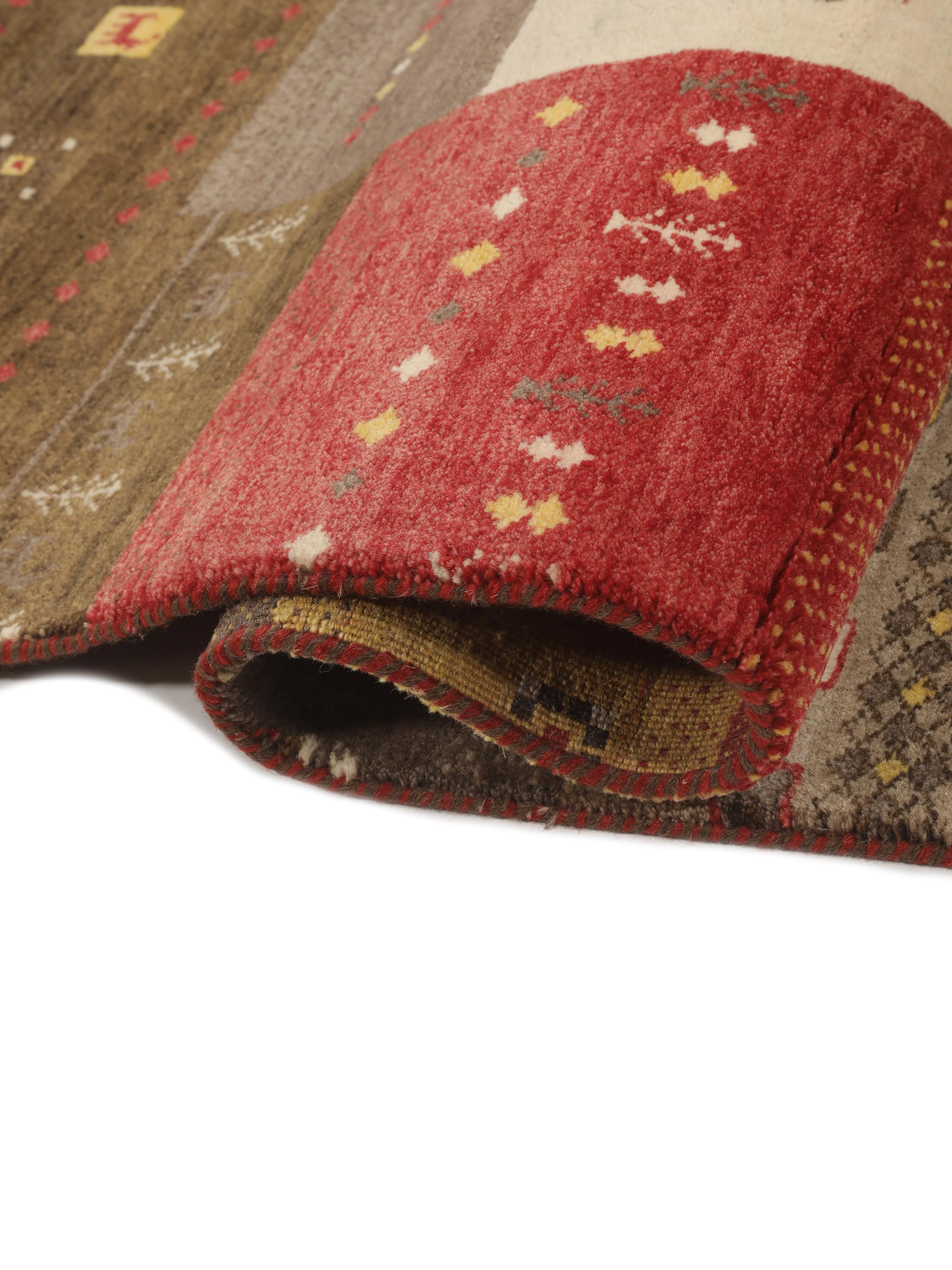
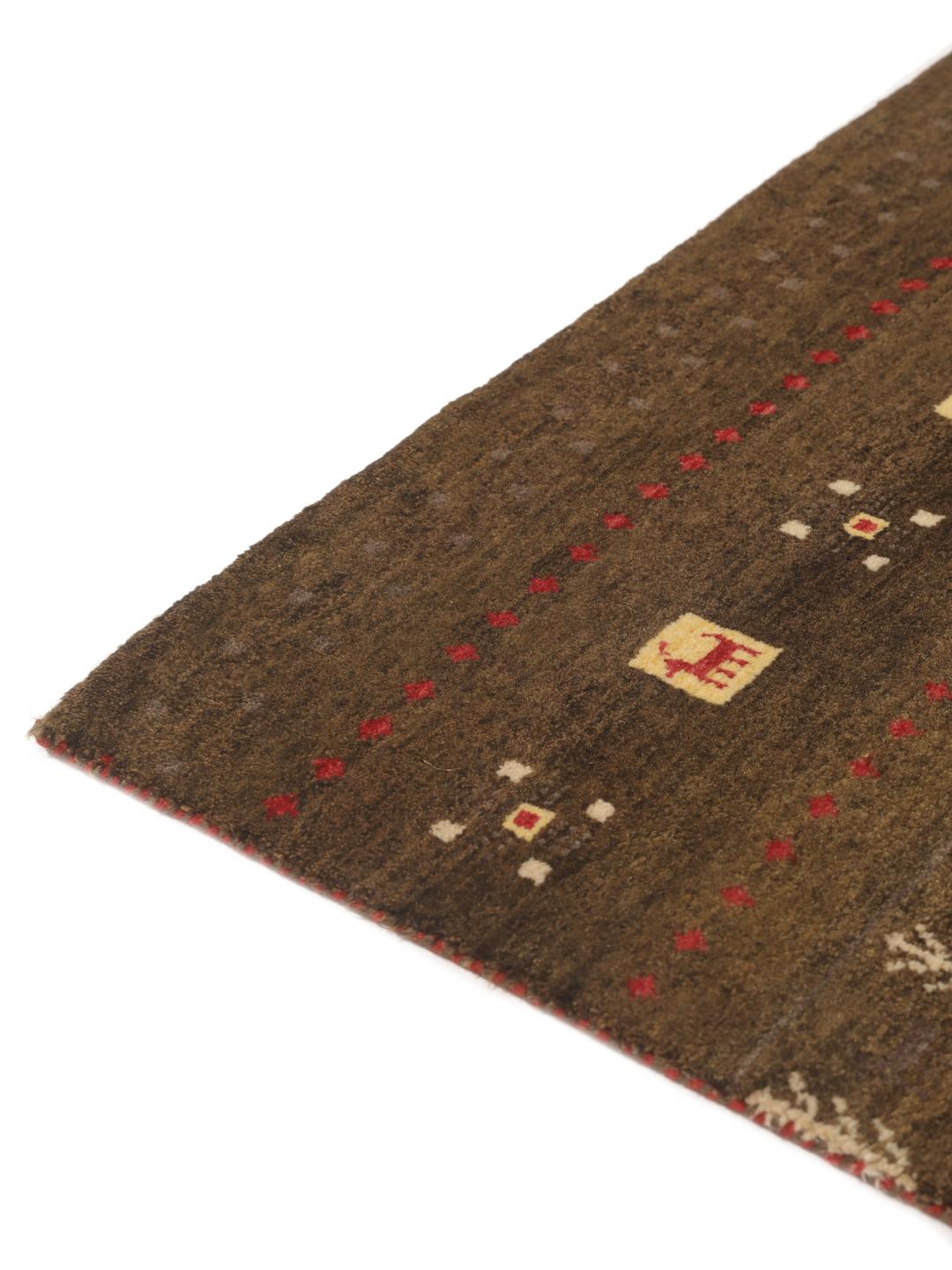
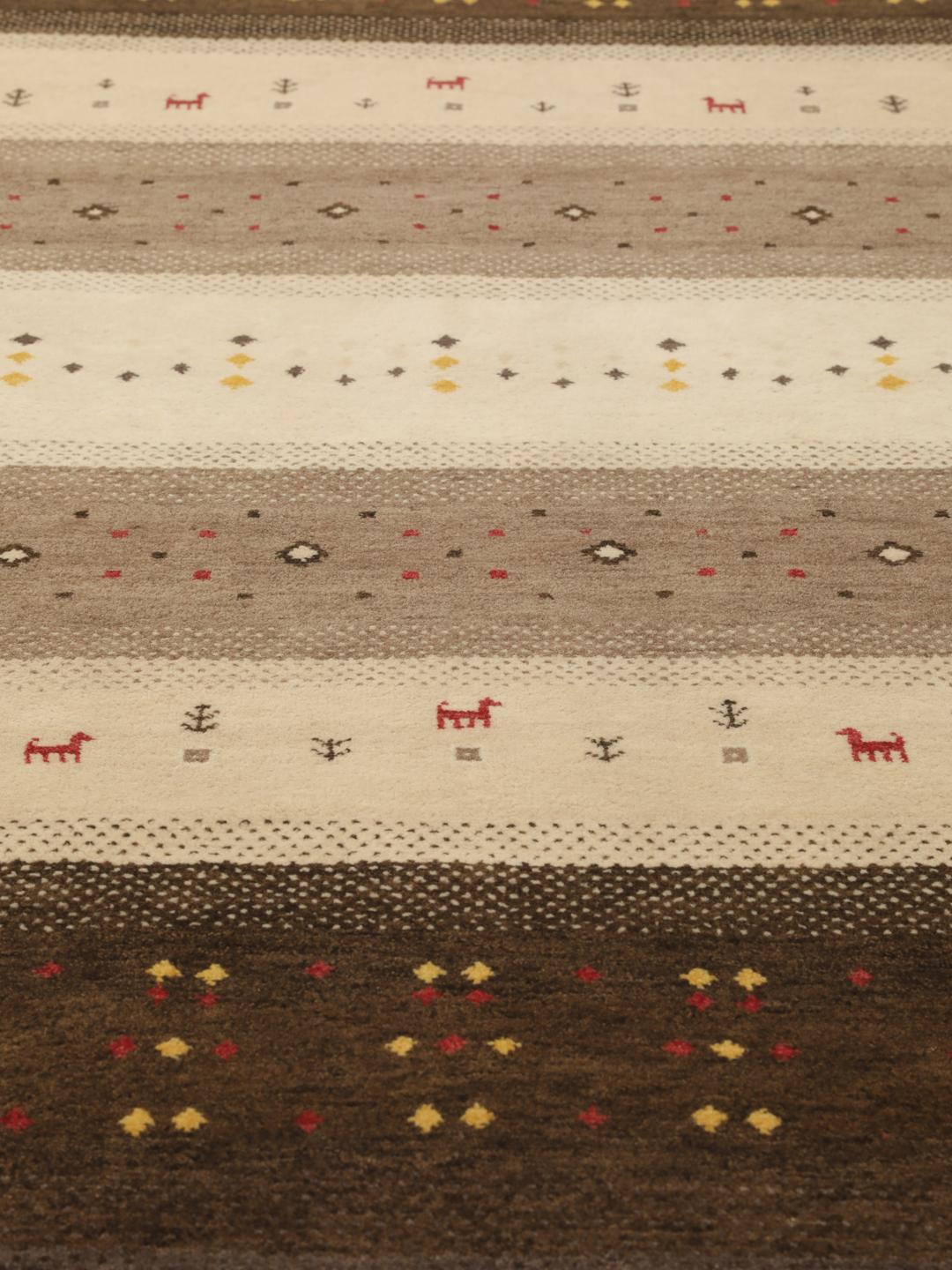
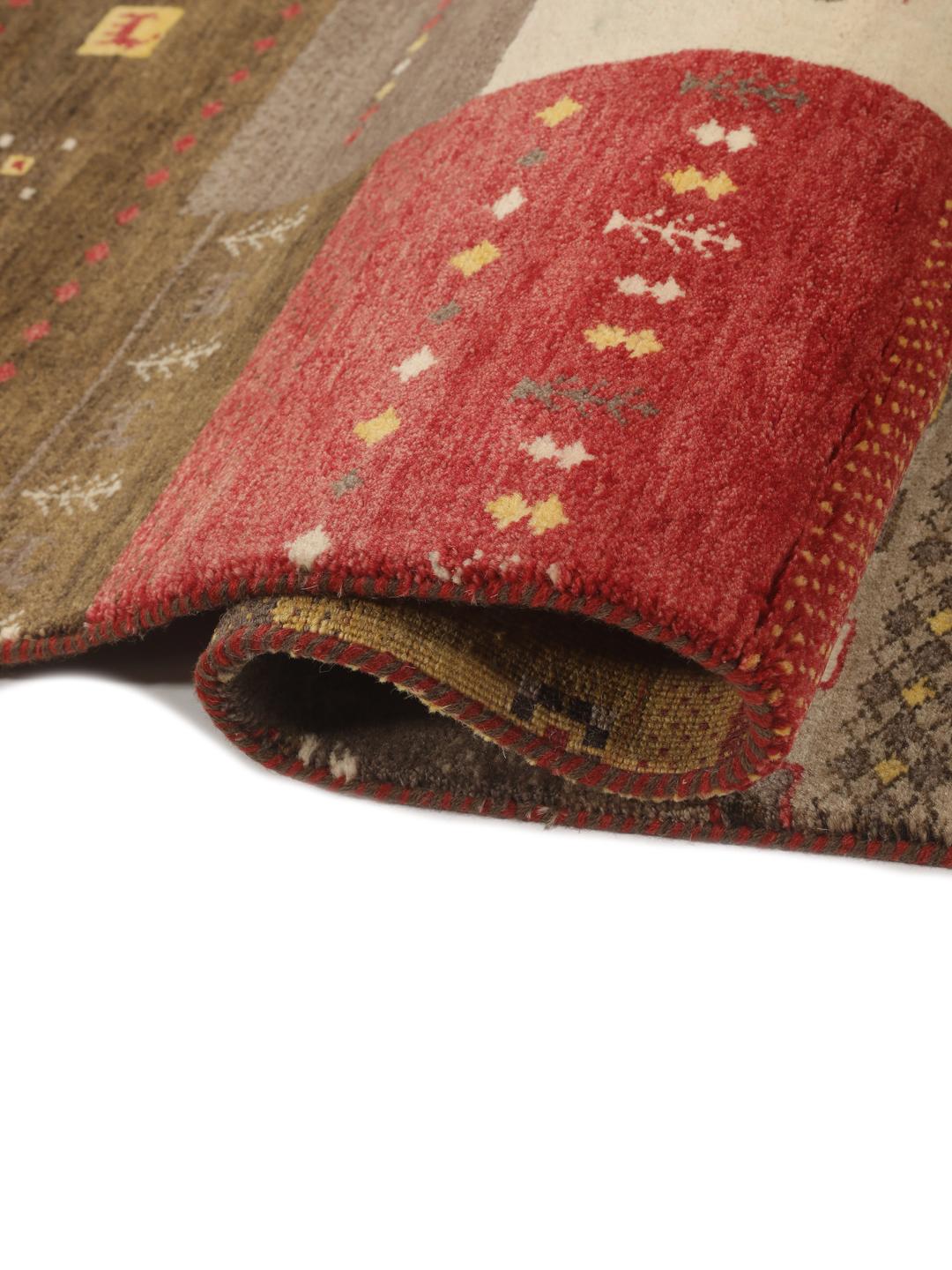
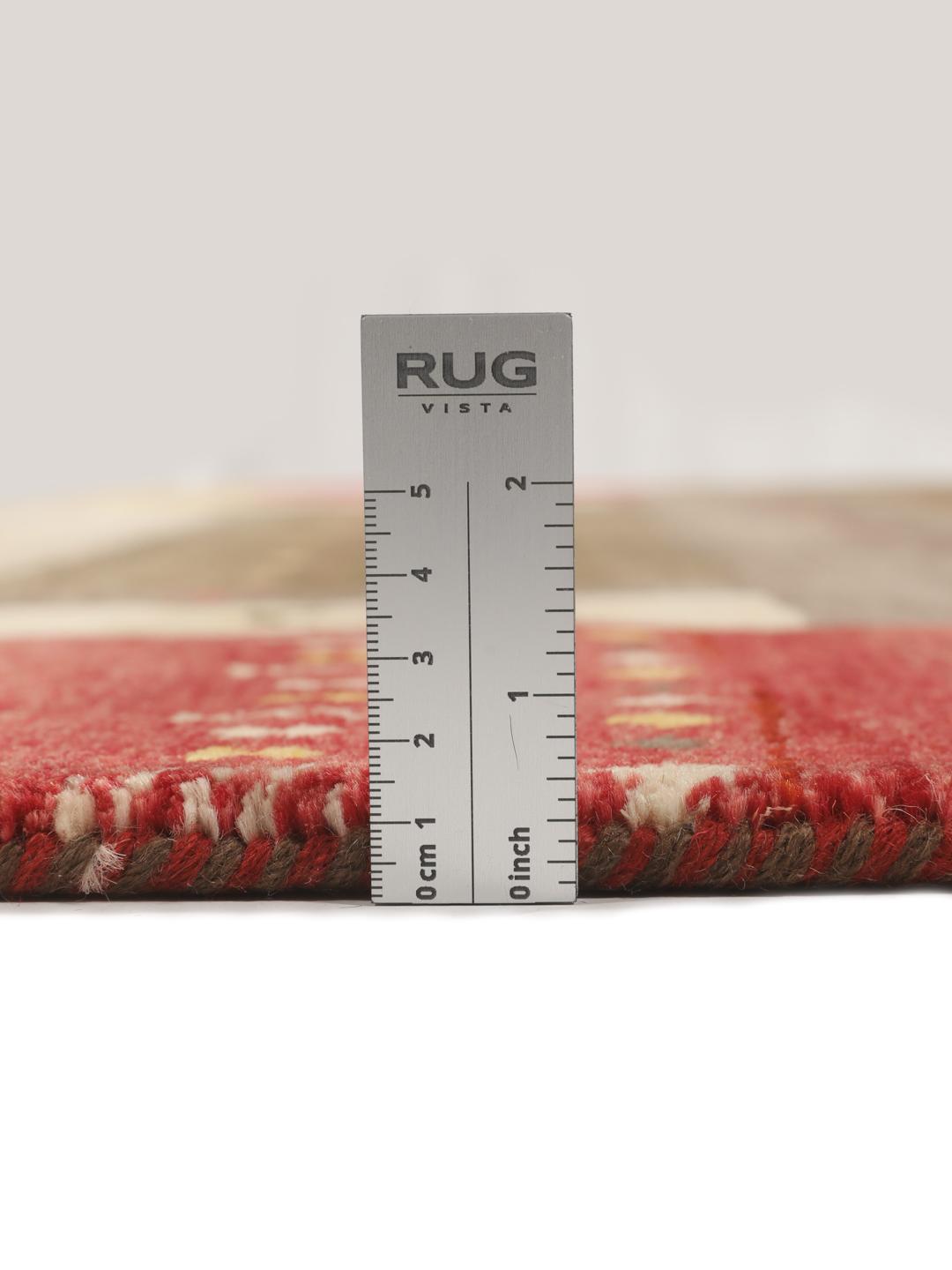
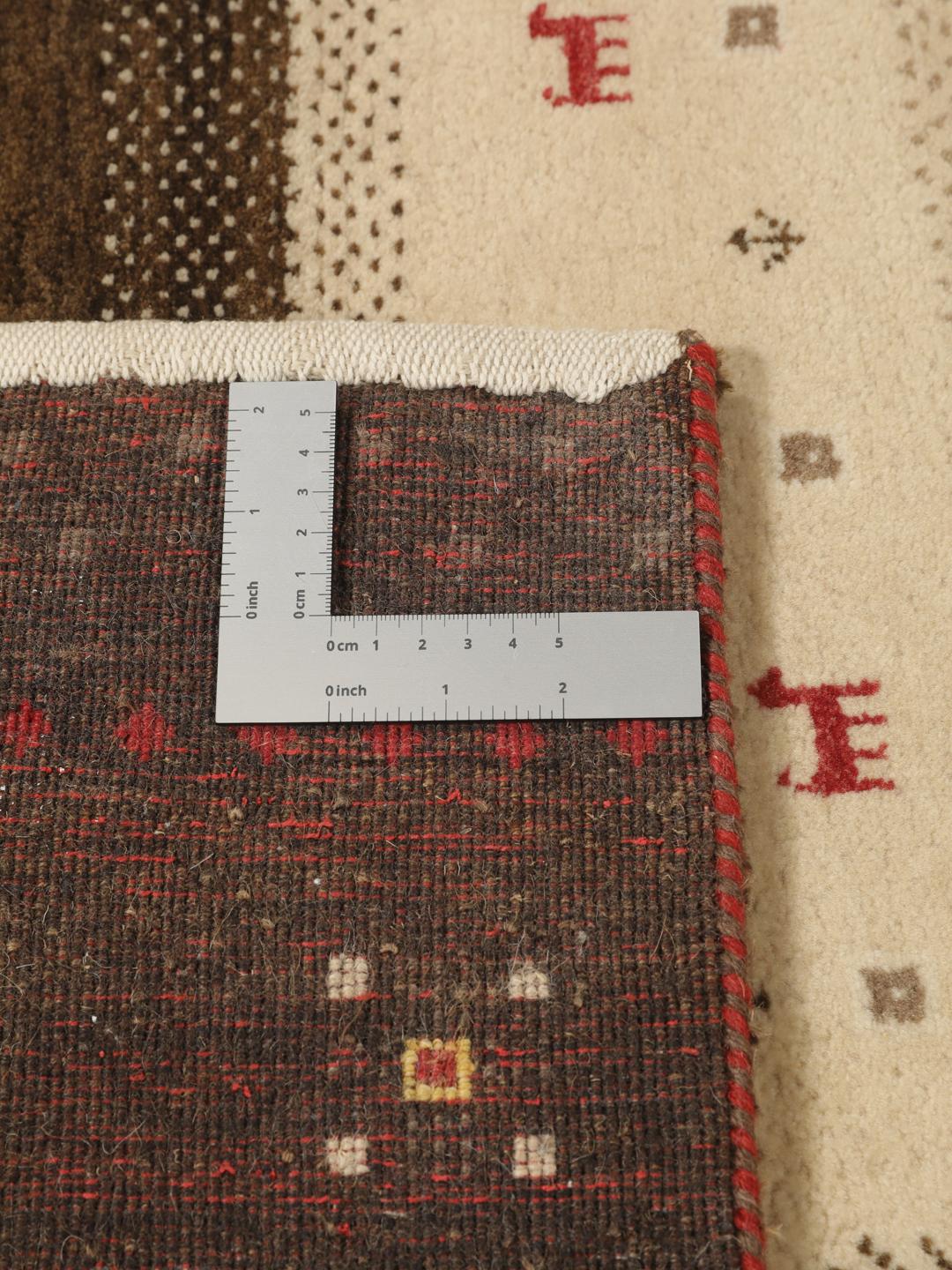
The term 'Loribaft' refers to a specific, high-quality style of Gabbeh known for its denser knotting and finer pile. While traditional Gabbehs are often characterised by a thicker, more rustic weave, the Loribaft technique creates a smoother, more refined surface that allows for more detailed patterns while retaining the warmth and soul of the original nomadic aesthetic. This evolution in craft makes the rug both more durable and more versatile for contemporary interiors.
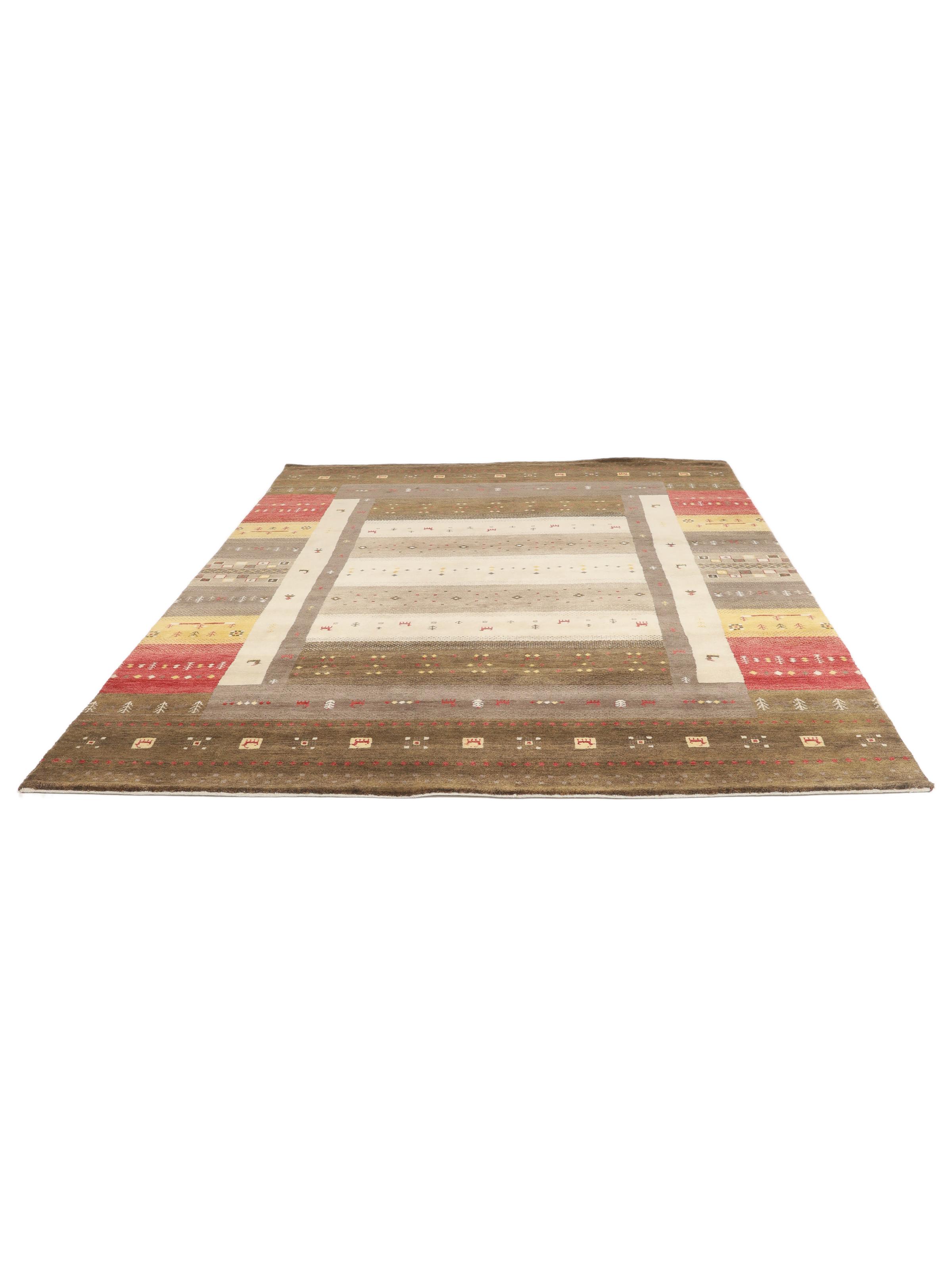
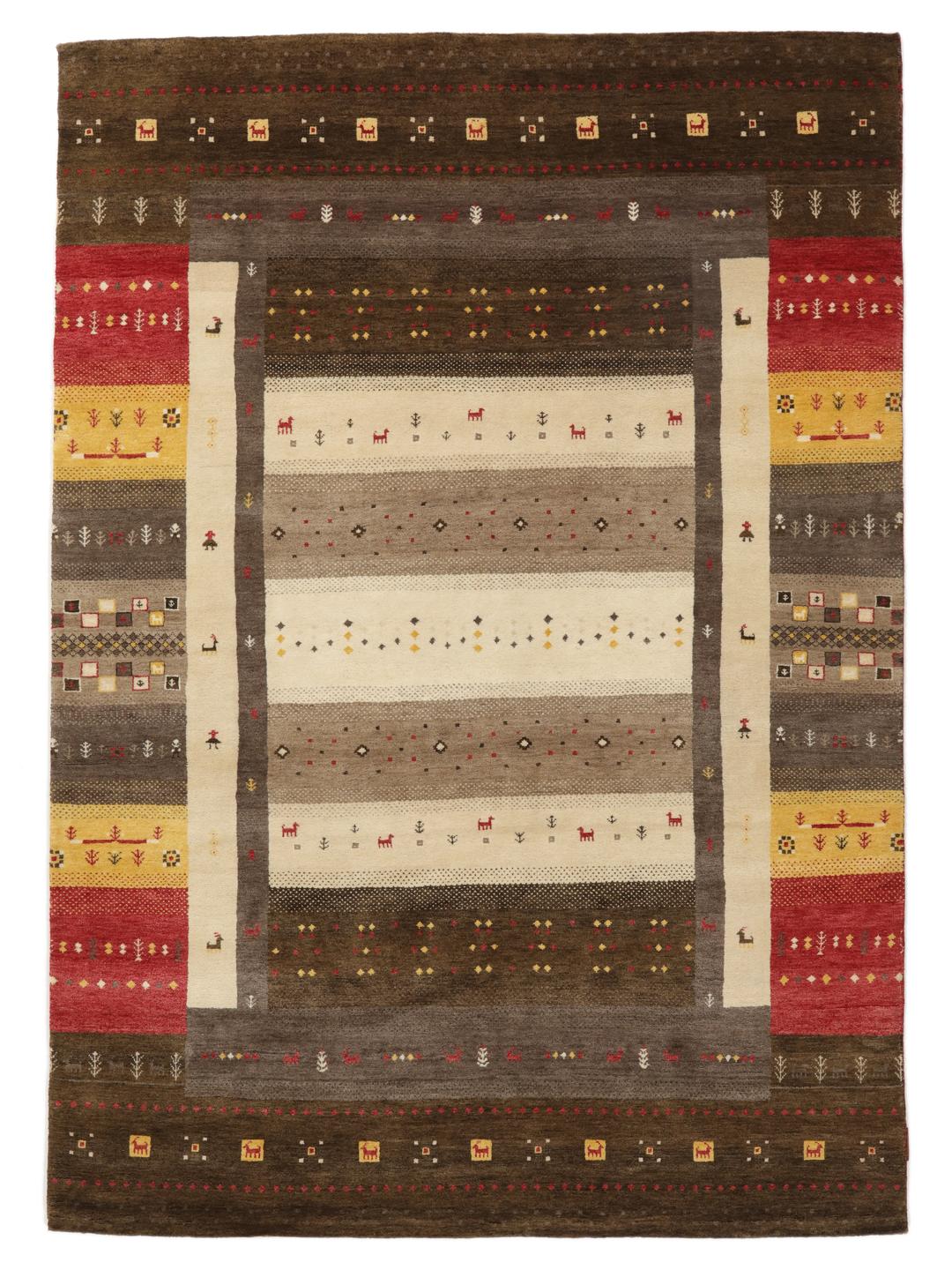
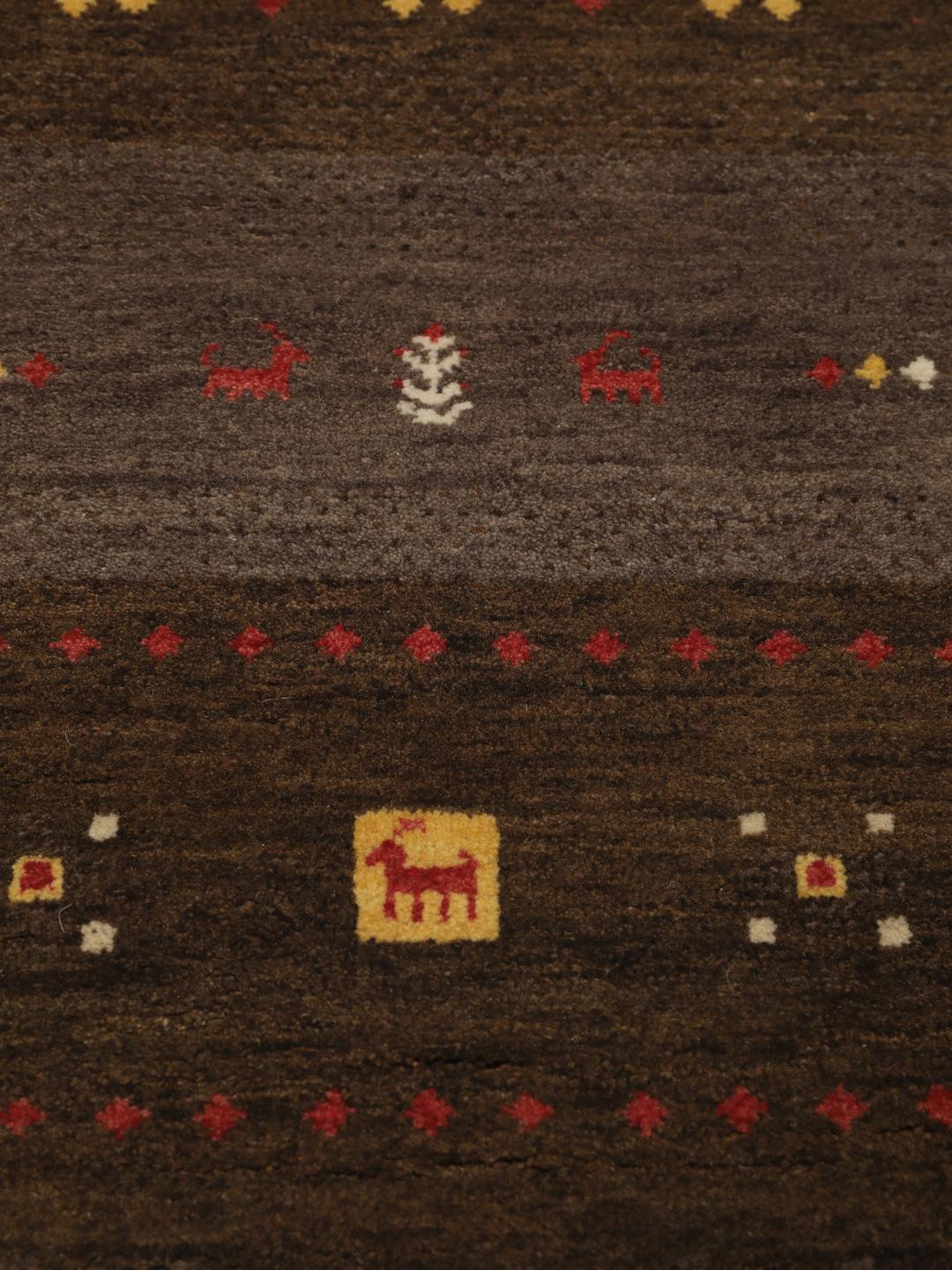
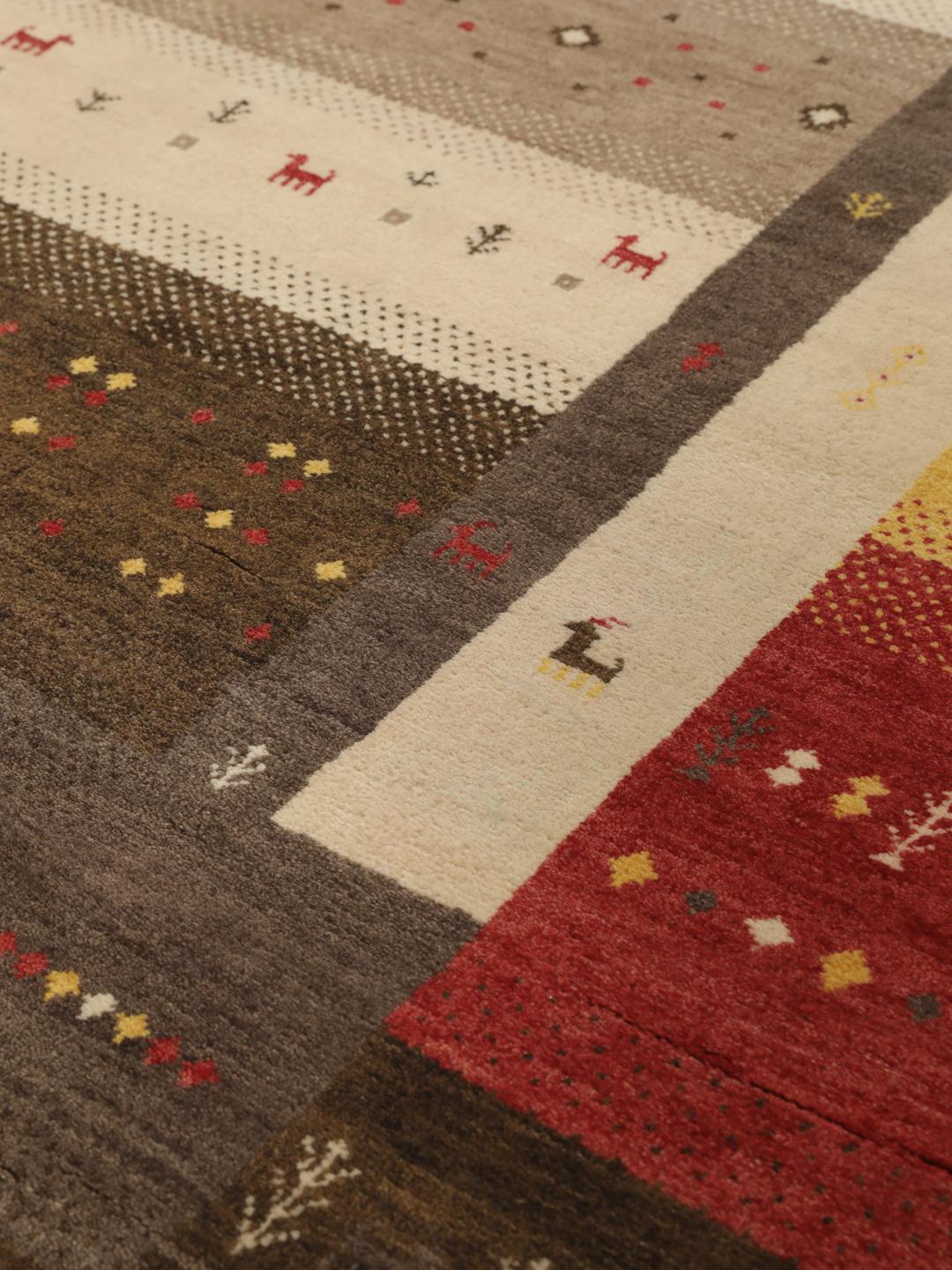
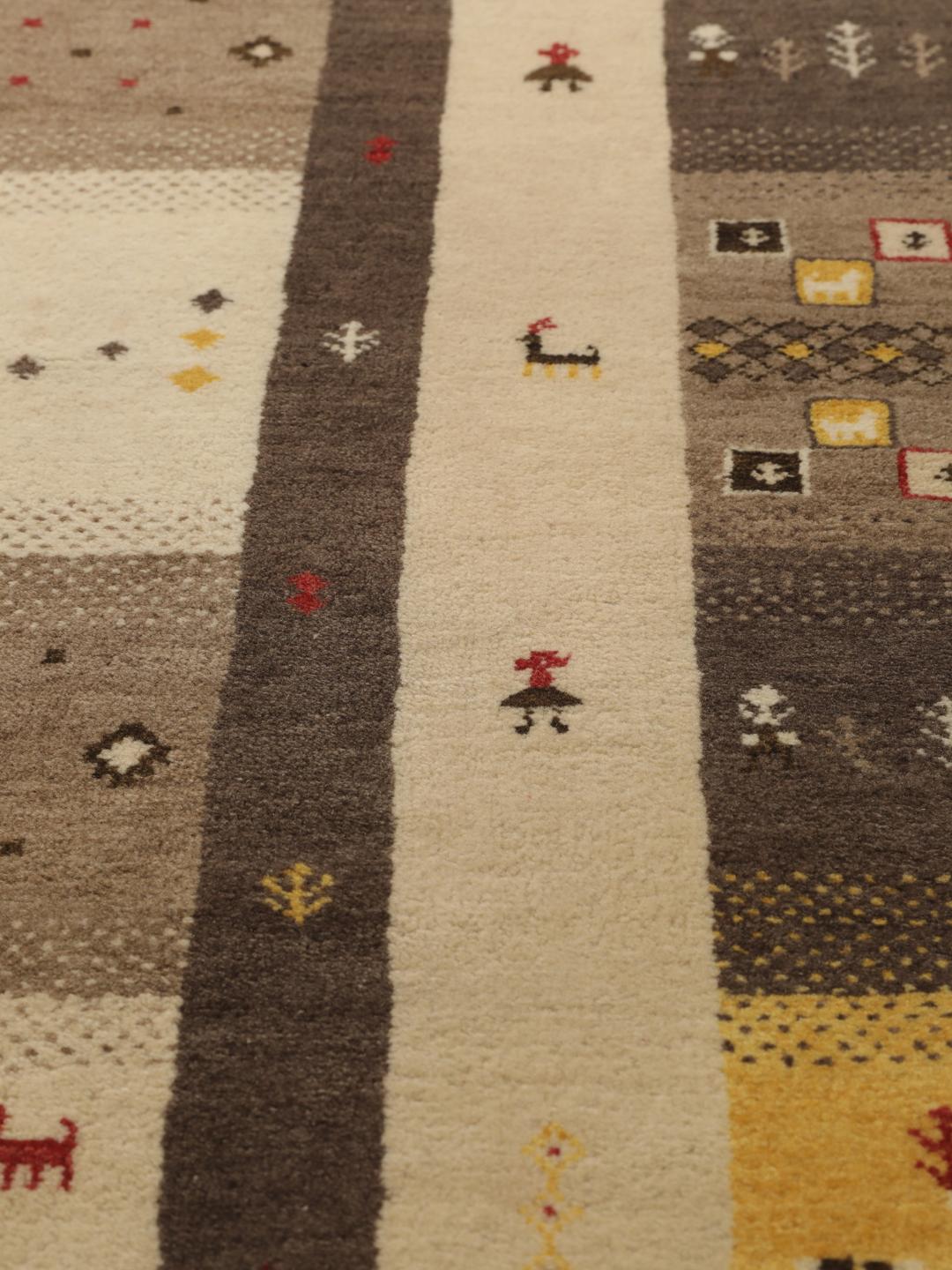
Visually, Gabbeh rugs are renowned for their use of negative space, bold geometric shapes, and stylised motifs representing aspects of daily life, such as animals, trees, or celestial symbols. This particular piece showcases a rhythmic arrangement of these elements, balanced by a sophisticated colour palette that feels both grounded and vibrant. Such designs are not merely decorative but serve as a visual narrative of the culture and environment from which they emerge.
Collecting a hand-knotted Gabbeh Loribaft is an investment in human skill and cultural heritage. These rugs are valued not only for their aesthetic appeal but for the patience and dedication required to produce them. Owning such a piece means bringing a sense of history and authentic craft into your living space, connecting your home to a long lineage of weaving traditions that prioritise lasting quality over mass production.