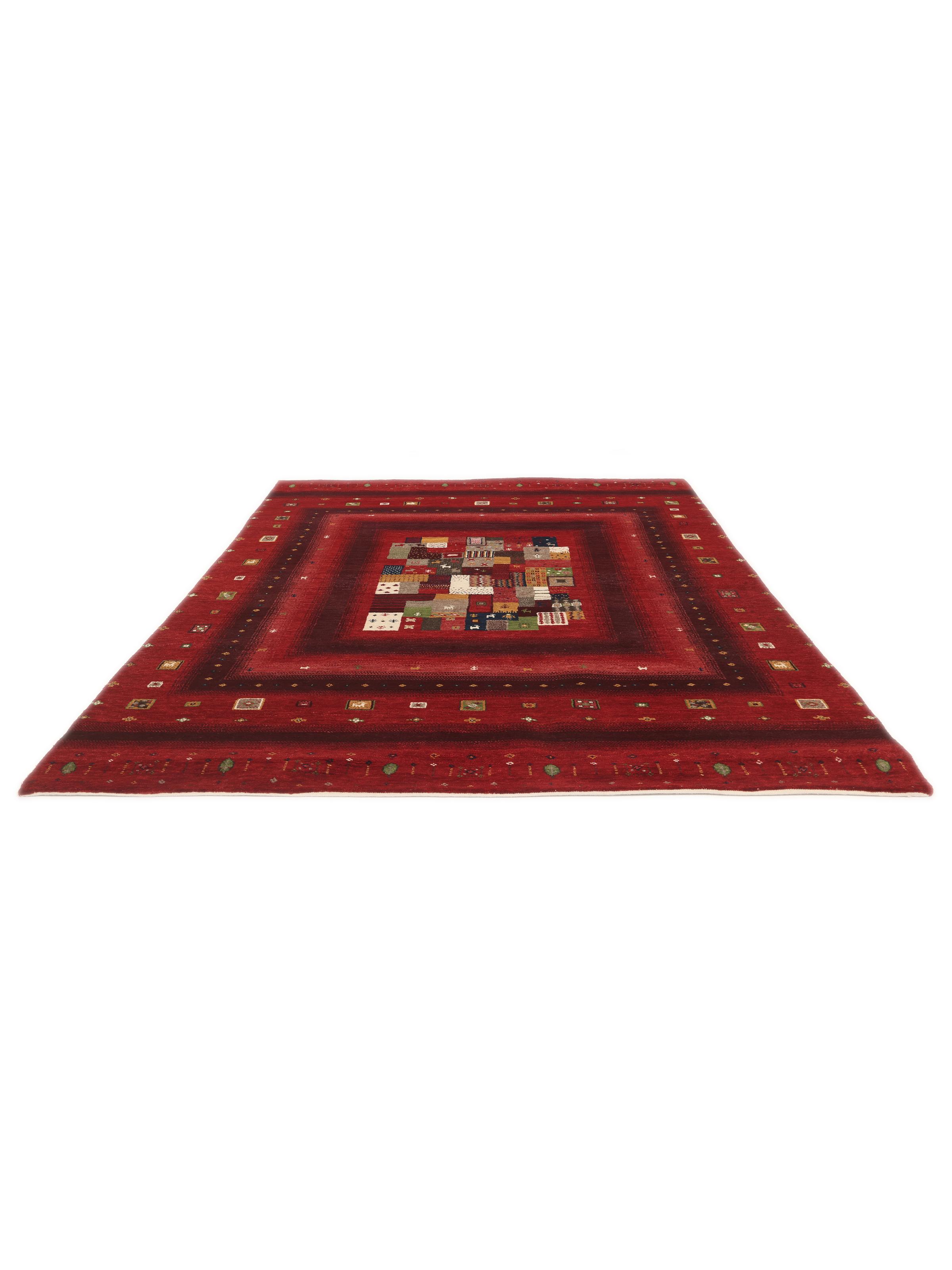
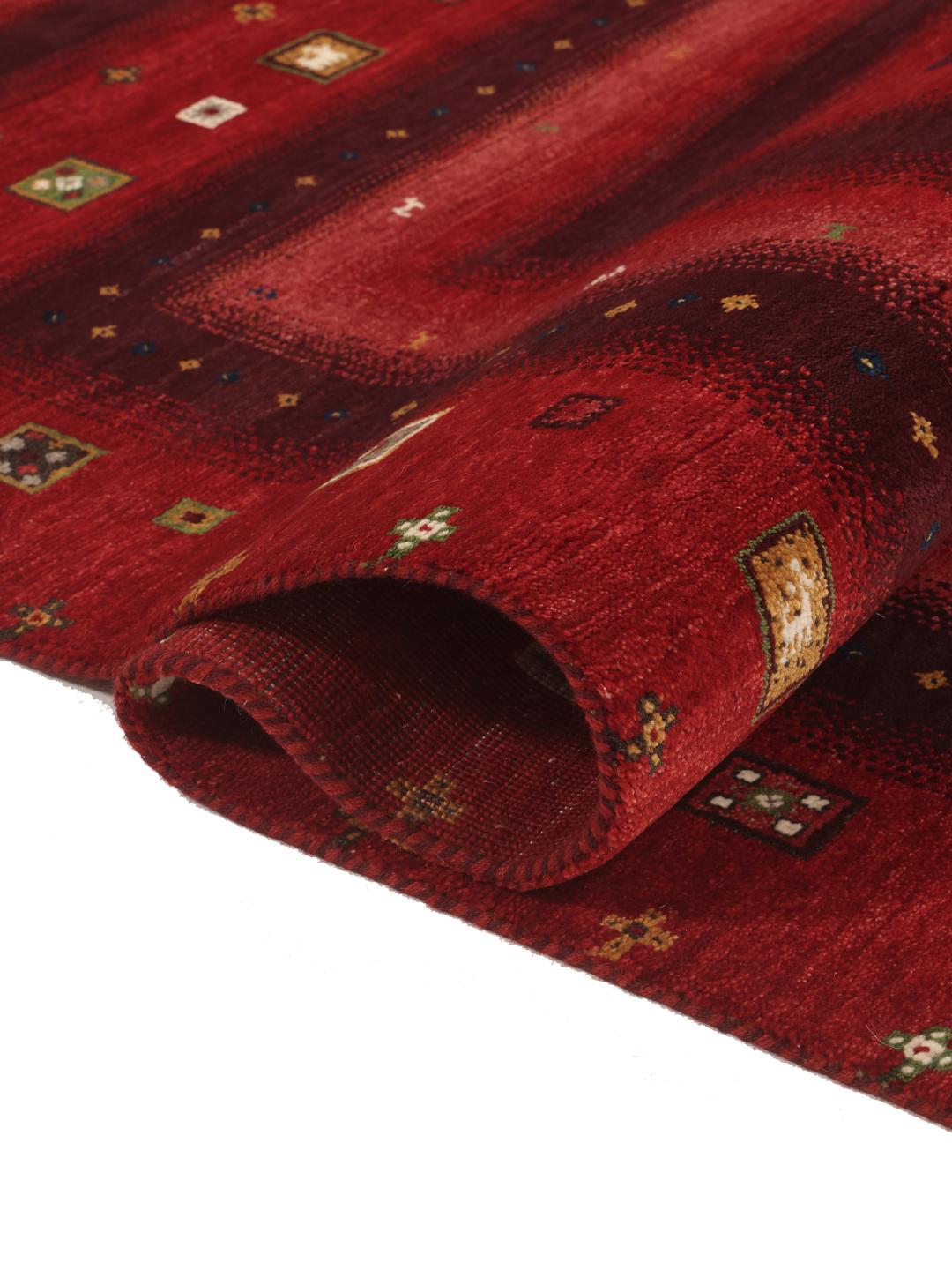
The Loribaft and Kashkooli traditions are rooted in the nomadic heritage of the Middle East, where weavers originally created these rugs for personal use in their tents. Over generations, these styles have evolved, with contemporary master weavers in regions like India now continuing the tradition. These rugs are celebrated for their simplicity and the way they allow the weaver to express their creativity through colour and motif rather than strict, formal designs.
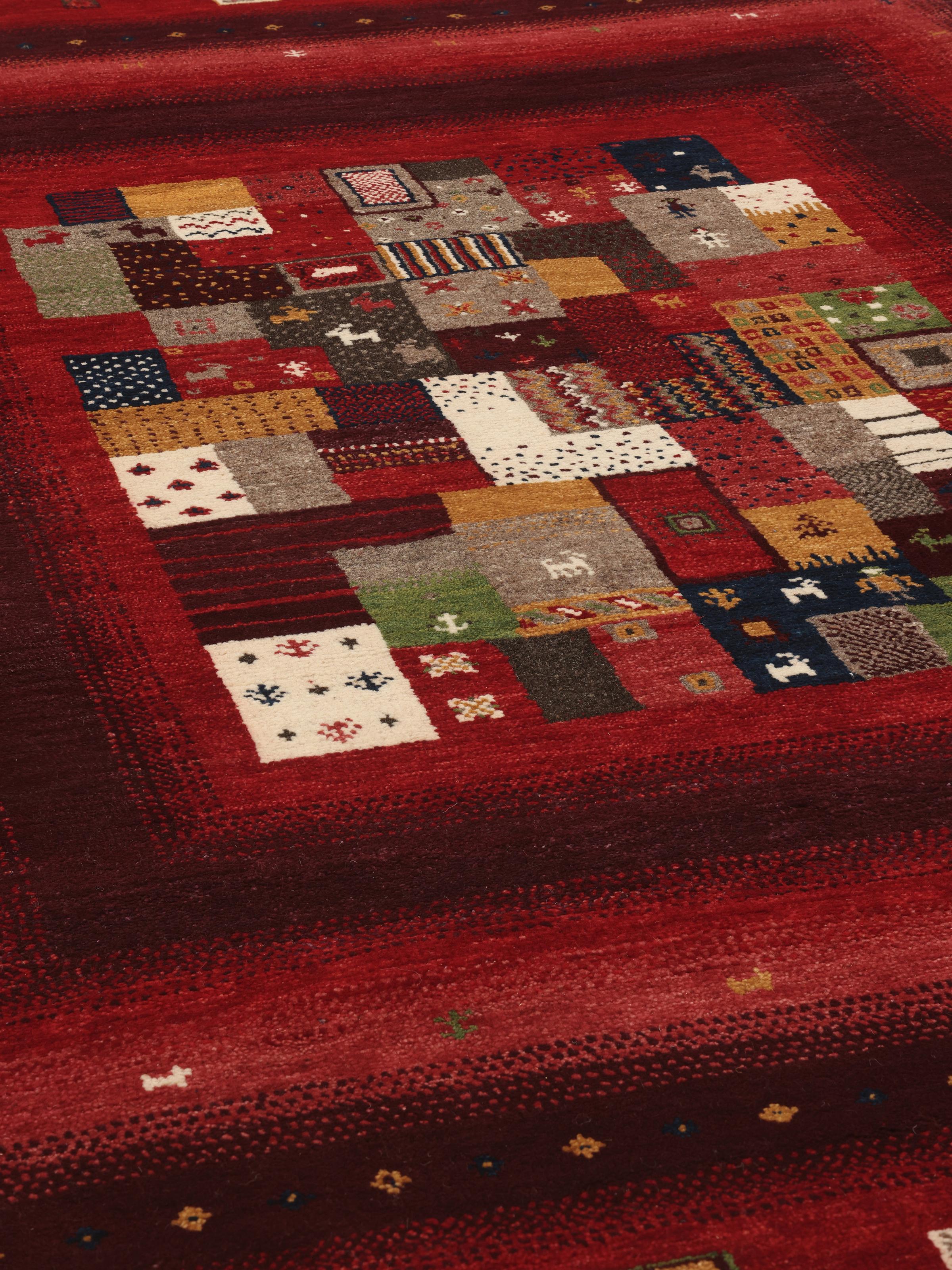
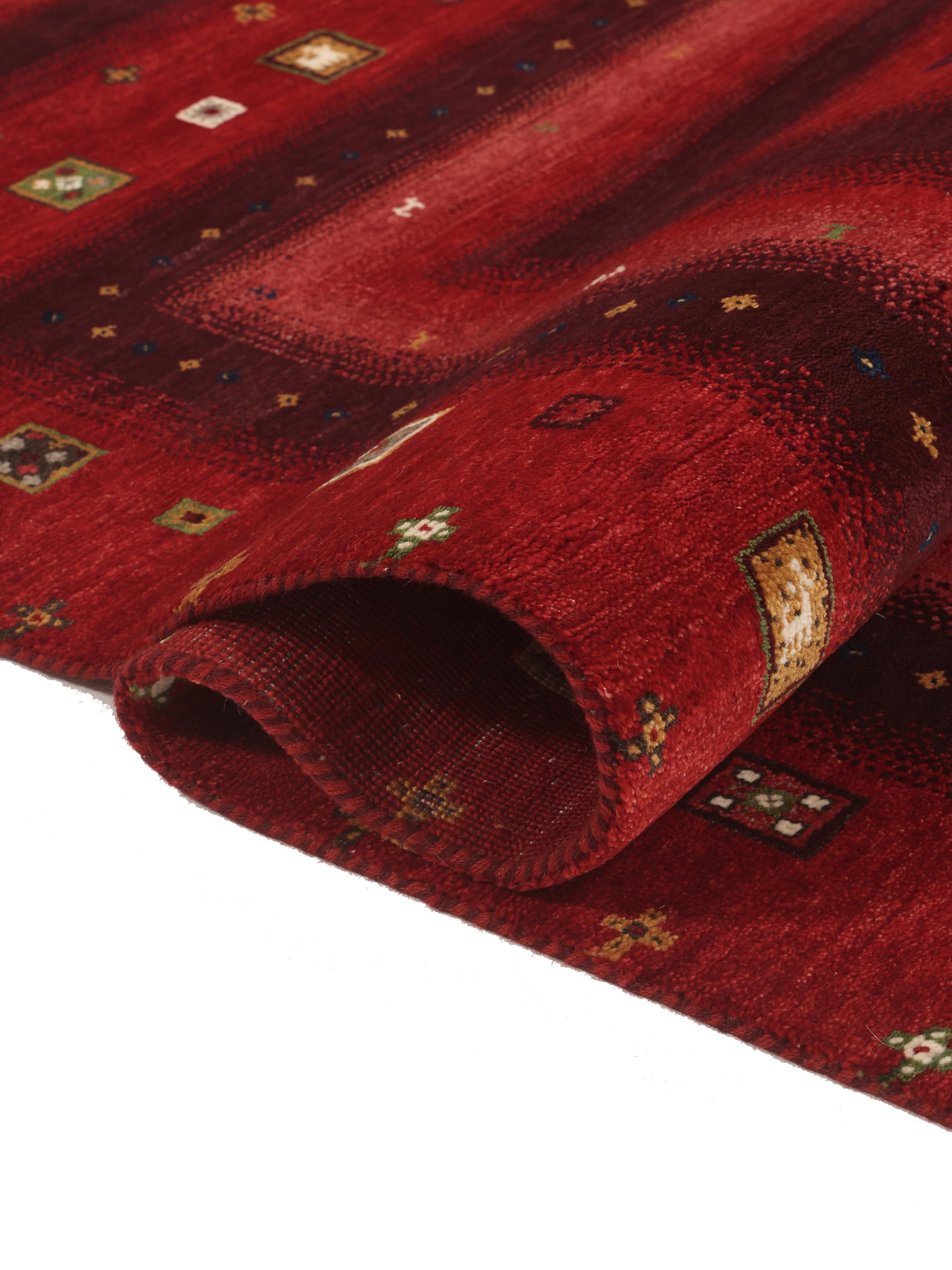
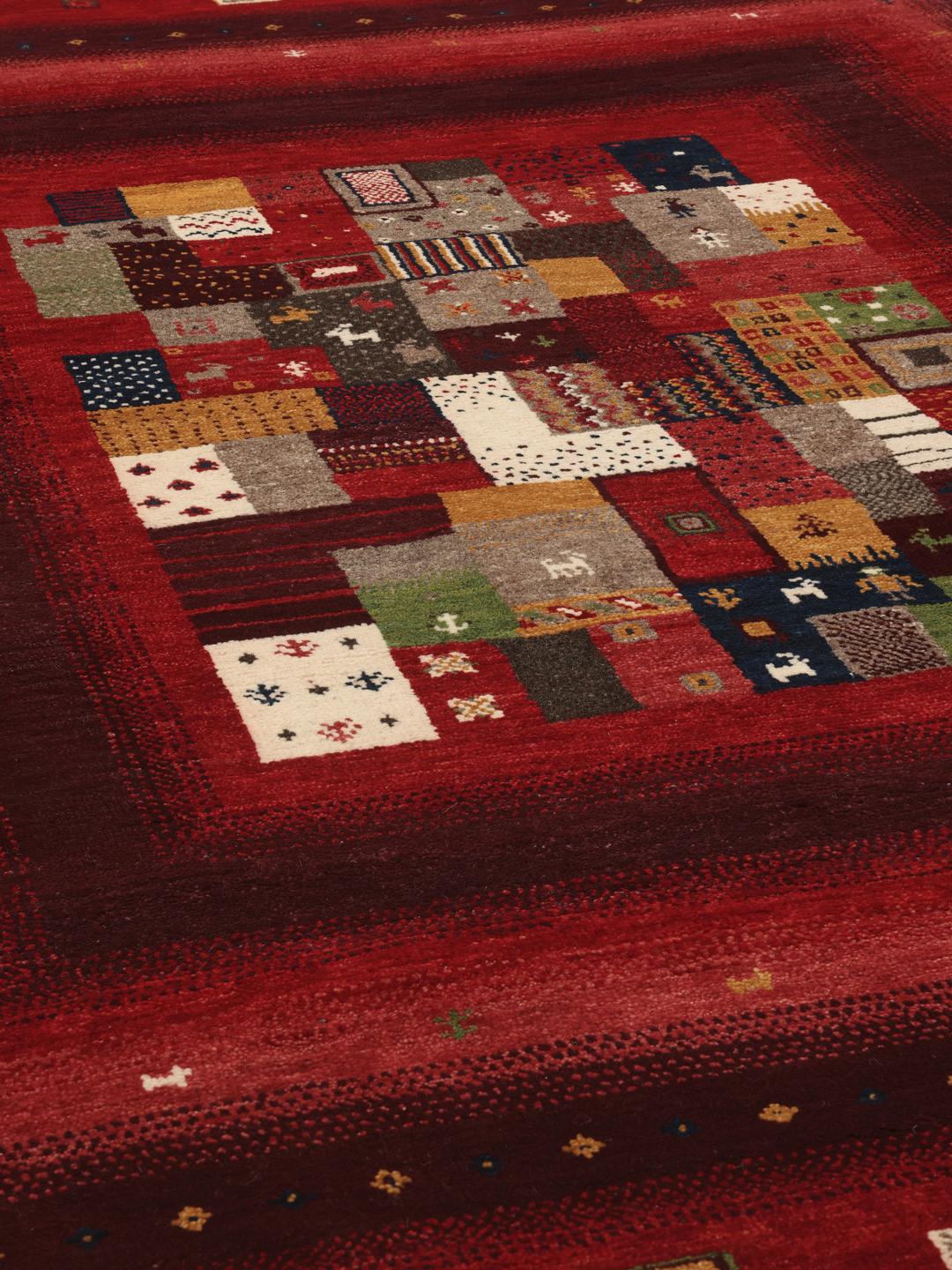
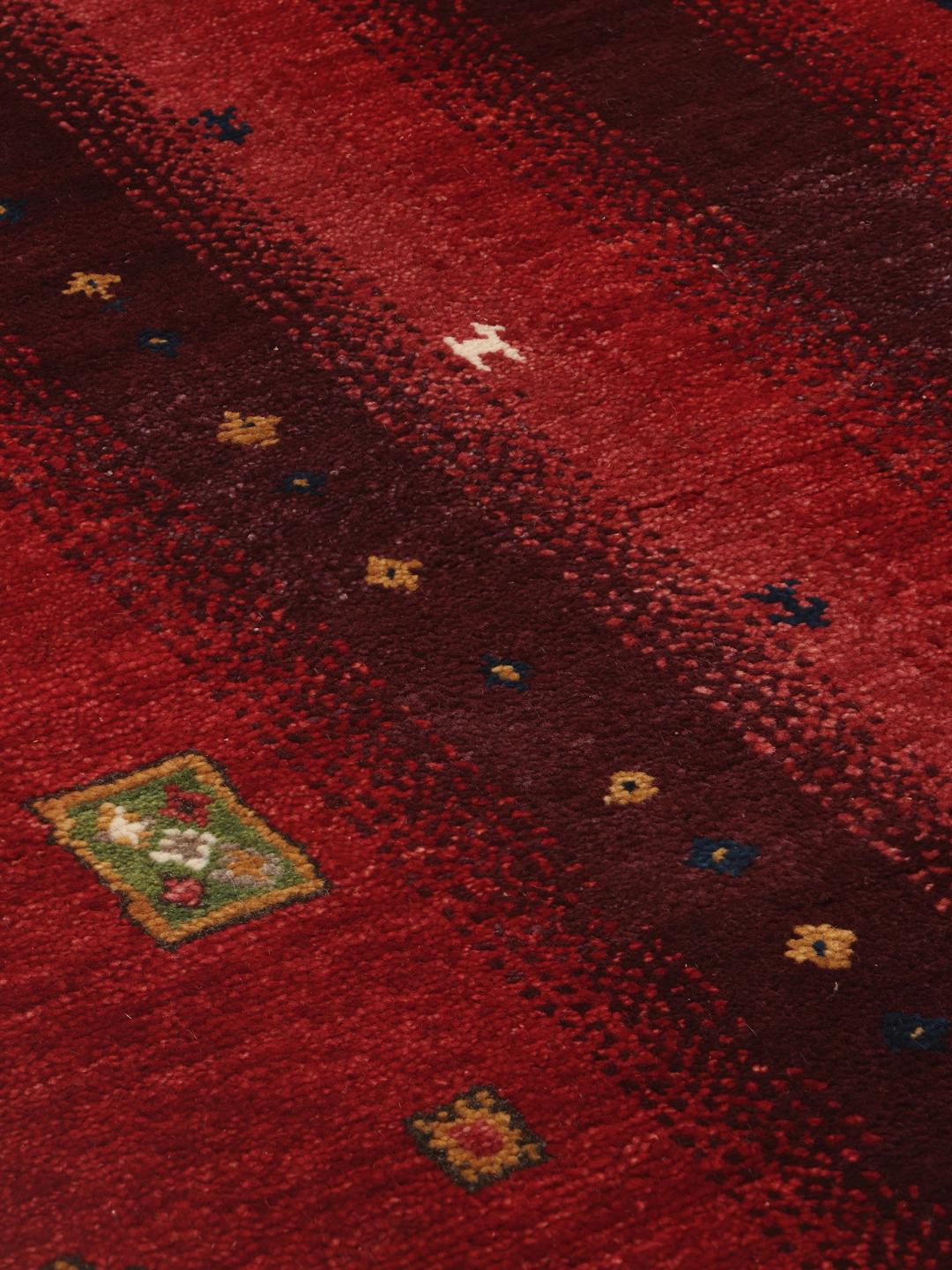
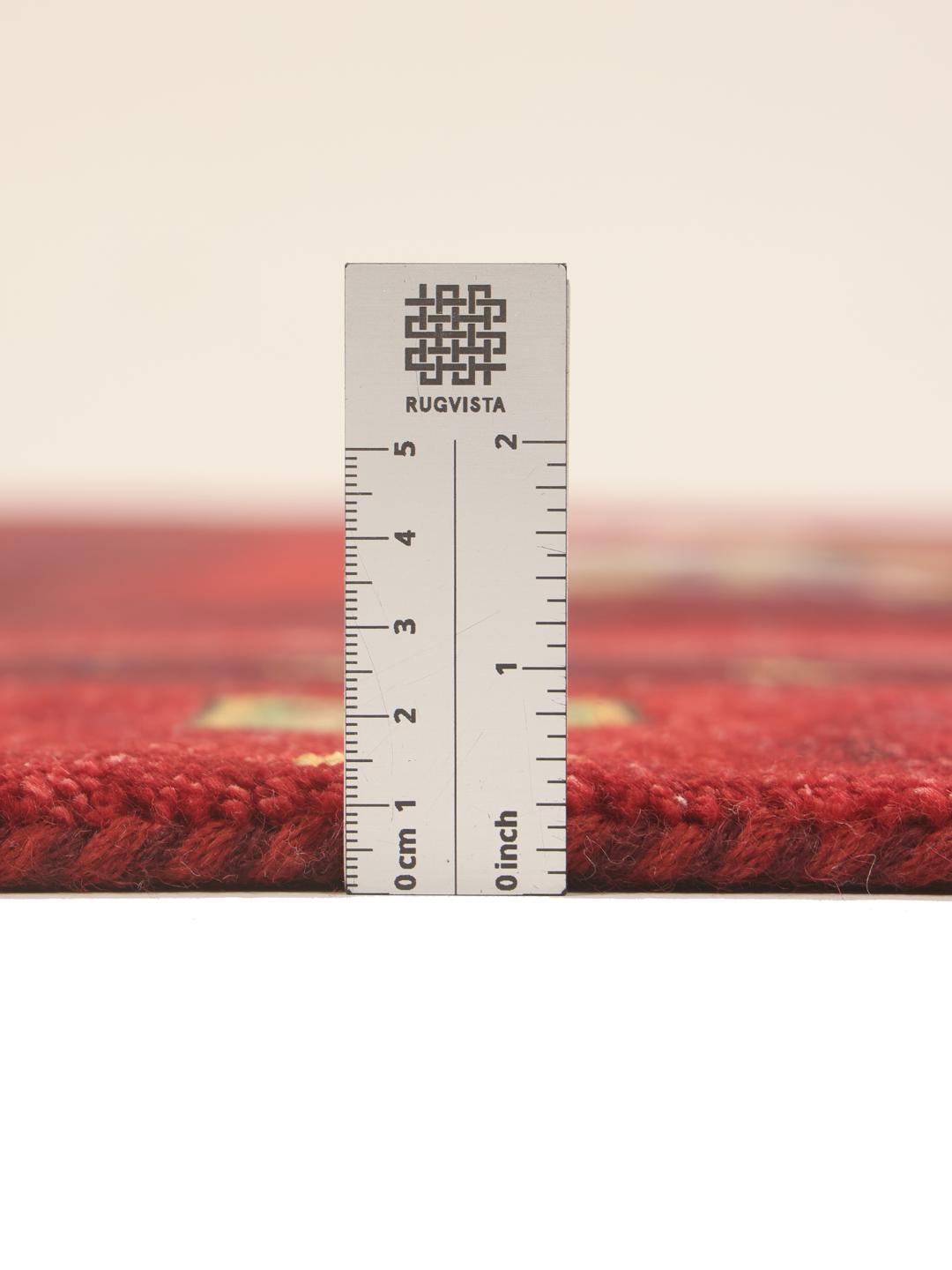
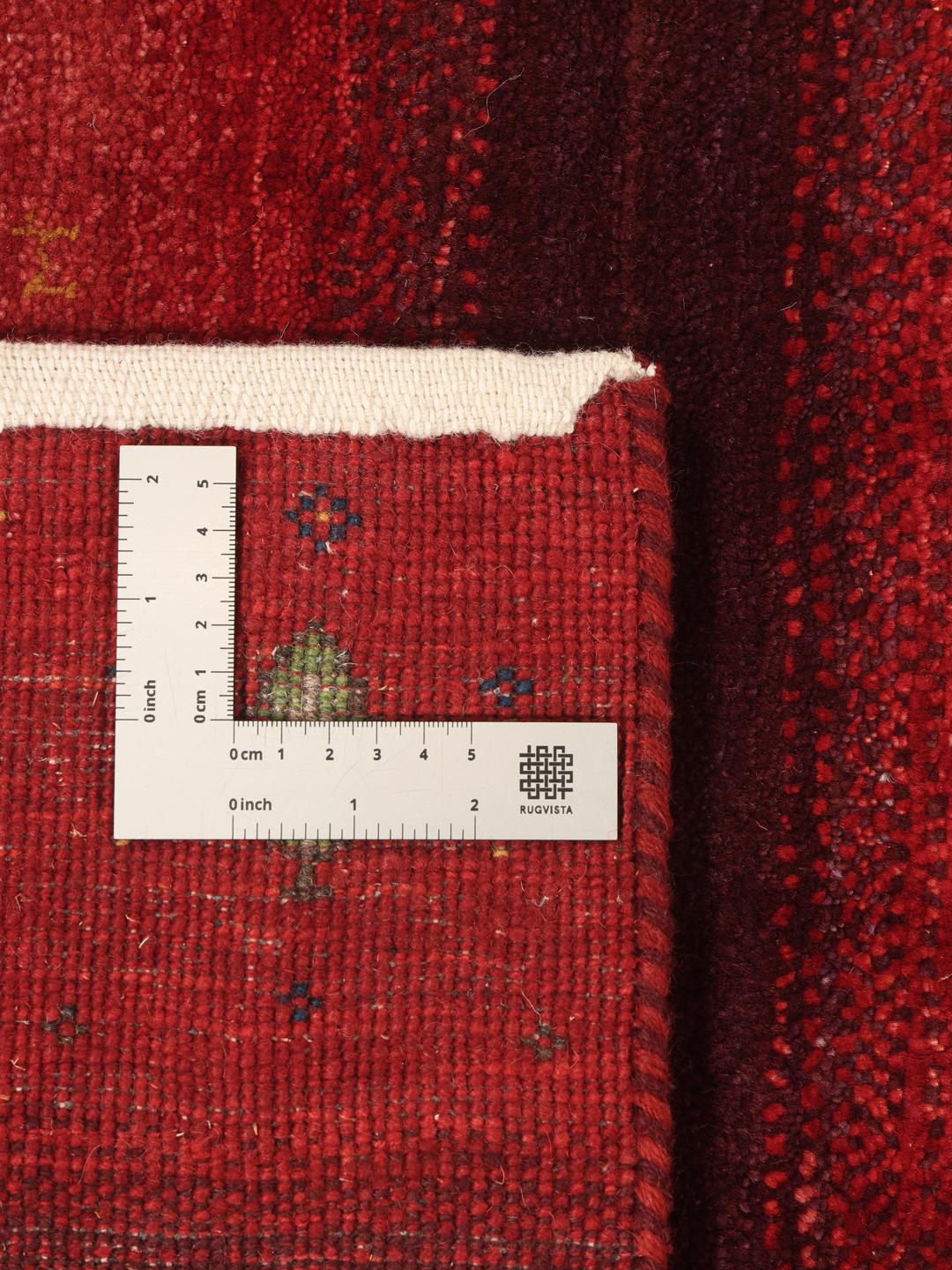
The term Loribaft refers to a specific style of hand-knotting that emphasises a denser, more refined pile compared to the more rustic, traditional Gabbeh. This technical approach results in a smoother surface that highlights the richness of the wool. By using a more compact knotting structure, weavers are able to achieve greater clarity in the motifs, allowing the vibrant, playful details to stand out against the primary field.
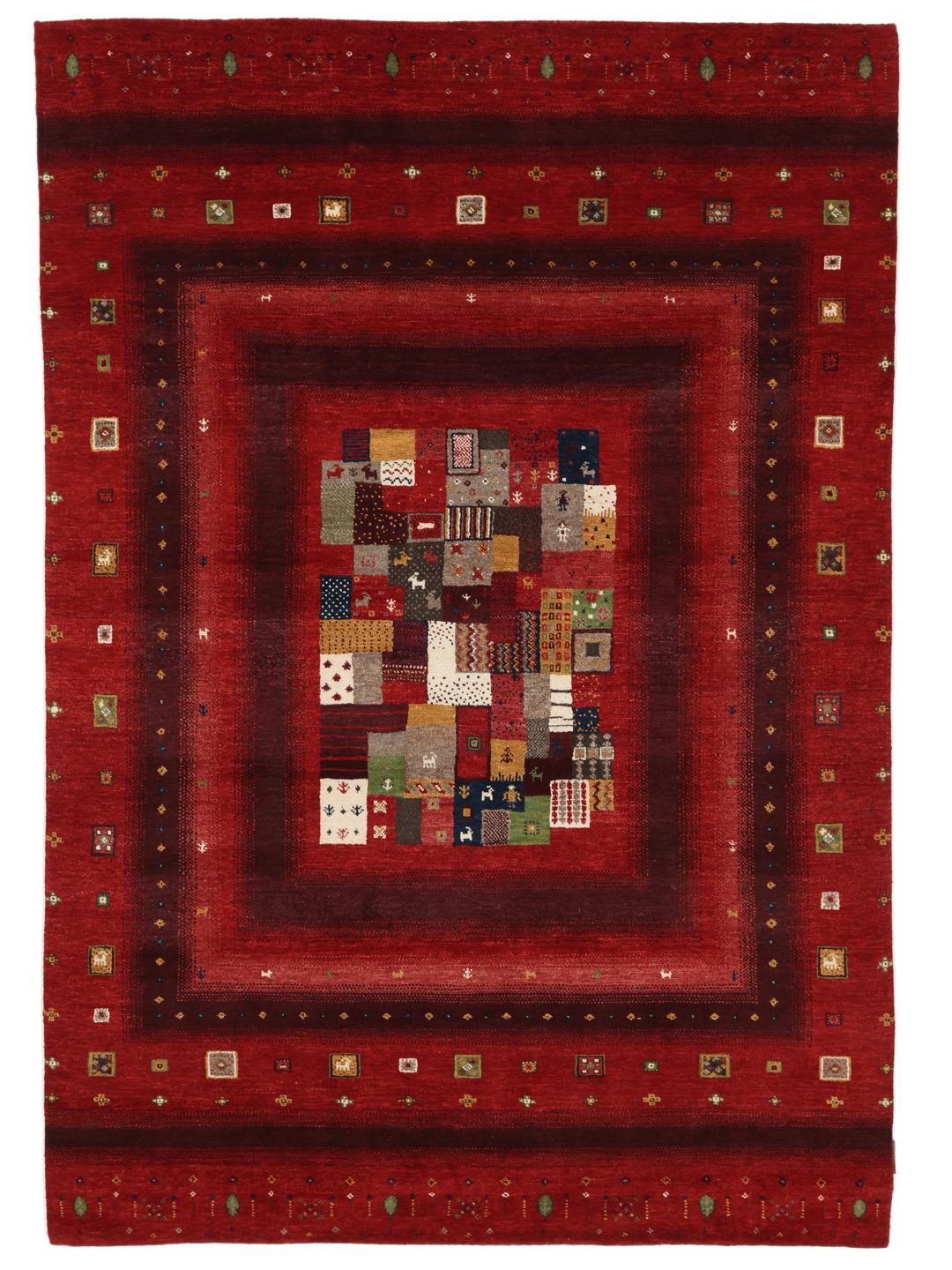
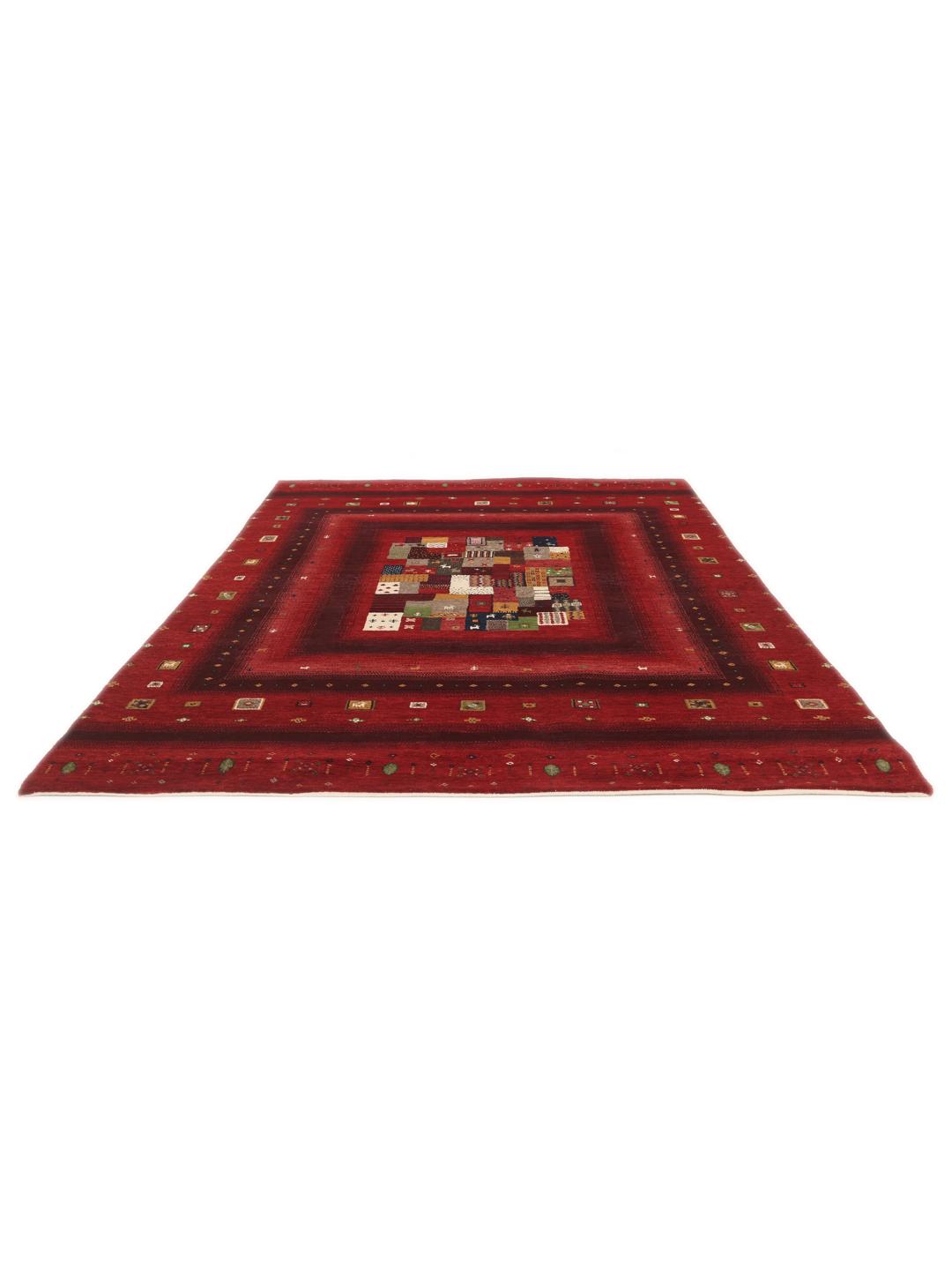
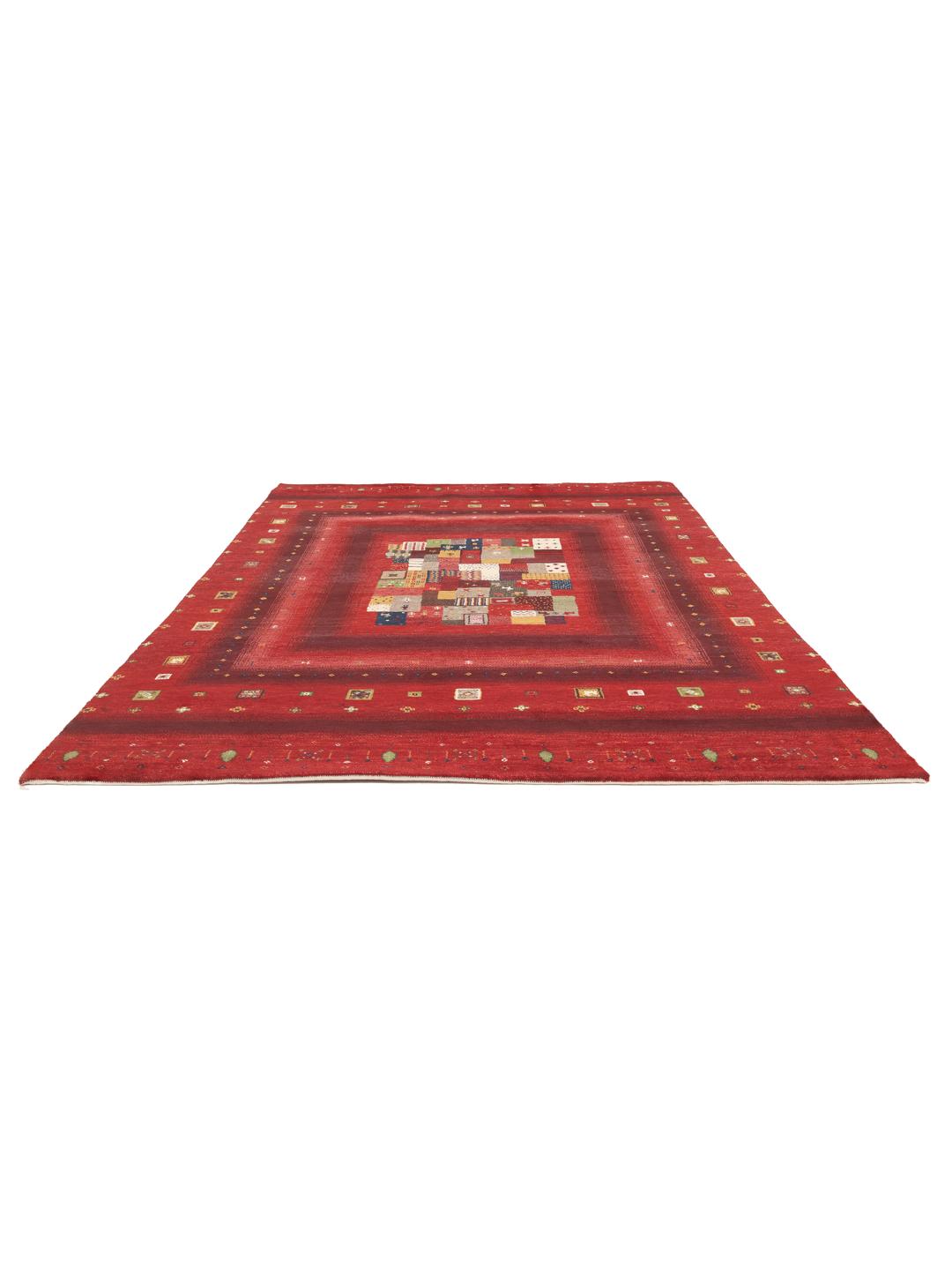
Design-wise, these rugs are often defined by their bold use of colour and their sparse, yet meaningful, use of symbols. While many traditional rugs rely on dense, repeating patterns, the Loribaft is known for its open spaces and intentional, artistic placement of motifs. This specific rug, with its central cluster of diverse, patterned patches, is a modern interpretation of this tradition, creating a dialogue between the simple, solid field and the complex, varied centre.
Collecting a Loribaft rug is an appreciation of the balance between primitive charm and sophisticated skill. They are valued not only for their aesthetic beauty but for the human spirit they bring into a home. Each piece is a bridge between ancient nomadic roots and modern home styling, offering a sense of heritage and a connection to the hands that shaped every element of the weave.