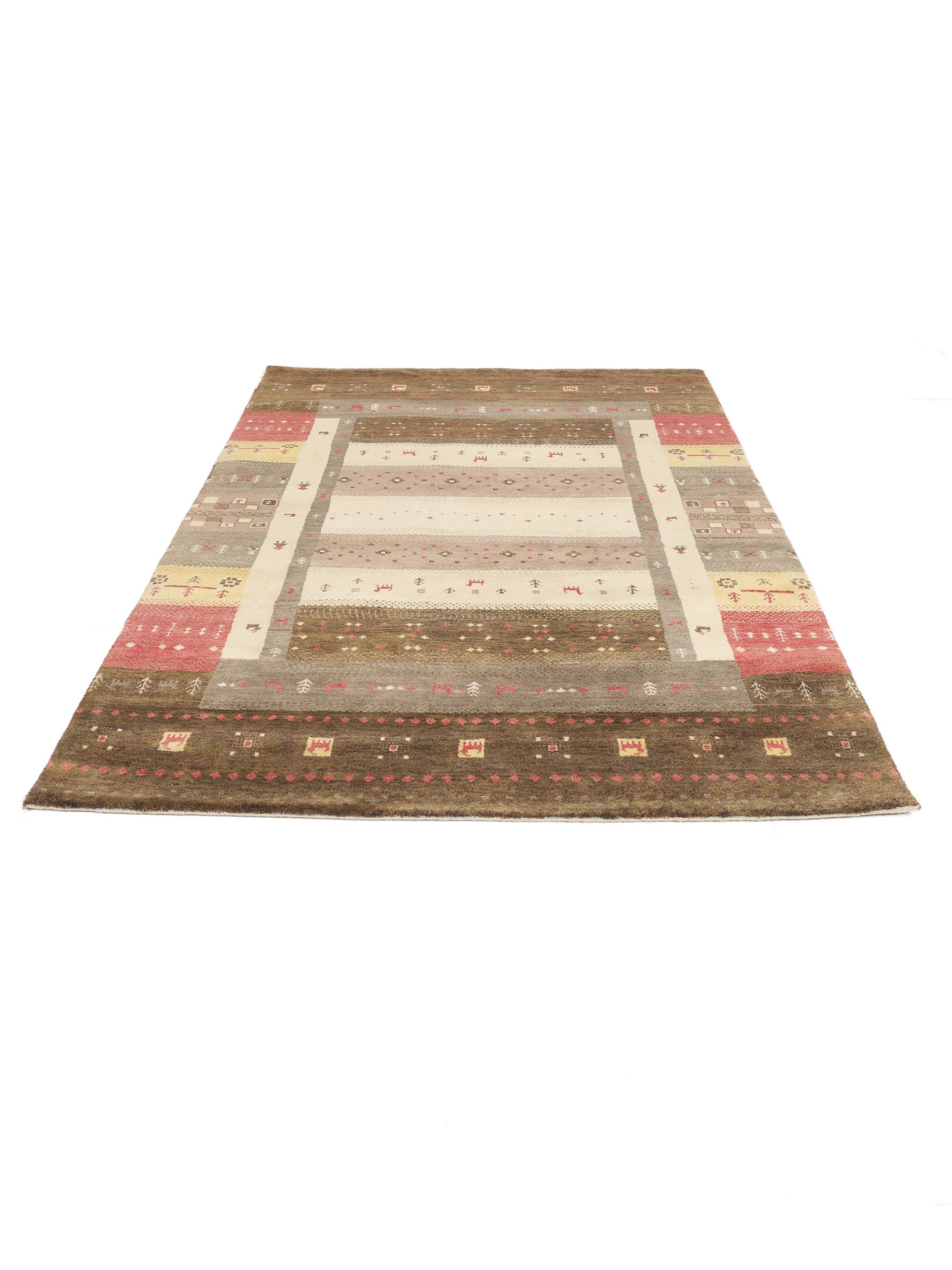
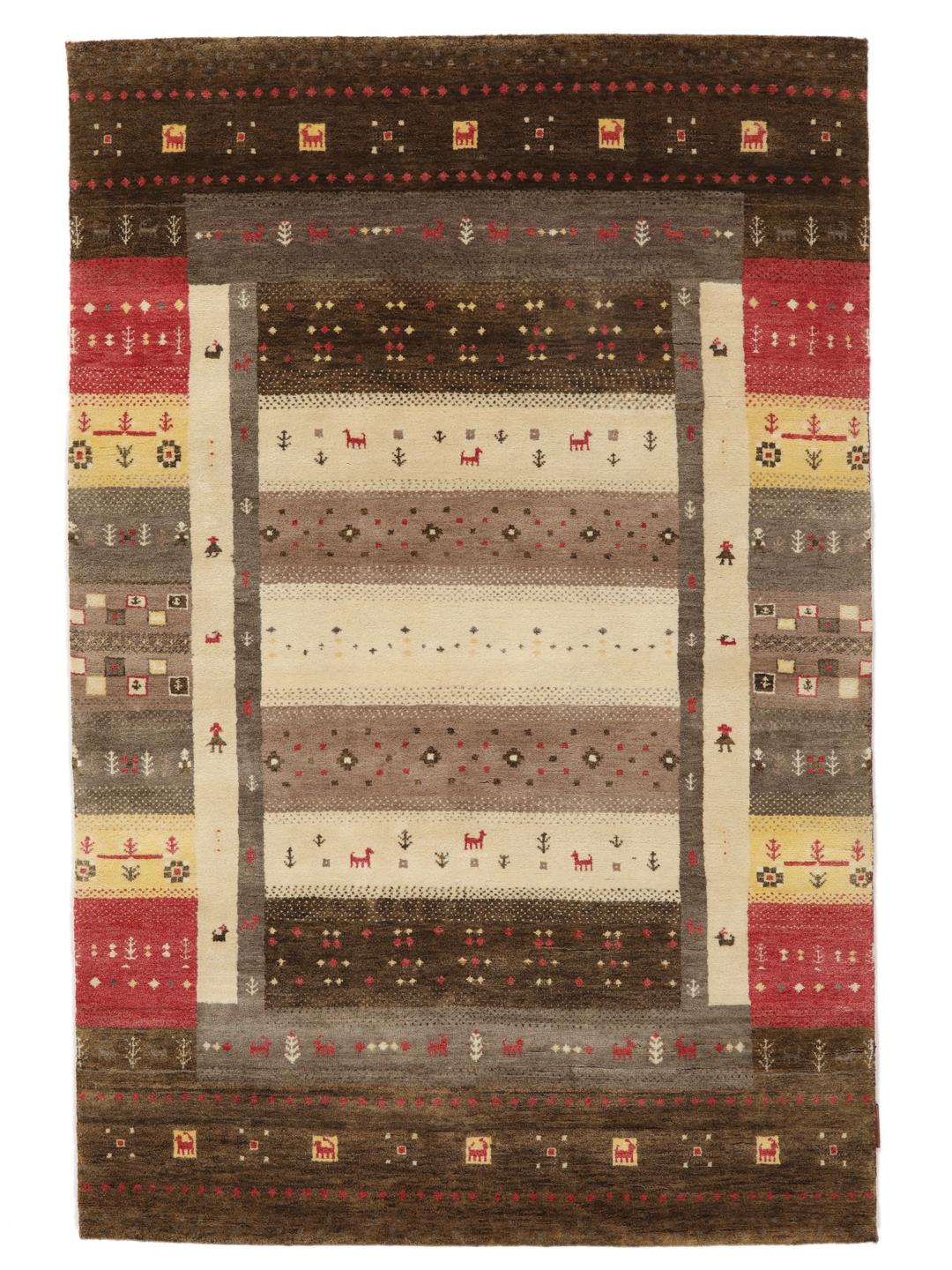
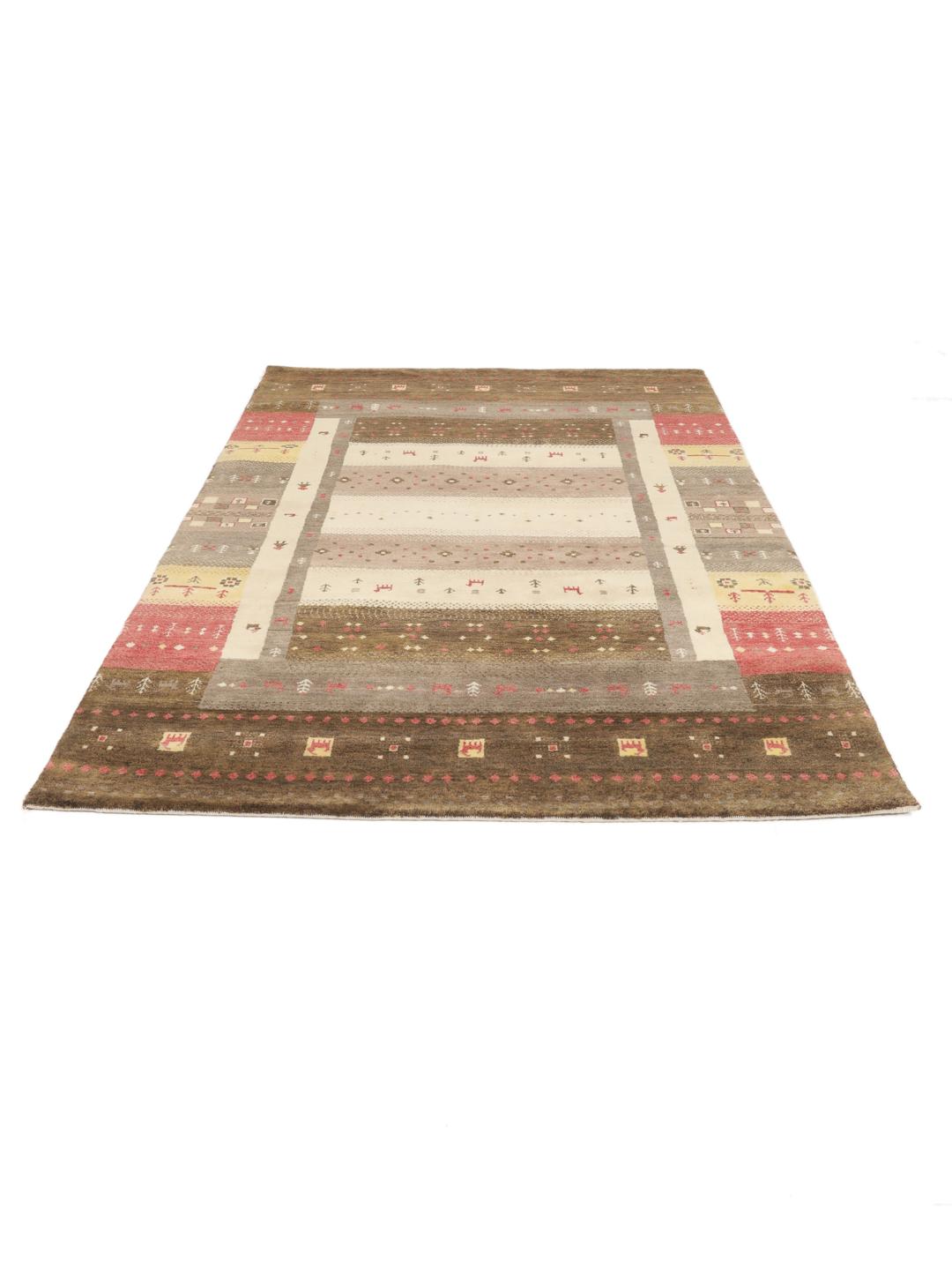
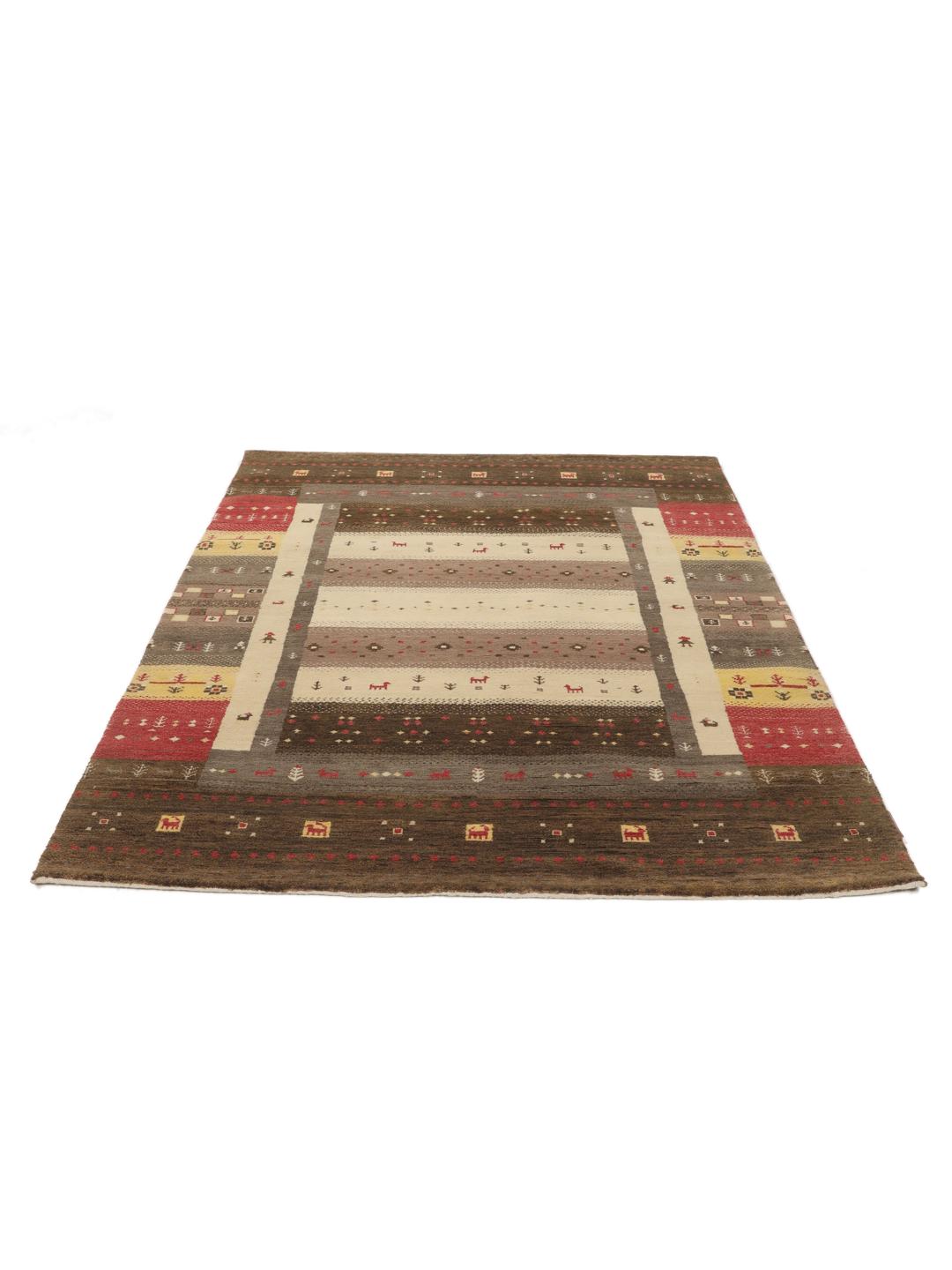
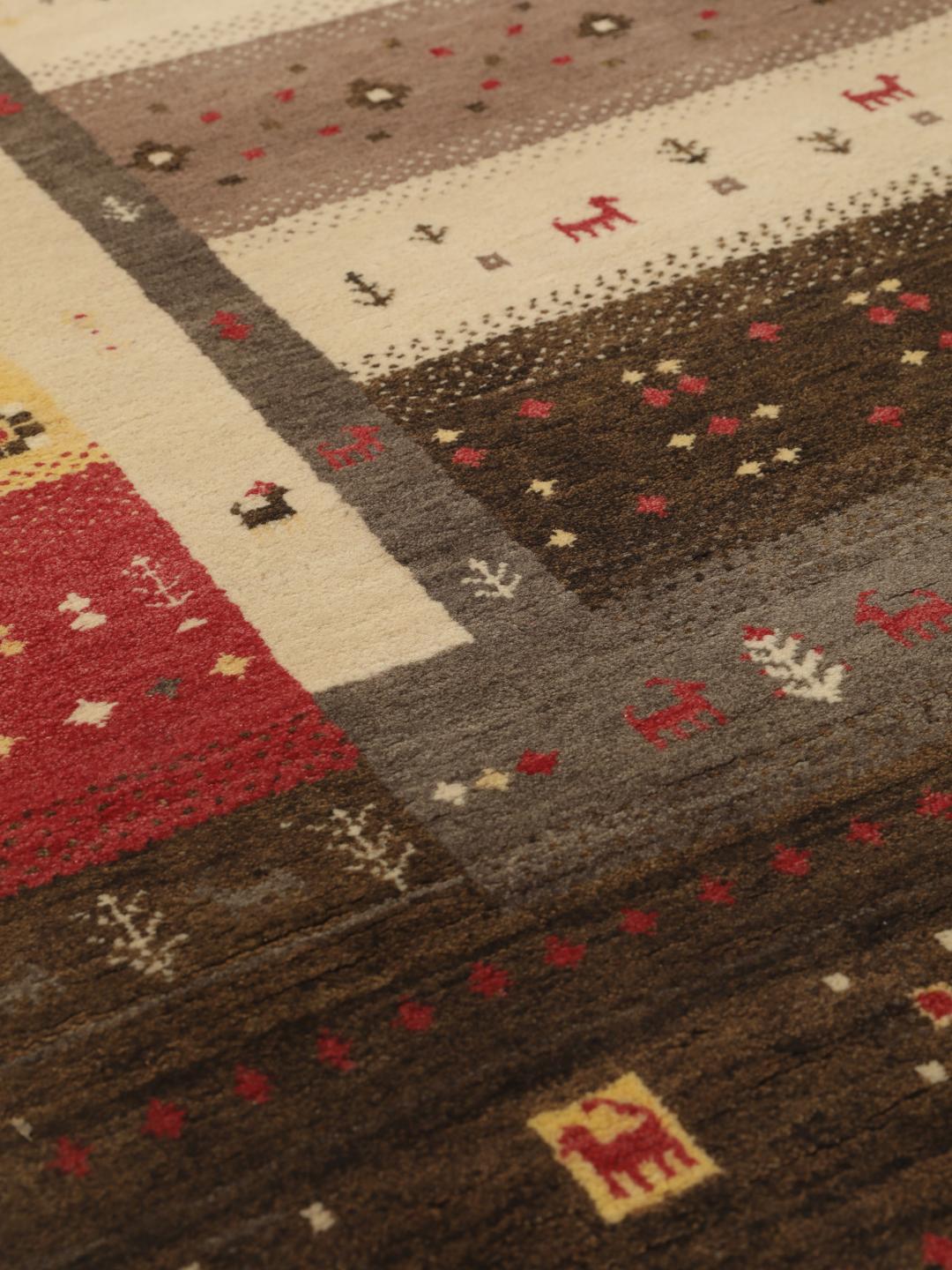
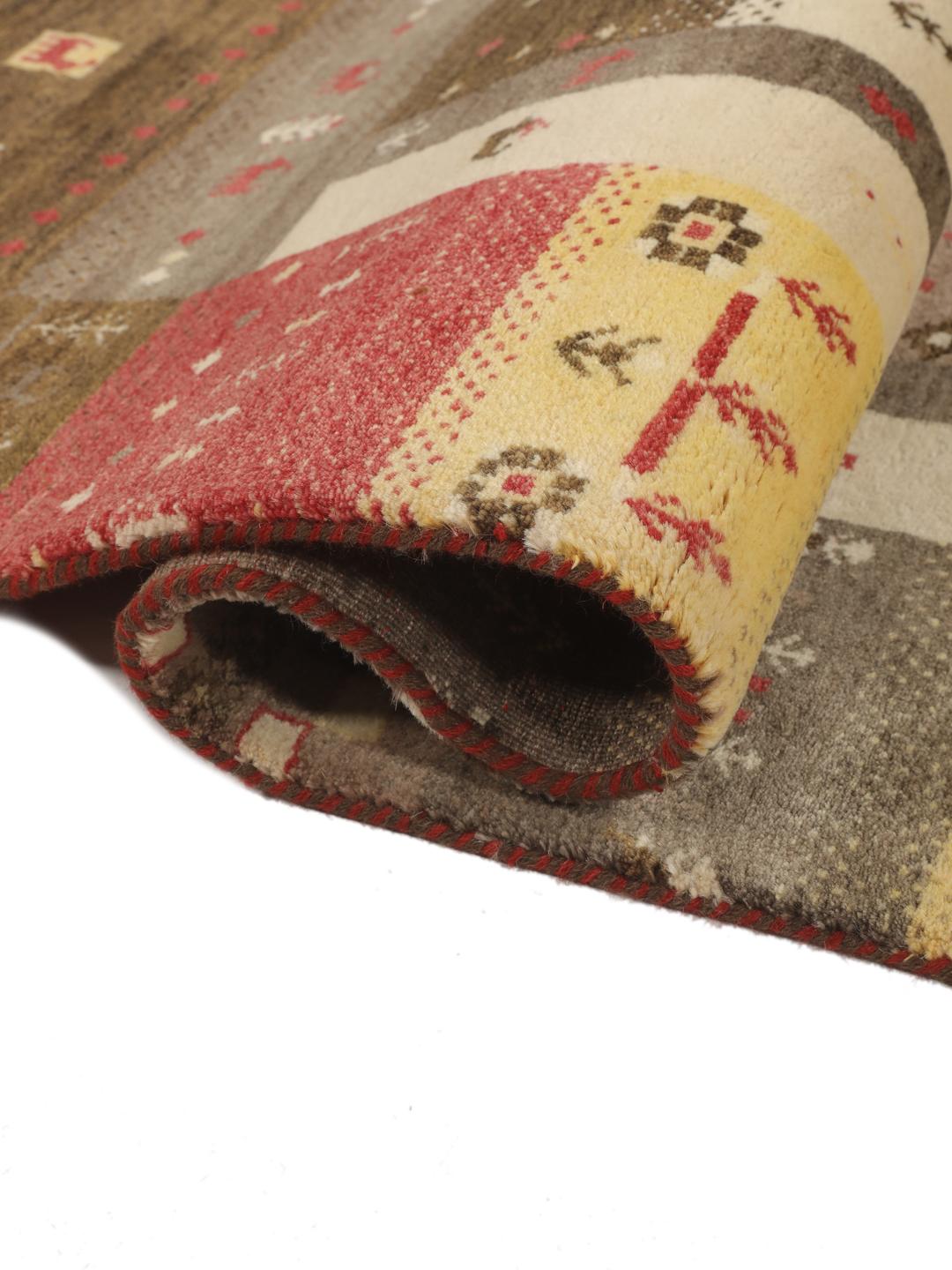
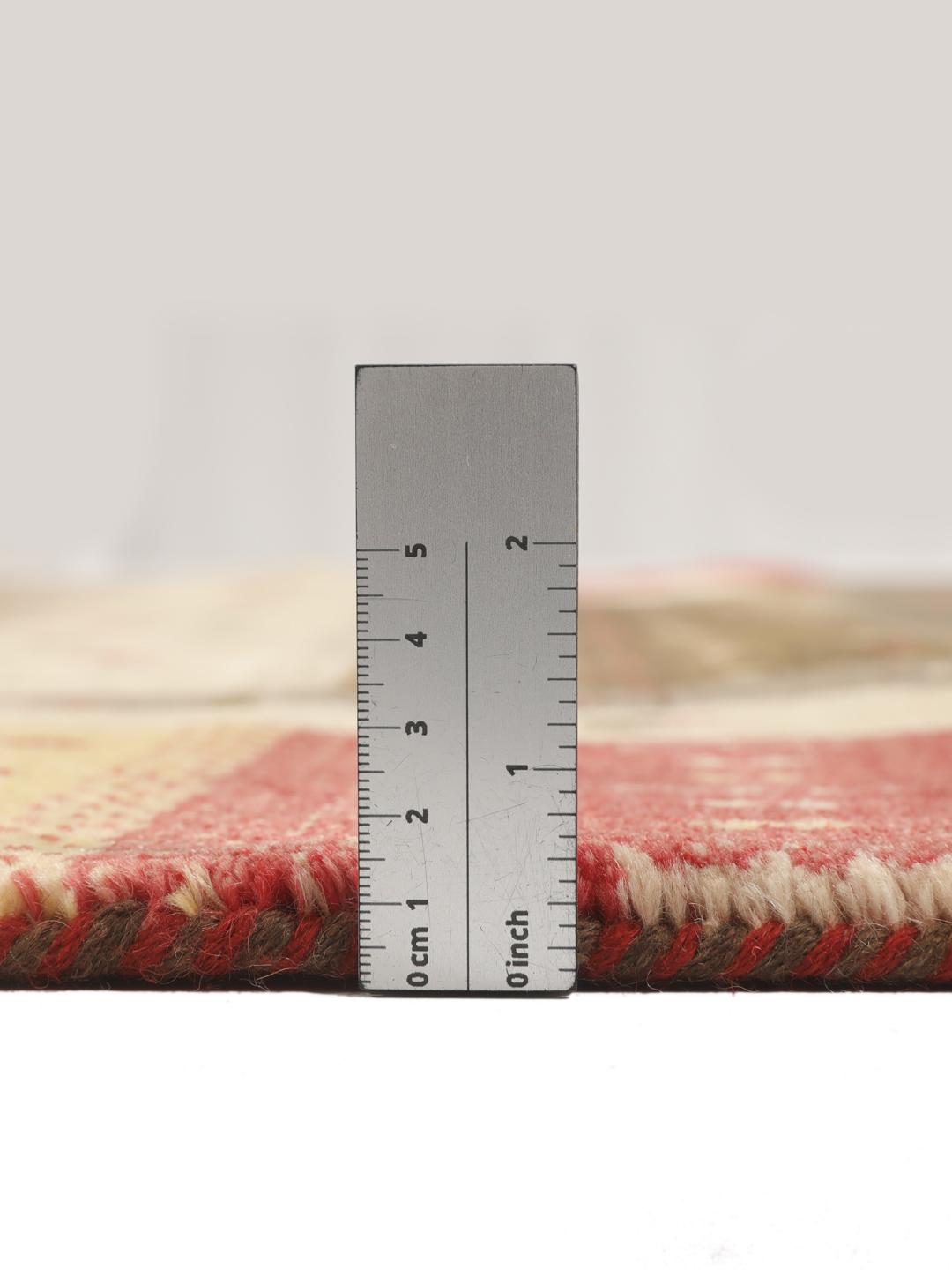
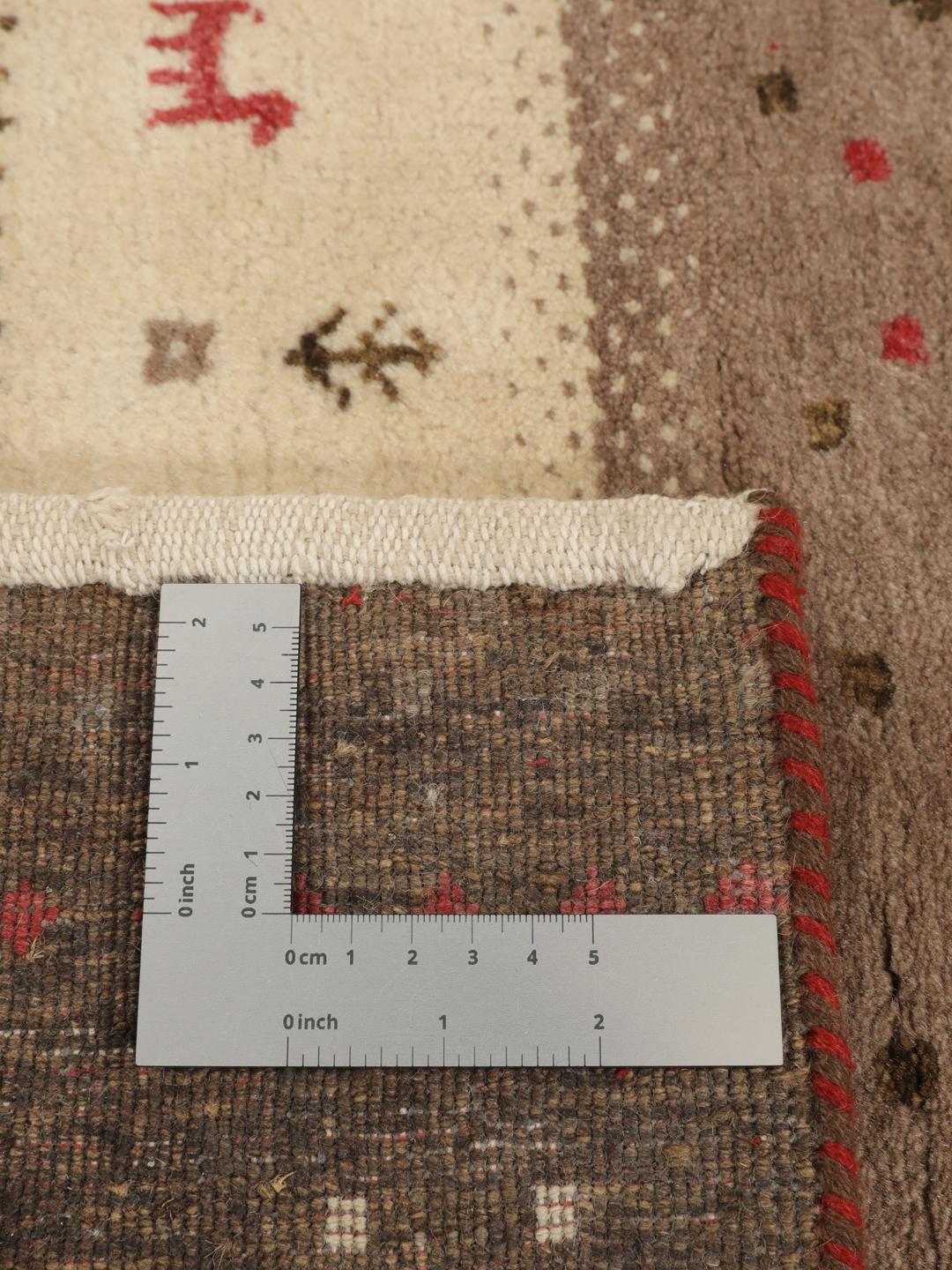
The Loribaft tradition is a celebrated evolution of the classic Gabbeh style, originating from the nomadic tribes of the Middle East. While Gabbeh rugs were historically woven by nomadic peoples for personal use, such as bedding and floor coverings, the Loribaft style emerged as a more refined development, characterised by higher knot counts and more intricate, yet still deeply rooted, tribal iconography.
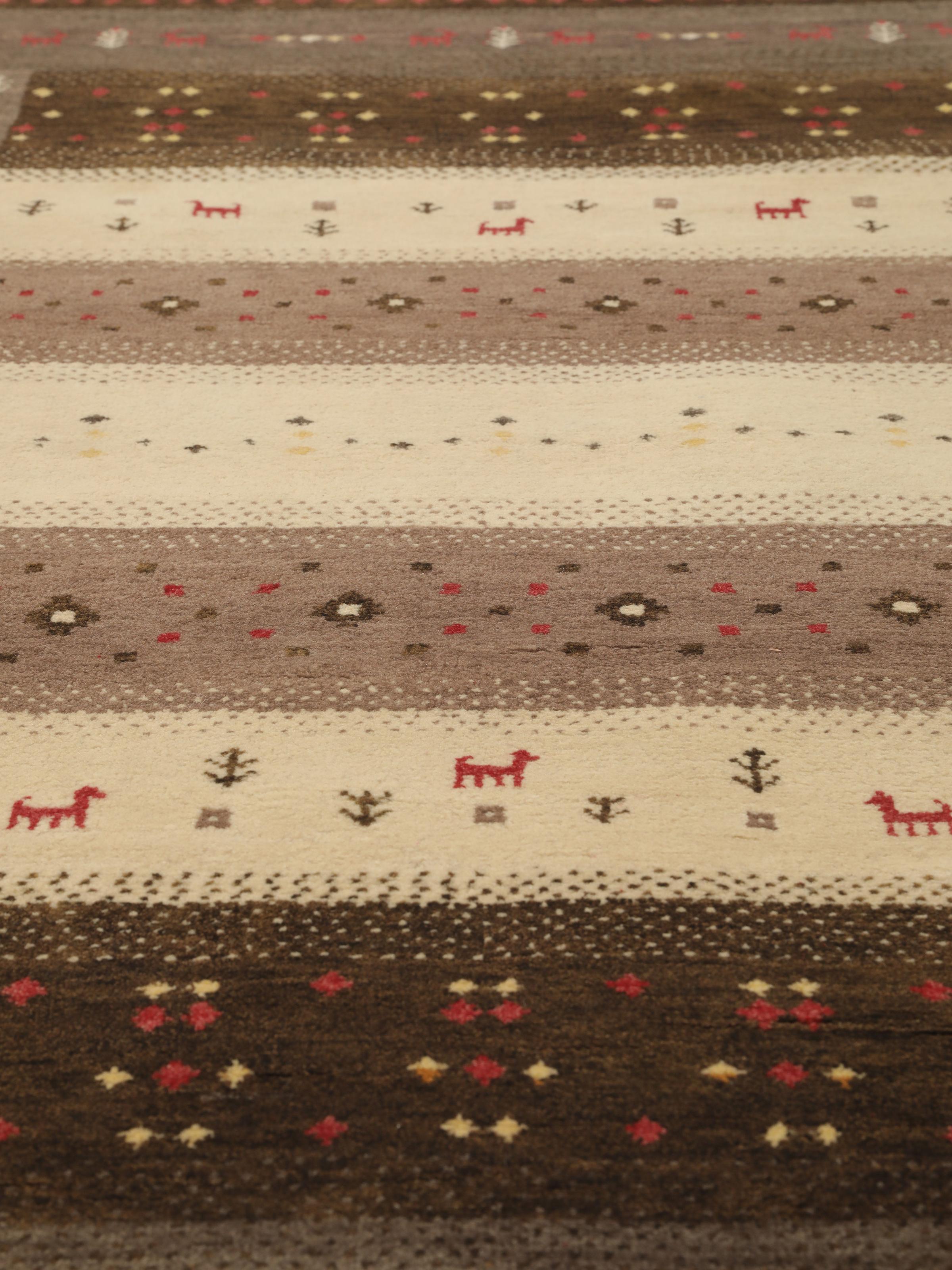
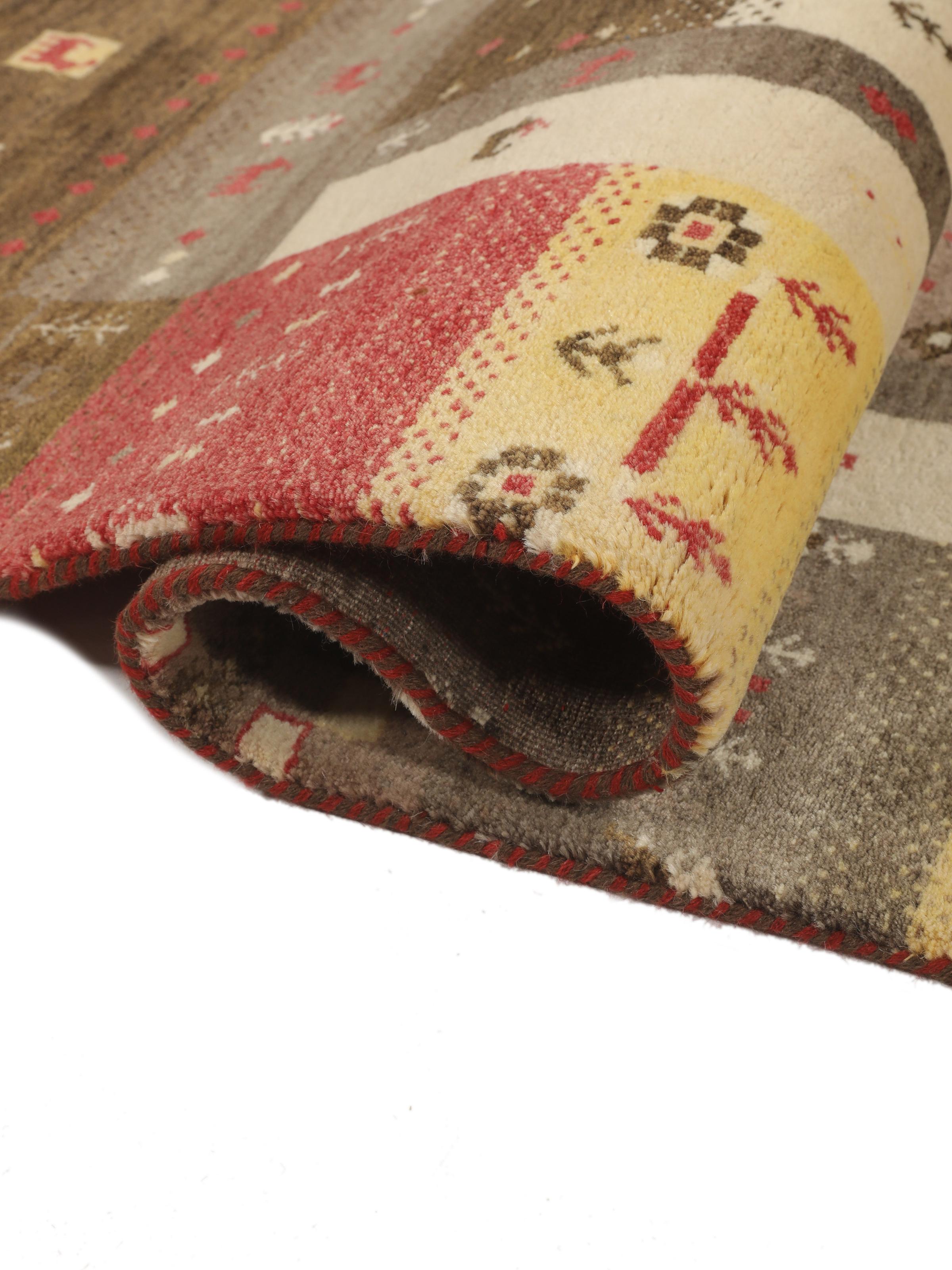
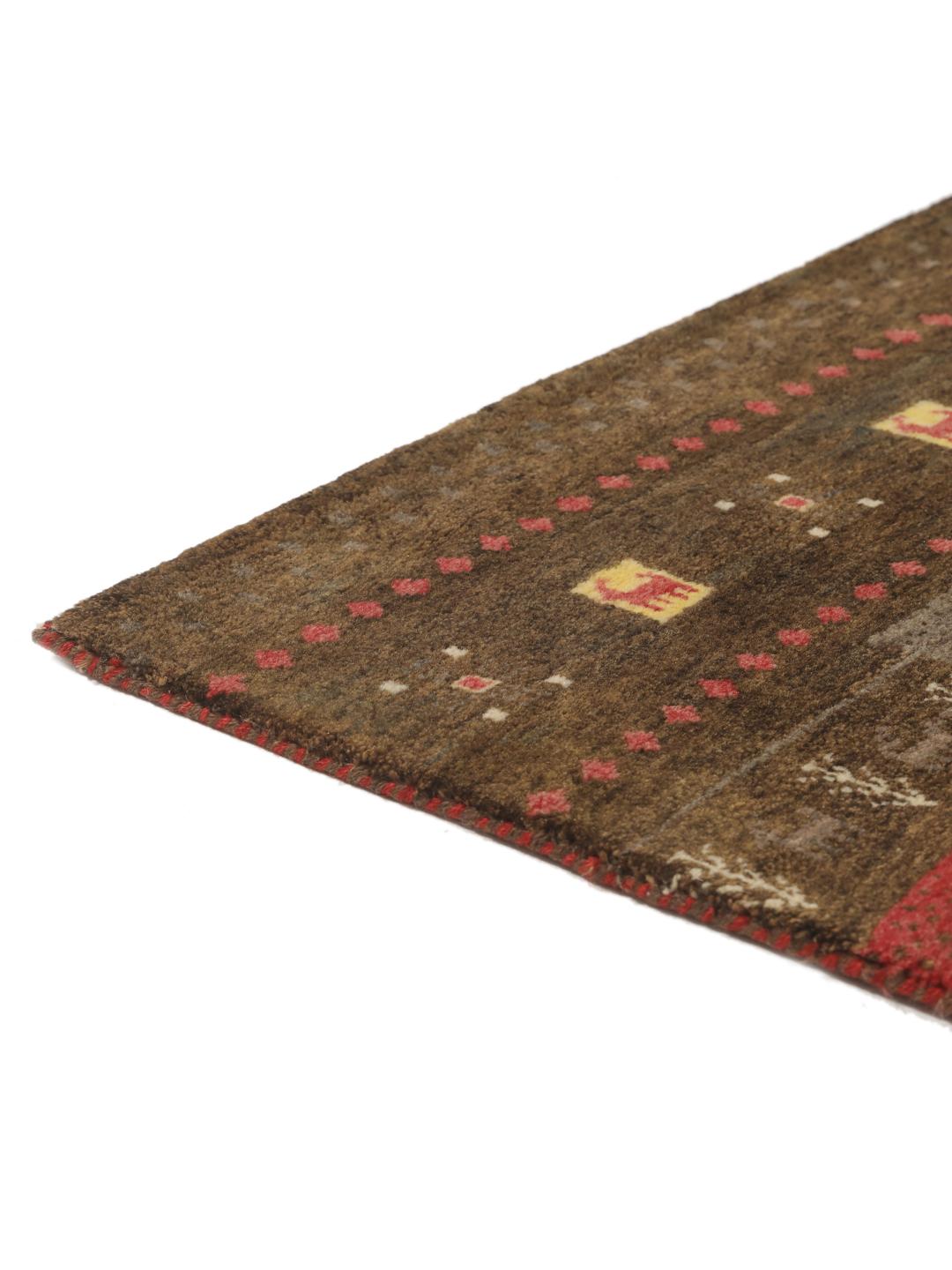
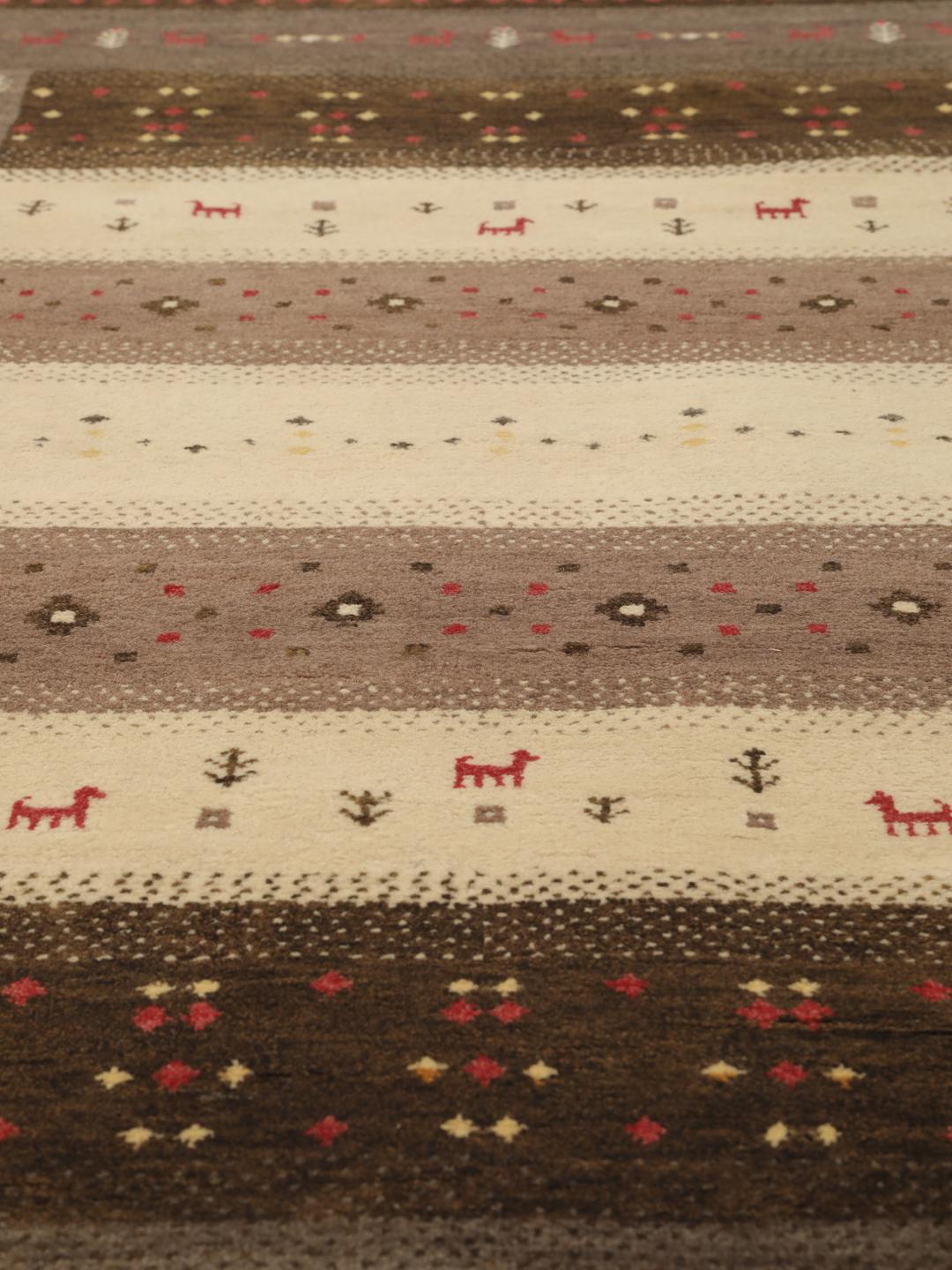
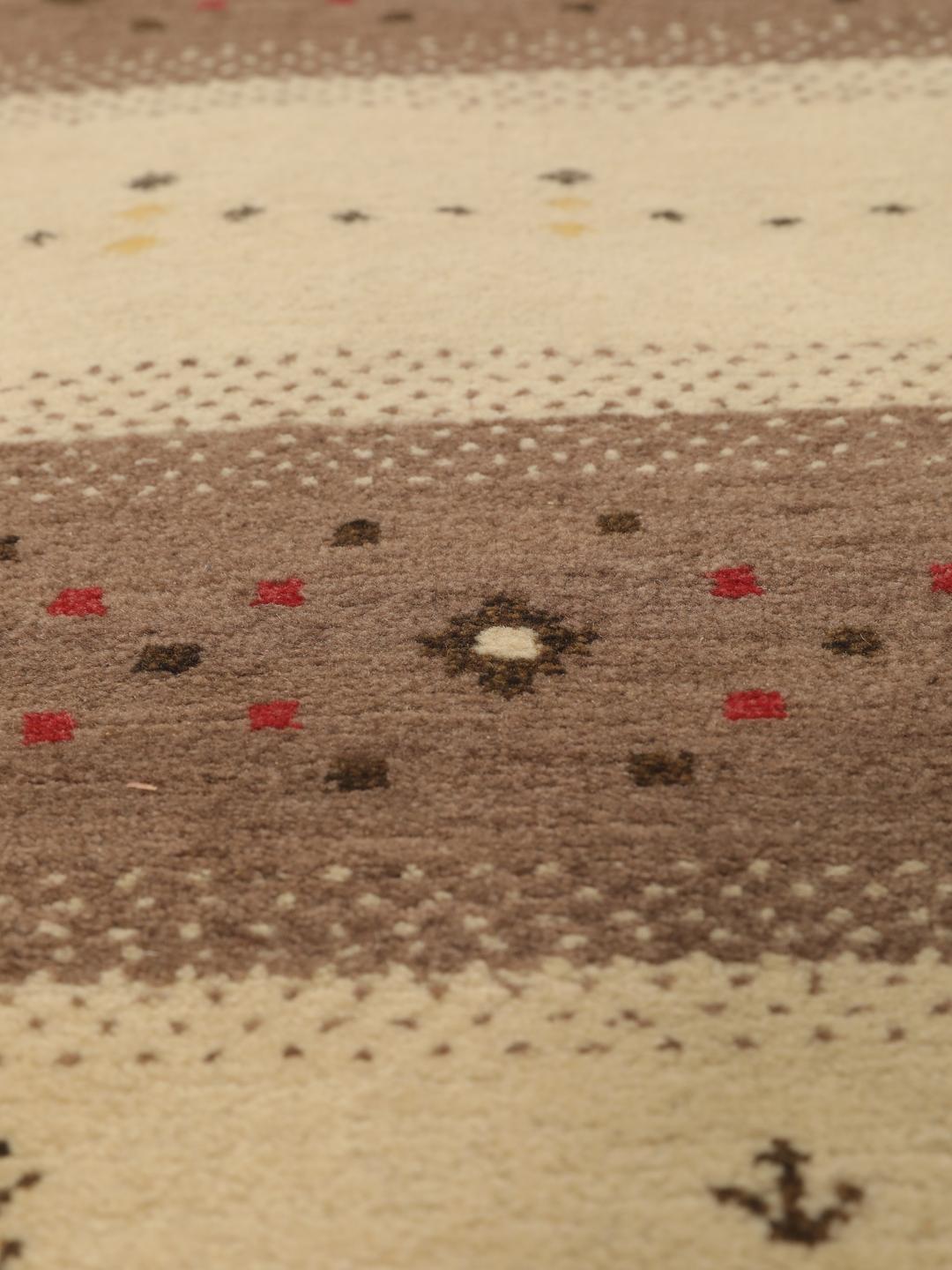
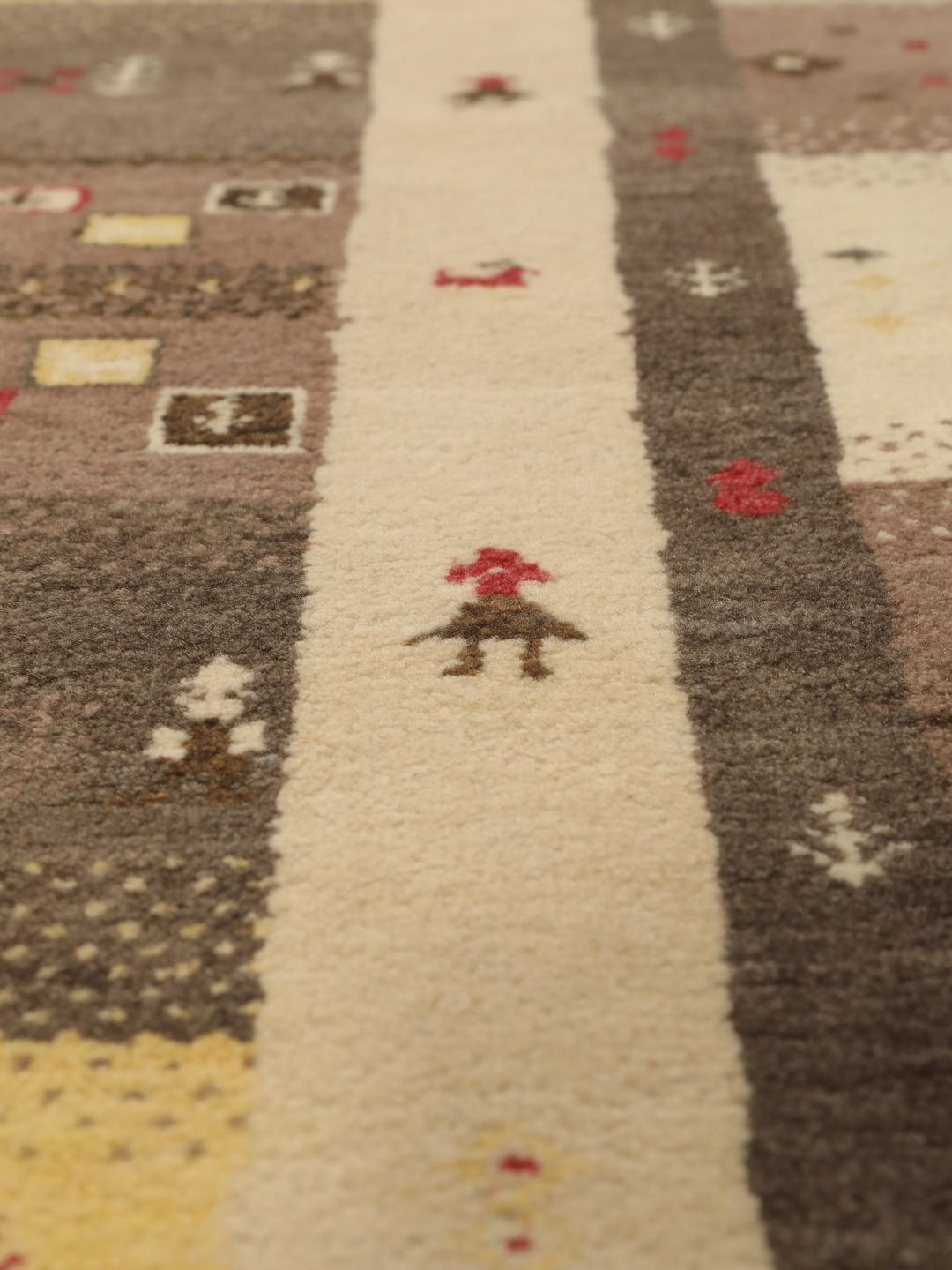
The term 'Baft' refers to the weaving process, and in the context of these rugs, it signifies a commitment to a tighter, more deliberate knotting structure. This technical refinement allows for better definition of the traditional geometric and pictorial motifs, such as stylised animals and symbolic shapes, while maintaining the soft, heavy pile that defines the Gabbeh aesthetic.
Visually, these rugs are defined by a language of simplicity and symbolism. Unlike formal city rugs, Loribaft rugs often feature open fields of rich, natural colours punctuated by spontaneous, artistic placements of motifs. Each design choice acts as a visual shorthand for the weaver’s environment, reflecting a connection to the landscape and the nomadic heritage of the creators.
Today, these rugs are highly sought after by collectors who value the intersection of ancient tribal techniques and contemporary interior needs. Owning a Loribaft is not just about floor decor; it is about bringing a piece of living history into your home, where the skill of the artisan and the authenticity of the materials combine to create a lasting, meaningful object.