Gabbeh rugs are deeply rooted in the nomadic traditions of the Middle East, originally woven by tribal populations for personal use rather than for trade. These rugs were prized for their thick, soft pile, which provided excellent insulation against the cold floors of tents. Over time, the style evolved, with artisans in India adopting and refining these techniques to create the Loribaft variety, which is known for its higher knot density and more refined finish.
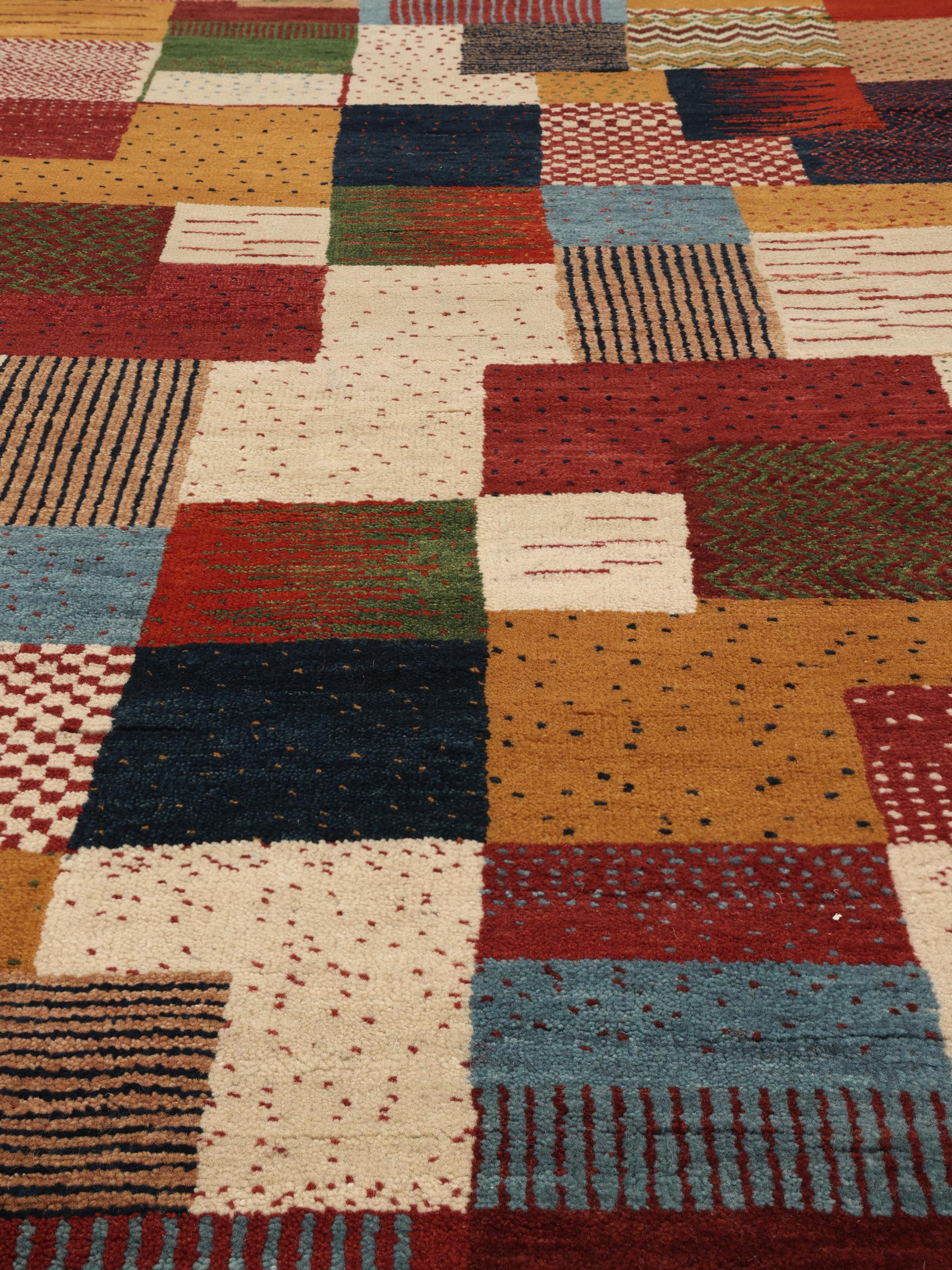
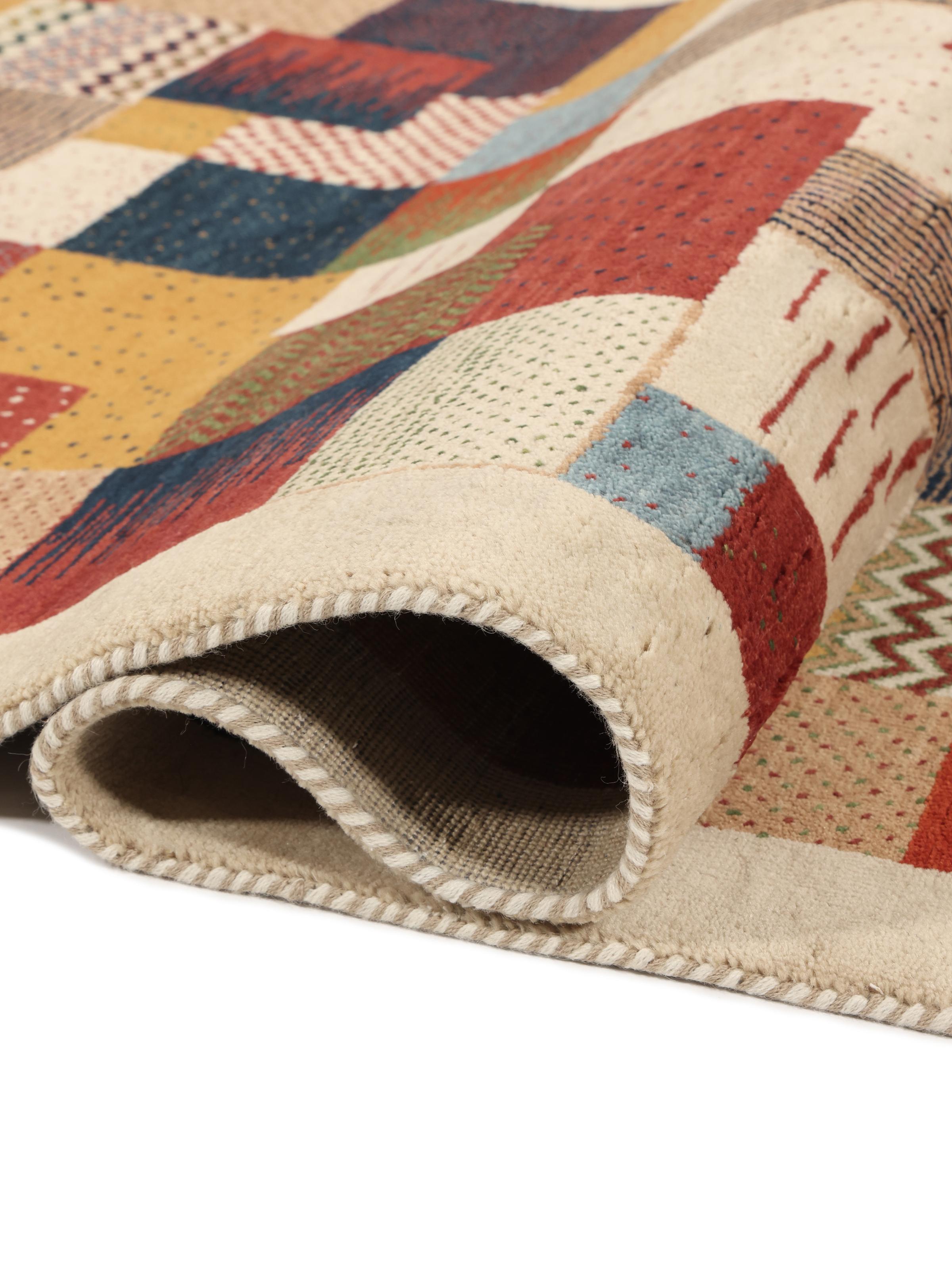
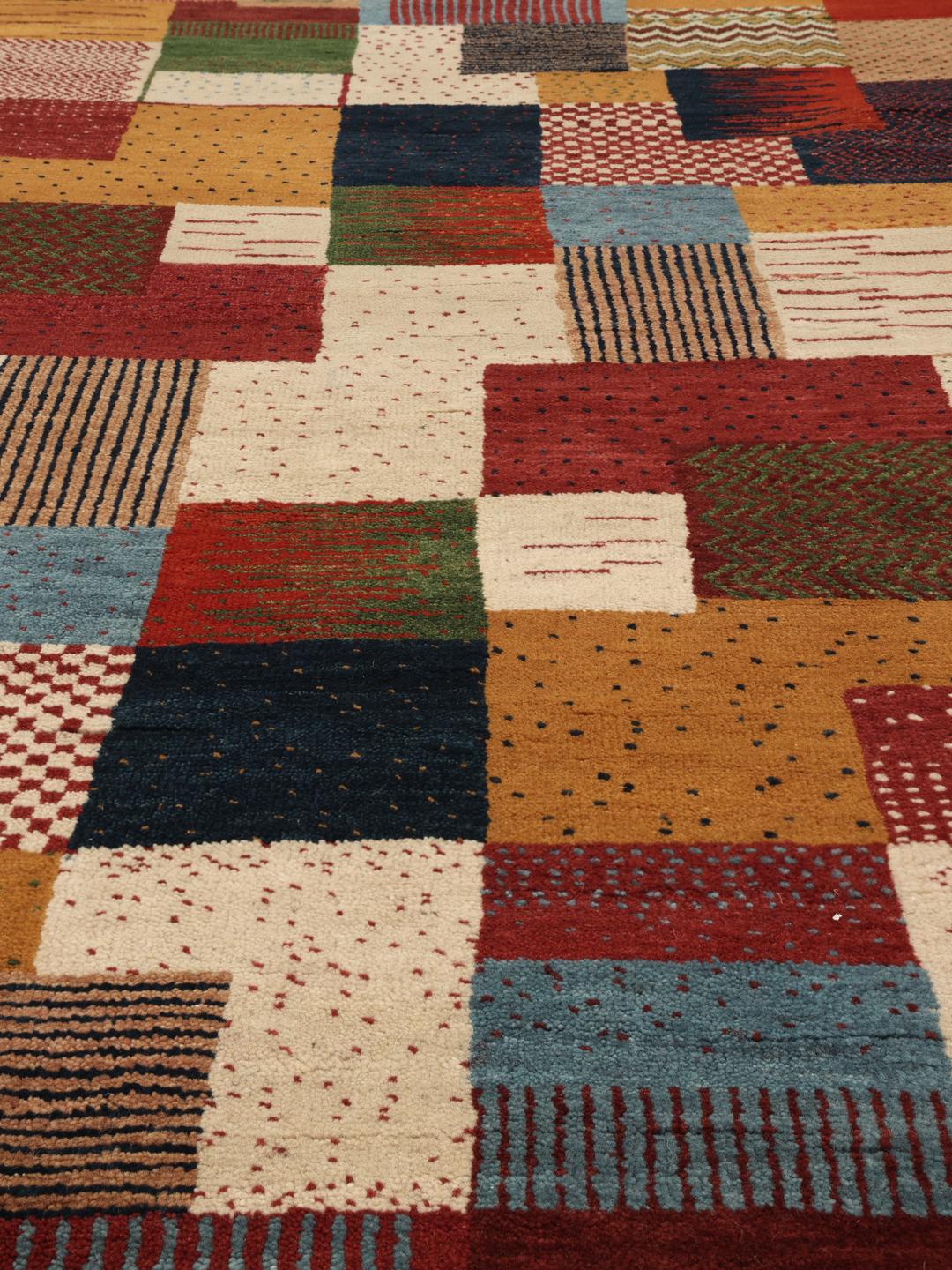
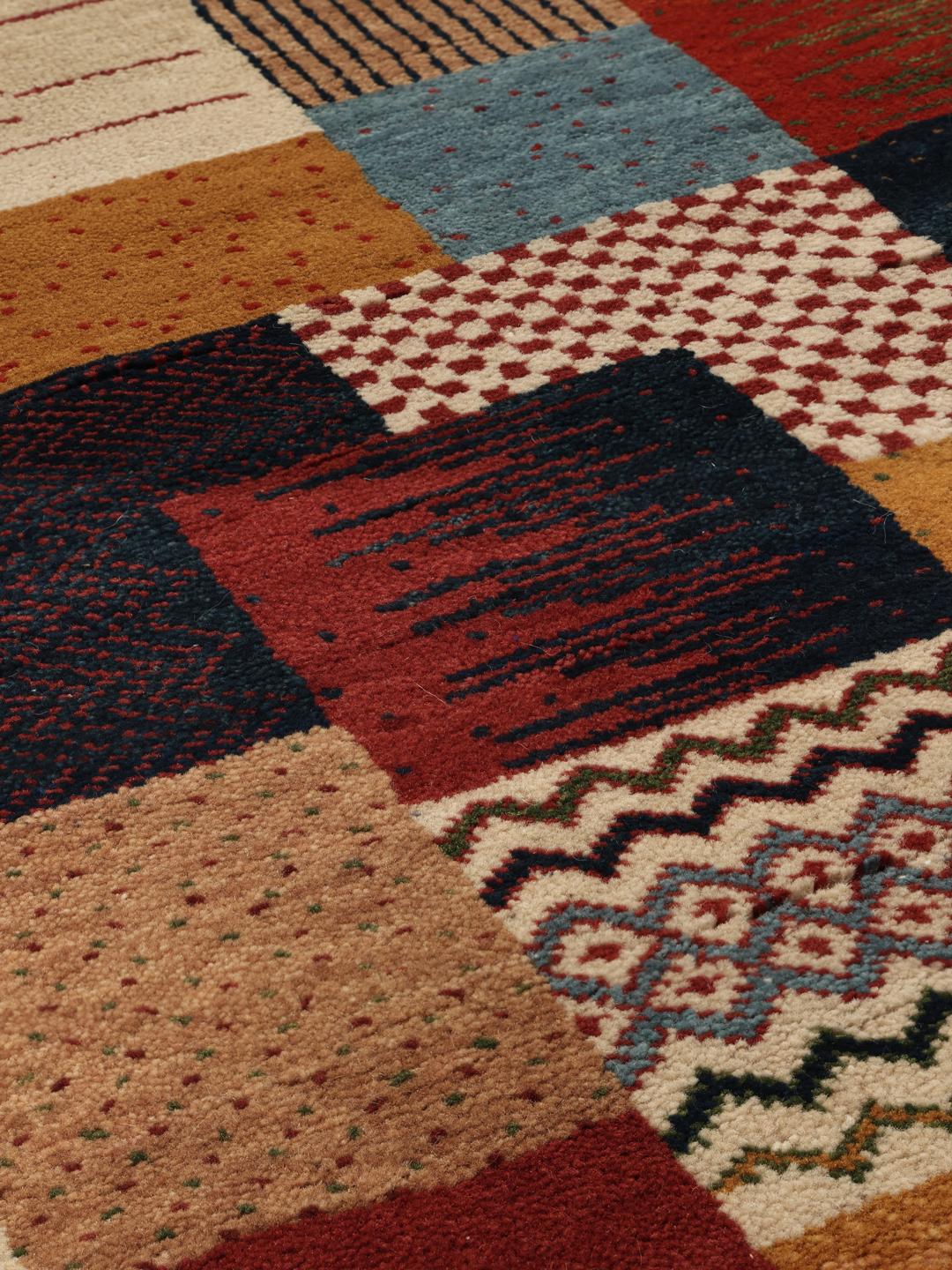
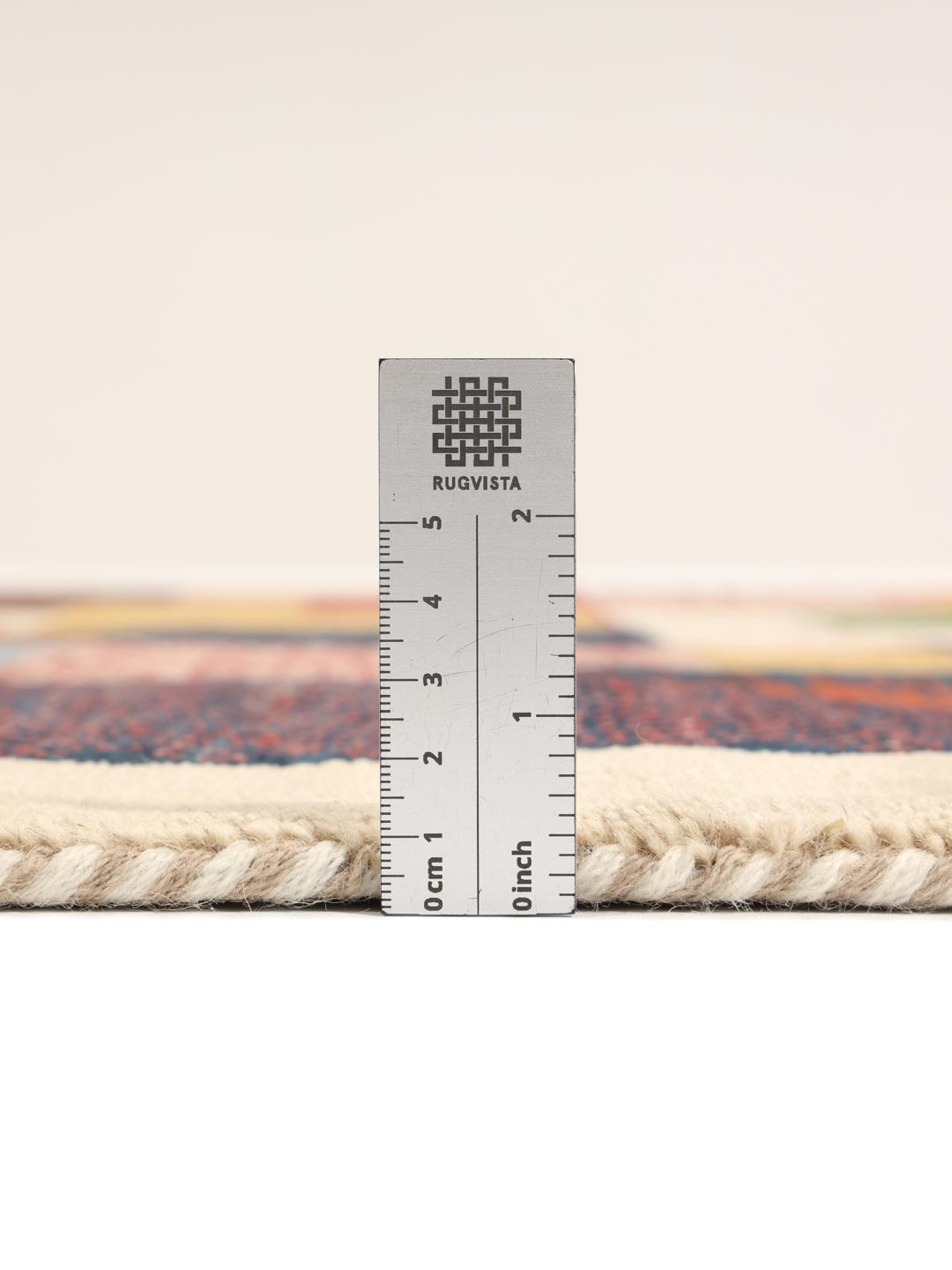
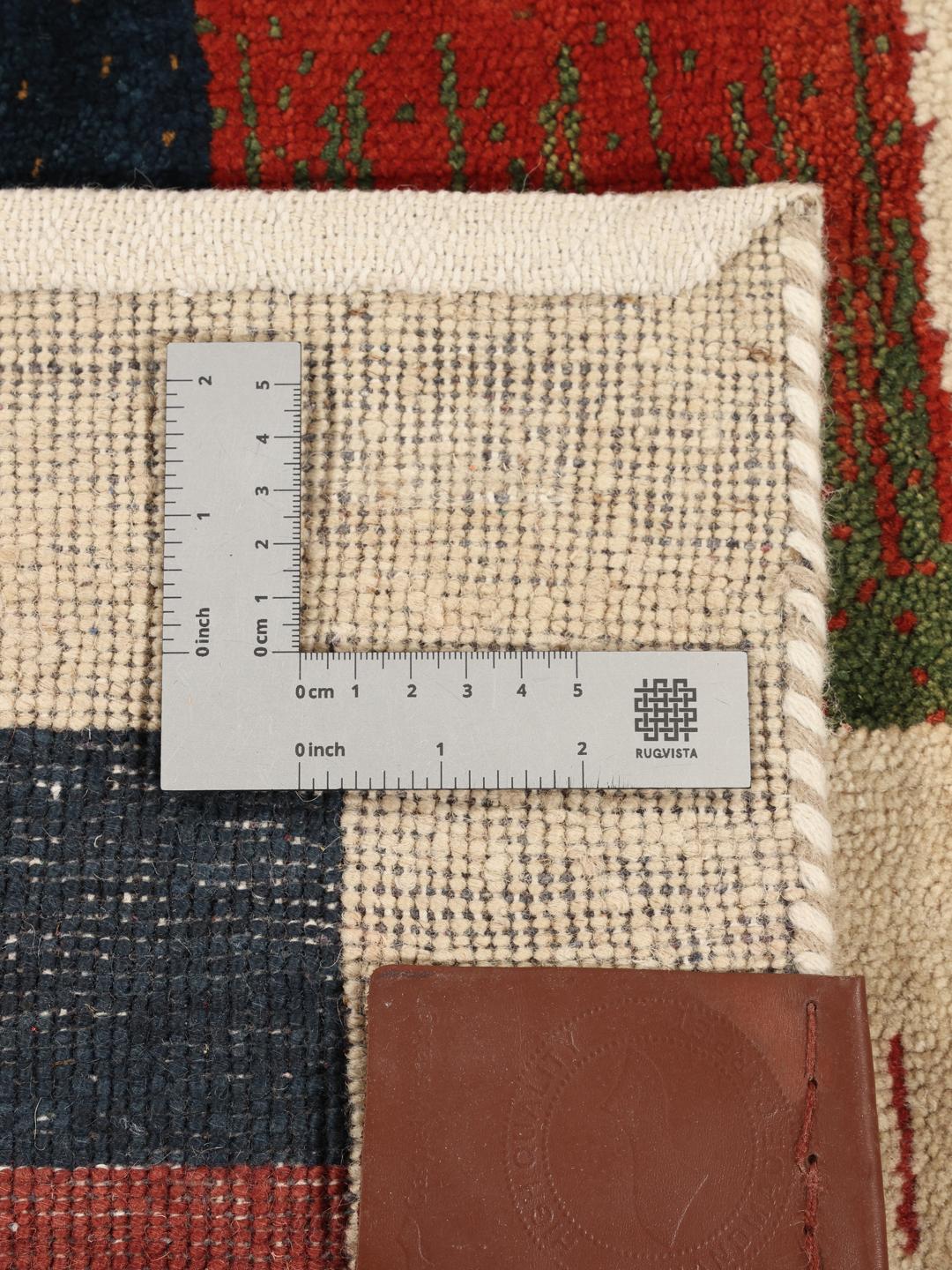
The term Loribaft refers to a specific style of weaving that emphasises a denser, more uniform pile, allowing for more intricate design work compared to traditional, coarser Gabbeh rugs. This evolution in craft means that while the rug retains the rustic, soulful spirit of its nomadic ancestors, it gains a level of sophistication and durability that makes it ideal for modern homes. It is a bridge between ancient utilitarian craft and contemporary artistic expression.
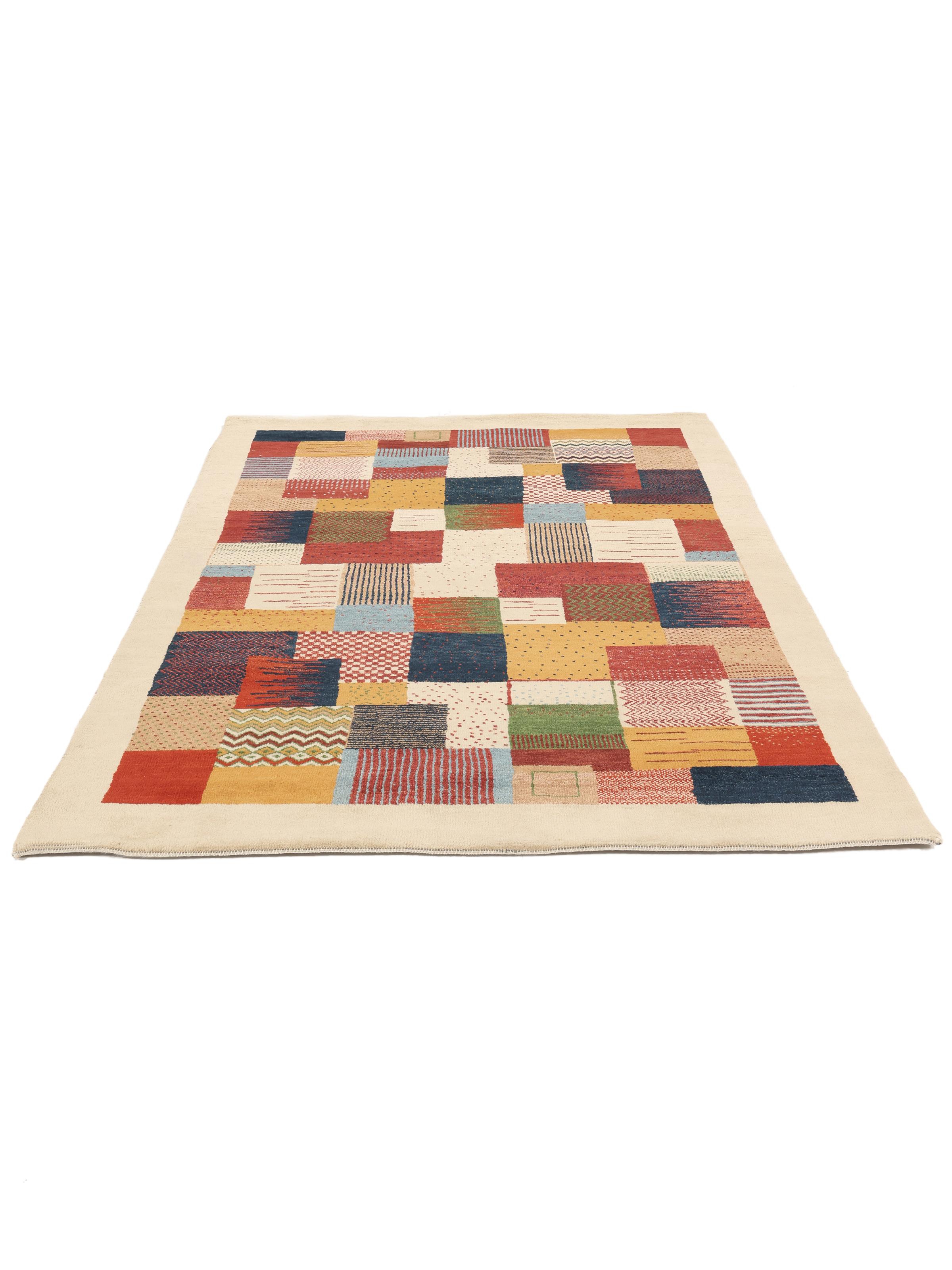
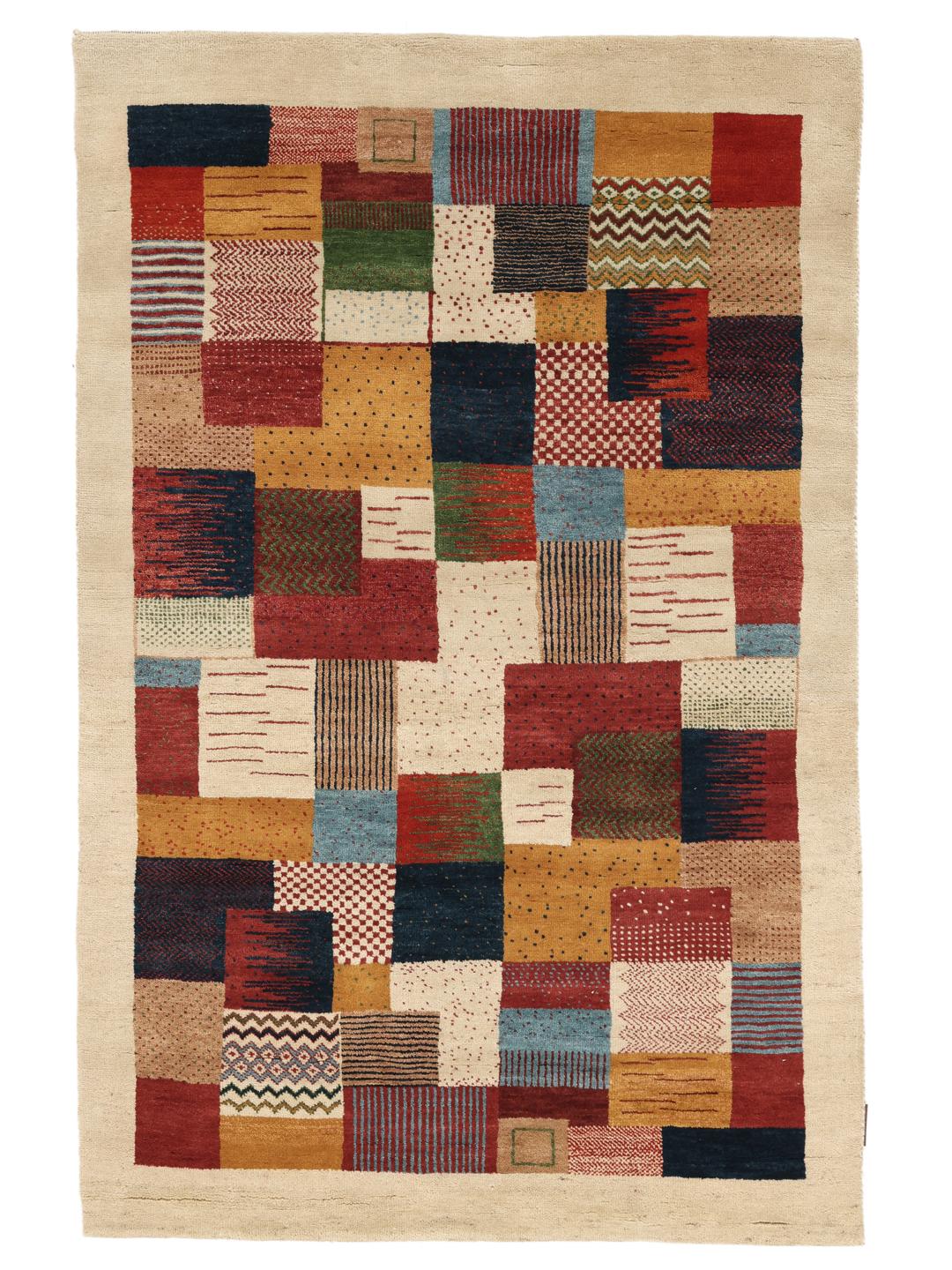
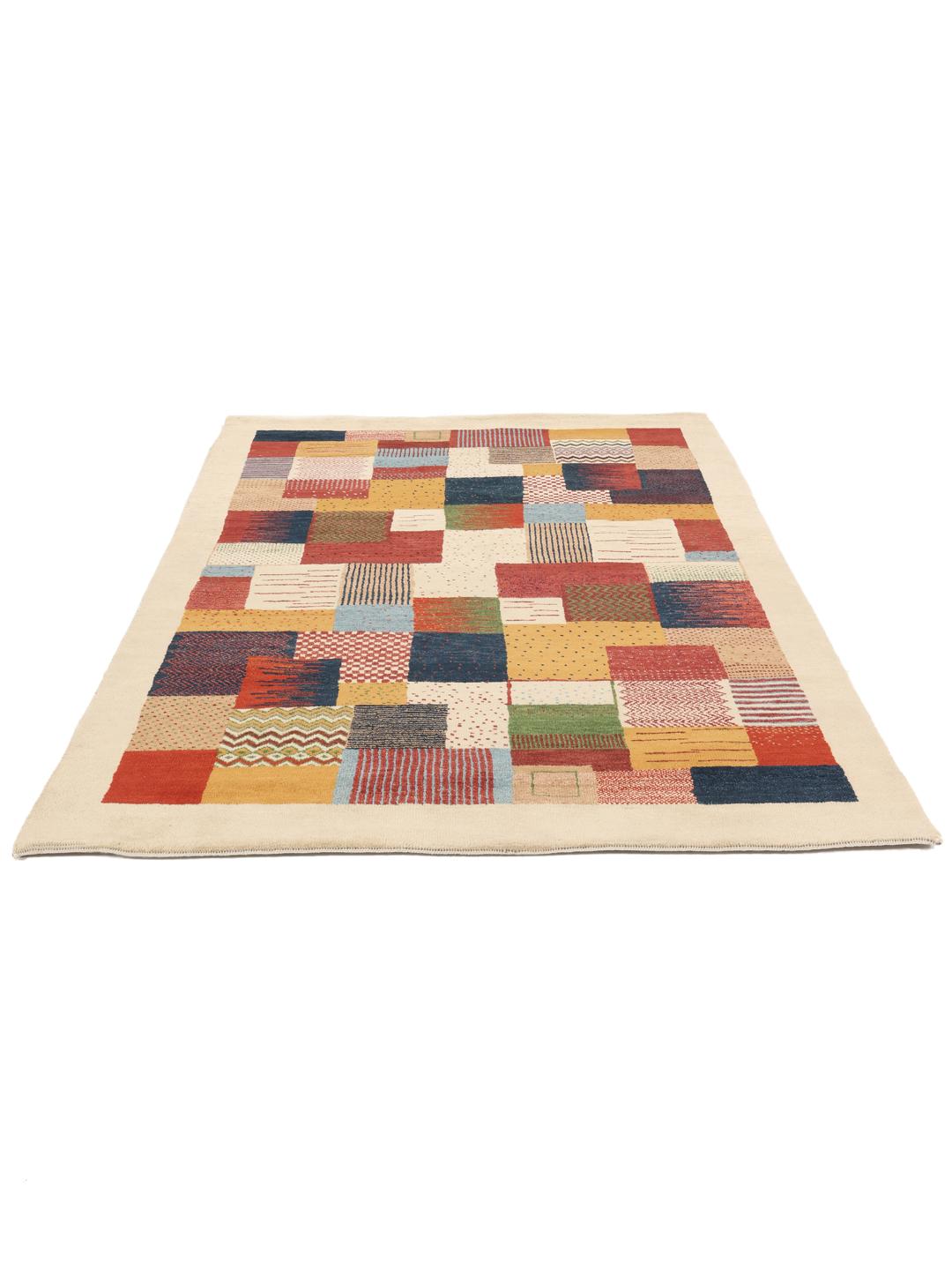
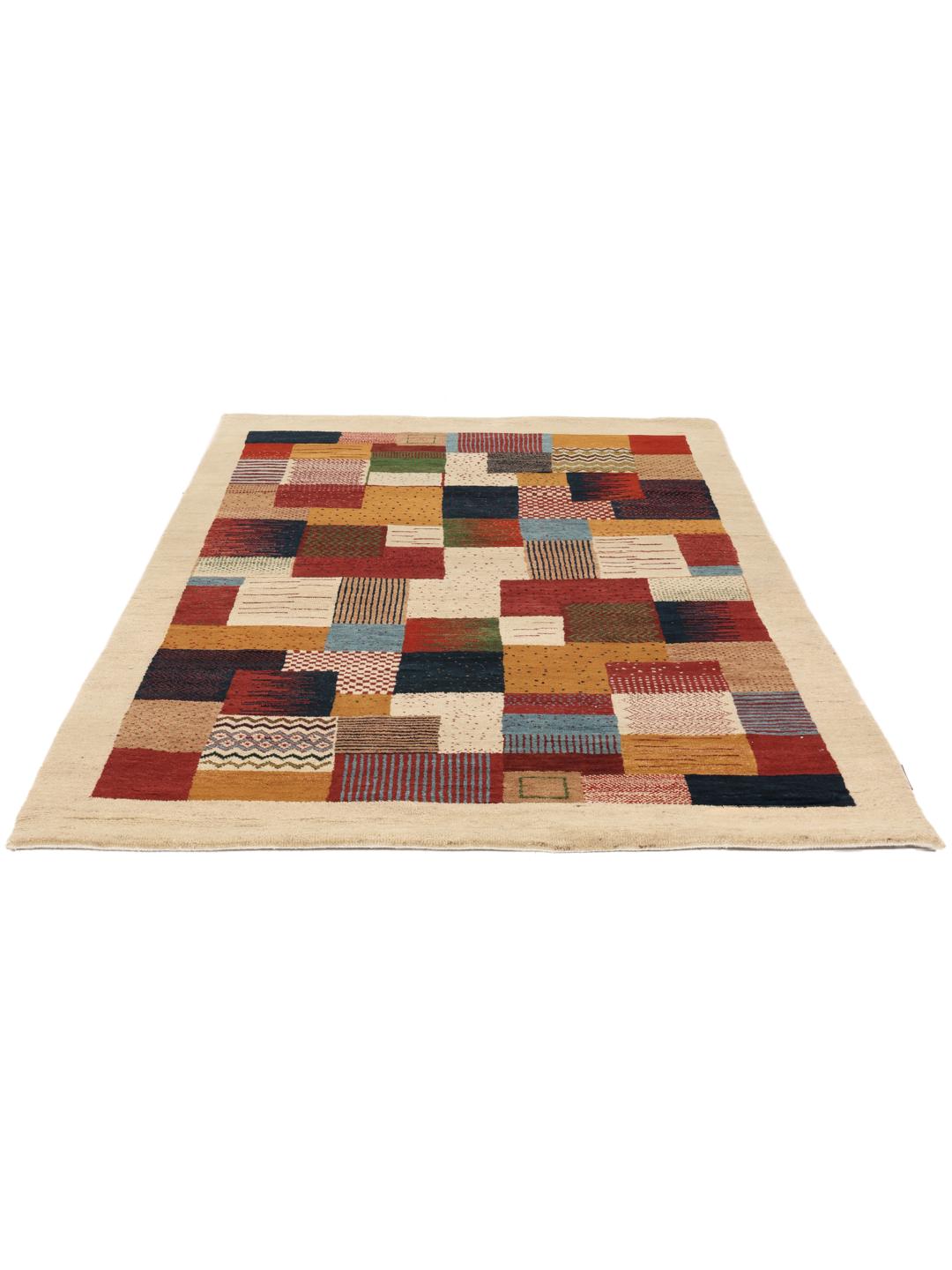
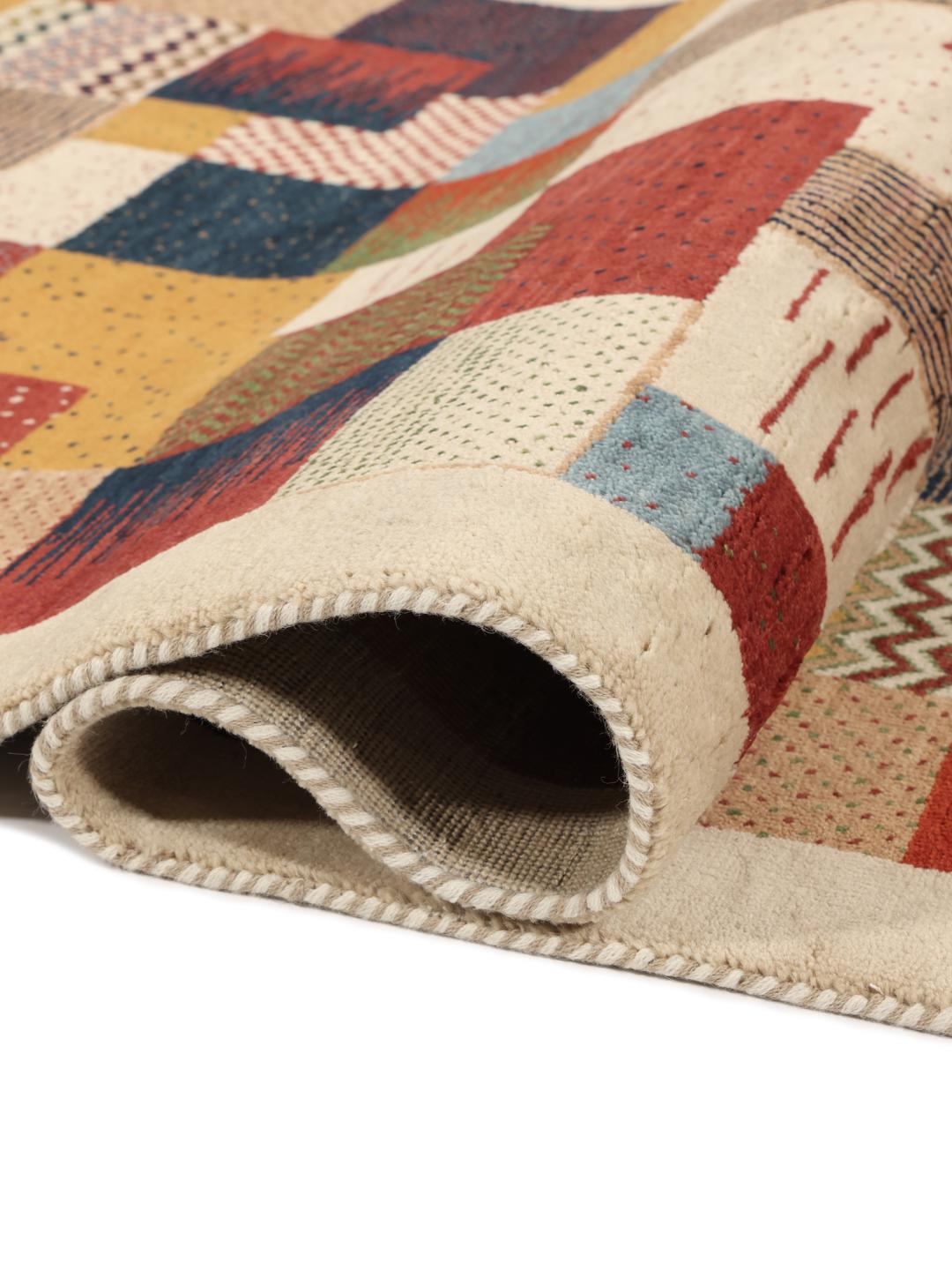
The design of this particular piece features a patchwork aesthetic, a common motif in Gabbeh tradition that reflects the weaver's creativity and use of available materials. Each square or section acts as a canvas for different colour combinations and simple geometric shapes, resulting in a composition that is both complex and harmonious. This style celebrates the freedom of the weaver to experiment with colour and form without being bound by rigid, formal patterns.
Collecting a Gabbeh Loribaft is an investment in heritage and human ingenuity. These rugs are valued not just for their aesthetic appeal, but for what they represent—a direct link to a centuries-old tradition of hand-knotting that prioritises the artisan's vision and the natural beauty of the materials. Owning one is a testament to an appreciation for lasting quality and the unique stories that only a hand-crafted object can tell.