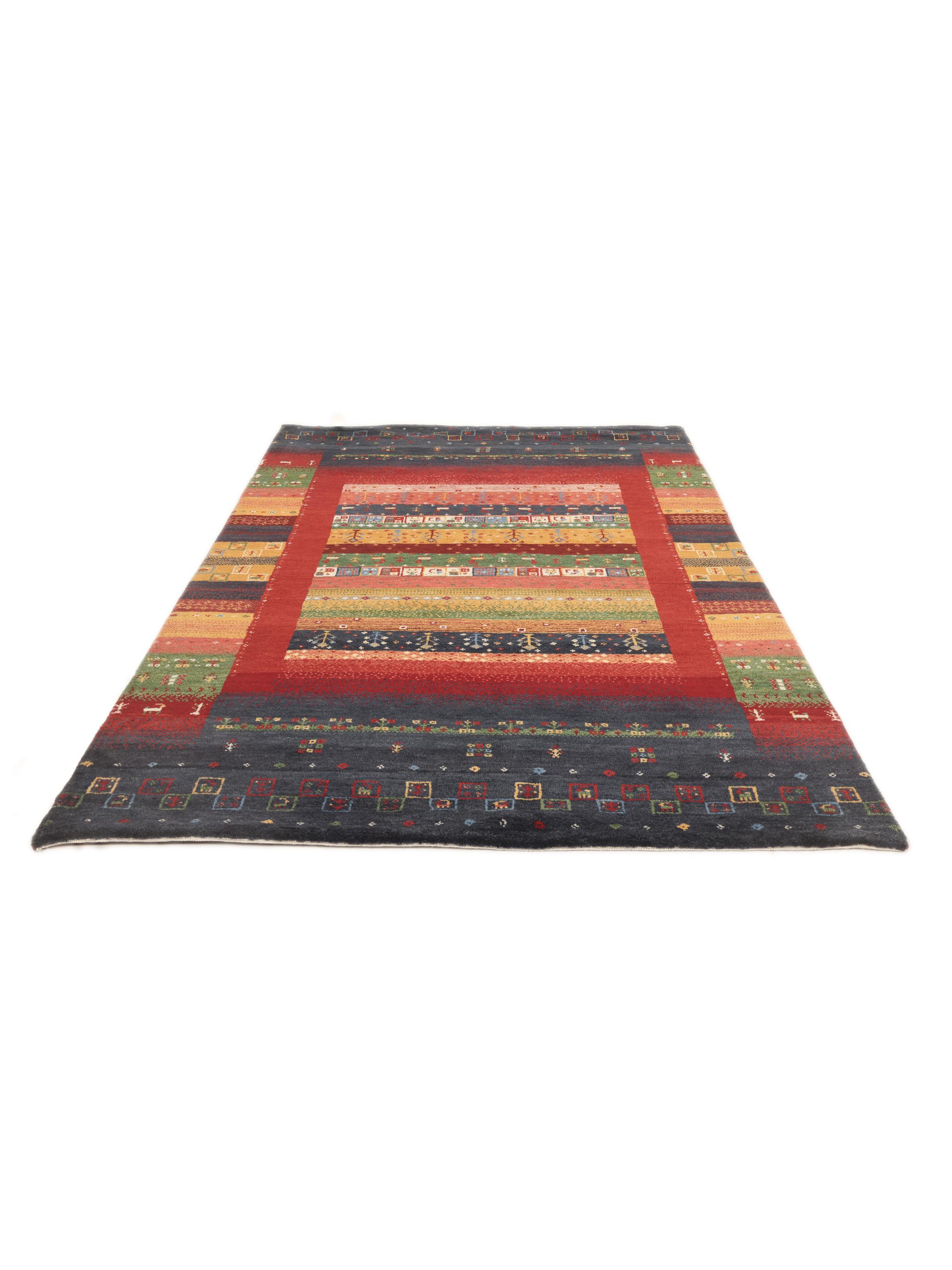
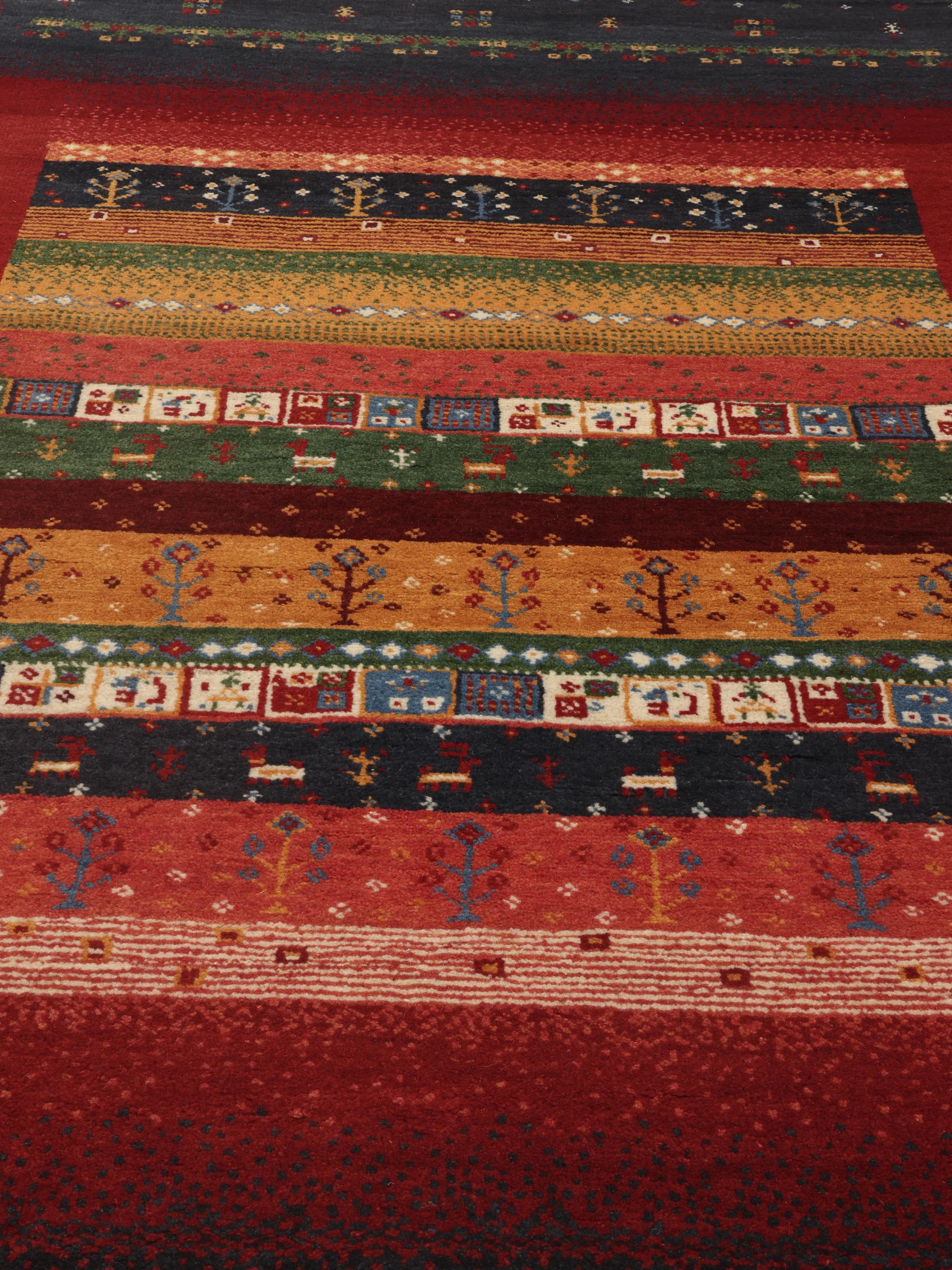
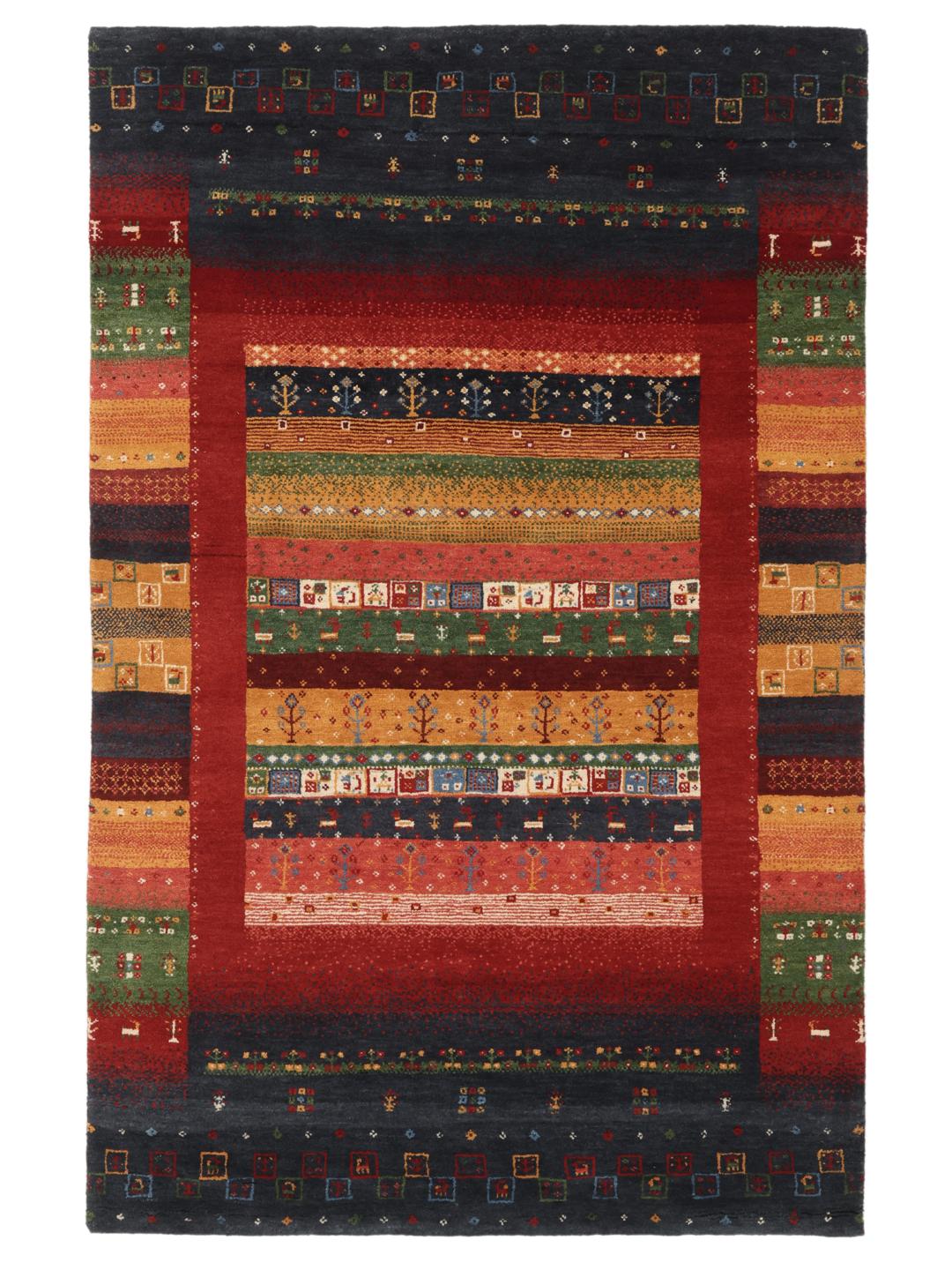
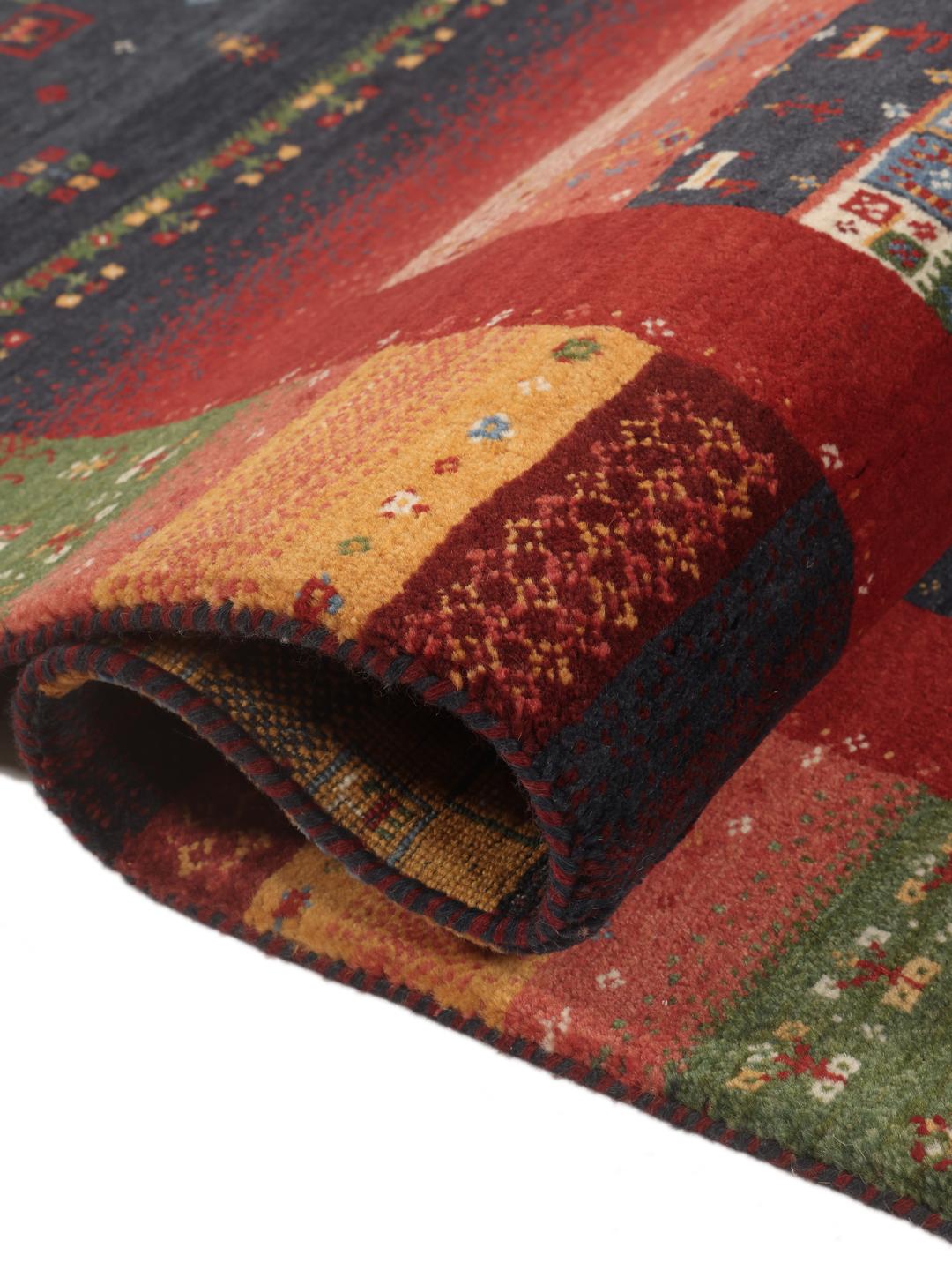
The Gabbeh tradition traces its roots to the nomadic tribes of the Middle East, who originally crafted these rugs for personal use rather than trade. These rugs were designed to be functional, versatile, and deeply personal, often featuring spontaneous, abstract motifs that reflected the weaver's own surroundings and life experiences. Today, the art of the Loribaft has evolved, with fine examples now being produced in regions like India, where artisans continue to honour these ancient techniques.
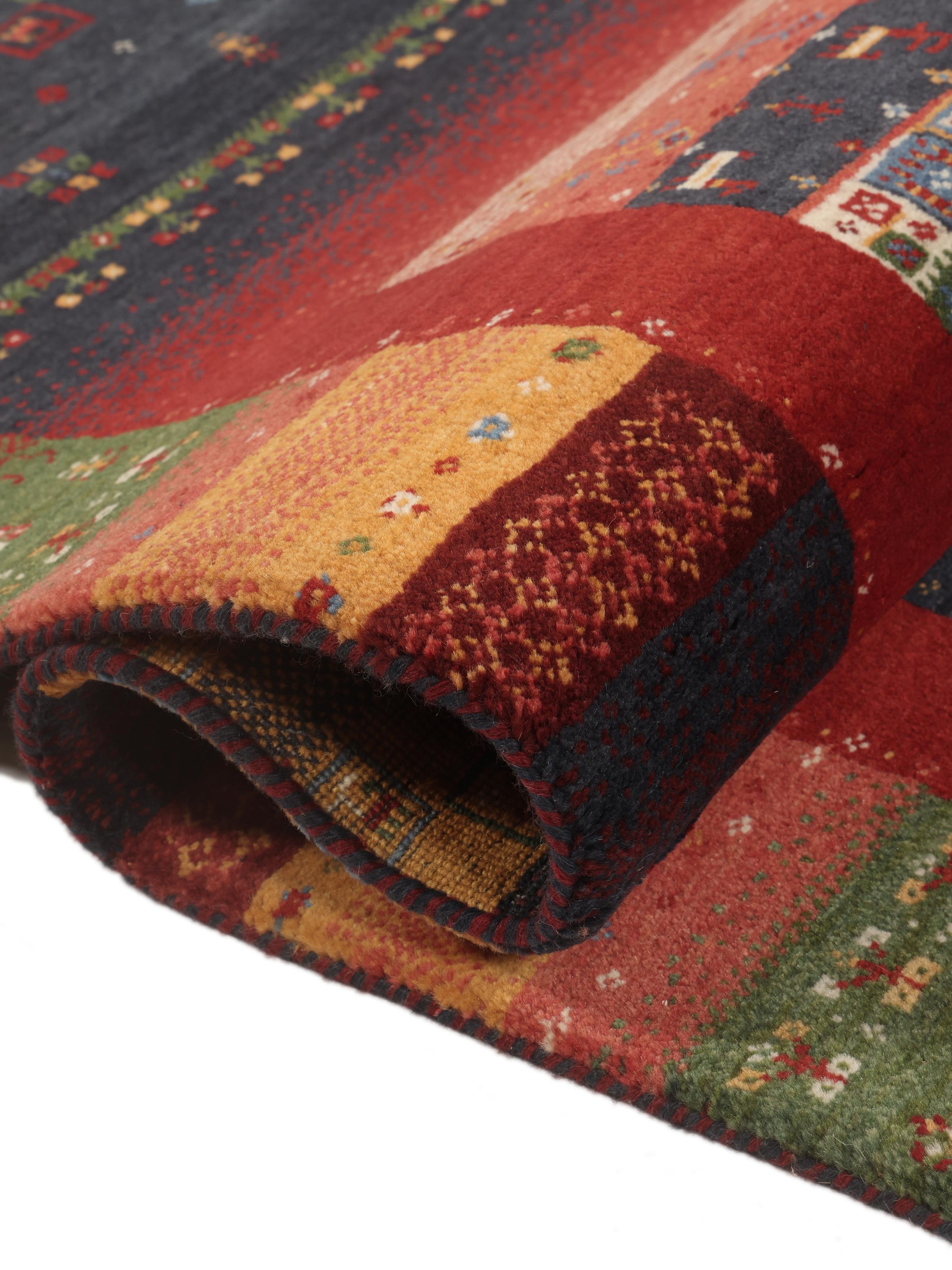
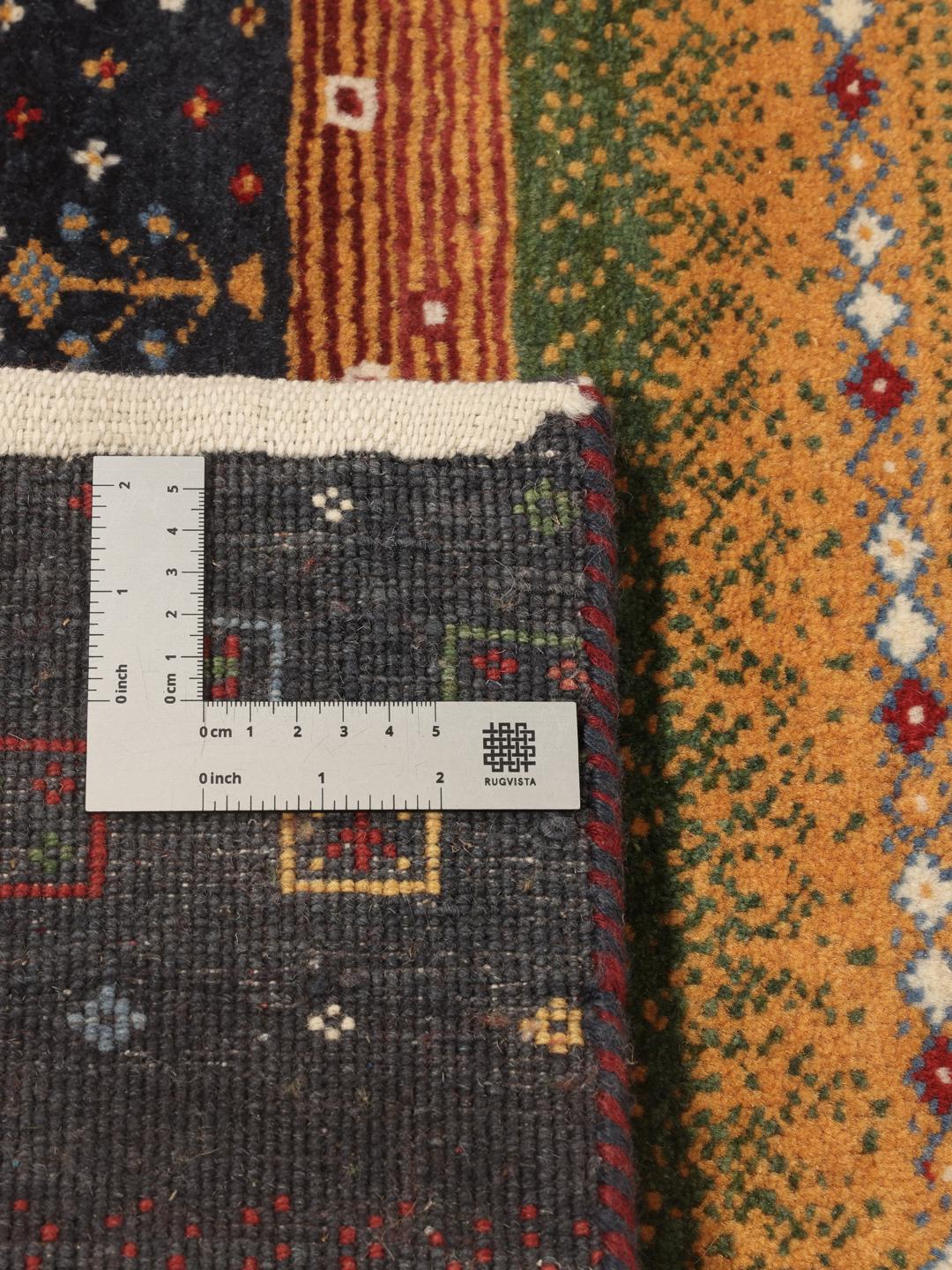
The term 'Loribaft' refers to a specific style of Gabbeh known for its refined knotting and artistic flair. Unlike more basic tribal rugs, the Loribaft is characterised by a higher level of detail and a more sophisticated approach to colour blending. This results in a product that feels both traditional and contemporary, bridging the gap between historical tribal aesthetics and modern interior design needs.
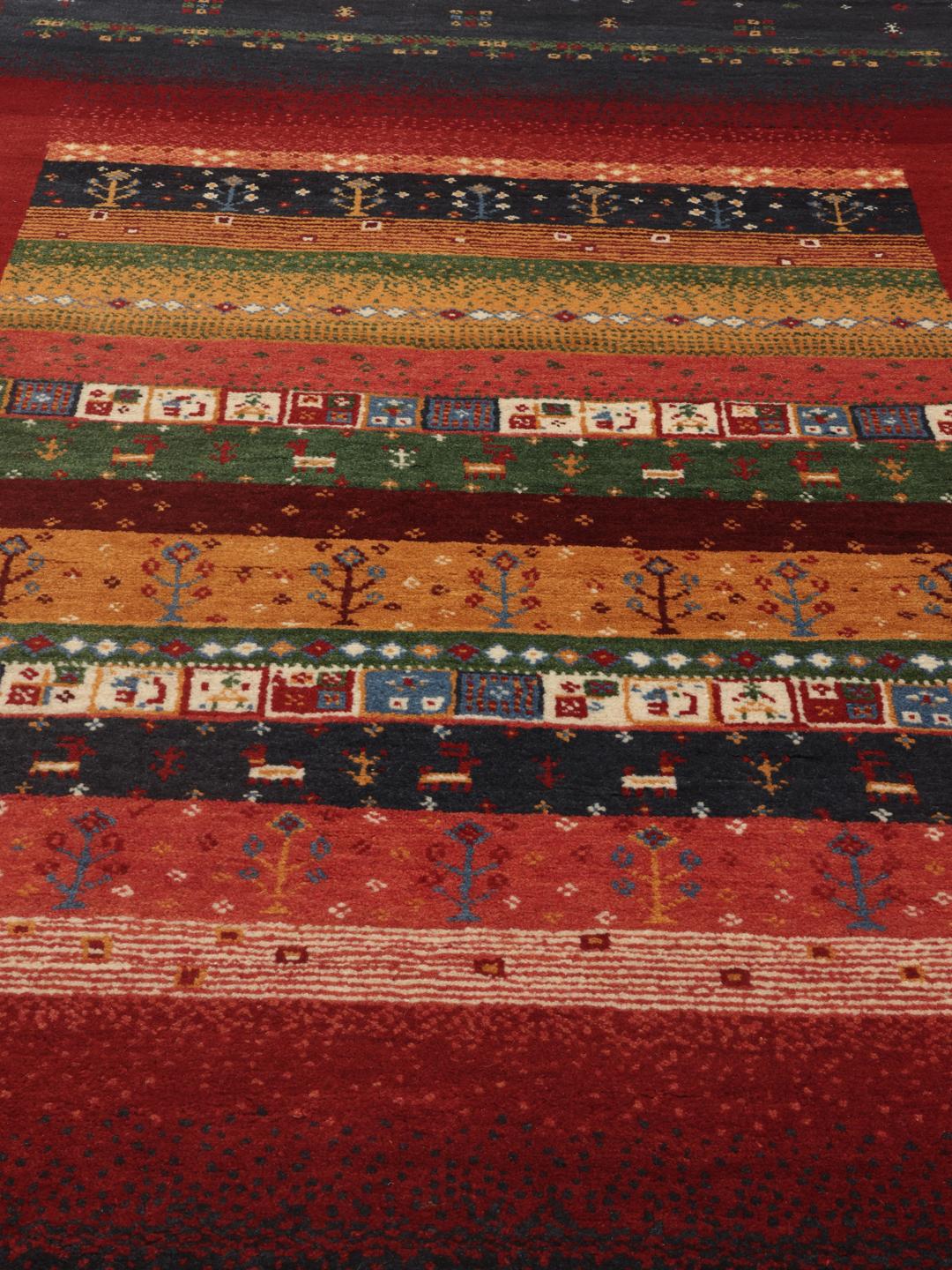
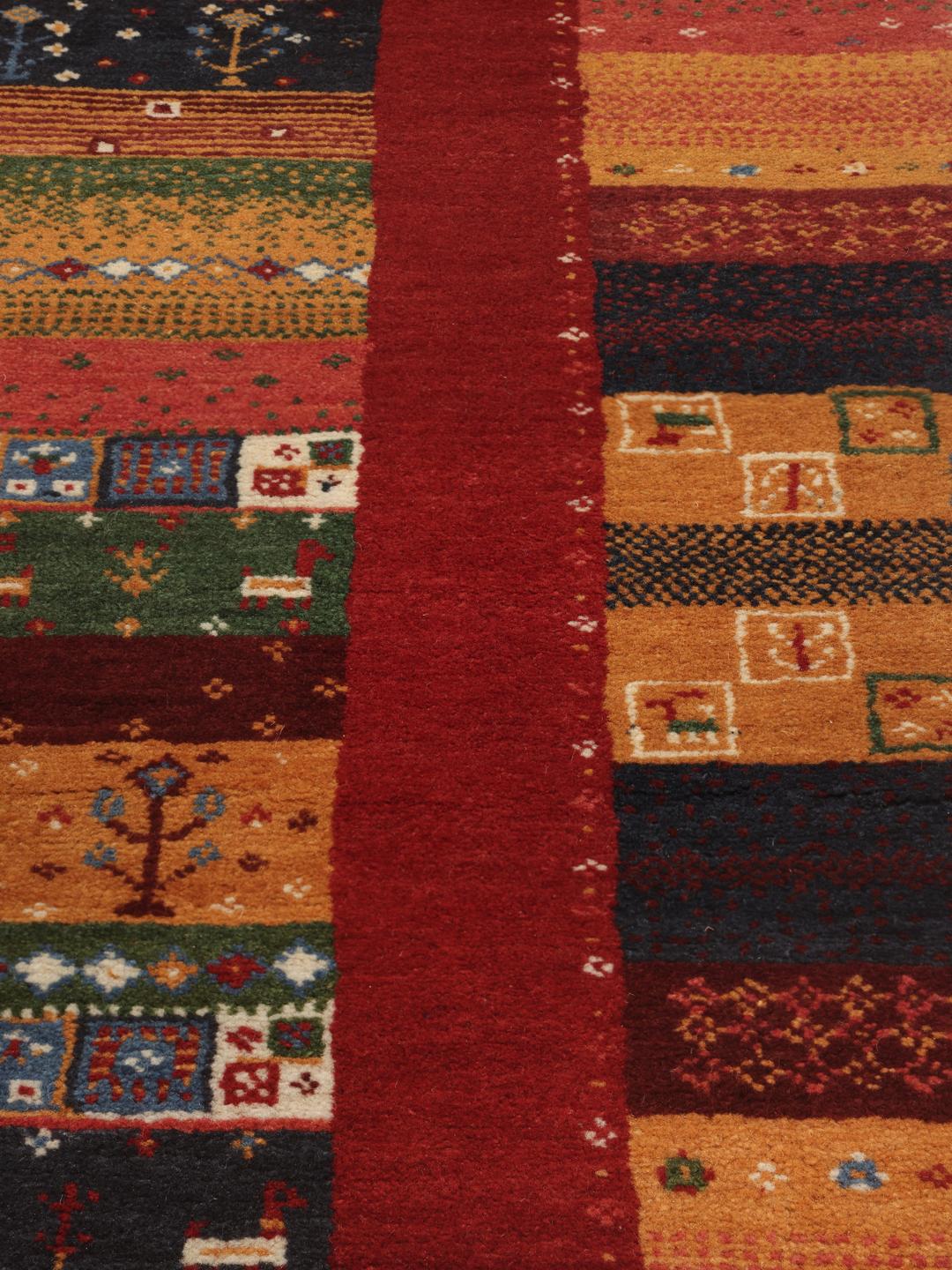
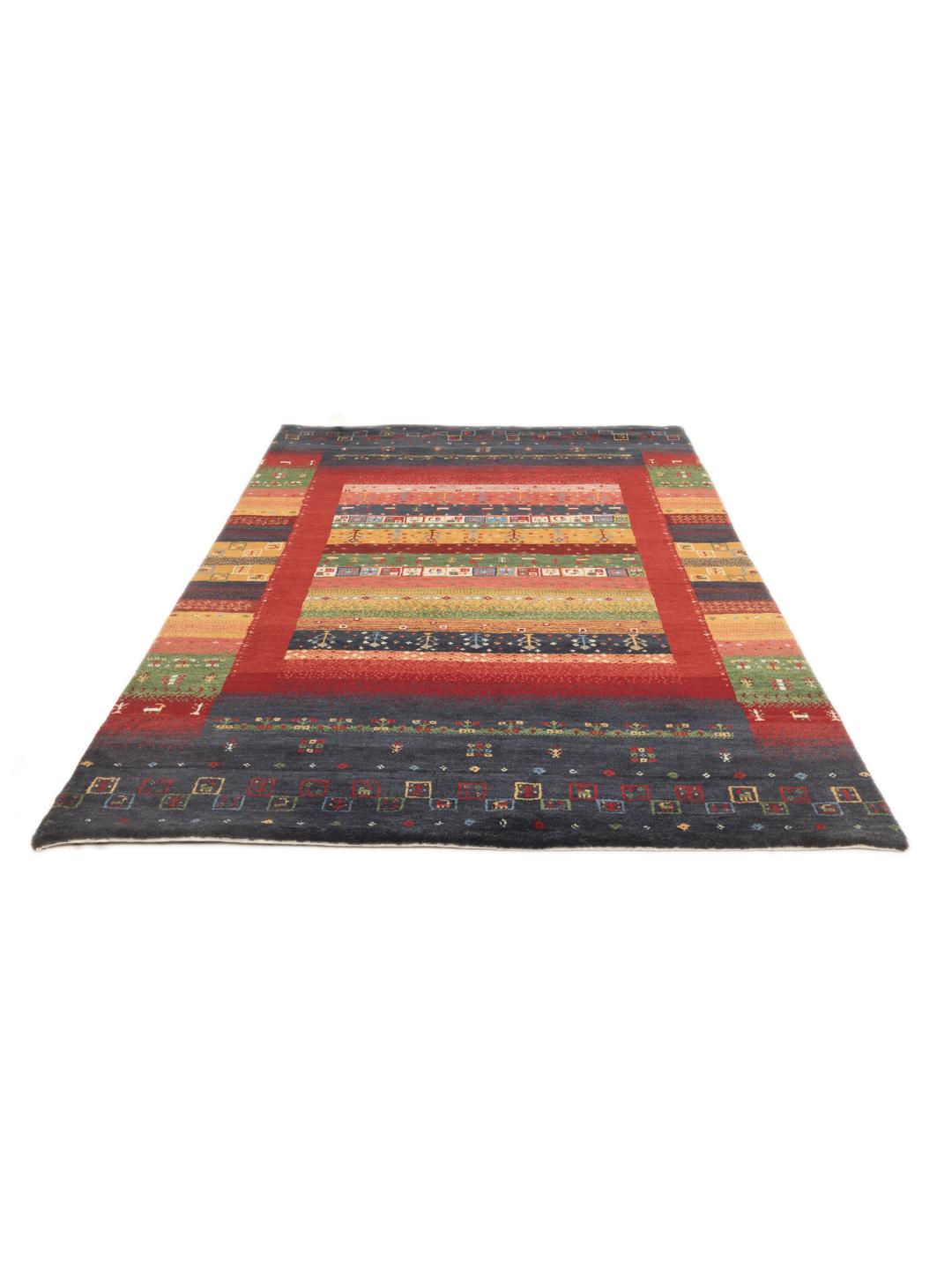
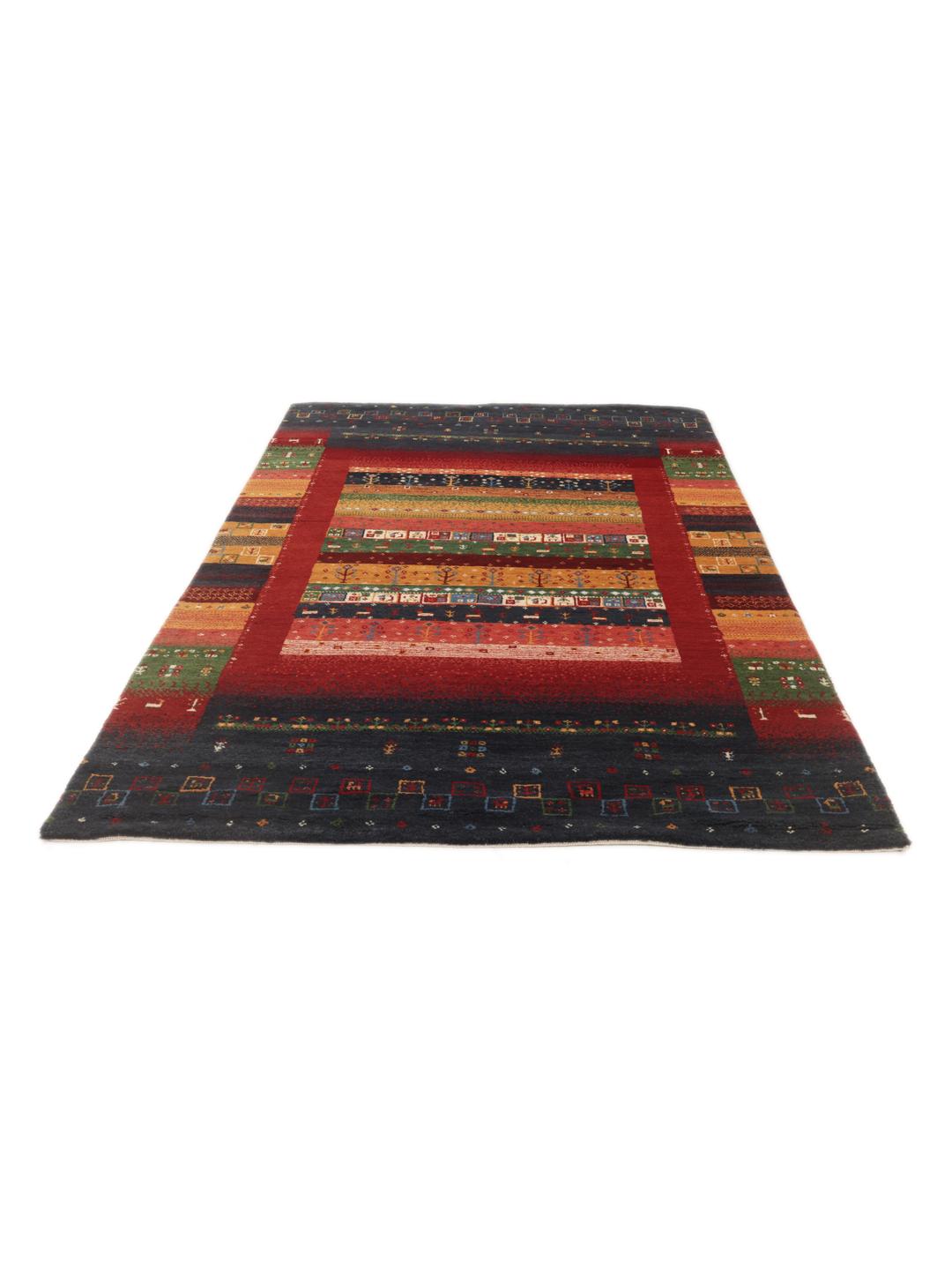
Visually, these rugs are defined by their artistic and geometric patterns, often incorporating stylised trees, animals, and symbolic motifs that hold cultural significance. The use of vibrant, saturated colours is a signature of the style, creating a lively field that can transform the mood of any space. While many traditional rugs adhere to rigid, symmetrical designs, the Loribaft celebrates a more fluid and expressive visual language.
Collecting a rug from this tradition is an investment in cultural heritage and human skill. By choosing a Loribaft, you are supporting a lineage of craftsmanship that prioritises the human touch over mass production. It is a way to bring a sense of history and genuine artistry into your home, ensuring that your floor covering is not just a utility, but a narrative piece that sparks conversation and appreciation.