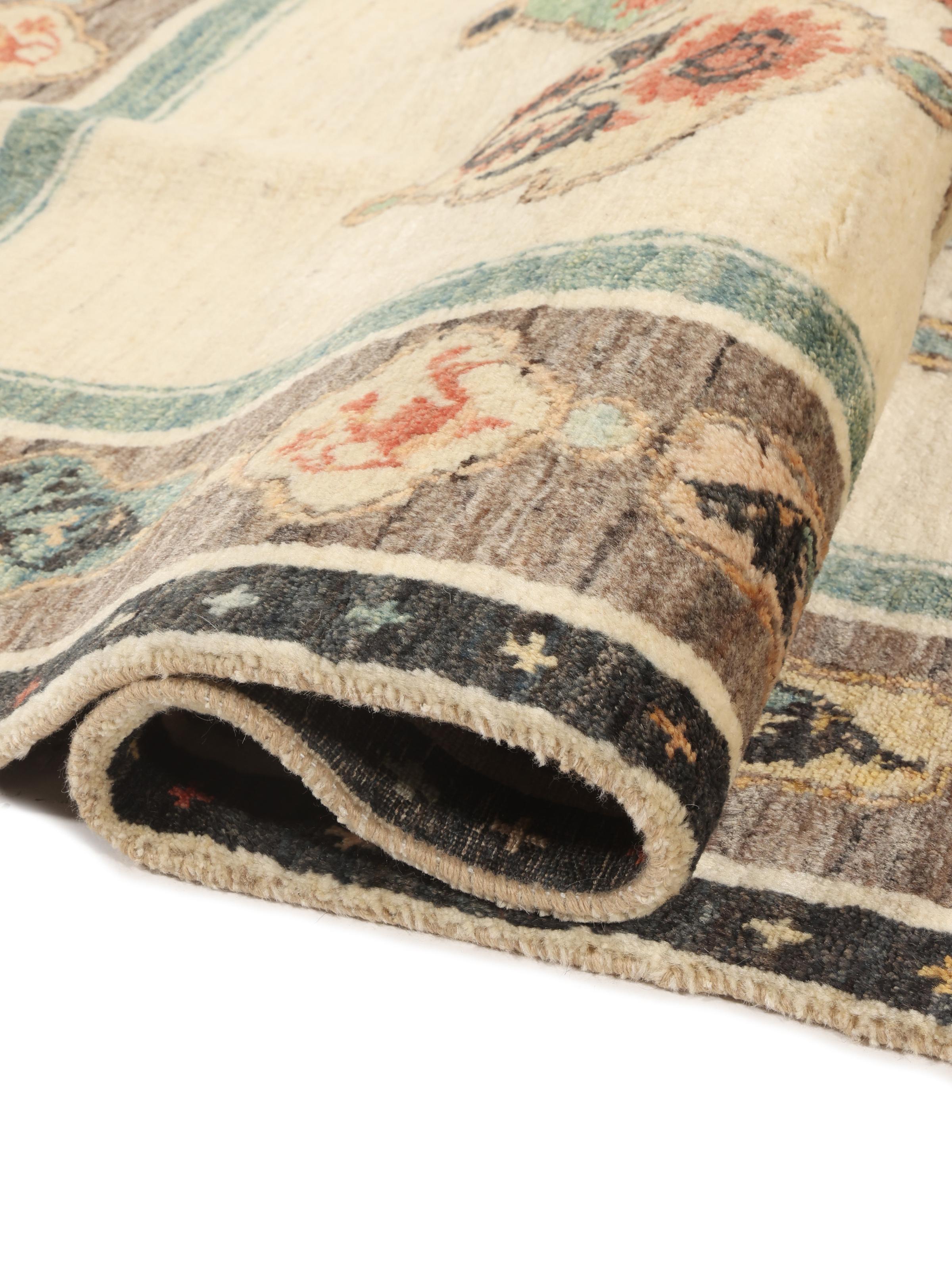
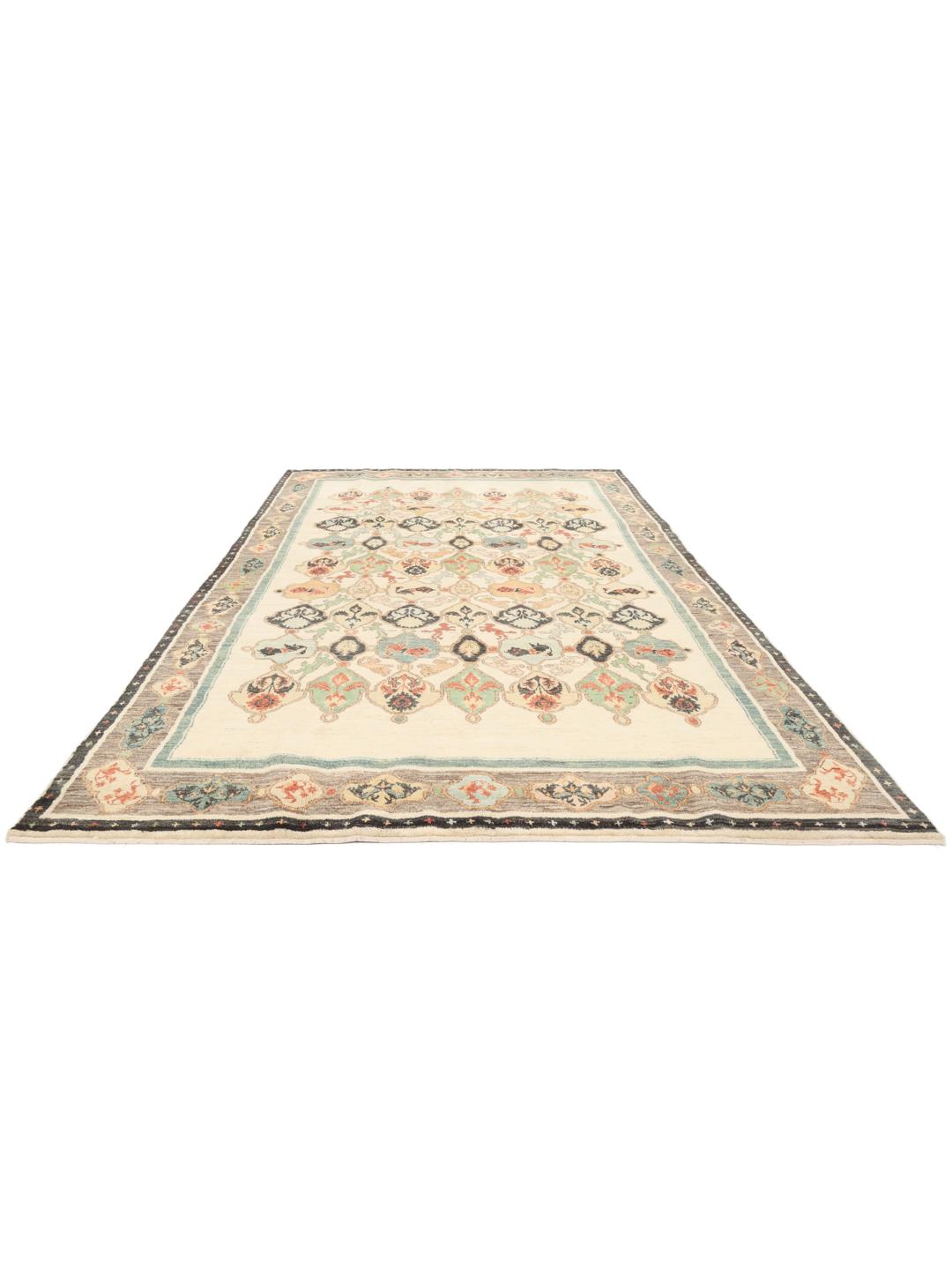
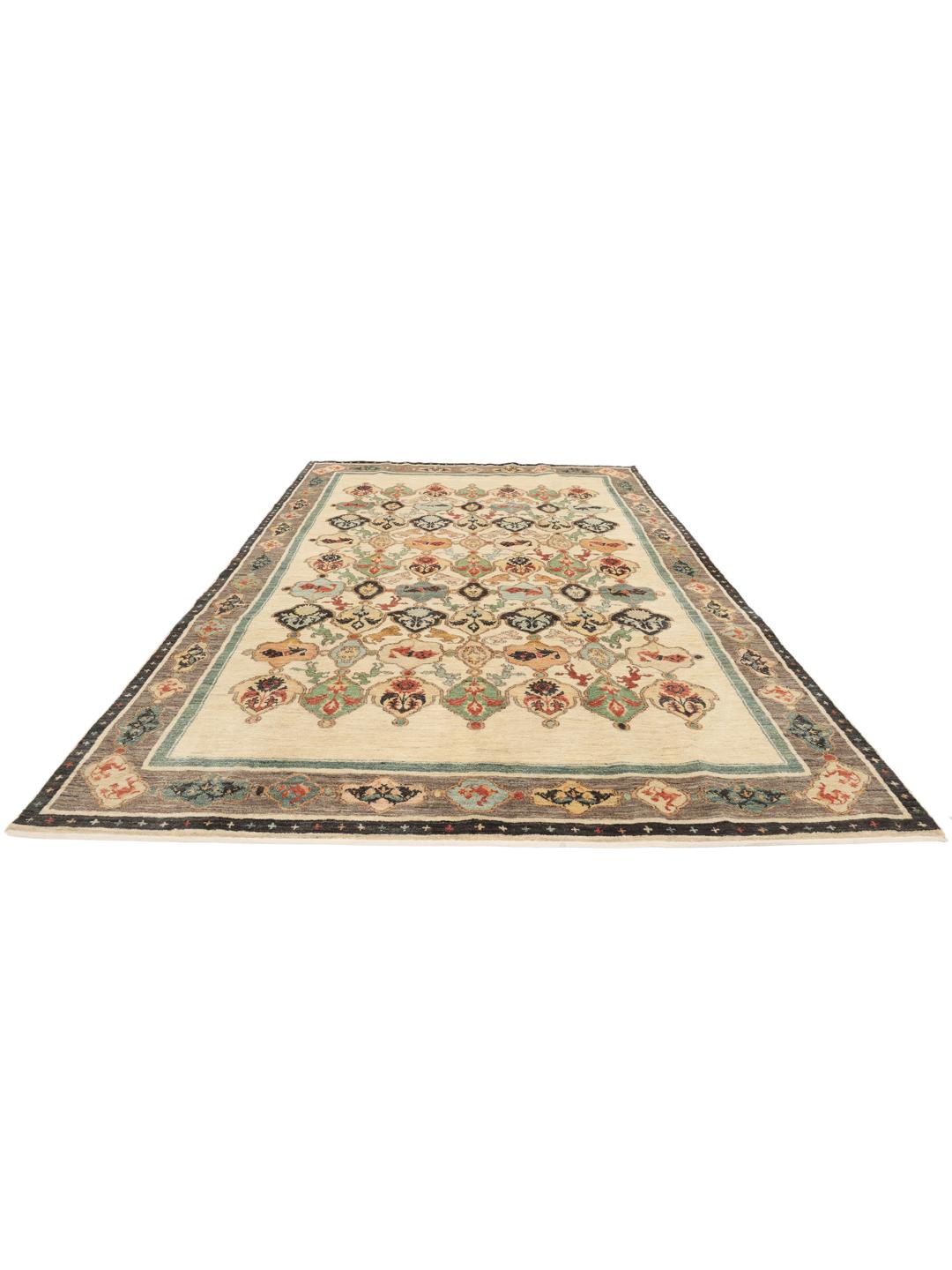
Gabbeh rugs have a storied history rooted in the nomadic cultures of the Middle East. Traditionally woven by tribal groups, these rugs were initially created for practical use within the home, serving as sleeping mats or blankets to protect against the cold. Over generations, the Gabbeh evolved from a functional necessity into a celebrated art form, distinguished by its thick, plush pile and bold, imaginative designs that often reflect the weaver's personal experiences and the surrounding natural world.
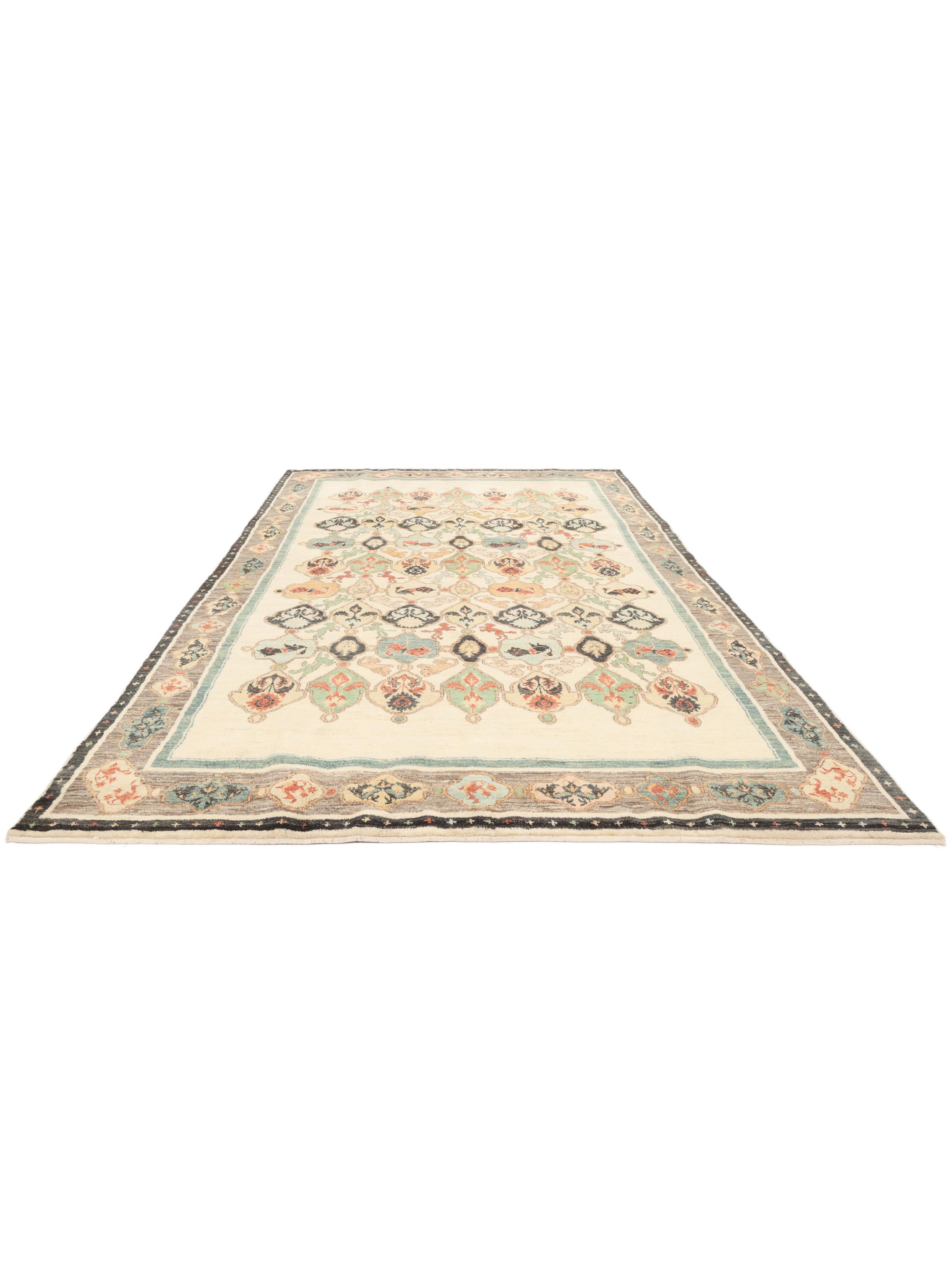
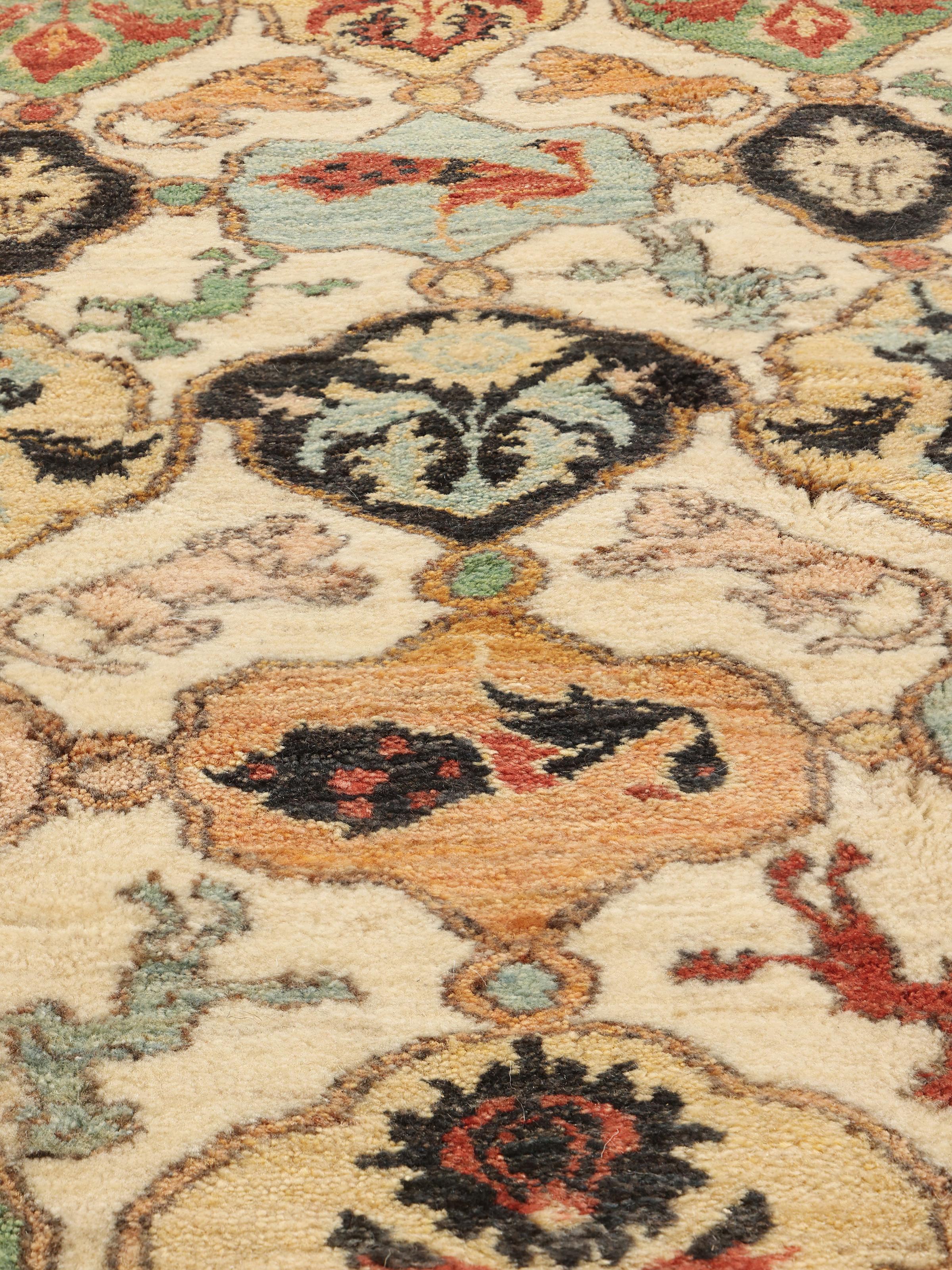
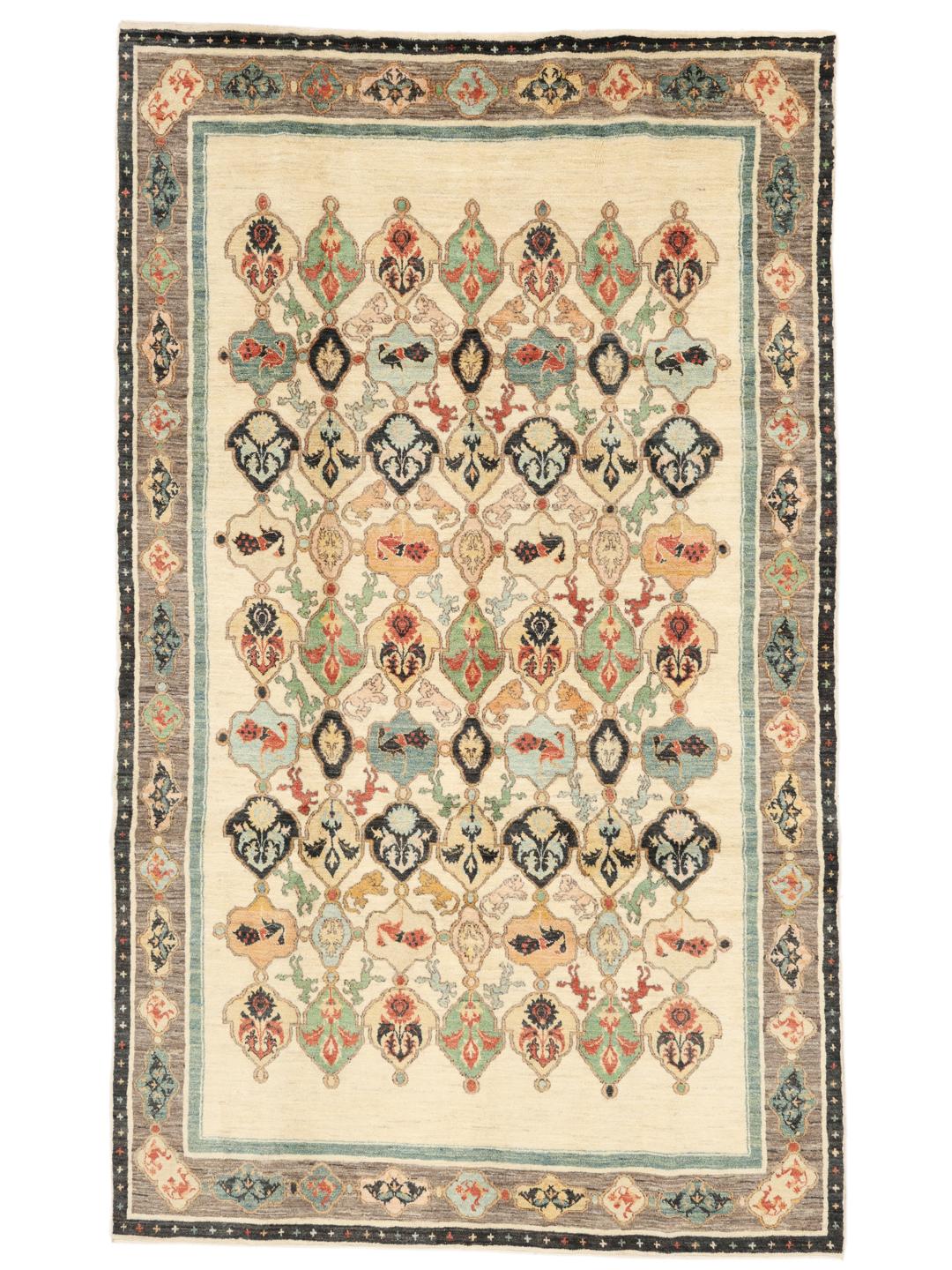
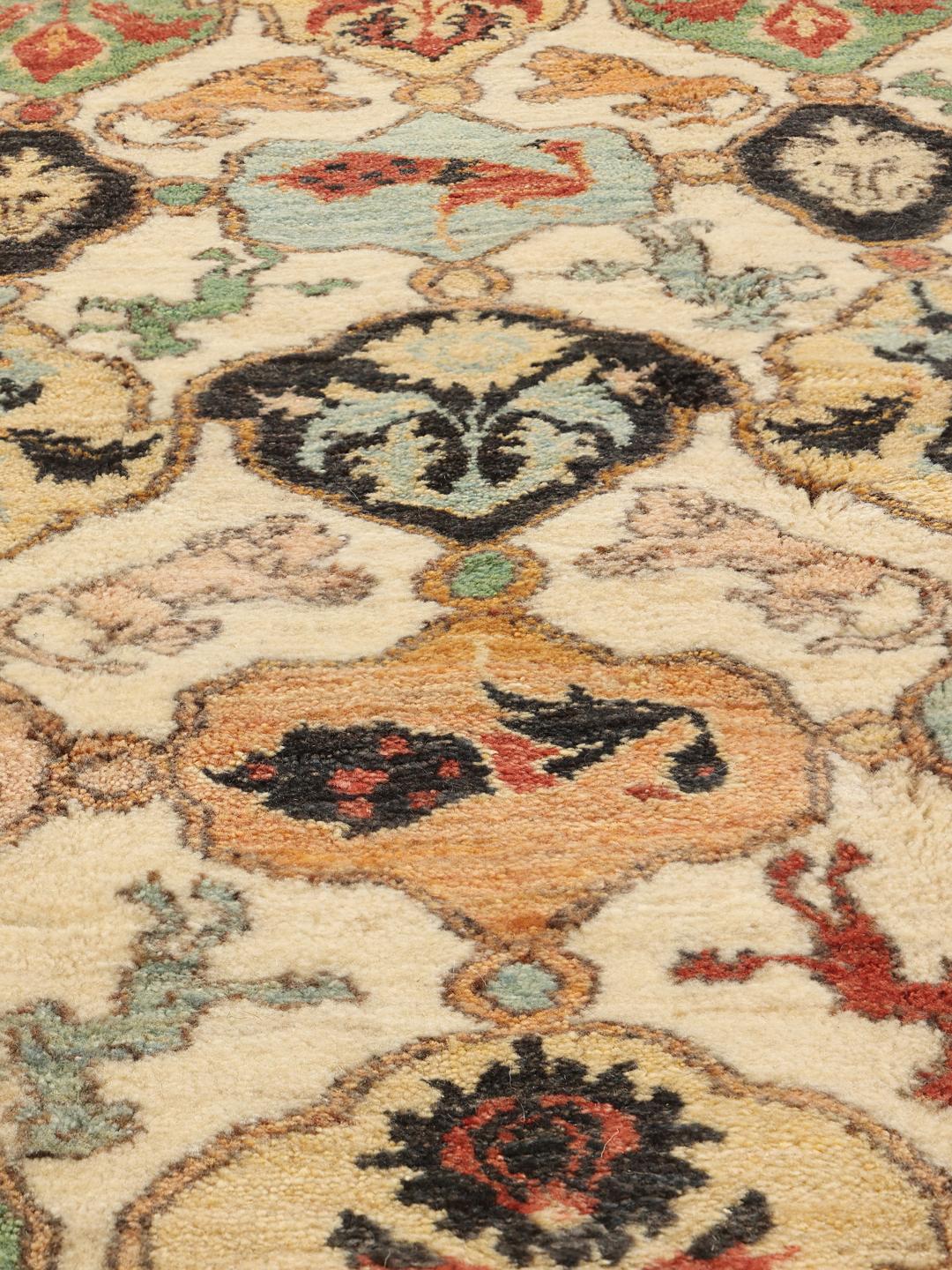
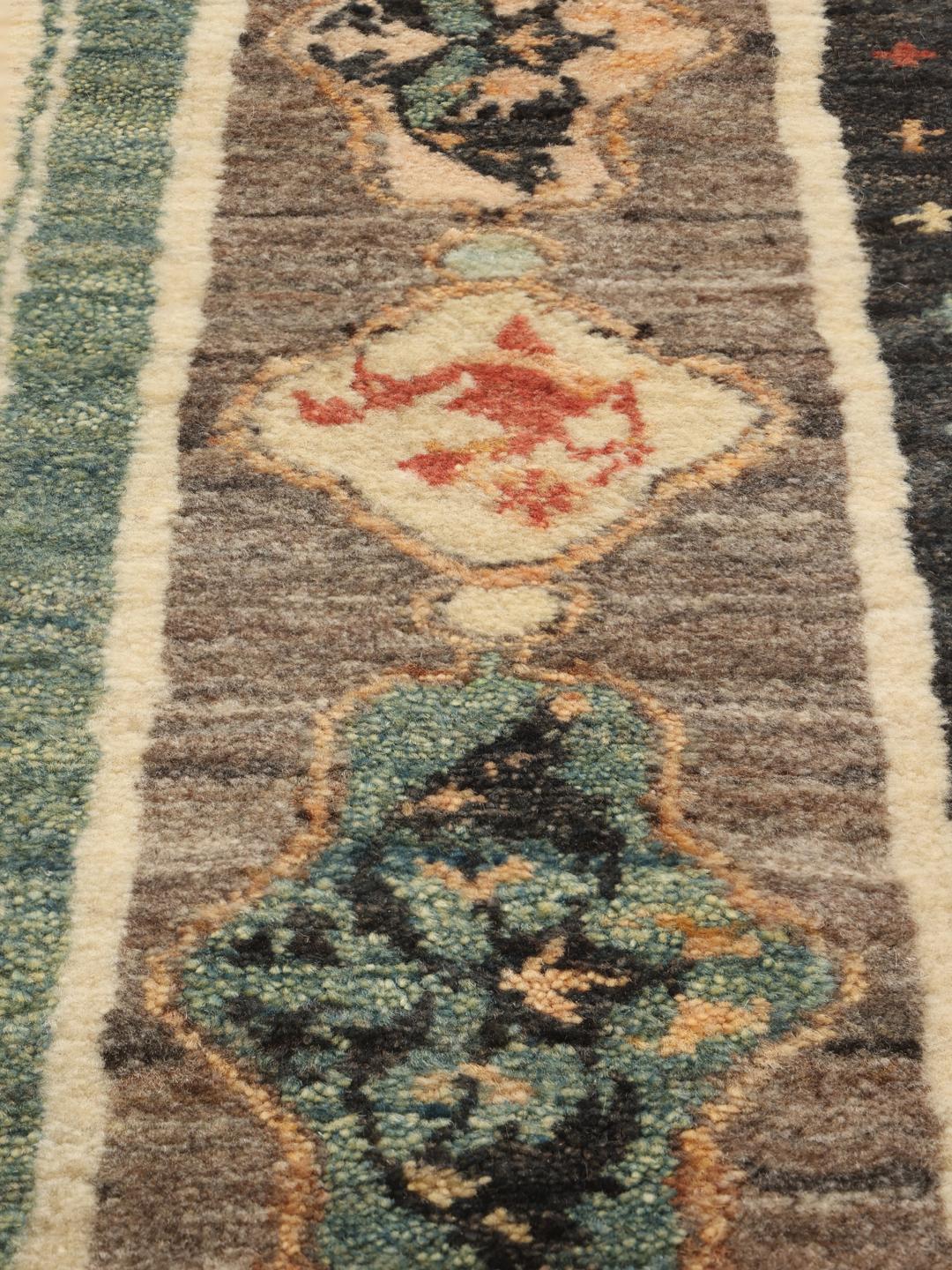
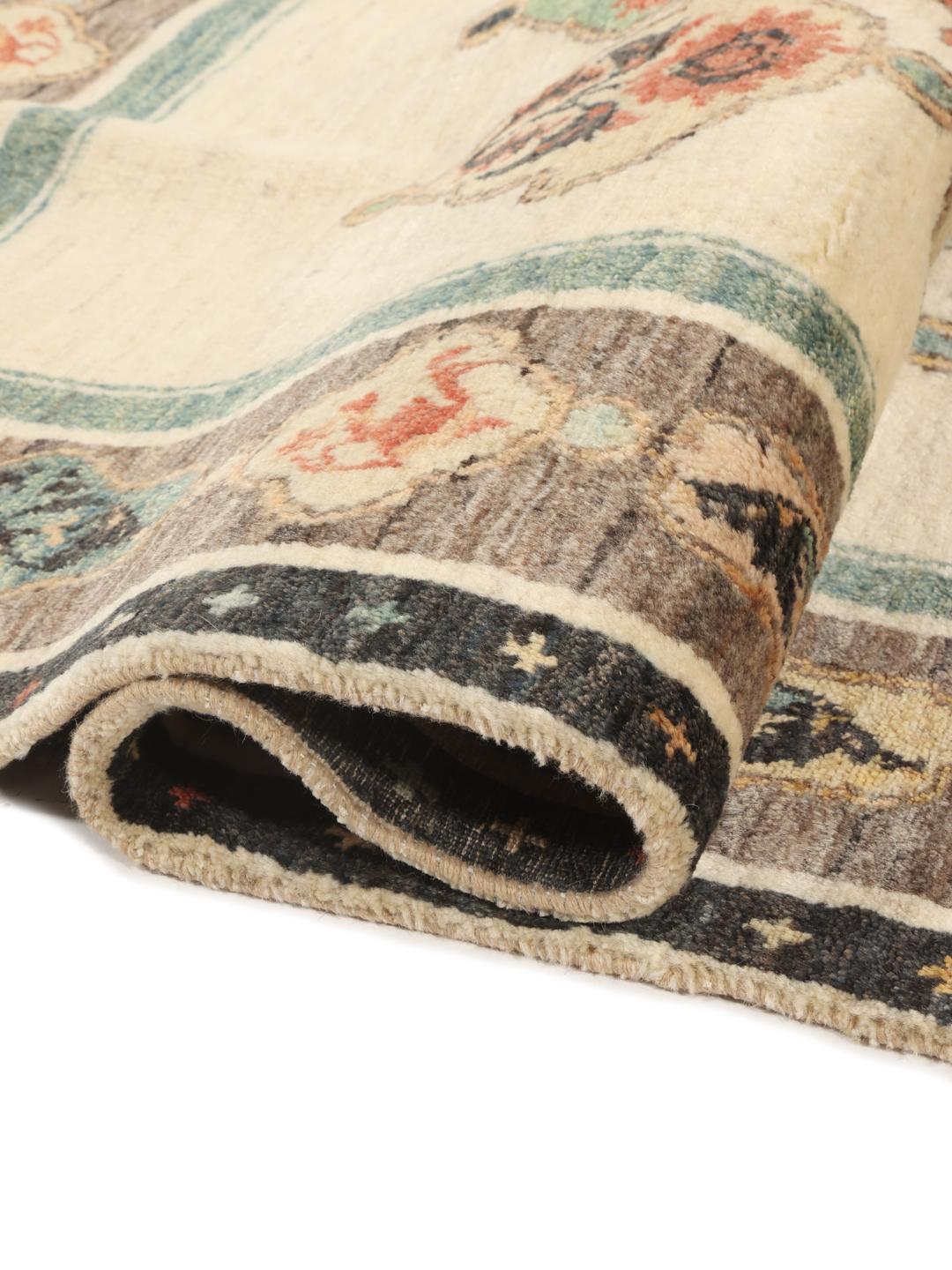
The term 'Kashkooli' refers to a specific, more refined grade of Gabbeh rug. While standard Gabbeh rugs are known for their rustic and minimalist aesthetic, the Kashkooli variety is characterised by a higher knot density and a more sophisticated use of detail. This evolution in craft allows for more intricate patterns, such as the pictorial motifs seen here, and a smoother, more lustrous texture that elevates the traditional nomadic style into a more polished, decorative piece suitable for diverse interiors.
The visual language of this rug is deeply symbolic, often incorporating motifs inspired by the landscape and tribal life. You will frequently find stylised representations of animals, plants, and geometric shapes, each carrying layers of cultural meaning. The use of a light, creamy field allows these colourful, expressive designs to stand out with remarkable clarity. This tradition of storytelling through weaving is what gives each piece its unique soul, as no two weavers interpret these motifs in exactly the same way.
Collecting a Gabbeh Kashkooli rug is an opportunity to own a piece of living heritage. These rugs are valued not only for their beauty but for the immense skill required to produce them without the aid of modern machinery. Owning one is a commitment to preserving an ancient craft, providing your home with a piece that carries the weight of history and the undeniable warmth of human hands. It is a timeless addition that connects your modern space to a deep, resonant past.