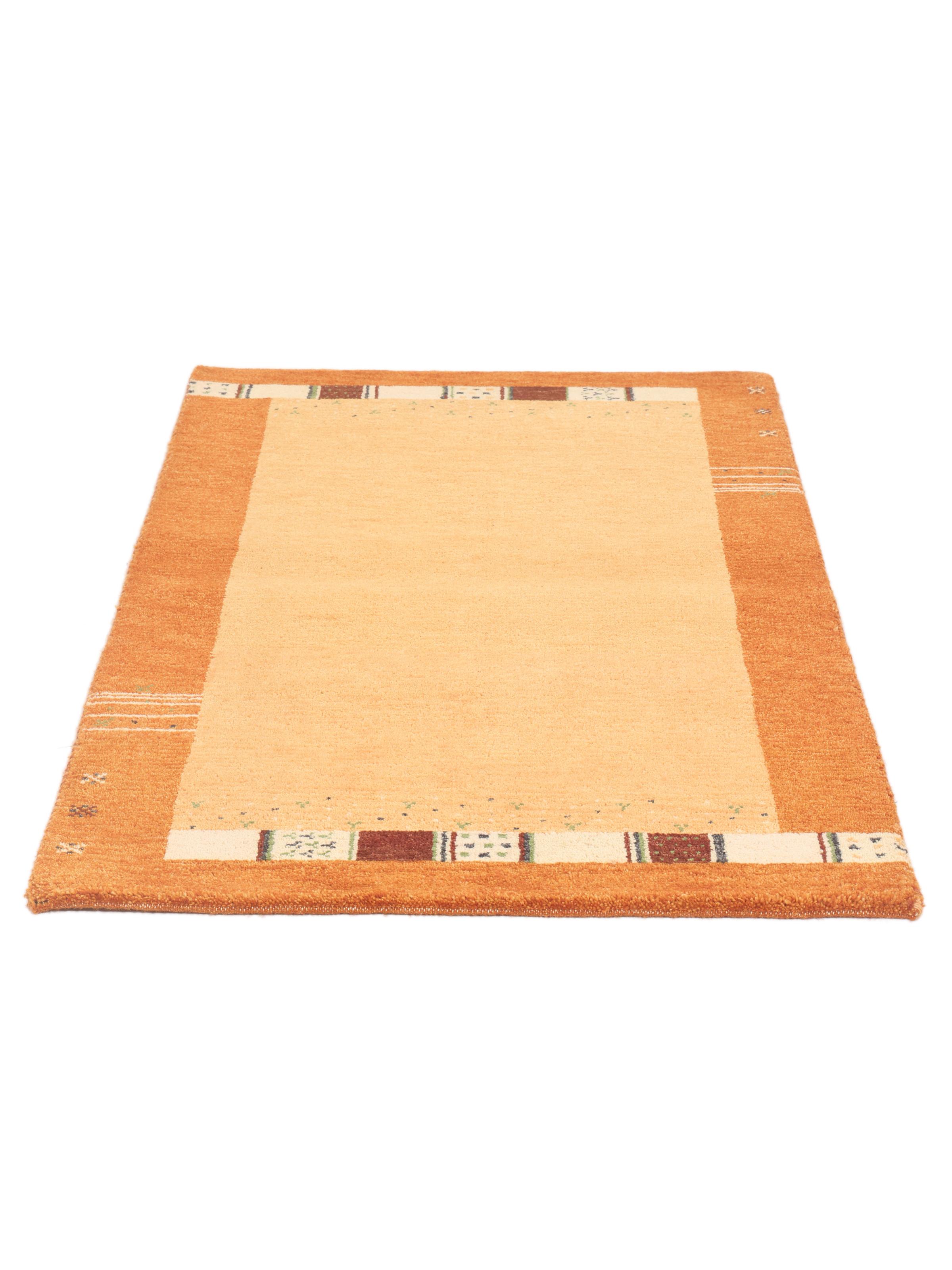
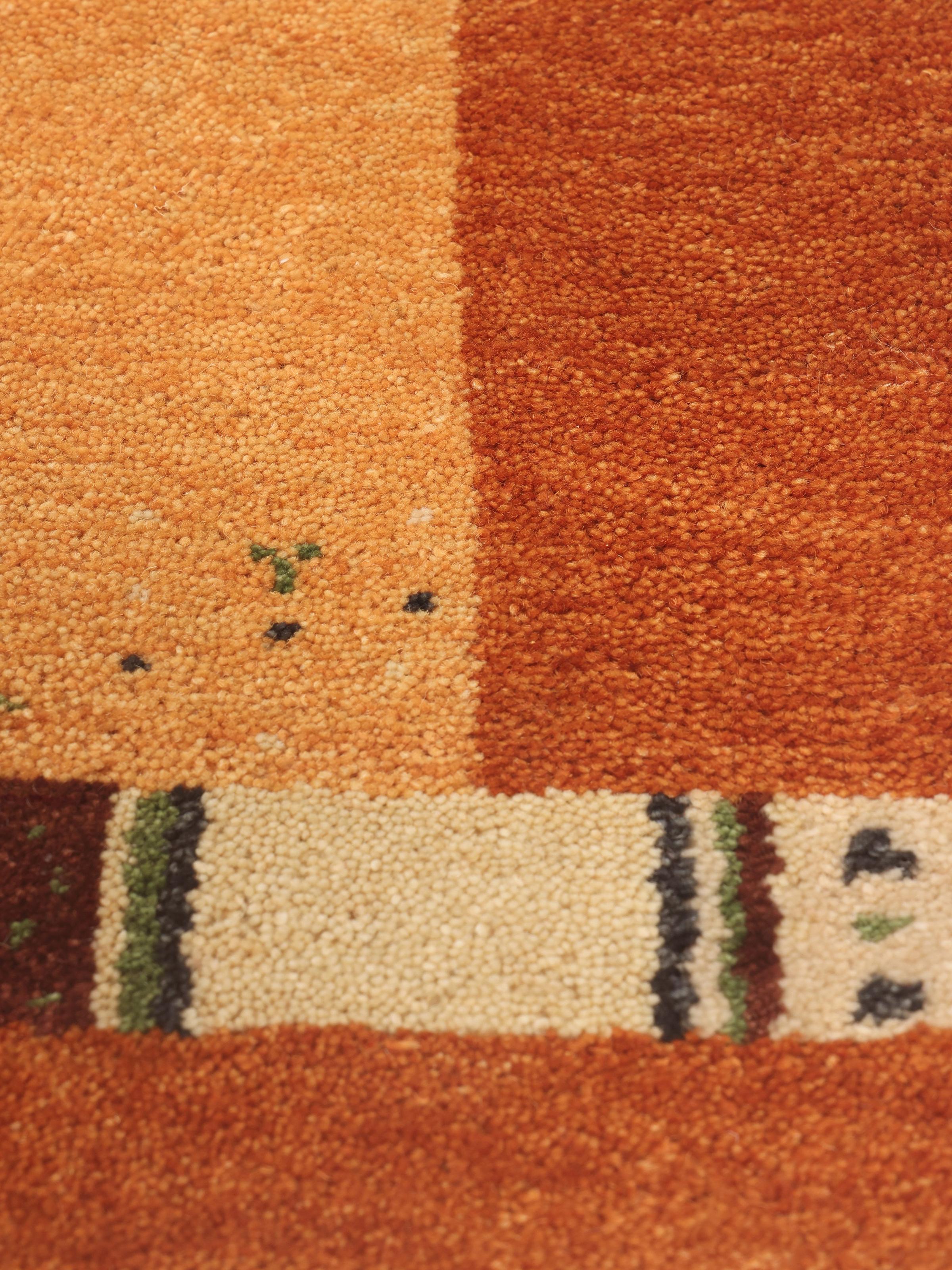
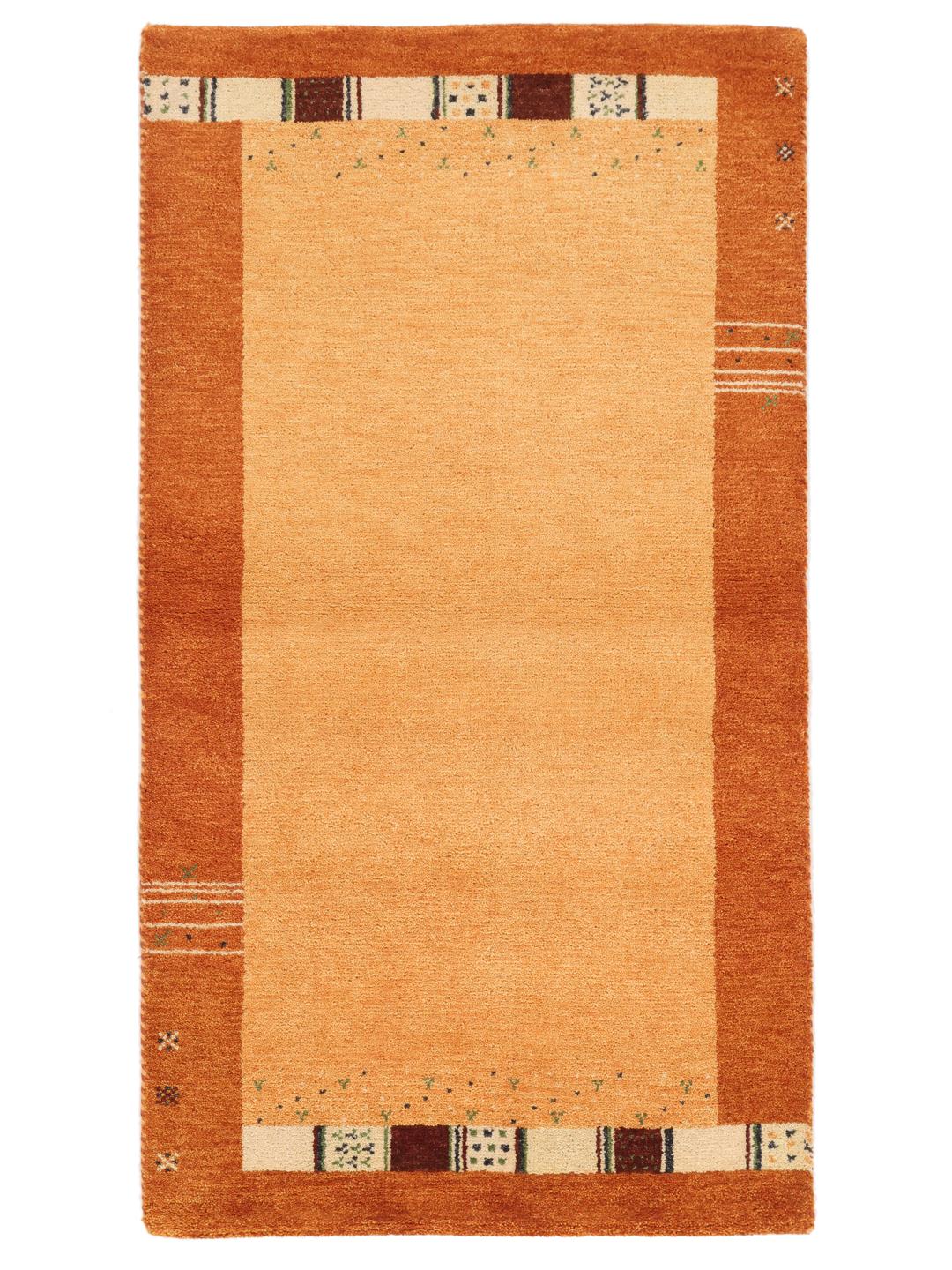
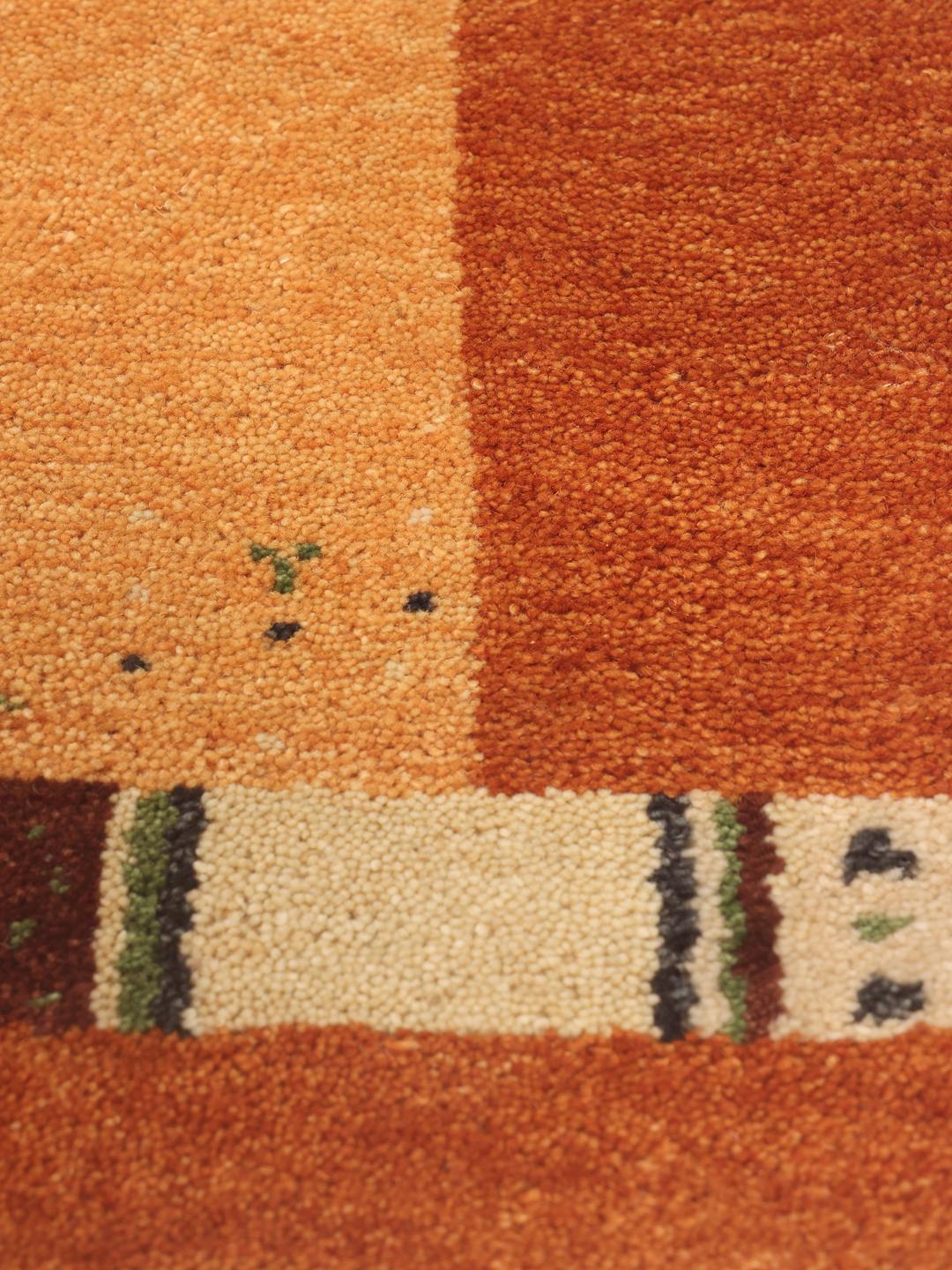
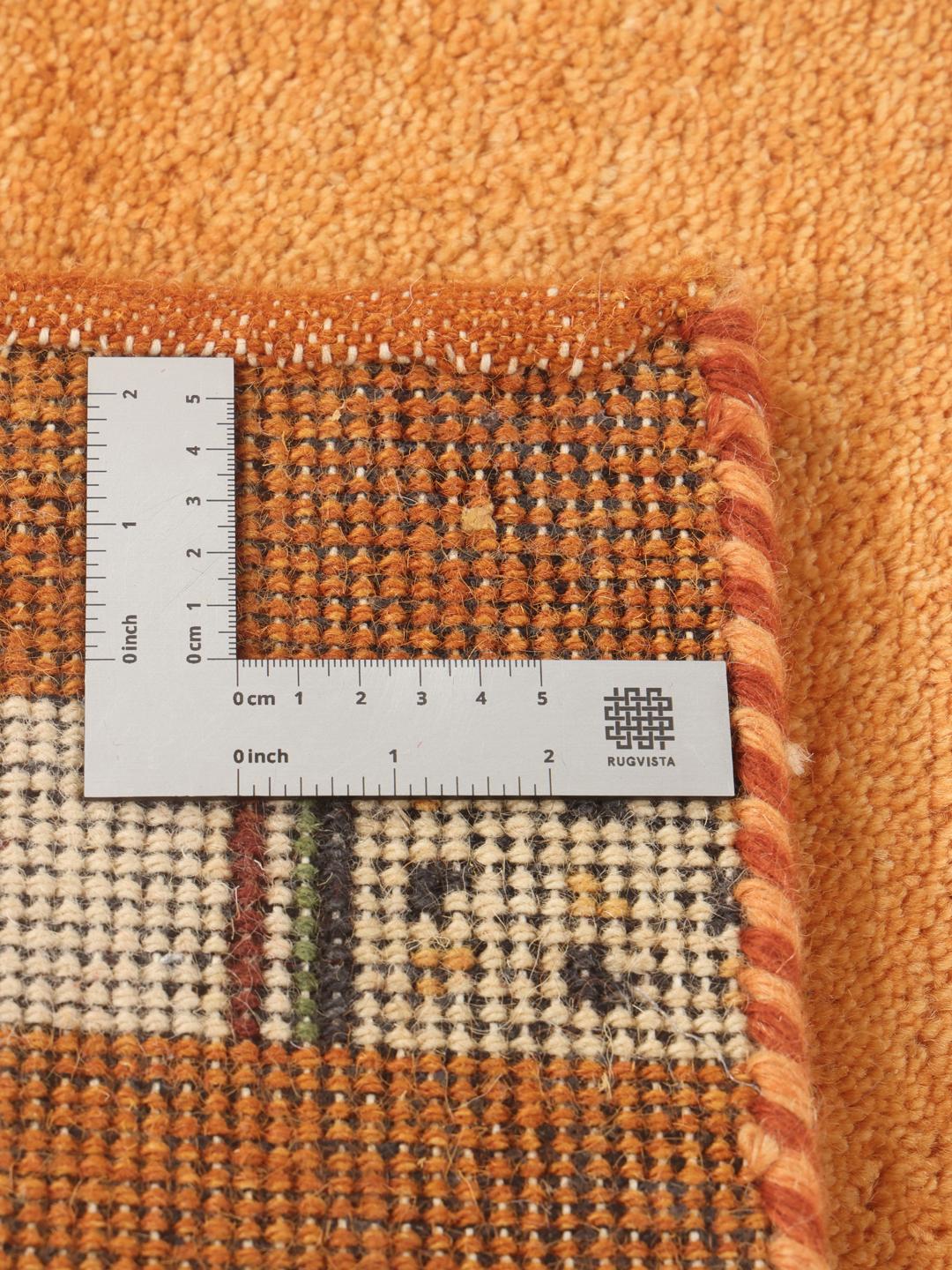
Gabbeh rugs have a rich history rooted in the nomadic traditions of the Middle East, where they were originally woven by tribal families for personal use. These rugs were designed to be functional and durable, often serving as bedding or floor coverings in harsh environments. Over time, the style evolved, and today, fine examples are masterfully produced in India, where the tradition of hand-knotting continues to thrive.
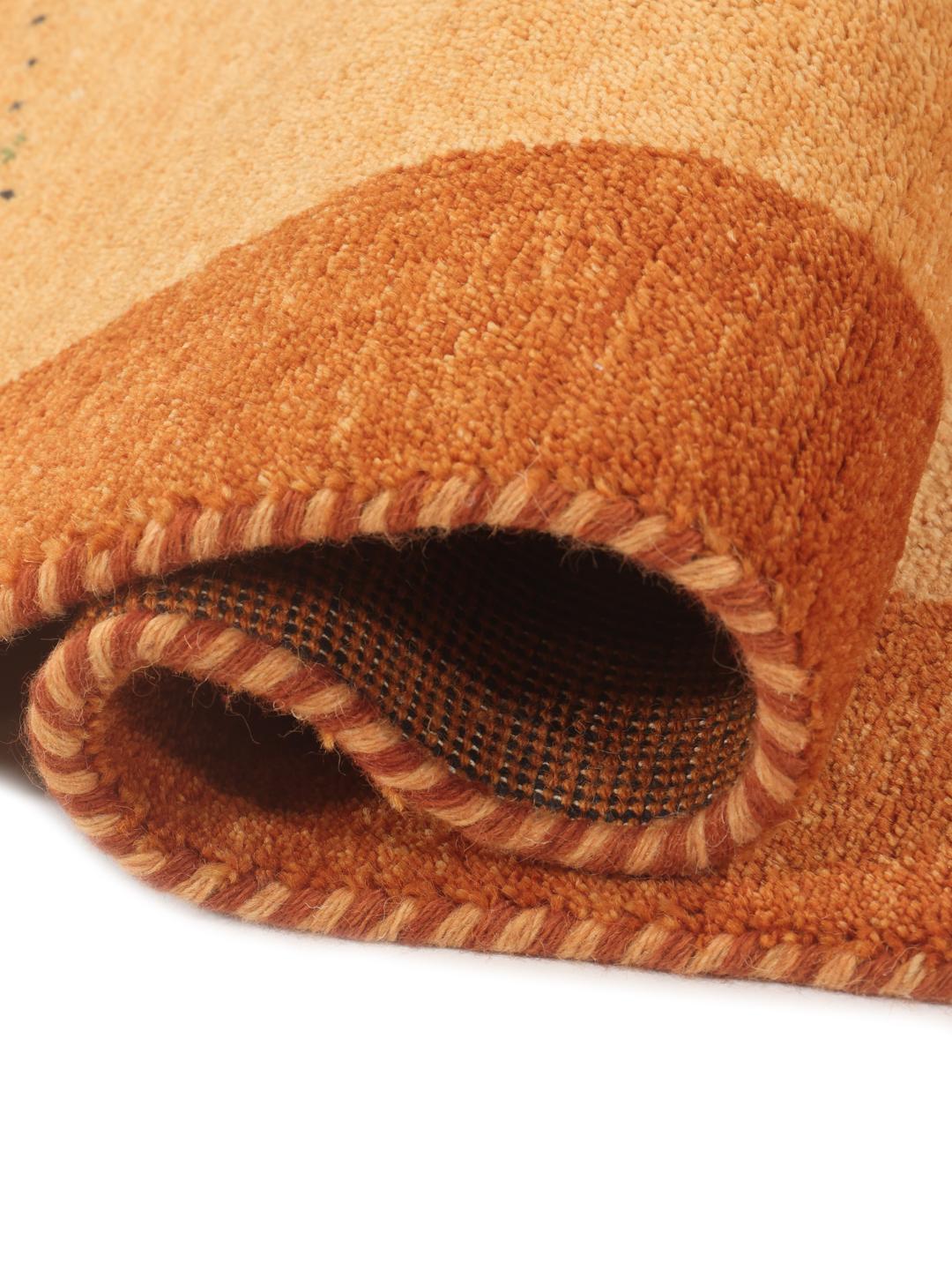
The term Gabbeh itself refers to a 'natural' or 'raw' style, characterised by a thicker pile and a more simplified aesthetic compared to intricate city rugs. This style celebrates the beauty of simplicity, often allowing the quality of the Wool and the depth of the colour to take centre stage. The result is a rug that feels honest and accessible, bridging the gap between historical nomadic craft and contemporary interior needs.
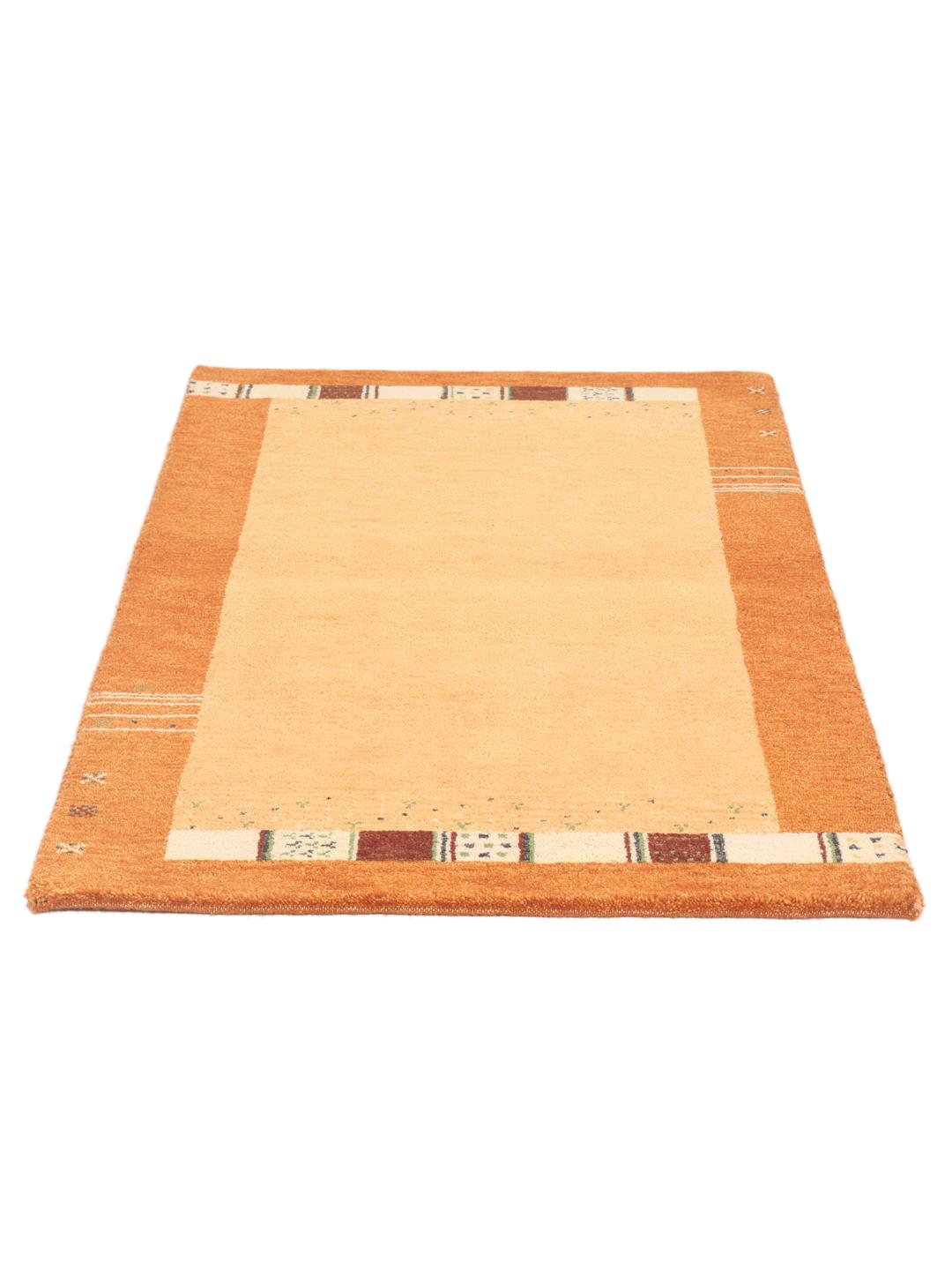
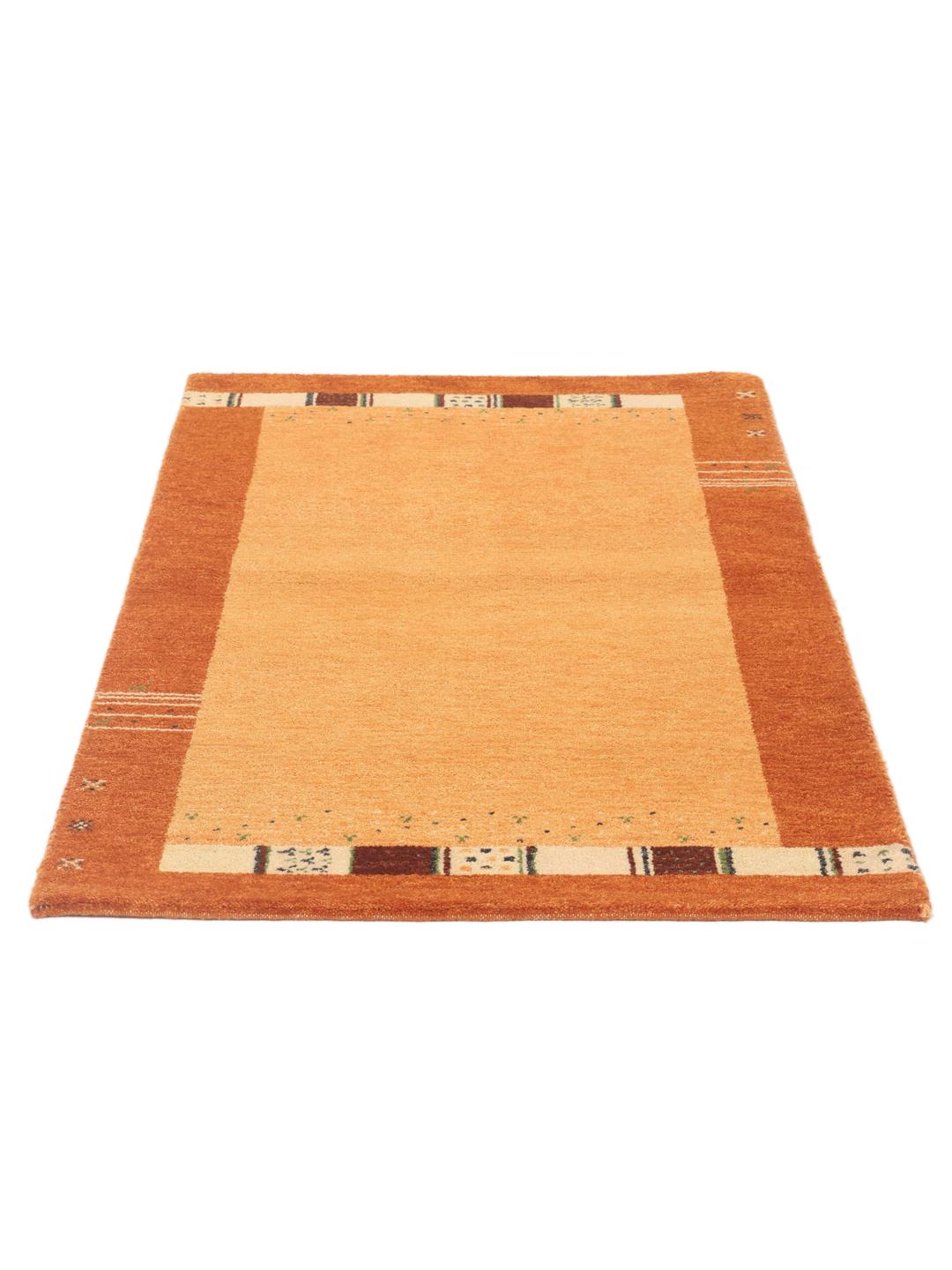
Visually, these rugs are known for their open fields and restrained use of motifs. While formal carpets might feature complex medallions or floral patterns, a Gabbeh typically uses small, scattered symbols or geometric accents. This rug displays a beautiful, minimalist approach, allowing the vibrant orange tones to create a sense of light and comfort that defines the Gabbeh tradition.
Owning a Gabbeh is about more than just floor decor; it is about connecting with a lineage of textile artistry that values human touch over mass production. Collectors and homeowners alike value these rugs for their ability to bring a sense of organic, human-made warmth to a space. By choosing this piece, you are supporting a craft tradition that has remained meaningful and relevant across generations.