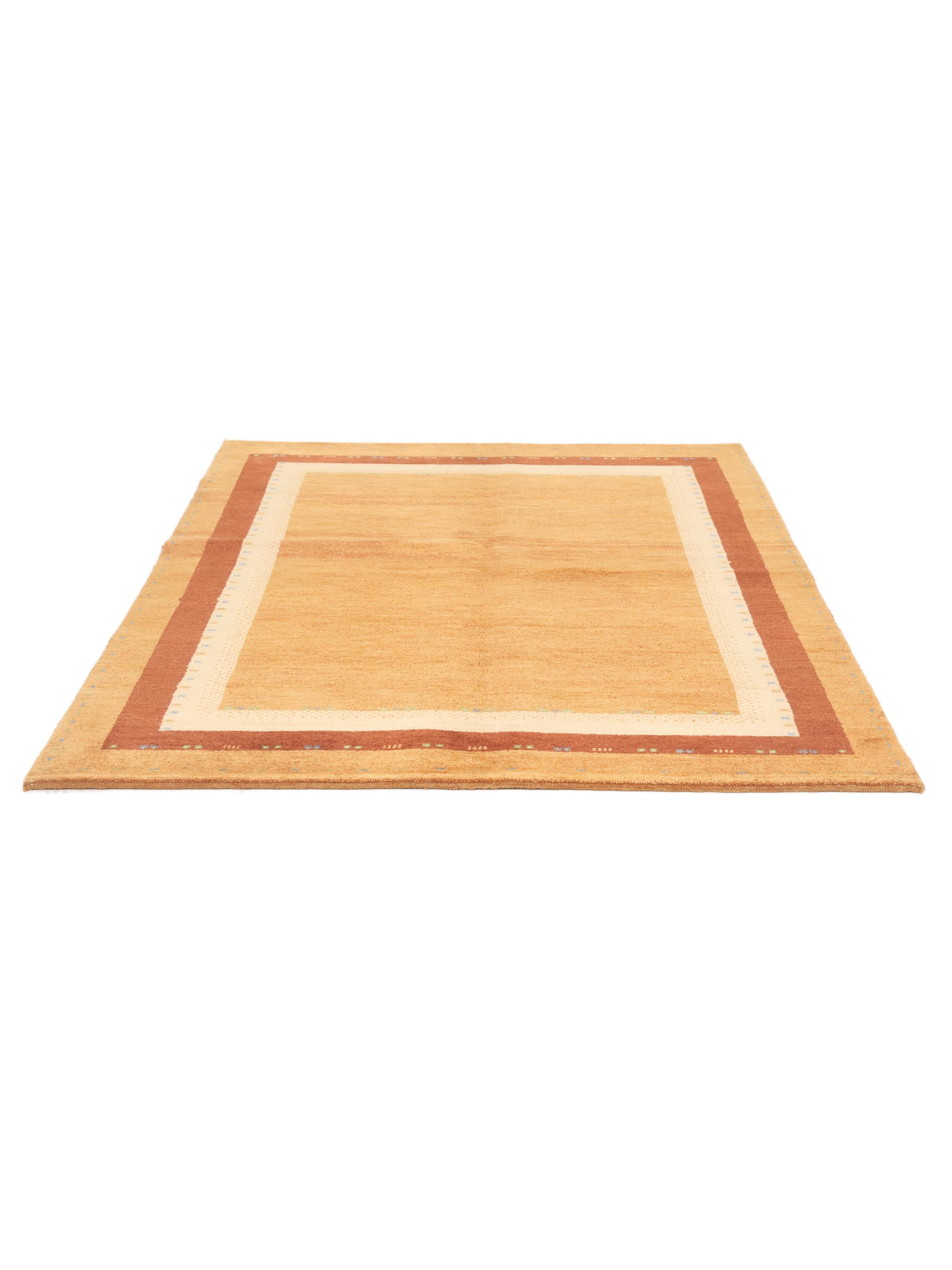
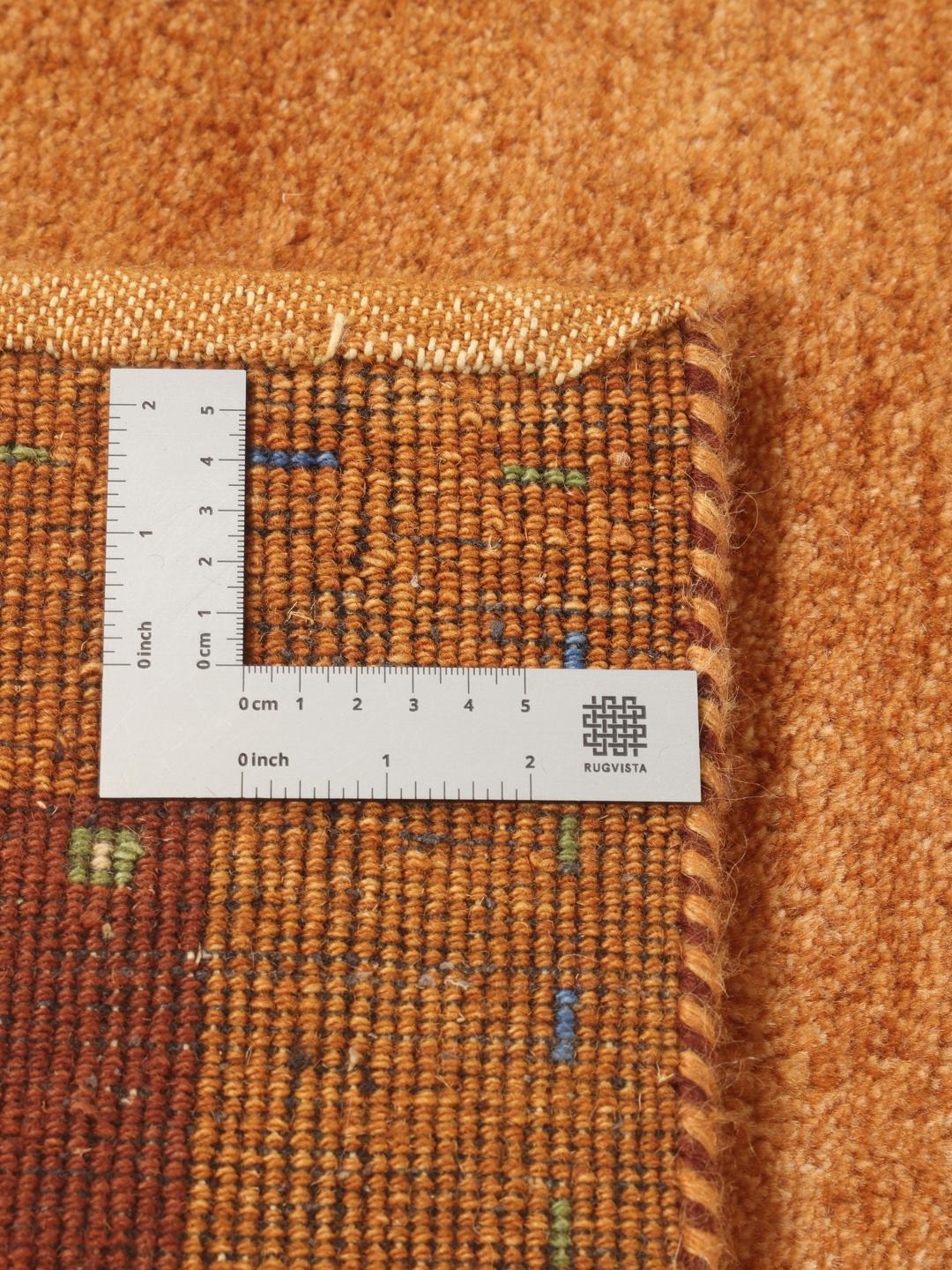
The Gabbeh tradition traces its roots to the nomadic tribes of the Middle East, who originally crafted these rugs for personal use rather than for trade. These rugs were designed to provide warmth and comfort within tents, often serving as bedding or floor coverings. Over time, the style migrated and evolved, with modern interpretations now being masterfully produced in regions like India, where the tradition of hand-knotting remains vibrant and highly respected.
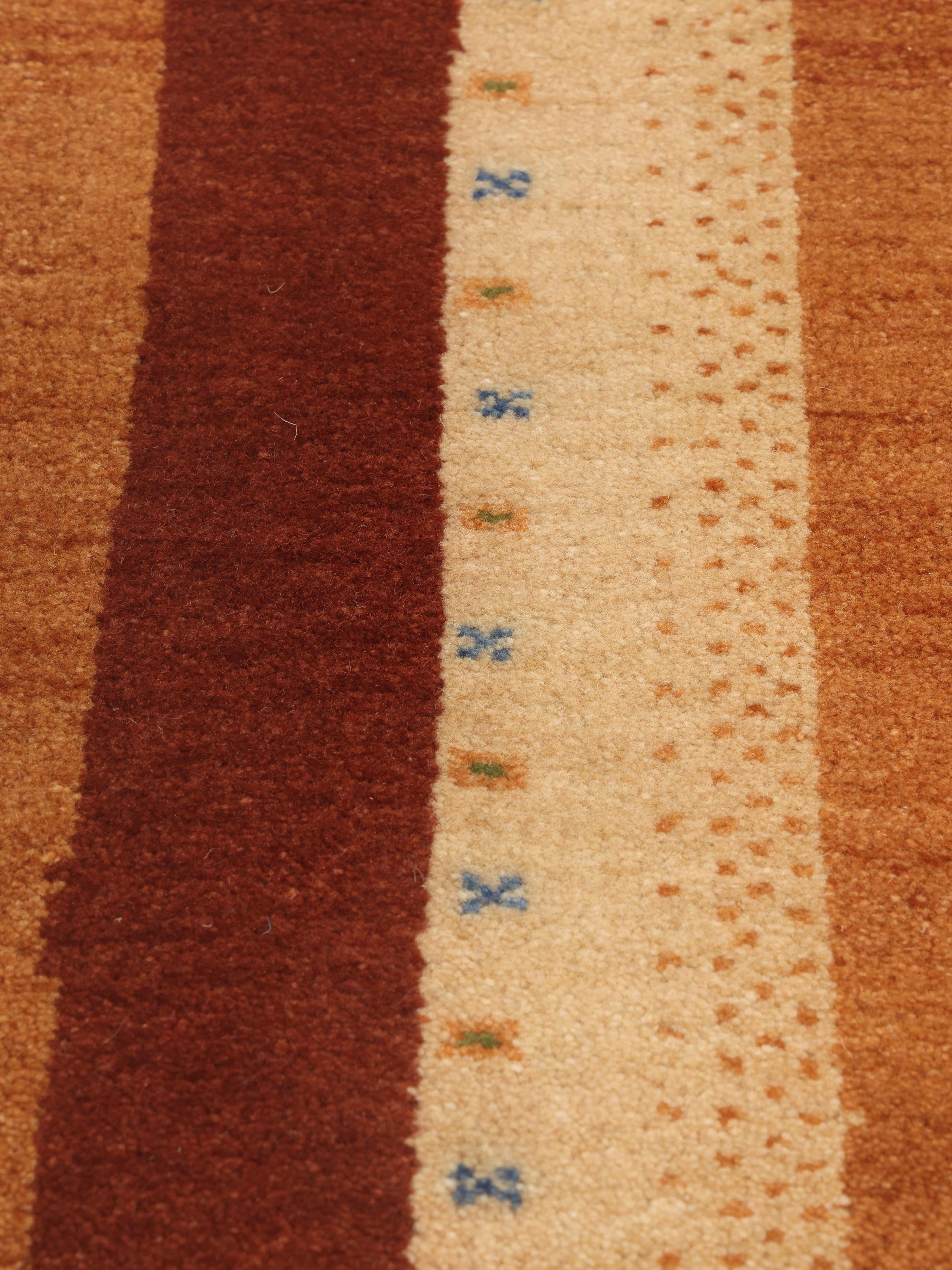
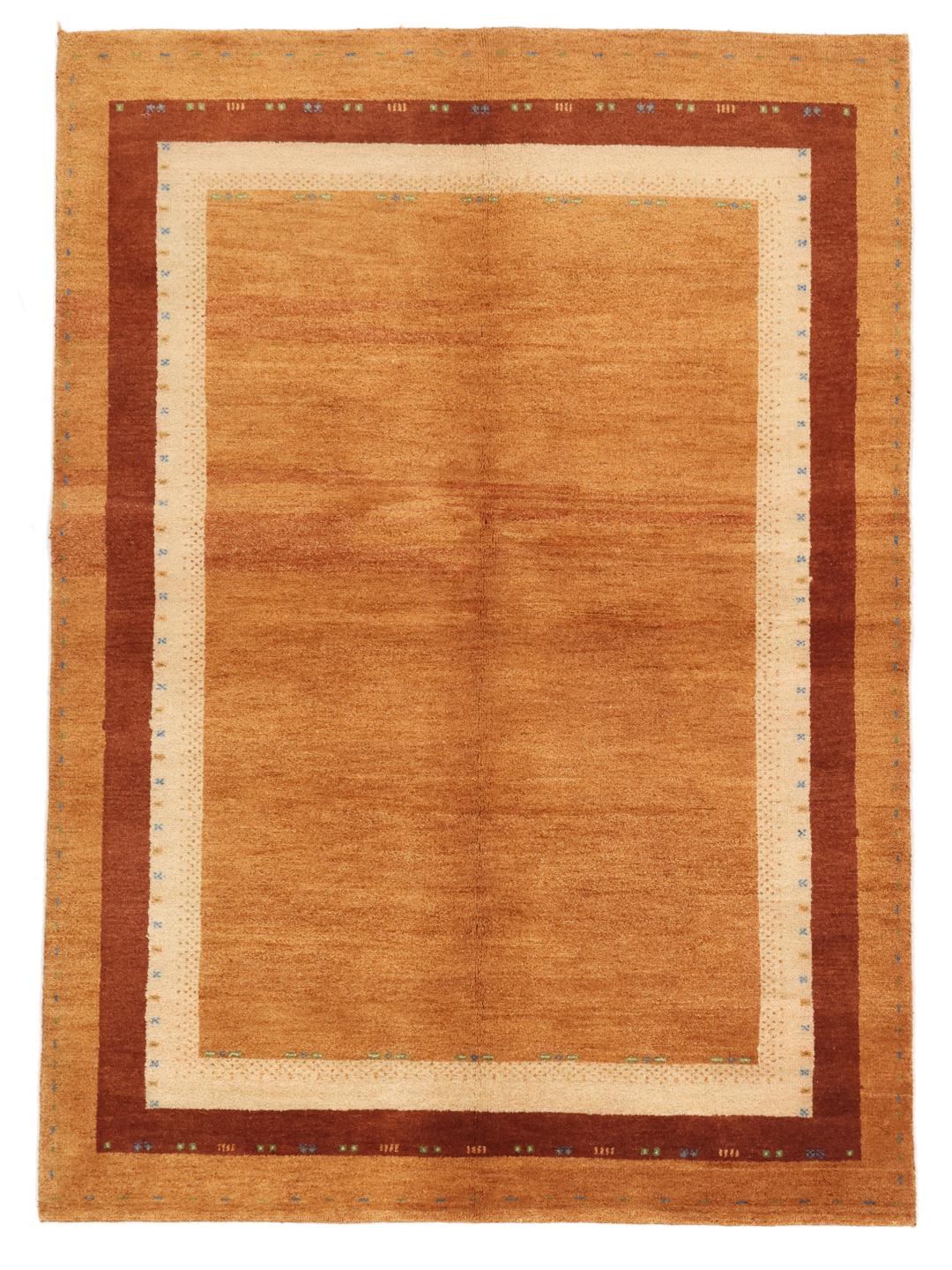
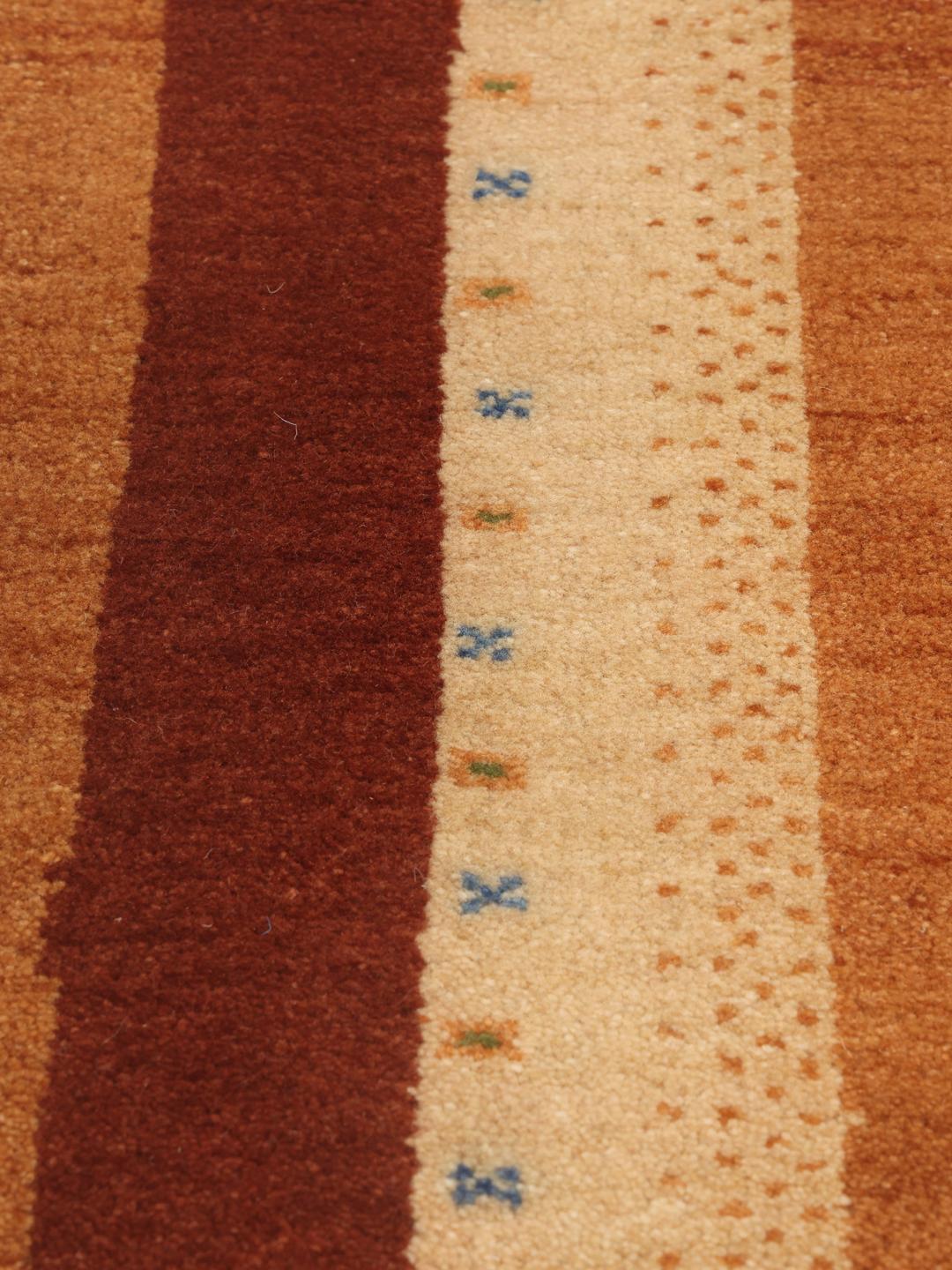
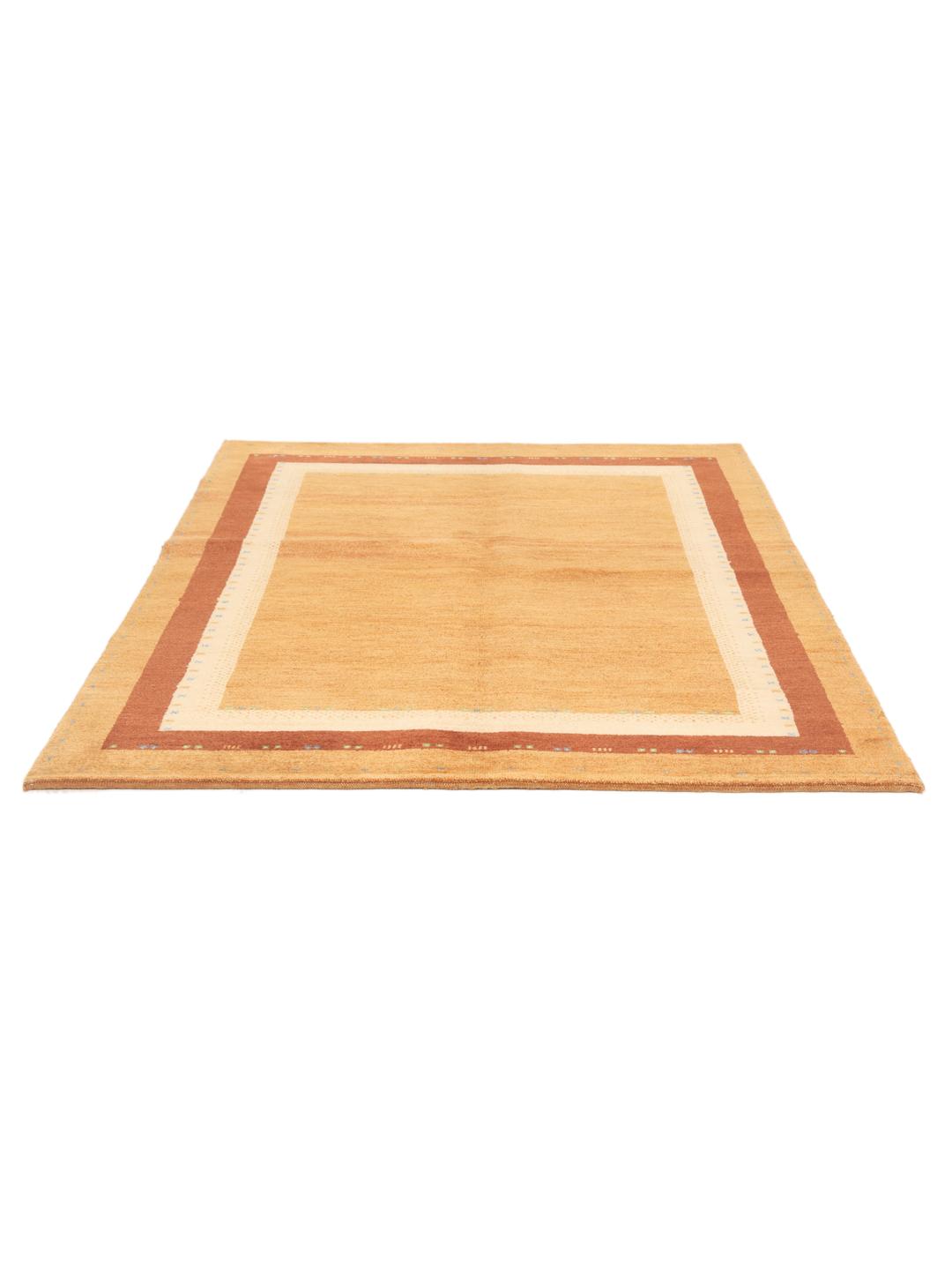
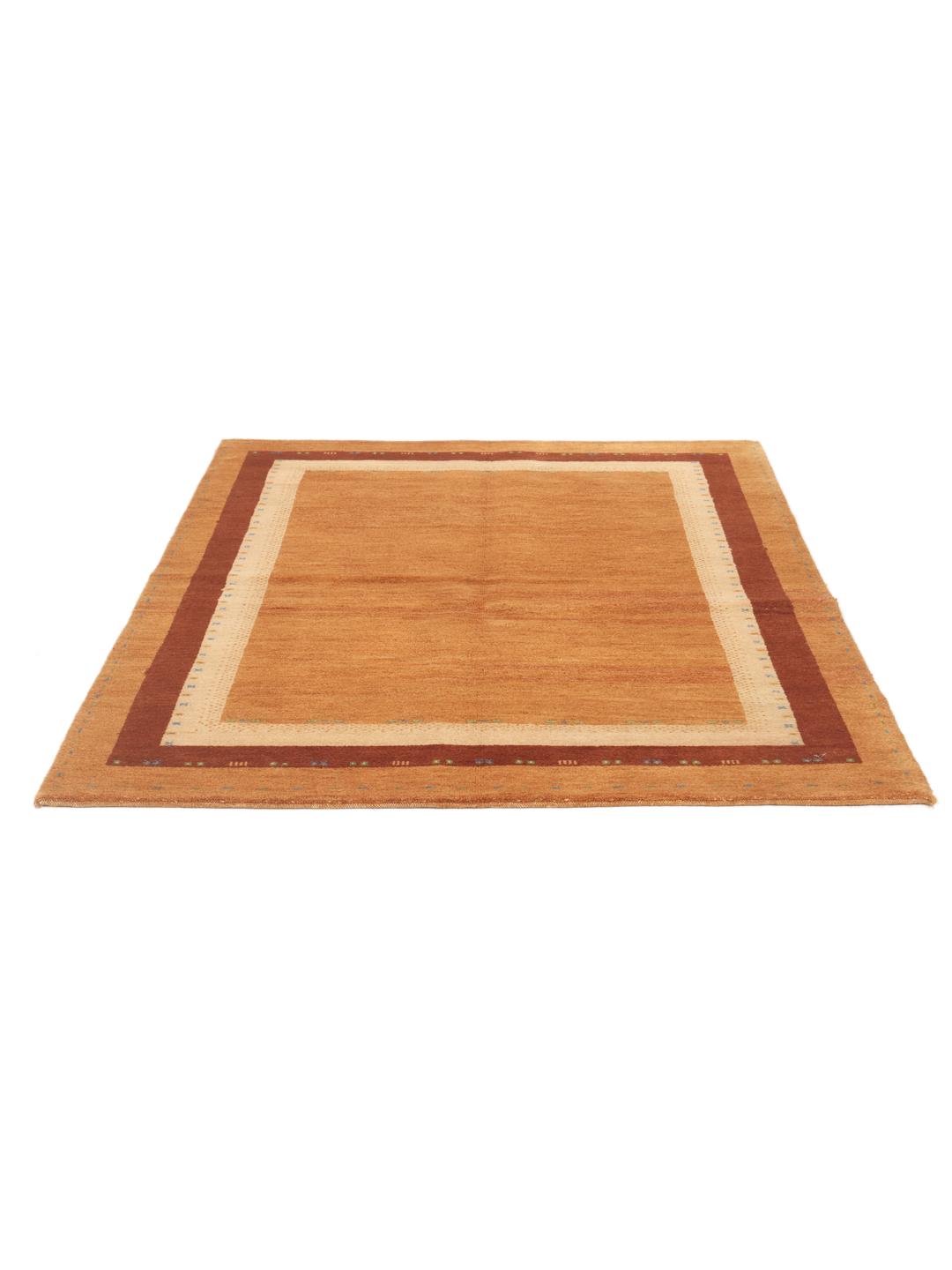
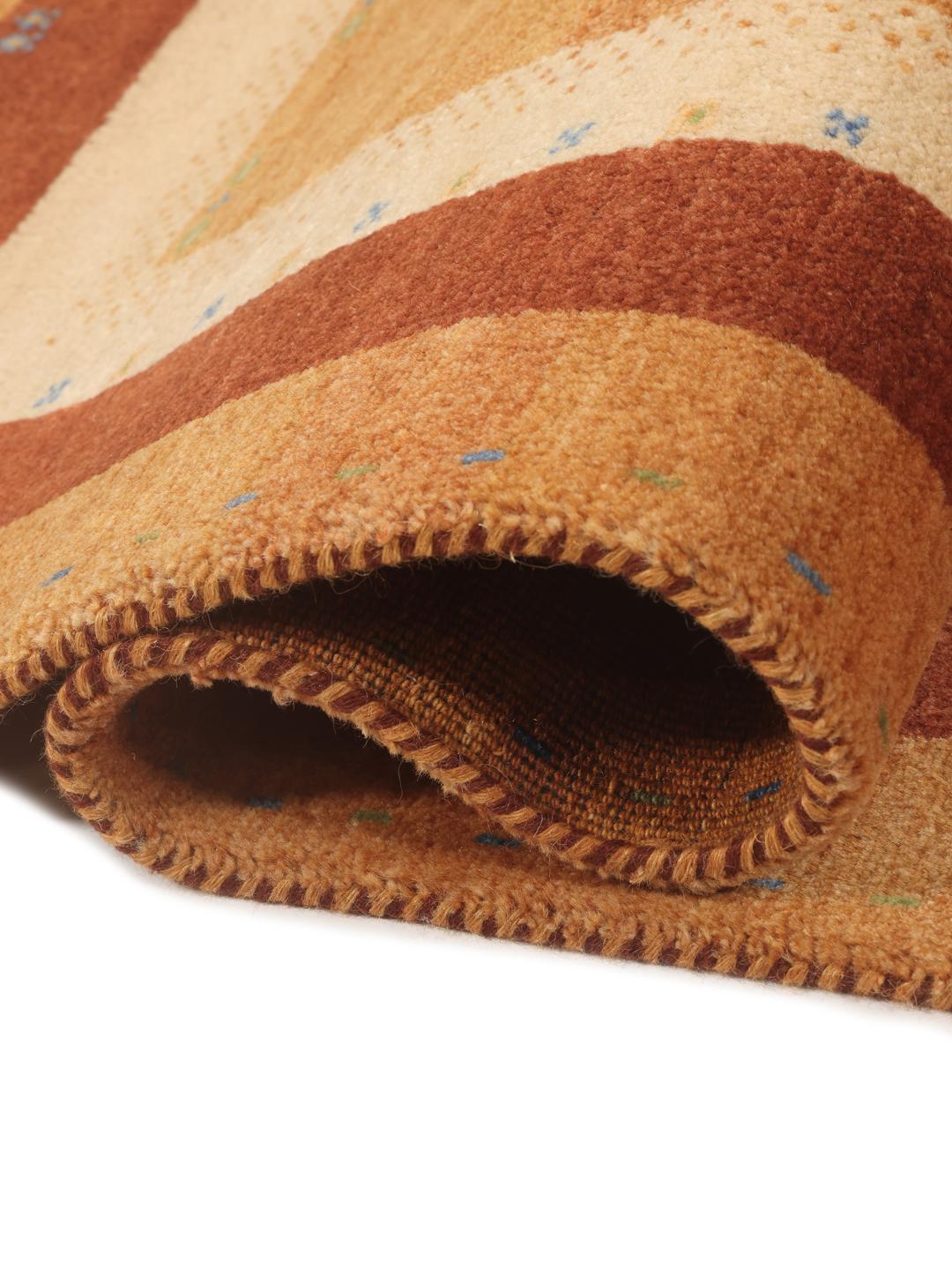
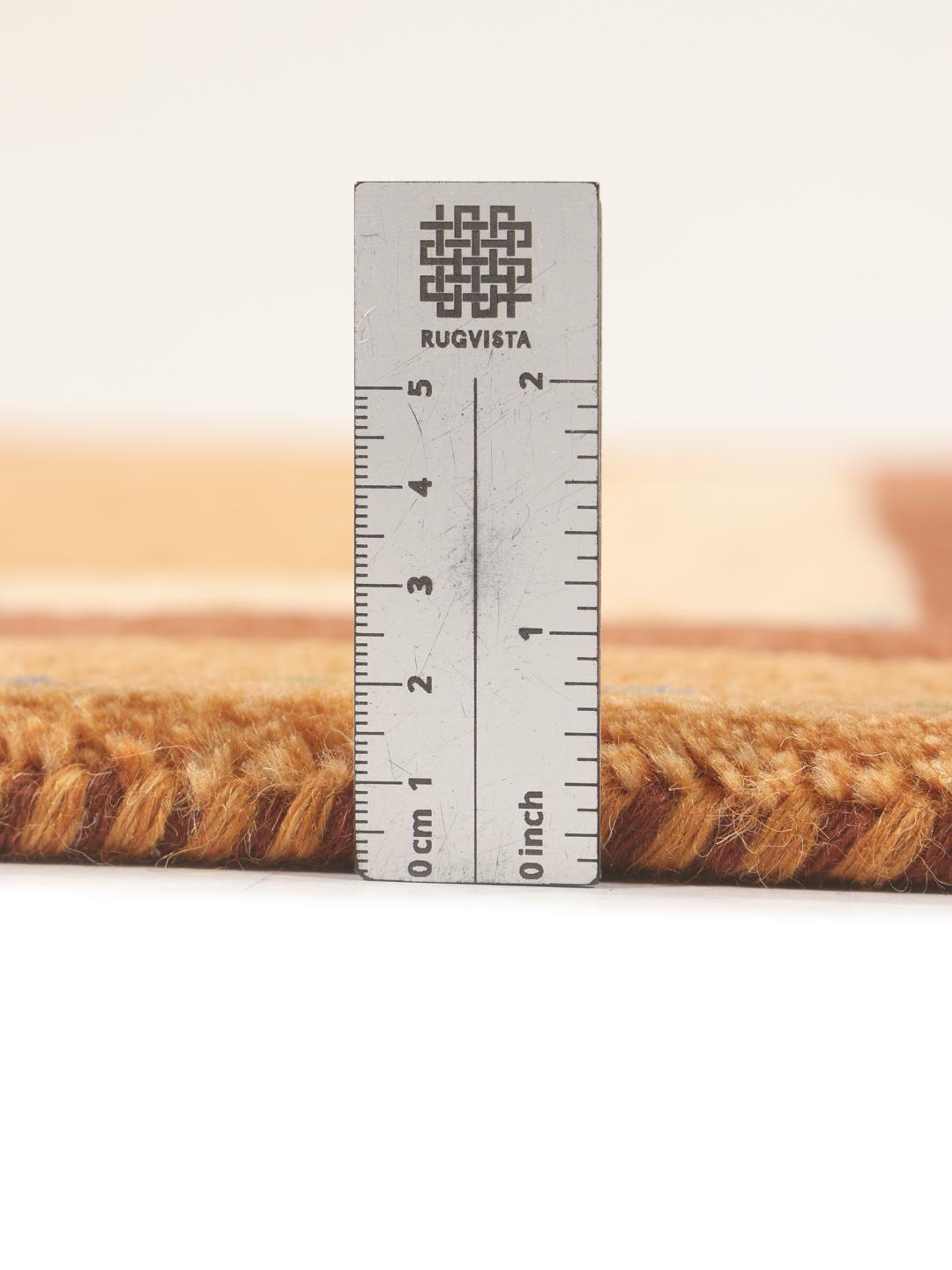
Technically, a Gabbeh is defined by its focus on simplicity and the use of hand-spun, thick wool. This construction method creates a substantial, plush pile that is highly valued for its durability and soft feel. Unlike more formal, intricate rug styles, the Gabbeh celebrates the raw beauty of the materials, often featuring an open field and minimal motifs that allow the natural, rich colours of the wool to take centre stage.
Signature design elements in these rugs often include stylised, geometric representations of nature or simple, evocative shapes. While they may appear minimalist to the modern eye, every motif is steeped in the cultural history of the weavers. The borders are typically kept simple, framing the central field in a way that highlights the rug's overall composition and colour depth.
Collecting a Gabbeh is an investment in the living history of textile craft. These rugs are valued not just for their aesthetic appeal, but for the skill and heritage they represent. Owning one is a way to connect with a long-standing tradition of artistry, bringing a piece of cultural significance and lasting quality into your home that feels both grounded and timeless.